
Breeding Bristlenose Plecos: An Aquarium Mastery StepbyStep Guide

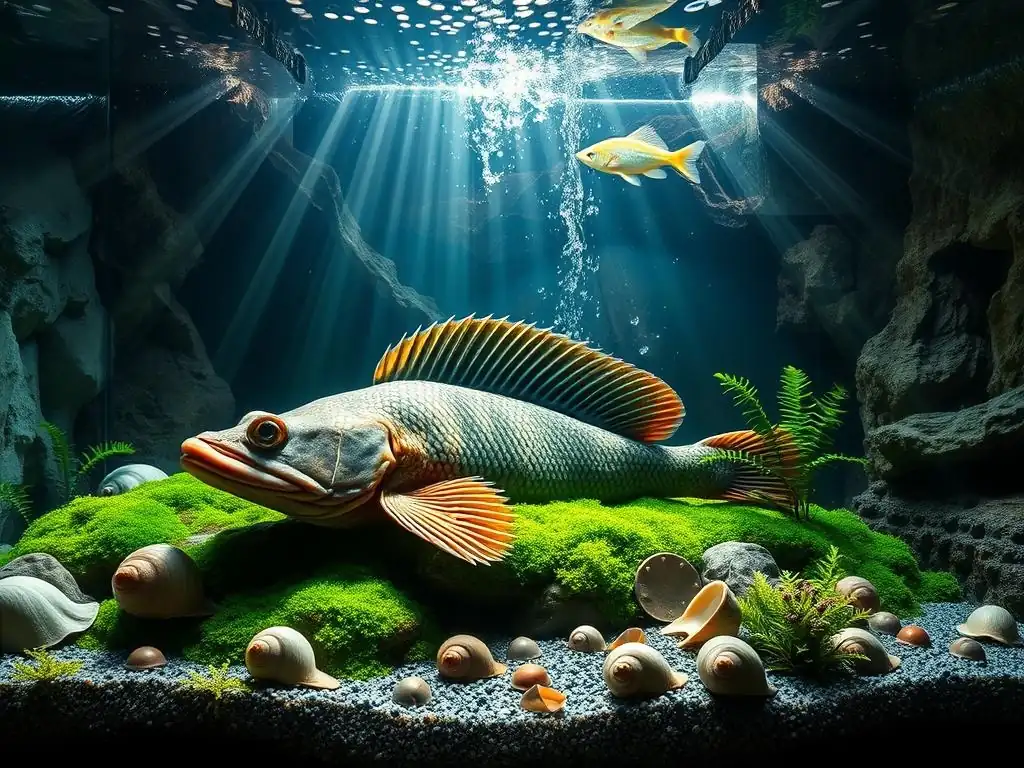
Welcome to Aquarium Mastery!
Ever wondered how to unlock the secrets of breeding these fascinating algae eaters? Dive into our comprehensive Bristlenose Pleco Breeding Guide and discover everything you need to know to successfully breed these popular freshwater fish. From tank setup to fry care, we'll guide you through each step, transforming you from a curious aquarist into a Bristlenose breeding master. Intrigued? Let's get started!
- Introduction to Bristlenose Pleco Breeding: A Comprehensive Guide for Aquarists
-
Step 1: Setting Up Your Bristlenose Pleco Breeding Tank
- Tank Size and Setup for Breeding Bristlenose Plecos: Optimizing the Environment
- Water Parameters for Bristlenose Pleco Breeding: Achieving the Ideal Chemistry
- Choosing the Right Substrate and Decorations for a Bristlenose Breeding Tank
- Essential Equipment for Breeding Bristlenose Plecos: Filters, Heaters, and Lighting
- Step 2: Selecting and Preparing Your Breeding Pair
- Step 3: Encouraging Spawning: Triggering Breeding Behavior
- Step 4: The Bristlenose Pleco Breeding Process: From Eggs to Fry
- Step 5: Caring for Bristlenose Pleco Fry: Raising Healthy Juveniles
- Step 6: Troubleshooting Common Bristlenose Pleco Breeding Issues
- Step 7: Selling or Rehoming Your Bristlenose Pleco Fry
- Conclusion: Mastering Bristlenose Pleco Breeding for Aquarium Enthusiasts
-
Frequently Asked Questions
- How do I tell the difference between male and female Bristlenose plecos?
- What size tank is needed for breeding Bristlenose plecos?
- What are the ideal water parameters for breeding Bristlenose plecos?
- What kind of cave or hiding place do Bristlenose plecos need to breed?
- How long does it take for Bristlenose pleco eggs to hatch?
- Final Reflection: The Enduring Allure of Aquatic Creation
- Ignite Your Breeding Passion!
Introduction to Bristlenose Pleco Breeding: A Comprehensive Guide for Aquarists
Why Breed Bristlenose Plecos? The Benefits and Rewards
Bristlenose Plecos ( Ancistrus spp.) are among the most popular and beneficial inhabitants of freshwater aquariums, primarily valued for their diligent algae-eating capabilities and their unique, charming appearance. Unlike common plecos that can grow to over a foot in length, Bristlenose Plecos typically reach a more manageable size of 4-5 inches, making them suitable for a wider range of home aquariums. Successfully breeding these fascinating catfish offers a profound sense of accomplishment and allows aquarists to observe complex natural behaviors firsthand.
Beyond the personal satisfaction, breeding Bristlenose Plecos provides practical benefits. There's a consistent demand for these efficient algae eaters within the aquarium hobby, offering a potential avenue for income or a way to share your passion with fellow enthusiasts. A well-conditioned breeding pair can produce between 20 to 100 fry per spawn, with spawns occurring every 2-3 months under optimal conditions. This steady supply can either populate your own tanks, provide stock for local fish stores, or allow for selective breeding programs aimed at developing specific traits like long fins or albino coloration.
Understanding Bristlenose Pleco Biology: Crucial for Successful Breeding
To master Bristlenose pleco breeding, it's essential to understand their natural biology and behaviors. These catfish originate from the fast-flowing, oxygen-rich waters of the Amazon basin and its tributaries in South America. In their natural habitat, they seek out sheltered crevices and caves for protection and spawning, a behavior that is critical to replicate in the aquarium. They are primarily nocturnal or crepuscular, meaning they are most active during dawn and dusk, and their diet consists mainly of plant matter and biofilm.
Bristlenose Plecos exhibit a unique reproductive strategy known as cave spawning, where the male takes on the primary role of guarding and caring for the eggs and newly hatched fry. Females typically reach sexual maturity around 6-12 months of age, at which point they are usually about 2.5-3 inches in total length. A healthy female can lay a clutch of 20 to 100 adhesive eggs, which the male then fertilizes and protects. Their lifespan in a well-maintained aquarium can extend to 5-7 years, providing ample opportunity for multiple breeding cycles.
Step 1: Setting Up Your Bristlenose Pleco Breeding Tank
Tank Size and Setup for Breeding Bristlenose Plecos: Optimizing the Environment
For successful Bristlenose pleco breeding, a dedicated breeding tank is highly recommended. A 20-gallon long aquarium (approximately 30x12x12 inches) provides ample floor space and water volume for a single breeding pair, offering better stability than smaller tanks. While a 10-gallon can technically house a pair, it offers less room for fry development and makes water parameter maintenance more challenging. For breeders aiming to keep a male with multiple females (a harem setup), a 40-gallon breeder tank or larger is advisable to minimize aggression and stress among the fish.
The breeding tank must be fully cycled and biologically mature before introducing the plecos. A stable nitrogen cycle is paramount to ensure pristine water quality, which is crucial for stimulating spawning and for the health of the delicate fry. Place the tank in a quiet, low-traffic area of your home to reduce external disturbances, as stress can significantly inhibit breeding behavior. The tank setup should prioritize the specific needs of the Bristlenose plecos, focusing on providing an optimal environment for both adults and their future offspring.
Water Parameters for Bristlenose Pleco Breeding: Achieving the Ideal Chemistry
Maintaining precise and stable water parameters is a cornerstone of any successful Bristlenose pleco breeding guide. These fish thrive in soft to moderately hard water, with a general hardness (GH) between 2-12 dGH and a carbonate hardness (KH) of 3-10 dKH. The ideal pH range for breeding is typically between 6.5 and 7.5. Consistency in these parameters is often more important than hitting exact target numbers, as sudden fluctuations can cause significant stress. Regular testing with a reliable liquid test kit is indispensable for monitoring these levels.
Temperature plays a critical role in inducing spawning. Bristlenose Plecos generally breed most readily when the water temperature is maintained between 76-82°F (24-28°C). A common trigger for spawning is a slight increase in temperature combined with large, cool water changes, mimicking the onset of the rainy season in their natural habitat. Crucially, ammonia and nitrite levels must consistently remain at zero, and nitrates should be kept below 20 ppm to ensure a healthy and fertile environment.
Choosing the Right Substrate and Decorations for a Bristlenose Breeding Tank
When setting up a Bristlenose pleco breeding tank, the choice of substrate should prioritize safety and ease of maintenance. Fine sand or small, smooth gravel is ideal, as it is gentle on their delicate barbels and easy to keep clean. Avoid any sharp or rough substrates that could potentially injure the fish. The substrate layer can be relatively thin, around 1-2 inches, as Bristlenose Plecos are not known for burrowing. The primary function of the substrate in this context is to provide a surface for beneficial bacteria and to facilitate waste removal.
Decorations are vital for creating a secure and stimulating environment for Bristlenose pleco breeding. Incorporate plenty of driftwood, such as Mopani or Manzanita, as plecos enjoy grazing on it, and it helps maintain stable water parameters. Most importantly, provide multiple spawning caves.
Clay caves, PVC pipes (with a diameter of 2-3 inches and length of 6-8 inches), or even half coconut shells make excellent choices. Ensure the cave opening is just large enough for the male to enter, turn around, and fan the eggs comfortably. Providing several options allows the male to select his preferred breeding site, increasing the likelihood of successful spawning.
Essential Equipment for Breeding Bristlenose Plecos: Filters, Heaters, and Lighting
The right equipment is crucial for maintaining the pristine conditions necessary for Bristlenose pleco breeding. For filtration, a mature sponge filter or an internal filter with fine media is highly recommended. These types of filters provide excellent biological filtration, produce a gentle water flow, and are safe for delicate fry, preventing them from being sucked into the intake. Avoid powerful hang-on-back or canister filters that create strong currents, which can stress the plecos and potentially dislodge eggs. Adequate aeration, often provided by the sponge filter, is also essential for oxygenating the water.
A reliable submersible heater is necessary to maintain the optimal breeding temperature consistently. Select a heater with an appropriate wattage for your tank size (e.g., a 100-150 watt heater for a 20-gallon tank). Lighting should be subdued and dim, mimicking their natural low-light, crepuscular environment. A simple LED light on a timer, set for 8-10 hours a day, is sufficient for viewing and any live plants, but strong, direct light should be avoided. This Bristlenose pleco breeding guide emphasizes creating an environment that minimizes stress and encourages natural behaviors.
Step 2: Selecting and Preparing Your Breeding Pair
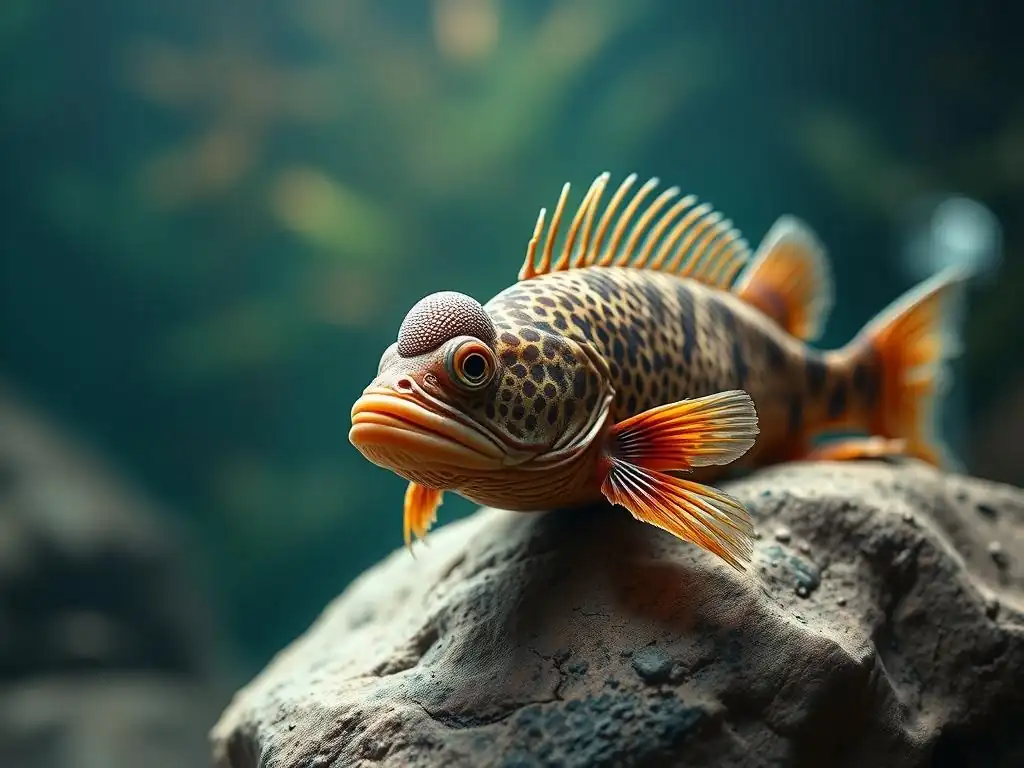
Identifying Male and Female Bristlenose Plecos: A Visual Guide
Accurately identifying the sex of your Bristlenose Plecos is a fundamental step in any successful Bristlenose pleco breeding guide. The most distinctive feature for sexing is the presence and development of "bristles" or odontodes. Males develop more numerous, prominent, and often branched bristles, particularly on their snout and around their head. These bristles can become quite long and noticeable as they mature. Females, in contrast, typically have very few or no bristles, or only small, unbranched ones around the edge of their snout. This difference usually becomes apparent as the fish approach sexual maturity, around 2.5-3 inches in length.
Beyond the bristles, other visual cues can aid in sex identification. Males tend to be more slender and streamlined, especially when not actively breeding, and become highly territorial when guarding a cave. Females are generally rounder and plumper, particularly when gravid (carrying eggs). Observing their behavior can also provide clues; males will often display to and chase receptive females towards a chosen spawning site. For optimal Bristlenose pleco breeding success, ensure you have at least one clearly identified male and one female.
Choosing Healthy Bristlenose Plecos for Breeding: Key Indicators
Selecting healthy Bristlenose Plecos is paramount for a successful breeding program. Look for fish that are active and alert, with clear, bright eyes and intact, unfrayed fins. Their coloration should be vibrant and consistent with their specific morph. Avoid any fish exhibiting signs of illness, such as clamped fins, white spots (Ich), fungal growths, unusual lesions, or signs of bloating or emaciation. A healthy Bristlenose pleco will readily graze on aquarium surfaces and respond positively to offered food.
Source your potential breeding pair from reputable breeders or established fish stores that maintain clean tanks and healthy stock. Inquire about their current diet and the water parameters they've been kept in. Ideally, choose fish that are already sexually mature, typically between 6-12 months of age, as they are more likely to breed readily.
When introducing new fish, use proper acclimation techniques to minimize stress, which can delay or prevent spawning. For best results in Bristlenose pleco breeding, consider a ratio of one male to two or three females if tank space allows, as this can often stimulate more frequent spawning.
Conditioning Bristlenose Plecos for Breeding: Diet and Water Changes
Proper conditioning through diet and water changes is vital for encouraging Bristlenose pleco breeding. Offer a varied, high-quality diet rich in vegetable matter. Staple foods include high-quality algae wafers, spirulina flakes, and blanched fresh vegetables such as zucchini slices, cucumber, green beans, or peas. These should be weighed down to sink to the bottom. For example, feeding twice daily with a mix of algae wafers and a fresh blanched vegetable slice can significantly improve their condition.
Supplement their diet with occasional protein sources like bloodworms, brine shrimp, or high-quality sinking pellets, especially for females to aid in egg development. Regular, large water changes are equally crucial for conditioning and triggering spawning. Perform 25-50% water changes two to three times a week, using slightly cooler water (e.g., 2-3°F cooler than the tank temperature). This mimics the influx of fresh, cool rainwater in their natural habitat, which is a powerful breeding trigger. Ensure all new water is properly dechlorinated and matches the tank's general parameters to prevent shock.
Step 3: Encouraging Spawning: Triggering Breeding Behavior
Creating the Ideal Spawning Cave for Bristlenose Plecos: Design and Placement
The spawning cave is the single most important element for encouraging Bristlenose pleco breeding. These caves must be dark, enclosed, and have an opening just large enough for the male to enter and turn around comfortably. Popular choices include ceramic pleco caves (available commercially), PVC pipes (e.g., 2-3 inches in diameter and 6-8 inches long), or even natural options like half coconut shells. The interior surface of the cave should be smooth to prevent any injury to the male or damage to the delicate eggs.
It is beneficial to provide multiple caves, even for a single breeding pair, as this allows the male to choose his preferred site and can reduce potential territorial disputes. Place the caves in quiet, dimly lit areas of the tank, often partially obscured by driftwood or plants, to provide a sense of security. The male will meticulously clean and prepare his chosen cave before attempting to entice a female to enter. Some breeders have observed that a slight incline to the cave can also be appealing to males, further encouraging its use for spawning.
Simulating Natural Conditions to Induce Spawning in Bristlenose Plecos
To successfully trigger Bristlenose pleco breeding, it's crucial to simulate the environmental cues of their natural habitat. As previously mentioned, large, frequent water changes are one of the most effective methods. Performing 25-50% water changes two to three times a week, with the new water being 2-3°F cooler than the tank temperature, mimics the rainy season that often prompts spawning in the wild. This influx of fresh, cooler water, combined with excellent water quality, signals to the fish that conditions are favorable for reproduction.
Beyond water changes, maintaining a consistent, high-quality diet for both male and female is paramount. Well-fed, healthy fish are more likely to develop eggs and engage in breeding behavior. Ensure stable water parameters (pH, GH, KH) and keep nitrate levels consistently below 20 ppm to minimize stress. Some aquarists also report success with a slight increase in water flow or oxygenation, which can further mimic the fast-flowing, well-aerated waters of their native environment, providing additional stimulation for spawning. This holistic approach is key to any effective Bristlenose pleco breeding guide.
Monitoring Water Temperature and Flow for Breeding Success
Consistent monitoring of water temperature and flow is vital for successful Bristlenose pleco breeding. Once the optimal breeding temperature of 76-82°F (24-28°C) is established, maintaining its stability is crucial. Sudden or significant temperature fluctuations can stress the fish and deter spawning. Use a reliable submersible heater and a separate, accurate thermometer to ensure consistent temperature control. While a slight temperature drop during a water change can act as a trigger, the overall goal is stability.
Regarding water flow, while Bristlenose Plecos originate from areas with moving water, excessive current in a breeding tank can be detrimental, potentially dislodging eggs or stressing the male. A gentle, consistent flow, often provided by a sponge filter, is ideal. This type of filtration ensures good aeration and biological stability without creating turbulence. Ensure there are no stagnant areas where debris can accumulate, but also no strong currents that could interfere with the male's fanning of the eggs or sweep away newly hatched fry.
Step 4: The Bristlenose Pleco Breeding Process: From Eggs to Fry
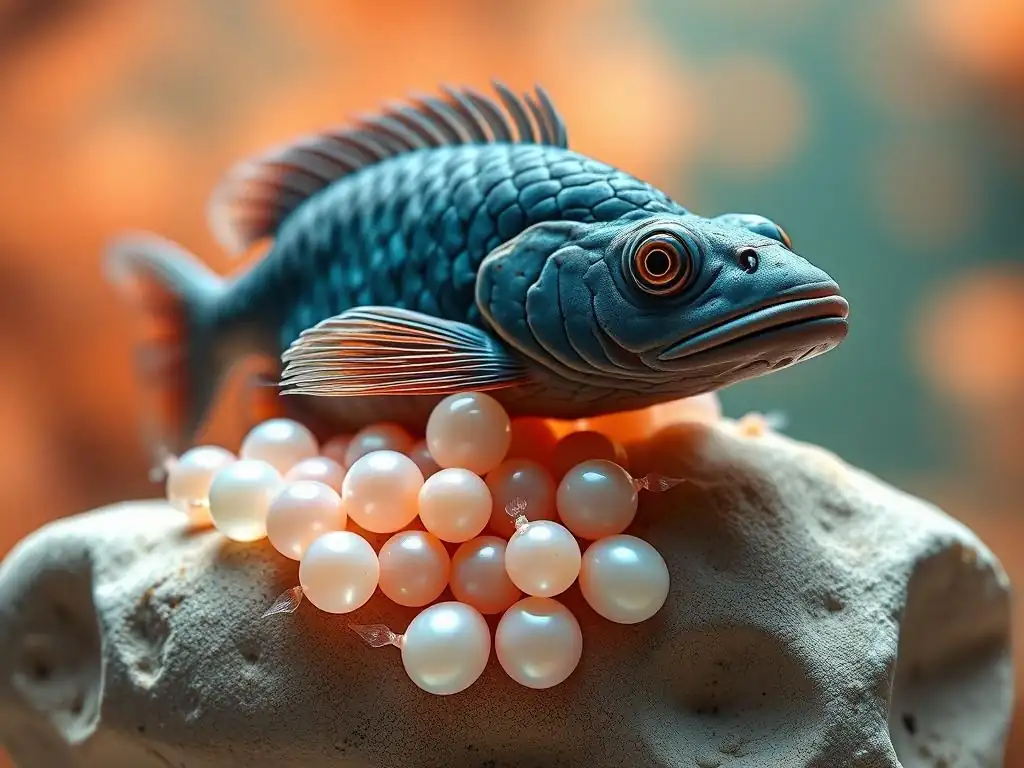
Understanding the Bristlenose Pleco Mating Ritual: Courtship and Spawning
The Bristlenose pleco mating ritual is a fascinating display of natural instinct. The male initiates courtship by meticulously cleaning a chosen spawning cave. Once prepared, he positions himself at the cave entrance, often fanning his fins and displaying his prominent bristles to attract a receptive female.
If a female is ready to spawn, she will enter the cave. The actual spawning process occurs within the cave, with the female attaching her sticky, orange to yellow-orange eggs to the inner surfaces of the cave. A single clutch can vary significantly in size, ranging from 20 to over 100 eggs, depending on the female's size, age, and conditioning.
After the female has laid her eggs, she typically exits the cave. The male then takes over, fertilizing the eggs and assuming sole responsibility for their care. He will remain inside the cave, diligently guarding and fanning the eggs, often becoming aggressively territorial towards any perceived threats, including the female herself. This intense paternal care is a defining characteristic of Bristlenose pleco breeding and is a remarkable behavior for aquarists to observe. The entire spawning event can last for several hours.
Identifying Bristlenose Pleco Eggs: What to Look For
Bristlenose pleco eggs are relatively large and distinct, making them easy to identify within the spawning cave. They are typically spherical, about 2-3mm in diameter, and possess a vibrant orange to amber color when freshly laid. The eggs are adhesive and are laid in a compact cluster, often resembling a small bunch of grapes, firmly attached to the top or sides of the spawning cave. The male will be constantly fanning these eggs with his pectoral and caudal fins to ensure continuous oxygenation and to prevent fungal growth.
Over the incubation period, which typically lasts 4-7 days at temperatures between 78-80°F, the eggs will gradually darken as the fry develop inside. As they mature, you may even be able to discern tiny eyes or developing tails within the translucent egg casings. It is important to note that any eggs that turn white and opaque are likely infertile or have succumbed to fungus. The diligent male will usually identify and remove these compromised eggs to prevent the spread of infection to the healthy clutch, highlighting the importance of his role in successful Bristlenose pleco breeding.
The Male Bristlenose Pleco's Role: Protecting and Caring for the Eggs
The male Bristlenose pleco's dedication to his offspring is truly remarkable and a cornerstone of successful Bristlenose pleco breeding. Once the eggs are laid and fertilized, he assumes almost continuous residence within the spawning cave. His primary duty is to fan the eggs with his fins, ensuring a constant flow of oxygenated water over the entire clutch.
This fanning action is vital for the eggs' development and also helps to keep them clean and free of accumulating debris. During this intensive period, which can last for over a week until the fry are free-swimming, the male will typically not leave the cave to eat.
In addition to fanning, the male meticulously inspects and maintains the egg clutch. He will carefully remove any unfertilized or fungused eggs by consuming them, preventing the spread of infection to healthy eggs within the cluster. His constant presence also provides crucial protection against potential predators or disturbances within the tank. This intense, hands-on paternal care underscores why a successful Bristlenose pleco breeding guide emphasizes leaving the male with the eggs until they hatch and the fry become independently free-swimming.
Step 5: Caring for Bristlenose Pleco Fry: Raising Healthy Juveniles
Removing the Male Bristlenose Pleco After Hatching: Timing and Precautions
Bristlenose pleco fry typically hatch after 4-7 days, depending on the water temperature. Upon hatching, they emerge with a prominent yolk sac, which serves as their initial food source. The fry will remain within the safety of the spawning cave, absorbing this yolk sac, for another 3-5 days. During this crucial period, the male Bristlenose pleco continues his vigilant guard. Once the yolk sacs are almost fully absorbed, and the fry become free-swimming, venturing out of the cave in search of external food (usually 7-10 days post-spawn), it's time to carefully remove the male.
Gently net the male and transfer him back to his main display tank or a separate conditioning tank. Exercise caution to avoid stressing him or disturbing the delicate fry during this process. While the male's paternal care is invaluable during the egg and initial fry stage, his continued presence after the fry are free-swimming is no longer necessary and, in some cases, he may even consume some fry if food becomes scarce or he perceives them as competition. This precise timing is crucial for maximizing the survival rate of your Bristlenose pleco fry.
Feeding Bristlenose Pleco Fry: A Nutritional Guide for Optimal Growth
Once the Bristlenose pleco fry have fully absorbed their yolk sacs and begin free-swimming, they require immediate and constant access to food. As primarily herbivorous fish, their diet should consist predominantly of plant-based foods. Offer a continuous supply of blanched vegetables such as zucchini, cucumber, or green beans, weighted down to sink to the bottom. High-quality algae wafers, spirulina powder, and finely crushed flakes specifically designed for fry are also excellent dietary staples. It's best to feed small amounts multiple times a day (3-4 times) to ensure food is always available for the actively grazing fry.
As the fry grow, you can gradually introduce small amounts of high-quality protein sources, such as finely crushed high-protein fish food or even newly hatched baby brine shrimp, but these should be offered sparingly. Ensure that food is always present, but avoid overfeeding, as uneaten food can rapidly foul the water and endanger the delicate fry.
For instance, a slice of blanched zucchini can be replaced daily to ensure freshness. Consistent and appropriate feeding is paramount for rapid and healthy growth, with well-fed fry potentially reaching 1 inch in length within 4-6 weeks, a key objective of any successful Bristlenose pleco breeding guide.
Maintaining Water Quality for Bristlenose Pleco Fry: Preventing Disease
Maintaining impeccable water quality is arguably the most critical aspect of raising Bristlenose pleco fry, as they are extremely sensitive to pollutants. Daily small water changes (10-20%) are essential to remove uneaten food, waste, and to keep ammonia, nitrite, and nitrate levels at zero or very low. Use a small airline tube or turkey baster to carefully siphon out any debris from the bottom of the tank. Always ensure that the replacement water is properly dechlorinated and temperature-matched to the tank water to prevent thermal shock to the delicate fry.
The filtration in the fry tank should be gentle but effective. A mature sponge filter is ideal, providing excellent biological filtration without creating strong currents that could harm the tiny fish. Maintain the water temperature stably around 78-80°F (25-27°C). Regular monitoring of all water parameters using a reliable liquid test kit is non-negotiable. Pristine and stable water conditions are the best defense against bacterial infections, fungal outbreaks, and other diseases that can decimate a clutch of fry, making it a cornerstone of any comprehensive Bristlenose pleco breeding guide.
Grow-Out Tank Setup for Bristlenose Pleco Juveniles: Space and Environment
As Bristlenose pleco fry grow, they will quickly outgrow their initial nursery tank and require more space for optimal development. Once they reach approximately 1 inch in size (typically 4-6 weeks old, depending on feeding and water quality), it's advisable to move them to a larger grow-out tank. A 20-gallon long tank can comfortably house 20-30 juveniles for their initial growth phase, providing ample room for foraging and reducing competition. Ensure this grow-out tank is fully cycled and biologically stable before introducing the young fish.
The grow-out tank should also include numerous hiding spots, such as small pieces of driftwood, rock caves, or PVC pipes, to reduce stress and potential aggression among the growing juveniles. Continue to provide a varied and high-quality diet, as their food intake will increase with their size, necessitating even more diligent water quality management. The environment should continue to encourage their natural grazing behavior, with a constant supply of fresh, blanched vegetables aiding in their healthy development and vibrant coloration. A well-managed grow-out phase is essential for producing robust, healthy Bristlenose pleco juveniles ready for their next homes.
Step 6: Troubleshooting Common Bristlenose Pleco Breeding Issues
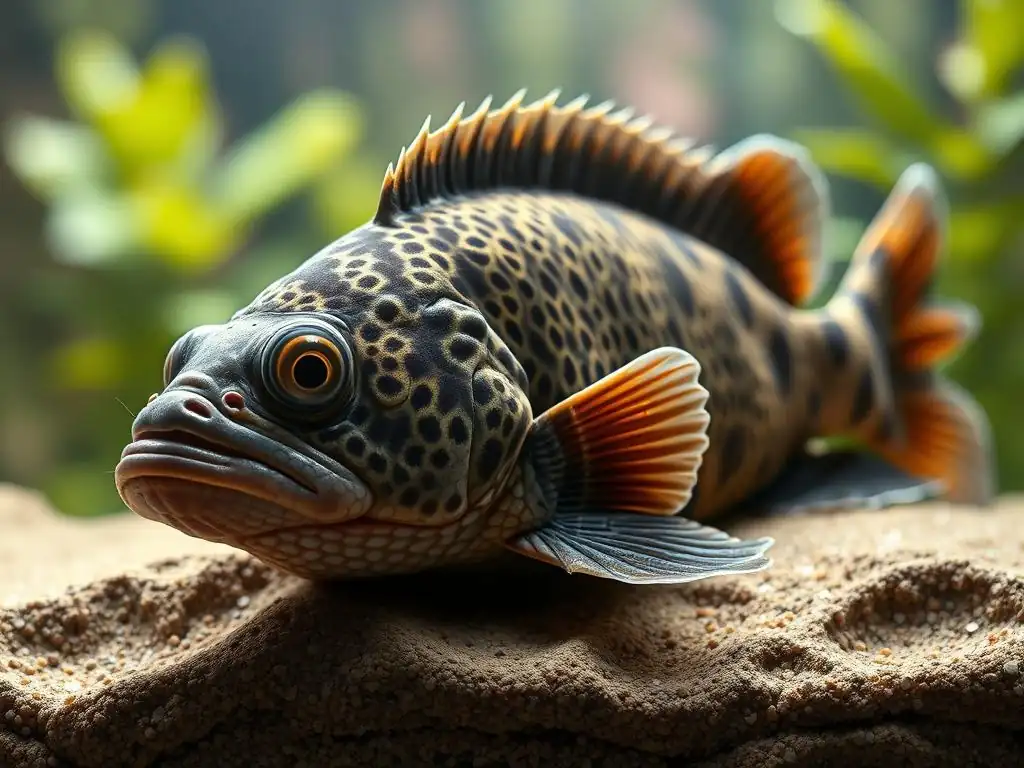
Addressing Unsuccessful Spawning Attempts: Identifying Potential Problems
If your Bristlenose plecos are not spawning, a systematic review of your setup and conditioning is necessary. Begin by meticulously checking your water parameters: are they within the optimal ranges for pH, GH, and KH, and are they stable? Is the water temperature consistently maintained at the ideal breeding range of 76-82°F? Are you performing sufficient cool water changes, as these are a primary trigger for spawning? Often, a lack of spawning can be attributed to inadequate conditioning, an insufficient diet, or a failure to provide the necessary environmental cues.
Ensure that there are plenty of suitable spawning caves available and that the male feels secure and unthreatened in his chosen site. Sometimes, the issue might simply be the age or health of your fish; confirm they are sexually mature (at least 6-12 months old) and free from any underlying health issues. Verify that you indeed have a male and a female, as misidentification is common.
Stress from overly aggressive tank mates or an unstable aquarium environment can also inhibit breeding. Patience is also a virtue in Bristlenose pleco breeding; some pairs may take longer to settle in and begin reproducing. Adding another female can occasionally stimulate breeding competition.
Preventing and Treating Fungal Infections in Bristlenose Pleco Eggs
Fungal infections on Bristlenose pleco eggs typically manifest as white, fuzzy growths and can quickly spread, devastating an entire clutch. These infections often indicate infertile eggs or, more commonly, suboptimal water quality. The most effective prevention strategy is maintaining pristine water conditions (zero ammonia and nitrite, very low nitrates) and ensuring excellent oxygenation within the spawning cave.
The male's diligent fanning and cleaning of the eggs are crucial for preventing fungus; he will usually remove any unfertilized or infected eggs himself. If the male is removed too early, or if he is not performing his duties diligently, fungal infections are more likely to occur.
If a significant portion of the clutch becomes fungused despite the male's efforts, and you wish to intervene, some breeders might carefully remove the eggs and treat them in a separate container with a very mild methylene blue solution. However, this is a last resort, as it removes the critical paternal care. The best and most recommended approach in any Bristlenose pleco breeding guide is to ensure good water flow over the eggs by the male and to maintain a consistently clean and stable breeding environment.
Dealing with Aggression in the Breeding Tank: Maintaining a Peaceful Environment
While male Bristlenose plecos are fiercely dedicated egg-guarders, aggression can become a problem, especially in tanks that are too small or house too many males. A male guarding a spawning cave will be highly territorial and will chase away any fish that approach his chosen site, including other females or even the breeding female herself. This aggressive guarding behavior is normal and necessary for the protection of the eggs. However, if aggression escalates to the point of causing injury or extreme stress to other tank inhabitants, intervention may be required.
To mitigate excessive aggression, ensure your breeding tank is adequately sized (at least 20 gallons for a pair, larger for a harem setup). Provide multiple hiding spots and additional caves beyond the primary spawning cave, allowing other fish to retreat and find refuge.
If a male is consistently and excessively aggressive towards the female outside of the spawning period, consider temporarily separating them or adding more visual breaks in the tank. In rare cases, if a male is stressing the female too severely after the eggs are laid, separating the male might be necessary, though this would then require the breeder to artificially fan the eggs to ensure oxygenation and prevent fungus, a more advanced technique in Bristlenose pleco breeding.
Step 7: Selling or Rehoming Your Bristlenose Pleco Fry
Determining the Value of Your Bristlenose Pleco Fry: Pricing Considerations
Once your Bristlenose pleco fry have grown to a marketable size, typically 1 to 1.5 inches, you can consider selling or rehoming them. The value of your fry will depend on several factors, including their size, specific color morph (e.g., common brown, albino, super red, longfin), local market demand, and the saturation of the market in your area.
Common short-fin Bristlenose juveniles usually sell for $3-$8 each to local fish stores or individual hobbyists. Rarer or more desirable varieties, such as albino or longfin Bristlenose plecos, can fetch higher prices, sometimes ranging from $10-$20 or even more per juvenile, especially for popular types like Super Red.
It's advisable to research current prices in your local area by checking with local fish stores, online aquarium forums, or fishkeeping club marketplaces. When pricing, consider the costs you've incurred in raising them, including food, electricity for heating and filtration, and water. Selling in bulk to a local fish store might yield a lower per-fish price but offers the convenience of a single, large transaction. Selling directly to individual hobbyists often allows for better per-fish pricing but requires more effort in terms of communication and coordination. Be transparent about the fry's size, age, and diet to ensure buyer satisfaction.
Ethical Considerations for Breeding and Selling Bristlenose Plecos
Responsible breeding is a critical ethical consideration in any Bristlenose pleco breeding guide. Never breed fish if you cannot guarantee adequate care for the resulting fry or if you cannot find suitable, responsible homes for them. Overpopulation in a tank can quickly lead to poor water quality, stunted growth, increased aggression, and disease outbreaks.
It is essential to ensure that potential buyers are knowledgeable about Bristlenose pleco care and have appropriate tank setups to house the fish. If you plan to breed long-term, occasionally introducing new bloodlines from different sources can help prevent issues associated with inbreeding, such as reduced vigor or deformities.
Furthermore, it is strictly prohibited and highly unethical to release aquarium fish, including Bristlenose plecos, into local waterways. This practice can introduce non-native species, diseases, or parasites that can severely disrupt local ecosystems. If you find yourself with more fry than you can sell or rehome, explore options such as donating them to local fish clubs, school aquariums, or reputable pet stores that have a network for rehoming fish. The overarching goal of any Bristlenose pleco breeding guide should extend beyond just the act of breeding to ensuring the long-term welfare and responsible placement of the fish.
Conclusion: Mastering Bristlenose Pleco Breeding for Aquarium Enthusiasts
The Satisfaction of Successfully Breeding Bristlenose Plecos
Successfully breeding Bristlenose Plecos is an immensely satisfying achievement for any aquarium enthusiast. It offers a unique window into the intricate natural behaviors of these charming catfish, from the delicate courtship rituals and the precise act of spawning within a chosen cave to the male's unwavering dedication to guarding and fanning his clutch of eggs. Witnessing a male diligently protect potentially hundreds of vibrant orange eggs, then seeing tiny, active fry emerge and grow, provides a profound sense of accomplishment and fosters a deeper connection to the aquatic world you've created.
Beyond the personal gratification, engaging in Bristlenose pleco breeding contributes positively to the broader aquarium hobby. By producing healthy, captive-bred fish, you help reduce the demand for wild-caught specimens, supporting more sustainable and ethical practices within the industry. The journey of mastering Bristlenose pleco breeding, from meticulous tank setup and conditioning to diligent fry rearing and responsible rehoming, builds invaluable skills and knowledge that are transferable to many other aspects of fish keeping and aquatic husbandry.
Continuing Your Education in Aquarium Keeping and Fish Breeding
The realm of aquarium keeping is a dynamic and expansive field, with endless opportunities for learning and growth. Successfully breeding Bristlenose Plecos marks a significant milestone, but it is also an excellent stepping stone for further exploration. Continue to immerse yourself in research, actively participate in online forums, engage with local fish clubs, and delve into scientific articles related to aquatic biology. There is always more to discover about water chemistry, advanced fish nutrition, disease prevention, genetics, and the breeding requirements of other fascinating freshwater or even saltwater species.
Consider branching out to explore different color morphs or fin types of Bristlenose plecos, or even venturing into breeding other species of plecos or various freshwater fish. Each new breeding project presents its unique challenges and offers fresh insights into the complexities of aquatic life. By continuously expanding your knowledge and refining your skills, you not only evolve into a more proficient and confident aquarist but also contribute valuable experience to the collective wisdom of the aquarium community, promoting responsible and truly enjoyable fish keeping practices for everyone.
Frequently Asked Questions
How do I tell the difference between male and female Bristlenose plecos?
Male Bristlenose plecos typically develop larger and more elaborate bristles on their snouts, while females have either very small bristles or none at all. This is the most reliable way to distinguish their sexes.
What size tank is needed for breeding Bristlenose plecos?
A tank of at least 20 gallons is recommended for a breeding pair of Bristlenose plecos. This provides enough space for them to establish a territory and raise their fry successfully.
What are the ideal water parameters for breeding Bristlenose plecos?
Maintain a water temperature between 78-82°F (25-28°C), a pH of 6.5-7.5, and keep the water clean with regular water changes. Good water quality is crucial for successful breeding.
What kind of cave or hiding place do Bristlenose plecos need to breed?
Bristlenose plecos prefer to breed in dark, enclosed spaces such as caves made of slate, rock, or commercially available pleco caves. The cave should be just large enough for the male to fit inside.
How long does it take for Bristlenose pleco eggs to hatch?
Bristlenose pleco eggs typically hatch in 4-10 days, depending on the water temperature. The male will guard the eggs and fan them with his fins until they hatch.
Final Reflection: The Enduring Allure of Aquatic Creation
The journey of breeding Bristlenose Plecos, as outlined in this guide, transcends mere aquarium maintenance; it's a testament to the enduring human fascination with nurturing life and witnessing the miracle of creation. In a world increasingly disconnected from the natural world, the ability to cultivate a thriving ecosystem within the confines of a glass tank offers a profound and tangible connection to the rhythms of life itself.
This seemingly simple act of breeding fish has a ripple effect, influencing our understanding of responsibility, patience, and the delicate balance of nature. The quiet dedication required to maintain optimal conditions, observe subtle behaviors, and ultimately witness the emergence of new life is a deeply rewarding experience that fosters a greater appreciation for the intricate web of life. In every walk with nature one receives far more than he seeks.
- John Muir. This quote perfectly encapsulates the unexpected joys and profound lessons learned through the practice of aquarium keeping, particularly when venturing into the realm of breeding.
Now, as you close this guide, consider the potential within your own hands. Embrace the challenge, cultivate your own aquatic haven, and contribute to the continuation of these fascinating creatures. Let the lessons learned here inspire you not only to breed Bristlenose Plecos, but to cultivate a deeper understanding and respect for the natural world around you, enriching your own life and the lives of those who share in your passion.
Ignite Your Breeding Passion!
Thank you for diving into the world of Bristlenose Pleco breeding with us! We hope this guide has empowered you with the knowledge and confidence to embark on this rewarding aquarium adventure. Now, let's turn that knowledge into action!
Here are a few ways to continue your journey:
- Set up your dedicated breeding tank: This is the most crucial step. Take what you've learned and create the ideal environment for your Plecos to thrive and breed.
- Share your newfound knowledge: Spread the word and help other aquarists by sharing this guide with your friends and fellow enthusiasts.
- Delve deeper into Pleco care: Research different types of caves or try experimenting with various food options to see what your Plecos prefer.
What unique setup will you create for your Bristlenose Plecos to encourage successful breeding?