
When Do African Cichlids Reach Sexual Maturity? A Guide for Breeders

Welcome to Aquarium Mastery!
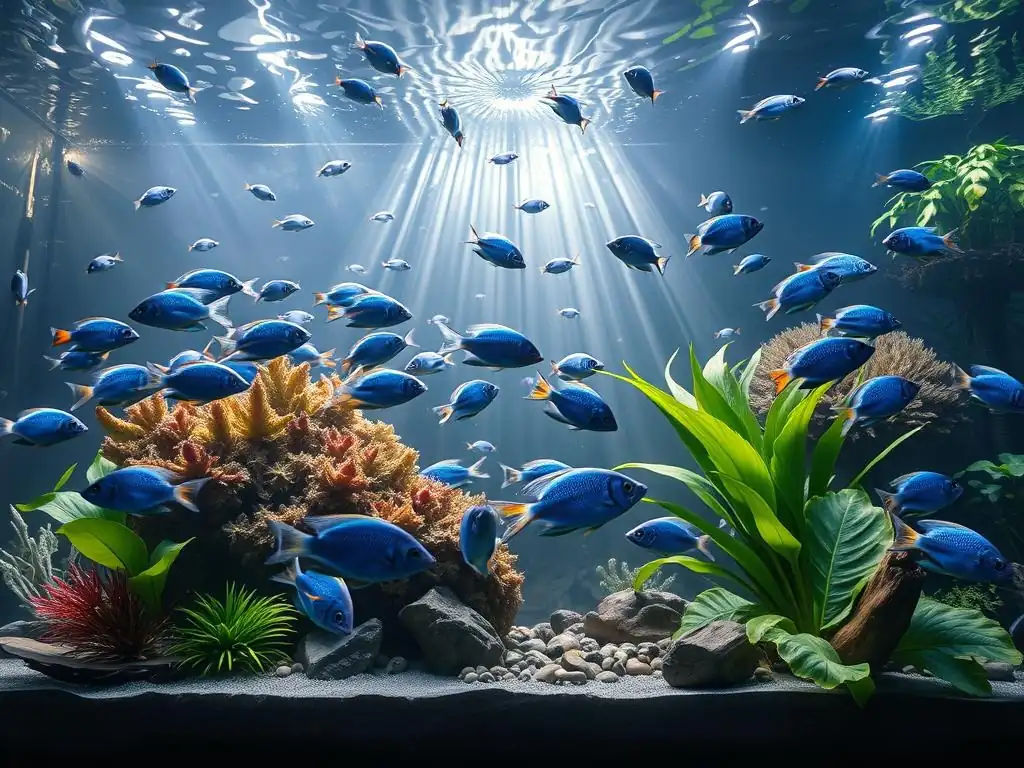
Ever wondered exactly when your vibrant African Cichlids are ready to breed? Dive in with us and unlock the secrets of the African cichlid breeding timeline. Understanding their growth and maturity is key to successful breeding and a thriving aquarium. Let's explore the fascinating journey from fry to fully-fledged breeders together!
- African Cichlid Breeding: A Guide to Sexual Maturity and Reproduction
- Understanding African Cichlid Breeding: An Overview
- African Cichlid Sexual Maturity: Species-Specific Timelines
- Determining Sexual Maturity in African Cichlids: Key Indicators
- Optimizing Tank Conditions for Successful African Cichlid Breeding
- Common Challenges in African Cichlid Breeding and Solutions
- African Cichlid Breeding Timeline: Summary
- Conclusion: African Cichlid Breeding
-
Frequently Asked Questions
- What is the typical age at which African cichlids reach sexual maturity?
- What are some key signs that my African cichlids are ready to breed?
- How does water quality affect the sexual maturity of African cichlids?
- What role does diet play in the breeding timeline of African cichlids?
- Can I speed up the sexual maturity of my African cichlids?
- Final Reflection: The Enduring Cycle of Life and Legacy
- Ignite Your Cichlid Breeding Journey!
African Cichlid Breeding: A Guide to Sexual Maturity and Reproduction
Understanding African Cichlid Breeding: An Overview
Key Factors Influencing Breeding Success
Successful African cichlid breeding hinges on a confluence of environmental, nutritional, and genetic factors. Optimal water parameters, including precise pH, hardness, and temperature, are paramount, as deviations can stress fish and inhibit reproductive urges. A high-quality, varied diet rich in protein and essential vitamins directly influences the fish's health and readiness to spawn. Furthermore, appropriate tank size and structure, offering ample hiding spots and territories, reduce aggression and encourage natural breeding behaviors, all contributing to a predictable African cichlid breeding timeline.
Beyond these environmental aspects, the age and genetic health of the breeding stock play a significant role. Young, healthy adults with no signs of deformities or chronic illness are more likely to produce viable offspring. Overcrowding or an imbalance in male-to-female ratios can also severely impede breeding success by increasing stress and aggression. Understanding and meticulously controlling these variables is essential for any aquarist aiming to establish a productive African cichlid breeding program.
Importance of Understanding Sexual Maturity
Grasping the concept of sexual maturity in African cichlids is fundamental for any dedicated breeder. Breeding fish before they are fully mature can lead to smaller clutches of infertile eggs, stunted growth in the parents, and increased stress, potentially shortening their lifespan. Conversely, knowing when a species typically reaches maturity allows breeders to prepare the optimal environment, adjust feeding regimens, and introduce compatible pairs or trios at the most opportune moment, thus maximizing the chances of successful spawning.
Moreover, understanding the African cichlid breeding timeline helps in managing tank dynamics and preventing unwanted aggression. Mature males, especially, can become highly territorial and aggressive when ready to breed, and recognizing these cues allows for timely intervention, such as separating pairs or adjusting tank layouts. This knowledge empowers aquarists to fine-tune their breeding strategies, ensuring both the welfare of the parent fish and the robust development of their future fry.
African Cichlid Sexual Maturity: Species-Specific Timelines
Mbuna Cichlids: Breeding Timelines and Maturity
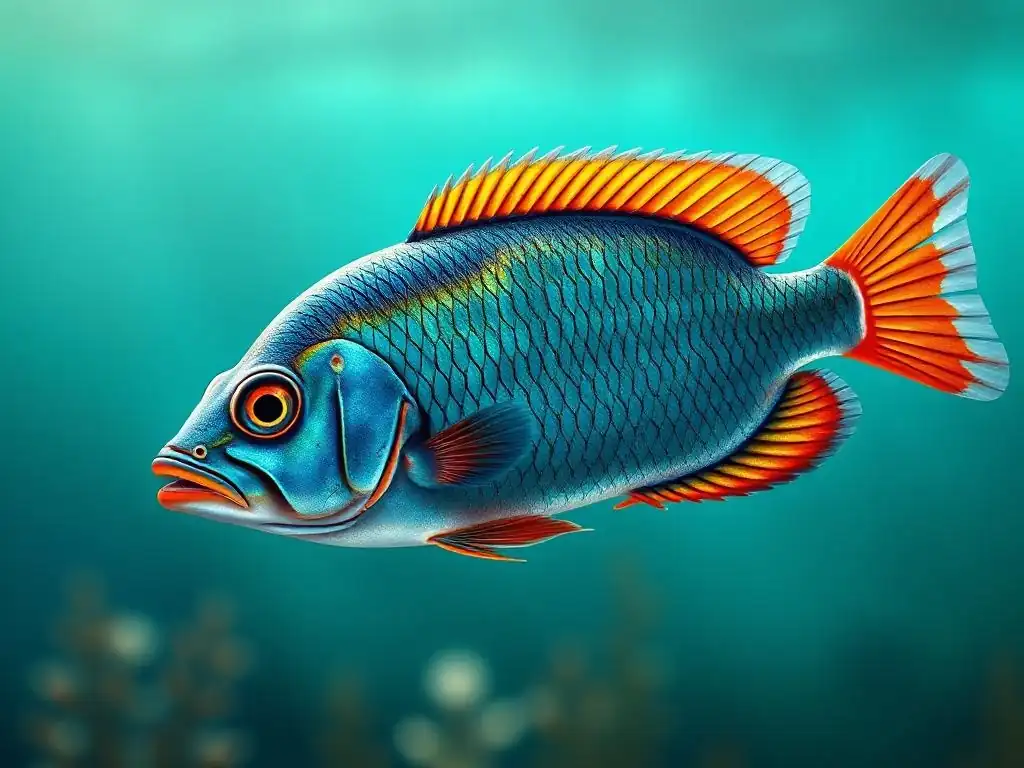
Mbuna cichlids, known for their vibrant colors and rock-dwelling habits, generally reach sexual maturity at a relatively young age compared to other African cichlid groups. Most Mbuna species, such as those from the Metriaclima or Maylandia genera, typically begin to show signs of maturity and engage in breeding behaviors between 4 to 8 months of age, provided they are kept in optimal conditions with a stable, high-quality diet. Their rapid growth rate in the first few months contributes to this relatively quick progression along the African cichlid breeding timeline.
While the general range holds true, individual fish and specific species within the Mbuna group can vary. Factors like tank size, diet consistency, and water parameters can either accelerate or slightly delay this process. For instance, a well-fed group in a spacious, perfectly maintained aquarium might show maturity closer to the 4-month mark, whereas fish in suboptimal conditions might take longer to develop the necessary reproductive capabilities.
Pseudotropheus saulosi: Breeding Age
Pseudotropheus saulosi, a popular dwarf Mbuna, typically reaches sexual maturity quite early, often displaying breeding readiness between 5 to 7 months of age. Males at this stage will develop their striking blue coloration with black bars, while females maintain their vibrant yellow. This species is known for its relatively small size, with males reaching about 3 inches and females slightly smaller, making their early maturity particularly notable within the African cichlid breeding timeline.
When P. saulosi are housed in a well-structured tank with plenty of rockwork for territories and a diet rich in spirulina-based foods, their development towards breeding age is usually consistent. Observing the male's intensified coloration and the female's slightly rounded abdomen are key indicators that they are progressing along their individual African cichlid breeding timeline and are ready to spawn.
Peacock Cichlids: Reaching Breeding Age and Reproduction
Peacock cichlids ( Aulonocara species) are renowned for their stunning iridescent colors and generally more peaceful demeanor compared to Mbuna. Their sexual maturity typically occurs slightly later than Mbuna, with most species beginning to breed between 6 to 12 months of age. This broader range accounts for variations in growth rates among the numerous Aulonocara species, which can range from 4 to 7 inches in adult size.
Adequate nutrition, particularly a diet that includes both high-quality flakes/pellets and occasional live or frozen foods like brine shrimp or bloodworms, is crucial for promoting healthy development and timely maturity in Peacocks. Consistent water quality and a stable environment also play a vital role in ensuring these beautiful fish adhere to their natural African cichlid breeding timeline.
Aulonocara baenschi (Benga Peacock): Breeding Practices
The Aulonocara baenschi, commonly known as the Benga Peacock, often reaches sexual maturity around 7 to 10 months of age. Males will exhibit their brilliant yellow body with blue highlights on the face and fins, while females remain more subdued in coloration. At this stage, males will become more territorial, often selecting a flat rock or a depression in the substrate as a spawning site.
Successful breeding practices for the Benga Peacock involve providing a species-specific tank or a carefully managed community tank with plenty of open swimming space and a few flat rocks. Maintaining a ratio of one male to three or more females helps to disperse aggression and encourages a more consistent progression along their African cichlid breeding timeline. Observing the male's "shaking" behavior and the female's increased interest in the spawning site are clear signs of impending reproduction.
Haplochromis Cichlids: Sexual Maturity and Breeding
Haplochromis cichlids, a diverse group from Lake Victoria and surrounding areas, tend to have the longest sexual maturity timeline among the commonly kept African cichlids. Many species, particularly the larger ones, may not reach full breeding readiness until they are 8 to 18 months old. This extended period is often correlated with their larger adult sizes, with some species growing over 8 inches, requiring more time for their reproductive organs to fully develop.
Environmental stability and a nutrient-rich diet are especially important for Haplochromis to reach maturity within this timeframe. Fluctuations in water parameters or a poor diet can significantly delay the onset of breeding. Patience is key when working with these species, as their African cichlid breeding timeline is generally more protracted than their Rift Lake cousins.
Sciaenochromis fryeri (Ahli): Breeding Behavior
The Sciaenochromis fryeri, or Electric Blue Ahli, is a popular Haplochromis species that typically reaches sexual maturity between 9 to 15 months of age. Males develop an intense electric blue coloration across their entire body, while females are a more subdued silver-brown. At maturity, males will establish large territories and display elaborate courtship rituals, including quivering and leading the female to a chosen spawning site.
For S. fryeri, a spacious tank (e.g., 75 gallons or more for a breeding group) with open swimming areas and some rock structures is essential to facilitate natural breeding behavior. Providing a high-protein diet, including frozen foods like krill and bloodworms, helps condition them for spawning. Observing the male's vibrant color intensification and the female's increased girth are strong indicators that they are ready to contribute to the African cichlid breeding timeline.
Determining Sexual Maturity in African Cichlids: Key Indicators
Physical Signs of Sexual Maturity in Male Cichlids
As male African cichlids approach sexual maturity, they undergo distinct physical transformations that signal their readiness to breed. One of the most prominent changes is the intensification of their coloration; colors become significantly more vibrant and pronounced, often reaching their peak brilliance. Many species, particularly Peacocks and some Haplochromis, also develop distinct "egg spots" on their anal fins, which are crucial for enticing females during spawning.
Furthermore, the fins of mature males often become more elongated and pointed, particularly the dorsal, anal, and caudal fins. In some larger species, a nuchal hump (a fatty growth on the forehead) may develop, indicating dominance and reproductive fitness. These physical displays are not merely aesthetic; they are vital cues for females, signaling the male's health and genetic quality, and marking his progression along the African cichlid breeding timeline.
Identifying Breeding Colors and Fin Development
The development of breeding colors is arguably the most striking physical sign of male sexual maturity in African cichlids. For example, a male Maylandia estherae (Red Zebra) will transform from a dull orange to a fiery red, while a male Aulonocara stuartgranti (Ngara Flametail) will display brilliant blue and red hues. These colors are not static but intensify further during active courtship.
Concurrently with color changes, fin development becomes apparent. The trailing edges of the dorsal and anal fins may lengthen, sometimes becoming streamer-like, and the pelvic fins may also extend. These elongated fins are used in elaborate displays to attract females and assert dominance over rival males, serving as clear indicators that the male is fully mature and ready to engage in the African cichlid breeding timeline.
While less overtly colorful than males, female African cichlids also exhibit specific physical signs when they reach sexual maturity and are ready to breed. The most noticeable change is a rounding or swelling of the abdomen, indicating the development of eggs. This gravid appearance becomes more pronounced as spawning approaches, and the female's body may appear noticeably fuller, particularly when viewed from above.
Additionally, a small, tube-like structure called the ovipositor may become visible near the anal fin as the female nears spawning. This is the organ through which eggs are released. While often subtle, observing this development, along with the abdominal swelling, provides clear evidence that the female is mature and physiologically prepared to contribute to the African cichlid breeding timeline.
Observing Body Shape Changes
The primary physical indicator of a sexually mature, egg-laden female African cichlid is the distinct change in her body shape. Her normally streamlined profile will become more rounded and distended, especially in the ventral area. This fullness is due to the maturation of her ovaries and the accumulation of a clutch of eggs. This change is often most apparent a few days before spawning.
This observation is crucial for breeders, as it signals that the female is receptive to a male's advances and is likely to participate in spawning soon. Monitoring these subtle yet significant shifts in body shape allows aquarists to anticipate breeding events and ensure optimal conditions are in place for the next phase of the African cichlid breeding timeline.
Behavioral Clues: Courtship and Spawning Readiness
Beyond physical changes, a suite of specific behaviors indicates that African cichlids are sexually mature and ready to breed. Males will become more territorial, actively defending a chosen spawning site, which might be a flat rock, a cave, or a depression dug in the substrate. They will also engage in vigorous courtship displays, often involving rapid quivering, fin flaring, and leading the female towards their chosen site.
Females, if receptive, will respond to the male's advances by following him, sometimes circling with him, and exhibiting a subtle shimmying motion. Non-receptive females or rival males will typically be chased away. Recognizing these intricate mating rituals is essential for confirming that the fish are not only physically mature but also behaviorally prepared to enter the spawning phase of the African cichlid breeding timeline.
Recognizing Mating Rituals and Nesting Behavior
Mating rituals in African cichlids are complex and fascinating. The male often initiates by displaying his vibrant colors and attempting to lure a female to his territory. He might "shake" or quiver his body rapidly, a behavior designed to impress the female and stimulate her to release eggs. For many species, especially Mbuna, the male will dig a pit in the substrate, which serves as the primary spawning site.
Once the female enters the pit or approaches the chosen flat rock, the pair will begin to circle each other, with the female depositing eggs and the male immediately fertilizing them. The female then typically picks up the fertilized eggs into her mouth for incubation. Observing this complete sequence of behaviors – from territorial defense and pit digging to the circling and egg collection – confirms that the fish are actively engaged in their African cichlid breeding timeline.
Optimizing Tank Conditions for Successful African Cichlid Breeding
Water Parameters and Their Impact on Breeding
Maintaining precise and stable water parameters is non-negotiable for successful African cichlid breeding. These fish originate from hard, alkaline waters, with a pH range typically between 7.8 and 8.6. The general hardness (GH) should ideally be between 150-300 ppm (8-17 dGH), and carbonate hardness (KH) between 180-240 ppm (10-14 dKH) to buffer the pH effectively. Temperature also plays a critical role, with an optimal range of 78-82°F (25-28°C) stimulating metabolic processes and encouraging spawning behavior.
Deviations from these ideal conditions can cause significant stress, suppressing reproductive urges and potentially leading to health issues. Consistent monitoring with reliable test kits for pH, ammonia, nitrite, and nitrate is crucial. Even slight fluctuations can disrupt the delicate balance required for a successful African cichlid breeding timeline, potentially resulting in infertile eggs or a complete cessation of breeding activity.
Maintaining Ideal Water Chemistry
To maintain the ideal water chemistry for breeding African cichlids, regular partial water changes are essential. A weekly water change of 25-30% using dechlorinated water, ideally remineralized to match the desired hardness and alkalinity, helps keep nitrate levels low and replenish essential minerals. Over-filtration with robust mechanical and biological filtration systems is also vital to ensure pristine water quality, removing waste products that can accumulate and degrade the environment.
Beyond routine maintenance, utilizing substrates like crushed coral or aragonite sand can help naturally buffer the water, maintaining the high pH and hardness that African cichlids thrive in. Avoiding medications or chemicals that can alter water chemistry drastically, unless absolutely necessary, is also important to prevent undue stress on breeding pairs and ensure a smooth progression along their African cichlid breeding timeline.
Tank Setup and Substrate for Spawning
The physical setup of the breeding tank significantly influences African cichlid spawning success. For most species, a minimum tank size of 55 gallons is recommended for a breeding trio (one male, two or three females) to allow for sufficient territory and reduce aggression. Larger tanks (e.g., 75 gallons or more) are even better, especially for larger species or multiple breeding groups. The tank should be well-decorated with ample rockwork, creating numerous caves, crevices, and visual barriers.
These structures serve multiple purposes: they provide hiding spots for females to escape male aggression, define territories for males, and offer potential spawning sites. The arrangement should break up lines of sight to minimize direct confrontations. A thoughtfully designed habitat reduces stress, encourages natural behaviors, and is a cornerstone for a productive African cichlid breeding timeline.
Choosing the Right Substrate
The choice of substrate is particularly important for mouth-brooding African cichlids, as many species prefer to dig pits for spawning. A fine sand substrate, such as aragonite sand or fine play sand, is ideal. This allows males to easily excavate depressions where the female can lay her eggs. Sand also mimics their natural habitat and is gentle on their delicate mouths as they sift through it.
Coarse gravel should be avoided, as it can injure the fish's mouths if they attempt to dig or sift. The depth of the sand should be at least 2-3 inches to allow for proper pit construction. A suitable substrate facilitates the natural spawning process and is a key element in ensuring the successful progression of the African cichlid breeding timeline.
Diet and Nutrition for Breeding Cichlids
A high-quality, varied diet is paramount for conditioning African cichlids for breeding and ensuring robust fry. For herbivorous Mbuna, a diet primarily consisting of high-quality spirulina-based flakes or pellets (with at least 40-50% protein) is essential. For omnivorous Peacocks and carnivorous Haplochromis, a balanced diet including high-protein flakes, pellets, and frozen foods like Mysis shrimp, brine shrimp, and krill is recommended.
Overfeeding should be avoided, as it can lead to health issues and poor water quality. Instead, feed small amounts multiple times a day (e.g., 2-3 times daily) to ensure consistent nutrient intake. A nutritionally complete diet not only enhances the vibrant coloration of the fish but also significantly boosts their reproductive health, leading to more frequent spawning and healthier fry, thus optimizing the African cichlid breeding timeline.
Feeding Strategies to Enhance Breeding
To specifically enhance breeding readiness, focus on a diet that provides ample energy and essential nutrients. For all African cichlids, ensure their primary diet is high-quality, species-appropriate, and fresh. Supplementing with vitamin-enriched frozen foods (e.g., bloodworms, blackworms, or brine shrimp) a few times a week can provide beneficial fats and proteins that contribute to egg development in females and sperm production in males.
For Mbuna, ensure the primary diet is vegetable-based to prevent bloat. For Peacocks and Haps, a balanced mix of animal and plant-based proteins is ideal. Avoiding high-fat foods and ensuring consistent, moderate feeding will keep the fish in prime breeding condition, directly influencing the frequency and success of spawning events within the African cichlid breeding timeline.
Common Challenges in African Cichlid Breeding and Solutions
Aggression and Compatibility Issues
Aggression is a common challenge in African cichlid breeding, particularly due to the territorial nature of males. Male-male aggression can be severe, often resulting in injury or death if not managed. This is especially true in tanks that are too small or lack sufficient hiding spots. Furthermore, an imbalance in male-to-female ratios (e.g., having too many males or too few females per male) can lead to excessive harassment of females, stressing them and preventing spawning.
Solutions involve careful species selection, choosing fish with similar temperaments, and maintaining appropriate male-to-female ratios, typically one male to three or more females for most mouth-brooding species. Providing an abundance of rockwork and caves to create visual barriers and hiding spots can significantly reduce aggression. Sometimes, a larger tank or even a separate breeding tank is necessary to manage highly aggressive individuals and ensure a stable African cichlid breeding timeline.
Managing Aggression in Breeding Tanks
Effective aggression management in African cichlid breeding tanks often requires a multi-faceted approach. Overstocking slightly (within reason for filtration capacity) can sometimes diffuse aggression by spreading it among more fish, preventing one individual from being relentlessly targeted. Regularly rearranging tank décor can disrupt established territories, forcing fish to re-establish dominance hierarchies and temporarily reducing intense aggression.
Introducing dither fish, such as large, fast-swimming species like Giant Danios (in appropriately sized tanks), can distract aggressive cichlids and make them feel less dominant. However, the most reliable method remains providing ample space, a well-structured environment, and maintaining appropriate male-to-female ratios to ensure a peaceful and productive African cichlid breeding timeline.
Infertile Eggs and Low Hatch Rates: Troubleshooting
Encountering infertile eggs or low hatch rates can be frustrating for breeders. One common cause is poor water quality; elevated nitrates, ammonia, or inconsistent pH can stress fish and impair gamete viability. Nutritional deficiencies in the parent fish can also lead to poor egg quality or weak sperm. Sometimes, the male may be too young or too old to be fully fertile, or the pair may simply be incompatible.
To troubleshoot, first, rigorously check and stabilize all water parameters, ensuring they fall within the ideal range for the specific cichlid species. Enhance the diet of the breeding pair with high-quality, protein-rich foods and vitamin supplements. If the problem persists, consider introducing a different, proven male or female to the breeding group. Observing the male's fertilization technique during spawning can also reveal if he is effectively fertilizing the eggs, a critical step in the African cichlid breeding timeline.
Addressing Common Breeding Problems
Beyond infertility, other issues like eggs being eaten or succumbing to fungal infections can plague breeding efforts. If females are consuming eggs before or after fertilization, it might be due to stress, inexperience, or a perceived lack of safety in the tank. Fungal growth on eggs is often a sign of unfertilized eggs or poor water circulation around the eggs.
To address these, ensure the female has ample hiding spots post-spawning to feel secure. For highly valued or consistently problematic spawns, consider stripping the eggs from the female's mouth after 10-14 days and transferring them to a specialized tumbler with strong aeration. This protects the eggs from being eaten and provides optimal water flow to prevent fungal growth, ensuring a higher yield and better control over the African cichlid breeding timeline.
Fry Care and Raising Young Cichlids
Once African cichlid eggs hatch, typically after 18-21 days of mouth-brooding (though this varies by species and temperature), the fry are released. Initial fry care is crucial for their survival and growth. Newly released fry are often large enough to immediately consume newly hatched brine shrimp, micro-pellets, or finely crushed flake food specifically formulated for fry. Feeding should be frequent, typically 3-4 times a day, in small amounts to avoid polluting the water.
A dedicated grow-out tank (e.g., 10-20 gallons for an initial batch) is highly recommended for fry, as they are vulnerable to predation by adult fish and require pristine water conditions. Regular, small water changes (e.g., 10-15% daily) are essential to maintain water quality and promote rapid growth. Providing appropriate filtration that won't suck up the fry (e.g., sponge filters) is also critical for ensuring a healthy African cichlid breeding timeline from egg to juvenile.
Ensuring Fry Survival and Growth
To maximize fry survival and growth, consistent and precise care is paramount. Beyond frequent feeding, maintaining stable water parameters identical to those of the parent tank is vital. Rapid temperature fluctuations or sudden changes in pH can be fatal to delicate fry. As fry grow, their diet should gradually transition to larger foods, such as crumbled adult flakes and eventually small pellets, to meet their increasing nutritional demands.
Monitoring for signs of disease or stunted growth is also important. Any sick or deformed fry should be removed promptly to prevent the spread of potential issues. Providing adequate space as they grow prevents overcrowding, which can lead to stress, aggression, and inhibited growth. Diligent care during this vulnerable stage ensures a healthy population of young cichlids, completing the full African cichlid breeding timeline.
African Cichlid Breeding Timeline: Summary
Sexual Maturity by Species
The African cichlid breeding timeline varies significantly across different species groups, influenced by their natural growth rates and adult sizes.
- Mbuna Cichlids:
- General Range: 4-8 months
- Pseudotropheus saulosi: Typically 5-7 months
- Peacock Cichlids (Aulonocara spp.):
- General Range: 6-12 months
- Aulonocara baenschi (Benga Peacock): Typically 7-10 months
- Haplochromis Cichlids:
- General Range: 8-18 months
- Sciaenochromis fryeri (Ahli): Typically 9-15 months
It is important to remember that these are general guidelines, and individual fish may mature slightly earlier or later depending on specific environmental conditions, diet, and genetics. Consistent observation of physical changes and behavioral cues remains the most reliable method for determining an individual fish's readiness to breed within its African cichlid breeding timeline.
Conclusion: African Cichlid Breeding
Breeding African cichlids is a rewarding endeavor that offers aquarists a deeper connection to these fascinating fish. Understanding the nuances of their sexual maturity, from the subtle physical transformations to the elaborate courtship rituals, is the bedrock of successful reproduction. The African cichlid breeding timeline is not a rigid schedule but a dynamic process influenced by meticulous tank management, precise water parameters, and a high-quality, species-appropriate diet.
By providing optimal conditions and keenly observing your fish, you can encourage natural breeding behaviors and ensure the health and vitality of both the parent fish and their offspring. While challenges like aggression or infertile eggs may arise, armed with knowledge and patience, these can be overcome. Ultimately, a thorough grasp of the African cichlid breeding timeline empowers enthusiasts to contribute to the thriving world of cichlid aquaculture, ensuring the continued beauty and diversity of these remarkable aquatic inhabitants.
Frequently Asked Questions
What is the typical age at which African cichlids reach sexual maturity?
African cichlids typically reach sexual maturity between 6 months and 1 year of age. However, this varies greatly depending on the specific species and environmental conditions.
What are some key signs that my African cichlids are ready to breed?
Key signs include increased aggression, vibrant colors (especially in males), and the female's abdomen appearing swollen. You may also observe courtship rituals like lip-locking or nest building.
How does water quality affect the sexual maturity of African cichlids?
Poor water quality can delay sexual maturity and negatively impact breeding success. Maintaining stable and pristine water parameters is crucial for healthy fish and successful breeding.
What role does diet play in the breeding timeline of African cichlids?
A nutritious and varied diet is essential for healthy development and breeding readiness. Offer a high-quality cichlid-specific food supplemented with live or frozen foods to ensure optimal health.
Can I speed up the sexual maturity of my African cichlids?
While you can't drastically alter their natural timeline, optimizing water quality, diet, and tank environment can promote faster and healthier development. Avoid overcrowding and provide ample hiding places to reduce stress.
Final Reflection: The Enduring Cycle of Life and Legacy
The journey through understanding the African cichlid breeding timeline reveals more than just the mechanics of reproduction; it unveils a profound connection to the natural world and the delicate balance within it. The careful observation and dedication required for successful breeding mirror the patience and understanding needed to nurture any living thing, reminding us of our role as stewards of the environment, even within the confines of our own aquariums.
This exploration into the cichlid's life cycle has undeniably shaped our understanding of their intricate behaviors and needs. It's a reminder that responsible fishkeeping goes beyond simply providing food and water; it's about creating an environment where these magnificent creatures can thrive and express their natural instincts. In every walk with nature, one receives far more than he seeks.
- John Muir. This quote resonates deeply, as the act of breeding African cichlids becomes a journey of discovery, revealing the hidden wonders of the aquatic realm and our interconnectedness with it.
Now, as you close this guide, consider the lessons learned about patience, observation, and the delicate dance of life. Take this knowledge and apply it not only to your aquarium but also to your understanding of the broader world. Let the vibrant colors and complex behaviors of African cichlids inspire you to appreciate the beauty and fragility of life, and to act as a responsible guardian of the natural world, ensuring that future generations can marvel at these aquatic wonders.
Ignite Your Cichlid Breeding Journey!
Thank you for diving into the fascinating world of African Cichlids! We hope this guide has empowered you with the knowledge to understand their sexual maturity. Now, it's time to take your passion to the next level.
Here are some actionable steps to get you started:
- Observe your cichlids closely over the next few weeks, paying particular attention to any changes in coloration, behavior, or breeding tubes. This direct observation is key!
- Share your experiences and questions with fellow enthusiasts on online forums – your insights could help others!
- Consider documenting your breeding journey with photos or videos to track progress and share your knowledge.
What are your biggest concerns or most exciting expectations as you embark on your cichlid breeding adventure?