
Breeding Cardinal Tetras: A Rewarding Softwater Challenge for Dedicated Aquarists

Welcome to Aquarium Mastery!
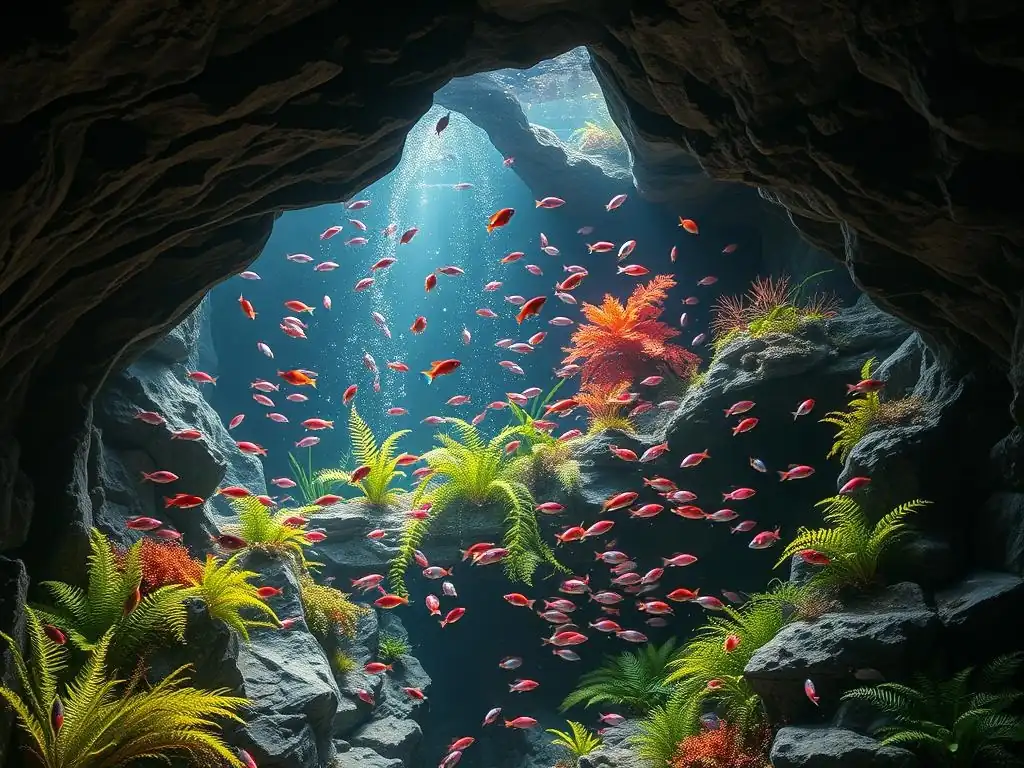
Ever dreamt of witnessing the vibrant spectacle of Cardinal Tetra breeding firsthand? These dazzling jewels of the Amazon present a unique, yet highly rewarding challenge for dedicated aquarists. Dive in and unlock the secrets to successful breeding, from creating the perfect softwater environment to nurturing delicate fry. Get ready to embark on an incredible journey – the adventure begins now!
- Breeding Cardinal Tetras: A Rewarding Softwater Challenge
- Understanding the Breeding Challenges
- Preparing the Breeding Environment
- Breeding Triggers: Simulating the Natural Environment
- Choosing Breeding Stock
- The Spawning Process: Observation and Intervention
- Raising Fry: From Hatching to Juvenile Stage
- Troubleshooting Common Problems
- Breeding Success: Long-Term Care and Growth
- Conclusion: The Satisfaction of Breeding Cardinal Tetras
-
Frequently Asked Questions
- What are the key water parameters for successfully breeding Cardinal Tetras?
- Why is a separate breeding tank necessary for Cardinal Tetras?
- What type of spawning substrate is best for Cardinal Tetras?
- How should I acclimate the fry to the main tank environment?
- What is the ideal food for Cardinal Tetra fry in the first few weeks?
- Final Reflection: The Enduring Allure of Creation
- Ignite Your Aquarium Passion: Embark on the Cardinal Tetra Breeding Adventure!
Breeding Cardinal Tetras: A Rewarding Softwater Challenge
Understanding the Breeding Challenges
Why Breeding Cardinal Tetras is Difficult
Breeding Cardinal Tetras ( Paracheirodon axelrodi) presents a unique challenge for aquarists due to their highly specific environmental requirements, which closely mimic their native Amazonian habitats. Unlike many other popular aquarium fish, Cardinal Tetras are obligate softwater breeders, meaning they require extremely soft and acidic water for successful spawning and egg development. Their eggs are highly sensitive to hardness and light, making successful hatching a delicate process. Furthermore, their small size and delicate nature necessitate a very stable and pristine environment free from stress or fluctuations.
The primary difficulty lies in replicating the exact water chemistry of their natural breeding grounds, which are typically blackwater streams with very low mineral content and a high concentration of humic acids. Many home aquariums, even those housing tetras, often have water that is too hard or too alkaline for Cardinal Tetra eggs to develop successfully.
This particularity means that general Cardinal tetra breeding tips often emphasize specialized water preparation as the cornerstone of any breeding attempt. Without precise control over these parameters, eggs frequently fail to fertilize, develop fungus, or simply do not hatch, leading to frustration for aspiring breeders.
The Importance of Water Parameters
Precise water parameters are not merely recommendations but critical prerequisites for successful Cardinal Tetra breeding. For optimal spawning and egg viability, the water should be extremely soft, typically with a General Hardness (GH) of 1-3 dGH (18-54 ppm) and a Carbonate Hardness (KH) of 0-1 dKH. The pH level is equally crucial, needing to be acidic, ideally ranging between 5.0 and 6.0. Temperatures should be maintained consistently between 26-28°C (79-82°F) to encourage spawning behavior and proper egg development.
These specific parameters are essential because Cardinal Tetra eggs are non-adhesive and highly sensitive to mineral content. Harder water can cause the egg membrane to become impermeable, preventing successful fertilization or hindering the development of the embryo. Additionally, the acidic pH helps to inhibit the growth of fungus on the eggs, a common issue in softer, nutrient-rich environments. Without these exact conditions, even healthy adult fish may not spawn, or if they do, the eggs are unlikely to hatch. Therefore, mastering water chemistry is perhaps the most significant of all Cardinal tetra breeding tips for dedicated aquarists.
Preparing the Breeding Environment
Creating a Dedicated Breeding Tank
A dedicated breeding tank is absolutely essential for successful Cardinal Tetra breeding, providing a controlled environment where the specific needs of the fish can be met without interference from other tank inhabitants or fluctuating conditions. A small tank, typically 5-10 gallons (approximately 19-38 liters), is ideal as it allows for easier management of water parameters and makes it simpler for the male to find the female and for the breeder to locate eggs. The tank should be meticulously cleaned and sterilized before use to eliminate any potential pathogens or contaminants that could harm the delicate eggs and fry.
For the substrate, a bare-bottom tank is often preferred for hygiene and ease of egg collection, but some breeders opt for a fine mesh or marbles to allow eggs to fall through, protecting them from being eaten by the parents. Including fine-leaved plants like Java moss or spawning mops provides a secure place for the fish to scatter their eggs and offers some cover. The crucial aspect of this setup is its isolation and stability, ensuring that the water chemistry, lighting, and temperature can be precisely controlled, which is a fundamental Cardinal tetra breeding tip for maximizing success rates.
Essential Equipment
Sponge Filters
Sponge filters are indispensable in a Cardinal Tetra breeding setup due to their gentle filtration capabilities. Unlike power filters or hang-on-back filters that can create strong currents, sponge filters provide mechanical filtration by trapping particulate matter and, more importantly, offer a large surface area for beneficial nitrifying bacteria to colonize. This biological filtration is crucial for maintaining stable water quality by breaking down ammonia and nitrites, which are highly toxic to delicate eggs and fry.
Furthermore, the gentle flow produced by sponge filters ensures that the tiny, free-swimming fry are not sucked into the filter or buffeted by strong currents. This makes them a safe and effective choice for preventing fry mortality, a common challenge in breeding these small fish. Their simplicity and low maintenance requirements also mean less disturbance to the breeding tank, which is vital for the sensitive Cardinal Tetras during their spawning period.
Dim Lighting
Dim lighting is a critical factor for successful Cardinal Tetra breeding, as their eggs are highly photosensitive. In their natural habitat, Cardinal Tetras typically spawn in dimly lit, shaded areas, often beneath dense vegetation or in tannin-stained blackwater. Exposing the eggs to bright light can inhibit their development and significantly reduce hatching rates. Bright light also encourages the growth of algae and fungus, which can quickly overwhelm the delicate eggs.
To achieve optimal conditions, the breeding tank should be placed in a room with minimal ambient light, or the tank itself should be partially shaded. Many breeders use a very low-wattage LED light or even just ambient room light, often for only a few hours a day, or keep the tank entirely dark for the first 24-48 hours after spawning. This attention to light management is one of the most practical Cardinal tetra breeding tips to safeguard the fragile eggs and ensure a higher yield of healthy fry.
Soft Water and Acidic pH
Achieving and maintaining extremely soft water with an acidic pH is the cornerstone of successful Cardinal Tetra breeding. This typically involves using reverse osmosis (RO) water, deionized (DI) water, or rainwater, which are virtually free of minerals. These waters have a General Hardness (GH) near 0 dGH and a Carbonate Hardness (KH) of 0 dKH. To lower the pH to the desired range of 5.0-6.0, various methods can be employed.
One common method is filtering the water through peat moss or using peat extracts, which release humic acids and naturally lower the pH while staining the water a tea-like color, mimicking blackwater conditions. Indian almond leaves (Terminalia catappa) or alder cones can also be added to the tank to release tannins, which help lower pH and provide anti-fungal properties.
Regular monitoring with accurate test kits for pH, GH, and KH is crucial to ensure these parameters remain stable and within the narrow range required for optimal egg development and hatching. This precise control over water chemistry is perhaps the most fundamental of all Cardinal tetra breeding tips.
Breeding Triggers: Simulating the Natural Environment
Soft Water Chemistry
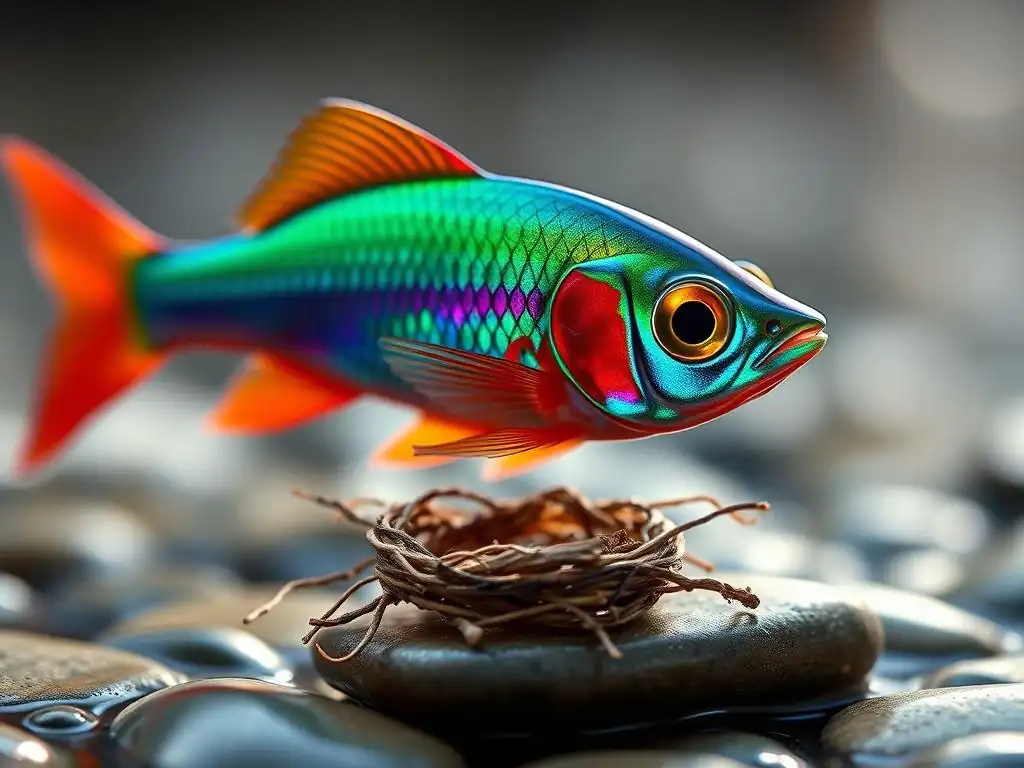
The precise soft water chemistry required for Cardinal Tetra breeding cannot be overstated; it is the primary environmental trigger for spawning. In their native Amazon basin, these fish experience water with incredibly low mineral content, often with a GH of 0-1 dGH and a KH of 0 dKH. This extreme softness is crucial for the hydration and development of their delicate eggs. When fish are introduced to such conditions after being in slightly harder water, it signals that the environment is suitable for reproduction.
To achieve this, aquarists typically prepare water using a reverse osmosis (RO) unit, which removes nearly all dissolved solids. This RO water is then often "remineralized" with very small amounts of specific salts, if at all, just enough to provide trace elements beneficial for the fish's health without increasing hardness significantly. The goal is to keep the total dissolved solids (TDS) below 100 ppm, ideally closer to 50 ppm, which closely mimics the natural breeding grounds. Consistent soft water is among the most essential Cardinal tetra breeding tips for inducing spawning.
Lowering pH
Lowering the pH to an acidic range, typically 5.0-6.0, is another critical trigger for Cardinal Tetra spawning. This low pH, combined with the soft water, replicates the blackwater conditions of their natural habitat, which is rich in humic acids and tannins from decaying organic matter. This acidic environment not only signals ideal breeding conditions but also plays a vital role in preventing egg fungus, a common scourge in softwater breeding tanks.
Methods for lowering pH include the addition of peat moss to the filter or substrate, using commercial peat extracts, or introducing natural botanical items like Indian almond leaves or alder cones. These organic materials slowly release tannins and humic acids, gradually reducing the pH and creating a more natural environment.
While CO2 injection can also lower pH, it must be used with extreme caution in a breeding tank due to the risk of fluctuating CO2 levels and potential harm to the delicate eggs and fry. Maintaining a stable, low pH is a key Cardinal tetra breeding tip for successful egg development.
Simulating a Rainy Season
Simulating a "rainy season" is an effective technique to trigger spawning in Cardinal Tetras, mirroring the environmental cues they experience in their natural habitat. In the Amazon, a significant influx of rainwater can lead to changes in water temperature, chemistry, and depth, signaling an opportune time for fish to breed. For aquarists, this simulation involves a series of controlled water changes.
Typically, this means performing small, frequent water changes (e.g., 10-15% daily or every other day) using cooler, extremely soft, and acidic water. The slight drop in temperature (perhaps 1-2°C) combined with the fresh, pristine water can act as a powerful stimulus. Some breeders also slightly increase the water level in the tank over several days. This combination of cooler, soft water, and increased water volume mimics the natural conditions that precede a breeding frenzy in the wild, providing a potent Cardinal tetra breeding tip for reluctant spawners.
Choosing Breeding Stock
Identifying Healthy and Mature Tetras
Selecting healthy and mature Cardinal Tetras is paramount for successful breeding, as only robust fish will have the energy and physiological capacity to spawn and produce viable eggs. Look for fish that are at least 6 to 12 months old, as they typically reach sexual maturity around this age. Healthy specimens will exhibit vibrant, unbroken iridescent blue and red stripes, indicating good coloration and overall vitality. Their bodies should be full and well-rounded, not emaciated or bloated, suggesting a good diet and absence of internal parasites.
Active swimming behavior, alertness, and an absence of clamped fins, labored breathing, or any visible signs of disease (such as white spots, fungal growths, or frayed fins) are also crucial indicators. It's advisable to condition potential breeding pairs with a varied and high-quality diet for several weeks prior to attempting breeding. This diet should include live foods like daphnia, bloodworms, and brine shrimp, as well as high-quality flakes or micro-pellets. This meticulous selection process is a foundational Cardinal tetra breeding tip that directly impacts the success rate of spawning.
Sexing Cardinal Tetras
Sexing Cardinal Tetras can be challenging due to their small size and subtle differences, but it is possible with careful observation, especially when viewed from above or when the fish are well-conditioned. Generally, adult female Cardinal Tetras tend to be slightly larger and noticeably rounder or fuller in the belly area, particularly when they are gravid (carrying eggs). This difference is most apparent when looking down on the fish from above; the female's body will appear more pear-shaped.
Male Cardinal Tetras, conversely, are typically slimmer and more torpedo-shaped. While their coloration is equally vibrant, their overall body profile is more streamlined. During the breeding period, males may exhibit more intense coloration and engage in chasing behavior. Observing multiple fish over time will help in identifying these subtle distinctions. For the best chances of success, it's often recommended to introduce a group of 6-8 healthy adults to the breeding tank, allowing them to pair off naturally, which is a common Cardinal tetra breeding tip to ensure you have both sexes present.
The Importance of a Healthy Gene Pool
Maintaining a healthy gene pool is crucial for long-term breeding success and for ensuring the vitality and resilience of future generations of Cardinal Tetras. Repeatedly breeding from a limited number of individuals or closely related fish can lead to inbreeding, which can result in a reduction in genetic diversity. This can manifest as weaker fish, increased susceptibility to diseases, deformities, reduced growth rates, and lower fertility or hatch rates.
To avoid these issues, aquarists should aim to source their breeding stock from different suppliers or batches if possible, to introduce fresh genetic material. If breeding multiple generations, it's advisable to periodically introduce new, unrelated individuals into the breeding program. While this may not always be feasible for every hobbyist, being mindful of genetic diversity helps to produce stronger, healthier fry that are more likely to thrive. Prioritizing genetic health is an advanced but vital Cardinal tetra breeding tip for sustainable breeding efforts.
The Spawning Process: Observation and Intervention
Recognizing Spawning Behavior
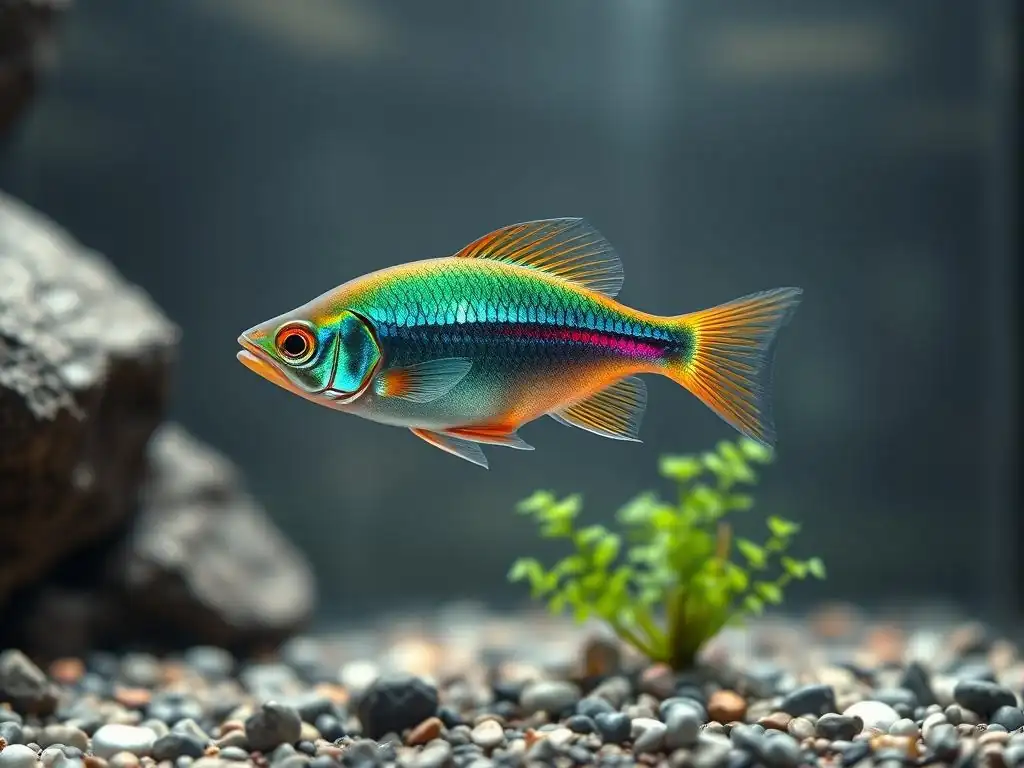
Recognizing spawning behavior in Cardinal Tetras is key to timely intervention and protecting the eggs. Spawning typically occurs in the early morning, often at dawn, and can last for several hours. The male will usually initiate courtship by chasing the female, often nudging her side or fins. This chasing is not aggressive but rather a display to encourage the female to release eggs. The pair may then swim side-by-side, often twitching or vibrating, particularly as they move towards fine-leaved plants, spawning mops, or the tank bottom.
As spawning progresses, the male will wrap his body around the female, pressing against her as she releases tiny, clear, non-adhesive eggs. These eggs are then fertilized by the male's milt. The eggs are scattered among the plant material or fall to the bottom. A single female can lay anywhere from 50 to 150 eggs, though not all will be fertile. Observing this delicate dance indicates successful pairing and egg laying, prompting the next crucial step in Cardinal tetra breeding tips: protecting the eggs.
Protecting the Eggs
Protecting Cardinal Tetra eggs is perhaps the most critical intervention required during the spawning process, as both parents are highly likely to consume the eggs shortly after they are laid. This is a natural behavior in many fish species, including tetras. Therefore, once spawning is observed to have concluded, or even immediately after a significant number of eggs have been laid, the adult fish must be carefully removed from the breeding tank.
If a bare-bottom tank with a mesh or marbles was used, the eggs will fall through to safety, making their removal easier. If plants or spawning mops were used, these can be gently lifted and transferred to a separate rearing container filled with the same conditioned water. The breeding tank itself, now containing the eggs, should then be kept in near darkness to prevent fungal growth and protect the light-sensitive embryos. This immediate removal of parents is a non-negotiable Cardinal tetra breeding tip for maximizing egg survival.
Preventing Egg Fungus
Preventing egg fungus is a major challenge in Cardinal Tetra breeding, as their eggs are highly susceptible, especially in soft, still water. Fungus can quickly spread and destroy an entire clutch of eggs if left unchecked. The primary preventative measure is to maintain pristine water quality with extremely low nitrates and phosphates, as well as the correct soft and acidic parameters (pH 5.0-6.0). The tannins released from peat or Indian almond leaves naturally provide some anti-fungal properties.
Another effective method is the use of a very dilute solution of methylene blue in the egg-rearing container. A few drops are typically sufficient to lightly tint the water blue, inhibiting fungal growth without harming the delicate eggs. Some breeders also use a very mild air stone to provide minimal circulation, ensuring that the water around the eggs doesn't become stagnant, though extreme care must be taken not to disturb the eggs. Keeping the eggs in near-total darkness also significantly reduces fungal proliferation. These preventative measures are vital Cardinal tetra breeding tips for ensuring a high hatch rate.
Raising Fry: From Hatching to Juvenile Stage
The First Few Days: Initial Feeding
The first few days after Cardinal Tetra fry hatch are extremely critical, as their initial food source must be microscopic. Cardinal Tetra eggs typically hatch within 24-36 hours at a temperature of 26-28°C (79-82°F). Upon hatching, the fry are tiny, almost transparent, and will initially absorb nutrients from their yolk sac, which sustains them for approximately 2-3 days. During this period, they will often remain motionless at the bottom or clinging to surfaces.
Once the yolk sac is fully absorbed and the fry become free-swimming (usually around day 3-5 post-hatch), they require infusoria as their first food. Infusoria are microscopic organisms that can be cultured by steeping organic material like banana peels or dried leaves in water for several days, or by using commercial infusoria cultures. Feeding should be done several times a day in very small quantities to avoid polluting the water. This precise initial feeding is a crucial Cardinal tetra breeding tip for the survival of the incredibly small fry.
Transitioning to Brine Shrimp and Microworms
After approximately 5-7 days of feeding on infusoria, Cardinal Tetra fry will have grown sufficiently to accept slightly larger food items. This is the ideal time to transition them to newly hatched brine shrimp nauplii and microworms. Newly hatched brine shrimp are an excellent source of protein and essential fatty acids, promoting rapid growth and development. Microworms, another live food, are also highly nutritious and readily consumed by the fry.
It's important to culture these live foods yourself to ensure they are fresh and free of contaminants. Feeding should remain frequent, at least 3-4 times a day, in small amounts to prevent overfeeding and water fouling. As the fry grow, which will be noticeable over the next few weeks, the proportion of brine shrimp and microworms can gradually increase. This careful progression in diet is a vital Cardinal tetra breeding tip to ensure the fry receive adequate nutrition for healthy development into juvenile fish.
Maintaining Water Quality and Preventing Diseases
Maintaining impeccable water quality is paramount for the survival and healthy development of Cardinal Tetra fry, as they are extremely sensitive to pollutants. Due to their rapid growth and frequent feeding, waste products can accumulate quickly, leading to dangerous spikes in ammonia and nitrites. Regular, small water changes are essential. Daily water changes of 10-15% using aged, temperature-matched, and properly conditioned soft, acidic water are highly recommended.
Careful siphoning of uneaten food and detritus from the tank bottom is also crucial to prevent the build-up of organic waste. A gentle sponge filter should remain operational to provide biological filtration. Any signs of disease, such as lethargy, clamped fins, or unusual spots, must be addressed immediately, often by increasing water changes and ensuring optimal parameters. Diligence in water management is one of the most critical Cardinal tetra breeding tips to prevent high fry mortality and raise robust young fish.
Troubleshooting Common Problems
Egg Fungus Prevention and Treatment
Egg fungus remains one of the most common and disheartening problems in Cardinal Tetra breeding. Prevention is always superior to treatment. As previously mentioned, maintaining pristine, extremely soft (GH 0-1 dGH), acidic (pH 5.0-6.0) water, coupled with very dim lighting or complete darkness for the first 24-48 hours post-spawning, significantly reduces the risk. The presence of tannins from peat or Indian almond leaves also offers natural anti-fungal properties.
Should fungus appear, typically as a white, cottony growth on unfertilized or dead eggs, prompt action is necessary to prevent its spread to viable eggs. A very dilute solution of methylene blue (enough to lightly tint the water blue) can be added to the egg-rearing container. Alternatively, some breeders use a small pipette to carefully siphon out affected eggs without disturbing the healthy ones. Consistent water quality and minimal disturbance are key Cardinal tetra breeding tips for managing this pervasive issue.
Fry Mortality: Identifying and Addressing Causes
High fry mortality is a common frustration for aquarists attempting Cardinal Tetra breeding, and identifying its causes is crucial for future success. The most frequent culprits include poor water quality, insufficient or inappropriate food, and genetic weaknesses. Ammonia and nitrite spikes from overfeeding or infrequent water changes are deadly to fry; monitoring parameters daily and performing small, frequent water changes are essential.
If fry are not receiving adequate initial food (infusoria, followed by newly hatched brine shrimp), they will starve, often appearing translucent and lethargic. Ensuring a continuous supply of appropriate live food is vital. Genetic issues, while harder to identify, can result in deformities or weaker fry that succumb easily. Stress from fluctuating temperatures, bright light, or too much water flow from filtration can also contribute to losses. Addressing these factors systematically is a key Cardinal tetra breeding tip for improving fry survival rates.
Maintaining Stable Water Parameters
Maintaining stable water parameters is not just important for breeding triggers but is absolutely critical throughout the entire process, from conditioning adults to raising fry. Fluctuations in temperature, pH, or hardness can cause immense stress to Cardinal Tetras, leading to reduced spawning success, egg loss, or fry mortality. These fish are highly sensitive to sudden changes, which can easily trigger shock or disease.
Using a reliable heater with a thermostat to keep the temperature constant (26-28°C) is essential. Regular testing with accurate test kits for pH, GH, KH, ammonia, nitrite, and nitrate allows for proactive adjustments. When performing water changes, ensure the new water is precisely matched in temperature and parameters to avoid shocking the fish. Consistency is key; small, frequent adjustments are always better than large, infrequent ones. This unwavering commitment to stable parameters is perhaps the most fundamental of all Cardinal tetra breeding tips for overall success.
Breeding Success: Long-Term Care and Growth
Gradually Acclimatizing Fry
Once Cardinal Tetra fry have grown to a size where they are actively consuming live foods like brine shrimp and microworms (typically around 3-4 weeks old), they are ready for a gradual acclimatization process to prepare them for a larger, more stable environment. This transition should be slow and deliberate to avoid shocking the delicate juveniles. If they are to be moved to a grow-out tank with slightly different water parameters, perform small, daily water changes using a mix of the breeding tank water and the new tank water for several days.
Alternatively, if the grow-out tank has identical parameters, they can be carefully netted and transferred. The grow-out tank should be larger (e.g., 20 gallons or more) to accommodate their growth and provide ample swimming space, with stable filtration and a consistent feeding schedule. This slow acclimatization is a key Cardinal tetra breeding tip to minimize stress and prevent losses during the transition period.
Providing a Varied Diet
As Cardinal Tetra fry mature into juveniles and then adults, providing a varied and high-quality diet is crucial for their continued health, vibrant coloration, and long-term well-being. While live foods like brine shrimp and microworms are excellent for initial growth, a broader diet should be introduced as they grow larger. This includes high-quality flake foods specifically formulated for small tropical fish, micro-pellets, and a variety of frozen foods.
Frozen daphnia, bloodworms (chopped if necessary), and spirulina-enriched brine shrimp are excellent additions to their diet. Offering a mix of these foods ensures they receive a complete nutritional profile, including essential proteins, fats, vitamins, and minerals. Feeding small amounts several times a day is preferable to one large feeding, as it mimics their natural foraging behavior and helps maintain water quality. A diverse diet is a vital Cardinal tetra breeding tip for promoting robust growth and disease resistance.
Recognizing and Addressing Health Issues
Even with the best care, Cardinal Tetras can occasionally face health issues, and recognizing and addressing them promptly is crucial for the well-being of your bred fish. Common signs of illness include clamped fins, lethargy, loss of appetite, dull coloration, white spots (Ich), fungal growths, or unusual swimming patterns. Regular observation of your fish during feeding and daily checks allows for early detection.
Poor water quality is a leading cause of stress and disease in Cardinal Tetras. Therefore, the first step in addressing any health issue is to meticulously check all water parameters (ammonia, nitrite, nitrate, pH, GH, KH) and perform a significant water change with appropriately conditioned water. If symptoms persist, isolating the affected fish in a separate hospital tank can prevent the spread of disease and allow for targeted treatment with appropriate medications, if necessary. Proactive water quality management and keen observation are crucial Cardinal tetra breeding tips for maintaining a healthy population.
Conclusion: The Satisfaction of Breeding Cardinal Tetras
Breeding Cardinal Tetras is undoubtedly one of the more challenging endeavors in freshwater aquarism, demanding meticulous attention to water chemistry, environmental precision, and dedicated care for the delicate eggs and fry. From achieving the ultra-soft, acidic water parameters that trigger spawning to the painstaking process of raising the microscopic fry on infusoria and then brine shrimp, every step requires patience and commitment. However, the reward for this dedication is immense.
Successfully raising a school of these iconic, brilliantly colored fish from tiny eggs is a profound testament to an aquarist's skill and passion. The vibrant reds and blues of a healthy, home-bred Cardinal Tetra are a source of immense satisfaction, knowing you've replicated a complex natural process within your own home. For the dedicated aquarist seeking to master advanced techniques, these Cardinal tetra breeding tips offer a pathway to a truly rewarding experience, transforming a challenging hobby into a deeply gratifying achievement.
Frequently Asked Questions
What are the key water parameters for successfully breeding Cardinal Tetras?
Cardinal Tetras require very specific conditions for breeding. You'll need soft, acidic water with a pH around 5.5-6.5 and a very low general hardness (GH) to mimic their natural environment. Temperature should be consistently maintained around 82-84°F (28-29°C).
Why is a separate breeding tank necessary for Cardinal Tetras?
Adult Cardinal Tetras are known to prey on their own eggs and fry. A separate breeding tank allows you to control the environment and remove the parents after spawning, maximizing fry survival rates.
What type of spawning substrate is best for Cardinal Tetras?
Cardinal Tetras are scatter spawners, meaning they release their eggs over a wide area. Fine-leaved plants like Java moss or spawning mops provide ideal surfaces for the eggs to fall onto and offer some protection.
How should I acclimate the fry to the main tank environment?
Gradually acclimate the fry by slowly dripping water from the main tank into their rearing tank over several hours. This minimizes stress from sudden changes in water chemistry and temperature, improving their chances of survival.
What is the ideal food for Cardinal Tetra fry in the first few weeks?
Newly hatched Cardinal Tetra fry are extremely small and require infusoria or liquid fry food as their first food source. After a week or two, you can gradually introduce baby brine shrimp or microworms.
Final Reflection: The Enduring Allure of Creation
The journey of breeding Cardinal Tetras, as we've explored, is far more than just a technical exercise; it's a testament to the power of dedication and the profound connection we can forge with the natural world. In a world increasingly dominated by instant gratification, the patience and precision required to successfully breed these vibrant fish offer a refreshing reminder of the rewards that come from sustained effort and meticulous observation.
This pursuit, demanding as it is, underscores the delicate balance of ecosystems and the responsibility we bear as custodians of aquatic life. Witnessing the emergence of new life, especially in a controlled environment, deepens our appreciation for the intricate processes that sustain all living things. The creation of something new is not accomplished by the intellect but by the play instinct arising from inner necessity. The creative mind plays with the objects it loves.
- Carl Jung. This quote perfectly encapsulates the spirit of the aquarist, driven by passion and a deep-seated love for the beauty and complexity of the underwater world.
Now, as you close this article, consider the lessons learned and the challenges overcome. Let the meticulousness required for Cardinal Tetra breeding inspire you to approach other aspects of your life with similar dedication and care. Embrace the patience, the observation, and the unwavering commitment to nurturing growth, whether it be in your aquarium, your garden, or your own personal development. The rewards, like the shimmering beauty of a school of newly hatched Cardinal Tetras, are well worth the effort.
Ignite Your Aquarium Passion: Embark on the Cardinal Tetra Breeding Adventure!
Thank you for diving into the world of Cardinal Tetra breeding with us! We hope you've gained valuable insights into the intricacies of this rewarding challenge. Now, it's time to transform knowledge into action and experience the thrill of raising these vibrant jewels.
Here's how you can take the next step:
- Dare to breed! Set up a dedicated breeding tank with optimized softwater parameters, mimicking the natural environment for successful spawning, and document every step of your exciting journey.
- Dive deeper: Explore advanced filtration techniques to maintain pristine water quality. Research beyond the basics and experiment with different food types for optimal fry growth and coloration.
- Share your experience! Join the Aquarium Mastery community forum and contribute to our shared knowledge. Post pictures, ask questions, and help fellow aquarists on their breeding journeys.
What unique approach will you take to conquer the softwater challenges and unlock the secrets of Cardinal Tetra breeding?