
Setting Up Your First Betta Tank: A Beginner's Comprehensive Guide

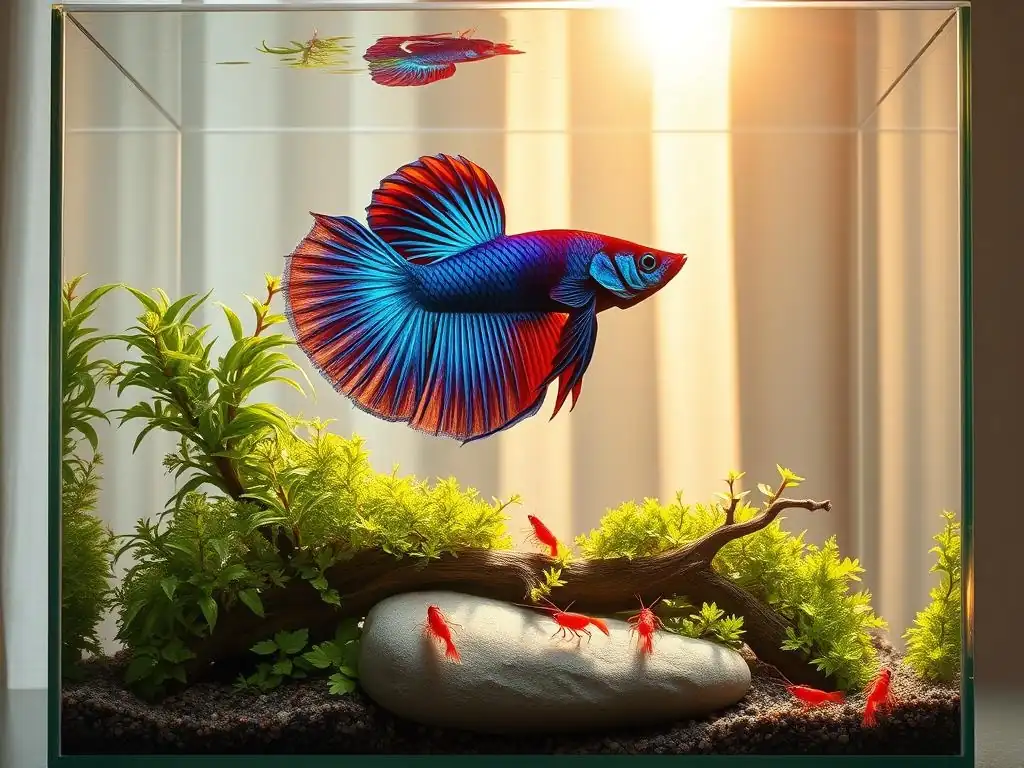
Welcome to Aquarium Mastery!
Curious about creating the perfect underwater paradise for your Betta? You've come to the right place. Our comprehensive Betta tank setup guide will walk you through every step, from choosing the right tank to ensuring a thriving environment for your finned friend. Ready to dive in and discover the secrets to a happy and healthy Betta? Let's get started!
- Introduction to Betta Tank Setup for Beginners
- Planning Your Betta Tank: Essential Considerations
-
Essential Equipment for Your Betta Tank
- Betta Tank: Selecting the Ideal Aquarium
- Betta Tank Filter: Choosing the Right Filtration System
- Betta Tank Heater: Maintaining Optimal Water Temperature
- Betta Tank Lighting: Providing Appropriate Illumination
- Betta Tank Thermometer: Monitoring Water Temperature Accuracy
- Betta Tank Substrate: Choosing the Best Gravel or Sand
-
Setting Up Your Betta Tank: A Step-by-Step Guide
- Step 1: Preparing Your Betta Tank for Setup
- Step 2: Adding Substrate to Your Betta Aquarium
- Step 3: Installing the Filter and Heater
- Step 4: Adding Decorations and Hiding Spots for Your Betta
- Step 5: Filling the Tank with Water: The Right Way
- Step 6: Starting the Nitrogen Cycle: Essential for Betta Health
- Cycling Your Betta Tank: Establishing a Healthy Ecosystem
- Introducing Your Betta Fish to Their New Home
- Maintaining Your Betta Tank: Long-Term Care
- Common Mistakes to Avoid When Setting Up a Betta Tank
- Betta Tank Setup Checklist: Ensuring You Haven't Missed Anything
- Conclusion: Enjoying Your Beautiful and Healthy Betta Tank
- Frequently Asked Questions
- Final Reflection: Cultivating Aquatic Harmony
- Ignite Your Aquatic Adventure!
Introduction to Betta Tank Setup for Beginners
Why Bettas Need a Dedicated Tank: Understanding Betta Fish Needs
Bettas, scientifically known as Betta splendens, are often mistakenly believed to thrive in small bowls or vases due to their ability to breathe atmospheric oxygen with their labyrinth organ. However, this fascinating adaptation, which allows them to survive in oxygen-poor waters in their natural Southeast Asian habitats, does not negate their need for ample space and clean water. In the wild, Bettas inhabit shallow, slow-moving waters like rice paddies and drainage ditches, which, while sometimes low in oxygen, are vast and interconnected, providing plenty of room for exploration and escape from predators or rivals.
Confining a Betta to a small bowl, often less than 1 gallon (approximately 3.8 liters), severely limits its natural behaviors, stunts its growth, and leads to rapid accumulation of toxic waste products. A proper Betta tank setup guide emphasizes that these intelligent and curious fish require sufficient swimming space, stable water parameters, and environmental enrichment to prevent stress, disease, and premature death. Their territorial nature also means they need their own dedicated space, free from other Bettas, to truly flourish and display their vibrant colors and flowing fins.
The Importance of Proper Betta Tank Setup for a Healthy Betta
The foundation of a long and healthy life for your Betta fish lies in its environment. A properly set up Betta tank provides the stable conditions necessary for the fish's physiological well-being, directly influencing its immune system, coloration, and overall longevity. Without adequate filtration, heating, and space, a Betta is susceptible to a host of health issues, including fin rot, dropsy, swim bladder disorders, and chronic stress, which can significantly shorten its lifespan.
Investing time and effort into a meticulous Betta tank setup ensures that your aquatic companion lives in an environment that closely mimics its ideal natural conditions, promoting robust health. For instance, maintaining a consistent water temperature between 76-82°F (24.4-27.8°C) is crucial for a Betta's metabolism and immune function. Similarly, effective filtration and regular water changes prevent the buildup of harmful ammonia and nitrites, fostering a thriving ecosystem where your Betta can display its natural behaviors, such as flaring, exploring, and building bubble nests.
Planning Your Betta Tank: Essential Considerations
Betta Tank Size: Choosing the Right Aquarium Size for Your Betta
When planning your Betta tank setup, the first and most critical decision is tank size. While many pet stores unfortunately still display Bettas in tiny cups, the absolute minimum recommended tank size for a single Betta fish is 5 gallons (approximately 19 liters). Tanks smaller than this are highly unstable, experiencing rapid fluctuations in temperature and water chemistry, which are incredibly stressful and harmful to a Betta.
Opting for a 5-gallon tank provides adequate swimming space, allows for proper filtration and heating, and helps maintain more stable water parameters compared to smaller enclosures. However, if space and budget allow, a 10-gallon (around 38 liters) or even 20-gallon (about 76 liters) tank is even better. Larger tanks offer more stability, more room for beneficial biological filtration, and greater opportunities for enriching the environment with plants and decorations, leading to a happier, healthier, and more active Betta.
Budgeting for Your Betta Tank: Initial Costs and Ongoing Expenses
Setting up a Betta tank involves both initial investment and ongoing expenses. For a basic 5-gallon Betta tank setup, initial costs can range from approximately $110 to $265. This typically includes the aquarium itself ($20-$60), a submersible heater ($15-$30), a gentle filter ($15-$40), substrate ($10-$25), lighting ($15-$40), decorations and plants ($20-$50), and essential supplies like water conditioner, a thermometer, and a liquid water test kit ($30-$60). While it might seem like a significant upfront cost, these are crucial investments for your Betta's well-being.
Beyond the initial setup, ongoing expenses are relatively modest but necessary. Monthly costs typically include high-quality Betta food ($5-$10), and periodically, replacement filter media ($5-$15 every 1-3 months). Water conditioner is also an ongoing expense, with a standard bottle often lasting several months for a small tank, costing around $5-$10. Electricity consumption for a small heater and filter is minimal, usually adding only a few dollars to your monthly utility bill. These consistent, small outlays ensure the continued health and vitality of your Betta's aquatic environment.
Betta Tank Location: Where to Place Your Betta Aquarium
Selecting the right location for your Betta tank is vital for both the fish's health and the stability of the aquarium environment. Choose a sturdy, level surface that can safely support the weight of the full tank; a 5-gallon tank with water, substrate, and equipment can weigh over 50 pounds (approximately 23 kg). Placing the tank near electrical outlets is also a practical consideration for powering the heater, filter, and light.
Crucially, avoid placing the Betta tank in direct sunlight, as this can lead to rapid algae growth and significant temperature fluctuations, stressing your Betta and making temperature regulation difficult. Similarly, keep the tank away from drafts, air conditioning vents, or heating vents that could cause sudden temperature swings. A quiet, low-traffic area of your home, such as a sturdy dresser in a bedroom or a dedicated aquarium stand in a living room corner, is often ideal, minimizing sudden movements or loud noises that could startle and stress your Betta.
Essential Equipment for Your Betta Tank
Betta Tank: Selecting the Ideal Aquarium
Once you've decided on the size, choosing the actual Betta tank is the next step in your Betta tank setup guide. While 5-gallon tanks are the minimum, consider a 10-gallon model if space permits, as it offers greater stability and more room for enrichment. When selecting the aquarium, prioritize rectangular shapes over bowls or odd-shaped tanks, as they provide more horizontal swimming space for your Betta and a larger surface area for beneficial gas exchange, which is crucial for water quality.
Glass aquariums are generally more scratch-resistant and retain their clarity longer, though they are heavier. Acrylic tanks are lighter and more impact-resistant but prone to scratching. Regardless of material, ensure the tank comes with a lid or purchase one separately. A lid is essential to prevent your Betta from jumping out – a common behavior for these curious fish – and also helps reduce water evaporation and maintain a consistent water temperature.
Betta Tank Filter: Choosing the Right Filtration System
A proper filtration system is paramount for maintaining healthy water parameters in your Betta tank. For Bettas, the key is gentle flow, as their long, flowing fins can be easily stressed or damaged by strong currents. Sponge filters, driven by a small air pump, are an excellent choice for a Betta tank setup because they provide both mechanical filtration (trapping particles) and biological filtration (housing beneficial bacteria) with a very gentle water flow.
Hang-on-Back (HOB) filters are another popular option, offering robust mechanical and biological filtration. However, many HOB filters produce too strong a current for Bettas. If you choose an HOB filter, look for models with adjustable flow rates or be prepared to baffle the output with a sponge or plastic bottle to diffuse the current. Internal filters can also work, but ensure they are appropriately sized for your tank and have a controllable flow to prevent excessive water movement.
Betta Tank Heater: Maintaining Optimal Water Temperature
Bettas are tropical fish and require a consistent, warm water temperature to thrive. The ideal temperature range for a Betta tank is between 76-82°F (24.4-27.8°C). Fluctuations outside this range can weaken their immune system, making them susceptible to diseases like Ich or fin rot. Therefore, a reliable heater is a non-negotiable component of your Betta tank setup.
For a 5-gallon tank, a 25-watt submersible, adjustable heater is typically sufficient. For a 10-gallon tank, a 50-watt heater is generally recommended. Always choose a heater with an adjustable thermostat to precisely control the water temperature. Place the heater near the filter's output or in an area with good water circulation to ensure even heat distribution throughout the entire aquarium.
Betta Tank Lighting: Providing Appropriate Illumination
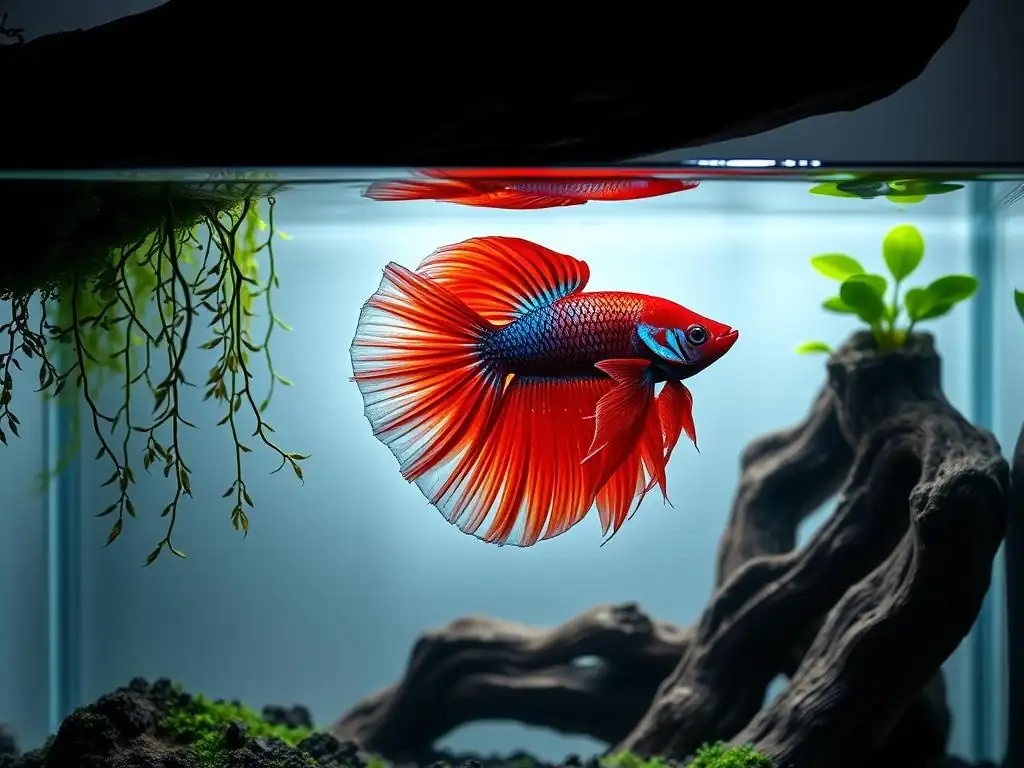
While Bettas don't have specific lighting requirements for their health, appropriate illumination is important for viewing your fish, promoting plant growth (if you choose live plants), and establishing a natural day-night cycle. For a Betta tank setup, standard LED aquarium lights are an excellent choice due to their energy efficiency and customizable spectrums.
Aim to provide 8-10 hours of light per day. This duration is sufficient for most live plants and helps prevent excessive algae growth, which can become a nuisance if lights are left on for too long (e.g., 12-16 hours). A timer can be a valuable addition to ensure a consistent lighting schedule, mimicking the natural rhythm of day and night and contributing to your Betta's overall well-being.
Betta Tank Thermometer: Monitoring Water Temperature Accuracy
Even with an adjustable heater, a reliable Betta tank thermometer is an essential tool for monitoring and ensuring the water temperature remains within the optimal range of 76-82°F (24.4-27.8°C). Heaters can sometimes malfunction or be inaccurate, and a thermometer provides a crucial independent check. Without it, you wouldn't know if your Betta is experiencing dangerously high or low temperatures, which can quickly lead to stress and illness.
There are several types of thermometers available, including stick-on strip thermometers (least accurate), floating glass thermometers (can be cumbersome), and submersible digital thermometers (most accurate and easiest to read). Place the thermometer on the opposite side of the tank from your heater to get a true average reading of the water temperature, helping you confirm that your heating system is functioning correctly and maintaining stable conditions for your Betta.
Betta Tank Substrate: Choosing the Best Gravel or Sand
The substrate forms the base of your Betta tank and plays a role in aesthetics and tank ecology. When choosing gravel or sand for your Betta tank setup, prioritize materials that are smooth and non-abrasive to prevent damage to your Betta's delicate fins. Sharp-edged gravel or rough decorative stones can easily tear fins, leading to stress and potential infections.
Both sand and fine gravel are suitable options. Sand can create a more natural look and is excellent for plants that root in the substrate. Fine gravel is also easy to clean and comes in a wide variety of colors. Aim for a substrate depth of 1-2 inches (2.5-5 cm), which is sufficient for rooting live plants and provides a good base for beneficial bacteria to colonize without becoming a detritus trap. Always thoroughly rinse any new substrate before adding it to your tank to remove dust and debris.
Setting Up Your Betta Tank: A Step-by-Step Guide
Step 1: Preparing Your Betta Tank for Setup
The first step in your Betta tank setup is to thoroughly clean and prepare your new aquarium. Carefully remove the tank from its packaging and inspect it for any cracks or damage. Using only clean water (no soap, detergents, or chemical cleaners, as these can leave harmful residues), rinse the inside of the tank and the lid. You can use a clean, dedicated sponge or cloth for this purpose.
Once rinsed, place your clean Betta tank on its chosen sturdy, level surface. Ensure the surface can support the full weight of the tank when filled with water, substrate, and equipment. Having all your essential equipment – filter, heater, thermometer, substrate, decorations, and water conditioner – gathered and ready before you begin will make the setup process smoother and more efficient.
Step 2: Adding Substrate to Your Betta Aquarium
With your tank prepared, the next step in your Betta tank setup guide is to add the substrate. Before placing it in the aquarium, it is crucial to thoroughly rinse your chosen gravel or sand. Place small batches of substrate in a colander and rinse under cool running tap water until the water coming through runs completely clear. This removes any dust, debris, or fine particles that could cloud your tank water.
Once rinsed, carefully add the substrate to the bottom of your Betta aquarium, aiming for a layer of about 1 to 2 inches (2.5 to 5 cm) deep. You can create a slight slope, with the substrate a bit higher at the back of the tank, to add visual depth and interest. Ensure the substrate is evenly distributed and smooth, especially if you plan to incorporate live plants later.
Step 3: Installing the Filter and Heater
After adding the substrate, it’s time to install the essential equipment for your Betta tank setup: the filter and heater. Refer to the manufacturer's instructions for precise installation of your chosen filter. Generally, this involves attaching suction cups or hanging the filter on the back rim of the tank, ensuring the intake tube is fully submerged and the output flow is directed appropriately to create gentle circulation.
For the heater, carefully unbox it and position it in the tank, ensuring it is fully submerged as per its instructions. Many heaters have suction cups for secure placement. It's often beneficial to place the heater near the filter's output to help distribute the warmed water evenly throughout the tank. Do not plug in the heater yet; it must be submerged in water to prevent damage and ensure safe operation.
Step 4: Adding Decorations and Hiding Spots for Your Betta
Enriching your Betta tank with appropriate decorations and ample hiding spots is crucial for your Betta's well-being and security. Before adding any items, rinse all decorations thoroughly with clean water to remove any dust or manufacturing residues. If using plastic plants or resin ornaments, run a pair of pantyhose over them to check for any sharp edges or rough spots that could tear your Betta's delicate fins. If you find any, gently smooth them down with fine-grit sandpaper.
Bettas thrive when they have places to explore and retreat to. Incorporate a variety of elements such as smooth caves, driftwood, and live or silk plants. Live plants like Anubias, Java Fern, or Amazon Swords not only add natural beauty but also help with water quality by absorbing nitrates. Aim for a balanced aesthetic that provides both open swimming areas and dense cover, allowing your Betta to feel secure and engaged in its environment.
Step 5: Filling the Tank with Water: The Right Way
Filling your Betta tank with water correctly is a critical step in the Betta tank setup process. To avoid disturbing your carefully placed substrate and decorations, place a clean plate or a plastic bag on top of the substrate before you begin adding water. This diffuses the incoming water, preventing it from digging craters or scattering your substrate.
Slowly pour dechlorinated water into the tank, filling it to about 1 inch (2.5 cm) from the top rim. It is absolutely essential to use a high-quality water conditioner to remove chlorine and chloramines from tap water, which are highly toxic to fish. Follow the product's instructions for the correct dosage based on your tank's volume; for example, many conditioners require 5ml per 10 gallons (38 liters) of water. Ensure the water is at room temperature to avoid shocking the system.
Step 6: Starting the Nitrogen Cycle: Essential for Betta Health
With your Betta tank filled, it's time to plug in your heater and filter, allowing the water to begin circulating and heating to the target temperature of 76-82°F (24.4-27.8°C). This marks the beginning of the most crucial phase of your Betta tank setup: initiating the nitrogen cycle. The nitrogen cycle is the biological process that converts toxic fish waste into safer compounds, making the tank habitable.
To start this process, you will need to introduce an ammonia source. The safest and most recommended method for beginners is a "fishless cycle," where you add a small amount of pure ammonia (without surfactants) or a pinch of fish food daily to generate ammonia. This ammonia feeds beneficial bacteria that will eventually colonize your filter media and substrate, transforming harmful ammonia into nitrites, and then nitrites into much less toxic nitrates. This cycling process typically takes 2 to 8 weeks to complete before a Betta can be safely introduced.
Cycling Your Betta Tank: Establishing a Healthy Ecosystem
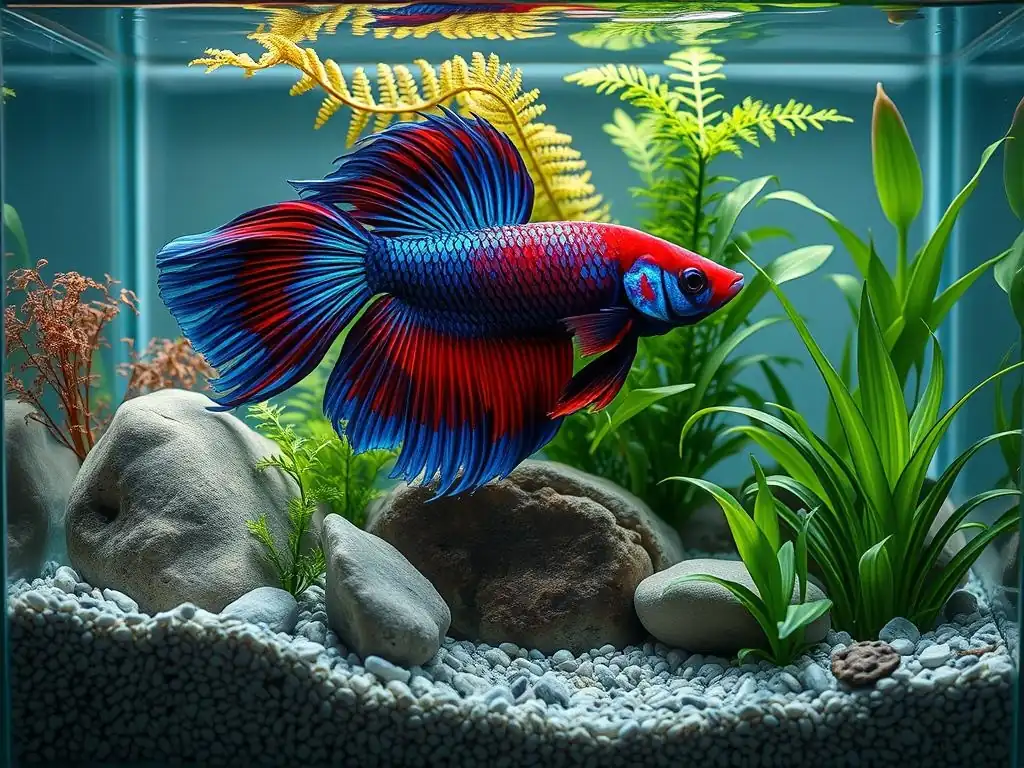
Understanding the Nitrogen Cycle in a Betta Tank
The nitrogen cycle is the cornerstone of a healthy and stable aquatic environment, especially crucial for a successful Betta tank setup. It's a natural biological process that breaks down harmful fish waste products. The cycle begins with ammonia (NH3), which is produced from fish waste, uneaten food, and decaying plant matter. Ammonia is highly toxic to fish, even at low concentrations, and can cause gill damage, stress, and death.
In a healthy, cycled tank, two types of beneficial bacteria play vital roles. First, Nitrosomonas bacteria convert ammonia into nitrites (NO2-), which are also highly toxic to fish. Second, Nitrobacter bacteria then convert these nitrites into nitrates (NO3-), a much less toxic compound. Nitrates accumulate in the tank but can be safely managed through regular partial water changes and by live plants, which absorb them as nutrients. Understanding this cycle is fundamental to maintaining pristine water quality for your Betta.
Cycling a Betta Tank: A Step-by-Step Process
Cycling your Betta tank, especially through the fishless method, is a patient but rewarding process that typically takes 4 to 8 weeks. Begin by adding a source of ammonia to the tank; this can be pure liquid ammonia (aim for 2-4 parts per million, or ppm) or a small pinch of fish food daily. This ammonia provides the initial food source for the beneficial bacteria to colonize your filter media and substrate.
Regularly test your water parameters using a liquid test kit (test strips are less accurate). During the cycle, you will observe ammonia levels rising, then nitrites spiking as ammonia converts, and finally, both ammonia and nitrites dropping to zero. Once ammonia and nitrite levels consistently read 0 ppm for 24-48 hours, and nitrates are present (ideally below 20 ppm), your tank is fully cycled and safe for your Betta. Performing a 25-50% water change before adding your fish is recommended to lower initial nitrate levels.
Testing Your Water Parameters: Ensuring a Safe Environment
Regularly testing your water parameters is non-negotiable for a healthy Betta tank setup, both during the cycling process and throughout your Betta's life. A reliable liquid test kit, such as the API Freshwater Master Test Kit, is highly recommended as it provides accurate readings for ammonia, nitrite, nitrate, and pH. These are the four most critical parameters to monitor.
For a cycled tank, the ideal parameters for your Betta are: ammonia at 0 parts per million (ppm), nitrite at 0 ppm, and nitrate below 20 ppm (ideally closer to 10 ppm). The pH level for Bettas is generally adaptable, ranging from 6.5 to 7.5, but stability is more important than achieving an exact number. Consistent monitoring ensures that the beneficial bacteria are thriving and that your Betta's environment remains safe and free from toxic compounds, preventing stress and disease.
Introducing Your Betta Fish to Their New Home
Acclimation Process: Gradually Introducing Your Betta to the Tank
Once your Betta tank is fully cycled and stable, it’s time to introduce your new fish. The acclimation process is crucial to minimize stress and prevent shock from sudden changes in water temperature and chemistry between the bag water and your tank water. A drip acclimation method is highly recommended for its gentleness and effectiveness.
First, float the sealed bag containing your Betta in your tank for 15-20 minutes to equalize the water temperature. After this, open the bag and roll down the edges to create a floating rim. Using an air line tube and a knot or clamp, start a slow drip of tank water into the bag, aiming for about 1-2 drips per second.
Allow this process to continue for 30-60 minutes, or until the volume of water in the bag has approximately doubled. Finally, gently net your Betta and place it into the tank, discarding the bag water (do not pour it into your aquarium to avoid introducing potential pathogens or poor quality water).
Monitoring Your Betta's Behavior: Signs of Stress
After introducing your Betta to its new, cycled home, it's vital to closely monitor its behavior for the first few days and weeks. A healthy and happy Betta will typically be curious, actively exploring its environment, displaying vibrant colors, and readily accepting food. Its fins should be spread and fluid, not clamped tightly against its body.
Signs of stress or illness include clamped fins, faded colors, lethargy, hiding excessively, loss of appetite, or gasping at the surface (unless it's just taking a breath with its labyrinth organ). Other concerning signs include white spots (Ich), cottony growths (fungus), or torn/frayed fins (fin rot). If you observe any of these symptoms, immediately test your water parameters to identify potential issues and be prepared to perform a partial water change or consult with an aquatic veterinarian if conditions persist. Early detection and intervention are key to your Betta's recovery.
Maintaining Your Betta Tank: Long-Term Care
Betta Tank Water Changes: Frequency and Procedure
Regular water changes are the single most important long-term maintenance task for your Betta tank, even in a fully cycled aquarium. They are essential for removing accumulated nitrates, replenishing essential minerals, and maintaining overall water quality. For a 5-gallon Betta tank, a weekly 25-30% water change is generally recommended. For larger tanks (e.g., 10 gallons), a 20-25% water change every one to two weeks might suffice, depending on bioload and plant density.
To perform a water change, use a dedicated aquarium gravel vacuum to siphon out the old water and simultaneously remove any uneaten food, fish waste, and debris from the substrate. Once the desired amount of water is removed, slowly add fresh, dechlorinated water back into the tank. Ensure the new water is at a similar temperature to the tank water (within a few degrees Fahrenheit) to prevent temperature shock to your Betta. Always treat tap water with a quality water conditioner before adding it to the tank.
Betta Tank Cleaning: Removing Algae and Debris
Beyond regular water changes, routine cleaning of your Betta tank helps maintain a pristine and healthy environment. Algae can grow on the tank glass, decorations, and plants, especially if lighting is left on for too long or nutrient levels are high. Use an aquarium-safe algae scraper or magnetic cleaner to remove algae from the glass. If algae growth is excessive, consider reducing your light duration to 8-10 hours per day.
During your weekly water changes, the gravel vacuum will effectively remove most accumulated debris and detritus from the substrate. For filter maintenance, it's important to rinse mechanical filter media (like sponges or filter floss) in the old tank water you've siphoned out, rather than tap water. Tap water contains chlorine/chloramines that can kill beneficial bacteria. Avoid replacing all filter media at once, as this can crash your nitrogen cycle; instead, replace small portions or rinse only as needed to preserve your beneficial bacterial colony.
Betta Feeding: Providing a Balanced Diet
Proper nutrition is fundamental to your Betta's health, vibrant coloration, and longevity. A high-quality Betta pellet or flake food specifically formulated for Bettas should form the staple of their diet. These foods are typically rich in protein, mimicking their natural insectivorous diet. Look for foods with at least 35-40% crude protein, with ingredients like fish meal, shrimp meal, or spirulina listed prominently.
Supplement this staple diet 2-3 times a week with frozen or freeze-dried treats such as bloodworms, brine shrimp, or daphnia. These provide essential nutrients and variety, contributing to their overall well-being. Feed your Betta 2-3 small meals per day, offering only what they can consume within 2-3 minutes. Overfeeding is a common mistake that can lead to digestive issues for your Betta and, more importantly, pollute the tank water, contributing to ammonia spikes and algae growth. A good starting point is about 2-4 pellets per feeding, depending on the pellet size.
Common Mistakes to Avoid When Setting Up a Betta Tank
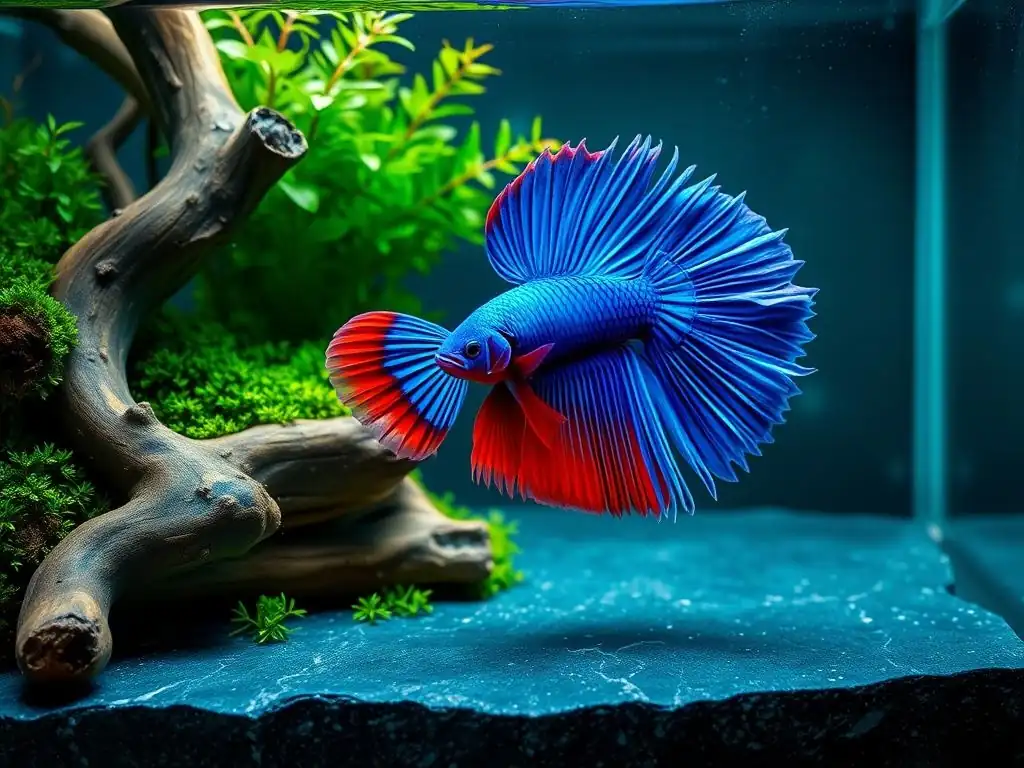
Overstocking Your Betta Tank: Avoiding Overcrowding
One of the most common and detrimental mistakes beginners make in Betta tank setup is overstocking. Despite their small size, Bettas are highly territorial and require adequate space. The widely accepted minimum of a 5-gallon tank is for one Betta only. Attempting to house multiple Bettas (unless in a very specific, carefully managed female sorority tank of 20+ gallons, which is not recommended for beginners) or adding too many other fish to a small Betta tank will lead to severe stress, aggression, and poor water quality.
Overcrowding significantly increases the bioload, meaning more fish waste is produced, leading to rapid accumulation of toxic ammonia and nitrites. This puts immense strain on your filter and makes it incredibly challenging to maintain stable, healthy water parameters. The resulting poor water quality, combined with constant stress from limited space and potential aggression, dramatically compromises your Betta's immune system, making it highly susceptible to fin rot, bacterial infections, and other diseases, often leading to premature death.
Using Unsafe Decorations: Choosing Betta-Safe Items
The allure of colorful and unique aquarium decorations can sometimes lead to choices that are detrimental to your Betta's delicate fins. A frequent mistake in Betta tank setup is using decorations with sharp edges, rough surfaces, or small, confined spaces that can snag fins or trap the fish. Items like plastic plants with pointed leaves or resin ornaments with jagged edges are prime culprits for causing fin tears, which can then lead to secondary bacterial infections like fin rot.
Always inspect any new decoration thoroughly. A simple but effective test is to run a pair of pantyhose over the decoration; if the pantyhose snags, it's unsafe for your Betta's fins. Instead, opt for silk plants, live aquarium plants (such as Anubias, Java Fern, or Amazon Swords), smooth driftwood, and smooth-edged caves or ceramic ornaments specifically designed for aquariums. These provide the necessary hiding spots and enrichment without posing a risk to your Betta's health and beautiful fins.
Neglecting Water Quality: Maintaining a Healthy Environment
Perhaps the most critical mistake to avoid in any Betta tank setup is neglecting water quality. Many beginners, especially those who still believe Bettas can live in small bowls, underestimate the importance of pristine water. Poor water quality, characterized by high levels of ammonia, nitrite, or nitrate, is the leading cause of illness and death in aquarium fish, including Bettas. These toxic compounds are direct results of fish waste and decaying organic matter.
Regular water testing, consistent partial water changes, and a properly functioning filtration system are non-negotiable for maintaining a healthy environment. Failing to perform weekly water changes, overfeeding your Betta, or not allowing your tank to fully cycle before adding fish are all common omissions that lead to rapid degradation of water quality. A healthy Betta tank is a balanced ecosystem where waste products are efficiently processed, ensuring your Betta lives a stress-free, vibrant, and long life.
Betta Tank Setup Checklist: Ensuring You Haven't Missed Anything
To ensure a comprehensive and successful Betta tank setup, use this checklist to confirm you have all the necessary components and have completed the crucial steps:
- [x] Aquarium (5+ Gallons): Chosen a tank of at least 5 gallons (19 liters), preferably larger.
- [x] Submersible Heater: Selected an appropriate wattage heater (e.g., 25W for 5 gal, 50W for 10 gal) with an adjustable thermostat.
- [x] Gentle Filter: Opted for a sponge filter, baffled HOB, or low-flow internal filter.
- [x] Thermometer: Acquired a reliable thermometer to monitor water temperature.
- [x] Smooth Substrate: Purchased gravel or sand that is smooth and fin-safe.
- [x] Betta-Safe Decorations: Chosen silk plants, live plants, smooth caves, or driftwood without sharp edges.
- [x] Water Conditioner: Obtained a quality water conditioner to remove chlorine/chloramines.
- [x] Liquid Test Kit: Acquired a liquid test kit for ammonia, nitrite, nitrate, and pH.
- [x] Gravel Vacuum/Siphon: Ready for efficient water changes and substrate cleaning.
- [x] Fish Net: A small, soft net for safe fish handling.
- [x] High-Quality Betta Food: Purchased species-appropriate pellets/flakes and treats.
- [x] Dedicated Bucket: A clean bucket used only for aquarium water changes.
- [x] Algae Scraper: For maintaining clear tank glass.
- [x] Tank Rinsed: Aquarium thoroughly rinsed with water only.
- [x] Substrate Rinsed and Added: Substrate cleaned and added to the tank.
- [x] Filter and Heater Installed: Equipment correctly placed (heater unplugged until full).
- [x] Decorations Added: Safe decorations and hiding spots arranged.
- [x] Tank Filled with Dechlorinated Water: Water added and treated with conditioner.
- [x] Heater and Filter Plugged In: Equipment powered on to begin circulation and heating.
- [x] Nitrogen Cycle Started: Ammonia source introduced to begin fishless cycling.
- [x] Water Parameters Monitored Daily (during cycling): Testing ammonia, nitrite, nitrate.
- [x] Tank Fully Cycled (0 ppm Ammonia, 0 ppm Nitrite, <20 ppm Nitrate): Confirmed safe parameters.
- [x] Betta Acclimated Slowly: Gradual introduction process followed.
- [x] Routine Water Change Schedule Planned: Prepared for ongoing weekly maintenance.
Conclusion: Enjoying Your Beautiful and Healthy Betta Tank
Setting up your first Betta tank is an incredibly rewarding experience that lays the foundation for a long and vibrant life for your aquatic companion. By meticulously following this Betta tank setup guide, you are not just creating a habitat but a thriving ecosystem designed to meet the specific needs of Betta splendens. From selecting the appropriate 5-gallon (or larger) tank size and essential equipment like a gentle filter and reliable heater to understanding the critical nitrogen cycle, each step contributes to a stable and healthy environment.
The effort invested in proper planning, cycling, and ongoing maintenance, including regular water changes and a balanced diet, will be repaid with the sight of a happy, active Betta displaying its stunning colors and unique personality. Avoid common pitfalls like small bowls or unsafe decorations, and instead embrace the comprehensive care required. A well-maintained Betta tank setup not only ensures your fish's well-being but also transforms your aquarium into a captivating focal point, bringing a piece of living art into your home. Enjoy the journey of becoming a successful Betta aquarist!
Frequently Asked Questions
What is the ideal tank size for a Betta fish?
A Betta fish thrives best in a tank that is at least 5 gallons or larger. While they can survive in smaller environments, larger tanks provide more space for swimming and exploration, leading to a healthier and happier fish.
What essential equipment do I need for a Betta tank setup?
You will need a tank, a filter to maintain water quality, a heater to keep the water at the correct temperature (around 78-82°F), a thermometer to monitor the water temperature, and substrate (gravel or sand).
How often should I perform water changes in my Betta tank?
Regular water changes are crucial for maintaining a healthy environment. Aim to change about 25% of the water every 1-2 weeks, depending on the size of your tank and the efficiency of your filtration system.
Can I keep Betta fish with other types of fish?
Betta fish are known for their aggressive nature, especially males. It's generally best to keep them alone or with carefully selected tank mates that are peaceful and non-aggressive, such as snails or small, bottom-dwelling fish.
What type of decorations and plants are suitable for a Betta tank?
Bettas appreciate a tank with plenty of hiding places. Use smooth rocks, driftwood, and live or silk plants to create a natural and enriching environment. Avoid decorations with sharp edges that could damage their delicate fins.
Okay, here's a final reflection you can use for your "Setting Up Your First Betta Tank: A Beginner's Comprehensive Guide" article, formatted in Markdown:
Final Reflection: Cultivating Aquatic Harmony
The journey of setting up a Betta tank, as we've explored, is more than just assembling glass and water; it's about creating a thriving ecosystem. The principles of responsible Betta keeping, from proper cycling to thoughtful aquascaping, resonate deeply with the broader concept of environmental stewardship. Neglecting these fundamentals not only jeopardizes the well-being of a living creature but also reflects a disconnect from the delicate balance of nature.
This guide, I hope, has illuminated the path towards becoming a conscientious Betta owner. The responsibility we assume when bringing an animal into our lives extends far beyond simply providing food and shelter; it demands a commitment to understanding their needs and fostering an environment where they can flourish. The greatness of a nation and its moral progress can be judged by the way its animals are treated.
- Mahatma Gandhi. This quote underscores the profound ethical dimension of pet ownership, reminding us that our actions have far-reaching consequences.
Now, as you embark on your own Betta keeping adventure, I encourage you to remember the lessons we've discussed. Let this guide be a starting point, not an endpoint. Continue to learn, adapt, and refine your approach to create a truly enriching environment for your Betta. Embrace the challenge, celebrate the small victories, and find joy in the quiet beauty of your underwater world. Your dedication will not only provide a fulfilling life for your Betta but will also deepen your appreciation for the wonders of the natural world.
Ignite Your Aquatic Adventure!
Thanks for diving into the world of betta keeping with us! We hope this guide has equipped you with the knowledge and confidence to create a thriving home for your new finned friend. Now, let's transform that knowledge into action!
Here's how to embark on your betta-keeping journey:
- Prioritize: Begin the hunt for the perfect tank! Size matters – aim for at least 5 gallons to give your betta ample space to explore.
- Delve deeper: Research local aquarium societies or online forums to connect with experienced betta keepers and unlock hidden gems of wisdom.
- Share the wonder: Spread the word about the beauty of betta keeping by sharing this guide with a friend who might be interested!
Ready to take the plunge and start setting up your betta's dream home?