
Breeding Dwarf Gouramis: A StepbyStep Guide to Bubble Nests & Fry

Welcome to Aquarium Mastery!
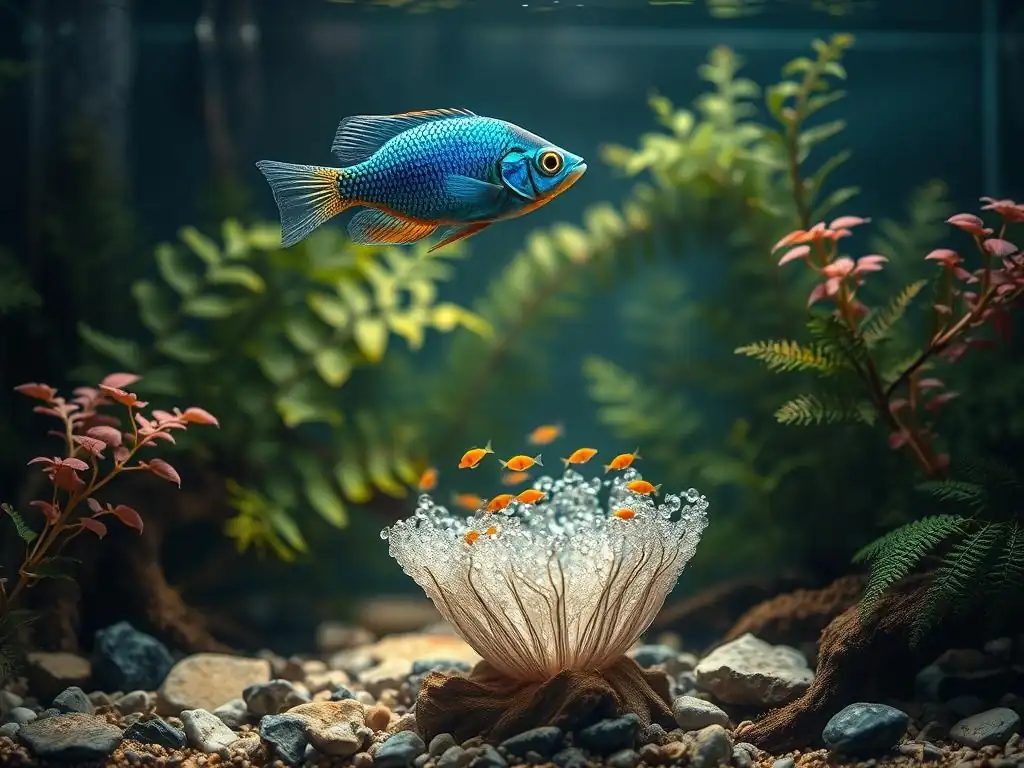
Ever wondered how to unlock the secrets of breeding those shimmering, captivating Dwarf Gouramis? Dive in! Our comprehensive guide will take you step-by-step through creating the perfect conditions, understanding their fascinating bubble nest behavior, and nurturing those tiny fry. Prepare to be amazed as you witness the miracle of life in your own aquarium. Ready to embark on your Dwarf Gourami breeding adventure? Let's get started...
- Dwarf Gourami Breeding Guide: Bubble Nests and Raising Fry - Aquarium Mastery
- Introduction to Breeding Dwarf Gouramis
- Step 1: Setting Up the Breeding Tank for Dwarf Gouramis
- Step 2: Selecting and Preparing Your Dwarf Gourami Breeding Pair
- Step 3: Observing the Breeding Process: Bubble Nest Construction and Spawning
- Step 4: Caring for Dwarf Gourami Eggs and Fry
- Step 5: Growing Out Your Dwarf Gourami Fry
- Step 6: Preparing Juvenile Dwarf Gouramis for the Main Tank
- Common Issues and Troubleshooting in Dwarf Gourami Breeding
- Conclusion: Mastering Dwarf Gourami Reproduction
-
Frequently Asked Questions
- How do I encourage my dwarf gouramis to breed?
- What is a bubble nest and why is it important for breeding dwarf gouramis?
- How do I care for dwarf gourami fry after they hatch?
- What are some common problems encountered when breeding dwarf gouramis?
- How can I improve the water quality for successful dwarf gourami breeding?
- Final Reflection: The Delicate Dance of Creation
- Ignite Your Gourami Breeding Journey!
Dwarf Gourami Breeding Guide: Bubble Nests and Raising Fry - Aquarium Mastery
Introduction to Breeding Dwarf Gouramis
Why Breed Dwarf Gouramis? Understanding the Appeal
Breeding Dwarf Gouramis (Colisa lalia) offers a uniquely rewarding experience for aquarists, combining the fascinating observation of natural behaviors with the satisfaction of successfully raising new life. These vibrant, peaceful fish are known for their striking colors – ranging from bright blues and reds to iridescent oranges – and their distinctive bubble nest building. The intricate courtship display and the male's diligent parental care are captivating to witness, providing a deeper connection to the aquatic world. Beyond the visual appeal, successfully navigating the Dwarf gourami breeding guide process builds significant expertise in water chemistry, fish nutrition, and fry care.
For many hobbyists, the appeal extends to contributing to the aquarium community by sharing or even selling healthy, home-bred fish. While Dwarf Gouramis are readily available in pet stores, breeding them yourself ensures you know the exact conditions they were raised in, often resulting in hardier and less stressed individuals. It also offers a sustainable way to enjoy these beautiful fish, reducing reliance on wild-caught specimens and supporting responsible aquariculture.
Is Dwarf Gourami Breeding Right for You? Considerations Before You Start
Embarking on a Dwarf Gourami breeding project requires commitment and preparation. It's not simply a matter of putting a male and female together; success hinges on providing precise conditions and dedicated care. Consider the time investment: daily feeding of fry, frequent small water changes, and constant monitoring are essential, especially during the first few weeks. This intensive period can last several weeks before the fry are large enough to be less demanding.
Space is another critical factor. You'll need a dedicated breeding tank, typically 10-20 gallons, and potentially one or more grow-out tanks for the hundreds of fry that can result from a single spawn. Financial considerations include the cost of specialized fry food, additional heating, filtration, and potentially water testing kits. While the Dwarf gourami breeding guide outlines the steps, be prepared for potential setbacks and learning curves. However, for those willing to invest the effort, the journey of breeding Dwarf Gouramis is incredibly fulfilling and educational.
Step 1: Setting Up the Breeding Tank for Dwarf Gouramis
Choosing the Right Size Tank for Dwarf Gourami Breeding
Selecting the appropriate tank size is a foundational step in any Dwarf gourami breeding guide. For a single breeding pair, a 10-gallon (approximately 38 liters) aquarium can suffice, though a 15-gallon (around 57 liters) or even a 20-gallon long (about 76 liters) offers significant advantages. The key is horizontal swimming space rather than vertical height, as Dwarf Gouramis build their bubble nests at the water's surface. A larger footprint provides more territory for the male to establish his nest and ample hiding spots for the female to retreat to if the male becomes overly aggressive during courtship.
Opting for a dedicated breeding tank is highly recommended. Attempting to breed Dwarf Gouramis in a community tank is usually unsuccessful due to predation on eggs and fry by other fish, and the stress of tank mates can inhibit spawning altogether. A separate tank allows for precise control over water parameters, temperature, and feeding, all of which are crucial for optimal breeding conditions and fry survival.
Essential Equipment for a Successful Dwarf Gourami Breeding Setup
Heater and Thermostat: Maintaining Optimal Water Temperature
Maintaining a stable and optimal water temperature is paramount for triggering breeding behavior and ensuring the healthy development of Dwarf Gourami eggs and fry. A reliable submersible heater coupled with an accurate thermostat is indispensable. The ideal temperature range for breeding Dwarf Gouramis is typically between 78°F and 82°F (approximately 25.5°C to 27.8°C). This warmth encourages the fish to spawn and significantly speeds up the incubation period of the eggs.
Consistent temperature prevents stress, which can inhibit spawning. Fluctuations can lead to failed spawns or even health issues for the delicate fry. For instance, if the temperature drops below 75°F (24°C), the male might abandon the nest or the eggs might not develop properly. Therefore, investing in a quality heater that can maintain the desired temperature within a narrow range is a critical component of a successful Dwarf gourami breeding guide.
Gentle Filtration: Sponge Filters for Fry Safety
Filtration is necessary for water quality, but traditional power filters create currents that can destroy a bubble nest and suck in tiny fry. For Dwarf Gourami breeding tanks, a gentle air-driven sponge filter is the ideal choice. These filters provide excellent biological filtration, breaking down harmful ammonia and nitrites into less toxic nitrates, without creating strong currents. The sponge material also provides an additional surface area for beneficial bacteria to colonize.
The gentle water movement from a sponge filter ensures the bubble nest remains intact and the newly hatched fry are not swept away or injured. Furthermore, the fine pores of the sponge prevent the extremely small fry from being drawn into the filter mechanism, which is a common cause of mortality in power-filtered breeding setups. Regular rinsing of the sponge in old tank water (never tap water, which can kill beneficial bacteria) will maintain its efficiency.
Substrate and Decorations: Creating a Natural Environment
For a Dwarf Gourami breeding tank, it is often recommended to use a bare bottom or a very thin layer of fine sand as substrate. A bare bottom makes it significantly easier to clean up uneaten food and fish waste, which is crucial for maintaining pristine water quality for sensitive fry. If using sand, ensure it is extremely fine to prevent food from getting trapped and decaying.
The most important decorations are floating plants, such as Water Sprite (Ceratopteris thalictroides), Hornwort (Ceratophyllum demersum), or even small pieces of styrofoam or plastic film. These provide essential anchorage points for the male to build his bubble nest. Additionally, some submerged plants or small caves (like PVC pipes or terracotta pots) should be included to offer the female ample hiding spots from the male's potentially aggressive courtship, reducing her stress and increasing the likelihood of a successful spawn.
Preparing the Water: Chemistry and Parameters for Breeding Success
Achieving Ideal Water Hardness and pH for Dwarf Gouramis
Water chemistry plays a pivotal role in encouraging Dwarf Gouramis to breed and in ensuring the viability of their eggs. The ideal pH for breeding is typically slightly acidic to neutral, ranging from 6.0 to 7.5, with many breeders aiming for around 6.5 to 7.0. As for water hardness, Dwarf Gouramis prefer soft to moderately hard water, generally between 5 to 12 dGH (degrees of General Hardness). Harder water can reduce egg fertility and hatch rates.
If your tap water is too hard or alkaline, you might need to adjust it. This can be achieved by mixing tap water with reverse osmosis (RO) or distilled water, or by using peat moss in the filter. Consistent parameters are more important than hitting exact numbers; wild fluctuations can stress the fish and prevent spawning. Regularly testing your water with a reliable kit is essential to maintain these specific conditions throughout the breeding process.
The Importance of Water Changes During Breeding
Regular, small water changes are fundamental to the success of a Dwarf gourami breeding guide. While large water changes can stress fish and collapse bubble nests, frequent small changes (e.g., 10-15% every other day) are highly beneficial. These changes remove accumulating nitrates and other waste products, replenish essential minerals, and can often act as a trigger for spawning behavior, mimicking the influx of fresh water that occurs in their natural habitats.
Once the fry hatch, the importance of water changes escalates. Fry are extremely sensitive to water quality, particularly to ammonia and nitrite, which can quickly accumulate from their high metabolism and frequent feedings. Daily small water changes (5-10%) are often necessary during the first few weeks of fry development to ensure their survival and healthy growth. Always use temperature-matched, dechlorinated water to avoid shocking the delicate eggs or fry.
Step 2: Selecting and Preparing Your Dwarf Gourami Breeding Pair
Identifying Male and Female Dwarf Gouramis for Breeding
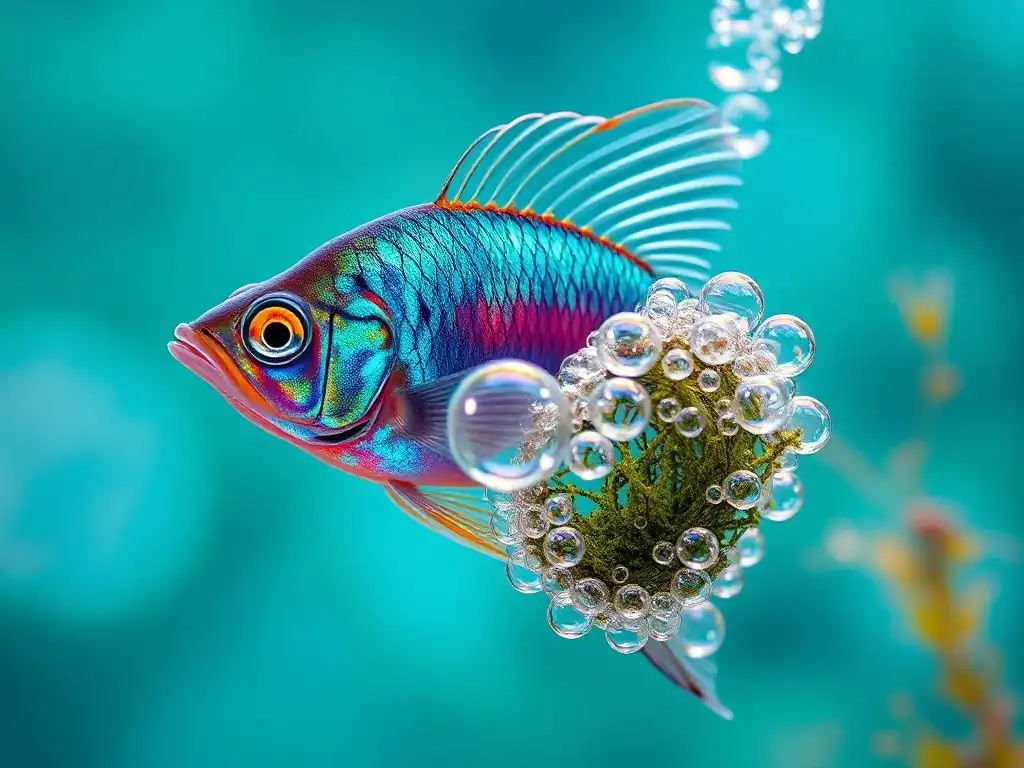
Accurately identifying the sex of your Dwarf Gouramis is crucial for successful breeding. Males are typically more vibrantly colored, often displaying intense shades of red, blue, and orange, especially when in breeding condition. Their dorsal fin is noticeably longer and comes to a distinct point, extending almost to the caudal fin. Males are also generally larger and more slender than females.
Females, in contrast, are usually duller in coloration, appearing more silvery-gray or muted. Their dorsal fin is shorter and more rounded, lacking the pointed extension of the male. When a female is ready to spawn, her belly will appear noticeably plumper and distended with eggs. Observing these distinct physical differences will help you select a compatible and healthy breeding pair for your Dwarf gourami breeding guide endeavor.
Conditioning Your Breeding Pair: Diet and Nutrition
Proper conditioning through diet is vital to prepare your Dwarf Gourami pair for spawning. A varied and nutritious diet signals to the fish that conditions are optimal for reproduction. For 1-2 weeks prior to attempting breeding, feed the chosen pair high-quality live and frozen foods. Excellent choices include live or frozen bloodworms, brine shrimp, daphnia, and mosquito larvae. These foods are rich in protein and essential fatty acids, which promote egg development in the female and enhance the male's vigor.
Supplement these with high-quality flake or pellet food designed for omnivores. Feed the fish 2-3 times a day in small portions to avoid overfeeding and fouling the water. A well-conditioned female will become noticeably plumper with eggs, and the male will exhibit more intense coloration and increased activity, often beginning to scout for nest-building locations. This robust diet ensures both partners are in peak condition for the demanding process of spawning and subsequent parental care.
Introducing the Male and Female Dwarf Gouramis to the Breeding Tank
The introduction of the breeding pair to their dedicated tank should be done strategically to minimize stress and aggression. It is generally recommended to introduce the female first, allowing her a day or two to acclimate to the new environment and find suitable hiding spots among the plants or decorations. This gives her a sense of security before the potentially more dominant male is introduced.
Once the female is settled, introduce the male. Observe their interactions closely. While some chasing and minor aggression from the male is normal as he attempts to coax the female towards his chosen nesting site, excessive aggression (e.g., constant nipping, severe fin damage) indicates a potential incompatibility or high stress levels.
If this occurs, a tank divider can be used for a day or two to allow them to get used to each other's presence without direct contact, or you might need to consider a different pair. Providing plenty of floating plants and hiding spots for the female is key to a successful introduction and reduces the risk of injury.
Step 3: Observing the Breeding Process: Bubble Nest Construction and Spawning
The Male's Role: Building the Bubble Nest
The construction of the bubble nest is one of the most fascinating aspects of the Dwarf gourami breeding guide. Once the male is in breeding condition and introduced to a suitable environment, he will begin this elaborate process. He collects air from the water surface, coats it with a special mucus from his mouth, and expels these bubbles to form a floating raft. This nest is typically built under floating plants, a broad leaf, or a piece of styrofoam, which provides stability and camouflage.
The male will tirelessly work on the nest for one to three days, adding bubbles and sometimes incorporating small pieces of plant debris to reinforce its structure. A well-constructed nest can be several inches in diameter and an inch or more thick, serving as a protective incubator for the eggs. The presence of a robust, well-maintained bubble nest signals that the male is ready and eager to spawn.
The Spawning Ritual: Courtship and Egg Laying
Once the bubble nest is complete and the female is gravid, the male will begin his courtship ritual. He will display his vibrant colors, flare his fins, and gently nudge the female towards the nest. If the female is receptive, she will follow him beneath the nest. The spawning embrace is a remarkable sight: the male will wrap his body around the female, gently squeezing the eggs from her. As the eggs are released, they are fertilized by the male and, being lighter than water, float upwards into the bubble nest.
This embrace is repeated multiple times over several hours. Each embrace typically yields 20-50 eggs, and a single spawning event can result in anywhere from 100 to 300 eggs, sometimes even more. After each embrace, the male will meticulously collect any eggs that fall out of the nest and carefully place them back within the bubble structure. The female may also assist in this process initially.
What to Do After Spawning: Removing the Female
Once the spawning ritual is complete, the female will typically retreat from the nest, and the male will become intensely protective of it. At this point, it is crucial to remove the female from the breeding tank. The male's paternal instincts kick in, and he will view anything approaching the nest, including the female, as a threat. He can become extremely aggressive, relentlessly chasing and attacking her, which can lead to severe injury or even death for the female.
Carefully net the female and return her to a separate, well-maintained community tank or a recovery tank. This allows her to recuperate from the spawning process without stress and ensures the male can focus entirely on guarding and tending to the eggs until they hatch. The male will diligently guard the nest, blowing bubbles to repair it and collecting any stray eggs, for the next 24-48 hours until the fry emerge.
Step 4: Caring for Dwarf Gourami Eggs and Fry
Incubation Period: Monitoring the Bubble Nest
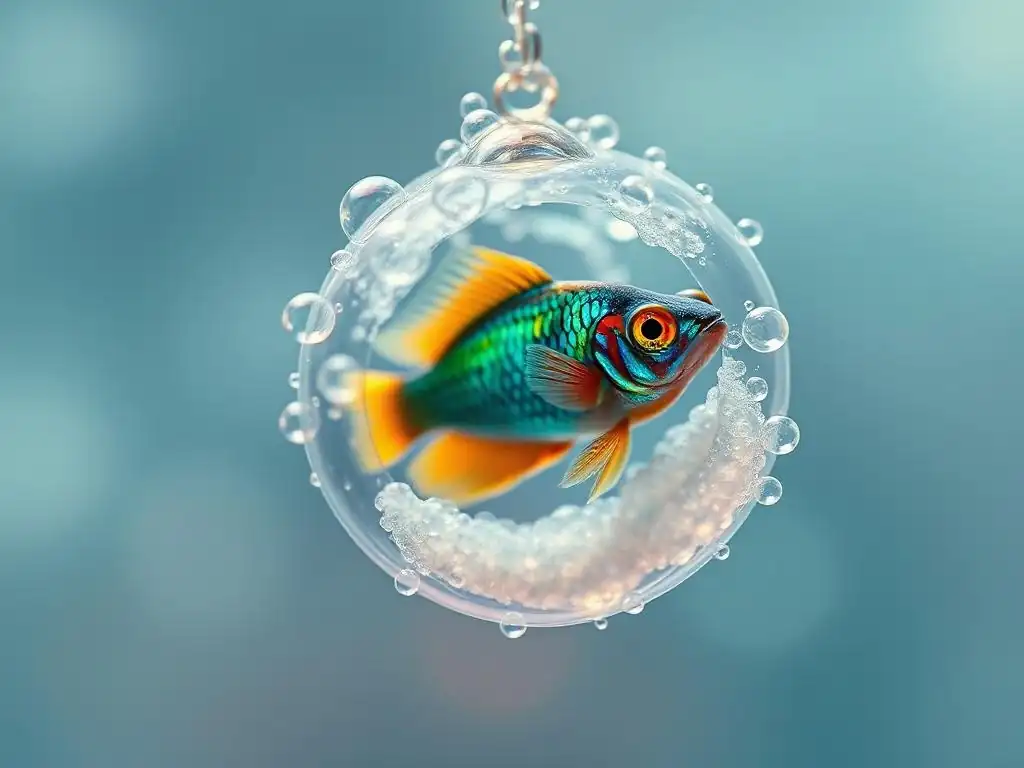
After spawning, the male Dwarf Gourami takes sole responsibility for guarding and maintaining the bubble nest. The eggs, typically numbering in the hundreds, are suspended within this foamy structure. The incubation period is relatively short, usually lasting approximately 24 to 36 hours at an optimal temperature of 80°F (26.7°C). During this time, the male will diligently collect any eggs that fall out of the nest and gently blow them back into the bubbles. He will also reinforce the nest structure as needed.
It is vital to keep the environment calm during this period. Avoid sudden movements, loud noises, or strong lights near the tank, as these can stress the male and cause him to abandon the nest. Dim lighting can be beneficial. Observe the nest for signs of fungal growth on unfertilized eggs (which appear white and opaque) and consider removing them carefully with a pipette if they are numerous, though the male often removes them himself.
The First Few Days: Infusoria and Liquid Fry Food
Once the Dwarf Gourami fry hatch, they are incredibly tiny and almost transparent, resembling slivers of glass. For the first 2-3 days, they will remain in the bubble nest, absorbing their yolk sacs for nutrition and hanging vertically. They become free-swimming after their yolk sacs are fully absorbed, typically around 3-5 days post-hatch. At this stage, they are far too small to consume traditional flake food or even newly hatched brine shrimp.
Their initial diet must consist of microscopic organisms. Infusoria, which are protozoa and other minute organisms, are the perfect first food. You can culture infusoria yourself using decaying lettuce or banana peels, or purchase commercial infusoria cultures. Alternatively, specialized liquid fry foods are available, designed for egg-layer fry. These should be fed sparingly but frequently, 3-4 times a day, to ensure all fry receive adequate nourishment without fouling the water.
Transitioning to Baby Brine Shrimp and Microworms
As the Dwarf Gourami fry grow, usually around 5 to 7 days after becoming free-swimming, they will be large enough to transition to slightly larger foods. Newly hatched baby brine shrimp (Artemia nauplii) are an excellent, highly nutritious food source that promotes rapid growth. Microworms are another fantastic option, providing a similar high-protein boost. Both can be cultured at home, ensuring a continuous supply of live food.
Feed the fry small amounts of these foods 4-6 times a day. It is crucial to avoid overfeeding, as uneaten live food can quickly decompose and pollute the water, leading to dangerous ammonia spikes. Observe the fry during feeding; their bellies should appear rounded after a successful meal. Consistent and appropriate feeding is one of the most critical factors in a successful Dwarf gourami breeding guide.
Maintaining Water Quality for Growing Fry: Preventing Ammonia Spikes
Maintaining pristine water quality is paramount for the survival and healthy development of Dwarf Gourami fry. They are extremely sensitive to ammonia, nitrite, and high nitrate levels. Given their high metabolism and frequent feedings, waste products can accumulate rapidly. Daily small water changes are non-negotiable during the first few weeks. Perform 10-15% water changes using a small siphon or turkey baster to carefully remove uneaten food and detritus from the tank bottom.
Always use temperature-matched, dechlorinated water for these changes to prevent shocking the delicate fry. While a gentle sponge filter helps with biological filtration, it's insufficient on its own for the high bioload of hundreds of tiny fry. Regular manual cleaning and water changes are your primary defense against harmful water parameters. Monitoring water parameters with a test kit daily can provide early warning of potential issues and is a key step in any successful Dwarf gourami breeding guide.
Step 5: Growing Out Your Dwarf Gourami Fry
Gradual Water Changes and Tank Maintenance
As Dwarf Gourami fry continue to grow, typically reaching about 1/4 to 1/2 inch in length (0.6 to 1.3 cm) by 2-3 weeks, their bioload increases. While daily small water changes remain crucial, you can gradually increase the volume of each change. For example, instead of 10% daily, you might switch to 20% every other day, ensuring the water remains pristine without causing undue stress. The goal is to consistently remove waste and replenish minerals while maintaining stable water chemistry.
Continue to meticulously siphon out any uneaten food and detritus from the tank bottom. The sponge filter should be cleaned regularly by gently squeezing it in a bucket of old tank water to remove accumulated waste without killing the beneficial bacteria. As the fry grow larger, consider adding a second, slightly larger sponge filter if the tank becomes crowded to maintain adequate biological filtration.
Preventing Common Fry Diseases: Early Detection and Treatment
Dwarf Gourami fry are highly susceptible to diseases due to their delicate immune systems and the potential for rapid water quality degradation. Prevention is the cornerstone of a successful Dwarf gourami breeding guide in this stage. Maintaining impeccable water quality, providing a consistent and nutritious diet, and keeping stable temperatures are the best defenses against common ailments like Ich (White Spot Disease), Velvet, and various bacterial infections.
Regular observation is key for early detection. Look for signs such as clamped fins, rapid breathing, white spots on the body, or unusual swimming patterns. If disease is suspected, act quickly. Treatment options for fry are often limited, as many medications are too harsh for their sensitive systems. Sometimes, a slight increase in temperature (if Ich is suspected) or a very small dose of a broad-spectrum antibiotic might be considered, but prevention through optimal husbandry is always preferred.
Separating Fry by Size: Avoiding Cannibalism
As Dwarf Gourami fry grow, you will inevitably notice significant differences in their growth rates. Some fry will develop much faster than others, becoming considerably larger within a few weeks. This size disparity can lead to problems, most notably cannibalism, where larger fry may prey on their smaller, weaker siblings, especially if food is scarce or competition is high.
To maximize the survival rate of your entire brood, it is highly recommended to separate the fry by size once they are about 3-4 weeks old. This involves setting up additional grow-out tanks. Carefully net the larger fry and move them to one tank, and the smaller fry to another. This ensures that all fry have equal access to food and reduces stress from larger, more dominant individuals. It also allows you to tailor feeding amounts to each group's needs.
Step 6: Preparing Juvenile Dwarf Gouramis for the Main Tank
Gradual Acclimation to New Water Parameters
Once your Dwarf Gourami juveniles have reached a suitable size (typically 1 to 1.5 inches, or 2.5 to 3.8 cm, and are robust enough to compete for food), they can be prepared for transfer to a larger community tank or a dedicated display tank. The most critical step in this transition is gradual acclimation to the new water parameters. Sudden changes in pH, temperature, or hardness can cause severe stress, osmotic shock, or even death.
The drip acclimation method is highly recommended. Place the juveniles in a container with their current water, then slowly drip water from the target tank into the container using airline tubing tied in a knot to control the flow. This process should take at least 1-2 hours, allowing the fish to slowly adjust to the new chemistry. Once the water volume in the container has roughly quadrupled, the juveniles can be gently netted and released into their new home.
Introducing Juvenile Gouramis to a Community Tank (Optional)
Introducing juvenile Dwarf Gouramis to a community tank requires careful consideration of tank mates. Dwarf Gouramis are generally peaceful, but they can be shy, and males can be territorial with other anabantoids. Choose tank mates that are equally peaceful, non-aggressive, and not known fin-nippers. Good choices often include smaller tetras, rasboras, corydoras, and peaceful loaches. Avoid large, boisterous, or aggressive species like some cichlids or barbs.
Ensure the community tank has plenty of hiding spots and visual breaks, such as dense planting, driftwood, or rock caves. This provides security for the new arrivals and helps diffuse any potential aggression from existing inhabitants. Monitor the juveniles closely for the first few days for signs of stress, bullying, or difficulty competing for food. Feeding them well and observing their behavior will help ensure a smooth transition and continued healthy growth in their new environment.
Common Issues and Troubleshooting in Dwarf Gourami Breeding
Bubble Nest Dissolving: Causes and Solutions
A common frustration in the Dwarf gourami breeding guide process is the dissolution of the male's meticulously built bubble nest. Several factors can contribute to this. Strong water currents from filtration are a primary culprit, as they physically break apart the delicate bubbles. Low humidity above the water surface can also cause bubbles to pop quickly. Additionally, stress on the male, poor water quality, or a sudden drop in temperature can lead to him abandoning or failing to maintain the nest.
To troubleshoot, first ensure your filtration provides only gentle surface agitation; a sponge filter is ideal. Cover the tank with a tight-fitting lid to increase humidity and reduce evaporation. Check that water parameters are stable and within the optimal range (78-82°F, pH 6.0-7.5). If the male appears stressed, ensure he has privacy and the female (if still present) is not overly aggressive. Providing floating plants or a piece of styrofoam can also give the nest more structural support.
No Spawning Activity: Identifying Potential Problems
When a Dwarf Gourami pair fails to spawn despite seemingly ideal conditions, it can be perplexing. One of the most common reasons is an incompatible pair; sometimes, two individuals simply don't bond, or one is not yet mature enough. Improper water parameters are another frequent cause, particularly if the temperature is too low (below 78°F/25.5°C), or if the pH or hardness are outside their preferred breeding range. Insufficient conditioning (a poor diet) means the female may not develop eggs, or the male lacks the energy to build a nest.
To encourage spawning, first re-evaluate your water parameters and temperature, ensuring they are stable and optimal. Increase the frequency and quality of live and frozen foods for both fish for at least a week. Ensure the breeding tank offers ample privacy and hiding spots, reducing stress. If the pair still isn't spawning, try separating them for a few days with a tank divider, continuing to condition them, then reintroducing them. If all else fails, trying a different male or female might be necessary.
Fry Mortality: Addressing High Death Rates
High fry mortality is a disheartening but common issue for new breeders. The most prevalent cause is poor water quality, specifically ammonia and nitrite spikes resulting from inadequate water changes or overfeeding. Fry are incredibly sensitive to these toxins. Insufficient or incorrect food is another major factor; if fry don't get enough to eat, or if the food isn't appropriately sized (e.g., too large for their mouths), they will starve. Strong filtration currents can also physically injure or sweep away fragile fry.
To combat high death rates, implement rigorous daily small water changes (5-15%) using temperature-matched, dechlorinated water. Siphon out any uneaten food immediately after feeding. Ensure you are feeding the correct size food for their stage of development (infusoria first, then baby brine shrimp/microworms) and feeding small amounts frequently (4-6 times a day). Double-check that your filter is gentle, like an air-driven sponge filter, and that the temperature remains stable within the optimal range (around 80°F/26.7°C). Rapid intervention based on these factors is crucial for improving fry survival rates outlined in this Dwarf gourami breeding guide.
Conclusion: Mastering Dwarf Gourami Reproduction
The Rewards of Successfully Breeding Dwarf Gouramis
Successfully navigating the intricacies of Dwarf Gourami breeding is an immensely rewarding achievement for any aquarist. It's not merely about producing offspring; it's about witnessing the complete life cycle of these vibrant fish, from the male's meticulous bubble nest construction to the delicate hatching of fry and their subsequent growth into miniature versions of their parents. This journey offers a profound sense of accomplishment and deepens one's understanding of aquatic life and its delicate balance.
Beyond the personal satisfaction, breeding Dwarf Gouramis allows you to contribute to the hobby by producing healthy, robust fish that can be shared with other enthusiasts or even sold to local fish stores. It fosters a greater appreciation for responsible aquariculture and the natural behaviors of these fascinating anabantoids. The challenges faced and overcome during the breeding process ultimately enhance your skills as a fish keeper, making you more attuned to water chemistry, fish health, and environmental needs.
Further Resources for Dwarf Gourami Care and Breeding
Mastering the Dwarf gourami breeding guide is an ongoing learning process, and continuous education is key to long-term success. AquariumMastery.com offers a wealth of additional resources that can further enhance your knowledge and skills. Explore our detailed articles on general Dwarf Gourami care, including optimal tank setups, diet, and common health issues, to ensure your adult fish are always in peak condition for breeding.
Delve into our guides on water chemistry and testing to refine your ability to maintain the precise parameters essential for both spawning and fry development. Our comprehensive species profiles and troubleshooting guides can provide valuable insights into specific behaviors or common problems you might encounter. Engaging with the broader aquarium community through forums and local clubs also offers a great opportunity to share experiences, gain tips from seasoned breeders, and stay updated on the latest best practices in Dwarf Gourami reproduction.
Frequently Asked Questions
How do I encourage my dwarf gouramis to breed?
Encourage breeding by providing a suitable environment with a shallow water level (6-8 inches) and plenty of floating plants for bubble nest construction. Also, ensure the water temperature is consistently around 82°F.
What is a bubble nest and why is it important for breeding dwarf gouramis?
A bubble nest is a floating structure created by the male dwarf gourami using air and saliva. It is crucial because it provides a safe place for the eggs and fry to develop, protecting them from sinking and being eaten.
How do I care for dwarf gourami fry after they hatch?
After hatching, the fry initially feed on their yolk sacs. Once the yolk sacs are absorbed, feed them infusoria or liquid fry food for the first few days, gradually transitioning to baby brine shrimp.
What are some common problems encountered when breeding dwarf gouramis?
Common problems include the male eating the eggs or fry, poor water quality preventing successful hatching, and infighting between the male and female after spawning.
How can I improve the water quality for successful dwarf gourami breeding?
Maintain pristine water conditions by performing regular water changes (small, frequent changes are best) and using a sponge filter to provide gentle filtration without disturbing the bubble nest.
Final Reflection: The Delicate Dance of Creation
The intricate process of breeding Dwarf Gouramis, as detailed in this guide, transcends mere instruction; it highlights the fragility and beauty of life itself. Understanding the nuances of bubble nest construction, water parameters, and fry care underscores the dedication required to nurture new life, a dedication that resonates far beyond the confines of an aquarium.
The journey of breeding these captivating fish has profoundly influenced my perspective on the natural world. Witnessing the meticulous care of the male gourami, the delicate dance of spawning, and the vulnerability of the fry has instilled a deeper appreciation for the interconnectedness of life. As Jacques Cousteau eloquently stated, The sea, once it casts its spell, holds one in its net of wonder forever.
This sentiment applies equally to the microcosm of the aquarium, where the same wonders unfold.
Now, I invite you to reflect on the lessons learned from this guide. Consider the patience, observation, and dedication required to successfully breed Dwarf Gouramis. Let this knowledge inspire you to cultivate similar qualities in your own life, whether you choose to embark on the rewarding journey of fish breeding or simply strive to nurture growth and beauty in all that you do. Embrace the delicate dance of creation, and witness the transformative power of care and attention.
Ignite Your Gourami Breeding Journey!
Thank you for diving into the fascinating world of dwarf gourami breeding! We hope this guide has equipped you with the knowledge and confidence to embark on this rewarding adventure. Now it's time to put your learning into action:
- Start by carefully assessing your gourami pair for breeding readiness, paying close attention to color changes and behavior.
- Share your initial breeding setup plans with the Aquarium Mastery community and get personalized advice.
- Consider an unconventional approach: Experiment with floating Indian almond leaves to encourage bubble nest building.
What unique strategy will you implement to ensure a successful spawn?