
Breeding Flame Tetras: Capturing the Blaze and Raising Vibrant Fry

Welcome to Aquarium Mastery!
Ever wondered how to unlock the secrets to breeding those fiery jewels of the aquarium world? Dive in and discover our comprehensive guide, " Breeding Flame Tetras: Capturing the Blaze and Raising Vibrant Fry." We'll illuminate the path to successful breeding, revealing essential Flame Tetra breeding tips and expert advice. Ready to witness the magic and nurture a vibrant new generation? Let's get started!
- Understanding Flame Tetra Breeding: An Introduction for Aquarium Enthusiasts
- Preparing for Flame Tetra Reproduction: Creating the Ideal Environment
- The Flame Tetra Breeding Process: Step-by-Step Guide
- Raising Flame Tetra Fry: Nurturing the Next Generation
- Flame Tetra Fry Growth and Development: From Tiny Larvae to Miniature Adults
- Troubleshooting Flame Tetra Breeding: Addressing Common Challenges
- Advanced Flame Tetra Breeding Techniques: Optimizing Success
- Maintaining a Thriving Flame Tetra Colony: Long-Term Care
- Conclusion: The Joys of Breeding Flame Tetras in Your Aquarium
- Frequently Asked Questions
- Final Reflection: Igniting the Future of Flame Tetra Keeping
- Ignite Your Aquarium: Nurture the Next Generation of Flame Tetras!
Understanding Flame Tetra Breeding: An Introduction for Aquarium Enthusiasts
Why Breed Flame Tetras? Benefits and Rewards
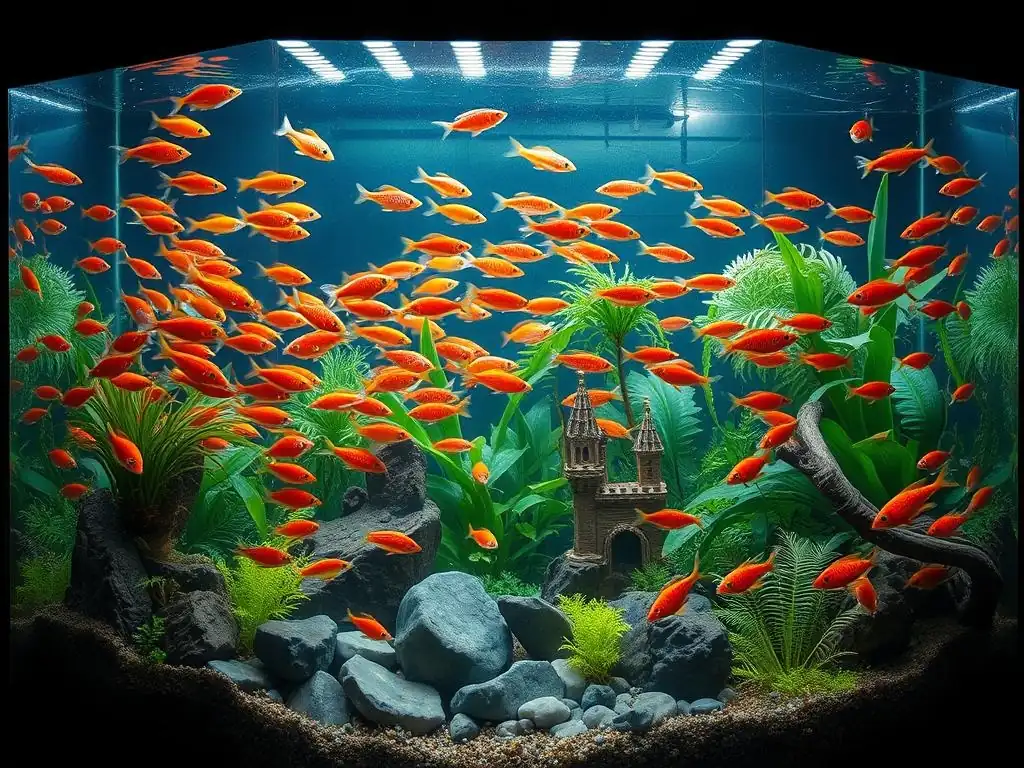
Breeding Flame tetras ( Hyphessobrycon flammeus) offers a uniquely rewarding experience for any aquarist, from novice to expert. The sheer satisfaction of observing the full life cycle of these vibrant fish, from a microscopic egg to a miniature adult, is immense. It provides a deeper understanding of aquatic biology and animal husbandry, transforming a simple aquarium into a dynamic ecosystem. The brilliant "flame" coloration that gives them their name becomes even more appreciated when you're nurturing the next generation.
Beyond personal fulfillment, successfully breeding Flame tetras contributes positively to the aquarium hobby. By producing your own fish, you reduce the demand for wild-caught specimens, promoting sustainable practices within the industry. There's also the potential to share or even sell excess offspring to local fish stores or fellow enthusiasts, which can help offset some of the costs associated with the hobby or simply foster community connections. Many aquarists find joy in seeing their meticulously raised fry thrive in other tanks.
Flame Tetra Breeding Difficulty: What to Expect
Breeding Flame tetras is generally considered to be of moderate difficulty. They are egg-laying fish, and while not as straightforward as livebearers, they are far less demanding than many other egg-laying species. The primary challenges lie in creating the precise environmental conditions to trigger spawning, ensuring the eggs are protected from the parents, and most critically, providing the correct microscopic food for the newly hatched fry.
Aquarists embarking on Flame tetra breeding should expect to dedicate a separate tank for the process and commit to diligent daily observation and maintenance, especially during the first few weeks of the fry's life. The success rate hinges on meticulous water parameter control and the consistent availability of appropriate first foods. However, with careful planning and adherence to established Flame tetra breeding tips, even those new to breeding egg-layers can achieve positive results and enjoy the spectacle of these fiery fish reproducing.
Preparing for Flame Tetra Reproduction: Creating the Ideal Environment
Setting Up a Dedicated Breeding Tank for Flame Tetras
Tank Size and Dimensions for Flame Tetra Breeding
A dedicated breeding tank is essential for successful Flame tetra reproduction, providing a controlled environment free from the stresses and predation of a community tank. For a single pair or a small trio (one male, two females), a 5-10 gallon (approximately 19-38 liter) aquarium is ideal. A standard 10-gallon tank, typically measuring around 20 inches in length, 10 inches in width, and 12 inches in height (50 cm L x 25 cm W x 30 cm H), offers ample space.
The smaller size of the breeding tank makes it significantly easier to maintain precise water parameters, locate the tiny, translucent eggs, and manage the delicate fry once they hatch. It also simplifies the process of removing the adult fish after spawning, which is crucial for the survival of the eggs and subsequent fry. Opting for a smaller tank is one of the most effective Flame tetra breeding tips for beginners.
Substrate and Decorations: Mimicking Their Natural Habitat
In a Flame tetra breeding tank, substrate is often minimized or entirely omitted to facilitate easier egg collection and maintain pristine water quality. A bare bottom tank allows for effortless siphoning of detritus and uneaten food. If a substrate is desired, a thin layer of marbles or coarse gravel can be used, allowing the small, adhesive eggs to fall into the crevices, protecting them from being consumed by the parents.
However, the most critical "decoration" for Flame tetra breeding is the provision of ample spawning media. Dense clumps of fine-leaved plants such as Java moss ( Taxiphyllum barbieri), Cabomba, or Myriophyllum are excellent choices, mimicking the dense vegetation of their natural South American habitats. Alternatively, artificial spawning mops made from nylon yarn can be highly effective, as they are easy to sanitize and remove once spawning is complete, carrying the eggs with them.
Water Parameters: Temperature, pH, and Hardness for Breeding
Precise water parameters are paramount for encouraging Flame tetras to spawn and ensuring the viability of their eggs. The water temperature should be slightly elevated from typical community tank conditions, ideally maintained between 78-82°F (25.5-27.8°C). This warmer temperature often stimulates metabolic activity and reproductive urges, signaling to the fish that conditions are favorable for breeding.
Flame tetras originate from soft, acidic waters, and replicating these conditions is a key Flame tetra breeding tip. The pH should be maintained within a range of 6.0-6.8, and the water hardness should be very soft, ideally between 2-6 dGH (35-105 ppm). Achieving these parameters often involves using reverse osmosis (RO) water blended with a small amount of dechlorinated tap water, or incorporating peat filtration to naturally lower pH and soften the water.
Filtration and Aeration: Maintaining Optimal Water Quality
For a Flame tetra breeding tank, filtration must be gentle yet effective to prevent harming delicate eggs and newly hatched fry. A simple sponge filter powered by an air pump is the preferred choice. Sponge filters provide excellent biological and mechanical filtration without creating strong currents that could stress the adult fish or suck up the minute fry. They also offer a large surface area for beneficial bacteria to colonize, contributing to stable water quality.
Aeration is also crucial, especially in warmer breeding temperatures where oxygen saturation can be lower. A gentle air stone can be used to provide additional oxygenation, ensuring the fish have adequate dissolved oxygen without creating disruptive turbulence. Maintaining pristine water quality through minimal, gentle filtration and regular, small water changes is one of the most important Flame tetra breeding tips for both successful spawning and fry survival.
Selecting Healthy Flame Tetra Breeding Stock
Identifying Male and Female Flame Tetras
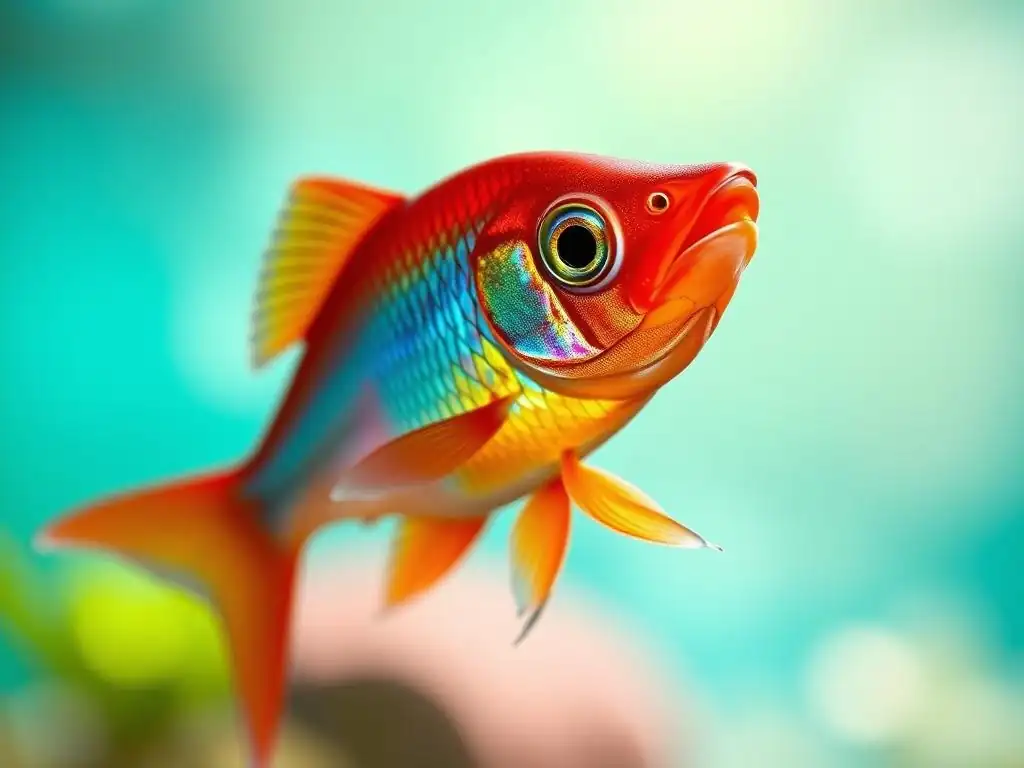
Accurately identifying the sex of Flame tetras is a fundamental step in setting up a successful breeding program. Males are typically more slender and streamlined in body shape compared to females. They also tend to display more intense and vibrant coloration, particularly the characteristic fiery red or orange blaze on their flanks, which becomes even more pronounced during breeding condition. Their dorsal and anal fins might also appear slightly more pointed or elongated.
Conversely, female Flame tetras are generally rounder and noticeably plumper, especially when they are gravid (full of eggs). Their bodies will appear fuller, particularly around the belly area. While still colorful, their "flame" coloration might be a bit duller or less extensive than that of a male. Their fins are usually shorter and more rounded. Observing these subtle yet consistent differences is a key Flame tetra breeding tip for pairing.
Choosing Mature and Vibrant Specimens
Selecting healthy, mature, and vibrant specimens for your breeding stock significantly increases the likelihood of successful spawning and robust fry. Choose fish that are at least 6-8 months old and have reached their full adult size, typically around 1.5 inches (3.8 cm). They should exhibit active swimming behavior, clear eyes, and no visible signs of stress, disease, or physical deformities.
Look for individuals that display the brightest and most appealing coloration, as these traits are often passed down to offspring. Well-conditioned fish, which have been fed a high-quality diet, will appear energetic and robust, indicating they are in prime reproductive health. Avoid any fish that appear listless, have clamped fins, or show any discoloration, as these could be indicators of underlying health issues.
Quarantine and Conditioning Before Breeding
Before introducing potential breeders to the dedicated tank, a period of quarantine and conditioning is highly recommended. Even if the fish are from your existing community tank, a separate conditioning period allows you to optimize their health. Quarantine new fish for at least 2-4 weeks in a separate tank to ensure they are free of diseases that could devastate your breeding project.
During the conditioning phase, which should last 1-2 weeks, feed the chosen breeding pair a high-quality, varied diet. This should include a mix of live foods such as newly hatched brine shrimp, daphnia, or microworms, supplemented with high-protein frozen foods and premium flake food. This enriched diet helps the females develop eggs and ensures both sexes are in peak physical condition for spawning, providing essential Flame tetra breeding tips for robust progeny.
The Flame Tetra Breeding Process: Step-by-Step Guide
Introducing the Breeding Pair to the Breeding Tank
Once the dedicated breeding tank is fully set up with optimal water parameters and spawning media, and your chosen Flame tetra breeding stock has been thoroughly conditioned, it's time to introduce the fish. The best practice is to transfer the breeding pair (or trio) to the breeding tank in the late afternoon or evening. This allows them to acclimate to their new environment overnight in a calm, undisturbed setting.
Introducing them in the evening also aligns with their natural spawning patterns, as Flame tetras typically spawn in the early morning hours, often at dawn. The reduced light and quiet conditions overnight can help minimize stress and encourage them to settle in. Avoid disturbing the tank once the fish are introduced, allowing them to feel secure and ready for the breeding process.
Observing Spawning Behavior: Recognizing the Signs
Spawning in Flame tetras usually commences with the first light of day, often within 12-24 hours of being introduced to the breeding tank. The male will begin to actively chase the female, nudging her gently around the tank, particularly near the spawning media such as Java moss or a spawning mop. This courtship can be quite vigorous but should not appear aggressive or harmful.
As the female becomes receptive, they will swim together into the dense vegetation. The female will then release tiny, transparent, adhesive eggs, typically ranging from 100 to 300 per spawn, which immediately stick to the plants or mop fibers. The male will follow closely behind, fertilizing the eggs. This process may repeat numerous times over several hours until the female is fully spent. Observing these behaviors confirms successful Flame tetra breeding.
Post-Spawning Care: Removing the Parents
A critical step for ensuring the survival of Flame tetra eggs and fry is the immediate removal of the adult fish once spawning is complete. Flame tetras, like many other tetra species, are notorious egg eaters and will readily consume their own eggs if left in the breeding tank. This behavior is instinctual and prevents the eggs from being eaten by other predators in the wild, but it is detrimental in a captive breeding setup.
You will know spawning is complete when the female appears noticeably thinner and both fish return to normal, non-chasing swimming patterns. Carefully net the parents and transfer them back to their main community tank. This swift action is paramount; delaying removal by even a few hours can result in a significant loss of eggs. This is one of the most crucial Flame tetra breeding tips for maximizing fry yield.
Raising Flame Tetra Fry: Nurturing the Next Generation
First Foods for Flame Tetra Fry: Infusoria and Liquid Fry Food
Flame tetra fry are incredibly tiny upon hatching, typically within 24-36 hours at 80°F (26.7°C), and will remain motionless for another 2-3 days while absorbing their yolk sac. Once they become free-swimming, usually around day 3-5 post-hatch, they require microscopic food. Their mouths are too small for newly hatched brine shrimp initially. The ideal first food is infusoria, a collective term for various microscopic organisms.
Infusoria can be cultured easily at home by placing decaying lettuce leaves or banana peels in a jar of aquarium water a few days prior to the expected hatch. Alternatively, commercially available liquid fry foods designed for egg-laying fish can be used. These often contain powdered microorganisms or highly refined nutrients. Feed tiny amounts 3-5 times a day to ensure a constant supply, as fry have incredibly high metabolic rates and need frequent sustenance.
Gradual Transition to Larger Foods: Baby Brine Shrimp and Microworms
After approximately 3-5 days of feeding on infusoria or liquid fry food, Flame tetra fry will have grown sufficiently to accept larger, more nutritious foods. This is the critical stage to introduce newly hatched baby brine shrimp ( Artemia nauplii) or microworms. These live foods are packed with protein and essential nutrients, promoting rapid growth and development.
Continue to feed small quantities multiple times a day. As the fry grow, typically around 2-3 weeks of age, you can gradually begin to introduce finely crushed, high-quality flake food specifically formulated for fry or very small, high-protein pellets. Observe their feeding behavior closely to ensure they are actively consuming the new food. This gradual dietary progression is a vital Flame tetra breeding tip for healthy fry development.
Maintaining Water Quality in the Fry Tank: Frequent Water Changes
Maintaining pristine water quality is arguably the most critical aspect of raising Flame tetra fry. Due to the frequent feeding necessary for their rapid growth and their high metabolic rate, fry tanks are highly susceptible to ammonia and nitrite spikes from uneaten food and waste. These toxins are lethal to delicate fry.
Perform small (10-20%), daily or every-other-day water changes using temperature-matched, dechlorinated water. Use an airline tube to gently siphon out any detritus, uneaten food, or dead fry from the bottom of the tank, being extremely careful not to suck up any live fry. Consistent water changes prevent disease and ensure an optimal environment for growth. This diligent maintenance routine is a non-negotiable Flame tetra breeding tip.
Preventing Common Fry Diseases: Early Detection and Treatment
The best defense against common fry diseases is maintaining impeccable water quality and providing a nutritious diet. Fry are highly susceptible to fungal infections (especially on unhatched eggs) and bacterial infections if water parameters decline or if the tank becomes fouled with uneaten food. These conditions can quickly decimate an entire batch of fry.
Observe your fry daily for any signs of distress, such as lethargy, clamped fins, white spots, or fuzzy growths. If disease is suspected, the first line of defense should always be immediate, small water changes to improve conditions. Medications should be used with extreme caution and only as a last resort, as fry are incredibly sensitive to chemicals. Prevention through excellent husbandry is always superior to treatment when raising fry.
Flame Tetra Fry Growth and Development: From Tiny Larvae to Miniature Adults
Monitoring Growth Rates: Ensuring Healthy Development
Healthy Flame tetra fry exhibit noticeable growth each day, a clear sign of proper nutrition and water quality. Within 2-3 weeks of hatching, they will have developed beyond their larval stage and will begin to resemble miniature versions of the adult fish, albeit without their full coloration. Their activity levels will increase, and they will swim more freely throughout the tank.
Uneven growth rates can sometimes occur within a batch of fry, where some individuals grow significantly faster than others. This can be due to varying access to food or inherent genetic differences. While some variation is normal, a large disparity might indicate insufficient food availability or potential health issues for the smaller fry. Consistent, frequent feeding and stable water conditions are crucial Flame tetra breeding tips for promoting uniform growth.
Separating Fry by Size: Preventing Cannibalism
While Flame tetras are not typically aggressive, larger fry can sometimes outcompete or, in rare cases, even predate upon significantly smaller or weaker siblings, especially if food resources are scarce. This can lead to stunted growth for some fry and even mortality.
To ensure all fry have an equal opportunity to thrive, it is advisable to separate them by size if you observe a considerable disparity (e.g., some fry are twice the size of others). This can be done by carefully netting the larger fry and moving them to a separate grow-out tank. This strategy ensures that the smaller fry are not intimidated or outcompeted for food, allowing them to catch up in growth.
Achieving Optimal Coloration: Diet and Lighting
The characteristic vibrant "flame" coloration that makes Flame tetras so appealing will begin to develop as the fry mature, typically becoming more apparent around 1-2 months of age. To ensure your young Flame tetras achieve their most brilliant hues, a high-quality, varied diet is essential.
Include foods rich in carotenoids, such as spirulina-enhanced flakes, paprika-rich foods, or specialized color-enhancing pellets, in their diet as they grow. These natural pigments contribute directly to the intensity of their red and orange tones. Additionally, providing moderate lighting conditions in the grow-out tank, avoiding overly dim or excessively bright environments, can also help them display their full genetic potential for color.
Troubleshooting Flame Tetra Breeding: Addressing Common Challenges
Unsuccessful Spawning: Identifying Potential Causes
If your Flame tetras are not spawning despite being introduced to a dedicated breeding tank, several factors could be at play. The most common causes relate to water parameters: the temperature might be too low (below 78°F or 25.5°C), or the pH and hardness might not be sufficiently soft and acidic (outside the 6.0-6.8 pH and 2-6 dGH range). These conditions are crucial for triggering their reproductive instincts.
Other potential issues include insufficient conditioning of the breeding pair – they may not have received enough high-protein live foods to be in peak reproductive health. Stress from bright lights, excessive disturbances, or a lack of adequate spawning media can also inhibit spawning. Lastly, the chosen male or female might simply not be mature enough or be infertile; trying a different individual from your stock can sometimes resolve this. These are vital Flame tetra breeding tips for overcoming hurdles.
Low Fry Survival Rate: Addressing Environmental Factors
A high mortality rate among Flame tetra fry is a disheartening but common challenge, often directly linked to environmental factors. The primary culprit is usually poor water quality, specifically spikes in ammonia or nitrite caused by overfeeding or infrequent water changes. Fry are incredibly sensitive to these toxins. Insufficient food, or food that is too large for their tiny mouths, also leads to starvation and death.
Fungal infections on eggs, often appearing as white, fuzzy growths, can prevent hatching or kill newly hatched fry. This is usually due to unfertilized eggs or poor water circulation. Ensuring daily, small water changes and reducing feeding if there's uneaten food are critical. For egg fungus, a very diluted dose of methylene blue can be used before hatching, but always exercise extreme caution with chemicals around delicate fry.
Preventing Diseases in the Breeding Tank: Maintaining Hygiene
Preventing diseases in the breeding tank is paramount, as a single outbreak can wipe out an entire batch of eggs or fry. The cornerstone of disease prevention is rigorous hygiene. Immediately siphon out any uneaten food after each feeding, as decaying organic matter quickly fouls the water and provides a breeding ground for harmful bacteria and fungi.
All equipment used in the breeding tank, including nets, siphons, and even your hands, should be thoroughly cleaned and preferably disinfected before and after contact with the breeding setup. Never transfer equipment directly from a community tank without sterilization. A clean, stable environment significantly reduces the risk of pathogens, ensuring the health and survival of your delicate Flame tetra fry.
Advanced Flame Tetra Breeding Techniques: Optimizing Success
Using Spawning Mops or Plants: Providing Egg-Laying Surfaces
While Flame tetras will scatter eggs among fine-leaved plants, utilizing artificial spawning mops can significantly optimize breeding success and simplify egg collection. Spawning mops, typically made from synthetic yarn, provide a dense, fibrous surface that mimics natural vegetation. Their advantage lies in their ease of removal: once spawning is complete, the mop, with hundreds of adhesive eggs attached, can be gently lifted out and transferred to a separate hatching tank, leaving the parents behind.
Dense clumps of live, fine-leaved plants like Java moss ( Taxiphyllum barbieri) or hornwort ( Ceratophyllum demersum) also serve as excellent natural egg-laying surfaces. Ensure these plants are thoroughly cleaned and quarantined before introduction to prevent bringing in pests or diseases. Providing ample and appropriate egg-laying surfaces is a fundamental Flame tetra breeding tip for maximizing egg deposition.
Implementing a Drip Acclimation System: Ensuring Water Stability
For highly sensitive fish like newly hatched fry or when transferring fish between tanks with differing water parameters, implementing a drip acclimation system can dramatically reduce stress and improve survival rates. This method involves slowly dripping water from the destination tank into the container holding the fish (or eggs/fry) over an extended period, typically 30-60 minutes or longer.
This gradual equalization of temperature, pH, and hardness minimizes the shock that can occur from abrupt environmental changes. For Flame tetra fry, who are particularly vulnerable to sudden shifts, a drip acclimation system is invaluable when moving them to a grow-out tank or performing large water changes. It's a refined Flame tetra breeding tip that underscores the importance of water stability.
Selective Breeding: Enhancing Color and Traits
For aquarists passionate about long-term breeding, selective breeding offers an opportunity to enhance desirable traits in your Flame tetra lineage. This advanced technique involves carefully choosing the most vibrant, healthiest, and best-formed offspring from each successful spawn to become your next generation of breeding stock.
Over several generations, consistently selecting for specific qualities—such as more intense "flame" coloration, improved finnage, larger size, or even increased hardiness—can lead to a distinct and superior strain of Flame tetras. Keeping meticulous records of breeding pairs, their offspring, and the traits observed is essential for effective selective breeding. This systematic approach allows you to sculpt your colony over time, showcasing the true potential of Flame tetra breeding.
Maintaining a Thriving Flame Tetra Colony: Long-Term Care
Regular Water Changes and Tank Maintenance
Once your Flame tetra fry have grown into juveniles and adults, consistent water changes and routine tank maintenance remain crucial for their long-term health and vibrancy. Performing regular water changes, typically 25-30% of the tank volume weekly, is vital for removing accumulated nitrates, replenishing essential minerals, and maintaining overall water quality. This prevents the buildup of harmful toxins and keeps the water parameters stable.
Beyond water changes, routine maintenance includes siphoning the substrate to remove detritus, wiping down the tank glass to prevent algae buildup, and checking filter media for clogging. A clean and stable environment significantly reduces stress on the fish, enhances their immune system, and promotes their natural "flame" coloration. This ongoing diligence is a cornerstone of successful Flame tetra care.
Providing a Balanced Diet for Adults
A balanced and varied diet is essential for maintaining the health, vitality, and reproductive potential of adult Flame tetras. While high-quality flake food can serve as a staple, it should be supplemented regularly with a diverse range of other foods. Offer live or frozen foods such as brine shrimp, daphnia, bloodworms, and spirulina-enriched flakes several times a week.
This varied diet provides a full spectrum of nutrients, including proteins, vitamins, and minerals, which are critical for optimal growth, brilliant coloration, and overall well-being. Avoid overfeeding, as excess food can quickly foul the water and lead to obesity in the fish, which can negatively impact their health and lifespan.
As your Flame tetra colony grows, preventing overcrowding is paramount to maintaining a thriving and harmonious environment. Overcrowding leads to increased stress among the fish, stunted growth, heightened aggression (though rare in Flame tetras, it can occur under stress), and rapid deterioration of water quality due to increased waste production. A general guideline is often cited as one inch of fish per gallon for smaller species, but always consider the adult size and activity level.
Flame tetras are schooling fish and thrive in groups of at least 6-8 individuals, which helps them feel secure and display their natural behaviors. If your breeding efforts result in a large number of adult fish, consider upgrading to a larger aquarium or responsibly rehoming some of the fish to avoid overstocking. Maintaining appropriate stocking levels ensures healthy growth, vibrant colors, and peaceful cohabitation within the colony.
Conclusion: The Joys of Breeding Flame Tetras in Your Aquarium
Frequently Asked Questions
How do I prepare my aquarium for flame tetra breeding?
You'll need a separate breeding tank with soft, slightly acidic water. Use a spawning mop or fine-leaved plants to provide egg-laying surfaces and protect the eggs from the parents.
What are the ideal water parameters for breeding flame tetras?
Flame tetras prefer a temperature between 75-80°F (24-27°C), a pH of 6.0-7.0, and a low hardness level. Perform frequent small water changes with aged water to maintain stability.
How can I tell when my flame tetras are ready to breed?
The female will appear visibly plumper with eggs, and the male will display more intense coloration and actively court the female. They may also exhibit chasing behavior.
What should I feed flame tetra fry?
Newly hatched fry can be fed infusoria or liquid fry food. As they grow, transition to baby brine shrimp and microworms. Ensure the food is small enough for them to consume.
How long does it take for flame tetra eggs to hatch and the fry to become free-swimming?
Flame tetra eggs typically hatch within 24-36 hours. The fry become free-swimming after a few days, once they've absorbed their yolk sacs.
Final Reflection: Igniting the Future of Flame Tetra Keeping
The journey of breeding Flame Tetras, as we've explored, is more than just a technical process; it's a testament to the enduring allure of the natural world and our capacity to connect with it. The vibrant colors and delicate life cycle of these fish serve as a powerful reminder of the beauty and fragility of aquatic ecosystems, especially as these ecosystems face increasing threats in the wild. Understanding and successfully breeding Flame Tetras in captivity contributes, in a small but significant way, to their conservation and continued appreciation.
This endeavor has profoundly influenced the aquascaping community, fostering a deeper understanding of fish behavior and the delicate balance of aquarium ecosystems. The satisfaction derived from nurturing these tiny lives, witnessing their transformation from minuscule fry to dazzling adults, is a reward unlike any other. It reinforces our responsibility as stewards of these creatures, urging us to create environments that mimic their natural habitats and promote their well-being. In the end, we will conserve only what we love; we will love only what we understand; and we will understand only what we are taught.
- Baba Dioum. This quote perfectly encapsulates the importance of sharing knowledge and inspiring others to appreciate the wonders of the aquatic world.
As you close this article, consider the lessons learned and the potential for growth. The knowledge you've gained about Flame Tetra breeding is not just about keeping fish; it's about cultivating patience, observation, and a profound respect for life. Embrace the challenge, share your experiences, and inspire others to embark on their own aquatic adventures. By doing so, you contribute to a thriving community of responsible aquarists and ensure that the vibrant blaze of the Flame Tetra continues to illuminate our world for generations to come.
Ignite Your Aquarium: Nurture the Next Generation of Flame Tetras!
Thanks for diving deep into the captivating world of Flame Tetra breeding! We hope you've discovered valuable insights into creating the perfect environment for these dazzling fish to thrive and reproduce. Now, it's time to transform your newfound knowledge into action.
Here's how you can take the next steps:
- Start preparing your breeding tank today! Dedicate a small aquarium specifically for breeding, complete with fine-leaved plants or spawning mops. It's the most crucial step in seeing your Flame Tetras multiply.
- Explore the fascinating world of live fish foods. Branch out and discover the world of cultivating your own infusoria.
- Share this guide with fellow aquarium enthusiasts! Help them uncover the secrets to successfully breeding these fiery gems.
What's the first thing you'll change in your aquarium setup to better encourage spawning?