
Breeding Kissing Gouramis: The Rare Challenge for Dedicated Aquarists

Welcome to Aquarium Mastery!
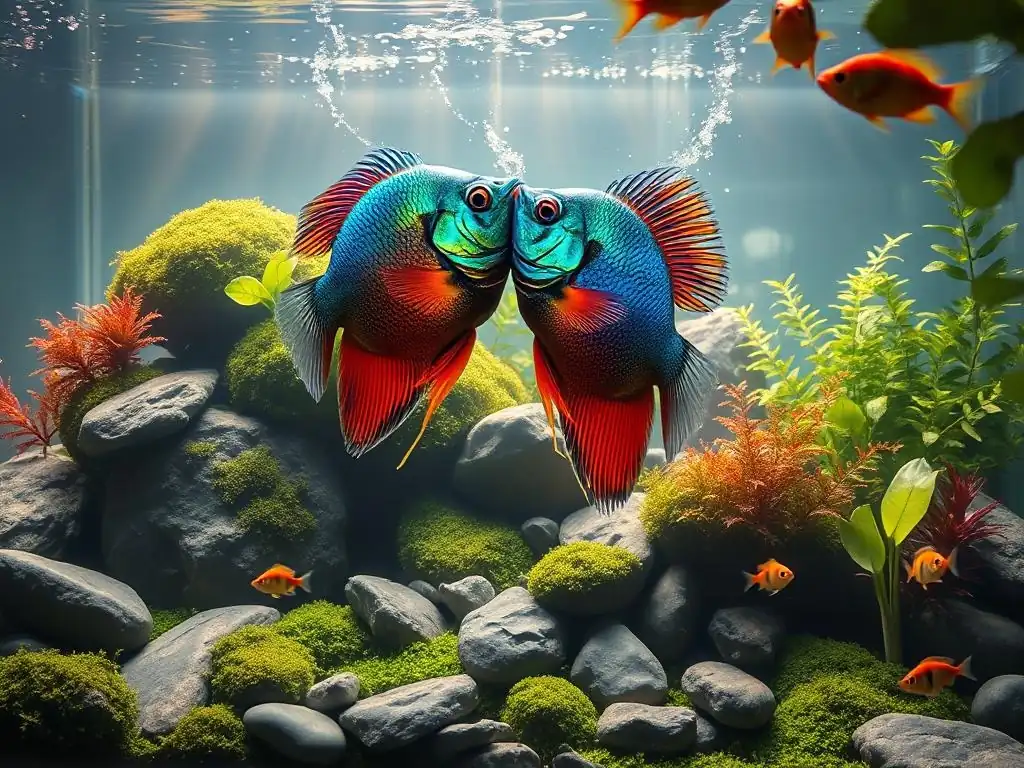
Ever dreamt of witnessing the unique behavior of the Kissing Gourami extend beyond playful pecks and into the realm of successful breeding? It's a rare feat, even for seasoned aquarists. Dive in to discover our comprehensive guide, "Breeding Kissing Gouramis: The Rare Challenge for Dedicated Aquarists", where we unlock the secrets to creating the perfect environment and conditions to encourage these fascinating fish to reproduce. Are you ready to embark on this rewarding, yet challenging, journey? Let's get started!
- Understanding Kissing Gouramis and Their Breeding Habits
- Preparing for Kissing Gourami Spawning: Essential Steps
- Kissing Gourami Spawning Process: What to Expect
- Kissing Gourami Fry Care: Raising the Next Generation
- Troubleshooting Kissing Gourami Breeding Challenges
- Advanced Kissing Gourami Breeding Techniques
- Kissing Gourami Breeding: A Rewarding, Albeit Challenging, Endeavor
-
Frequently Asked Questions
- How difficult is it to breed Kissing Gouramis in a home aquarium?
- What are the key water parameters needed to encourage Kissing Gourami breeding?
- What type of tank setup is best suited for breeding Kissing Gouramis?
- What is the ideal diet for conditioning Kissing Gouramis for breeding?
- How can I identify if my Kissing Gouramis are ready to spawn?
- Final Reflection: The Enduring Allure of the Kissing Gourami
- Unlock the Secrets to Kissing Gourami Breeding Success!
Understanding Kissing Gouramis and Their Breeding Habits
Kissing Gouramis: An Overview of Helostoma temminckii
Helostoma temminckii, commonly known as the Kissing Gourami, is a distinctive freshwater fish renowned for its unique mouth structure and the "kissing" behavior it exhibits. Originating from Southeast Asia, these fish can grow quite large, often reaching lengths of up to 12 inches (30 cm) in optimal conditions, and can live for 5 to 7 years. Their robust size and relatively peaceful, albeit sometimes quarrelsome, temperament make them a striking addition to very large community aquariums.
Despite their common presence in the aquarium trade as juveniles, their mature size often goes underestimated, making their long-term care, and particularly their breeding, a significant undertaking. They are omnivores, readily accepting a varied diet of flakes, pellets, and live or frozen foods. Understanding their potential adult dimensions is the first crucial step before considering the complexities of Kissing Gourami breeding tips.
Natural Habitat and Spawning Behavior in Southeast Asia
In their native range across Southeast Asia, including countries like Thailand, Indonesia, Malaysia, and Vietnam, Kissing Gouramis inhabit slow-moving, heavily vegetated waters such such as swamps, floodplains, and canals. These environments typically feature slightly acidic to neutral pH levels, ranging from 6.0 to 7.5, and soft to moderately hard water, generally between 3 to 8 dGH. The abundant aquatic vegetation provides both shelter and a rich source of food.
Unlike many other gourami species, Kissing Gouramis are not bubble nest builders. Instead, they are open-water spawners, releasing their eggs directly into the water column. The eggs are positively buoyant, floating to the surface after fertilization. This unique spawning behavior, coupled with the vastness of their natural habitat, presents a distinct challenge for aquarists aiming to replicate these conditions for Kissing Gourami breeding.
Challenges of Breeding Kissing Gouramis in Home Aquariums
Successfully breeding Kissing Gouramis in a home aquarium is considered a rare achievement within the hobby, primarily due to several significant challenges. Their large adult size necessitates an exceptionally spacious breeding tank, far exceeding the capacity of typical home aquariums—often requiring tanks of 150 gallons (approximately 570 liters) or more for a single pair. This sheer volume demand is a major barrier for most enthusiasts.
Furthermore, sexing Kissing Gouramis is notoriously difficult outside of the spawning period, making it hard to ensure a true breeding pair. The open-water spawning method means eggs are dispersed and highly vulnerable, requiring immediate intervention to prevent predation by the parents. Replicating the precise environmental triggers, such as subtle seasonal shifts and the vastness of their natural ecosystem, is also extremely difficult, contributing to the scarcity of successful Kissing Gourami breeding attempts.
Preparing for Kissing Gourami Spawning: Essential Steps
Setting Up a Dedicated Spawning Tank: Size and Substrate
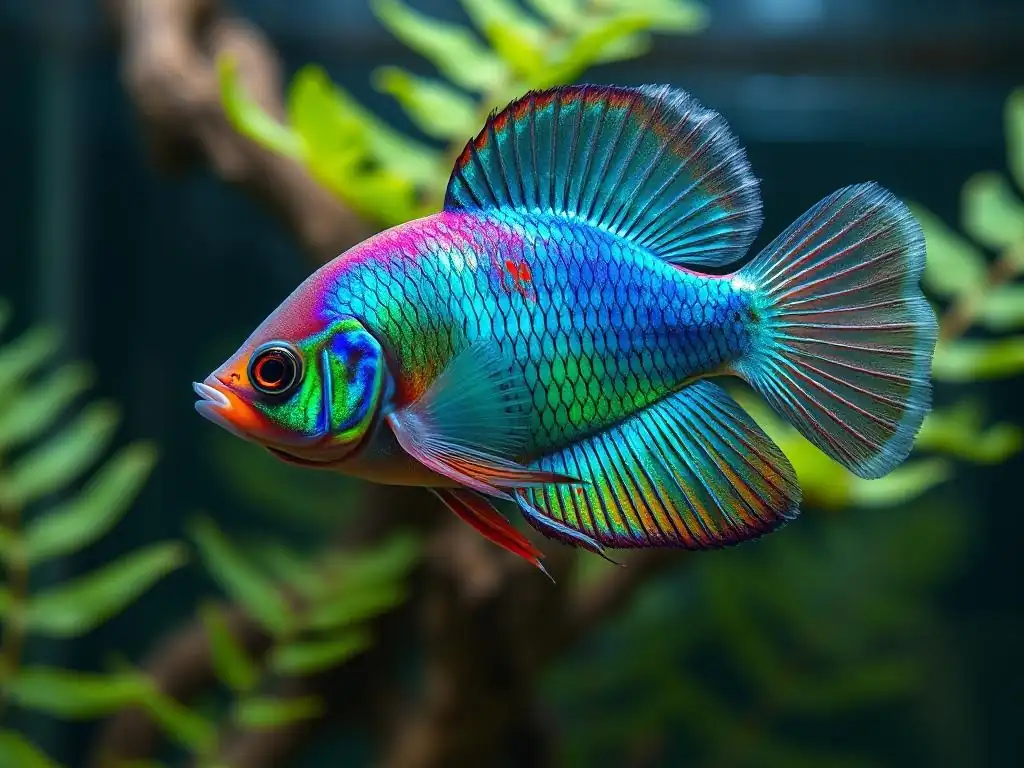
To maximize the chances of successful Kissing Gourami breeding, a dedicated spawning tank is indispensable. Given their adult size and the need for ample space during courtship and spawning, a tank of at least 150-200 gallons (approximately 570-760 liters) is recommended for a single breeding pair. This generous volume helps to dissipate aggression, provides sufficient swimming room, and allows for the safe dispersal of eggs.
For the substrate, a bare-bottom tank is often preferred for ease of cleaning and egg collection, as their eggs are buoyant. If a substrate is desired, fine sand can be used. Decor should be minimal but include some floating plants like Water Sprite ( Ceratopteris thalictroides) or Java Moss ( Taxiphyllum barbieri). These plants offer a sense of security for the fish and can provide a surface for some eggs to adhere to, without being so dense as to impede free movement or egg retrieval.
Water Parameters: Temperature, pH, and Hardness for Spawning
Precise control over water parameters is critical for stimulating Kissing Gourami spawning. The water temperature should be gradually raised to a stable range of 80-84°F (27-29°C). This elevated temperature mimics the warmer conditions of their natural breeding season and helps to trigger reproductive readiness in the fish. Stability is key, so a reliable heater and thermometer are essential.
The pH level should be maintained in a slightly acidic to neutral range, typically between 6.5 and 7.2. Water hardness should be soft to moderately hard, ideally between 3 and 8 dGH. Regular testing with accurate aquarium test kits is crucial to ensure these parameters remain consistent. Pristine water quality, achieved through a mature filtration system and regular partial water changes, is paramount to prevent stress and encourage spawning activity, forming a core part of effective Kissing Gourami breeding tips.
Selecting a Healthy and Mature Breeding Pair
Identifying a healthy and mature breeding pair of Kissing Gouramis can be challenging due to the difficulty in sexing them. Males are generally more slender, while females, especially when gravid, will appear noticeably fuller-bodied. The most effective approach for Kissing Gourami breeding is often to purchase a group of 6-8 juveniles and raise them together, allowing natural pairs to form as they mature.
Fish should be at least 1 to 2 years old and fully mature, typically reaching a size of 6-8 inches (15-20 cm), before attempts at breeding are made. Look for individuals that exhibit vibrant coloration, active and confident swimming, and are free from any signs of disease or physical deformities. A robust and healthy pair is fundamental to successful reproduction.
Conditioning with Live and Frozen Foods for Optimal Health
Optimal conditioning through a high-quality, varied diet is a non-negotiable step for successful Kissing Gourami breeding. For several weeks leading up to the intended spawning attempt, feed the potential breeders a rich diet incorporating a significant proportion of live foods. Excellent choices include bloodworms, brine shrimp, daphnia, and mosquito larvae, which provide essential proteins, fats, and micronutrients vital for egg and milt production.
Supplement live foods with high-quality frozen options such as mysis shrimp and krill, alongside premium flake or pellet foods. Feed the fish multiple times a day in small, manageable portions to ensure they are in peak physical condition without overfeeding, which can lead to water quality issues. This intensive feeding regimen is one of the most important Kissing Gourami breeding tips for reproductive success.
Kissing Gourami Spawning Process: What to Expect
Courtship Rituals: Displays of Aggression and Affection
As the Kissing Gourami pair approaches spawning readiness, their behavior will change, often becoming more intense. The characteristic "kissing" behavior, which can signify dominance or territoriality in general interactions, may also intensify as part of courtship, though its exact role in spawning is debated. Males may exhibit increased chasing of the female, sometimes appearing aggressive, but this is often part of the natural courtship display.
Aquarists should observe for subtle changes in coloration, particularly heightened vibrancy, and increased activity between the male and female. The male might be seen nudging or "testing" the female's abdomen, indicating his readiness to spawn. These interactions, while sometimes vigorous, are typically precursors to the actual spawning event.
Recognizing Signs of Spawning Readiness: Female's Swollen Abdomen
The most reliable visual indicator of impending Kissing Gourami spawning is the female's noticeably swollen and distended abdomen. This indicates that she is gravid and full of eggs. This change can become apparent in the days leading up to the spawning event, making her appear much rounder and fuller than the male or her usual self.
As spawning approaches, the pair will spend more time together, often swimming in close proximity. They may engage in synchronized movements or gentle nudges. Careful observation of the female's physical condition and the pair's interactions is crucial for predicting when the actual egg-laying will commence.
Egg Laying and Fertilization: Floating Eggs and Parental Care (or Lack Thereof)
When the Kissing Gouramis are ready to spawn, the act typically occurs in the open water column, often near the water's surface or amidst floating vegetation. The female will release numerous small, buoyant eggs, which are immediately fertilized by the male. A single spawning event can yield thousands of eggs, which then float upwards due to their positive buoyancy.
Crucially, Kissing Gouramis exhibit no parental care whatsoever. Unlike many other gourami species that build elaborate bubble nests and guard their offspring, Kissing Gouramis abandon their eggs immediately after spawning. It is imperative to remove the adult fish from the spawning tank promptly once eggs are observed to prevent them from predating on the eggs or newly hatched fry.
Kissing Gourami Fry Care: Raising the Next Generation
Hatching Fry: Maintaining Water Quality and Temperature
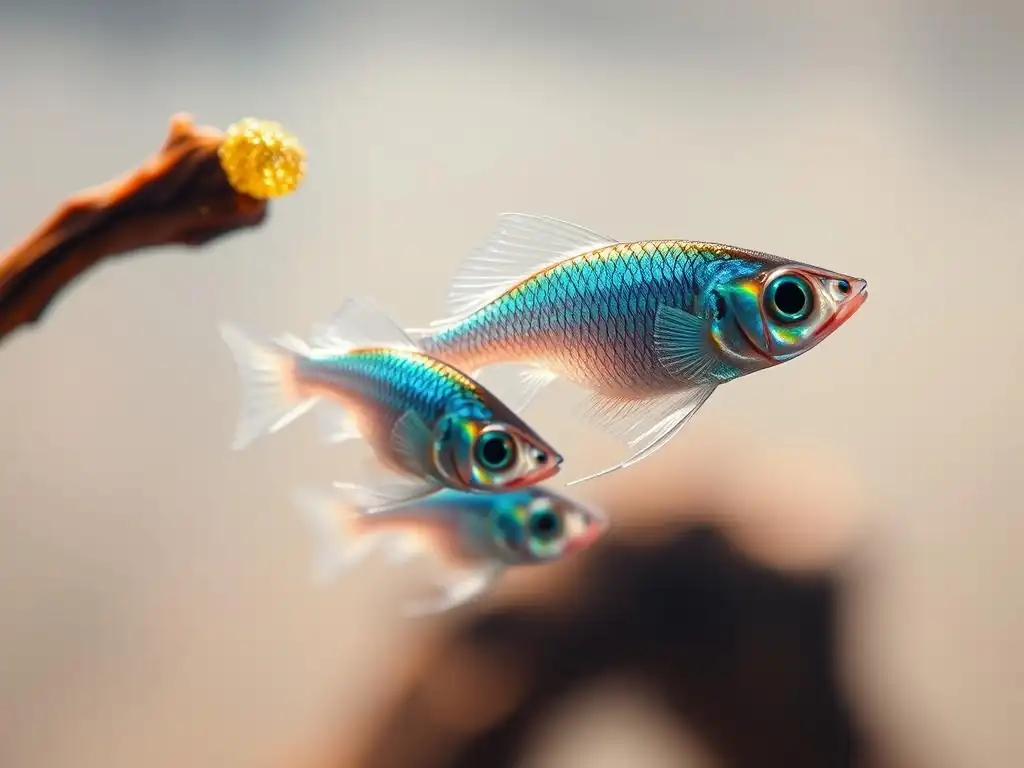
At a stable temperature of approximately 82°F (28°C), Kissing Gourami eggs typically hatch within 24 to 48 hours. The newly hatched fry are incredibly tiny and almost transparent, making them difficult to spot initially. They will remain largely motionless, feeding off their yolk sacs for the first few days.
Maintaining pristine water quality and stable parameters, identical to those of the spawning tank, is absolutely critical during this delicate phase. A gentle air stone can be used to provide minimal circulation and aeration, but strong currents must be avoided as they can easily harm the fragile fry. Daily small water changes are often necessary to keep the environment clean.
First Foods: Infusoria, Liquid Fry Food, and Newly Hatched Brine Shrimp
Once the fry have absorbed their yolk sacs, typically within 3-5 days post-hatching, they will require their first external food source. Due to their minuscule size, their mouths are extremely small, necessitating microscopic food. Infusoria, a culture of microscopic organisms, is ideal for the first few days of feeding. Liquid fry food, specifically designed for egg-laying fish fry, can also be used as an alternative.
After about a week, or once the fry have grown slightly, they can be transitioned to newly hatched brine shrimp nauplii. These are a highly nutritious and easily digestible food source that promotes rapid growth. Feed the fry small amounts multiple times a day (4-6 times) to ensure a constant supply of food, as their metabolic rate is very high. This meticulous feeding schedule is a vital Kissing Gourami breeding tip for high fry survival rates.
Maintaining Water Quality: Frequent Water Changes and Filtration
The high frequency of feeding required for rapid fry growth, coupled with their small size, means that maintaining impeccable water quality is paramount. Daily water changes of 10-20% are essential to prevent the buildup of ammonia, nitrites, and nitrates, which are highly toxic to delicate fry. Always use aged or dechlorinated water that matches the tank's temperature and parameters.
For filtration, a well-maintained sponge filter with very gentle air flow is recommended. Power filters or hang-on-back filters can easily suck in tiny fry, leading to significant losses. Regularly clean the sponge filter by rinsing it gently in old tank water to maintain its efficiency and prevent the accumulation of waste and pathogens.
Addressing Common Problems: Swim Bladder Issues and Disease Prevention
Swim bladder issues can occasionally affect Kissing Gourami fry, often manifesting as difficulty swimming upright or maintaining buoyancy. These problems can be exacerbated by rapid growth, inconsistent feeding, or fluctuating water quality. Ensuring consistent feeding of appropriate foods and maintaining pristine, stable water parameters are the best preventative measures.
Preventing disease among fry is crucial and relies heavily on maintaining optimal conditions. Strict adherence to proper filtration, regular water changes, and avoiding overfeeding will minimize the risk of bacterial or fungal infections. Any signs of lethargy, unusual swimming patterns, or visible lesions among the fry should prompt immediate investigation and appropriate action to prevent widespread mortality.
Troubleshooting Kissing Gourami Breeding Challenges
Reasons for Not Spawning: Stress, Poor Water Quality, and Incompatible Pair
If your Kissing Gouramis are not spawning, several factors could be at play. Stress is a significant deterrent; ensure the breeding tank is in a quiet location, free from excessive disturbances or high traffic. Incompatible tank mates should be removed, as their presence can cause undue stress.
Suboptimal water parameters are another common reason for lack of spawning. Ensure the temperature is consistently within the recommended 80-84°F (27-29°C), and that pH and hardness are stable and appropriate. Lastly, an incompatible pair (e.g., two males, or one fish not yet mature) will not breed. Observe their interactions closely for signs of a true pairing.
Dealing with Infertile Eggs or Fry Mortality: Identifying and Addressing Causes
The presence of infertile eggs is a common issue in Kissing Gourami breeding. These eggs often appear opaque white or develop fungus within 24 hours, unlike viable, clear eggs. Infertility can stem from poor male conditioning, leading to insufficient or unviable milt, or from water quality issues that compromise egg viability. Promptly remove any infertile eggs to prevent fungal spread.
High fry mortality rates, especially in the first week, can be devastating. Common causes include inadequate first foods (fry literally starve), poor water quality due to accumulated waste, or the onset of disease. Review your feeding schedule, water change routine, and filtration methods. Ensure the fry are receiving appropriate, continuous nutrition and living in pristine conditions.
Preventing Diseases: Quarantine, Proper Filtration, and Water Chemistry
Disease prevention is paramount in Kissing Gourami breeding, especially when dealing with delicate fry. Always quarantine any new fish, plants, or equipment for at least 4-6 weeks before introducing them to the breeding tank. This crucial step prevents the introduction of pathogens that could decimate your fish.
Maintain stable water chemistry and ensure optimal filtration to reduce stress and pathogen loads. For fry tanks, a well-maintained sponge filter is essential, providing gentle biological filtration without risking fry. Avoid sudden fluctuations in water parameters, as these can severely weaken the fish's immune system, making them susceptible to illness.
Advanced Kissing Gourami Breeding Techniques
Selective Breeding for Enhanced Coloration or Finnage
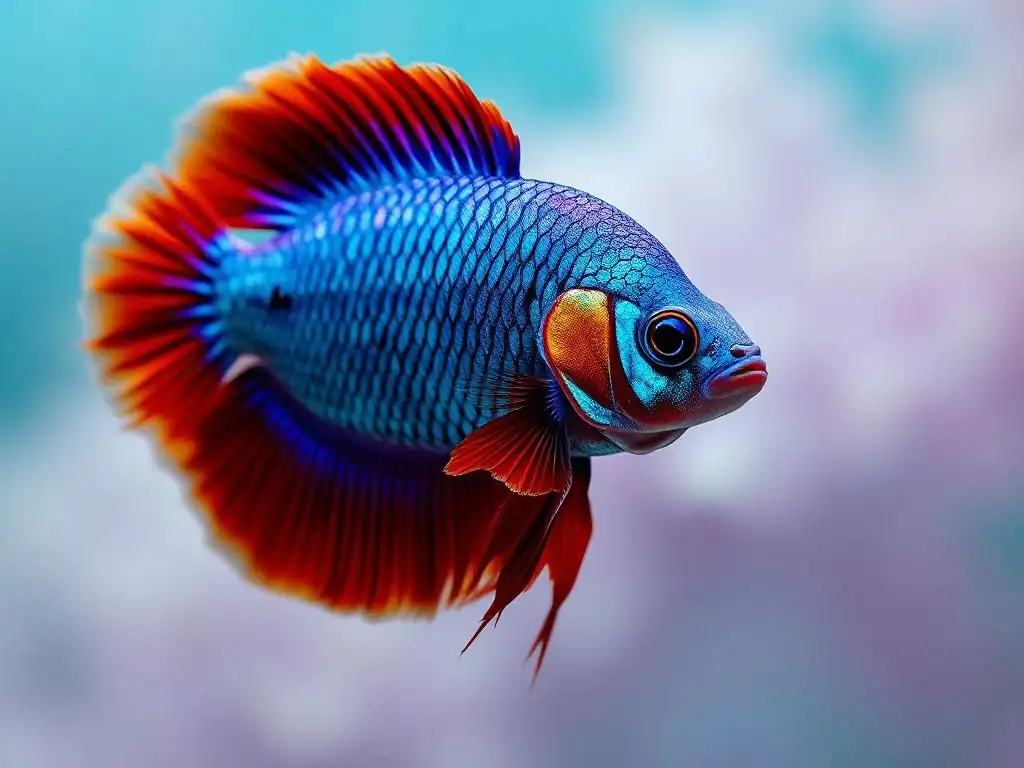
Once an aquarist has mastered the basic Kissing Gourami breeding tips and achieved consistent spawning success, selective breeding becomes a possibility. This advanced technique involves carefully choosing fry from successful spawns that exhibit desirable traits, such as more intense pink coloration, unique patterns, or enhanced finnage. These selected individuals are then raised to maturity and used as the next generation of breeders.
This process requires meticulous record-keeping of parentage and offspring characteristics, and it is a long-term commitment spanning multiple generations. It appeals to dedicated enthusiasts who possess a keen eye for genetics and are passionate about developing specific lines of Kissing Gouramis, contributing to the diversity within the captive-bred population.
Optimizing Water Chemistry: Specific Mineral Additions for Fry Survival
Beyond maintaining general water parameters, advanced Kissing Gourami breeding involves optimizing water chemistry through specific mineral additions. While general guidelines for pH and hardness are known, subtle adjustments to the concentrations of essential minerals like calcium, magnesium, and trace elements can further enhance egg viability, improve fertilization rates, and significantly boost fry development and survival.
This level of control often involves starting with reverse osmosis (RO) or deionized (DI) water and then remineralizing it precisely to specific target parameters. Such precision ensures that the water closely mimics the ideal conditions for Helostoma temminckii embryonic development, making it a technique reserved for highly experienced aquarists seeking to maximize their Kissing Gourami breeding success rates.
Culturing Live Foods: Rotifers and Microworms for Fry Nutrition
For the dedicated Kissing Gourami breeder, relying solely on infusoria and newly hatched brine shrimp for fry nutrition might not be enough to achieve the highest growth rates and survival. Culturing a wider variety of live foods, such as rotifers and microworms, provides a more consistent, nutrient-rich, and size-appropriate diet for different stages of fry development.
Rotifers are even smaller than newly hatched brine shrimp and are an excellent food source for the very first days after yolk sac absorption, providing a smooth transition from infusoria. Microworms, on the other hand, offer a slightly larger, protein-rich food that can bridge the gap before fry are large enough to consume brine shrimp comfortably. Having a continuous, self-sustaining supply of these live foods is a significant advantage in advanced Kissing Gourami breeding, ensuring optimal nutrition from day one.
Kissing Gourami Breeding: A Rewarding, Albeit Challenging, Endeavor
Is Breeding Kissing Gouramis Right for You? Time, Space, and Resources
Breeding Kissing Gouramis is an undertaking that demands significant commitment in terms of time, space, and financial resources. The requirement for very large tanks, precise water parameter control, consistent and varied feeding regimens, and daily, meticulous maintenance for the delicate fry means it is not a project for the casual or novice aquarist.
Prospective breeders must honestly assess their capacity to provide the necessary infrastructure, dedicate the substantial time required for daily care and observation, and invest in the specialized equipment and diverse food sources. This endeavor demands a deep passion for aquaculture and a willingness to face considerable challenges.
The Satisfaction of Successfully Breeding Kissing Gouramis
Despite the inherent difficulties, successfully breeding Kissing Gouramis is considered a rare and highly rewarding achievement within the aquarium hobby. It offers immense personal satisfaction, providing a profound sense of accomplishment and a deeper understanding of fish biology and reproductive processes. Witnessing the entire life cycle of these unique fish, from microscopic egg to free-swimming fry, is an unparalleled experience.
Furthermore, successful Kissing Gourami breeding contributes positively to the hobby by potentially making more captive-bred specimens available. This reduces reliance on wild-caught fish, promoting sustainable practices. It also showcases advanced aquarist skills and dedication, inspiring others to delve deeper into the complex yet fulfilling world of fish propagation, truly embodying the pinnacle of applying Kissing Gourami breeding tips.
Frequently Asked Questions
How difficult is it to breed Kissing Gouramis in a home aquarium?
Breeding Kissing Gouramis is considered rarely successful in home aquariums. The primary challenge lies in replicating the specific environmental conditions they require for spawning.
What are the key water parameters needed to encourage Kissing Gourami breeding?
Maintaining pristine water quality is critical. This includes a slightly acidic pH, soft water, and a temperature range of 78-82°F (25-28°C).
What type of tank setup is best suited for breeding Kissing Gouramis?
A large tank with plenty of open swimming space is essential. Include fine-leaved plants or spawning mops to provide a suitable spawning site.
What is the ideal diet for conditioning Kissing Gouramis for breeding?
Feed a varied diet rich in protein, including live or frozen foods like bloodworms and brine shrimp. This prepares them for spawning.
How can I identify if my Kissing Gouramis are ready to spawn?
Look for signs like increased activity, color intensification, and the female becoming noticeably plumper. Also, observe if they are building a bubble nest (though not always).
Final Reflection: The Enduring Allure of the Kissing Gourami
The journey into Kissing Gourami breeding, as we've explored, is not for the faint of heart. It demands patience, dedication, and a deep understanding of these fascinating fish. But the rarity of success only amplifies the reward, highlighting the enduring allure of these unique creatures and the satisfaction of contributing to their continued presence in the aquarium hobby.
The Kissing Gourami, with its peculiar "kissing" behavior, has captivated aquarists for generations. My own fascination with them began as a child, watching them graze algae off the glass, a silent ballet of puckered lips. In the end, we will conserve only what we love; we will love only what we understand; and we will understand only what we are taught.
- Baba Dioum. This quote resonates deeply, reminding us that understanding and appreciating these fish is the first step towards ensuring their future, both in our tanks and in the wild.
Now, armed with these Kissing Gourami breeding tips, I invite you to reflect on the delicate balance between our desire to cultivate and our responsibility to conserve. Consider how your actions, as aquarists, can contribute to a greater understanding and appreciation of the natural world. Perhaps your journey with Kissing Gouramis will inspire others to embrace the challenge and contribute to the preservation of these captivating fish for generations to come.
Unlock the Secrets to Kissing Gourami Breeding Success!
Thanks for diving into the fascinating world of Kissing Gouramis! We hope you've found valuable insights into their unique breeding behaviors and the challenges they present. Now it's time to put that knowledge into action and elevate your aquarist skills.
Here are some steps you can take right now:
- Begin planning your Kissing Gourami breeding setup. Research tank size, water parameters, and suitable plants to mimic their natural environment.
- Share this article with fellow aquarists who are fascinated by unusual fish breeding. Let's spread the knowledge!
- Consider documenting your own Kissing Gourami journey, whether successful or not. Sharing your experiences can help others learn and avoid common pitfalls.
What specific hurdle are you most excited to tackle in your attempt to breed these challenging yet rewarding fish?