
Breeding Penguin Tetras: Replicating Natural Conditions for Spawning Success

Welcome to Aquarium Mastery!
Ever wondered how to unlock the secrets to breeding those captivating Penguin Tetras? Dive in and explore our detailed Penguin Tetra Breeding Guide! We'll reveal the key to replicating their natural environment, paving the way for spawning success and a thriving community in your freshwater aquarium. Ready to witness the magic? Let's begin!
- Penguin Tetra Breeding Guide: Replicating Natural Conditions for Spawning Success
- Understanding Penguin Tetra Breeding Challenges
- Creating the Ideal Breeding Tank Setup for Penguin Tetras
- Conditioning Penguin Tetras for Breeding
- The Penguin Tetra Spawning Process
- Raising Penguin Tetra Fry
- Troubleshooting Common Penguin Tetra Breeding Issues
- Tips for Maximizing Penguin Tetra Breeding Success
-
Frequently Asked Questions
- ### What are the ideal water parameters for breeding Penguin Tetras?
- ### What type of tank setup is recommended for breeding Penguin Tetras?
- ### What do Penguin Tetras eat, and how should I feed them during breeding?
- ### How can I tell if my Penguin Tetras are ready to spawn?
- ### What should I do after the Penguin Tetras have spawned?
- Final Reflection: Nurturing Life's Delicate Dance
- Ignite Your Penguin Tetra Breeding Journey!
Penguin Tetra Breeding Guide: Replicating Natural Conditions for Spawning Success
Understanding Penguin Tetra Breeding Challenges
Why Penguin Tetras Can Be Difficult to Breed in Captivity
Breeding Thayeria boehlkei, commonly known as Penguin Tetras, in a home aquarium setting presents a moderate challenge compared to some other popular egg-laying species. Their natural habitat in the Amazon basin consists of clear, slow-moving waters with abundant vegetation, conditions that are often difficult to precisely replicate in standard community tanks. This disparity in environmental factors is a primary reason why successful spawning can be elusive for many aquarists.
Beyond environmental replication, Penguin Tetras exhibit a sensitivity to water parameters and require specific conditioning to encourage spawning. Unlike more robust breeders, they are shy and can be easily stressed by unsuitable tank mates, fluctuating water quality, or insufficient hiding spots, all of which can inhibit their natural breeding instincts. The delicate nature of their eggs and newly hatched fry also adds a layer of complexity, as they are highly susceptible to predation and adverse water conditions.
Key Factors for Successful Penguin Tetra Reproduction
Achieving successful Penguin Tetra reproduction hinges on three critical factors: pristine water quality, precise water parameters, and an enriched diet for the breeding pair. Mimicking their native Amazonian environment is paramount, meaning soft, slightly acidic water, and a stable temperature range are non-negotiable. Without these specific conditions, the fish may not feel secure enough to initiate spawning, or their eggs may not develop properly.
Furthermore, a dedicated breeding tank setup is essential. This allows for meticulous control over the environment and protects the vulnerable eggs and fry from being consumed by adult fish, including their own parents. Patience and keen observation are equally vital, as understanding the fish's behavior and responding promptly to spawning cues or potential issues with the fry are crucial steps in this comprehensive Penguin tetra breeding guide.
Creating the Ideal Breeding Tank Setup for Penguin Tetras
Choosing the Right Size Breeding Tank for Penguin Tetras
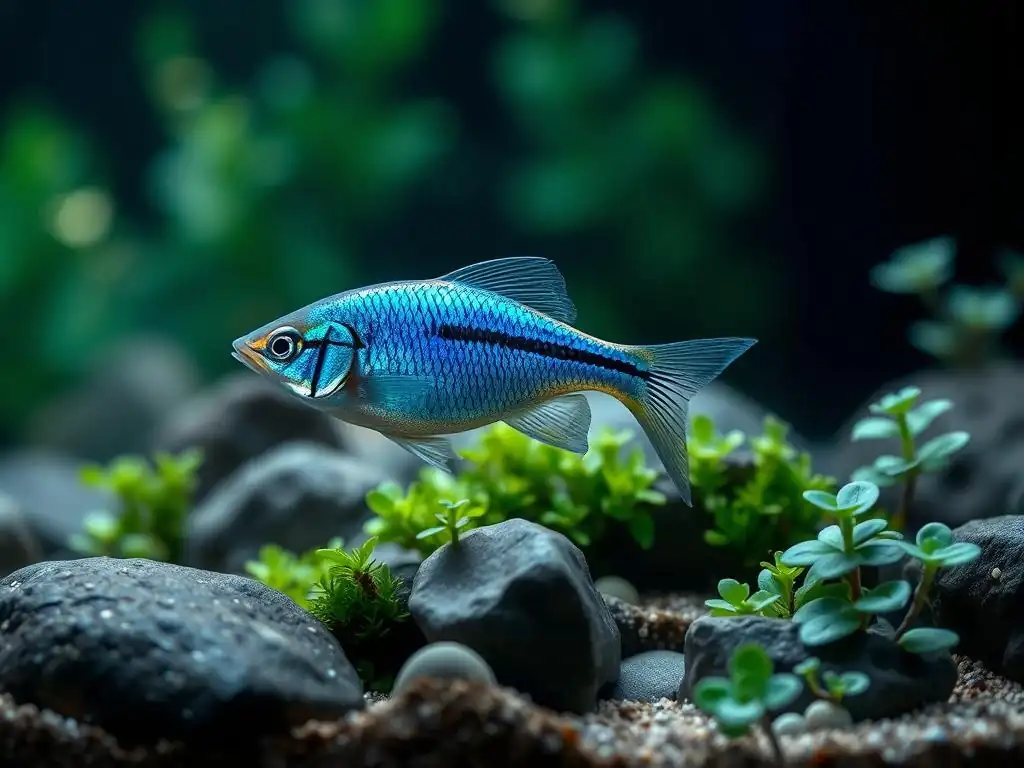
For a successful Penguin tetra breeding guide, a dedicated breeding tank is highly recommended, typically ranging from 10 to 20 gallons (approximately 38 to 75 liters). This size is ample for a breeding pair or a small group (e.g., one male and two females) and provides enough space for the fish to feel comfortable while also concentrating the eggs for easier collection and fry feeding. A smaller tank also simplifies the management of water parameters and maintenance.
A bare-bottom tank or one with a very thin layer of dark gravel is often preferred in a breeding setup. This allows for easier visibility and removal of uneaten food or waste, preventing water quality issues that could harm delicate eggs and fry. Ensuring the tank is placed in a quiet area, away from high traffic or sudden movements, will also contribute to the breeders' comfort and encourage spawning.
Water Parameters: Achieving Optimal Conditions for Penguin Tetra Spawning
Temperature and pH for Penguin Tetra Breeding
Temperature plays a crucial role in stimulating Penguin Tetra spawning. The ideal range for breeding is typically between 75-82°F (24-28°C), with many breeders finding that a slight increase to the higher end of this spectrum can act as a trigger. Maintaining a stable temperature within this range is more important than drastic fluctuations, which can stress the fish.
The pH level for breeding Penguin Tetras should be slightly acidic, ideally between 6.0 and 7.0, with 6.5 often cited as optimal. This mimics the soft, acidic waters of their natural Amazonian habitat. Regular monitoring with a reliable pH test kit is necessary, and any adjustments should be made gradually to avoid shocking the fish.
Water Hardness and Ammonia Levels in the Breeding Tank
Soft water is a critical component for successful Penguin Tetra breeding, with a general hardness (GH) of 2-8 dGH (35-140 ppm) being most suitable. Hard water can inhibit egg fertilization or prevent proper development, leading to lower hatch rates. Many aquarists use reverse osmosis (RO) water or a mix of RO and dechlorinated tap water to achieve the desired softness.
Maintaining zero ammonia and nitrite levels, and very low nitrate levels, is non-negotiable in a breeding tank. Even trace amounts of these nitrogenous compounds can be lethal to sensitive eggs and fry. A fully cycled tank with gentle biological filtration is essential, and careful feeding practices must be observed to prevent the accumulation of organic waste.
Substrate and Decoration: Mimicking the Penguin Tetra's Natural Habitat
Using Fine-Leaved Plants for Spawning Substrate
Penguin Tetras are egg scatterers, meaning they will deposit their eggs randomly among fine-leaved plants. Therefore, providing ample spawning media is crucial for a successful Penguin tetra breeding guide. Plants like Java Moss ( Taxiphyllum barbieri), Anacharis ( Egeria densa), or even artificial spawning mops made from nylon yarn are excellent choices. These plants offer a safe haven for the adhesive or semi-adhesive eggs to settle, protecting them from being eaten by the parents or falling to the tank bottom where they might be more susceptible to fungus.
Dense clumps of these plants should be placed strategically in the breeding tank, ideally covering a significant portion of the bottom. This maximizes the surface area for egg deposition and provides security for the breeding pair. Ensuring the plants are clean and free of algae or debris before introduction helps maintain water quality and reduces the risk of egg fungus.
Adding Driftwood and Leaf Litter for a Natural Environment
While not directly used for egg deposition, the inclusion of driftwood and Indian almond leaves (catappa leaves) can significantly enhance the breeding environment for Penguin Tetras. These natural elements release tannins into the water, which subtly lower the pH and soften the water, closely replicating the blackwater conditions found in parts of their native Amazon basin. The tannins also possess mild antifungal and antibacterial properties, which can be beneficial for egg health.
Beyond their chemical benefits, driftwood and leaf litter provide additional hiding spots and a more natural, comforting environment for the shy Penguin Tetras. A comfortable fish is more likely to exhibit natural behaviors, including spawning. Always ensure any driftwood is thoroughly soaked and cleaned, and leaves are rinsed before adding them to prevent the introduction of unwanted pollutants.
Filtration and Lighting: Maintaining a Healthy Breeding Environment
Gentle Filtration to Protect Penguin Tetra Fry
In a Penguin Tetra breeding tank, the type of filtration is critical to the survival of the delicate eggs and newly hatched fry. A gentle air-driven sponge filter is the ideal choice. It provides excellent biological filtration, which is necessary for maintaining water quality, without creating strong currents that could harm or even suck in tiny fry. Power filters or hang-on-back filters with strong intakes are generally unsuitable, as they pose a significant threat to the vulnerable fry.
If a sponge filter is not available, ensure that any other filtration method used has its intake covered with a fine mesh or sponge to prevent fry from being drawn in. Adequate aeration, provided by the sponge filter or a gentle air stone, is also important to ensure sufficient oxygen levels in the water, which is vital for both egg development and fry respiration.
Dim Lighting to Encourage Spawning
Penguin Tetras are naturally shy fish, and bright lighting can deter them from spawning. To encourage breeding activity, the breeding tank should be kept under dim lighting conditions. This mimics the subdued light found in their densely vegetated natural habitats and helps the fish feel more secure and less stressed, making them more likely to engage in courtship and spawning behaviors.
A low-wattage LED light or even ambient room light may suffice. Some breeders opt to place the breeding tank in a quiet, dimly lit room to minimize disturbances. Establishing a consistent light cycle, such as 10-12 hours of light and 12-14 hours of darkness, can also help regulate their natural rhythms and promote spawning readiness.
Conditioning Penguin Tetras for Breeding
Diet and Nutrition: Preparing Your Penguin Tetras for Spawning
Feeding Live and Frozen Foods to Condition Breeders
A crucial step in any successful Penguin tetra breeding guide is the proper conditioning of the adult fish through a high-quality, protein-rich diet. Live foods such as bloodworms, brine shrimp, daphnia, and mosquito larvae are excellent choices as they provide essential nutrients and mimic the natural diet of wild tetras, stimulating their reproductive instincts. The act of hunting live food also encourages activity and vigor in the potential breeders.
For about one to two weeks prior to introducing them to the breeding tank, feed the prospective parents small amounts of these live or high-quality frozen foods several times a day. This intensive feeding regimen signals to the fish that environmental conditions are favorable for reproduction, leading to the development of healthy eggs in females and robust sperm in males.
Providing a Varied Diet for Optimal Health
While live and frozen foods are paramount for conditioning, a varied diet ensures that all nutritional requirements are met for optimal health and successful breeding outcomes. Supplementing their diet with high-quality flake foods or small pellets, rich in vitamins and minerals, can provide a balanced nutritional profile. This holistic approach to feeding contributes to the overall vitality of the fish, which directly impacts their ability to reproduce.
A well-nourished breeding pair is more likely to produce a larger quantity of viable eggs and healthier fry. Avoid overfeeding, as this can lead to water quality issues, but ensure that the fish are clearly well-fed and plump, particularly the females, as they prepare for spawning.
Identifying Male and Female Penguin Tetras
Distinguishing between male and female Penguin Tetras can be challenging, but there are subtle differences to look for, especially when the fish are in breeding condition. Generally, the most reliable indicator is the female's body shape: when she is gravid with eggs, her belly will appear noticeably fuller and more rounded compared to the male's.
Males typically maintain a more streamlined, torpedo-shaped body. While coloration isn't a definitive sexing characteristic for Penguin Tetras, males may sometimes exhibit slightly more intense colors, particularly during courtship. Observing the fish from above can help confirm the female's rounder abdomen when she is ready to spawn.
Separating Males and Females Before Breeding
A common and effective strategy employed in a Penguin tetra breeding guide is to separate the male and female Penguin Tetras for a period of one to two weeks before introducing them to the breeding tank. This separation allows for intensive individual conditioning, where each fish can be fed a rich diet without competition. This period also helps to build up their spawning drive.
After this conditioning period, the conditioned male(s) and female(s) are introduced to the prepared breeding tank, often in the evening. This allows them to acclimate to the new environment overnight, and spawning typically occurs the following morning, often at dawn, when the fish are most active and undisturbed.
The Penguin Tetra Spawning Process
Introducing Conditioned Penguin Tetras to the Breeding Tank
Once your Penguin Tetras have been thoroughly conditioned and your breeding tank is meticulously prepared with optimal water parameters and spawning media, the next step is to introduce the chosen breeders. It is generally recommended to introduce them to the breeding tank in the evening. This allows the fish to acclimate to their new surroundings overnight in a calm, undisturbed environment.
By morning, the fish will have settled, and the cooler, darker period may encourage them to begin their spawning ritual as the light gradually increases. Keeping the room quiet and minimizing disturbances around the tank during this crucial period will help reduce stress and increase the likelihood of successful spawning.
Observing Penguin Tetra Spawning Behavior
Penguin Tetra spawning behavior typically involves the male actively chasing the female through the dense spawning plants or mop. This chase can be quite vigorous but is a natural part of their courtship. As the pair maneuvers through the vegetation, the female will scatter her eggs, usually a few at a time, which the male will then immediately fertilize. This process can continue for several hours until the female has deposited all her eggs.
Once spawning is complete, or if you observe the parents beginning to eat the eggs, it is crucial to remove the adult fish from the breeding tank promptly. Penguin Tetras, like many other egg-scattering species, offer no parental care and will readily consume their own eggs and fry.
Signs of Successful Spawning
The most definitive sign of successful Penguin Tetra spawning is the visible presence of tiny, clear eggs scattered among the fine-leaved plants or spawning mop. These eggs are very small, typically around 1 millimeter in diameter, and can be difficult to spot without close inspection. Another key indicator is the female's appearance; her once plump belly will now appear noticeably flattened and slender after she has released her eggs.
Additionally, the male may cease his persistent chasing, and both fish might show less interest in each other, instead focusing on picking at the spawning media, which is a strong signal that they are consuming the eggs. At this point, prompt removal of the parents is essential to protect the future fry.
Potential Spawning Problems and Solutions
One common problem is a lack of spawning activity despite ideal conditions. If the fish are not spawning, re-evaluate the water parameters: ensure the temperature is at the higher end of the recommended range (e.g., 80-82°F or 27-28°C), and that the pH and hardness are perfectly within the optimal acidic and soft range. Sometimes, a small, cool water change (simulating rainfall) can act as a trigger.
Another issue can be rapid egg consumption by the parents. This is natural but can be mitigated by providing extremely dense spawning material where eggs can fall deep into the crevices, making them harder for adults to find. Ensuring the breeding pair is well-fed during conditioning also reduces their immediate hunger after spawning. If a pair consistently eats eggs, consider trying a different male or female from your group.
Raising Penguin Tetra Fry
Caring for Penguin Tetra Eggs and Newly Hatched Fry
After successful spawning, Penguin Tetra eggs will typically hatch within 24 to 36 hours, assuming a stable temperature of around 78°F (25.5°C). The newly hatched fry are incredibly tiny and almost transparent, often clinging to tank surfaces or the spawning plants. For the first two to three days, they will absorb their yolk sac, which provides initial nourishment. During this period, it's crucial to maintain absolute water stability and dim lighting, as the fry are extremely sensitive to light and sudden changes.
Regularly inspect the eggs for signs of fungus, which appears as a white, fuzzy growth. Unfertilized or dead eggs are prone to fungusing and should be carefully siphoned out using a thin airline tube to prevent the spread of fungus to healthy eggs. Gentle aeration in the tank, perhaps from a sponge filter, helps ensure adequate oxygenation without disturbing the delicate fry.
Feeding Penguin Tetra Fry: First Foods and Growth
Infusoria and Liquid Fry Food
Once the Penguin Tetra fry have absorbed their yolk sacs, typically on day 2 or 3 post-hatch, they require their first external food source. Given their microscopic size, the initial diet must consist of equally tiny particles. Infusoria, which are microscopic organisms cultured from decaying plant matter, are an ideal first food. Alternatively, commercial liquid fry foods or finely powdered dry fry foods specifically designed for egg-laying fish can be used.
These first foods should be administered in very small quantities multiple times a day (e.g., 3-5 times) to ensure the fry have a constant supply without fouling the water. Overfeeding can quickly lead to dangerous ammonia spikes in the fry tank, so precision and observation are key.
Gradually Introducing Larger Food Particles
As the Penguin Tetra fry grow, usually after 5-7 days, they will be large enough to consume slightly bigger food particles. Newly hatched brine shrimp nauplii ( Artemia nauplii) are an excellent next stage food, providing high protein and stimulating rapid growth. Microworms are another suitable option. These live foods are highly nutritious and readily accepted by the developing fry.
As the fry continue to grow, typically around 2-3 weeks of age, you can gradually introduce finely crushed high-quality flake food or very small frozen daphnia. Monitor their development closely and adjust the food size accordingly, ensuring they can easily consume the particles without struggling. A varied diet at this stage promotes robust growth and overall health.
Maintaining Water Quality in the Fry Tank
Maintaining impeccable water quality is paramount for the survival and healthy development of Penguin Tetra fry. Due to their small size and sensitivity, and the frequent feeding required, even minor fluctuations or accumulations of waste can be fatal. Small, frequent water changes are essential; a daily 10-15% water change is often recommended.
When performing water changes, use a rigid airline tubing to gently siphon out any uneaten food or detritus from the tank bottom, being extremely careful not to suck up any fry. Always ensure the replacement water is dechlorinated and matches the existing tank water's temperature and parameters as closely as possible to avoid shocking the delicate fry.
Protecting Fry from Predation
The breeding tank should ideally be a dedicated fry-rearing tank once the parents are removed. Any other tank inhabitants, no matter how small, can pose a threat to the incredibly tiny Penguin Tetra fry. Even snails or small shrimp could potentially prey on them. Therefore, ensuring the tank is exclusively for the fry is a critical step in their protection.
Additionally, if using any form of filtration, ensure the intake is completely covered with a fine sponge or mesh to prevent the fry from being accidentally sucked into the filter. Keeping a secure lid on the tank is also advisable to prevent any accidental jumps and to maintain consistent environmental conditions.
Troubleshooting Common Penguin Tetra Breeding Issues
Egg Fungus Prevention and Treatment
Egg fungus is a common problem in fish breeding, particularly with egg-scattering species like Penguin Tetras. It typically appears as a white, fuzzy growth on unfertilized or dead eggs and can quickly spread to healthy ones. Prevention is key: maintaining pristine water quality, ensuring gentle water circulation around the eggs, and promptly removing any unfertilized (opaque, white) eggs are crucial steps.
For treatment, some breeders use very dilute solutions of Methylene Blue in the egg-rearing tank, which acts as an antifungal agent. Adding Indian almond leaves (catappa leaves) to the breeding tank before spawning can also help, as their tannins possess natural antifungal properties. Ensuring the breeding pair is healthy and well-conditioned increases the chances of more fertilized, fungus-resistant eggs.
Fry Mortality: Identifying and Addressing Potential Causes
High fry mortality is a disheartening but common issue in a Penguin tetra breeding guide. The primary causes often include starvation (due to food being too large or insufficient quantity), poor water quality (ammonia or nitrite spikes from overfeeding or insufficient water changes), unsuitable water parameters (temperature, pH, hardness), or genetic weaknesses.
To address these issues, meticulously review your feeding regimen to ensure food is appropriately sized and provided frequently. Implement daily small water changes to maintain pristine conditions. Re-test all water parameters to confirm they are within optimal ranges. If mortality persists despite these measures, consider the health and genetic background of your breeding stock.
Infertility Issues in Penguin Tetras
If your Penguin Tetras are healthy and well-conditioned but consistently fail to produce viable eggs or sperm, you might be facing infertility issues. This could stem from several factors: the fish may be too young or too old to breed effectively, there might be a genetic incompatibility between the chosen pair, or chronic stress from their environment could be inhibiting reproduction.
Solutions include trying different pairings from your group to rule out individual infertility. Re-evaluate your conditioning diet to ensure it's sufficiently rich and varied. Sometimes, a slight adjustment to water parameters, such as a fractional increase in temperature or a minor change in pH within the optimal range, can stimulate reluctant breeders. Ensure the fish are truly mature, typically at least 6-8 months old, before attempting to breed.
Tips for Maximizing Penguin Tetra Breeding Success
Maintaining Stable Water Parameters
Stability in water parameters is perhaps the single most critical factor for maximizing Penguin Tetra breeding success. Fluctuations in temperature, pH, or water hardness can cause immense stress to both the adult breeders and the delicate eggs and fry. Even minor shifts can inhibit spawning, lead to poor egg development, or cause high fry mortality rates.
Regular and consistent monitoring of all key water parameters using reliable test kits is essential. Any necessary adjustments should be made gradually over several hours or days, rather than suddenly. The goal is to create an environment that is not just optimal, but also consistently predictable for the fish, signaling a safe and stable place for reproduction.
Regular Water Changes in the Breeding Tank
Regular water changes are paramount for maintaining the pristine conditions necessary for Penguin Tetra breeding and fry rearing. For the adult breeding pair, performing 25% water changes twice a week can stimulate spawning by mimicking the influx of fresh water often associated with rainfall in their natural habitat. This also helps keep nitrate levels low, which is beneficial for overall fish health.
Once eggs have been laid and parents removed, and especially once fry are free-swimming and feeding, small, frequent water changes become even more critical. Daily or every-other-day water changes of 10-15% are recommended to remove uneaten food, waste products, and prevent the build-up of harmful ammonia, nitrite, and nitrate, which are highly toxic to sensitive fry.
Patience and Observation: Key to Successful Penguin Tetra Reproduction
Breeding Thayeria boehlkei successfully requires a significant amount of patience and keen observation. Not every breeding attempt will yield a large batch of fry, and setbacks are common. It's crucial to learn from each experience, whether successful or not. Documenting your water parameters, conditioning regimen, and fish behavior can help identify patterns and areas for improvement in future attempts.
Paying close attention to the subtle cues of the fish – their color, activity levels, interaction, and particularly the female's girth – will inform you of their readiness to spawn. Similarly, diligent observation of the eggs and fry allows for immediate intervention if issues like fungus or starvation arise. A truly comprehensive Penguin tetra breeding guide emphasizes that consistent effort and meticulous attention to detail are the ultimate determinants of success.
Frequently Asked Questions
### What are the ideal water parameters for breeding Penguin Tetras?
The ideal water parameters for breeding Penguin Tetras include a slightly acidic pH (around 6.0-6.5), a very soft water hardness, and a temperature between 78-82°F (25-28°C). Maintaining stable and pristine water conditions is crucial for spawning success.
### What type of tank setup is recommended for breeding Penguin Tetras?
A breeding tank should be sparsely decorated with fine-leaved plants or spawning mops to provide hiding places and spawning surfaces. Dim lighting and a sponge filter are also beneficial to prevent disturbing the eggs and fry.
### What do Penguin Tetras eat, and how should I feed them during breeding?
Penguin Tetras are omnivores. During breeding, feed them a high-quality diet of small live foods like daphnia or baby brine shrimp to condition them for spawning. Supplement with flake food as needed.
### How can I tell if my Penguin Tetras are ready to spawn?
Ready-to-spawn female Penguin Tetras will appear plumper with eggs, and males will become more intensely colored and actively court the females. You might observe increased chasing and nipping behavior.
### What should I do after the Penguin Tetras have spawned?
After spawning, remove the adult fish to prevent them from eating the eggs or fry. The fry will hatch in about 24-36 hours and become free-swimming a few days later. Start feeding them infusoria or liquid fry food.
Final Reflection: Nurturing Life's Delicate Dance
The intricacies of replicating natural environments for successful Penguin Tetra breeding, as we've explored, extend far beyond simply filling a tank with water. It's about understanding the delicate dance of life, the subtle cues that trigger instinct, and the profound responsibility we undertake when attempting to foster new life. This understanding is particularly relevant today, as we increasingly recognize the importance of biodiversity and the fragility of ecosystems, even within the confines of our own homes.
This journey into Penguin Tetra breeding has underscored the power of observation and the importance of patience. It's a reminder that true understanding comes not just from reading instructions, but from connecting with the natural world and appreciating the subtle nuances of life. As the renowned naturalist John Muir once said: In every walk with nature one receives far more than he seeks.
This holds true whether we're trekking through a rainforest or meticulously recreating a spawning environment for our beloved Penguin Tetras.
Now, as you embark on your own Penguin Tetra breeding adventure, remember that you are not merely following a guide, but participating in a profound act of creation. Consider the lessons learned, the importance of mimicking nature, and the dedication required to nurture new life. Let this guide inspire you to not only breed Penguin Tetras successfully, but to cultivate a deeper appreciation for the delicate balance of the natural world and your role in preserving it.
Ignite Your Penguin Tetra Breeding Journey!
Thank you for diving into the fascinating world of Penguin Tetra breeding! We hope you’ve gained valuable insights to help you on your aquarist journey. Now, let's put that knowledge into action and create a thriving breeding environment for your Penguin Tetras.
Here are a few things you can do right now:
- Start conditioning your Penguin Tetras for spawning by enriching their diet with live or frozen foods like daphnia and brine shrimp. This will boost their overall health and prepare them for the demands of breeding.
- Build a DIY spawning mop using dark green acrylic yarn to mimic the roots of aquatic plants. Your Penguin Tetras will thank you for providing the perfect spot to deposit their eggs!
- Share your newfound knowledge with fellow aquarium enthusiasts! Start a thread on an aquarium forum or local Facebook group, detailing your plans and asking for feedback.
What's the first step you'll take to recreate a pristine spawning environment for your Penguin Tetras?