
Breeding Pristella Tetras (XRay Tetras): A Rewarding Endeavor for Aquarists

Welcome to Aquarium Mastery!
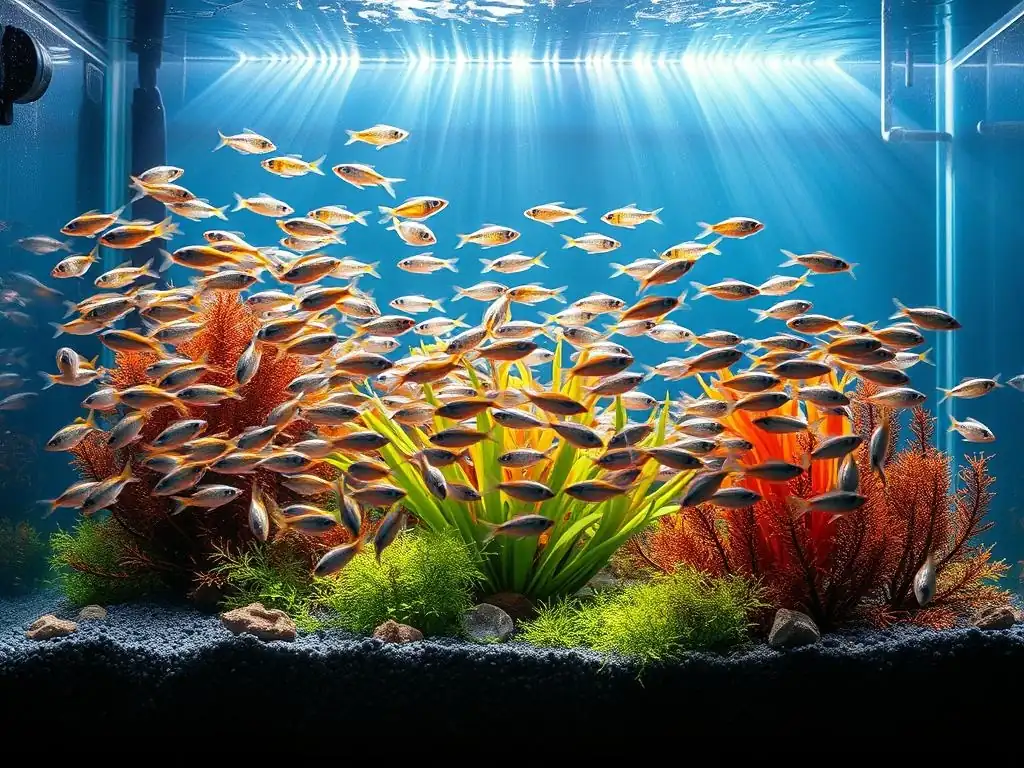
Ever wondered how to unlock the secrets to successfully breeding Pristella Tetras, those shimmering gems of the aquarium world? Their delicate beauty and fascinating behavior make them a prized addition, and achieving successful breeding is a truly rewarding experience. Dive into our comprehensive guide to Breeding Xray tetra care and discover the expert tips and tricks you need to bring new life into your tank. Are you ready to witness the miracle of life in your aquarium? Let's get started!
- Understanding Pristella Tetra Breeding: An Introduction
- Essential Pristella Tetra Care Before Breeding
- The Pristella Tetra Breeding Process: Step-by-Step
- Caring for Pristella Tetra Eggs and Fry
- Common Challenges and Solutions in Breeding XRay Tetras
- Pristella Tetra Fry Care: Post-Hatch Considerations
- Conclusion: The Satisfaction of Breeding Pristella Tetras
-
Frequently Asked Questions
- What are the key factors to consider when preparing to breed Pristella Tetras (X-Ray Tetras)?
- How can I differentiate between male and female Pristella Tetras for breeding purposes?
- What is the optimal water temperature and pH for breeding Pristella Tetras?
- What should I feed Pristella Tetra fry after they hatch?
- How long does it take for Pristella Tetra eggs to hatch and for the fry to become free-swimming?
- Final Reflection: The Enduring Allure of Creation
- Embark on Your Pristella Tetra Breeding Adventure!
Understanding Pristella Tetra Breeding: An Introduction
Why Breed XRay Tetras? The Allure of Pristella Tetra Propagation
Breeding Pristella Tetras, also known as XRay Tetras due to their translucent bodies, offers a uniquely rewarding experience for aquarists. Beyond the inherent satisfaction of witnessing the life cycle of these captivating fish, propagating Pristella Tetras allows hobbyists to deepen their understanding of fish behavior and reproductive biology. Their peaceful temperament and schooling behavior make them a delightful addition to community tanks, and successfully raising their fry provides a profound sense of accomplishment.
Furthermore, breeding XRay Tetras can contribute positively to the aquarium hobby. It reduces reliance on wild-caught specimens, promoting sustainable practices and potentially easing pressure on natural populations, although Pristella Tetras are not currently endangered. For some aquarists, there's also the potential to recoup costs by selling surplus fry to local fish stores or fellow hobbyists, making the endeavor not only educational but also economically viable on a small scale.
Pristella Tetra (XRay Tetra) Breeding Difficulty: Is it Right for You?
While not as straightforward as breeding livebearers like guppies or mollies, Breeding Xray tetra care is considered moderately challenging, making it an excellent next step for intermediate aquarists looking to expand their skills. The primary difficulties lie in providing precise water parameters for spawning, ensuring proper conditioning of the parent fish, and meticulously caring for the incredibly tiny and delicate fry. Unlike some hardier species, Pristella Tetras require specific conditions to induce spawning and for their eggs to successfully hatch.
Success in Breeding Xray tetra care hinges on patience, attention to detail, and a commitment to maintaining pristine water quality. Aquarists should be prepared for the possibility of initial failures, as egg predation by parents is common, and fry are highly susceptible to environmental fluctuations. However, with dedication and adherence to best practices, the challenges are entirely surmountable, leading to a truly gratifying outcome for the persistent breeder.
Essential Pristella Tetra Care Before Breeding
Water Parameters for Optimal XRay Tetra Health and Breeding
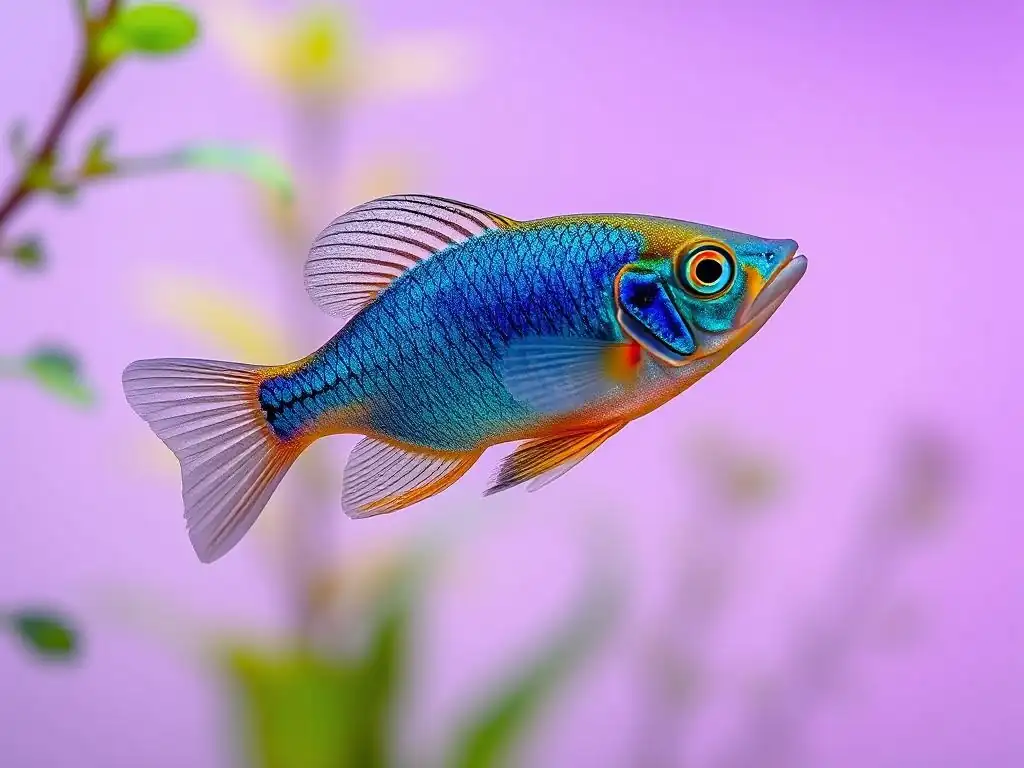
Optimal water parameters are paramount for successful Pristella Tetra breeding. These fish thrive and are most likely to spawn in soft, acidic water, mimicking their natural Amazonian habitat. For breeding, target a pH range of 6.0-6.8, with 6.5 often being ideal, and very soft water with a General Hardness (GH) between 4-8 dGH (approximately 70-140 ppm). Carbonate Hardness (KH) should ideally be low, around 2-4 dKH (35-70 ppm), to prevent pH swings.
The breeding temperature should be slightly elevated compared to a typical display tank, ideally between 78-82°F (25.5-27.8°C). Maintaining stable parameters is more critical than hitting exact numbers, as sudden fluctuations can stress the fish and inhibit spawning. Utilizing reverse osmosis (RO) water remineralized to target parameters, or filtering through peat, can help achieve the desired soft, acidic conditions necessary for effective Breeding Xray tetra care.
Diet and Nutrition for Breeding Pristella Tetras: Preparing for Spawning
Proper conditioning through a high-quality, varied diet is crucial for preparing Pristella Tetras for breeding. A week or two before attempting to spawn, feed the prospective breeding pair or group a rich diet of live and frozen foods. Excellent choices include live or frozen brine shrimp, daphnia, and bloodworms, which are packed with essential proteins and fats vital for egg development and overall vigor.
Supplement these live foods with high-quality flake food or micro-pellets specifically formulated for small tropical fish. Feeding 2-3 times per day in smaller portions ensures the fish receive adequate nutrition without overfeeding, which can foul the water. A well-nourished female will develop a visibly plumper, rounder belly, indicating she is gravid with eggs and ready for spawning, a key indicator of successful Breeding Xray tetra care.
Setting Up a Pristine Breeding Tank for Pristella Tetras
A dedicated breeding tank is essential for successful Pristella Tetra propagation, primarily to protect the delicate eggs from predation by the parents. A 5-10 gallon (19-38 liter) tank is sufficient for a single breeding pair or a small group (e.g., two males and three females). The tank should have a bare bottom or a very thin layer of fine sand to make it easy to spot and remove any uneaten food or detritus.
Crucially, the breeding tank needs a spawning medium where the fish can deposit their adhesive eggs. Popular choices include a spawning mop made of nylon yarn, fine-leaved plants like Java moss or hornwort, or a plastic egg crate placed just above the tank bottom. Filtration should be very gentle, such as a small sponge filter, to prevent eggs or newly hatched fry from being sucked up. A heater to maintain the precise breeding temperature and dim lighting complete the setup, ensuring optimal conditions for Breeding Xray tetra care.
The Pristella Tetra Breeding Process: Step-by-Step
Identifying Male and Female XRay Tetras for Breeding
Distinguishing between male and female Pristella Tetras can be subtle, as sexual dimorphism is not highly pronounced. Generally, females tend to be plumper and rounder, especially when they are gravid with eggs, exhibiting a noticeably fuller belly compared to the males. Males, on the other hand, are typically slimmer and more streamlined in appearance.
Observing the fish during feeding time can also offer clues; females will often appear more rounded after a good meal. For the best chance of success, it is often recommended to condition a small group of 5-6 fish and allow them to pair off naturally, rather than attempting to pick out a single pair. This approach increases the likelihood of finding a compatible and fertile male and female for effective Breeding Xray tetra care.
Inducing Spawning in Pristella Tetras: Natural and Artificial Methods
Once the breeding tank is set up and the chosen Pristella Tetras are well-conditioned, several methods can be employed to induce spawning. A common technique involves a gradual increase in temperature within the breeding tank from a standard 75°F (24°C) to the target breeding range of 78-82°F (25.5-27.8°C). This temperature rise, combined with daily small water changes (10-20%) using slightly cooler, soft, acidic water, can simulate a "rainy season" effect, which often triggers spawning.
Introducing the conditioned fish to the breeding tank in the evening, often allows them to settle and spawn overnight or in the early morning hours. Some breeders also add a small amount of blackwater extract or a few dried Indian almond leaves to the water. These additions release tannins, further softening the water and mimicking the natural chemical composition of their native environment, thereby enhancing the chances of successful Breeding Xray tetra care.
Pristella Tetra Spawning Behavior: What to Expect
Pristella Tetras typically spawn at dawn or early morning, shortly after the lights come on or as natural light begins to filter in. The male will actively chase the female into the spawning mop or fine-leaved plants, where the eggs are deposited. The spawning process involves the male nudging the female, and as she releases eggs, he fertilizes them simultaneously.
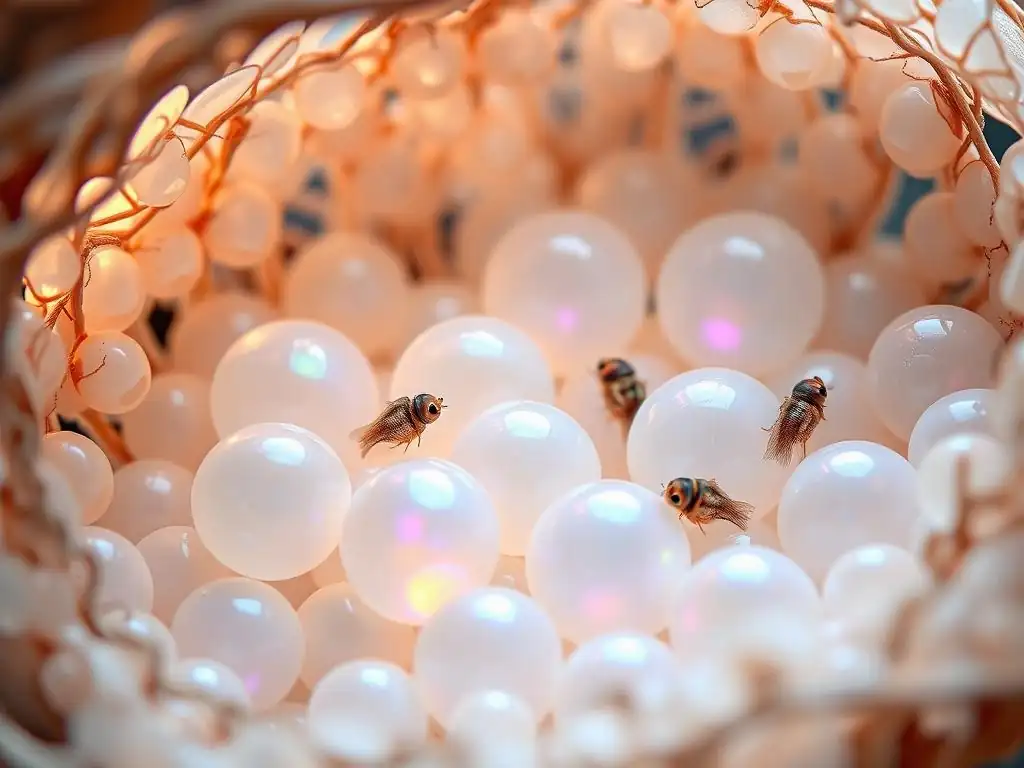
The eggs are very small, typically around 0.5-0.7 mm in diameter, clear, and adhesive, sticking to the spawning medium. A healthy, well-conditioned female can lay a significant number of eggs, ranging from 100 to 300 in a single spawning session. Once spawning is complete, which usually takes an hour or two, it is crucial to immediately remove the adult fish from the breeding tank to prevent them from consuming the eggs, a common behavior that necessitates careful Breeding Xray tetra care.
Caring for Pristella Tetra Eggs and Fry
Protecting XRay Tetra Eggs from Predators: Preventing Egg Eating
The most significant threat to Pristella Tetra eggs is the parent fish themselves, who will readily consume their own eggs if given the opportunity. To prevent this, the immediate removal of the adult fish from the breeding tank after spawning is paramount. If a spawning mop or a fine-meshed grid was used at the bottom of the tank, the eggs will have fallen through or adhered to the mop, making their removal straightforward.
Additionally, some aquarists opt to add a few drops of methylene blue to the water in the breeding tank after the adults are removed. This mild antifungal agent helps prevent fungal growth on unfertilized or damaged eggs, which can quickly spread to healthy eggs. Dim lighting in the egg incubation tank also helps, as the eggs are sensitive to bright light, further enhancing the success of Breeding Xray tetra care.
Hatching Pristella Tetra Eggs: Incubation and Timeline
Pristella Tetra eggs are quite delicate and typically hatch within a relatively short timeframe. At a consistent temperature of 78-80°F (25.5-26.7°C), the eggs will usually hatch within 24-36 hours. The exact hatching time can vary slightly depending on the precise water temperature and overall water parameters.
Newly hatched fry are incredibly tiny, almost transparent, and appear as mere slivers of glass. For the first 3-5 days post-hatch, they will remain largely motionless, often clinging to the sides of the tank or the spawning medium. During this period, they are absorbing their yolk sac for nutrition and do not require external feeding. It is crucial not to disturb them during this fragile stage of Breeding Xray tetra care.
First Foods for Pristella Tetra Fry: Feeding Newly Hatched XRay Tetras
Once the Pristella Tetra fry become free-swimming and their yolk sacs are fully absorbed (typically around day 3-5 after hatching), they require their first external food source. Due to their minuscule size, they need microscopic organisms. Infusoria, a culture of microscopic protozoa, is the ideal initial food for the first few days. Green water, rich in single-celled algae, can also serve as a suitable first food.
After a few days of feeding on infusoria, as the fry grow slightly, they can be transitioned to newly hatched brine shrimp nauplii. These are slightly larger but still small enough for the fry to consume and provide essential nutrients for rapid growth. Feeding should occur in small amounts, 4-6 times a day, to ensure a constant food supply while avoiding overfeeding, which can quickly foul the water and compromise the intensive Breeding Xray tetra care required at this stage.
Growing Out Pristella Tetra Fry: Ensuring Healthy Development
As Pristella Tetra fry continue to grow over the next 1-2 weeks, their diet can be gradually diversified. They will soon be able to consume microworms, finely crushed high-quality flake food (powdered to a dust-like consistency), or specialized commercial fry foods. The key is to provide a variety of nutrient-rich options to support their rapid development.
Maintaining pristine water conditions is absolutely critical for the healthy growth of Pristella Tetra fry. Perform small, frequent water changes—10-20% daily or every other day—using aged, temperature-matched water. A gentle air stone or a very small sponge filter is necessary for aeration and minimal filtration without creating strong currents that could overwhelm the tiny fry. Regular siphoning of detritus and uneaten food from the tank bottom with a turkey baster or airline tubing is vital to prevent ammonia and nitrite buildup, which are lethal to fry and a core component of effective Breeding Xray tetra care.
Common Challenges and Solutions in Breeding XRay Tetras
Preventing and Treating Diseases in Pristella Tetra Fry
Pristella Tetra fry are particularly delicate and highly susceptible to diseases due to their undeveloped immune systems and small size. The most effective strategy for preventing disease is maintaining impeccable water quality and avoiding overfeeding. Overfeeding leads to excess waste, which quickly degrades water parameters and creates a breeding ground for harmful bacteria and fungi.
Should a disease outbreak occur, such as fungal infections (often appearing as white patches or fuzz on the fry) or bacterial issues, treatment can be challenging given their fragility. Small, frequent water changes are often the first line of defense. In some severe cases, extremely diluted doses of broad-spectrum medications or mild antifungal agents like methylene blue might be considered, but caution is paramount, as fry are highly sensitive to chemicals. Prevention through diligent Breeding Xray tetra care is always superior to treatment.
Maintaining Optimal Water Quality for Pristella Tetra Fry Growth
Maintaining optimal water quality for Pristella Tetra fry is a continuous and demanding task. Due to their small size and rapid metabolism, they produce waste quickly, and uneaten food can decompose, leading to toxic ammonia and nitrite spikes. Daily monitoring of water parameters is essential; ammonia and nitrite levels must remain at zero, and nitrates should be kept below 5 ppm.
The primary method for achieving this is through frequent, small water changes. Changing 10-20% of the water daily or every other day effectively dilutes waste products without causing sudden shifts in water chemistry that could shock the fry. Using aged or pre-conditioned water that matches the temperature and parameters of the fry tank is crucial. Gentle siphoning of detritus from the bottom of the tank using an airline tube or turkey baster ensures a clean environment, which is a cornerstone of successful Breeding Xray tetra care at this stage.
Addressing Low Hatch Rates in Pristella Tetras
Experiencing low hatch rates in Pristella Tetra breeding can be disheartening, but several factors might contribute to this issue, and addressing them can significantly improve future success. One common cause is infertile eggs, which often stem from the poor conditioning of the parent fish. If parents are not adequately fed a high-protein, varied diet prior to spawning, their eggs may not be viable.
Another significant factor is incorrect water parameters during the incubation period. Water that is too hard or too alkaline can prevent proper fertilization or cause the egg shells to become too rigid, hindering hatching. Ideal parameters of soft, acidic water (pH 6.0-6.8, GH 4-8 dGH) are crucial.
Furthermore, fungal infections can quickly spread through a batch of eggs, turning them opaque and preventing hatching. Using a mild antifungal, like a very dilute solution of methylene blue, can help mitigate this. Thoroughly cleaning the breeding tank before use also reduces bacterial and fungal loads, enhancing the viability of the eggs and improving overall Breeding Xray tetra care outcomes.
Pristella Tetra Fry Care: Post-Hatch Considerations
Separating Fry from Adults: Protecting Young XRay Tetras
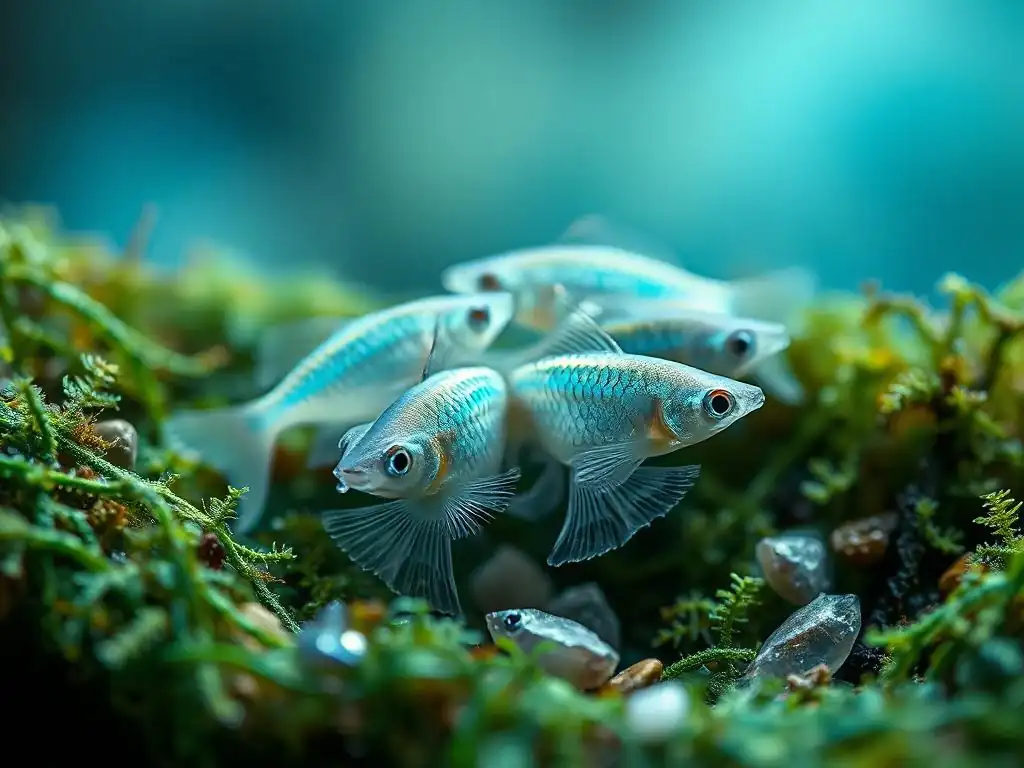
The separation of Pristella Tetra fry from adult fish is a critical step that must be performed immediately after spawning. Adult Pristella Tetras, like many other egg-laying species, have a strong instinct to consume their own eggs and newly hatched fry. If a spawning mop or a fine-meshed grid was used in the breeding tank, the process is simplified: simply remove the adult fish from the breeding tank once spawning is complete.
This dedicated environment ensures that the tiny, vulnerable fry are protected from predation and competition for food. It allows them to grow in a safe, controlled setting where their specific needs for microscopic food and pristine water quality can be met without the threats posed by larger tank inhabitants. This proactive measure is fundamental to the success of Breeding Xray tetra care and the survival of the offspring.
Gradual Acclimation of Pristella Tetra Fry to the Main Tank
Once Pristella Tetra fry have grown to a sufficient size, typically around 0.5-0.75 inches (1.2-1.9 cm) in length, which usually takes 6-8 weeks, they can be gradually introduced to a larger grow-out tank or, if conditions are suitable and tank mates are peaceful, to the main display aquarium. This transition must be handled with extreme care to minimize stress and prevent shock.
The drip acclimation method is highly recommended for this process. This involves slowly dripping water from the new tank into the fry's current container over a period of several hours, allowing them to gradually adjust to any differences in water parameters (pH, hardness, temperature). Rushing this step can lead to significant stress, illness, or even death. A slow, methodical acclimation ensures the fry's continued health and successful integration into their new environment, marking the final stage of intensive Breeding Xray tetra care.
Conclusion: The Satisfaction of Breeding Pristella Tetras
Further Resources for XRay Tetra Care and Breeding
The journey of breeding Pristella Tetras is one of continuous learning and observation. To further enhance your Breeding Xray tetra care knowledge and skills, aquarists are encouraged to explore a variety of resources. Reputable online aquarium forums and dedicated fish breeding communities are invaluable for sharing experiences, asking questions, and learning from the successes and challenges of others.
Specialized books on tetra breeding or general freshwater fish propagation can provide deeper insights into the biological nuances and practical techniques. Aquarists should also prioritize ongoing research into water chemistry and fish nutrition, as continuous adaptation and refinement of methods are key to achieving consistent breeding success and contributing positively to the hobby.
Contributing to the Pristella Tetra Hobby: Responsible Breeding Practices
Successfully breeding Pristella Tetras offers immense personal satisfaction and contributes significantly to the aquarium hobby. Responsible breeding practices are paramount: always breed healthy, robust fish to maintain strong genetic lines and avoid inbreeding, which can lead to weakened offspring. Before undertaking a breeding project, consider the demand for the fry in your local area to prevent overstocking local fish stores or overwhelming your own capacity.
The act of breeding these captivating XRay Tetras provides a unique window into fish biology, behavior, and the intricate balance of aquatic ecosystems. It deepens an aquarist's understanding and appreciation for their aquatic inhabitants, transforming Breeding Xray tetra care from a mere task into a fulfilling and educational passion that benefits both the hobbyist and the species.
Frequently Asked Questions
What are the key factors to consider when preparing to breed Pristella Tetras (X-Ray Tetras)?
You need to focus on water parameters, aiming for soft and acidic water. A separate breeding tank with spawning mops is also essential to protect the eggs.
How can I differentiate between male and female Pristella Tetras for breeding purposes?
Females are typically rounder and larger in the abdomen, especially when carrying eggs. Males tend to be slimmer and more colorful, with more pronounced black markings on their fins.
What is the optimal water temperature and pH for breeding Pristella Tetras?
The ideal water temperature is between 78-82°F (25-28°C), and the pH should be slightly acidic, around 6.0-6.5. Consistent water quality is crucial for successful spawning.
What should I feed Pristella Tetra fry after they hatch?
Initially, feed them infusoria or liquid fry food. As they grow, you can introduce baby brine shrimp and finely crushed flake food.
How long does it take for Pristella Tetra eggs to hatch and for the fry to become free-swimming?
Pristella Tetra eggs typically hatch within 24-36 hours. The fry become free-swimming after about 3-4 days, once they have absorbed their yolk sac.
Final Reflection: The Enduring Allure of Creation
The journey of breeding Pristella Tetras, or X-Ray Tetras, as we've explored, is more than just a technical exercise; it's a testament to the enduring human fascination with nurturing life and witnessing the miracle of creation. In a world increasingly dominated by the digital and the artificial, the tangible act of fostering new life, even on a small scale within an aquarium, offers a profound connection to the natural world and a grounding reminder of the delicate balance that sustains us all.
The ability to successfully breed these captivating fish not only enriches the aquarist's experience but also contributes, however modestly, to the preservation of biodiversity and the understanding of aquatic ecosystems. This endeavor has personally deepened my appreciation for the intricate processes of nature and the responsibility we bear towards its preservation. In the end, we will conserve only what we love; we will love only what we understand; and we will understand only what we are taught.
- Baba Dioum. This quote perfectly encapsulates the power of hands-on experiences like breeding X-Ray Tetras to foster a deeper understanding and love for the natural world.
As you close this article, consider the lessons learned not just about breeding X-Ray Tetras, but about patience, observation, and the interconnectedness of life. Let the experience inspire you to seek out opportunities to connect with nature, to nurture life in your own way, and to become a steward of the environment. The beauty and fragility of the natural world are constantly calling us to action; will you answer the call?
Embark on Your Pristella Tetra Breeding Adventure!
Thank you for diving into the world of Pristella Tetras! We hope you've gained valuable insights into successfully breeding these captivating fish. Now, let's put that knowledge into action!
Here are some next steps to take:
- Start your breeding tank setup today! Prepare a dedicated breeding tank with the ideal conditions – soft, slightly acidic water and fine-leaved plants – to encourage spawning.
- Share your Pristella Tetra success stories! Join our community forum on Aquarium Mastery and discuss your experiences, challenges, and tips with fellow aquarists.
- Experiment with different spawning methods. Try varying the water parameters or introducing different types of spawning media to discover what works best for your Pristellas.
What unique challenge have you encountered while breeding tetras, and how did you overcome it?