
Breeding Silver Tip Tetras: Unveiling the Nuances of These Hardy Beauties

Welcome to Aquarium Mastery!
Ever wondered how to unlock the secrets to successfully breeding those shimmering Silver Tip Tetras? Dive in and discover everything you need to know about these hardy beauties! We'll guide you through the nuances of their care and breeding habits, turning you into a true aquatic expert. Ready to witness the miracle of life in your own tank? Let's get started!
- Introduction to Silver Tip Tetra Breeding
- Setting Up a Breeding Tank for Silver Tip Tetras
- Identifying Male and Female Silver Tip Tetras for Breeding
- Conditioning Silver Tip Tetras for Breeding
- The Silver Tip Tetra Breeding Process: A Step-by-Step Guide
- Raising Silver Tip Tetra Fry: From Hatching to Juvenile
- Common Challenges in Silver Tip Tetra Breeding and Solutions
- Post-Breeding Care for Silver Tip Tetras
- Conclusion: Mastering Silver Tip Tetra Reproduction
-
Frequently Asked Questions
- How difficult is it to breed Silver Tip Tetras in a home aquarium?
- What are the ideal water parameters for breeding Silver Tip Tetras?
- What type of breeding tank setup is recommended for Silver Tip Tetras?
- How can I tell if my Silver Tip Tetras are ready to breed?
- What should I do after the Silver Tip Tetras have spawned?
- Final Reflection: Cultivating Aquatic Harmony
- Ignite Your Silver Tip Tetra Breeding Journey!
Introduction to Silver Tip Tetra Breeding
Why Breed Silver Tip Tetras?
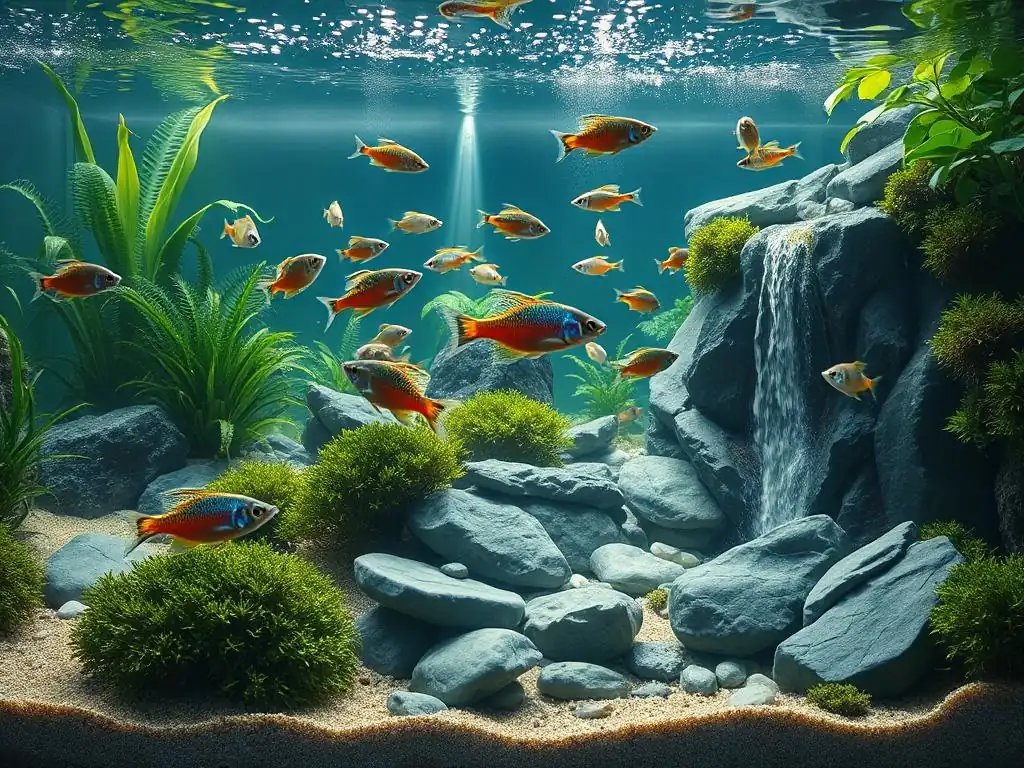
Breeding Silver Tip Tetras (Hasemania nana) offers a rewarding experience for aquarists, combining the satisfaction of propagating a species with the practical benefits of creating new, healthy fish for the hobby. These fish are known for their striking silver bodies accented by vibrant orange to red fin tips, making them a popular choice in community aquariums. Unlike some more delicate tetra species, Silver Tip Tetras are relatively hardy, which can make their breeding process more accessible to intermediate aquarists seeking a new challenge. Successfully breeding them contributes to sustainable aquarium practices by reducing the reliance on wild-caught specimens.
Furthermore, breeding Silver Tip Tetras allows aquarists to observe fascinating natural behaviors, from intricate courtship rituals to the development of tiny fry. It provides a deeper understanding of fish biology and ecology. For instance, a well-conditioned pair can produce hundreds of eggs in a single spawn, with a typical clutch yielding anywhere from 100 to 300 eggs, depending on the female's size and age. This prolificacy means that with proper care, a single breeding attempt can significantly populate a tank or even provide offspring to share with other enthusiasts, fostering a sense of community among aquarists.
Understanding the Appeal of Breeding These Hardy Tetras
The appeal of breeding Silver Tip Tetras lies in their distinct characteristics and the relative ease with which they can be induced to spawn compared to some other small characins. Their robustness, combined with their active schooling behavior and iridescent appearance, makes them highly desirable. Successfully breeding these tetras demonstrates an aquarist's mastery over water chemistry, nutrition, and environmental control, as subtle adjustments are often key to triggering spawning.
Moreover, the process of Silver Tip Tetra reproduction is a captivating natural spectacle. The males, particularly during breeding season, display intensified coloration in their fins, using them to attract females in a dance-like courtship. Their adaptability to a range of water parameters, though they prefer slightly acidic to neutral soft water for breeding, contributes to their reputation as a hardy species. This hardiness translates into higher survival rates for both parents and fry under appropriate conditions, offering a less daunting entry point into the world of fish breeding for those looking to expand their aquarist skills.
Setting Up a Breeding Tank for Silver Tip Tetras
Tank Size and Essentials for Silver Tip Tetra Spawning
For successful Silver Tip Tetra breeding, a dedicated breeding tank is essential. A 10 to 20-gallon (approximately 38 to 76 liters) aquarium is typically sufficient for a single breeding pair or a small group of one female and two males. The tank should be clean and bare-bottomed to facilitate easy cleaning and prevent eggs from being lost in substrate. Essential equipment includes a gentle air-driven sponge filter to provide oxygenation and biological filtration without creating strong currents that could harm delicate eggs or fry.
To encourage spawning and provide a safe place for eggs, the tank should be furnished with spawning mops (made from nylon yarn), fine-leaved plants like Java Moss (Taxiphyllum barbieri) or Anacharis (Egeria densa), or a spawning grid. A spawning grid, typically a mesh placed a few inches above the bottom, allows eggs to fall through, protecting them from the parents who are known egg-eaters. A heater is necessary to maintain a stable temperature, and a thermometer is crucial for accurate monitoring. Dim lighting is also preferred, as Silver Tip Tetra eggs and fry are sensitive to bright light.
Water Parameters for Successful Tetra Breeding
Maintaining precise water parameters is paramount for successful Silver Tip Tetra breeding. The ideal temperature range for spawning is between 78-82°F (25.5-27.8°C), slightly warmer than their typical community tank temperature, which encourages metabolic activity and readiness to breed. The pH should be slightly acidic to neutral, ideally within a range of 6.5-7.5. While Silver Tip Tetras can tolerate a broader pH range in a community tank, this specific range mimics their natural breeding habitats and optimizes egg viability.
Water hardness is another critical factor; Silver Tip Tetras prefer soft to moderately hard water for breeding, typically 5-12 dGH (degrees of General Hardness). Hard water can reduce fertilization rates and lead to lower hatch rates. Many breeders achieve these parameters by using a mix of reverse osmosis (RO) water and dechlorinated tap water, or by filtering water through peat moss. Regular testing with reliable kits is indispensable to ensure parameters remain stable throughout the conditioning and spawning process, as fluctuations can stress the fish and inhibit breeding.
Creating a Dark and Acidic Environment for Spawning
To maximize spawning success, creating an environment that mimics the Silver Tip Tetra's natural breeding grounds is highly beneficial. This involves dimming the lighting significantly or even keeping the tank in partial darkness, especially during the initial introduction of the breeding pair and after spawning. Bright light can stress the fish and is detrimental to the light-sensitive eggs and newly hatched fry. Covering the tank sides with dark paper or using a low-wattage light on a timer can help achieve this.
Additionally, a slightly acidic water environment, as mentioned, is crucial. This can be achieved by adding blackwater extract or filtering the water through peat moss in a media bag within the filter. Peat not only lowers the pH but also releases humic substances that simulate the natural conditions of their native South American rivers, which are often rich in decaying organic matter. These humic acids are believed to have mild anti-fungal properties, which can help protect the delicate Silver Tip Tetra eggs from fungal infections, thereby improving hatch rates.
Identifying Male and Female Silver Tip Tetras for Breeding
Subtle Differences Between Male and Female Silver Tip Tetras
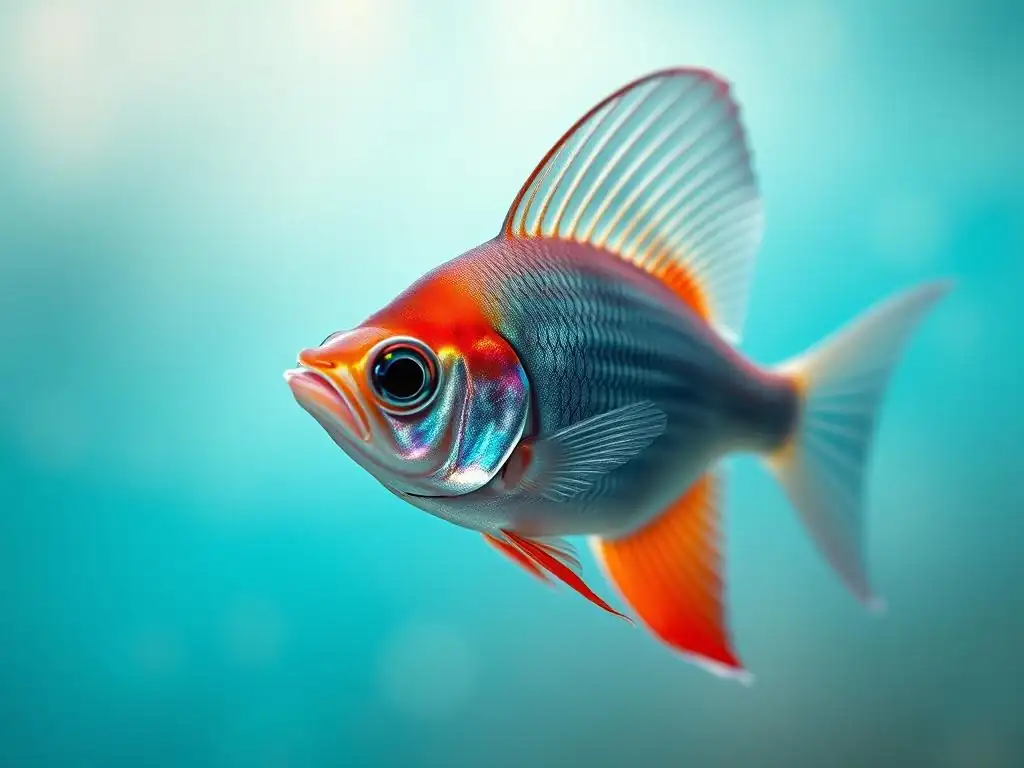
Distinguishing between male and female Silver Tip Tetras can be subtle, but there are observable differences, especially when they are mature and conditioned for breeding. Males are generally more slender and torpedo-shaped compared to females. During the breeding season, males often display more vibrant coloration, particularly in their characteristic orange-red fin tips, which become intensely colored. They may also exhibit more active chasing behavior and fin-flaring as they attempt to attract females.
Females, on the other hand, tend to have a fuller, rounder body shape, especially when they are gravid (carrying eggs). Their abdomen will appear noticeably distended. While their fin coloration is present, it is typically less intense than that of a male. Observing a group of well-fed, mature Silver Tip Tetras from above can often make the difference in body shape more apparent, with the females appearing broader. It's recommended to select a group of 6-8 young adults and allow them to mature together, as this increases the likelihood of having both sexes and observing their natural pairing behaviors.
Selecting Healthy Breeding Stock for Silver Tip Tetras
The success of your Silver Tip Tetra breeding project heavily relies on the health and vigor of your chosen breeding stock. Select fish that are active, alert, and exhibit no signs of disease or stress. Look for clear eyes, intact fins without any fraying or clamping, and a healthy, vibrant coloration. Avoid fish that appear lethargic, have faded colors, or show any visible lesions, spots, or growths. The ideal age for breeding Silver Tip Tetras is typically between 6 to 12 months, as they are mature enough to spawn regularly but are not yet past their prime reproductive years.
It is advisable to source your breeding stock from a reputable breeder or a well-maintained aquarium store that practices good husbandry. This minimizes the risk of introducing diseases into your breeding tank and ensures the fish have a strong genetic background. Before introducing them to the dedicated breeding tank, it is beneficial to quarantine newly acquired fish for a period of two to four weeks in a separate tank. This allows you to monitor their health and ensure they are acclimatized and free of any pathogens, thereby safeguarding your main aquarium and future fry.
Conditioning Silver Tip Tetras for Breeding
Diet and Feeding Strategies to Encourage Spawning
Proper conditioning through diet is one of the most critical steps in encouraging Silver Tip Tetra breeding. A high-protein, varied diet stimulates egg development in females and enhances sperm production in males. Live foods are particularly effective in triggering spawning readiness. This includes newly hatched brine shrimp (Artemia salina), daphnia, bloodworms, and microworms. These foods provide essential nutrients and mimic the natural diet of wild tetras, which often includes small invertebrates.
Supplement this live food regimen with high-quality frozen foods like cyclops, mysis shrimp, or finely chopped bloodworms. High-quality flake or pellet foods specifically formulated for tropical fish can also be offered, but should not be the sole diet during conditioning. Feed your Silver Tip Tetras small portions multiple times a day, perhaps 3-4 times, to ensure they receive consistent nutrition without overfeeding, which can foul the water. This intensive feeding should be maintained for at least 1-2 weeks prior to introducing them to the breeding tank.
Maintaining Pristine Water Quality for Breeding Condition
Beyond diet, pristine water quality is indispensable for conditioning Silver Tip Tetras for breeding. Clean, stable water parameters reduce stress, prevent disease, and encourage the fish to enter reproductive cycles. During the conditioning phase in their main tank (or a dedicated conditioning tank), perform regular small water changes, typically 20-30% every few days. Use aged, dechlorinated water that matches the target parameters for the breeding tank as closely as possible in terms of pH and hardness.
The regular water changes help to remove nitrates and other waste products that can accumulate and inhibit spawning. It also provides fresh minerals and trace elements beneficial for overall fish health and egg development. Siphon any uneaten food promptly to prevent decomposition, which can quickly degrade water quality. Consistent monitoring of ammonia, nitrite, and nitrate levels, along with pH and temperature, is crucial. Maintaining a stable and clean environment signals to the Silver Tip Tetras that conditions are favorable for reproduction, significantly increasing the likelihood of a successful spawn.
The Silver Tip Tetra Breeding Process: A Step-by-Step Guide
Introducing the Breeding Pair to the Spawning Tank
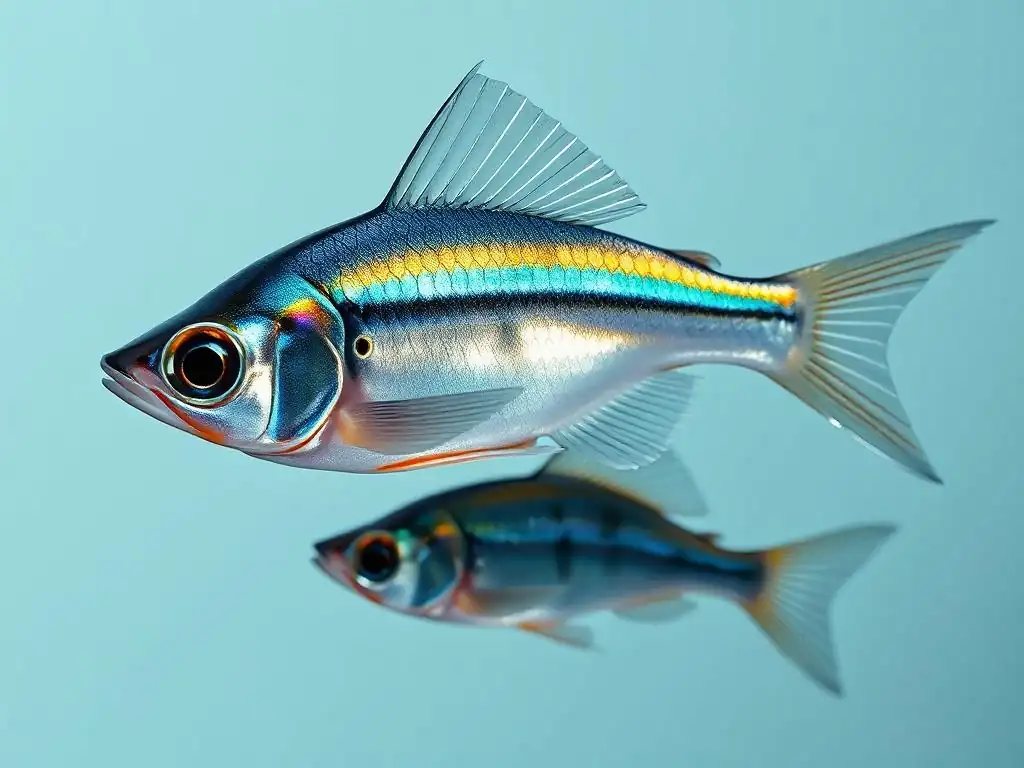
Once the breeding tank is set up with ideal water parameters and furnishings, and the Silver Tip Tetras are well-conditioned, it's time to introduce the breeding pair or group. A common approach is to introduce one well-conditioned female and two males, as this often stimulates competition among males and increases the chances of successful fertilization. Alternatively, a single pair can be used. Introduce them into the spawning tank in the evening, ideally just before lights out. This allows them to acclimate to the new environment in a low-stress setting.
Dimming the lights or keeping the tank in near darkness after introduction can further reduce stress and encourage the fish to settle in. Some breeders also find that a slight drop in temperature overnight, followed by a gradual rise to the target breeding temperature of 78-82°F (25.5-27.8°C) in the morning, can act as a trigger for spawning. Observe the fish for signs of comfort and exploration of their new surroundings. Avoid any sudden movements or loud noises around the tank that could startle them.
Observing Spawning Behavior in Silver Tip Tetras
Spawning in Silver Tip Tetras typically occurs in the early morning, often at dawn, shortly after the lights come on or as natural light begins to filter into the room. The male will become more active, chasing the female vigorously around the tank, often nudging her towards the spawning mop or fine-leaved plants. The female will appear fuller and may release a few eggs as she is pursued. During the actual spawning act, the pair will position themselves side-by-side, often in the dense vegetation or within the spawning mop.
The female will release small clutches of clear, adhesive eggs, which the male will immediately fertilize. These eggs will stick to the plants, mop, or fall through a spawning grid to the bottom. A single spawning session can last for several hours, with the female releasing eggs intermittently.
A healthy female Silver Tip Tetra can lay anywhere from 100 to 300 eggs in one spawn. It's crucial to observe discreetly to avoid disturbing the process. Once spawning appears to have ceased, usually indicated by the female appearing much thinner and the pair no longer engaging in the chase, it's time for the next critical step.
Removing the Parents After Spawning
Silver Tip Tetras, like many other tetra species, are avid egg-eaters. As soon as spawning is complete, or even if you suspect it has occurred based on the female's appearance and the presence of eggs, the adult fish must be removed from the breeding tank immediately. Leaving the parents in the tank, even for a short period, will result in most, if not all, of the eggs being consumed. Gently net the parents and return them to their main community tank or a separate recovery tank.
After removing the parents, it is advisable to keep the breeding tank as dark as possible. Silver Tip Tetra eggs are sensitive to light, and prolonged exposure can damage them or prevent successful hatching. Some breeders also add a very small amount of methylene blue to the water at this stage, or use Indian almond leaves, to help prevent fungal growth on unfertilized eggs.
The eggs are quite small, typically about 1 mm in diameter, and will be clear. White or opaque eggs are usually unfertilized or fungused and should be carefully siphoned out to prevent the spread of fungus to healthy eggs. The eggs usually hatch within 24-36 hours at the ideal temperature of 80°F (26.7°C).
Raising Silver Tip Tetra Fry: From Hatching to Juvenile
Caring for Light-Sensitive Silver Tip Tetra Fry
Newly hatched Silver Tip Tetra fry are incredibly small, almost microscopic, and are highly sensitive to light. For the first few days after hatching, it is crucial to keep the breeding tank as dim as possible, or even completely dark. Bright light can disorient the fry, cause stress, and potentially lead to mortality.
You can achieve this by covering the tank with a towel or dark paper. The fry will initially absorb nutrients from their yolk sac, which sustains them for the first 2-3 days. During this period, they will often remain motionless, clinging to the tank sides or plants.
Once the yolk sac is absorbed, typically around day 3-4, the fry will become free-swimming and begin their search for food. This is the critical moment for their first feeding. Maintaining stable water parameters is paramount; sudden changes in temperature, pH, or hardness can be fatal to the delicate fry. Continue using a gentle air-driven sponge filter to ensure adequate oxygenation without creating strong currents that could sweep the tiny fry around.
Feeding Silver Tip Tetra Fry: Infusoria and Liquid Fry Food
The initial feeding of Silver Tip Tetra fry is the most challenging aspect of their rearing due to their minuscule size. Their mouths are too small to consume newly hatched brine shrimp immediately. For the first 5-7 days after they become free-swimming, the primary food source should be infusoria. Infusoria are microscopic organisms that can be cultured at home using decaying vegetable matter (like lettuce leaves) or specialized commercial cultures. Drip-feeding infusoria into the fry tank several times a day ensures a constant food supply.
As the fry grow, typically after about a week, they can graduate to slightly larger foods. Liquid fry food, available commercially, is an excellent intermediate step. After another 3-5 days, when the fry are noticeably larger, they can begin to consume newly hatched brine shrimp (Artemia nauplii) or microworms. These foods are highly nutritious and will promote rapid growth. Continue feeding small amounts frequently, about 4-6 times a day, to ensure all fry get enough to eat and to prevent water fouling. Overfeeding can quickly lead to water quality issues, which are detrimental to fry health.
Maintaining Water Quality in the Fry Tank
Maintaining pristine water quality in the fry tank is absolutely essential for the survival and healthy development of Silver Tip Tetra fry. Due to frequent feedings of live and liquid foods, organic waste can accumulate rapidly, leading to dangerous spikes in ammonia and nitrite. To combat this, perform small daily water changes, typically 10-15% of the tank volume. Use aged, dechlorinated water that matches the temperature and parameters of the fry tank precisely.
When performing water changes, use an air line tubing or a small siphon with a sponge over the intake to prevent accidentally siphoning up tiny fry. Gently vacuum any uneaten food or debris from the bottom of the tank. The gentle sponge filter should continue to provide adequate filtration without strong currents. Regularly monitor water parameters, especially ammonia and nitrite, as these are highly toxic to fry. A stable, clean environment is the single most important factor in successfully raising Silver Tip Tetra fry to juvenile size.
Common Challenges in Silver Tip Tetra Breeding and Solutions
Addressing Fungus and Low Hatch Rates
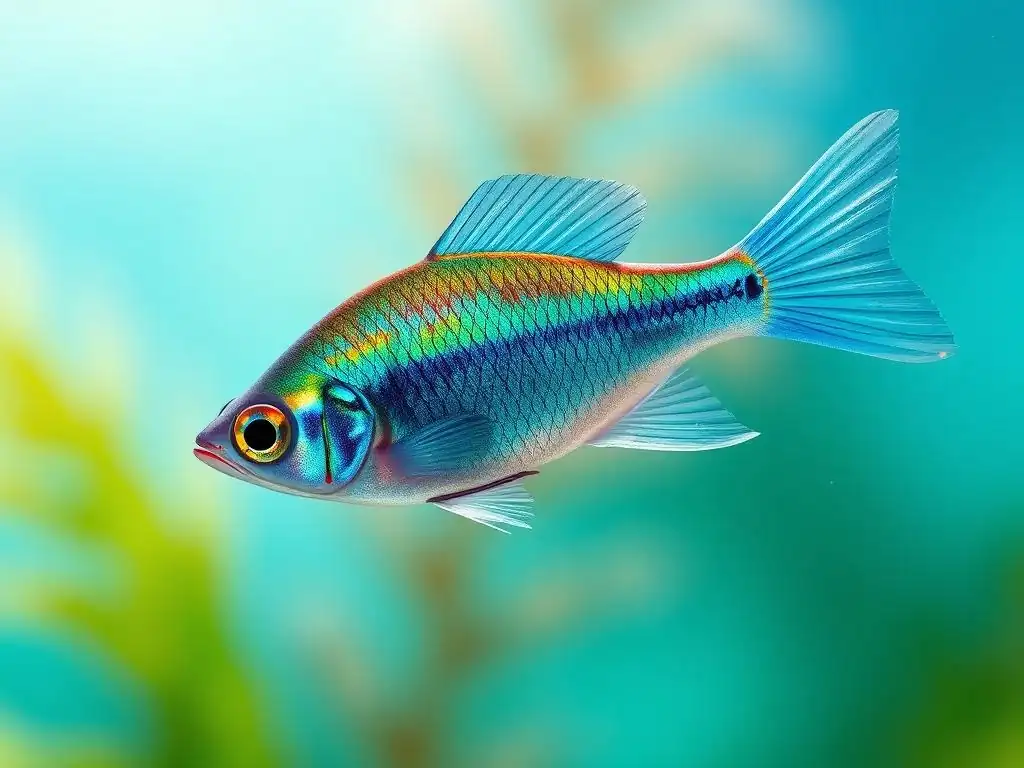
One of the most common challenges in Silver Tip Tetra breeding is dealing with fungused eggs and low hatch rates. Fungus typically attacks unfertilized eggs, which appear opaque or white, and can then spread to healthy, fertilized eggs. To mitigate this, ensure optimal water parameters (especially softness and acidity) during spawning, as these conditions favor fertilization. Immediately remove any unfertilized or fungused eggs using a fine pipette or airline tubing to prevent spread.
Additionally, a very small amount of methylene blue can be added to the breeding tank water after the parents are removed; this acts as an anti-fungal agent. Alternatively, placing a few Indian almond leaves in the tank can release tannins and humic acids that have natural anti-fungal properties and simulate their natural blackwater environment. Low hatch rates can also be attributed to poor water quality during conditioning, inadequate nutrition for parents, or genetic issues. Ensuring parents are healthy and well-conditioned before spawning significantly improves egg viability and hatch success.
Preventing and Treating Diseases in Silver Tip Tetra Fry
Silver Tip Tetra fry are incredibly delicate and susceptible to diseases, primarily due to poor water quality. Prevention is always the best approach. Maintaining absolutely pristine water conditions through small, frequent water changes and efficient waste removal is paramount. Overfeeding, which leads to rapid water degradation, is a common culprit for fry mortality. Ensure the sponge filter is clean and functioning efficiently to provide biological filtration and aeration.
If disease does manifest, treating fry can be challenging as they are highly sensitive to medications. Many common fish medications are too strong for fry and can be fatal. If a bacterial infection is suspected (e.g., rapid breathing, lethargy, clamped fins), a very diluted dose of a broad-spectrum antibiotic might be considered, but only as a last resort and with extreme caution. Often, improving water quality dramatically is the most effective "treatment" for sick fry, allowing their immune systems to recover naturally. A consistent feeding schedule with high-quality, appropriate-sized foods also strengthens their immune response.
Overcoming the Challenges of First Feeding
The first feeding stage for Silver Tip Tetra fry is often a bottleneck in the breeding process due to their extremely small size and specific dietary needs. Many aspiring breeders face high mortality rates at this stage if the correct food is not available or not delivered effectively. The primary challenge is ensuring the fry can physically consume the food particles. As mentioned, newly hatched brine shrimp are too large for the first 5-7 days of free-swimming life.
The solution lies in having a robust culture of infusoria ready before the eggs even hatch. Start your infusoria culture well in advance, typically 1-2 weeks prior to the anticipated hatch date. Continuously observe the fry; once their yolk sacs are absorbed and they are free-swimming horizontally, they need food immediately.
If you notice fry with shrunken bellies, it indicates they are not eating. At this point, adjust your feeding strategy: ensure the infusoria culture is dense enough, or consider using a high-quality commercial liquid fry food designed for egg-layer fry. As they grow, gradually transition to larger foods like microworms and then newly hatched brine shrimp, observing their feeding response at each stage.
Post-Breeding Care for Silver Tip Tetras
Returning Parents to the Main Tank
After a successful Silver Tip Tetra spawning, and once all the eggs have been laid and the parents removed, it's crucial to return the adult fish to their well-maintained main community tank. This allows them to recover from the stress and energy expenditure of breeding. Ensure the main tank's water parameters are stable and within their ideal range. Providing a peaceful environment with plenty of hiding spots will help them de-stress.
Upon reintroduction, observe the parents for any signs of injury or stress from the breeding process, such as fin nipping from other tank mates or signs of exhaustion. Feed them a high-quality, nutritious diet, including some live or frozen foods, to help them regain their strength and condition. It's important to allow the female a period of rest, typically a few weeks to a month, before attempting another spawn. Consecutive breeding attempts without adequate recovery can lead to exhaustion, reduced egg production, and potentially shorten the lifespan of the breeding female.
Monitoring the Health of Breeding Adults
Continuous monitoring of the health of your breeding Silver Tip Tetras is vital, not just immediately after spawning, but also in the weeks that follow. The breeding process, while natural, is taxing on the fish. Look for signs of stress, such as clamped fins, faded coloration, or unusual swimming patterns. Ensure they are actively feeding and interacting normally with their tank mates. A healthy appetite is a good indicator of recovery.
Pay particular attention to the female, as she expends significant energy producing and laying eggs. She may appear somewhat emaciated immediately after spawning, but should regain her plumpness and vigor with good feeding over the next few days to a week.
If any signs of illness, such as fungal infections or bacterial issues, appear, address them promptly, preferably in a separate quarantine tank to avoid medicating the main display tank. Regular water changes and a balanced diet will continue to support their health and prepare them for future breeding attempts, should you choose to continue with Silver Tip Tetra reproduction.
Conclusion: Mastering Silver Tip Tetra Reproduction
Enjoying the Rewards of Breeding Silver Tip Tetras
Mastering Silver Tip Tetra reproduction is a journey that culminates in the immense satisfaction of witnessing new life emerge and thrive under your care. From the initial courtship dances to the delicate care of microscopic fry, each stage presents its own unique set of challenges and rewards. The distinctive beauty and lively nature of Silver Tip Tetras make them a truly gratifying species to breed. Successfully raising a batch of healthy Silver Tip Tetra fry validates an aquarist's dedication and understanding of aquatic ecosystems. It offers a tangible contribution to the aquarium hobby by providing robust, captive-bred fish.
Beyond the personal accomplishment, breeding Silver Tip Tetras allows for the observation of their complete life cycle, enriching one's knowledge of fish biology and behavior. The process deepens the connection between aquarist and aquatic life, fostering a greater appreciation for the intricacies of nature. Whether your goal is to populate a new tank, share with fellow enthusiasts, or simply experience the miracle of life, the rewards of breeding Silver Tip Tetras are both profound and enduring, making the effort truly worthwhile.
Advanced Breeding Techniques and Genetic Considerations
For those who have successfully mastered the basics of Silver Tip Tetra breeding and wish to delve deeper, there are advanced techniques and genetic considerations that can further enhance the experience. Selective breeding, for instance, involves choosing individuals with desirable traits—such as more intense fin coloration, larger size, or a particularly robust constitution—to be your next breeding stock. This can lead to the development of unique strains or the improvement of existing lines over several generations. Careful record-keeping of parentage, spawn sizes, and fry survival rates is crucial for effective selective breeding.
Genetic considerations also play a role in maintaining the health and vigor of your Silver Tip Tetra population. Line breeding, a form of inbreeding with careful outcrossing, can be used to fix desirable traits within a genetic line. However, continuous inbreeding without new blood can lead to reduced genetic diversity, potentially resulting in weaker offspring, increased susceptibility to disease, and reduced fertility over time.
Therefore, introducing new, unrelated healthy breeding stock periodically is essential to maintain genetic diversity and prevent inbreeding depression. Exploring these advanced aspects allows for a more sophisticated approach to Silver Tip Tetra reproduction, moving beyond simple propagation to active genetic management and species improvement.
Frequently Asked Questions
How difficult is it to breed Silver Tip Tetras in a home aquarium?
Breeding Silver Tip Tetras can be moderately challenging. It requires specific water parameters, a separate breeding tank, and careful observation. The key is to mimic their natural breeding environment.
What are the ideal water parameters for breeding Silver Tip Tetras?
Optimal water parameters include slightly acidic to neutral pH (6.0-7.0), a temperature of around 78-82°F (25-28°C), and very soft water. Maintaining pristine water quality is crucial for successful spawning.
What type of breeding tank setup is recommended for Silver Tip Tetras?
A separate breeding tank with a spawning mop or fine-leaved plants is essential. Avoid gravel, as eggs are adhesive and can fall into it, making them difficult to retrieve and prone to fungus.
How can I tell if my Silver Tip Tetras are ready to breed?
Females will appear plumper with eggs, and males will display more intense colors and actively pursue the females. Observe for courtship behavior, such as chasing and fin nipping.
What should I do after the Silver Tip Tetras have spawned?
Remove the parent fish immediately after spawning to prevent them from eating the eggs. The eggs will hatch in approximately 24-36 hours, and the fry will be free-swimming a few days later, requiring infusoria or liquid fry food for initial feeding.
Final Reflection: Cultivating Aquatic Harmony
The journey into Silver Tip Tetra breeding reveals more than just the technical aspects of fishkeeping; it unveils a deeper understanding of aquatic ecosystems and the delicate balance required for life to flourish. In a world increasingly disconnected from nature, actively engaging in such practices serves as a vital reminder of our responsibility to protect and appreciate the biodiversity around us, even within the confines of our own homes.
This exploration into the nuances of Silver Tip Tetra breeding has profoundly influenced my perspective on the interconnectedness of life. Witnessing the entire lifecycle, from fragile eggs to vibrant, shimmering adults, underscores the fragility and resilience of nature. In every walk with nature, one receives far more than he seeks.
- John Muir. This quote resonates deeply, reminding us that the true reward lies not just in successful breeding, but in the profound connection forged with the natural world.
Now, I invite you to consider the lessons learned from this journey. How can you apply the principles of patience, observation, and dedication, honed through the art of Silver Tip Tetra breeding, to other aspects of your life? Let the vibrant energy of these hardy beauties inspire you to cultivate harmony and balance, not only in your aquarium, but also in your own personal ecosystem.
Ignite Your Silver Tip Tetra Breeding Journey!
Thank you for diving into the fascinating world of Silver Tip Tetra breeding! We hope you've gained valuable insights into successfully nurturing these captivating fish. Now, let's turn that knowledge into action!
- Start Planning Your Breeding Setup Today: Don't wait! Research the specific tank requirements and gather the necessary equipment to create an ideal breeding environment.
- Share this article with fellow aquarium enthusiasts and spark discussions about Silver Tip Tetra breeding techniques.
- Consider joining our Aquarium Mastery community forum to exchange tips and experiences with other breeders.
What unique challenge are you most excited to tackle in your Silver Tip Tetra breeding endeavor?