
Marble Bettas: The EverChanging Chameleons of the Fish World

Welcome to Aquarium Mastery!
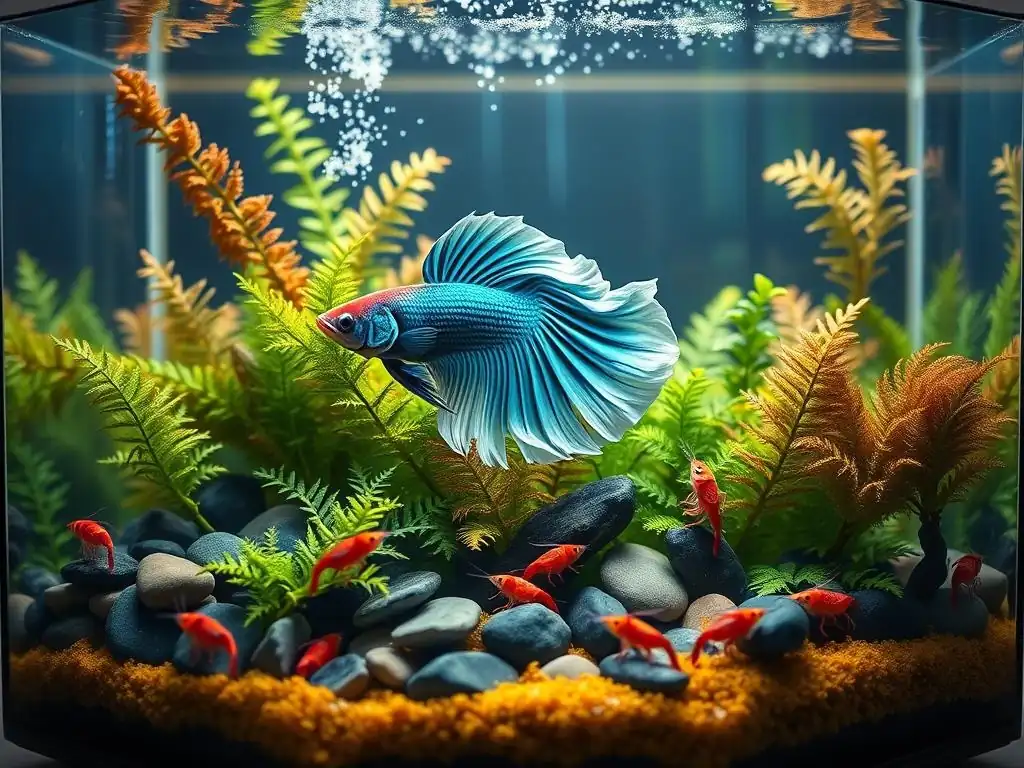
Ever been mesmerized by a living work of art? Prepare to be captivated by the Marble Betta, a fish whose patterns are as unique as your own fingerprint. Our comprehensive Marble Betta Care Guide unveils everything you need to know about these ever-changing chameleons of the fish world, from their specific needs to ensuring their vibrant health. Ready to dive in and unlock the secrets to keeping these stunning creatures thriving? Your journey to Marble Betta mastery begins now!
- Understanding the Allure of Marble Bettas: A Comprehensive Guide
- What is a Marble Betta? Defining the Unique Genetic Trait
- Marble Betta Care Guide: Creating the Ideal Habitat
- Marble Betta Temperament and Tank Mates: Compatibility Considerations
- Marble Betta Health: Common Illnesses and Prevention
- Breeding Marble Bettas: A Step-by-Step Guide
- Marble Betta Color Changes: Understanding the "Jumping Gene" Phenomenon
- Finding and Selecting a Healthy Marble Betta
- The Future of Marble Bettas: Conservation and Responsible Breeding
- Frequently Asked Questions
- Final Reflection: Embracing the Unpredictable Beauty
- Unveil Your Own Betta Beauty!
Understanding the Allure of Marble Bettas: A Comprehensive Guide
Marble Bettas stand out as one of the most captivating varieties of Betta splendens, widely known as the Siamese Fighting Fish. Their unique appeal stems from an extraordinary genetic trait that causes their coloration and patterns to shift and evolve throughout their lives. Unlike other Betta types that maintain a relatively stable appearance, Marble Bettas can undergo dramatic transformations, sometimes appearing almost entirely different from the day they were acquired. This unpredictable nature makes each Marble Betta a truly individual masterpiece, constantly redefining its own beauty.
For aquarists, the journey of owning a Marble Betta is one of continuous discovery and fascination. This guide aims to provide a thorough Marble betta care guide, covering everything from understanding their unique genetics to creating the perfect habitat, ensuring their health, and appreciating their artistic evolution. By delving into the specifics of their care, enthusiasts can ensure these living works of art thrive, displaying their full potential and the mesmerizing shifts that earn them the moniker "chameleons of the fish world."
What is a Marble Betta? Defining the Unique Genetic Trait
A Marble Betta is not defined by a specific color, but rather by a distinctive pattern characterized by irregular splotches and patches of varying colors. This pattern is far from static; it is known for its tendency to change, fade, or intensify over time, often resulting in complete color overhauls. This dynamic characteristic is what sets Marble Bettas apart from other fixed-pattern Betta varieties and makes them a constant source of wonder for their keepers.
The genetic mechanism behind the Marble pattern is a fascinating anomaly in the world of ornamental fish. It involves a "jumping gene," or transposable element, that influences the distribution of pigment cells. This genetic quirk results in the spontaneous and often unpredictable rearrangement of colors, creating a living canvas that continuously evolves. Understanding this genetic trait is key to appreciating the true uniqueness of every Marble Betta.
The "Marbling Gene": Unraveling the Mystery Behind the Color Changes
The captivating color changes observed in Marble Bettas are primarily attributed to a specific genetic phenomenon involving a transposable element, often referred to as a "jumping gene." This gene, a segment of DNA capable of moving to different positions within the genome, directly influences the expression of pigment cells (chromatophores) in the fish's skin and fins.
When this element "jumps," it can activate or deactivate nearby genes responsible for color production, leading to the dramatic and often unpredictable shifts in a Marble Betta's appearance. This mechanism differs significantly from typical Mendelian inheritance patterns, where traits are passed down in a more predictable fashion.
The unpredictability of the marbling gene is a significant part of its allure. While the presence of the gene ensures a Betta will exhibit marbling, the extent, speed, and direction of the color changes are largely random. A fish purchased as a vibrant blue and black marble could, over several months, transform into a mostly white or red specimen, or develop entirely new patterns. This genetic lottery means that no two Marble Bettas will ever follow the exact same color transformation journey, making each individual a unique and evolving piece of living art within the aquarium.
Marble Betta Varieties: Exploring Different Colorations and Patterns
The term "Marble Betta" refers specifically to the pattern, not a base color, meaning a Marble Betta can exhibit virtually any color or combination of colors found in the species. This genetic trait allows for an astonishing array of appearances, from stark black and white contrasts to vibrant multi-color mosaics. The marbling pattern itself is characterized by irregular, splotchy patches that can cover the body, fins, or both, giving each fish a distinct, almost painted look.
These patterns are not fixed and can shift dramatically, making the identification of a specific "variety" somewhat fluid. For instance, a Betta initially displaying a few scattered black patches on a red body might eventually have those patches expand to cover most of its body, or new colors like blue or white might emerge. This constant evolution is a hallmark of the Marble Betta, emphasizing the dynamic nature of their genetic expression and offering endless visual interest to the aquarist.
Common Marble Betta Colors: From Classic to Rare
Marble Bettas can be found in an extensive palette of colors, often combining two or more hues in their characteristic splotchy patterns. Some of the most frequently encountered combinations include:
- Black Marble: Dominant black patches on a lighter base, often white, red, or blue.
- Blue Marble: Irregular blue patches against another color, like white, black, or red.
- Red Marble: Prominent red splotches contrasting with black, white, or blue.
- White Marble: Significant white areas, often with patches of black, red, or blue.
- Koi Marble: A highly sought-after type resembling the patterns of Koi carp, typically featuring a blend of red, black, and white/cream. This is a specific expression of the marble gene.
- Mustard Gas Marble: A combination of blue/green body with yellow/orange fins, displaying marble patterning.
Rarer variations might include metallic marbles with iridescent scales, or those exhibiting unique combinations like chocolate or lavender hues alongside their marble patterns.
Differences Between Marble Bettas and Other Betta Patterns
Understanding the distinction between Marble Bettas and other common Betta patterns is key to appreciating their unique genetic trait:
- Marble vs. Solid: A solid Betta exhibits a single, uniform color across its entire body and fins (e.g., a solid red or solid blue Betta). A Marble Betta, by contrast, has irregular, distinct patches of two or more colors. The solid color will not change significantly, whereas the marble pattern is inherently unstable.
- Marble vs. Butterfly: Butterfly Bettas are characterized by a distinct band of color on the outer edge of their fins, cleanly separated from the base color of the fin. Marble patterns are irregular splotches that can extend across the entire fin or body, without the clean, defined band of a butterfly pattern.
- Marble vs. Dalmatian: Dalmatian Bettas have small, evenly distributed spots, typically black spots on a lighter body. Marble Bettas display larger, irregular, and often asymmetrical patches or splotches, not uniform spots.
- Marble vs. Grizzle: Grizzle Bettas have a muted, hazy, often speckled appearance where colors blend rather than forming distinct, sharp patches. The overall effect is often less vibrant and more "dusty" compared to the crisp, defined patches seen in many Marble Bettas.
Marble Betta Care Guide: Creating the Ideal Habitat
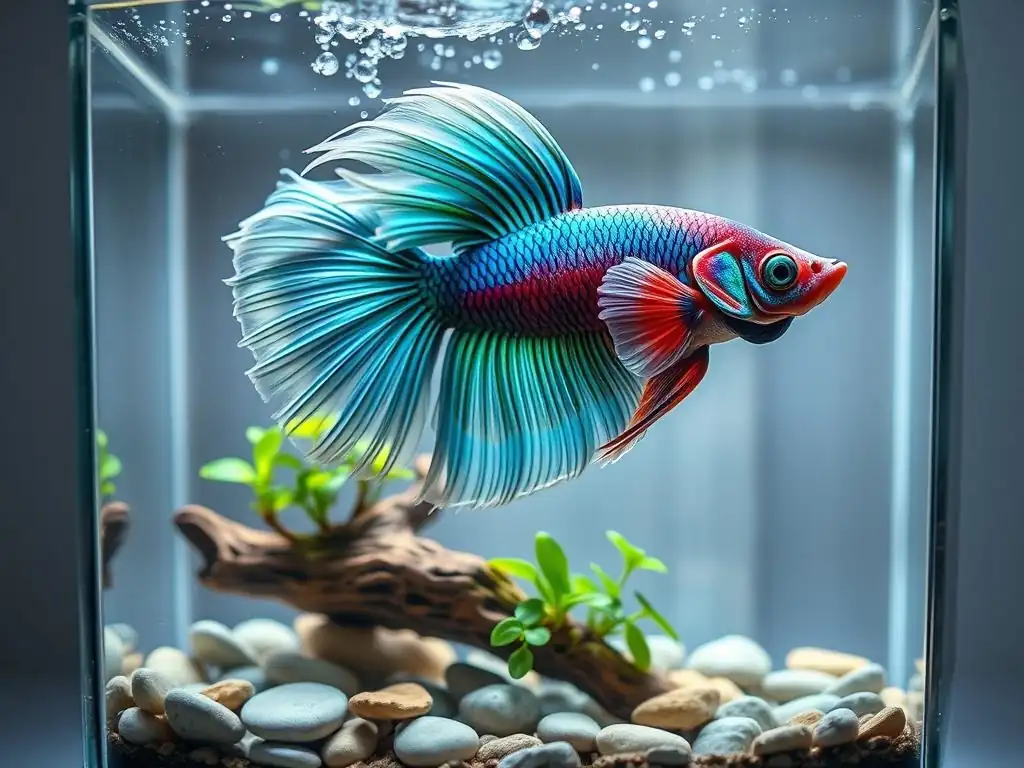
Providing an optimal habitat is the cornerstone of any effective Marble betta care guide. These fish, while relatively hardy, thrive in specific conditions that mimic their natural environment, promoting vibrant colors and overall well-being. A properly set up tank with stable water parameters and a suitable diet will ensure your Marble Betta lives a long and healthy life, allowing its unique colors to fully develop.
Neglecting any aspect of their environment can lead to stress, faded colors, and increased susceptibility to disease. Therefore, understanding the nuances of tank setup, water quality, and nutritional requirements is paramount for any aquarist looking to successfully keep these magnificent fish. This section details the essential elements for creating an ideal home for your Marble Betta.
Setting Up Your Marble Betta Tank: Size, Substrate, and Decorations
The foundation of a healthy environment for your Marble Betta begins with tank size. While some smaller tanks are marketed for Bettas, a minimum of 5 gallons (approximately 19 liters) is recommended for a single Betta to ensure adequate swimming space and, more importantly, stable water parameters. A 10-gallon (approximately 38 liters) tank or larger is even better, offering greater stability, more room for decor, and a wider margin for error in water quality maintenance, making it an ideal choice for a comprehensive Marble betta care guide.
Once the tank size is determined, consider the substrate and decorations. A smooth gravel or sand substrate is preferable to protect your Betta's delicate fins from tears or abrasions. Decorations should include plenty of hiding spots such as caves, driftwood, or artificial Betta logs, which provide security and reduce stress.
Live or silk plants with broad leaves are highly recommended, as Bettas enjoy resting on them near the surface. Avoid any decorations with sharp edges or rough textures that could snag fins. A gentle filter, such as a sponge filter or a baffled hang-on-back filter, is essential for water clarity and biological filtration without creating strong currents that stress the Betta.
Water Parameters for Marble Bettas: Maintaining a Healthy Environment
Maintaining consistent and appropriate water parameters is arguably the most critical aspect of a Marble betta care guide. Fluctuations in water quality are a primary cause of stress and illness in Bettas. Regular water changes are indispensable: a 25% weekly water change for a 5-gallon tank, or 10-15% weekly for a 10-gallon tank or larger, helps remove accumulated nitrates and replenish essential minerals. Always use a de-chlorinator when adding tap water to neutralize harmful chlorine and chloramines.
Beyond regular maintenance, establishing a fully cycled aquarium before introducing your Marble Betta is vital. This means beneficial bacteria are present in your filter media and substrate, capable of converting toxic ammonia and nitrite into less harmful nitrate. Testing your water regularly with a reliable liquid test kit (not paper strips) for ammonia, nitrite, and nitrate levels will provide insight into your tank's health and alert you to any potential issues before they become critical.
Temperature, pH, and Hardness: Key Water Quality Considerations
Specific water parameters are crucial for the health and vibrancy of Marble Bettas:
- Temperature: Marble Bettas, like all Betta splendens, are tropical fish and require warm water. The ideal temperature range is 76-82°F (24-28°C). A reliable, submersible aquarium heater is essential to maintain this stable temperature. Sudden drops or spikes in temperature can severely stress the fish and compromise its immune system, making it susceptible to disease.
- pH: Betta fish prefer slightly acidic to neutral water, with an optimal pH range of 6.5-7.5. While stability is more important than hitting an exact number, extreme pH values (below 6.0 or above 8.0) should be avoided. Gradual adjustments, if necessary, are key, as rapid pH shifts are highly detrimental.
- Hardness (GH/KH): Soft to moderately hard water is preferred for Marble Bettas. General Hardness (GH) should be between 3-12 dGH (approximately 50-200 ppm), and Carbonate Hardness (KH) between 3-8 dKH (approximately 50-140 ppm). KH is particularly important as it acts as a buffer, helping to stabilize the pH and prevent dangerous swings.
Feeding Your Marble Betta: Diet and Nutritional Needs
A balanced and varied diet is essential for the optimal health, vibrant coloration, and overall longevity of your Marble Betta. As carnivores, primarily insectivores in their natural habitat, their diet should be rich in animal protein. Relying solely on a single type of food can lead to nutritional deficiencies, impacting their immune system and dulling their magnificent colors.
It's important to understand that a Marble Betta's stomach is quite small, roughly the size of its eye. Therefore, feeding small, frequent meals is more beneficial than large, infrequent ones. A high-quality staple food supplemented with a variety of treats will ensure all their nutritional needs are met, contributing significantly to a successful Marble betta care guide.
Recommended Foods for Optimal Health and Coloration
To ensure your Marble Betta receives a comprehensive diet, incorporate a variety of foods:
- Staple Diet: High-quality Betta pellets or flakes should form the bulk of their diet. Look for brands specifically formulated for Bettas with a high protein content (above 40%). Examples include Hikari Betta Bio-Gold, Omega One Betta Buffet, or New Life Spectrum Betta Formula. These often contain color enhancers like astaxanthin to boost their natural vibrancy.
- Frozen Foods (1-2 times per week): These are excellent for providing essential nutrients and enrichment. Thawed frozen bloodworms, brine shrimp, and mysis shrimp are highly palatable and nutritious. Ensure they are fully thawed before feeding to prevent digestive issues.
- Live Foods (Occasionally): Live foods such as bloodworms, daphnia, and mosquito larvae offer the highest nutritional value and stimulate natural hunting behaviors. However, source them from reliable suppliers to avoid introducing parasites or diseases into your tank.
- Freeze-Dried Foods (Sparingly): Freeze-dried bloodworms or tubifex worms can be offered as treats, but should be pre-soaked to prevent bloating, as they expand in the fish's stomach. They are less nutritious than their live or frozen counterparts.
Avoiding Overfeeding: Maintaining a Healthy Weight
One of the most common mistakes in Betta care is overfeeding, which can lead to severe health problems and poor water quality. An overfed Marble Betta can suffer from swim bladder disease, constipation, or fatty liver disease. Additionally, uneaten food decomposes quickly, releasing ammonia and nitrite into the water, which are highly toxic to fish.
To prevent overfeeding, feed only small amounts that your Betta can consume within 2 minutes. For most adult Bettas, this usually equates to 2-4 pellets or a few pieces of frozen/live food per feeding, 2-3 times a day. Observing your fish's body condition is key: a slightly rounded belly after feeding is normal, but a constantly bloated appearance indicates you are feeding too much. Consider fasting your Betta one day a week to aid digestion and prevent bloat, a useful tip in any Marble betta care guide.
Marble Betta Temperament and Tank Mates: Compatibility Considerations
Understanding the inherent temperament of Betta fish is crucial for their well-being and the harmony of any shared aquarium. While their beauty is undeniable, their aggressive nature, particularly among males, has earned them the moniker "Siamese Fighting Fish." This aggression dictates how they should be housed and managed, especially when considering the possibility of tank mates.
For Marble Bettas, their striking appearance often leads new aquarists to consider them for community tanks. However, this decision requires careful consideration and a thorough understanding of their territorial instincts. A successful Marble betta care guide must emphasize that while some limited cohabitation is possible, it is not without risks and depends heavily on individual fish personality and tank setup.
Understanding the Aggressive Nature of Bettas
Betta splendens are famously known for their territorial and aggressive behavior, especially male Bettas towards other males. This strong instinct is why male Bettas are typically housed individually; placing two males together, even in a large tank, almost invariably results in violent fights that can lead to severe injury or death for one or both fish. This aggression is deeply ingrained and is not influenced by the Marble pattern itself.
Even female Bettas can exhibit aggression, particularly if kept in inadequate groups or cramped spaces. While "sorority tanks" of female Bettas are possible, they require a minimum of 5-7 females, a tank size of at least 20 gallons, and careful observation to manage the inevitable pecking order and occasional disputes. The core of any Marble betta care guide should always stress that the primary housing recommendation for a single Betta is a dedicated, solitary tank.
Suitable Tank Mates for Marble Bettas (If Any)
While the default housing for a Marble Betta is a solitary tank, some aquarists successfully house them with certain tank mates. This approach, however, requires careful planning, a larger tank (minimum 10-15 gallons for the Betta plus tank mates, preferably 20 gallons or more), and a high degree of vigilance. The success of cohabitation depends largely on the individual Betta's personality; some are more tolerant than others, while some will simply not accept any tank mates.
When considering tank mates, the goal is to choose species that are peaceful, do not have long, flowing fins that could be mistaken for another Betta, are not fin-nippers, and do not occupy the same water column frequently. This minimizes competition and stress, creating a more harmonious environment.
The Importance of Careful Selection to Avoid Conflict
To minimize conflict and ensure the well-being of all tank inhabitants, careful selection of tank mates is paramount:
- Avoid:
- Other male Bettas: Absolute prohibition.
- Female Bettas: Only in a well-researched and managed sorority tank, never a single female with a male outside of breeding.
- Fish with long, flowing fins: Guppies, Angelfish, Fancy Goldfish. These can be perceived as rivals or targets for aggression.
- Nippy fish: Tiger Barbs, Serpae Tetras. These can harass and injure your Betta's delicate fins.
- Very brightly colored fish: Can trigger territorial aggression.
- Large or overly active fish: Can intimidate or stress the Betta.
- Consider (with extreme caution and observation):
- Bottom Dwellers: Corydoras Catfish (e.g., Pygmy Corys, Panda Corys). These are peaceful, stay primarily at the bottom, and are generally ignored by Bettas. They need to be kept in groups of 6 or more.
- Small, Peaceful Schooling Fish: Neon Tetras, Ember Tetras, Harlequin Rasboras. These are fast enough to evade a curious Betta and should be kept in schools of 6+ to dilute potential aggression and reduce stress for the school.
- Snails: Nerite Snails, Mystery Snails. These are excellent algae eaters and are typically ignored by Bettas, though some Bettas might occasionally nip at their antennae.
- Dwarf Shrimp: Amano Shrimp, Cherry Shrimp. While some Bettas will view these as snacks, others coexist peacefully. Success depends entirely on the individual Betta's temperament and the tank's hiding spots for the shrimp.
Always introduce tank mates to a fully established tank, and have a backup plan (e.g., a separate tank) in case aggression arises.
Marble Betta Health: Common Illnesses and Prevention
Maintaining the health of your Marble Betta is a cornerstone of responsible aquarium keeping. Like all fish, they are susceptible to various illnesses, many of which can be prevented through diligent care and pristine water quality. Recognizing the early signs of disease is crucial for effective treatment and increasing the chances of recovery. A comprehensive Marble betta care guide places significant emphasis on proactive prevention and prompt intervention.
Understanding common Betta ailments, their symptoms, and appropriate treatments empowers aquarists to act swiftly when issues arise. However, the ultimate goal is to create an environment so conducive to health that illnesses rarely occur. This involves consistent monitoring, proper nutrition, and meticulous tank maintenance, all contributing to a robust immune system for your vibrant Marble Betta.
Recognizing Early Signs of Illness in Marble Bettas
Early detection is paramount for successfully treating illnesses in Marble Bettas. Regular observation of your fish's behavior, appetite, and physical appearance is essential. A healthy Marble Betta is typically active, curious, and responsive to its environment, displaying vibrant colors. Any deviation from its normal routine or appearance should be a red flag.
Specific signs to look out for include: lethargy or unusual inactivity (e.g., resting at the bottom or top for extended periods), clamped fins (held close to the body), rapid or labored breathing, loss of appetite or refusal to eat, rubbing or "flashing" against tank surfaces, faded or dull colors (unless it's a natural marble color change), white spots, fuzzy growths, open sores, or swelling. Any combination of these symptoms warrants immediate investigation and, if necessary, isolation in a hospital tank to prevent spread and facilitate focused treatment.
Common Betta Diseases and Treatments
While prevention is key, understanding common Betta diseases and their basic treatments is a vital part of any Marble betta care guide. Many illnesses are stress-related or exacerbated by poor water quality, highlighting the importance of maintaining optimal tank conditions. Always confirm your diagnosis before beginning treatment, and remove activated carbon from your filter during medication to prevent it from absorbing the medicine.
A separate hospital tank (a 2.5-5 gallon tank with a heater and small sponge filter) is highly recommended for treating sick fish, as it allows for precise dosing and prevents medication from affecting other tank inhabitants or beneficial bacteria in the main tank.
Fin Rot, Ich, and Velvet: Identification and Management
- Fin Rot:
- Identification: Fins appear ragged, torn, or have decaying edges, often turning black or red at the affected areas. In severe cases, fins can completely dissolve. It is primarily caused by bacterial infection, usually triggered by poor water quality, stress, or injury.
- Management: The first and most crucial step is to improve water quality immediately. Perform daily 25-50% water changes. For mild cases, aquarium salt (1-2 teaspoons per gallon) can be effective. For more advanced cases, broad-spectrum antibiotics like Maracyn 2 (Erythromycin) or Kanaplex (Kanamycin) may be necessary, following product instructions carefully.
- Ich (White Spot Disease):
- Identification: Characterized by small, distinct white spots resembling salt grains scattered across the fish's body and fins. Infected fish may rub against tank decorations ("flash") due to irritation, and show clamped fins or lethargy. It is caused by the Ichthyophthirius multifiliis parasite.
- Management: Gradually raise the water temperature to 82-84°F (28-29°C) over 24 hours, as higher temperatures accelerate the parasite's life cycle. Add aquarium salt (1 tablespoon per 5 gallons) or use Ich-specific medications such as Seachem ParaGuard or API Super Ick Cure. Continue treatment for at least 7-10 days, even if spots disappear, to kill all life stages of the parasite.
- Velvet (Oodinium):
- Identification: Appears as a dusty, yellowish or brownish coating on the fish's skin, often shimmering under direct light, resembling velvet fabric. Fish may scratch, breathe rapidly, or show signs of lethargy. This is caused by the Oodinium parasite, which is photosynthetic.
- Management: Similar to Ich, gradually raise the temperature to 82-84°F (28-29°C). Turn off tank lights or significantly dim them to inhibit the photosynthetic parasite. Treat with medications containing copper (e.g., Seachem Cupramine) or acriflavine (e.g., API General Cure). Ensure proper aeration during treatment as some medications can reduce oxygen levels.
Preventing Illness Through Proper Water Quality and Diet
The most effective strategy in any Marble betta care guide is a robust preventative approach, focusing on maintaining impeccable water quality and providing a nutritious diet. These two factors are the strongest defenses against illness, as they directly impact a Betta's immune system and stress levels. Consistent adherence to preventative measures significantly reduces the likelihood of disease outbreaks.
Key preventative practices include:
- Consistent Water Quality: Perform regular, scheduled water changes to keep nitrate levels low and maintain stable parameters. Use a reliable water test kit to monitor ammonia, nitrite, nitrate, and pH. Ensure proper filtration with gentle flow.
- Optimal Temperature Stability: Use a correctly sized and reliable heater to keep the water temperature within the ideal range of 76-82°F (24-28°C) without fluctuations.
- Balanced Nutrition: Feed a high-quality, varied diet as outlined previously, avoiding overfeeding. This provides all necessary vitamins and minerals to support a strong immune system and vibrant coloration.
- Quarantine New Additions: Always quarantine new fish, plants, or decorations in a separate tank for at least 2-4 weeks before introducing them to your main Betta tank. This prevents the introduction of diseases or parasites.
- Stress Reduction: Provide ample hiding spots, avoid overcrowding, and ensure compatibility if keeping tank mates. A stress-free environment directly contributes to a healthy Betta.
Breeding Marble Bettas: A Step-by-Step Guide
Breeding Marble Bettas can be a rewarding, albeit challenging, endeavor for experienced aquarists. It offers a unique opportunity to observe the intricate courtship rituals of Betta splendens and potentially produce offspring with fascinating, evolving marble patterns. However, successful breeding requires significant preparation, dedication, and knowledge, as it involves specialized setups and meticulous care for both the parent fish and the delicate fry.
Before embarking on this journey, it's crucial to understand the commitment required. Breeding Bettas is not just about getting eggs to hatch; it involves raising potentially hundreds of fry, which demand specific feeding regimens, pristine water conditions, and eventually, individual housing for aggressive males. This section provides a comprehensive overview for those considering adding Betta breeding to their Marble betta care guide repertoire.
Preparing for Breeding: Setting Up a Breeding Tank
Successful Marble Betta breeding begins with a dedicated breeding setup. A 10-20 gallon tank is ideal for this purpose, filled with only 4-6 inches of water. The shallow depth makes it easier for the male to collect eggs and for the fry to reach the surface for air. This tank should be equipped with a reliable heater set to 80-82°F (27-28°C) to encourage spawning and ensure optimal fry development. A gentle sponge filter is essential for biological filtration without creating strong currents that could disrupt the bubble nest or harm the fry.
Provide floating plants, such as Anacharis or Water Sprite, or a half of a Styrofoam cup, for the male to build his bubble nest under. Additionally, include plenty of hiding spots for the female, such as PVC pipes or heavily planted areas (live or silk plants), as the male can be aggressive during courtship. Both the male and female chosen for breeding should be mature (6-12 months old), healthy, and conditioned for 1-2 weeks prior with high-protein live or frozen foods to encourage spawning.
The Breeding Process: From Courtship to Spawning
Once the breeding tank is prepared, the male and female are introduced, initially separated by a clear divider (e.g., a glass pane or plastic sheet). This allows them to see each other, stimulating courtship behavior while preventing aggression. The male will typically begin building a bubble nest during this period, which can last a few days. The female, if receptive, may show vertical breeding stripes on her body and appear plump with eggs.
When the male's bubble nest is substantial and the female shows clear signs of readiness, the divider can be removed. Observe them closely. The male will court the female, often chasing and flaring at her, sometimes aggressively. Spawning occurs when the male wraps his body around the female, in a "nuptial embrace," and she releases eggs while he fertilizes them.
He then collects the eggs in his mouth and places them into the bubble nest. This process can repeat for several hours, with hundreds of eggs being laid. Once spawning is complete, the female should be carefully removed from the tank, as the male will become highly aggressive towards her while guarding the nest.
Caring for Fry: Raising Healthy Marble Betta Offspring
After spawning, the male Betta diligently guards the bubble nest, tending to the eggs until they hatch, which typically occurs within 24-48 hours. Once the fry hatch, they will cling to the nest. Around 3-5 days post-hatch, the fry will become "free-swimming," meaning they can swim horizontally and are ready to search for food. At this point, the male Betta should be carefully removed from the breeding tank to prevent him from eating the fry.
Newly hatched Betta fry are incredibly tiny and require microscopic food. For the first few days, infusoria or specialized liquid fry food is necessary. After about a week, they can transition to newly hatched brine shrimp or microworms, which are crucial for their rapid growth.
Maintaining pristine water quality is paramount; perform daily 10-20% water changes using an air line tube to gently siphon debris from the bottom. As the fry grow, they will need larger food and, importantly, more space. Be prepared to set up multiple grow-out tanks, as Betta fry, especially males, will begin to show aggression and require individual housing as they mature, a significant undertaking in any Marble betta care guide.
Marble Betta Color Changes: Understanding the "Jumping Gene" Phenomenon
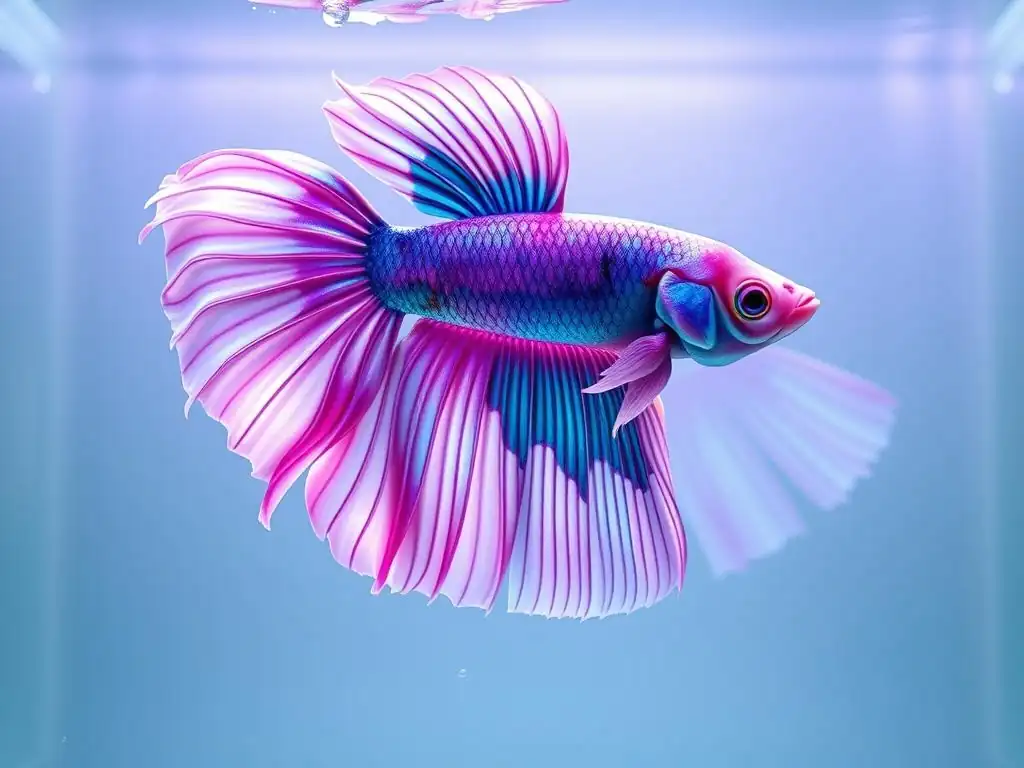
The most captivating characteristic of Marble Bettas is their ability to change colors and patterns throughout their lives, a phenomenon directly linked to the "jumping gene" or transposable element mentioned earlier. This genetic quirk causes the rearrangement of pigment cells, leading to a dynamic and unpredictable transformation of their appearance. Unlike other Betta varieties where color is largely stable, a Marble Betta's aesthetic is in a constant state of flux, making each fish a living, evolving piece of art.
This continuous transformation is what truly distinguishes Marble Bettas and adds an element of surprise to their ownership. While the underlying genetic mechanism is constant, external factors can subtly influence the speed or expression of these changes. Understanding these influences and documenting the journey can further enhance the appreciation for these unique fish.
Factors Influencing Color Change in Marble Bettas: Stress, Age, and Diet
While the "jumping gene" is the primary driver of color change in Marble Bettas, several external factors can influence the rate or expression of these transformations. Stress, often caused by poor water quality, inadequate tank size, aggressive tank mates, or unstable temperatures, can sometimes trigger rapid color shifts. While any change can be intriguing, stress-induced changes might not always result in desirable patterns and can indicate an unhealthy environment. Maintaining a low-stress, optimal habitat is crucial for overall fish health, regardless of color changes.
Age also plays a significant role in the extent and frequency of color transformations. Younger Marble Bettas, particularly juveniles and young adults (typically under one year old), tend to exhibit the most dramatic and frequent shifts as their genetic programming actively reconfigures their pigment cells. Older fish may still change, but often at a slower pace or with less intensity.
Furthermore, a high-quality, varied diet rich in carotenoids (e.g., astaxanthin, found in certain specialized Betta foods like Hikari Betta Bio-Gold) can enhance existing colors and support the vibrancy of newly emerging patterns, although it doesn't directly cause the genetic "jumps." This nutritional support is a key component of a comprehensive Marble betta care guide.
Documenting the Transformation: Capturing the Unique Marble Patterns
For enthusiasts of Marble Bettas, documenting their fish's color journey is a highly rewarding aspect of the hobby. Regular photography, perhaps weekly or monthly, allows aquarists to capture the subtle, gradual shifts that might otherwise go unnoticed over time. These visual records create a compelling personal "case study" of the fish's unique progression, highlighting the dynamic nature of the marble gene and showcasing the artistic evolution of each individual.
Beyond mere aesthetics, meticulous documentation can also provide valuable insights into the factors influencing color changes. Aquarists are encouraged to note down specific dates, feeding regimens, water parameters, and any significant tank changes (e.g., adding new plants or tank mates) alongside their photographs. This detailed record-keeping can help correlate external conditions with observed color transformations, deepening the understanding of how environmental factors might interact with the genetic predisposition of the Marble Betta. It transforms the observation into a mini-scientific endeavor, enriching the Marble betta care guide experience.
Documented Color Change Example: Before and After
To illustrate the dramatic potential of the "jumping gene," consider the following typical transformation often observed in Marble Bettas:
- Before (Month 1): A Marble Betta is acquired as a juvenile, predominantly solid blue on its body with a few scattered black speckles on its fins. Its tail is a clear, vibrant blue.
- After (Month 4): Over the next three months, the black speckles on its fins expand significantly, forming large, irregular patches. Simultaneously, bright red pigments begin to emerge along the edges of its fins and on parts of its body, breaking up the solid blue. The blue itself might intensify in some areas while fading in others, creating a mosaic of blue, black, and red.
- After (Month 10): By ten months, the fish has undergone another significant shift. The red has become more dominant, forming large, fiery patches across the body and fins. The black has receded in some areas but intensified in others, creating sharp, defined lines. Surprisingly, a new, stark white patch might appear on its head or flank, completing a transformation into what closely resembles a "Koi" marble pattern, vastly different from its initial appearance. This exemplifies the unpredictable, yet utterly captivating, nature of the marble gene in action.
Finding and Selecting a Healthy Marble Betta
The initial selection of your Marble Betta is a critical step in ensuring a long and healthy life for your new aquatic companion. A healthy fish is more resilient to stress and less susceptible to disease, making the subsequent Marble betta care guide much smoother. Taking the time to choose a reputable source and knowing what signs indicate a healthy specimen can prevent future heartbreak and unnecessary veterinary costs.
A careful and informed selection process will not only bring home a beautiful fish but also one that is robust and capable of thriving in its new environment. This section guides you through the process of identifying trustworthy sources and assessing the health of individual Marble Bettas before making a purchase.
Choosing a Reputable Breeder or Pet Store
The source from which you acquire your Marble Betta significantly impacts its initial health and genetic quality. Reputable breeders often specialize in Bettas and can provide detailed information about the fish's lineage, age, and health history. They typically house their fish in optimal conditions, demonstrating a commitment to their well-being. Breeders are also more likely to have a wider selection of unique Marble patterns and can offer expert advice specific to their stock, making them an excellent resource for a comprehensive Marble betta care guide.
If purchasing from a pet store, observe the store's overall hygiene and the condition of their other aquatic livestock. Avoid stores with many sick or dead fish, cloudy water in tanks, or overcrowded containers, as these are clear indicators of poor husbandry practices. A good pet store will keep Bettas in individual cups or small tanks with clean water and minimal clutter, and staff should be knowledgeable and willing to answer questions about their fish's care and sourcing.
Identifying Signs of a Healthy Marble Betta
A thorough visual inspection is crucial before purchasing a Marble Betta. Take your time to observe the fish in its container, looking for both behavioral and physical indicators of health. A healthy Betta will exhibit specific traits that suggest it is thriving and ready for a smooth transition to its new home.
Do not rush this process. Spend several minutes watching the fish, and if possible, ask a staff member to briefly lift the cup or allow you a clearer view. This careful assessment is a vital component of any Marble betta care guide focused on long-term success.
Active Behavior, Clear Fins, and Vibrant Colors
When selecting a Marble Betta, pay close attention to these key indicators of health:
- Active Behavior: A healthy Marble Betta should be alert and curious. It should be swimming gracefully, exploring its container, and possibly flaring its gills or fins (especially males) in response to your presence or another Betta. Avoid fish that are lethargic, resting on the bottom for extended periods, or constantly gasping at the surface.
- Clear Fins: The fins should be fully extended, without any signs of tears, ragged edges, or discoloration that indicate fin rot. Look for smooth, intact fin membranes without white spots (Ich), fuzzy growths (fungus), or signs of clamping (fins held tightly against the body). The fin rays should be clearly visible and undamaged.
- Vibrant Colors: While Marble Bettas are known for their changing patterns, a healthy fish will have clear, distinct, and vibrant existing colors. Dullness, excessive fading (unless it's a known color transition), or patchy, unhealthy-looking coloration can be a sign of stress, illness, or poor nutrition.
- Body Condition: The body should be full and well-proportioned, not overly thin or bloated. There should be no visible injuries, open sores, or abnormal growths. The eyes should be clear and bright, not cloudy or bulging. Gills should be flat, not inflamed or open.
The Future of Marble Bettas: Conservation and Responsible Breeding
The enduring popularity of Marble Bettas, driven by their unique and ever-changing coloration, brings with it a responsibility for ethical practices within the aquarium hobby. As demand for these captivating fish grows, so too does the importance of ensuring their long-term health, genetic diversity, and welfare. The future of Marble Bettas, both as a beloved aquarium species and a testament to fascinating genetics, hinges on the commitment of breeders and hobbyists to responsible practices.
This final section of our Marble betta care guide looks beyond individual fish care to the broader implications of breeding and trade. It emphasizes the critical role of ethical considerations and the active maintenance of genetic diversity to safeguard the vitality and resilience of Marble Betta populations for generations to come.
Ethical Breeding Practices and Considerations
Ethical breeding of Marble Bettas extends far beyond simply producing aesthetically pleasing fish. It prioritizes the health, welfare, and genetic integrity of the entire lineage. Responsible breeders ensure that their parent fish are healthy, mature, and housed in spacious, clean breeding tanks that meet all aspects of a comprehensive Marble betta care guide. This includes providing optimal water parameters, a high-quality diet, and ample space to reduce stress during the breeding process. Over-breeding a single pair, which can deplete the female's health, is consciously avoided.
Furthermore, ethical breeders are committed to reducing the incidence of common genetic ailments in Bettas, such as swim bladder disorders, spinal deformities, or compromised immune systems, by carefully selecting breeding pairs and avoiding excessive inbreeding. They also take responsibility for all offspring, ensuring that the large number of fry produced find appropriate, permanent homes rather than contributing to overpopulation in the hobby or being discarded due to lack of space or resources.
Maintaining Genetic Diversity in Marble Betta Populations
The very trait that makes Marble Bettas so desirable – their "jumping gene" and unpredictable color changes – can inadvertently lead to practices that threaten their long-term genetic health. The intense focus on specific patterns and colors can sometimes result in extensive inbreeding within limited lines to "fix" desired traits. While this might produce stunning individuals in the short term, it significantly reduces genetic diversity across the broader Marble Betta population. A narrow gene pool makes fish more susceptible to diseases, reduces their overall vitality, and can lead to a higher incidence of genetic defects.
To counter this, responsible breeders play a crucial role in maintaining genetic diversity. This involves periodically introducing new, unrelated bloodlines into their breeding programs while still working with the Marble gene. Such practices help to broaden the gene pool, ensuring that Marble Bettas remain robust, healthy, and resilient to environmental changes and pathogens. Supporting breeders who prioritize health and genetic diversity over sheer quantity or extreme traits is a vital step for any aquarist committed to the sustainable future of these captivating "chameleons of the fish world."
Frequently Asked Questions
What makes Marble Bettas different from other Betta varieties?
Marble Bettas are unique due to their unstable color genes, causing their patterns to change throughout their lives. This "marbling" effect is what distinguishes them. It's a result of a jumping gene which causes patterns to come and go.
What are the ideal tank conditions for a Marble Betta?
Marble Bettas require a stable environment. This includes a heated tank (78-82°F), filtered water, and plenty of hiding places. Maintaining proper water parameters is also crucial for their health and well-being.
What should I feed my Marble Betta?
A high-quality Betta pellet should form the base of their diet. Supplement with frozen or live foods like bloodworms or brine shrimp for a balanced nutritional intake. Avoid overfeeding, as this can lead to health problems.
How often should I perform water changes in a Marble Betta tank?
Regular water changes are essential for maintaining water quality. Perform a 25-50% water change weekly or bi-weekly, depending on tank size and bioload. This helps remove toxins and keeps your Betta healthy.
What are some common health issues that affect Marble Bettas?
Marble Bettas, like other Bettas, are prone to fin rot, ich, and swim bladder disease. Early detection and treatment are key. Maintaining excellent water quality is the best preventative measure.
Final Reflection: Embracing the Unpredictable Beauty
The journey through the world of Marble Bettas reveals more than just a comprehensive care guide; it unveils a profound lesson about embracing change and appreciating the unique beauty that emerges from unpredictability. These living works of art, constantly transforming before our eyes, serve as a potent reminder that beauty often lies in the unexpected.
The ever-shifting patterns of a Marble Betta mirror the fluid nature of life itself. This constant evolution, this refusal to be static, is what captivates us and reminds us of the importance of adaptability and acceptance. As the renowned naturalist John Muir once said: In every walk with nature one receives far more than he seeks.
This holds true for the Marble Betta; observing their transformations offers a deeper understanding of the beauty inherent in change.
Now, as you embark on your own journey with these captivating creatures, remember the lessons they embody. Let the Marble Betta's ever-changing patterns inspire you to embrace the unpredictable, to find beauty in the unexpected, and to appreciate the unique tapestry that life weaves before you. Allow their story to remind you that true beauty lies not in perfection, but in the constant evolution and the acceptance of the ever-changing self.
Unveil Your Own Betta Beauty!
Thanks for diving into the mesmerizing world of Marble Bettas! We hope you’ve enjoyed discovering the secrets behind their ever-changing patterns and unique charm. Now, it’s time to take your newfound knowledge and turn it into action.
Here’s how you can further explore the magic of Marble Bettas:
- Begin planning your own Marble Betta aquarium! Research suitable tank mates, plants, and decorations to create the perfect environment for these captivating fish.
- Share your favorite Marble Betta morphs or color combinations in the comments below. Let's build a visual guide for fellow enthusiasts!
- Consider sketching your dream Marble Betta pattern – what colors and designs would you create if you could?
Ready to bring the ever-changing art of a Marble Betta into your life?