
Do Bristlenose Plecos Damage Plants? Setting the Record Straight

Welcome to Aquarium Mastery!
Ever wondered if that adorable Bristlenose pleco is secretly sabotaging your meticulously planted aquarium? Are you finding mysterious holes in your leaves and suspecting your algae-eating friend? Dive into our comprehensive guide on Bristlenose pleco plant damage and finally set the record straight! Discover what's really going on in your freshwater paradise and learn how to keep both your pleco and your plants happy and healthy. Ready to unravel the truth? Let's get started!
- Understanding Bristlenose Plecos and Aquarium Plants
- Debunking the Myth: Bristlenose Plecos and Plant Consumption
- Identifying Plant Damage: Is it Really the Bristlenose Pleco?
- Preventing Plant Damage from Bristlenose Plecos
- Creating a Balanced Ecosystem: Bristlenose Plecos and Plants Thriving Together
- Conclusion: Bristlenose Plecos and Plants Can Coexist Peacefully
-
Frequently Asked Questions
- Will a Bristlenose Pleco destroy all the plants in my aquarium?
- Why is my Bristlenose Pleco eating my plants?
- Which types of plants are most susceptible to Bristlenose Pleco damage?
- How can I prevent my Bristlenose Pleco from eating my plants?
- Is there a specific age or size of Bristlenose Pleco that is more likely to damage plants?
- Final Reflection: Harmony in the Aquarium
- Unveil a Thriving Planted Aquarium!
Understanding Bristlenose Plecos and Aquarium Plants
Introduction to Bristlenose Plecos: The Algae Eating Experts
Bristlenose plecos, scientifically known as Ancistrus species, are among the most popular bottom-dwelling fish in freshwater aquariums, primarily due to their exceptional algae-eating capabilities. These fascinating catfish typically reach a size of 4 to 6 inches (10-15 cm) in adulthood, making them a suitable choice for tanks as small as 20 gallons, though larger tanks are always preferable. Their distinctive "bristles" or fleshy tentacles on their snout, more prominent in males, give them their common name and aid in their foraging.
Their natural diet in the wild consists primarily of biofilm, algae, and detritus scraped from various surfaces using their specialized suckermouth. This makes them highly sought after by aquarists looking for a natural solution to combat algae buildup on glass, decorations, and even plant leaves. However, a common misconception persists regarding their interaction with live aquarium plants, leading many to question if this beneficial algae eater might also contribute to Bristlenose pleco plant damage.
The Appeal of Live Plants in Freshwater Aquariums
Live plants offer numerous benefits to a freshwater aquarium, extending far beyond their aesthetic appeal. They contribute significantly to water quality by absorbing nitrates, phosphates, and other waste products produced by fish and decaying organic matter, thereby acting as natural filters. This process helps to maintain stable water parameters and can reduce the frequency of water changes required.
Furthermore, plants provide essential oxygen through photosynthesis, creating a healthier and more natural environment for fish. They offer crucial hiding spots and territories for various fish species, reducing stress and promoting natural behaviors. For species like Bristlenose plecos, broad-leafed plants offer shade and additional surfaces for biofilm to grow, contributing to their overall well-being and mimicking their natural habitat.
Common Concerns: Will My Bristlenose Pleco Eat My Plants?
A recurring concern among aquarists, particularly those new to keeping Bristlenose plecos in planted tanks, is the potential for Bristlenose pleco plant damage. Many hobbyists report seeing marks or holes on their plant leaves and immediately attribute this to their pleco, fearing that their dedicated algae eater is turning into a plant destroyer. This apprehension often stems from observing the pleco actively grazing on plant surfaces and the presence of visible marks afterward.
The worry about pleco plant damage is understandable, as investing in live plants can be a significant commitment. Tales of certain fish species decimating entire plant collections are common within the hobby, leading to a cautious approach when introducing new inhabitants to a planted setup. Therefore, it's crucial to thoroughly investigate the true nature of Bristlenose plecos' dietary habits and their interaction with live plants to set the record straight and alleviate these common anxieties.
Debunking the Myth: Bristlenose Plecos and Plant Consumption
Bristlenose Plecos: Primarily Algae Eaters, Not Plant Eaters
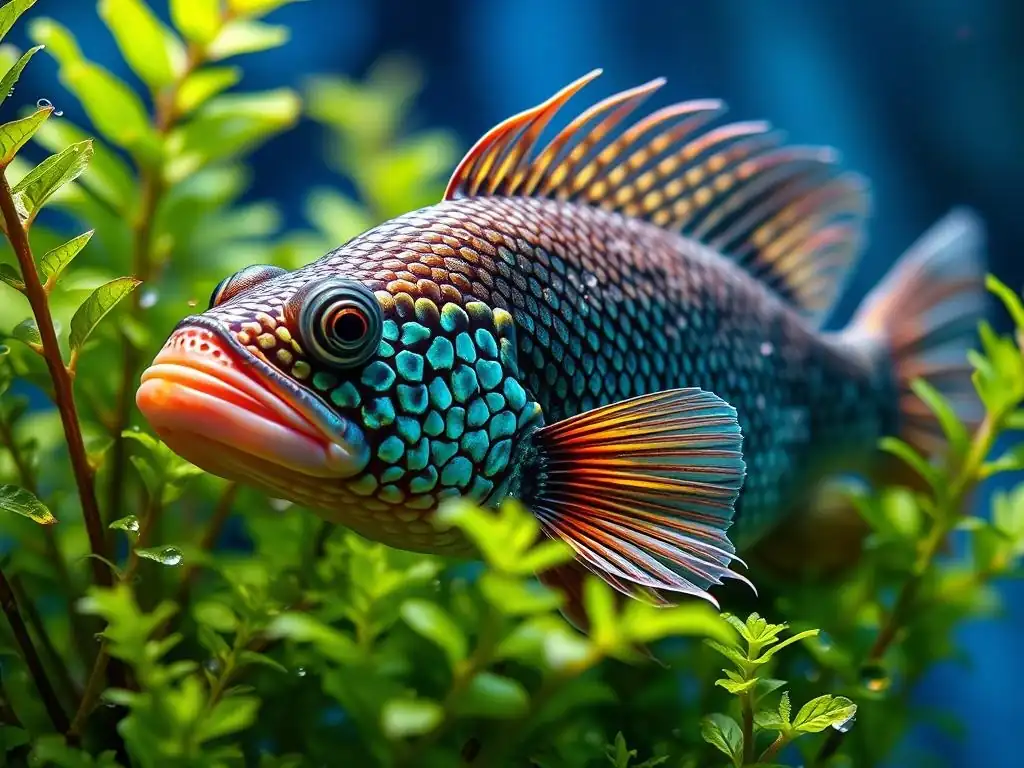
The fundamental truth about Bristlenose plecos is that they are primarily herbivorous, with a diet heavily weighted towards algae and biofilm. Their unique rasping mouthparts are perfectly adapted for scraping these microscopic layers from hard surfaces. Studies of their gut content in the wild consistently reveal a high proportion of diatoms and other types of algae, along with detritus and some incidental organic matter. They are not equipped with the type of dentition or digestive system necessary to effectively process and break down the tough cellulose found in healthy, living plant leaves.
Unlike some other pleco species, such as the common pleco ( Hypostomus plecostomus), which can grow very large and may occasionally graze on softer plant leaves out of necessity or boredom, Bristlenose plecos generally do not exhibit a preference for live plant material. Their primary goal when interacting with plants is to consume the algae, diatoms, or biofilm that have grown on the leaf surfaces. Any perceived Bristlenose pleco plant damage is almost always a misinterpretation of their natural feeding behavior.
Why Bristlenose Plecos Might Appear to Eat Plants
Despite their primary diet, there are specific scenarios where Bristlenose plecos might seem to cause damage to plants, leading to the misconception of pleco plant damage. These instances are usually opportunistic feeding behaviors or the result of their primary function being misinterpreted. Understanding these specific situations is key to differentiating true plant damage from natural pleco activity.
Algae Growth on Plant Leaves: A Pleco's Buffet
One of the most common reasons Bristlenose plecos are observed on plant leaves is to consume the algae growing there. Plant leaves, especially broad-leafed species like Anubias or Amazon Swords, can accumulate a significant amount of algae, including green spot algae, brown diatoms, and even some types of hair algae. When a Bristlenose pleco scrapes these surfaces, their powerful suckermouth and specialized teeth can leave behind faint, translucent marks or streaks where the algae has been removed.
These marks are often mistaken for Bristlenose pleco plant damage, but they are simply the result of the pleco doing its job. The plant tissue itself remains intact, although it might appear slightly lighter or scratched in the areas where the algae was heavily grazed. This is particularly noticeable on older, tougher leaves that have accumulated more algae. The pleco is cleaning the leaf, not consuming the leaf.
Weak or Decaying Plant Tissue: An Opportunistic Snack
Bristlenose plecos are also opportunistic scavengers, and this extends to decaying organic matter, including dying or unhealthy plant tissue. If a plant leaf is already weakened, melting, or beginning to decay due to nutrient deficiencies, poor lighting, or other environmental stresses, its cellular structure breaks down and becomes softer. In such cases, a Bristlenose pleco may indeed consume these soft, decaying parts.
This consumption, however, is not an act of Bristlenose pleco plant damage to a healthy plant. Instead, it's the pleco helping to clean up the tank by removing dead or dying material that would otherwise decompose and contribute to poor water quality. For example, if an Anubias rhizome is buried, causing leaves to melt, the pleco might graze on those melting leaves. The solution is to address the underlying plant health issue, not to blame the pleco for consuming what's already dead or dying.
Identifying Plant Damage: Is it Really the Bristlenose Pleco?
Ruling Out Other Culprits: Snails, Fish, and Nutrient Deficiencies
Before concluding that a Bristlenose pleco is responsible for plant damage, it's crucial to consider other common culprits in an aquarium. Many species of snails, such as Mystery Snails ( Pomacea bridgesii) or even some Ramshorn snails, can graze on softer plant leaves, creating holes or ragged edges. Certain fish species are also notorious plant eaters; for instance, Silver Dollars ( Metynnis argenteus), some larger cichlids, or even goldfish are known to decimate plant collections rapidly. Observing the type of damage and the activity of other tank inhabitants is key.
Beyond biological factors, nutrient deficiencies are a leading cause of plant health issues that can manifest as damage. For example, a lack of potassium can cause pinholes in leaves, while iron deficiency often leads to yellowing (chlorosis) of new growth. Carbon dioxide (CO2) fluctuations, improper lighting, or imbalances in macro and micronutrients can all lead to melting, stunted growth, or weakened plant tissue that then becomes susceptible to opportunistic grazing by any tank inhabitant, not just Bristlenose plecos. A thorough assessment of water parameters and plant fertilization routines is often necessary.
Recognizing the Signs of Bristlenose Pleco "Plant Damage"
When a Bristlenose pleco is involved in marks on plants, the signs are typically distinct from other types of damage. Instead of large, irregular holes or completely torn leaves, you will usually observe fine, superficial scrapes or translucent patches. These marks are consistent with their rasping mouthparts, which are designed to scrape biofilm and algae, not to tear through robust plant tissue.
Small Scratches and Grazing Marks vs. Large Bites
Bristlenose pleco plant damage, if it can be called that, manifests as very specific types of marks. Imagine a fine sander gently rubbing over a surface; the marks left by a Bristlenose pleco are similar – often appearing as thin, parallel lines or a slightly abraded, translucent area where algae has been meticulously removed. These are most visible on smoother, broader leaves like those of Anubias or Amazon Swords. The underlying plant structure remains largely intact, and the plant continues to thrive.
In contrast, actual plant consumption by other fish or snails typically results in more significant damage:
- Large, irregular holes: Often seen with larger snails or certain fish.
- Torn or shredded leaves: Common with fish that nip or tear at foliage.
- Completely missing sections: Indicates a voracious plant eater.
If you observe such extensive damage, it's highly improbable that your Bristlenose pleco is the primary culprit. Instead, focus on evaluating other tank inhabitants or addressing potential nutrient deficiencies that weaken the plant, making it appear as if the pleco caused the damage by consuming already compromised tissue.
Preventing Plant Damage from Bristlenose Plecos
Providing Adequate Algae and Supplemental Food
The most effective way to prevent any perceived Bristlenose pleco plant damage is to ensure your pleco is well-fed and has access to its preferred dietary components. A hungry Bristlenose pleco might be more inclined to nibble at softer plant leaves, not out of preference, but out of a lack of sufficient alternative food sources. A balanced diet is crucial for their health and for maintaining harmony in a planted tank.
Ensuring a Balanced Diet for Your Bristlenose Pleco
A Bristlenose pleco's diet should be primarily plant-based but varied. While they are excellent algae eaters, a typical home aquarium rarely produces enough natural algae to sustain an adult Bristlenose pleco fully. Therefore, supplementation is essential. Aim to feed them 2-3 times per week, in addition to any natural algae present in the tank. This consistent feeding schedule reduces the likelihood of them seeking out alternative food sources, such as live plant material, to satisfy their hunger.
Algae Wafers, Vegetables, and Driftwood: Dietary Essentials
High-quality algae wafers or sinking pellets designed for bottom feeders should form the cornerstone of their supplemental diet. Look for options rich in spirulina and other plant matter. Blanched fresh vegetables are also highly recommended and eagerly consumed. Excellent choices include zucchini slices, cucumber rounds, shelled peas, and spinach leaves. Simply blanch them for a minute or two to soften, then sink them to the bottom (e.g., with a veggie clip or a fork).
Remove any uneaten portions after 24 hours to prevent water fouling. Lastly, driftwood is a non-food essential for Bristlenose plecos. While they don't "eat" it, they rasp on it for the lignins and cellulose, which are vital for their digestive health and overall well-being. A tank without driftwood can lead to digestive issues and, potentially, an increased tendency to sample other things, though not necessarily healthy plants.
Selecting Hardy Plant Species Resistant to Grazing
While Bristlenose plecos are generally safe with plants, choosing robust and hardy plant species can further minimize any minor grazing marks and ensure a thriving planted tank. Certain plants have tougher leaf structures that are naturally more resistant to the rasping action of a pleco's mouth.
Plant Species That Tolerate Bristlenose Plecos
Many popular aquarium plants are excellent choices for tanks housing Bristlenose plecos. These include:
- Anubias species: Anubias barteri, Anubias nana, Anubias coffeefolia. Their thick, leathery leaves are highly resistant to grazing.
- Java Fern (Microsorum pteropus): Another robust plant with tough leaves that plecos typically leave alone.
- Bucephalandra species: Similar to Anubias, these plants have sturdy leaves and attach to hardscapes.
- Amazon Sword (Echinodorus amazonicus): While large, their mature leaves are generally too tough for Bristlenose plecos to damage significantly, though young, tender leaves might occasionally show light grazing.
- Cryptocoryne species: Most Crypts have tougher leaves that are not appealing to plecos, provided they are healthy.
These species are not only resilient but also provide excellent surface area for beneficial bacteria and some incidental algae growth, which can be a natural food source for your pleco without causing Bristlenose pleco plant damage.
Avoiding Delicate Plants Prone to Damage
Conversely, some delicate or soft-leaved plant species might be more susceptible to incidental damage, not necessarily from consumption, but from the pleco's movements or very light grazing. Plants with very soft, thin leaves or those that melt easily if not perfectly healthy should be approached with caution in a tank with a Bristlenose pleco, especially if the pleco is large or particularly active.
Examples of plants that might show more signs of interaction include:
- Cabomba species: Very fine, feathery leaves.
- Ludwigia species: Some varieties have softer leaves.
- Rotala species: Generally soft-stemmed and fine-leaved.
- Vallisneria: While generally hardy, the long, thin leaves can sometimes show scrapes if algae is present.
It's not that Bristlenose plecos actively seek to destroy these plants, but their constant foraging and movement across surfaces can potentially dislodge or mark softer foliage. The key is to ensure these plants are in peak health and that the pleco is well-fed with appropriate supplemental foods.
Maintaining Optimal Water Parameters for Plant Health
Healthy plants are inherently more resistant to any form of damage, including potential minor grazing from a Bristlenose pleco. Maintaining stable and optimal water parameters is crucial for robust plant growth and minimizes the likelihood of plants becoming weakened or decaying, which, as discussed, can make them an opportunistic snack for a pleco.
Water Chemistry and Plant Growth: A Crucial Connection
Plants require specific water chemistry parameters to thrive. For most common aquarium plants, a pH between 6.5 and 7.5 is ideal, along with a stable temperature range, typically 72-80°F (22-27°C). More importantly, they need a consistent supply of essential nutrients:
- Macronutrients: Nitrates (ideally 5-20 ppm), phosphates (0.5-1.5 ppm), and potassium.
- Micronutrients: Iron, manganese, zinc, boron, etc.
Deficiencies in any of these can lead to weak, yellowing, or melting leaves. For instance, a lack of potassium often results in pinholes or yellowing on older leaves, while iron deficiency impacts new growth. When plant tissue is compromised in this manner, it becomes soft and appealing to opportunistic detritivores like Bristlenose plecos.
By ensuring proper fertilization, adequate lighting (e.g., 8-10 hours daily), and stable CO2 levels (if injecting), you promote vigorous plant growth, making them less susceptible to any form of "Bristlenose pleco plant damage." Regular water testing and appropriate dosing of liquid or substrate fertilizers are essential practices.
Creating a Balanced Ecosystem: Bristlenose Plecos and Plants Thriving Together
The Benefits of a Planted Tank for Bristlenose Plecos
A well-planted aquarium offers numerous advantages for Bristlenose plecos, transforming the tank into a more natural and enriching environment. Plants provide essential hiding spots and territories, which are crucial for these often shy and nocturnal fish. The broad leaves of plants like Anubias or Amazon Swords offer shaded areas where plecos can rest and feel secure, reducing stress levels.
Furthermore, plant surfaces are ideal for the growth of biofilm and natural algae, which serve as a continuous, albeit often insufficient, food source for the pleco. This natural grazing opportunity contributes to their overall health and activity. The improved water quality from plants absorbing nitrates also benefits the pleco by maintaining a healthier environment, reducing the risk of disease and promoting a longer lifespan. A planted tank truly enhances the quality of life for a Bristlenose pleco.
Choosing the Right Plants for Your Bristlenose Pleco Tank
When setting up a tank intended for Bristlenose plecos, prioritize hardy, robust plant species that can withstand their active grazing and movements. As previously mentioned, Anubias, Java Fern, Bucephalandra, and Amazon Swords are excellent choices due to their tough leaf structures. These plants can also be easily attached to driftwood or rocks, which are themselves beneficial for plecos.
Consider the mature size of your Bristlenose pleco (up to 6 inches) and the overall tank size. For example, in a 20-gallon tank, smaller Anubias varieties and Java Fern are more suitable than large Amazon Swords. Aim for a variety of plant heights and leaf shapes to create diverse habitats within the aquarium, providing ample surfaces for algae growth and exploration for your pleco, while minimizing any potential for Bristlenose pleco plant damage.
Monitoring and Adjusting Your Tank Setup for Optimal Results
Creating a harmonious environment where Bristlenose plecos and plants coexist peacefully requires ongoing observation and occasional adjustments. Regularly inspect your plants for any signs of damage and try to identify the true cause. Are the marks consistent with pleco grazing (fine scrapes), or are they larger holes, tears, or signs of nutrient deficiency (yellowing, melting)?
If you suspect your pleco is truly causing unwanted marks, reassess its diet. Are you providing enough algae wafers, blanched vegetables, and is there sufficient driftwood? Increasing the frequency or quantity of supplemental feeding can often deter any opportunistic nibbling on plants. Similarly, ensure your plants are receiving adequate light and nutrients. Sometimes, a slight increase in potassium or iron supplementation can strengthen plant tissue, making it less appealing even to a hungry pleco. Continuous monitoring allows you to fine-tune your setup, ensuring both your Bristlenose pleco thrives and your planted aquarium flourishes.
Conclusion: Bristlenose Plecos and Plants Can Coexist Peacefully
The concern about Bristlenose pleco plant damage is largely a misconception. These popular aquarium inhabitants are primarily algae eaters, equipped with specialized mouthparts designed for scraping biofilm and algae from surfaces, not for consuming healthy plant tissue. Any perceived damage is almost always due to their natural grazing on algae-covered leaves or their opportunistic scavenging of already decaying plant matter.
By understanding their true dietary needs and providing a balanced diet rich in algae wafers, blanched vegetables, and essential driftwood, aquarists can ensure their Bristlenose plecos are well-fed and have no reason to target healthy plants. Furthermore, selecting hardy plant species like Anubias and Java Fern, alongside maintaining optimal water parameters and nutrient levels for robust plant growth, significantly reduces any risk. With proper care and attention to the needs of both the fish and the flora, Bristlenose plecos and live plants can not only coexist peacefully but also thrive together, creating a beautiful, healthy, and balanced aquarium ecosystem.
Frequently Asked Questions
Will a Bristlenose Pleco destroy all the plants in my aquarium?
No, Bristlenose Plecos are generally considered safe for planted tanks. While they may occasionally rasp on plant leaves, they are more interested in algae and biofilm. Significant plant damage is uncommon if they are properly fed.
Why is my Bristlenose Pleco eating my plants?
If your Bristlenose Pleco is eating your plants, it could be due to a lack of algae or other food sources. Supplement their diet with algae wafers, blanched vegetables, or driftwood. Ensure they are getting enough to eat.
Which types of plants are most susceptible to Bristlenose Pleco damage?
Plants with softer leaves or delicate structures are more prone to damage. This includes plants like Cabomba or Riccia fluitans. Hardier plants like Anubias and Java Fern are generally more resistant.
How can I prevent my Bristlenose Pleco from eating my plants?
Provide a varied diet that includes algae wafers and blanched vegetables. Ensure there is sufficient algae growth in the tank. Also, consider introducing driftwood, as they will rasp on it.
Is there a specific age or size of Bristlenose Pleco that is more likely to damage plants?
Larger, more mature Bristlenose Plecos might cause slightly more damage simply due to their size and appetite. However, feeding habits and available food are much more significant factors than size alone. Proper feeding and a balanced aquarium ecosystem are key.
Final Reflection: Harmony in the Aquarium
The debate surrounding Bristlenose Plecos and their impact on aquatic plants is more than just a niche concern for aquarium hobbyists; it reflects a broader desire for balanced ecosystems, even within the confines of a glass tank. As we've explored the evidence, separating fact from fiction, it becomes clear that responsible fishkeeping hinges on understanding the nuances of each species and their interactions with their environment.
This understanding has profoundly influenced the aquascaping community, prompting a shift towards more informed choices and preventative measures. The realization that Bristlenose Plecos, under the right conditions, can coexist peacefully with plants has opened up new creative possibilities for aquarists. The best aquarium is one that mimics nature as closely as possible. Understanding the needs of each inhabitant is crucial for creating a thriving and beautiful underwater world.
This sentiment underscores the importance of continuous learning and adaptation in our pursuit of a harmonious aquarium.
So, as you consider adding a Bristlenose Pleco to your planted tank, remember the lessons we've uncovered. Reflect on the importance of proper feeding, adequate space, and careful observation. Let this knowledge empower you to create an aquarium where both your fish and your plants can flourish, a testament to the beauty and balance that can be achieved through informed and compassionate fishkeeping.
Unveil a Thriving Planted Aquarium!
Thank you for exploring the truth about Bristlenose Plecos and aquarium plants! We hope you've gained clarity on how to create a harmonious underwater world. Now, it's time to take action and cultivate a lush, vibrant aquarium.
Here are some steps you can take:
- Prioritize plant health! Choose plants that are robust and well-established, offering them the best chance to flourish even with a Bristlenose Pleco present.
- Document your experiences! Share before-and-after photos of your plants with your Bristlenose Pleco in the aquarium to visually track plant growth.
- Join the discussion! Share your experiences and insights in online aquarium forums to exchange tips with fellow enthusiasts.
What specific type of robust aquarium plant are you considering adding next, and why?