
Can Mollies Live with Guppies and Platies? Compatibility Check

Welcome to Aquarium Mastery!
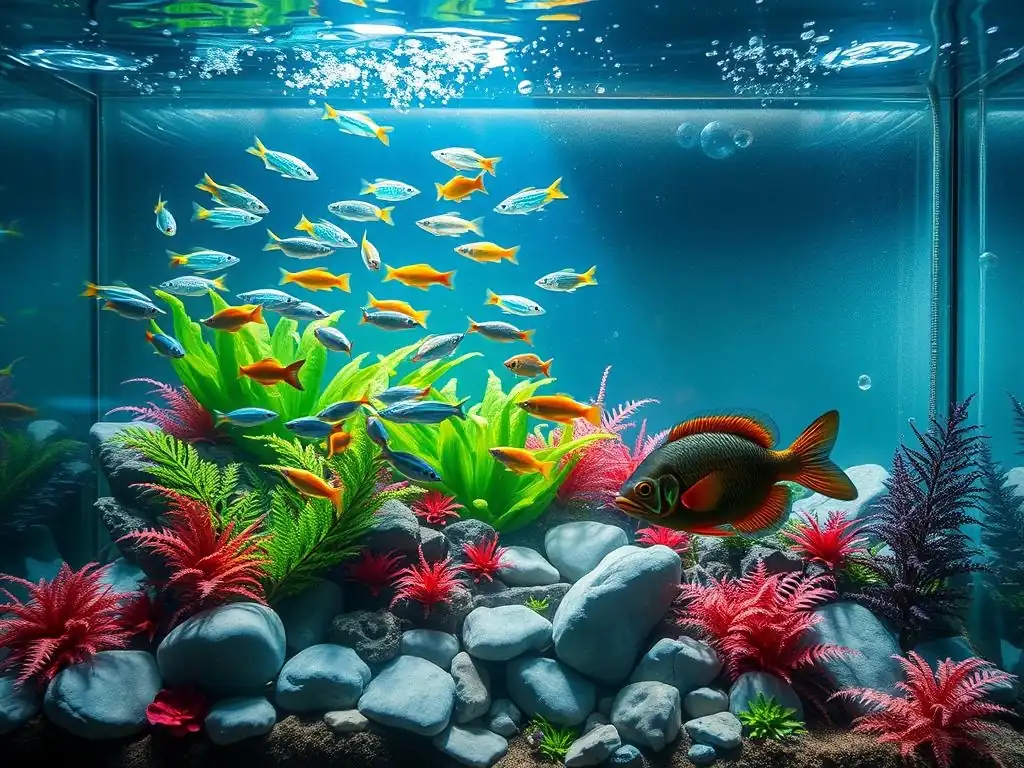
Ever wondered if those vibrant mollies, playful guppies, and peaceful platies can truly co-exist in the same tank? Unlocking the secrets to their compatibility is key to a thriving freshwater aquarium. Dive into our comprehensive guide on Mollies, guppies, platies compatibility issues and discover the delicate balance that determines a harmonious aquatic community. Prepare to unravel the mysteries and ensure your finned friends live in perfect peace!
- Can Mollies Live with Guppies and Platies? Compatibility Check for Your Livebearer Aquarium
- Understanding Livebearer Compatibility: Mollies, Guppies, and Platies
- Molly Fish Profile: Key Considerations for Tank Mates
- Guppy Fish Profile: Understanding Their Needs
- Platy Fish Profile: Assessing Their Suitability
- Mollies, Guppies, and Platies: A Detailed Compatibility Analysis
- Setting Up a Successful Livebearer Community Tank
- Maintaining a Healthy Livebearer Aquarium: Preventing Problems
- Potential Problems and Solutions for Mollies, Guppies, and Platies Cohabitation
- Alternative Tank Mates for Mollies, Guppies, and Platies
- Conclusion: Creating a Harmonious Livebearer Aquarium
-
Frequently Asked Questions
- Can mollies, guppies, and platies all live together peacefully in the same aquarium?
- What size aquarium is recommended for keeping mollies, guppies, and platies together?
- Are there any specific water parameters I need to maintain for a tank with mollies, guppies, and platies?
- What are some signs of incompatibility between mollies, guppies, and platies?
- Do mollies, guppies, and platies have similar dietary needs, and how does that affect their compatibility?
- Final Reflection: Harmony in the Aquarium
- Unleash Your Community Tank Potential!
Can Mollies Live with Guppies and Platies? Compatibility Check for Your Livebearer Aquarium
Understanding Livebearer Compatibility: Mollies, Guppies, and Platies
Introduction to Livebearer Community Tanks
Livebearers, a popular group of freshwater fish, are cherished by aquarists for their vibrant colors, active swimming, and unique ability to give birth to live, free-swimming fry rather than laying eggs. Among the most common and beloved livebearers are Mollies, Guppies, and Platies. Their relative hardiness and prolific breeding habits often make them ideal choices for beginner and experienced hobbyists alike, leading many to consider housing them together in a single community aquarium.
While these species share the common trait of being livebearers and are frequently seen together in pet stores, successful cohabitation requires a thorough understanding of their individual needs and potential Mollies, guppies, platies compatibility issues. Creating a harmonious environment isn't just about mixing fish; it involves careful planning regarding tank size, water parameters, temperament, and diet. This guide will explore the nuances of keeping Mollies, Guppies, and Platies together, providing insights to ensure a thriving and peaceful livebearer community.
Why Compatibility Matters: Preventing Stress and Disease
The importance of fish compatibility in an aquarium cannot be overstated. When fish are housed with incompatible tank mates, whether due to size differences, aggressive temperaments, or conflicting environmental needs, the result is often chronic stress. This stress weakens their immune systems, making them highly susceptible to common aquarium diseases such as Ich (white spot disease), fin rot, and fungal infections. For example, a Guppy constantly pursued by an overly aggressive Molly male will experience prolonged stress, leading to a duller coloration, clamped fins, and ultimately, a shortened lifespan.
Beyond disease susceptibility, poor compatibility can manifest as aggression, fin-nipping, and general unrest within the tank. Certain Mollies, particularly male Sailfin Mollies, can be quite boisterous and may relentlessly pursue smaller, slower-moving fish like Guppies, leading to torn fins and exhaustion. Understanding the specific behavioral traits and environmental requirements of Mollies, Guppies, and Platies is therefore paramount to prevent these Mollies, guppies, platies compatibility issues, ensuring a peaceful, healthy, and visually appealing aquatic display for all inhabitants.
Molly Fish Profile: Key Considerations for Tank Mates
Molly Temperament and Behavior
Molly fish are generally considered peaceful to semi-aggressive, exhibiting active swimming habits throughout all levels of the aquarium. While often docile, male Mollies, especially when housed without enough females, can become territorial and harass other tank mates, including Guppies and Platies, or even other male Mollies. This behavior is particularly noticeable in smaller tanks where space is limited, leading to increased stress and potential fin-nipping.
To mitigate potential aggression and ensure a balanced environment, it is highly recommended to keep Mollies in groups with a proper male-to-female ratio, ideally one male for every two to three females. This ratio helps to disperse the male's attention, reducing the likelihood of any single female or other tank mate being overly stressed. Observing their behavior closely upon introduction is crucial to address any Mollies, guppies, platies compatibility issues early.
Molly Water Parameter Preferences: Temperature, pH, and Hardness
Mollies are quite adaptable but thrive best in specific water conditions. They prefer warmer temperatures ranging from 72°F to 82°F (22°C to 28°C). Their ideal pH range is slightly alkaline, typically between 7.5 and 8.5. This preference for higher pH is a key factor when considering Mollies, guppies, platies compatibility issues, as some other fish prefer more neutral or acidic water.
Furthermore, Mollies prefer hard water, with a general hardness (dGH) between 10 and 25. While many aquarium-bred Mollies are acclimated to pure freshwater, their wild ancestors often inhabit brackish waters, and some aquarists add a small amount of aquarium salt (e.g., 1 teaspoon per 5 gallons) to mimic this, which can enhance their health and coloration. However, if mixing with other species, ensuring all tank mates can tolerate these harder, slightly alkaline conditions is essential.
Molly Size and Tank Requirements
Molly fish vary significantly in size depending on the specific species or strain. Common varieties like the Lyretail Molly or Balloon Molly typically reach lengths of 3 to 4 inches (7.5 to 10 cm), while larger species such as the Sailfin Molly can grow up to 5 inches (12.5 cm) or even larger in optimal conditions. Their size directly impacts the minimum tank requirements for a healthy environment.
For a small group of common Mollies, a minimum tank size of 20 gallons is recommended to provide adequate swimming space and dilute waste products. If considering larger Sailfin Mollies or a more substantial group, a 30-gallon or even 40-gallon tank would be more appropriate. Ensuring sufficient space is crucial to prevent overcrowding, which is a major contributor to stress and Mollies, guppies, platies compatibility issues among livebearers.
Guppy Fish Profile: Understanding Their Needs
Guppy Temperament and Behavior
Guppies are renowned for their peaceful and social demeanor, making them one of the most popular choices for community aquariums. They are active swimmers, constantly exploring their environment, and are known for their playful interactions. Male Guppies, with their elaborate, flowing fins, are particularly captivating. However, their constant pursuit of females can sometimes be overwhelming for the females if not managed properly.
To alleviate stress on female Guppies and maintain a harmonious environment, it is advisable to keep them in groups with a ratio of at least two, preferably three, females for every male. This distributes the male's attention and reduces the likelihood of any single female becoming exhausted or overly stressed. Their generally docile nature makes them excellent candidates for cohabitation, provided their tank mates are equally peaceful and not prone to fin-nipping.
Guppy Water Parameter Preferences
Guppies are quite adaptable to a range of water conditions, which contributes to their widespread popularity among aquarists. They thrive in temperatures between 72°F and 82°F (22°C to 28°C), aligning well with the preferences of Mollies and Platies. This overlapping temperature range significantly simplifies the task of maintaining a stable environment for a mixed livebearer tank.
Regarding pH, Guppies prefer water that is neutral to slightly alkaline, with an ideal range of 6.8 to 7.8. Their preferred water hardness is medium to hard, typically between 8 and 18 dGH. While they can tolerate softer water, maintaining a slightly harder, more alkaline environment, similar to what Mollies prefer, generally promotes better health and more vibrant coloration, further minimizing potential Mollies, guppies, platies compatibility issues related to water chemistry.
Guppy Size and Tank Requirements
Guppies are relatively small fish, with males typically reaching lengths of 1 to 1.5 inches (2.5 to 4 cm) and females growing slightly larger, up to 2 to 2.5 inches (5 to 6 cm). Their modest size means they don't require exceptionally large tanks, but adequate space is still crucial for their well-being and to prevent overcrowding.
For a small group of Guppies (e.g., 5-6 individuals), a 10-gallon aquarium can suffice. However, for a thriving community or if planning to mix them with other livebearers like Mollies and Platies, a 20-gallon tank or larger is highly recommended. Larger tanks provide more stable water parameters, reduce territorial disputes, and offer ample space for these active swimmers to explore, contributing to overall fish health and reducing Mollies, guppies, platies compatibility issues.
Platy Fish Profile: Assessing Their Suitability
Platy Temperament and Behavior
Platy fish are among the most peaceful and easy-going livebearers, known for their active and inquisitive nature. They are constantly on the move, exploring all levels of the aquarium, and are generally very tolerant of other fish species. Their calm disposition makes them excellent community tank inhabitants, rarely initiating aggression or fin-nipping.
Like Guppies and Mollies, male Platies will pursue females for breeding purposes. To ensure the well-being of the females and prevent excessive stress, maintaining a ratio of at least two, preferably three, females for every male Platy is recommended. Their peaceful temperament makes them a strong candidate for a mixed livebearer tank, as they are unlikely to cause or suffer from significant Mollies, guppies, platies compatibility issues stemming from aggression.
Platy Water Parameter Preferences
Platy fish are highly adaptable and can thrive in a range of freshwater conditions, making them versatile additions to many community aquariums. Their preferred temperature range is between 72°F and 78°F (22°C to 26°C), which falls comfortably within the acceptable range for both Mollies and Guppies. This shared temperature preference is a significant advantage for a mixed livebearer setup.
In terms of pH, Platies prefer water that is neutral to slightly alkaline, typically between 7.0 and 8.0. They also do best in medium to hard water, with a general hardness (dGH) of 10 to 25. These water parameter preferences closely align with those of Mollies and Guppies, which greatly simplifies the task of maintaining consistent water chemistry for all three species, thereby minimizing common Mollies, guppies, platies compatibility issues.
Platy Size and Tank Requirements
Platy fish are relatively small, with adults typically reaching a length of 1.5 to 2.5 inches (4 to 6 cm). Their compact size and active nature mean they benefit from adequate swimming space, even though they are not as large as some Molly varieties. When planning for a Platy population, it's important to consider their prolific breeding habits, which can quickly lead to an overcrowded tank if not managed.
For a small group of Platies, a 10-gallon tank can suffice, but a 20-gallon or larger aquarium is highly recommended for a thriving community or if housing them with other livebearers. A larger tank provides more stable water parameters, more room for exploration, and helps to dissipate any minor territorial squabbles that might arise. Ensuring sufficient space is a crucial step in preventing Mollies, guppies, platies compatibility issues in a mixed livebearer setup.
Mollies, Guppies, and Platies: A Detailed Compatibility Analysis
Overlapping Water Parameter Requirements
One of the primary reasons Mollies, Guppies, and Platies are often considered compatible is the significant overlap in their preferred water parameters. All three species thrive in tropical temperatures, generally ranging from 72°F to 82°F (22°C to 28°C), with a sweet spot around 76°F (24°C). This allows for a consistent heater setting without compromising the health of any species.
Furthermore, their pH and water hardness preferences align remarkably well. Mollies prefer slightly alkaline water (pH 7.5-8.5) and hard water (10-25 dGH), while Guppies (pH 6.8-7.8, 8-18 dGH) and Platies (pH 7.0-8.0, 10-25 dGH) also favor neutral to alkaline and medium to hard conditions. While Mollies lean towards the higher end of the pH and hardness scale, the common ground of pH 7.5-8.0 and dGH 10-18 provides a stable and suitable environment for all three, effectively minimizing Mollies, guppies, platies compatibility issues related to water chemistry.
Assessing Temperament Conflicts
Generally, Mollies, Guppies, and Platies are considered peaceful community fish, which is a strong foundation for their cohabitation. Platies and Guppies are particularly docile and rarely initiate aggression. However, the potential for temperament conflicts primarily arises from male Mollies. Larger male Mollies, especially Sailfin varieties, can occasionally exhibit semi-aggressive behavior, such as chasing or fin-nipping, particularly if they are stressed, overcrowded, or if there's an imbalance in the male-to-female ratio.
Guppies, with their long, flowing fins, can sometimes be targets for nipping if a Molly becomes overly boisterous. To mitigate these Mollies, guppies, platies compatibility issues, maintaining the recommended male-to-female ratio (1 male to 2-3 females) for all species is crucial. This disperses the males' breeding attention and reduces stress. Additionally, providing ample space and plenty of hiding spots can help diffuse any minor aggressive encounters, allowing for a more harmonious community.
Space Requirements
While Mollies, Guppies, and Platies are relatively small fish, their active nature and prolific breeding habits mean that adequate tank space is paramount for successful cohabitation. Mollies are typically the largest of the three, especially Sailfin Mollies, which can reach 5 inches or more. Guppies are the smallest, while Platies fall in between. Underestimating tank size is a common mistake that leads to overcrowding, which in turn causes stress, aggression, and poor water quality.
For a mixed community of these livebearers, a minimum tank size of 20 gallons is often cited, but a 30-gallon or even 40-gallon aquarium is significantly better. A larger tank provides more swimming room, helps dilute waste products, and allows for more stable water parameters. It also offers more visual barriers and hiding spots, which can reduce territorial disputes and alleviate Mollies, guppies, platies compatibility issues related to space.
Dietary Needs
Mollies, Guppies, and Platies are all omnivores, meaning their diet consists of both plant and animal matter. This shared dietary preference is a significant advantage for cohabitation, as they can all be fed a similar high-quality diet. A good staple food includes high-quality flake food or small pellets specifically formulated for community fish, ensuring a balanced nutritional intake.
Beyond the staple, supplementing their diet with a variety of foods is beneficial. This can include frozen or live brine shrimp, bloodworms, and daphnia for protein, as well as blanched vegetables like zucchini or spirulina flakes for plant matter. Mollies, in particular, appreciate a higher proportion of plant-based foods and will graze on algae. Feeding small amounts multiple times a day rather than one large meal ensures that all fish get enough food and reduces competition, preventing Mollies, guppies, platies compatibility issues related to feeding dominance.
Setting Up a Successful Livebearer Community Tank
Tank Size Recommendations
Establishing the correct tank size is the foundational step for a successful livebearer community, directly impacting the well-being and compatibility of Mollies, Guppies, and Platies. While a 10-gallon tank might suffice for a small group of just Guppies or Platies, it is generally insufficient for a mixed community of all three species, especially considering the larger size of Mollies and their active swimming.
For a harmonious mix of Mollies, Guppies, and Platies, a minimum tank size of 20 gallons is recommended. This provides enough space for a small group of each species to thrive without feeling overly crowded. However, for long-term health, greater stability, and to accommodate their prolific breeding, a 30-gallon or 40-gallon aquarium is significantly more ideal. This larger volume helps maintain stable water parameters, reduces stress, and minimizes potential Mollies, guppies, platies compatibility issues arising from limited space.
Essential Aquarium Equipment: Filtration, Heating, and Lighting
Proper equipment is crucial for maintaining a healthy environment for your livebearers. A robust filtration system is paramount; a hang-on-back (HOB) filter or an external canister filter rated for at least 1.5 to 2 times your tank volume is recommended. This ensures efficient removal of waste products, biological filtration for the nitrogen cycle, and adequate water circulation, which is vital for preventing the buildup of toxins.
An adjustable heater is essential to maintain a stable temperature between 72°F and 82°F (22°C to 28°C), ideally set to a consistent 76°F (24°C). Temperature fluctuations can stress fish and lead to disease. Standard LED lighting is sufficient for viewing your fish and supporting live plants, which are highly beneficial for the aquarium ecosystem. An air stone and air pump can also be added to enhance oxygenation, especially in heavily stocked tanks.
Choosing the Right Substrate and Decorations
The choice of substrate and decorations plays a significant role in both the aesthetics and functionality of your livebearer tank. A fine gravel or sand substrate is suitable, allowing for easy cleaning and providing a natural environment. Avoid substrates with sharp edges that could potentially injure delicate fins.
Live plants are highly recommended for a livebearer community. Species like Java Fern, Anubias, Hornwort, and various stem plants provide essential hiding spots for fry and stressed fish, break up lines of sight to reduce aggression, and contribute to water quality by absorbing nitrates. Driftwood and smooth rocks can also be incorporated to create additional visual interest and hiding places. Ensure all decorations are aquarium-safe and free of sharp edges to prevent injury, which can exacerbate Mollies, guppies, platies compatibility issues if fish are already stressed.
Acclimation Process
Proper acclimation of new fish is critical to minimize stress and prevent shock when introducing them to your established livebearer tank. A sudden change in water parameters (temperature, pH, hardness) can severely weaken a fish's immune system. The most common method involves floating the sealed bag containing the new fish in the aquarium for 15-20 minutes to equalize the water temperature.
A more thorough and highly recommended method for livebearers is drip acclimation, particularly when there are significant differences in water parameters between the bag water and your tank water. This involves slowly dripping tank water into the bag over a period of 30-60 minutes, gradually adjusting the fish to the new chemistry. After acclimation, net the fish out of the bag and gently release them into the tank, discarding the old bag water to prevent introducing any potential pathogens or unwanted chemicals into your pristine aquarium.
Maintaining a Healthy Livebearer Aquarium: Preventing Problems
Regular Water Changes
Regular water changes are the cornerstone of maintaining a healthy and stable livebearer aquarium. Livebearers, especially when breeding prolifically, produce a significant amount of waste, which can lead to the buildup of harmful nitrates. Performing weekly water changes of 25-30% of the tank's volume is crucial to remove these accumulated toxins and replenish essential minerals.
During water changes, use a gravel vacuum to siphon out detritus and uneaten food from the substrate, which also contributes to ammonia and nitrate levels. Always use de-chlorinated water at a similar temperature to the aquarium to avoid shocking the fish. Consistent water changes are one of the most effective ways to prevent stress, disease outbreaks, and mitigate Mollies, guppies, platies compatibility issues by ensuring optimal water quality.
Monitoring Water Parameters: pH, Ammonia, Nitrite, and Nitrate
Consistent monitoring of water parameters is vital for the health of Mollies, Guppies, and Platies. Regular testing with a reliable liquid test kit (more accurate than test strips) should be part of your routine. Ammonia and nitrite levels should always be at 0 ppm (parts per million), as even small amounts are highly toxic to fish. Nitrates should be kept below 20 ppm; higher levels indicate insufficient water changes or overstocking.
The pH should be stable within the target range suitable for all three species, ideally between 7.5 and 8.0. Sudden fluctuations in pH can be more detrimental than a slightly off but stable reading. Maintaining stable parameters through regular testing and appropriate interventions (like water changes or adjusting buffering capacity) directly contributes to the fish's immune health and reduces the likelihood of Mollies, guppies, platies compatibility issues arising from environmental stress.
Recognizing Signs of Stress and Disease
Vigilant observation of your fish can help you identify signs of stress or disease early, allowing for prompt intervention. Common indicators of stress include clamped fins (fins held close to the body), lethargy, hiding excessively, loss of appetite, and faded coloration. These can often be the first signs of Mollies, guppies, platies compatibility issues or deteriorating water quality.
Symptoms of common livebearer diseases include white spots (Ich), frayed or rotting fins, fungal growths, difficulty swimming, and rapid breathing. If you notice any of these signs, prompt action is necessary. This may involve increasing water change frequency, checking water parameters more diligently, isolating the affected fish in a quarantine tank, or administering appropriate medication. Early detection and treatment significantly improve the chances of recovery and prevent the spread of disease throughout the community.
Preventing Overpopulation
One of the most significant challenges and potential sources of Mollies, guppies, platies compatibility issues in a livebearer aquarium is their prolific breeding. Mollies, Guppies, and Platies can reproduce every 20-30 days, and a single female can produce dozens of fry per birth. Without intervention, a tank can quickly become overcrowded, leading to increased waste, poor water quality, stunted growth, and heightened aggression among tank mates due to limited resources and space.
To prevent overpopulation, several strategies can be employed. One natural method is to introduce a few peaceful, small predators that will consume some of the fry, such as Dwarf Gouramis (if tank size allows) or certain Rasboras, though this might not appeal to all hobbyists. Alternatively, planning for fry management, such as setting up a separate grow-out tank for raising fry or arranging to rehome excess fish with local fish stores or other hobbyists, is essential. Regular monitoring and proactive measures are key to maintaining a healthy population balance and preventing stress-induced Mollies, guppies, platies compatibility issues.
Potential Problems and Solutions for Mollies, Guppies, and Platies Cohabitation
Fin-Nipping Issues
Problem: While generally peaceful, fin-nipping can occur in a mixed livebearer tank, primarily from larger Mollies targeting the long, flowing fins of male Guppies. This behavior often stems from overcrowding, stress, or an imbalanced male-to-female ratio where males become overly aggressive. Nipped fins can lead to secondary bacterial infections like fin rot, weakening the affected fish.
Solution: Ensure the tank is adequately sized (30 gallons or more is ideal for a mixed livebearer community) to provide ample swimming space and reduce territorial disputes. Maintain proper male-to-female ratios (1 male to 2-3 females) for all species to disperse male attention. Provide plenty of dense live plants and decorations to create visual barriers and hiding spots where targeted fish can retreat. If a specific Molly is a persistent problem, carefully consider rehoming it to prevent ongoing Mollies, guppies, platies compatibility issues.
Disease Transmission
Problem: Introducing new fish to an established aquarium can inadvertently introduce pathogens, leading to widespread disease. Stress caused by poor compatibility, overcrowding, or unstable water parameters makes fish more susceptible to common ailments like Ich, velvet, or bacterial infections. Once one fish becomes ill, the disease can rapidly spread through the entire community.
Solution: Always quarantine new fish in a separate tank for a minimum of 2-4 weeks before introducing them to your main livebearer community. During quarantine, observe them for any signs of illness and treat if necessary. Maintain excellent water quality in the main tank through regular water changes and consistent parameter monitoring. Avoid overstocking, as a dense population increases the likelihood of disease transmission and exacerbates Mollies, guppies, platies compatibility issues by stressing fish. If an outbreak occurs, treat the entire tank as recommended for the specific disease, ensuring the treatment is safe for all species present.
Competition for Food
Problem: While Mollies, Guppies, and Platies share similar dietary needs, faster or more assertive eaters can outcompete slower or shyer individuals, leading to malnutrition and stunted growth for the less dominant fish. This is particularly noticeable if food is dropped in one spot or if feeding amounts are insufficient.
Solution: Feed small amounts of food multiple times a day (e.g., 2-3 times) rather than one large meal. Scatter the food across the water surface to ensure all fish have an opportunity to eat. Observe feeding behavior closely to confirm that all individuals are getting enough. Offer a varied diet of high-quality flakes, small pellets, and occasional live or frozen foods (like brine shrimp or bloodworms) to cater to different foraging styles and ensure complete nutrition. This approach minimizes competition and helps prevent Mollies, guppies, platies compatibility issues related to food scarcity.
Breeding Overload
Problem: Mollies, Guppies, and Platies are all livebearers known for their prolific breeding. A single female can produce dozens of fry every 20-30 days, leading to rapid population growth. This quick increase in biomass can quickly overwhelm the tank's filtration system, degrade water quality, and lead to severe overcrowding, which in turn causes stress, disease, and heightened aggression among the adult fish due to limited resources and space.
Solution: Proactive population management is essential. Consider introducing a few peaceful, small, non-aggressive predators (e.g., Dwarf Gouramis, larger Rasboras, or even some smaller, non-fin-nipping cichlids if tank size and temperament allow) that will naturally control the fry population. Alternatively, be prepared to regularly remove excess fry, either by setting up a separate grow-out tank for them or by rehoming them to local fish stores or other hobbyists.
Some aquarists choose to keep only male fish to avoid breeding entirely, though this can sometimes lead to different behavioral dynamics. Preventing overpopulation is crucial for maintaining a healthy and stress-free environment, thereby mitigating significant Mollies, guppies, platies compatibility issues.
Alternative Tank Mates for Mollies, Guppies, and Platies
Peaceful Community Fish Options: Corydoras, Neon Tetras
While Mollies, Guppies, and Platies can form a vibrant community on their own, adding other peaceful, compatible species can enhance the diversity and visual appeal of your aquarium. When selecting additional tank mates, prioritize fish that share similar water parameter preferences (temperature, pH, hardness) and have a calm temperament, ensuring they won't cause or suffer from Mollies, guppies, platies compatibility issues.
- Corydoras Catfish: These small, armored catfish are excellent bottom-dwellers that are incredibly peaceful and social. They help keep the substrate clean by sifting through it for uneaten food. Species like Panda Corydoras or Bronze Corydoras are ideal, but they must be kept in groups of at least six to thrive. They generally ignore livebearers and coexist harmoniously.
- Neon Tetras: These iconic schooling fish are known for their striking blue and red coloration. They are peaceful, active mid-level swimmers that add a dynamic element to the tank. Neon Tetras also prefer to be in groups of at least six, which reduces their stress and encourages natural schooling behavior. While generally compatible, ensure your Mollies are not exceptionally large, as there's a slight chance a very hungry large Molly could view a small Neon Tetra as food.
- Otocinclus Catfish: These small, peaceful algae eaters are fantastic for keeping tank surfaces clean without growing too large. They are shy and should be kept in groups of at least three to five.
- Bristlenose Plecos: A smaller, more manageable pleco species that excels at algae control. They are peaceful and do not bother other fish, making them a great addition to a livebearer tank where Mollies, guppies, platies compatibility issues are a concern.
Avoiding Aggressive or Predatory Fish
To maintain a harmonious livebearer community and prevent severe Mollies, guppies, platies compatibility issues, it is crucial to avoid introducing fish that are known to be aggressive, territorial, or predatory towards smaller, peaceful livebearers. Combining these species will inevitably lead to stress, injury, and potentially death for your Mollies, Guppies, and Platies.
- Large Cichlids: Species like Oscars, Jack Dempseys, or even many African Cichlids are highly territorial and predatory. They will view Guppies, Platies, and even smaller Mollies as food or rivals, leading to constant aggression and inevitable fatalities.
- Aggressive Barbs: While some barbs like Cherry Barbs can be peaceful, many, such as Tiger Barbs, are notorious fin-nippers. Their boisterous nature and tendency to nip fins make them unsuitable tank mates for Guppies, whose long, flowing fins would be an irresistible target, causing significant stress and injury.
- Larger Predatory Fish: Any fish that can comfortably fit a Molly, Guppy, or Platy in its mouth should be avoided. This includes species like Arowanas, larger Gouramis (e.g., Giant Gourami), or other large predatory freshwater fish.
- Betta Fish (Male): While a male Betta can sometimes be housed in a community, their flowing fins can make them targets for Molly nipping, and some Bettas can be aggressive towards other colorful fish, especially male Guppies, viewing them as rivals. It's generally best to avoid this combination to prevent Mollies, guppies, platies compatibility issues.
Always research any potential new tank mate thoroughly before adding them to your livebearer aquarium to ensure their temperament, size, and water parameter needs align with your existing fish.
Conclusion: Creating a Harmonious Livebearer Aquarium
Final Thoughts on Mollies, Guppies, and Platies Compatibility
The question of whether Mollies, Guppies, and Platies can live together is largely answered with a resounding "yes," provided the aquarist adheres to careful planning and diligent maintenance. These three popular livebearer species share significant overlaps in their preferred water parameters, including temperature, pH, and hardness, making it feasible to create a stable environment for all. Their generally peaceful temperaments also contribute to their compatibility, allowing them to coexist without major conflict.
However, success hinges on proactive management of potential Mollies, guppies, platies compatibility issues. This includes ensuring ample tank space (ideally 30 gallons or more for a mixed community) to prevent overcrowding and reduce territorial stress. Maintaining proper male-to-female ratios (1:2 or 1:3) for each species is crucial to mitigate male harassment and aggression. Furthermore, consistent water quality through regular changes and monitoring, along with a varied diet and attention to population control, will foster a thriving and harmonious livebearer aquarium.
Resources for Further Research
Creating and maintaining a successful aquarium is an ongoing learning process. While this article provides a comprehensive overview of Mollies, guppies, platies compatibility issues and their solutions, continuous education is key to becoming a proficient aquarist. We encourage you to delve deeper into specific topics that pique your interest or address challenges you might encounter.
- Aquarium Forums and Online Communities: Engage with fellow hobbyists who share their experiences and offer advice on livebearer care and breeding. These platforms can provide practical solutions to specific problems and insights into unique fish behaviors.
- Specialized Fish Care Books and Websites: Consult authoritative resources that offer in-depth information on water chemistry, fish diseases, nutrition, and breeding techniques for livebearers. Look for scientific data and evidence-based recommendations.
- Local Fish Stores (LFS): Reputable local fish stores often have knowledgeable staff who can offer personalized advice based on your specific setup and provide access to high-quality equipment and healthy fish.
- Aquarium Clubs: Joining a local aquarium club can provide opportunities for learning, trading fish and plants, and connecting with experienced hobbyists in person.
By continuously expanding your knowledge and applying best practices, you can ensure your Mollies, Guppies, and Platies not only coexist but truly flourish in a vibrant and healthy community aquarium.
Frequently Asked Questions
Can mollies, guppies, and platies all live together peacefully in the same aquarium?
Generally, yes, mollies, guppies, and platies are often considered compatible due to their similar water parameters and temperaments. However, it's crucial to monitor them closely for any signs of aggression or stress.
What size aquarium is recommended for keeping mollies, guppies, and platies together?
A larger tank is always better to minimize potential compatibility issues. A minimum of a 20-gallon tank is recommended for a small group of these fish to provide ample space.
Are there any specific water parameters I need to maintain for a tank with mollies, guppies, and platies?
These fish thrive in slightly alkaline water, typically with a pH between 7.0 and 8.0, and a temperature of 72-78°F (22-26°C). Regular water changes are crucial to maintain optimal water quality.
What are some signs of incompatibility between mollies, guppies, and platies?
Signs of incompatibility include fin nipping, excessive chasing, and hiding. If you observe these behaviors, you may need to rearrange the tank or separate the fish.
Do mollies, guppies, and platies have similar dietary needs, and how does that affect their compatibility?
Yes, they are all omnivores and can generally eat the same flake food supplemented with occasional treats like bloodworms or brine shrimp. This shared dietary need contributes to their easier cohabitation.
Final Reflection: Harmony in the Aquarium
The delicate balance of a freshwater aquarium, as we've explored, hinges on understanding the compatibility of its inhabitants. While the allure of a vibrant, diverse tank is strong, ensuring the well-being of each fish requires careful consideration. The potential for stress, aggression, and even disease transmission underscores the importance of informed decisions when selecting tank mates.
This exploration of mollies, guppies, and platies highlights the broader need for responsible fishkeeping. The success of any aquarium ecosystem rests on our ability to empathize with the needs of its inhabitants and create an environment where they can thrive. The best aquarium is not just a collection of fish, but a carefully curated ecosystem where each species plays a vital role.
This sentiment reminds us that our role as aquarists extends beyond mere ownership; it demands a commitment to understanding and nurturing the delicate web of life within our tanks.
As you consider adding new members to your aquatic family, remember the lessons learned here. Take the time to research, observe, and prioritize the health and happiness of your fish. Let this article serve as a reminder that a thriving aquarium is not just a beautiful sight, but a testament to your dedication and care. Embrace the responsibility, and you'll be rewarded with a vibrant and harmonious underwater world.
Unleash Your Community Tank Potential!
Thanks for diving into the world of mollies, guppies, and platies! We hope you've gained valuable insights into creating a harmonious aquarium. Now, let's take those insights and turn them into action!
Here's what you can do next:
- Observe your current community tank – or your newly planned one – for any signs of stress or aggression, particularly focusing on fin nipping. Note your observations for later comparison.
- Share this article with fellow aquarium enthusiasts and invite them to share their experiences with keeping mollies, guppies, and platies together.
- Consider experimenting with live plants in your tank to provide natural barriers and reduce stress for your fish.
What creative aquascaping ideas have you used to minimize aggression in your community tank?