
Routine Maintenance for a Thriving Featherfin Community


Welcome to Aquarium Mastery!
Ever wondered how to keep your Featherfin aquarium sparkling clean and your fish thriving? Unlock the secrets to a vibrant underwater world with our comprehensive Featherfin aquarium maintenance schedule. Dive in and discover the simple steps to ensure your finned friends enjoy a long and healthy life! Ready to become a true aquarium master? Let's get started!
- Understanding Tanganyikan Cichlids: Key to Proper Aquarium Maintenance
- Establishing a Tanganyikan Cichlid Aquarium Maintenance Schedule
- Water Parameter Management for Tanganyikan Cichlids
- Feeding Your Tanganyikan Cichlids: Diet and Nutrition
- Preventing and Addressing Common Tanganyikan Aquarium Problems
- Maintaining a Balanced Ecosystem in Your Tanganyikan Tank
- Tanganyikan Aquarium Maintenance Checklist: A Comprehensive Guide
- Advanced Tanganyikan Aquarium Care: Beyond the Basics
-
Frequently Asked Questions
- How often should I perform water changes in a Featherfin aquarium?
- What specific water parameters are most important for Featherfin Synodontis catfish?
- What should a Featherfin aquarium maintenance schedule include regarding feeding?
- How frequently should I clean the substrate in my Featherfin tank?
- Are there any specific plant care considerations within a Featherfin aquarium maintenance schedule?
- Final Reflection: Cultivating Harmony in Your Aquatic World
- Unlock Your Featherfin Paradise!
Understanding Tanganyikan Cichlids: Key to Proper Aquarium Maintenance
Introduction to Tanganyikan Cichlids: Origins and Behavior
Tanganyikan cichlids, originating from Lake Tanganyika in East Africa, represent an incredibly diverse group of fish, each adapted to specific niches within the lake's vast ecosystem. Among the most captivating are the Featherfins, primarily species from the Cyprichromis genus, such as Cyprichromis leptosoma or Cyprichromis microlepidotus. Unlike many bottom-dwelling or rock-dwelling Tanganyikans, Featherfins are pelagic, meaning they inhabit the open water column, often forming large, dynamic schools. Their natural behavior involves constantly sifting microscopic plankton from the water, displaying graceful movements with their elongated fins, which are particularly prominent in males during breeding displays.
These elegant fish are known for their relatively peaceful nature towards other species, though males can be territorial with each other, especially during spawning. In their natural habitat, they are found in vast schools, sometimes numbering in the thousands, providing a breathtaking spectacle. Replicating this open-water environment, along with specific water parameters, is fundamental to establishing a successful Featherfin aquarium. Understanding their unique social structure and dietary needs is the first step in devising an effective Featherfin aquarium maintenance schedule that promotes their health and natural behaviors.
Why Regular Maintenance is Crucial for Tanganyikan Cichlid Health
Regular and consistent aquarium maintenance is not merely a chore; it is the cornerstone of a healthy and thriving Featherfin cichlid community. Lake Tanganyika is renowned for its incredibly stable water parameters, with minimal fluctuations in temperature, pH, and mineral content. Featherfins, having evolved in such pristine and consistent conditions, are particularly sensitive to abrupt changes or the accumulation of pollutants in their captive environment. Neglecting routine care, even for a short period, can lead to a rapid decline in water quality, resulting in stress, weakened immune systems, and increased susceptibility to diseases.
The accumulation of nitrates, phosphates, and other organic waste products, even in seemingly small amounts, can severely impact the delicate gill tissues and overall vitality of Featherfins. For instance, nitrate levels above 20 ppm can begin to cause chronic stress, while sudden spikes above 40 ppm can be acutely toxic.
A diligent Featherfin aquarium maintenance schedule helps prevent these issues, ensuring that the water chemistry remains stable and free from harmful toxins. This proactive approach minimizes stress, encourages natural behaviors like schooling and breeding, and ultimately extends the lifespan of these exquisite fish, allowing them to display their vibrant colors and graceful movements to their fullest potential.
Establishing a Tanganyikan Cichlid Aquarium Maintenance Schedule
Daily Tanganyikan Aquarium Checks: Visual Inspection and Quick Tasks
A consistent daily routine is paramount for the early detection of potential issues in a Featherfin cichlid aquarium. Each morning, or at least once a day, dedicate a few minutes to a thorough visual inspection. Observe all Featherfins closely: check for any signs of disease such as unusual spots, clamped fins, labored breathing, or changes in coloration.
Healthy Featherfins should be active, alert, and exhibit their characteristic schooling behavior. Pay attention to their feeding response; a sudden lack of appetite can be an early indicator of stress or illness. For example, if a Cyprichromis leptosoma male typically greets you eagerly for food but suddenly hides or ignores it, this warrants further investigation.
Beyond the fish, quickly assess the overall tank environment. Ensure that all equipment, including heaters, filters, and air pumps, are functioning correctly. Check the water temperature to confirm it falls within the optimal range for Featherfins, typically between 75-80°F (24-27°C). Look for any leaks, unusual noises from the filter, or signs of cloudiness in the water. A quick check of the substrate for excessive food debris or unusual growths is also advisable. These brief daily checks are crucial for maintaining the stability required for a Featherfin community and are a core component of any effective Featherfin aquarium maintenance schedule.
Weekly Tanganyikan Tank Maintenance: Water Changes and Substrate Cleaning
Weekly maintenance forms the backbone of a robust Featherfin aquarium maintenance schedule, focusing on the critical tasks of water changes and substrate cleaning. These actions directly address the accumulation of dissolved organic compounds and solid waste, which are the primary culprits behind declining water quality. Neglecting weekly care can quickly lead to an unhealthy environment for sensitive Featherfins.
The Importance of Partial Water Changes for Tanganyikan Cichlids
Partial water changes are arguably the most vital aspect of weekly Featherfin aquarium maintenance. They dilute nitrates, phosphates, and other dissolved pollutants that accumulate over time, and replenish essential trace elements that are consumed by the fish and biological processes. For a well-stocked Featherfin tank, a 25-30% weekly water change is generally recommended.
For instance, in a 75-gallon Featherfin community tank, this means removing and replacing approximately 19-22 gallons of water. Using a reliable water conditioner that neutralizes chlorine and chloramines is essential, as tap water often contains these harmful chemicals. The replacement water should also be matched as closely as possible in temperature and pH to the existing tank water to prevent thermal or chemical shock, which can be particularly detrimental to sensitive Cyprichromis species.
Maintaining stable parameters through regular water changes mimics the natural stability of Lake Tanganyika. While a robust biological filter can convert ammonia and nitrite into less toxic nitrates, nitrates still accumulate and can become problematic at elevated levels. Featherfins are more sensitive to high nitrate levels than some other cichlids, making consistent water changes indispensable. This practice not only removes harmful substances but also introduces fresh minerals, contributing to the overall well-being and vibrant coloration of your Featherfin cichlids.
Substrate Cleaning Techniques for Tanganyikan Tanks: Removing Waste and Debris
Cleaning the substrate is another critical weekly task that prevents the buildup of organic detritus, which can decompose and release ammonia and nitrites. For Featherfin aquariums, which typically feature fine sand substrates to replicate their natural environment, careful vacuuming is necessary. A gravel vacuum allows you to siphon out water while simultaneously stirring the top layer of sand to lift accumulated fish waste, uneaten food, and other debris. It's important to only vacuum a portion of the substrate each week, perhaps one-third to one-half, to avoid disrupting too much of the beneficial bacteria that colonize the sand bed.
When cleaning, be gentle to avoid disturbing the deeper anaerobic layers of the sand, which can release harmful hydrogen sulfide gas. Focus on areas where waste tends to accumulate, such as under powerheads or in corners. For Featherfins, who spend much of their time in the water column, excessive substrate disturbance isn't as critical as it might be for shell-dwelling cichlids, but maintaining a clean substrate still contributes significantly to overall water quality. This regular removal of solid waste complements the partial water changes, ensuring a comprehensive approach to maintaining pristine conditions vital for a thriving Featherfin community.
Monthly Maintenance for Tanganyikan Aquariums: Filter Cleaning and Equipment Inspection
Monthly maintenance routines extend beyond the weekly tasks, focusing on the internal workings of your aquarium system. These tasks are designed to ensure that your filtration system remains efficient and that all essential equipment is functioning optimally, preventing potential breakdowns that could compromise the stability of your Featherfin environment.
Cleaning Your Tanganyikan Aquarium Filter: Maintaining Biological Balance
Filter cleaning is a crucial monthly task, but it must be performed carefully to avoid destroying the beneficial bacterial colonies that are vital for the nitrogen cycle. The primary goal is to remove mechanical debris and sludge that can clog the filter and reduce its efficiency, without sterilizing the biological media.
For canister filters, this typically involves rinsing mechanical media (like sponges or filter floss) in old tank water that has been siphoned off during a water change, rather than tap water, which contains chlorine that can kill bacteria. Biological media (such as ceramic rings or bio-balls) should only be lightly rinsed if absolutely necessary, again, in old tank water.
For hang-on-back (HOB) filters, replacing carbon inserts or rinsing sponges in old tank water is the standard procedure. Avoid replacing all filter media at once; stagger replacements over several months if necessary to maintain a stable bacterial population. A properly cleaned filter ensures efficient removal of particulate matter and effective biological filtration, preventing the buildup of harmful ammonia and nitrite that could stress your Featherfins. Maintaining this delicate balance is a key part of an effective Featherfin aquarium maintenance schedule.
Inspecting and Maintaining Equipment: Heaters, Pumps, and Lighting
Beyond filter cleaning, a monthly inspection of all aquarium equipment is essential for long-term reliability and safety. Check your heater for cracks, signs of corrosion, or unusual noises, and ensure it is maintaining a consistent temperature. For instance, a faulty heater could cause temperature fluctuations outside the optimal 75-80°F range for Featherfins, leading to stress. Inspect powerheads and air pumps for blockages, wear, or reduced flow, cleaning impellers if necessary. Reduced flow in a powerhead, for example, might indicate a buildup of algae or debris, potentially impacting water circulation vital for Featherfins who thrive in well-oxygenated, flowing water.
Lighting fixtures should be checked for proper function, and bulbs should be replaced according to manufacturer recommendations (typically every 6-12 months for fluorescent bulbs) to ensure optimal light spectrum and intensity, even if you don't have live plants. Power cords and connections should be visually inspected for fraying or damage. Addressing minor issues during these monthly checks can prevent major equipment failures that could lead to significant water quality problems or even fish loss, reinforcing the importance of a thorough Featherfin aquarium maintenance schedule.
Water Parameter Management for Tanganyikan Cichlids
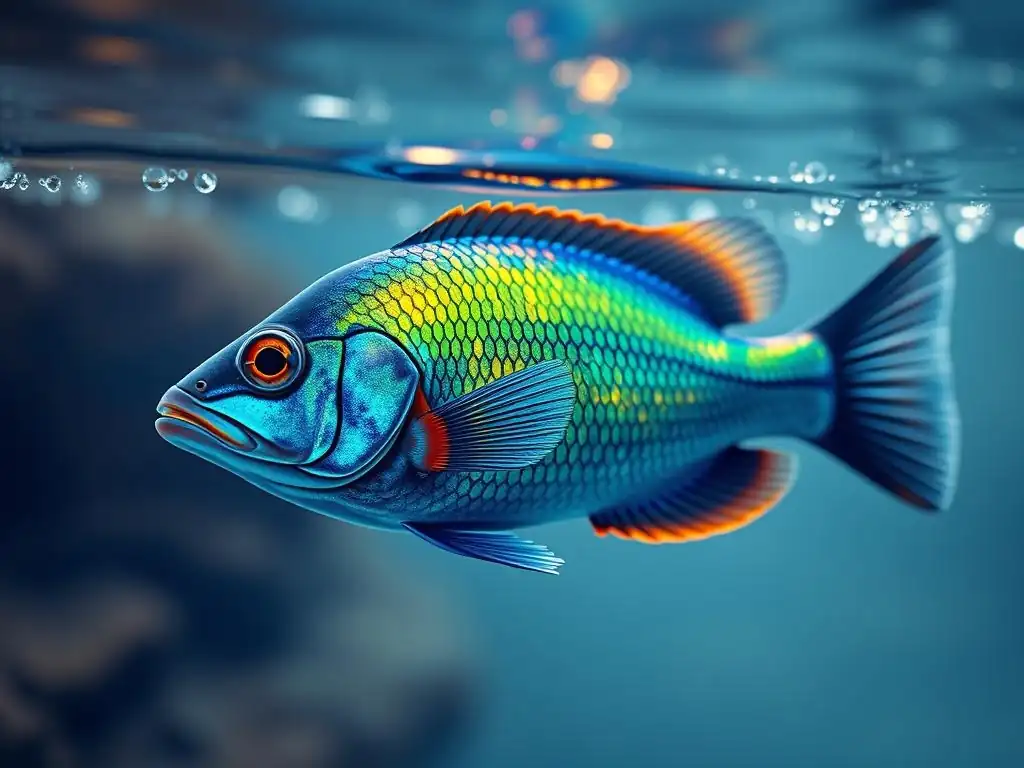
The Significance of Water Chemistry in Tanganyikan Tank Maintenance
Water chemistry is arguably the single most critical factor in the long-term success of a Featherfin cichlid aquarium. Lake Tanganyika is characterized by its exceptionally hard, alkaline water with a very stable pH, typically ranging from 7.8 to 9.0, and a high mineral content. Featherfins, like all Tanganyikan cichlids, have evolved over millions of years in these specific conditions, and their physiological systems are finely tuned to them. Deviations from these parameters, particularly rapid fluctuations, can cause severe osmotic stress, damage to gills, and a compromised immune system, making the fish highly susceptible to disease.
Maintaining consistent water parameters is far more important than achieving exact numbers, though aiming for the natural range is ideal. For instance, a pH of 8.2 that remains stable is preferable to a pH that fluctuates between 7.8 and 8.8. The high buffering capacity of Tanganyikan water also means it resists pH drops, which is crucial as fish respiration and organic decomposition tend to acidify the water over time. A precise Featherfin aquarium maintenance schedule must prioritize regular testing and careful adjustment of these parameters to mimic their natural habitat as closely as possible.
Testing Water Parameters: Ammonia, Nitrite, Nitrate, and pH
Regular water testing is an indispensable part of any effective Featherfin aquarium maintenance schedule. At a minimum, weekly tests for ammonia, nitrite, and nitrate are recommended, especially for new tanks or if any fish appear stressed. Ammonia and nitrite should always read 0 ppm; any detectable level indicates a problem with the biological filter or overstocking.
Nitrate levels, as mentioned, should ideally be kept below 20 ppm, though Featherfins are more tolerant of levels up to 40 ppm if stable. For example, if your weekly test consistently shows nitrates at 30 ppm, it's a clear signal to increase the frequency or volume of your weekly water changes.
pH should be tested weekly as well, aiming for a stable range between 7.8 and 9.0. Additionally, measuring General Hardness (GH) and Carbonate Hardness (KH) monthly or bi-weekly is crucial. GH, representing mineral content (primarily calcium and magnesium), should ideally be between 10-20 dGH (180-360 ppm). KH, or alkalinity, is vital for buffering the pH and should be maintained between 10-15 dKH (180-270 ppm). Reliable liquid test kits provide more accurate results than test strips for these critical parameters.
Adjusting Water Parameters for Optimal Tanganyikan Health: pH and Hardness
Adjusting water parameters for Featherfins requires a careful and gradual approach to avoid shocking the fish. Understanding the relationship between pH, GH, and KH is key to successful long-term management.
Maintaining Proper pH Levels for Tanganyikan Cichlids
To maintain the high, stable pH required by Featherfins (7.8-9.0), several methods can be employed. The most common and safest way is to use buffering agents specifically designed for cichlids or general African cichlid salts. These products typically contain carbonates and bicarbonates that increase the KH, thereby raising and stabilizing the pH. For example, adding a cichlid salt mix that raises GH and KH can help maintain a consistent pH of 8.4.
Another natural method is to incorporate crushed coral, aragonite sand, or limestone rocks into the substrate or filter. These materials slowly dissolve, releasing carbonates and calcium into the water, thereby buffering the pH upwards. A common practice is to mix 1-2 pounds of crushed coral per 10 gallons of water volume.
It is crucial to avoid drastic pH swings. If your tap water is significantly lower than the desired pH, gradual adjustment over several days or even weeks is necessary when setting up a new tank or performing large water changes. For instance, if your tap water is pH 7.0 and you aim for pH 8.2, increase the pH by no more than 0.2 units per day. Never use pH-up products that don't also increase buffering capacity, as they can lead to unstable pH and dangerous crashes. Consistent monitoring with a reliable pH test kit is essential to ensure stability.
Ensuring Adequate Water Hardness for Tanganyikan Well-being
Water hardness (GH and KH) is intrinsically linked to pH stability for Featherfins. Lake Tanganyika water is very hard, with high levels of calcium and magnesium. A GH of 10-20 dGH and KH of 10-15 dKH is ideal. If your tap water is soft, you will need to increase both GH and KH.
African cichlid salt mixes are excellent for this purpose, as they provide the necessary mineral salts in the correct proportions. For example, some mixes recommend specific dosages to achieve a target GH/KH, such as 1 teaspoon per 5 gallons for a 10 dGH increase. Using a magnesium-rich salt or Epsom salts (magnesium sulfate) can also contribute to GH, while sodium bicarbonate (baking soda) can increase KH.
Always add these supplements slowly and dissolve them completely before adding to the tank, preferably during water changes. Monitor GH and KH with test kits to ensure you are within the desired range. Adequate hardness provides essential minerals for osmotic regulation, bone development, and overall physiological health of Featherfins. Without sufficient hardness, Featherfins can suffer from osmoregulation issues, leading to lethargy and increased susceptibility to disease. Ensuring the right water hardness is a fundamental aspect of the Featherfin aquarium maintenance schedule.
Feeding Your Tanganyikan Cichlids: Diet and Nutrition
Optimal Feeding Practices for Tanganyikan Cichlids: Frequency and Quantity
Proper feeding practices are vital for the health and longevity of Featherfin cichlids. Due to their natural diet of zooplankton in the open water column, Featherfins have a relatively small digestive tract and a high metabolism. Therefore, they benefit from frequent, small feedings rather than large, infrequent meals.
Feeding your Featherfins 2-3 times a day, offering only what they can consume within 1-2 minutes, is generally recommended. For instance, in a 55-gallon tank with 10 adult Cyprichromis leptosoma, a pinch of high-quality flake food or a small amount of finely crushed pellets, consumed within 60 seconds, can be offered multiple times a day.
Overfeeding is a common mistake that leads to excess waste, deteriorating water quality, and potential health issues like bloat. Uneaten food quickly decomposes, releasing ammonia and nitrite, which are highly toxic to Featherfins. It's always better to underfeed slightly than to overfeed. Observing your fish during feeding will help you fine-tune the quantity; if food remains after two minutes, reduce the amount next time. This precise approach to feeding is an often-underestimated but critical component of a comprehensive Featherfin aquarium maintenance schedule.
Recommended Tanganyikan Cichlid Food: Variety and Nutritional Value
The diet of Featherfin cichlids should primarily consist of high-quality, protein-rich foods that mimic their natural zooplankton intake. Premium flake foods or small pellets specifically formulated for cichlids or omnivores are excellent staples. Look for foods with high protein content (e.g., 40-50%) and a good balance of essential vitamins and minerals. Examples include Hikari Cichlid Excel, New Life Spectrum Thera-A, or Omega One Super Color Flakes.
Supplementing their diet with frozen or freeze-dried foods can provide valuable nutritional variety. Brine shrimp, Mysis shrimp, and daphnia are all excellent choices that closely resemble their natural prey. For example, offering frozen Mysis shrimp once or twice a week provides excellent protein and chitin for digestion.
Avoid feeding live foods collected from unknown sources due to the risk of introducing parasites or diseases. Also, minimize or avoid high-fat foods like bloodworms, which can contribute to digestive issues in cichlids. A varied diet ensures they receive all necessary nutrients, promoting vibrant coloration, strong immune systems, and overall vitality, making it an indispensable part of your Featherfin aquarium maintenance schedule.
Preventing Overfeeding in Tanganyikan Aquariums: Maintaining Water Quality
Preventing overfeeding is crucial for maintaining pristine water quality in a Featherfin aquarium. Excess food not only pollifies the water but also puts an unnecessary strain on the filtration system, leading to higher nitrate levels and potentially dangerous ammonia/nitrite spikes. A simple rule of thumb is to feed small amounts several times a day, ensuring all food is consumed within 1-2 minutes. If you notice food settling on the substrate after feeding, you are likely overfeeding.
Implementing a "fast day" once a week can also be beneficial. Skipping one day of feeding allows the fish's digestive systems to rest and helps reduce the overall bioload on the aquarium. This practice also encourages the fish to consume any residual micro-organisms or algae in the tank, contributing to a cleaner environment.
Furthermore, ensure your filter is adequately sized for your tank and stock level, as a robust filter can handle minor overfeeding incidents more effectively. By strictly adhering to these practices, you significantly reduce the risk of water quality issues, ensuring a stable and healthy environment that is critical for a thriving Featherfin community, and is a non-negotiable aspect of any effective Featherfin aquarium maintenance schedule.
Preventing and Addressing Common Tanganyikan Aquarium Problems
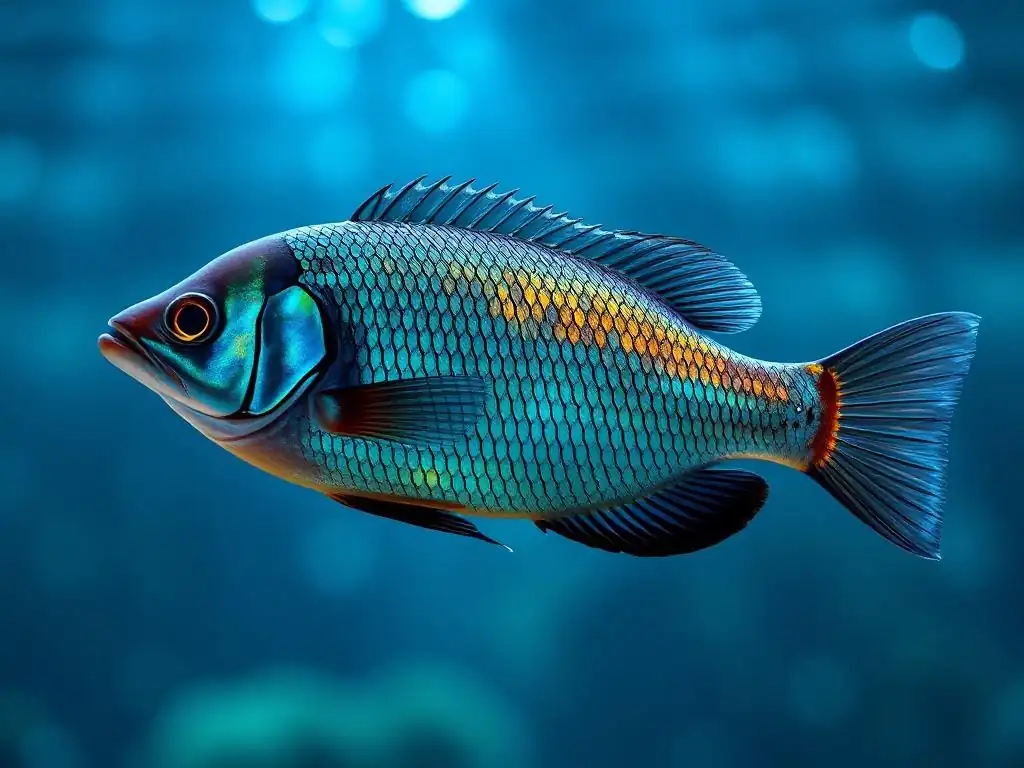
Identifying Potential Health Issues in Tanganyikan Cichlids: Early Detection
Early detection of health issues is paramount for successful treatment and preventing the spread of disease within a Featherfin cichlid community. Daily visual inspections, as part of your Featherfin aquarium maintenance schedule, are your first line of defense. Look for subtle changes in behavior, such as lethargy, hiding more than usual, or unusual swimming patterns (e.g., darting, rubbing against objects, or swimming upside down). Observe their physical appearance closely: check for faded or darkened coloration, white spots (Ich), fuzzy growths (fungus), red streaks, ulcers, or torn fins.
Featherfins, being open-water fish, are generally active and display strong schooling behavior. A fish separating itself from the school, gasping at the surface, or exhibiting clamped fins (fins held close to the body) are all red flags. For example, if a normally vibrant male Cyprichromis leptosoma loses its color and becomes withdrawn, it's a strong indicator of stress or illness. Promptly identifying these signs allows for immediate intervention, often preventing minor issues from escalating into widespread disease that could decimate an entire Featherfin population.
Common Tanganyikan Cichlid Diseases and Treatments: [Bloat, Ich, Fin Rot]
Despite the best Featherfin aquarium maintenance schedule, diseases can sometimes occur. Understanding common ailments and their treatments is crucial.
- Malawi Bloat (often affecting Tanganyikans): This is a serious, often fatal, digestive disorder caused by internal flagellates and exacerbated by poor diet (too much protein, fat) or stress. Symptoms include a distended abdomen, loss of appetite, white stringy feces, and labored breathing. Treatment: Isolate the affected fish in a hospital tank. Treat with metronidazole (e.g., Seachem Metronidazole, API General Cure) or specific bloat medications. Prevention is key: maintain pristine water quality, feed a balanced diet low in animal fats, and avoid overfeeding. For example, if a Featherfin develops bloat, a 7-day course of metronidazole at 250 mg per 10 gallons can be administered.
- Ich (White Spot Disease): Caused by the parasite Ichthyophthirius multifiliis, it appears as small, white, salt-like spots on the body and fins. Fish may scratch against decorations. Treatment: Increase water temperature gradually to 82-84°F (28-29°C) over 24 hours (if compatible with tankmates and aeration is increased), and use an Ich-specific medication (e.g., API Super Ich Cure, Seachem Paraguard). Ensure good aeration as higher temperatures reduce dissolved oxygen. For instance, a 5-day treatment with a malachite green-based medication is often effective, combined with daily gravel vacuuming to remove free-swimming parasites.
- Fin Rot: A bacterial infection often caused by poor water quality or injury, leading to frayed, ragged, or disintegrating fins. Treatment: Improve water quality immediately with a large water change (50% or more). Treat with broad-spectrum antibacterial medications (e.g., Furan-2, Maracyn). For example, a 7-day course of an erythromycin-based medication can effectively clear up bacterial fin rot if caught early. Maintaining low nitrate levels and stable parameters through diligent Featherfin aquarium maintenance is the best preventative measure.
Troubleshooting Common Aquarium Issues: Algae Blooms, Cloudy Water
Beyond fish diseases, common aquarium issues like algae blooms and cloudy water can indicate underlying problems with your Featherfin aquarium maintenance schedule.
- Algae Blooms: Excessive algae growth, whether green water (free-floating algae) or filamentous algae on surfaces, is almost always a sign of nutrient imbalance, typically too much light and/or too many nitrates/phosphates. Troubleshooting: Reduce lighting duration (e.g., from 12 hours to 8 hours daily). Increase frequency and volume of water changes (e.g., from 25% weekly to 50% weekly) to reduce nitrates and phosphates. Ensure you are not overfeeding. Adding fast-growing live plants (if compatible with Featherfins and their environment) can also help absorb excess nutrients, though Featherfin tanks are often sparsely planted. For example, if green water appears, a 50% water change combined with 3 days of blackout (no light) can often clear it, followed by addressing the root cause.
- Cloudy Water: Can be caused by various factors:
- Bacterial Bloom: Common in new tanks or after large disturbances to the filter, appearing as milky white cloudiness. Troubleshooting: This usually resolves on its own within a few days as the biological filter matures or recovers. Avoid overfeeding and resist the urge to do large water changes, which can prolong the bloom. Ensure good aeration.
- Particulate Matter: Fine debris suspended in the water, appearing as hazy cloudiness. Troubleshooting: Ensure adequate mechanical filtration (e.g., fine filter floss in your filter). Increase water flow if possible.
- Algae Bloom: As above, green water.
- Overfeeding/Overstocking: Too much organic waste. Troubleshooting: Reduce feeding, perform water changes, ensure proper stocking levels. For instance, if water is cloudy after a filter cleaning, it's likely a bacterial bloom. If it's cloudy and smells foul, it's likely overfeeding/overstocking and requires immediate action (water change, reduce feeding). Addressing these issues promptly is part of a responsive Featherfin aquarium maintenance schedule.
Maintaining a Balanced Ecosystem in Your Tanganyikan Tank
The Role of Beneficial Bacteria in Tanganyikan Aquariums
The foundation of a healthy Featherfin aquarium ecosystem lies in its beneficial bacteria, specifically nitrifying bacteria. These microscopic organisms colonize filter media, substrate, and tank surfaces, performing the critical role of the nitrogen cycle. They convert highly toxic ammonia (from fish waste and decaying organic matter) into less toxic nitrite, and then convert nitrite into relatively harmless nitrates. Without a robust colony of these bacteria, ammonia and nitrite would quickly accumulate to lethal levels for your Featherfins.
Maintaining this bacterial population is paramount. Avoid over-cleaning filters with tap water, using strong chemicals in the tank, or allowing temperatures to fluctuate wildly, as these can decimate bacterial colonies. A well-established biological filter, often taking 4-6 weeks to fully cycle a new tank, is essential before introducing Featherfins. A stable and efficient nitrogen cycle, facilitated by these beneficial bacteria, ensures clean water and is the silent, yet most crucial, component of any effective Featherfin aquarium maintenance schedule.
Rockwork and Aquascaping for Tanganyikan Cichlids: Creating Optimal Habitat
While Featherfins are pelagic and prefer open water, well-planned rockwork and aquascaping are still crucial for their well-being and natural behavior. Tanganyika cichlids, including Featherfins, appreciate structures for shelter, visual breaks, and breeding sites. For Cyprichromis species, tall, vertical rock formations that mimic the rocky slopes of Lake Tanganyika are ideal. These structures provide areas for males to establish territories and for females to seek refuge or spawn.
Use inert rocks like limestone, lace rock, or Texas holey rock, which also contribute to the desired high pH and hardness. Arrange rocks to create caves and crevices, but also ensure ample open swimming space, particularly in the upper and middle water column, where Featherfins predominantly reside. Avoid sharp edges that could injure delicate fins. A well-designed aquascape reduces stress, encourages natural behaviors, and contributes to the overall aesthetic appeal of your Featherfin tank, making it a critical aspect of creating an optimal environment alongside your Featherfin aquarium maintenance schedule.
Monitoring and Adjusting the Biological Load in Your Tanganyikan Aquarium
The biological load refers to the amount of waste produced by the inhabitants of your aquarium, directly influencing water quality and the efficiency of your biological filter. A higher biological load (more fish, larger fish, or overfeeding) produces more ammonia, requiring a more robust filtration system and more frequent water changes. For Featherfins, which are typically kept in schools of 8-12 or more, managing this load is crucial.
Monitor your nitrate levels as a primary indicator of biological load. Consistently high nitrates (e.g., above 20 ppm after a week) despite regular water changes suggest that your biological load might be too high for your current filtration or maintenance routine. You might need to increase water change frequency (e.g., 30% twice a week instead of once), upgrade your filtration, or consider reducing your fish population. Understanding and actively managing the biological load ensures that your Featherfin aquarium maintenance schedule is truly effective in providing a stable and healthy environment.
Tanganyikan Aquarium Maintenance Checklist: A Comprehensive Guide
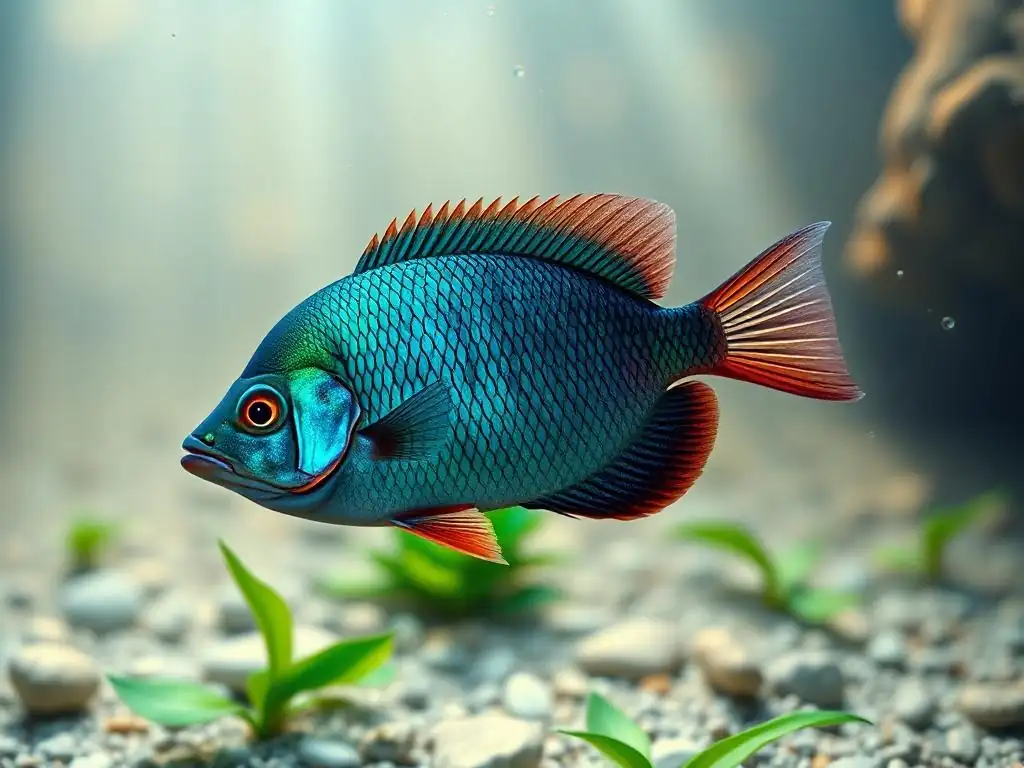
Daily, Weekly, and Monthly Tasks Summarized
Adhering to a structured Featherfin aquarium maintenance schedule is key to long-term success. Here's a summary of essential tasks:
- Daily Tasks:
- [ ] Visually inspect all Featherfins for signs of stress, disease, or injury.
- [ ] Check water temperature.
- [ ] Ensure all equipment (filter, heater, air pump) is functioning correctly.
- [ ] Feed Featherfins 2-3 times, small amounts consumed within 1-2 minutes.
- [ ] Remove any obvious uneaten food or large debris.
- Weekly Tasks:
- [ ] Perform a 25-30% partial water change, ensuring temperature and pH match.
- [ ] Gravel vacuum 1/3 to 1/2 of the substrate to remove detritus.
- [ ] Test water parameters: Ammonia, Nitrite, Nitrate, pH.
- [ ] Clean the inside of the front glass/acrylic to remove algae.
- Monthly Tasks:
- [ ] Clean filter media (mechanical and biological) by rinsing in old tank water.
- [ ] Inspect and clean impellers of pumps and powerheads.
- [ ] Check heater for cracks or malfunction.
- [ ] Inspect lighting fixtures and consider bulb replacement if due.
- [ ] Test GH and KH (General and Carbonate Hardness).
- [ ] Clean exterior of the tank and stand.
Essential Tools and Supplies for Tanganyikan Tank Maintenance
Having the right tools readily available simplifies your Featherfin aquarium maintenance schedule and ensures tasks are performed efficiently.
- Water Siphon/Gravel Vacuum: Essential for water changes and substrate cleaning.
- Buckets: At least two clean, dedicated buckets (5-gallon size is practical) for old and new water.
- Water Conditioner: To neutralize chlorine/chloramines in tap water.
- Liquid Test Kits: For Ammonia, Nitrite, Nitrate, pH, GH, KH. (E.g., API Freshwater Master Test Kit).
- Algae Scraper/Magnet Cleaner: For removing algae from tank walls.
- Filter Media: Replacements for mechanical media (sponges, floss) and biological media if needed.
- Aquarium Heater: Reliable heater for consistent temperature.
- Thermometer: To monitor water temperature.
- Net: For catching fish if needed (use sparingly to avoid stress).
- Sponge/Cloth: Dedicated for cleaning the outside of the tank.
- African Cichlid Salts/Buffers: If your tap water requires adjustment to match Tanganyikan parameters.
- Small dedicated brush: For cleaning filter tubes and impellers.
Advanced Tanganyikan Aquarium Care: Beyond the Basics
Breeding Tanganyikan Cichlids: Creating Optimal Conditions
Breeding Featherfin cichlids, such as Cyprichromis leptosoma, is a rewarding aspect of advanced Tanganyikan aquarium care. Optimal conditions for breeding go beyond basic maintenance, requiring heightened attention to stability, nutrition, and environmental cues. Featherfins are mouthbrooders, with females carrying eggs and fry in their mouths for several weeks. To encourage spawning, maintain impeccable water quality with consistent parameters (pH 8.0-8.5, GH 10-15 dGH, KH 10-15 dKH, temperature 78-80°F). A slightly higher protein diet, including live or frozen foods like daphnia or cyclops, can also condition the fish for breeding.
Provide tall, vertical rock structures or PVC pipes for males to establish territories and for females to spawn. In a healthy school of Featherfins (typically 1 male to 3-4 females), spawning will occur naturally. The female will pick up the eggs after the male fertilizes them. During the brooding period (around 3-4 weeks), the female will not eat.
She can be left in the main tank if there are plenty of hiding spots, or moved to a separate breeding tank for better fry survival. For example, a 20-gallon long tank with a sponge filter and some rockwork makes an ideal brooding tank. After the fry are released, they can be fed newly hatched brine shrimp. This level of detail in your Featherfin aquarium maintenance schedule paves the way for successful breeding.
Quarantine Tank Setup and Procedures
A quarantine tank is an indispensable tool for any serious aquarist, especially when dealing with sensitive Featherfin cichlids. Its primary purpose is to isolate new fish before introducing them to the main display tank, allowing for observation, deworming, and treatment of any potential diseases without exposing your established community. A typical quarantine tank can be a simple 10-20 gallon aquarium with a heater, sponge filter, and a few PVC pipes or inert decorations for shelter. It should be easy to clean and should not contain substrate, which can harbor parasites or absorb medications.
The quarantine period should ideally last 4-6 weeks. During this time, observe the new Featherfins daily for any signs of illness. Perform regular water changes (e.g., 50% every 2-3 days) to maintain pristine water quality.
Many aquarists opt for prophylactic treatment, such as a broad-spectrum anti-parasitic (e.g., praziquantel) and antibacterial (e.g., erythromycin) medication, even if no symptoms are present. For instance, a 7-day course of a general parasite treatment followed by a 7-day course of an antibacterial treatment can be administered. This proactive approach, while an additional step in your Featherfin aquarium maintenance schedule, drastically reduces the risk of introducing pathogens to your thriving community.
Specialized Filtration for Tanganyikan Aquariums: Addressing Specific Needs
While a standard canister or hang-on-back filter suffices for many Featherfin setups, specialized filtration can offer enhanced stability and water quality for these sensitive cichlids. Given their preference for clean, oxygen-rich water, supplemental filtration can be highly beneficial.
- Sump Filtration: A sump (a separate tank usually placed below the main display) offers superior mechanical, biological, and chemical filtration capacity. It allows for a larger volume of filter media, skimmers (for marine, but also useful for reducing organics in freshwater), and reactors for media like crushed coral to maintain pH and hardness. A sump can add 20-50% to the total water volume, providing greater stability. For example, a 75-gallon Featherfin tank could benefit significantly from a 20-gallon sump for enhanced filtration and water volume.
- UV Sterilizers: An ultraviolet (UV) sterilizer can be integrated into the filtration system to kill free-floating algae, bacteria, and parasites in the water column. While not a substitute for proper maintenance, a UV sterilizer can significantly improve water clarity and reduce the risk of disease outbreaks, particularly beneficial for preventing Ich and bacterial blooms. A 9-watt UV sterilizer can effectively treat a 75-gallon Featherfin tank.
- Protein Skimmers (Freshwater): While traditionally used in saltwater, some freshwater protein skimmers are available that can remove dissolved organic compounds before they break down into nitrates. This can be especially useful in heavily stocked Featherfin tanks, though they are less common and typically less efficient than their saltwater counterparts.
These advanced filtration methods, when integrated into a meticulous Featherfin aquarium maintenance schedule, provide an extra layer of protection and stability, creating an even more pristine environment for your Featherfin community to flourish.
Frequently Asked Questions
How often should I perform water changes in a Featherfin aquarium?
Water changes are crucial for maintaining water quality. Aim for 25-50% water changes every 1-2 weeks, depending on your tank size and bioload. This helps remove nitrates and replenish essential minerals.
What specific water parameters are most important for Featherfin Synodontis catfish?
Featherfins prefer a pH of 6.5-7.5, a temperature of 72-78°F (22-26°C), and relatively soft water. Regular testing is key to maintaining these stable conditions.
What should a Featherfin aquarium maintenance schedule include regarding feeding?
Feed your Featherfins a varied diet of sinking pellets, flakes, and occasional live or frozen foods. Feed once or twice daily, providing only what they can consume in a few minutes to prevent overfeeding and water pollution.
How frequently should I clean the substrate in my Featherfin tank?
Vacuum the substrate during water changes to remove accumulated debris and uneaten food. This helps prevent the build-up of harmful bacteria and maintains optimal water quality.
Are there any specific plant care considerations within a Featherfin aquarium maintenance schedule?
Featherfins may uproot or nibble on delicate plants. Choose robust, hardy plants like Java Fern or Anubias, and ensure they are securely anchored. Prune and fertilize plants as needed to maintain a healthy aquatic environment.
Final Reflection: Cultivating Harmony in Your Aquatic World
The insights shared throughout this article underscore the vital connection between diligent Featherfin aquarium maintenance and the vibrant health of your aquatic community. More than just a chore, establishing a consistent Featherfin aquarium maintenance schedule is an act of stewardship, ensuring these fascinating creatures thrive in an environment that mirrors their natural habitat as closely as possible.
This dedication to routine care profoundly shapes the well-being of your Featherfins and, by extension, our understanding of responsible aquarium keeping. The greatness of a nation and its moral progress can be judged by the way its animals are treated.
- Mahatma Gandhi. This quote, while speaking of all animals, resonates deeply with the responsibility we undertake when bringing any living creature into our care, reminding us that their flourishing is a direct reflection of our commitment.
Now, consider the ripple effect of your actions. By embracing a proactive Featherfin aquarium maintenance schedule, you're not only ensuring the health of your fish but also contributing to a broader culture of responsible pet ownership. What small changes can you implement today to elevate your care routine and further enhance the lives of your Featherfins? Let's all strive to be conscientious custodians of these beautiful creatures, fostering a thriving aquatic world for generations to come.
Unlock Your Featherfin Paradise!
Thank you for diving into the world of Featherfin Catfish with us! We hope you've discovered valuable insights to keep your aquatic friends happy and healthy. Now, let’s transform that knowledge into action!
Here are a few ways to continue the Featherfin adventure:
- Schedule a dedicated tank maintenance day each month. This small investment of time can drastically improve the well-being of your Featherfins.
- Share this article with a fellow aquarist. Helping others discover the joy of Featherfins strengthens our community!
- Experiment with a new, protein-rich food source for your Featherfins this week! Observe their feeding habits and share your findings in the comments.
What surprising behavior have you observed in your Featherfins recently, and how did you adapt your maintenance routine?