
Can Shell Dwellers Live with Other Tanganyikans? A Compatibility Guide

Welcome to Aquarium Mastery!
Ever wondered if you could create the perfect harmonious community in your Tanganyika aquarium? Dive into our latest article and unlock the secrets of Tanganyika cichlid compatibility. Are shell dwellers really as territorial as they seem, and can they peacefully coexist with other stunning Tanganyikan species? Let's explore the fascinating world of these vibrant freshwater fish and discover the Tanganyika cichlid compatibility guide you've been searching for!
- Understanding Shell Dwellers and Their Unique Needs
- Tanganyika Cichlid Compatibility Guide: Finding the Right Tank Mates
- Compatible Tanganyikan Tank Mates for Shell Dwellers
- Tanganyika Cichlids to Avoid Keeping with Shell Dwellers
- Creating a Harmonious Tanganyikan Community Tank
- Troubleshooting Compatibility Issues: Signs of Aggression and Stress
- Advanced Strategies for Tanganyika Cichlid Compatibility
- Conclusion: Building a Thriving Tanganyikan Shell Dweller Community
-
Frequently Asked Questions
- Can I keep shell dwellers with other types of Tanganyika cichlids in my aquarium?
- What are some Tanganyika cichlids that are generally not compatible with shell dwellers?
- What size tank is recommended for keeping shell dwellers with other Tanganyika cichlids?
- What are some signs that my shell dwellers are not compatible with their tank mates?
- How can I improve the chances of successful cohabitation between shell dwellers and other Tanganyika cichlids?
- Final Reflection: Harmony in the Depths
- Dive Deeper: Uncover Your Next Tanganyika Adventure!
Understanding Shell Dwellers and Their Unique Needs
What are Shell Dwellers? An Introduction to Lamprologus Species
Shell dwellers are a fascinating group of small cichlids native to Lake Tanganyika in East Africa, primarily belonging to the Neolamprologus and Lamprologus genera. Species like Neolamprologus multifasciatus (Multies), Neolamprologus similis, Neolamprologus brevis, and Lamprologus ocellatus (Ocellatus) are popular examples. These diminutive fish typically range from 1 to 3 inches (2.5 to 7.5 cm) in length, making them among the smallest cichlids. Their unique name derives from their specialized adaptation of utilizing empty snail shells, predominantly those of the endemic Neothauma tanganyicense snail, for shelter and breeding.
In their natural habitat, shell dwellers inhabit vast, sandy plains littered with thousands of empty Neothauma shells, often found at depths ranging from a few feet to over 100 feet. These shells are not merely hiding spots; they are central to their entire existence. Each shell dweller, or a breeding pair, establishes a territory around one or more shells, which serves as their home, refuge from predators, and the crucial site for spawning and raising fry. Their small size and reliance on these specific microhabitats distinguish them from most other Tanganyikan cichlids.
The Importance of Shells: Habitat and Breeding Requirements
The shells are absolutely indispensable for shell dwellers, serving as their primary habitat and a cornerstone of their survival strategy. They provide critical protection from larger fish, such as predatory Lamprologus species or even larger Cyprichromis that might prey on their fry. Shells also offer a stable, confined space where these small cichlids can feel secure, reducing stress and promoting natural behavior. Without adequate shells, shell dwellers become highly stressed, prone to disease, and unable to establish proper territories.
For breeding, shells are paramount. The female will typically lay her eggs inside the shell, with clutch sizes varying by species; for instance, Neolamprologus multifasciatus females can lay between 10 to 50 eggs inside a shell, which hatch in approximately 3-5 days at 78°F (26°C). The male then guards the entrance of the shell, or the immediate surrounding territory, while the female tends to the eggs and fry within. This strong parental care, combined with the security of the shell, results in relatively high breeding success rates in appropriate setups, showcasing their intricate reliance on these specific environmental features.
Unique Behavioral Traits of Shell Dwellers: Aggression and Territoriality
Despite their diminutive size, shell dwellers exhibit surprisingly intense territoriality and aggression, particularly towards conspecifics or other fish that invade their personal space or compete for shells. They are highly protective of their chosen shell and the immediate sandy area around it, often digging extensively to bury or rearrange shells to suit their preferences. This territorial behavior is a crucial survival mechanism in the wild, ensuring access to resources and breeding sites.
In an aquarium setting, this territoriality means that while shell dwellers may be relatively peaceful towards fish occupying different water columns, they will fiercely defend their bottom-dwelling, shell-centric territory. For instance, a colony of Neolamprologus multifasciatus can quickly expand its territory across a sandy substrate, with each individual or pair claiming multiple shells. This dynamic underscores the importance of providing ample space and numerous shells to dilute aggression and allow for natural social structures to form within a Tanganyika cichlid compatibility guide focused environment.
Tanganyika Cichlid Compatibility Guide: Finding the Right Tank Mates
Factors Affecting Tanganyika Cichlid Compatibility
Tank Size Considerations for a Diverse Tanganyikan Community
Tank size is the single most critical factor when planning a diverse Tanganyikan cichlid community, especially when including shell dwellers. While a small colony of Neolamprologus multifasciatus might thrive in a 20-gallon long tank (approximately 30x12x12 inches or 75x30x30 cm), a mixed community requires significantly more space.
A minimum of a 40-gallon breeder (36x18x16 inches) or a 55-gallon tank (48x13x21 inches) is often recommended as a starting point for combining shell dwellers with other compatible Tanganyikan species. Larger tanks, such as 75-gallon (48x18x21 inches) or 125-gallon (72x18x21 inches) setups, are ideal as they provide ample horizontal swimming space and allow for the creation of distinct territorial zones.
The increased volume and footprint of larger tanks are essential for diluting aggression and preventing overcrowding. In a 75-gallon tank, for example, distinct sandy areas for shell dwellers can be established alongside rocky structures for rock-dwelling species, and open water for schooling cichlids. This spatial partitioning minimizes direct interactions and competition for resources, reducing stress levels for all inhabitants. An overcrowded tank, regardless of species compatibility, inevitably leads to heightened aggression, stunted growth, and increased susceptibility to disease.
Water Parameter Requirements: Maintaining Ideal Conditions for All Species
Maintaining stable and appropriate water parameters is fundamental for the health and compatibility of all Tanganyikan cichlids, including shell dwellers. Lake Tanganyika is renowned for its very hard, alkaline water, and replicating these conditions is crucial. Ideal parameters include a pH range of 7.8 to 9.0, a general hardness (GH) of 10-20 dGH, and a carbonate hardness (KH) of 10-15 dKH. The water temperature should be consistently maintained between 75-80°F (24-27°C).
Consistency is key; sudden fluctuations in pH or temperature can be highly detrimental, causing severe stress and potentially fatal osmotic shock. Regular water changes, typically 20-30% weekly or bi-weekly, are essential to keep nitrate levels low (ideally below 20 ppm) and maintain the desired chemical balance. Using a high-quality water conditioner that neutralizes chlorine and chloramines, and potentially a buffer to maintain alkalinity, will ensure a stable and healthy environment for all species within your Tanganyika cichlid compatibility guide setup.
Temperament and Aggression Levels: Assessing Potential Conflicts
Understanding the temperament and aggression levels of each potential tank mate is paramount for successful Tanganyikan cichlid compatibility. Tanganyikan cichlids exhibit a wide spectrum of behaviors, from the relatively peaceful open-water dwellers to intensely territorial rock-dwellers and aggressive predators. Shell dwellers, while territorial around their shells, are generally not overtly aggressive towards fish that do not compete for their specific niche.
The concept of "zone partitioning" is vital here. Shell dwellers inhabit the bottom, sandy substrate. Compatible tank mates should ideally occupy different areas of the tank—the mid-water column, the upper water column, or specific rock structures—to minimize direct competition and territorial disputes. For example, pairing a highly aggressive, large rock-dwelling cichlid with small, timid shell dwellers will invariably lead to bullying and stress. Careful research into each species' typical behavior and adult size is necessary to prevent conflicts and ensure a harmonious community.
Compatible Tanganyikan Tank Mates for Shell Dwellers
Cyprichromis: Adding Grace and Color to the Upper Water Column
Cyprichromis species, such as Cyprichromis leptosoma (Sardine Cichlid) and Cyprichromis microlepidotus, are arguably among the best tank mates for shell dwellers. These elegant, open-water schooling cichlids primarily inhabit the upper and mid-water columns of the tank, effectively avoiding any territorial disputes with bottom-dwelling shell dwellers. Their peaceful nature and tendency to school in impressive numbers add a dynamic and visually appealing element to the aquarium without posing a threat to the shell dwellers' domain.
To thrive, Cyprichromis should be kept in groups of at least 6-10 individuals to encourage their natural schooling behavior and reduce stress. They typically grow to about 4-5 inches (10-12 cm) in length and require clean, oxygen-rich water. For example, a group of 8-10 Cyprichromis leptosoma in a 75-gallon tank will gracefully utilize the upper two-thirds of the water column, leaving the entire bottom floor for a thriving colony of shell dwellers, creating a balanced and visually stunning Tanganyika cichlid compatibility guide display.
Paracyprichromis nigripinnis: A Peaceful Schooling Option
Paracyprichromis nigripinnis is another excellent choice for a peaceful, schooling tank mate that complements shell dwellers. Similar in form and behavior to Cyprichromis, Paracyprichromis nigripinnis is generally smaller, reaching about 3-4 inches (7.5-10 cm), and often considered even more placid. They also prefer the open water, often hovering near rocky outcrops or driftwood, and do not compete with shell dwellers for space or resources. Their subtle beauty, characterized by iridescent blue hues and elongated fins, makes them a captivating addition.
Like Cyprichromis, Paracyprichromis nigripinnis are social fish and thrive when kept in groups of six or more. Their calm demeanor and schooling behavior contribute to a serene community tank environment, making them ideal for aquarists focused on a harmonious shell dweller setup. They are micro-predators in the wild, feeding on zooplankton, and in the aquarium, they readily accept high-quality small flake or pellet foods, ensuring they stay healthy and vibrant without interfering with bottom feeders.
Julidochromis: Rock Dwellers that Can Coexist (with caution)
Julidochromis species, commonly known as "Julie" cichlids (e.g., Julidochromis transcriptus, Julidochromis ornatus, Julidochromis regani), are rock-dwelling cichlids that can potentially coexist with shell dwellers, but with significant caution. These fish primarily inhabit rocky crevices and caves, establishing territories within these structures and generally staying away from the open sandy areas preferred by shell dwellers. This distinct ecological niche can allow for successful cohabitation, provided ample rockwork is available to define their territories.
The caution arises from their territorial and sometimes aggressive nature, particularly during breeding. Julidochromis will fiercely defend their rock territory, and if their chosen area is too close to a shell dweller's territory, conflicts can arise.
It's advisable to choose smaller Julidochromis species, such as J. ornatus (up to 4 inches or 10 cm), which are generally less aggressive than larger species like J. regani (up to 5 inches or 13 cm). Providing a generous amount of stacked rocks to create numerous caves and visual barriers is crucial for a successful Tanganyika cichlid compatibility guide with these species, ensuring each pair has its own distinct territory.
Tanganyika Cichlids to Avoid Keeping with Shell Dwellers
Large and Aggressive Cichlids: Neolamprologus leleupi and Similar Species
Keeping large and overtly aggressive Tanganyikan cichlids with small, relatively delicate shell dwellers is highly inadvisable. Species such as Neolamprologus leleupi (Lemon Cichlid), which can grow up to 4-5 inches (10-13 cm) and are known for their robust and territorial nature, or larger predatory Lamprologus species (e.g., Lamprologus brichardi or Neolamprologus pulcher), will invariably intimidate and outcompete shell dwellers. Their sheer size difference and dominant behavior can lead to constant harassment, preventing shell dwellers from feeding, breeding, or even emerging from their shells.
The continuous stress imposed by larger, aggressive tank mates can lead to severe health issues for shell dwellers, including stunted growth, faded coloration, and increased susceptibility to disease. While a Neolamprologus leleupi is undeniably beautiful with its vibrant yellow hue, its predatory instincts and territorial demands make it an unsuitable companion for the more timid and specialized shell dwellers. Even in very large tanks, the potential for conflict and stress remains high, undermining the goal of a harmonious Tanganyika cichlid compatibility guide community.
Bottom Dwellers that Compete for Resources: Synodontis catfish
Introducing other bottom-dwelling species that directly compete for food and territory with shell dwellers can lead to significant problems. While many Synodontis catfish are generally peaceful, some larger species, such as Synodontis multipunctatus or Synodontis petricola, can be highly active on the substrate. Their constant foraging and burrowing can disturb the delicate territories established by shell dwellers, leading to chronic stress and preventing successful breeding.
Furthermore, some Synodontis species might attempt to enter shells, disturbing breeding pairs or even consuming eggs and fry. While smaller Synodontis species might be considered in exceptionally large tanks, it is generally safer to avoid them entirely to prevent any direct competition for the critical bottom-dwelling niche that shell dwellers depend on. The primary concern is the disruption of the shell dwellers' established homes and the potential for resource scarcity at the substrate level.
Species with Similar Shell-Dwelling Habits: Neolamprologus multifasciatus
A common misconception is that different species of shell dwellers can be successfully housed together. However, combining various shell-dwelling species, such as Neolamprologus multifasciatus with Neolamprologus similis or Lamprologus ocellatus, is highly problematic and generally not recommended. Despite their small size, shell dwellers are fiercely territorial over their shells and will engage in intense competition with other species that share their specific habitat requirements.
This direct competition for the most crucial resource—empty snail shells—will inevitably lead to severe territorial battles, constant stress, and often the suppression or outright demise of the weaker species. Even if an abundance of shells is provided, the inherent drive to dominate the shell-dwelling niche will result in aggression. For a successful and thriving Tanganyika cichlid compatibility guide setup, it is always best to dedicate a tank to a single species or colony of shell dwellers, allowing them to exhibit their natural behaviors without inter-species conflict over shells.
Creating a Harmonious Tanganyikan Community Tank
Tank Setup: Providing Ample Space and Hiding Places
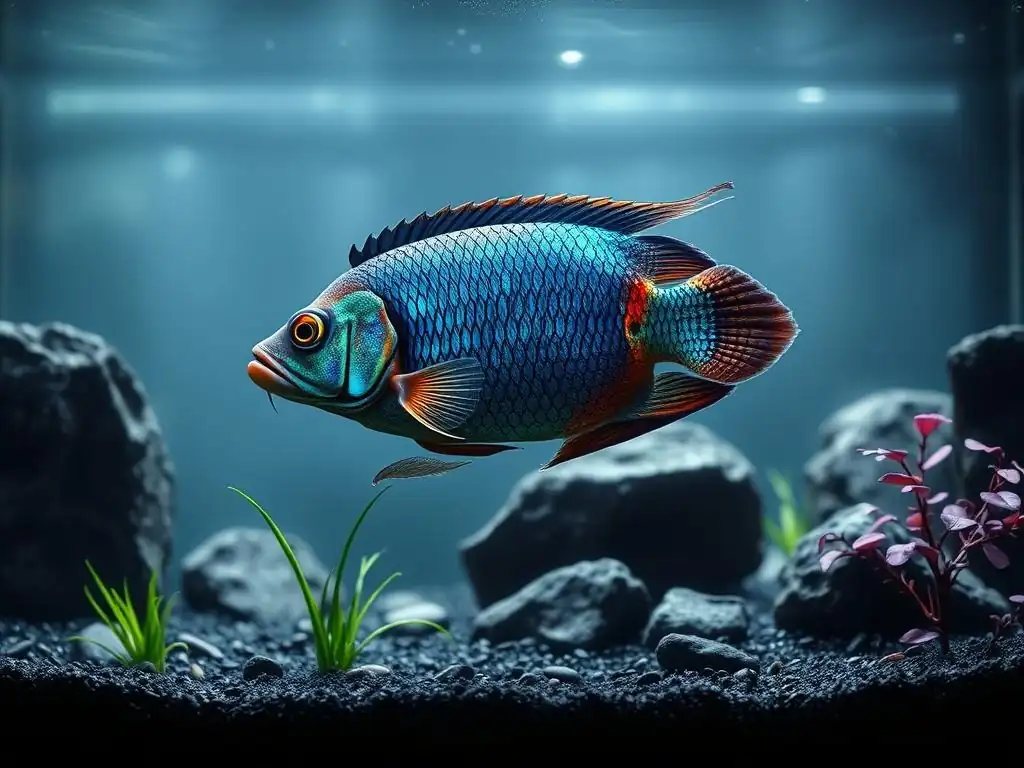
Creating a harmonious Tanganyikan community tank, especially one featuring shell dwellers, hinges on a thoughtful tank setup. The dimensions of the tank are more important than its volume; a long tank (e.g., a 48-inch long 55-gallon or 75-gallon) provides much more horizontal swimming space and distinct territorial zones than a tall tank of similar volume. The substrate should consist of fine, soft sand, at least 2-3 inches (5-7.5 cm) deep, to allow shell dwellers to dig and arrange their shells naturally.
In addition to the sandy areas for shell dwellers, incorporate various rock structures to create caves, crevices, and visual barriers for other species, like Julidochromis or even some Cyprichromis that appreciate rocky retreats. Strategically placed rocks can help define territories and break up lines of sight, reducing aggression. For instance, a 75-gallon tank could feature a large, open sandy area on one side for a shell dweller colony and a separate, intricate rock formation on the other, with open water in between for schooling fish. This physical separation is key to minimizing direct conflict.
Shell Placement: Optimizing Territory for Shell Dwellers
The placement and quantity of shells are crucial for the well-being and natural behavior of shell dwellers. While Neothauma shells are ideal due to their natural relevance, readily available alternatives like escargot shells, turbo snail shells, or small, cleaned conch shells work perfectly. A general rule of thumb is to provide significantly more shells than the number of shell dwellers—ideally 2-3 shells per fish, or even more for colonial species like Neolamprologus multifasciatus. This abundance allows fish to choose their preferred homes, reduces competition, and facilitates colony expansion.
Scatter the shells across the sandy bottom, some fully exposed, some partially buried, and some grouped together. For colonial species, creating a dense "shell bed" in a designated area encourages the natural formation of a large, interconnected colony. Allowing shell dwellers to rearrange and bury shells as they see fit is part of their natural behavior and contributes to their comfort and sense of security. Proper shell placement is a cornerstone of a successful Tanganyika cichlid compatibility guide for shell dwellers.
Water Quality Management: Maintaining a Stable Environment
Maintaining pristine and stable water quality is paramount for all Tanganyikan cichlids. A robust filtration system is essential to handle the bioload and ensure excellent biological filtration. This can include large sponge filters, hang-on-back filters with ample biological media, or canister filters. Regular testing of pH, ammonia, nitrite, and nitrate levels is non-negotiable to monitor the health of your aquatic environment.
A consistent maintenance routine is critical. Perform 20-30% partial water changes weekly or bi-weekly, ensuring the new water is dechlorinated, temperature-matched, and adjusted to the appropriate pH and hardness levels for Tanganyikan cichlids. Utilize a gravel vacuum to remove detritus and uneaten food from the sand substrate, preventing the buildup of harmful toxins. This diligent approach to water quality management is fundamental to preventing stress, disease, and aggression, ensuring a thriving and stable Tanganyika cichlid compatibility guide community.
Troubleshooting Compatibility Issues: Signs of Aggression and Stress
Identifying and Addressing Fin Nipping and Chasing
Early detection of compatibility issues is crucial for maintaining a healthy community tank. Common signs of aggression include torn fins, persistent chasing, excessive hiding, or a refusal to eat. Observe your fish closely for at least 15-30 minutes daily, paying particular attention to interactions between different species and individuals. Note which fish are the aggressors and which are the targets.
If mild aggression is observed, try simple interventions first. Rearranging the tank decor, particularly rock structures, can often disrupt established territories and reduce conflict. Adding more hiding places or increasing the number of individuals for schooling species can help dilute aggression, as it spreads out the bullying among more targets. For example, if a Julidochromis is constantly harassing a shell dweller, adding more distinct rock caves for the Julidochromis to claim might provide enough separation. If a fish is being relentlessly targeted, temporary separation in a quarantine tank might be necessary.
Monitoring Water Parameters for Early Warning Signs
Poor water quality or unstable parameters can significantly exacerbate aggression and stress in cichlids. Elevated levels of ammonia or nitrite, or wide fluctuations in pH, weaken fish, making them more susceptible to bullying and prone to stress-related diseases. Signs of stress due to water quality issues include faded colors, clamped fins, rapid gilling, or lethargy, which can in turn make a fish an easier target for more aggressive tank mates.
Daily visual checks combined with regular (weekly) water parameter tests are essential for proactive management. If parameters are outside the ideal range for Tanganyikan cichlids, perform an immediate partial water change. Ensuring consistently pristine and stable water conditions helps to reduce overall stress levels in the tank, making fish more resilient and less likely to engage in or suffer from aggression. For instance, a sudden drop in pH from 8.5 to 7.5 can cause shock and vulnerability, leading to increased bullying.
Quarantine and Rehoming: When Separation is Necessary
When aggression persists despite interventions, or if a fish is consistently stressed, injured, or failing to thrive, temporary separation in a quarantine tank is necessary. A quarantine tank, even a small 10-gallon setup, allows the stressed or injured fish to recover in a peaceful environment. It also provides an opportunity to observe the main tank without the problematic fish, helping to identify the root cause of the aggression.
If a specific fish consistently causes problems, or if it becomes clear that a particular species is simply not compatible with the rest of your community despite all efforts, rehoming is the most humane and responsible solution. For example, if a Neolamprologus leleupi continues to harass shell dwellers even in a large tank with ample hiding spots, it indicates that this species is not suitable for that specific Tanganyika cichlid compatibility guide setup. Prioritizing the well-being of all inhabitants is key to long-term success.
Advanced Strategies for Tanganyika Cichlid Compatibility
Overstocking (Carefully): A Technique to Reduce Aggression
Controlled overstocking is an advanced strategy sometimes employed in cichlid keeping to diffuse aggression. The theory is that by slightly increasing the number of fish, it becomes more difficult for any single fish to establish and defend a large, exclusive territory. This forces aggression to be spread out among many individuals, preventing one fish from becoming the sole target of bullying. This technique can be particularly effective for semi-aggressive species that tend to pair off and become overly territorial.
However, this strategy requires exceptional diligence. It necessitates robust filtration, increased frequency and volume of water changes (e.g., 50% weekly instead of 20-30%), and continuous monitoring of water parameters. It is not recommended for beginners due to the higher risk of water quality issues and stress if not managed meticulously. For instance, in a 75-gallon tank, adding a few extra Cyprichromis or slightly expanding a shell dweller colony can sometimes lead to a more balanced aggression dynamic by spreading it across more individuals.
Introducing Fish Simultaneously: Minimizing Territorial Disputes
When setting up a new Tanganyikan community tank, introducing all (or at least the majority of) the fish simultaneously can significantly reduce territorial disputes. If fish are added one by one, the earlier inhabitants often claim territories and become established, viewing subsequent additions as intruders. This can lead to intense aggression as new fish struggle to find their place.
By introducing all fish at roughly the same time, they are all in the process of establishing their pecking order and claiming territories simultaneously. This "level playing field" can lead to a more balanced and less aggressive initial setup. For example, if you plan to keep shell dwellers, Cyprichromis, and Julidochromis, acclimate them all carefully and release them into the newly set up tank within a short timeframe. This minimizes the initial territorial advantage that an established fish would normally have over a newcomer.
Continuous Observation and Adjustment: The Key to Long-Term Success
Aquarium keeping, especially with a dynamic community of Tanganyikan cichlids, is not a static endeavor. Fish behavior can change over time as they mature, breed, or as the tank environment evolves. Therefore, continuous observation is the ultimate key to long-term success in Tanganyika cichlid compatibility guide efforts. Daily visual checks allow you to detect subtle signs of stress, aggression, or illness before they escalate into major problems.
Be prepared to make adjustments as needed. This might involve rearranging decor to break up territories, adding more shells, increasing the frequency of water changes, or, in rare cases, rehoming a particularly problematic fish. A thriving Tanganyikan community tank is a dynamic ecosystem that requires ongoing attention, flexibility, and a willingness to adapt to the changing needs and behaviors of its inhabitants. Patience and proactive management are invaluable assets for any aquarist.
Conclusion: Building a Thriving Tanganyikan Shell Dweller Community
Key Takeaways for Successful Tank Mate Selection
Building a thriving Tanganyikan shell dweller community is a rewarding endeavor that hinges on careful planning and diligent execution. The key takeaways for successful tank mate selection include: thorough research into each species' adult size, temperament, and specific ecological niche; prioritizing ample tank size and appropriate decor, with plenty of sand for shell dwellers and rocks for other cichlids; and maintaining pristine and stable water parameters that mimic Lake Tanganyika's unique conditions. Understanding how different species utilize various parts of the water column and avoiding direct competition for resources are fundamental to a peaceful coexistence.
Ultimately, a successful Tanganyika cichlid compatibility guide for shell dwellers requires a holistic approach. Focus on species that occupy different parts of the water column and do not compete directly for shells, such as open-water schooling Cyprichromis or Paracyprichromis, and carefully chosen rock-dwelling Julidochromis. Providing an abundance of shells and hiding places, along with consistent water quality management, will significantly reduce stress and aggression, allowing these fascinating fish to exhibit their natural behaviors.
Further Resources for Tanganyikan Cichlid Keeping
For those deeply invested in the captivating world of Tanganyikan cichlids, continuous learning is highly encouraged. Specialized online forums and communities dedicated to African cichlids offer invaluable insights from experienced aquarists, providing a platform for asking questions and sharing experiences. Comprehensive books on Lake Tanganyika cichlids delve into species-specific care, breeding behaviors, and natural habitats, offering a deeper understanding beyond general compatibility. Local aquarium clubs can also be a fantastic resource for networking, obtaining healthy fish, and learning practical tips from fellow enthusiasts.
With proper care, attention to detail, and a commitment to understanding their unique needs, a shell dweller community tank can be an incredibly fascinating and rewarding display. Observing their intricate social structures, territorial defense, and diligent parental care offers a unique window into the natural wonders of Lake Tanganyika, making the effort truly worthwhile.
Frequently Asked Questions
Can I keep shell dwellers with other types of Tanganyika cichlids in my aquarium?
It depends on the tank size and the temperament of the other cichlids. Some species are more aggressive and may harass or outcompete the shell dwellers. Careful research is crucial.
What are some Tanganyika cichlids that are generally not compatible with shell dwellers?
Larger, more aggressive species like frontosa or calvus are usually not good tank mates. They might prey on the shell dwellers or dominate the entire tank. Avoid species that require similar territories.
What size tank is recommended for keeping shell dwellers with other Tanganyika cichlids?
A larger tank is always better, ideally 40 gallons or more, to provide adequate space and reduce aggression. This allows for distinct territories and reduces competition for resources.
What are some signs that my shell dwellers are not compatible with their tank mates?
Signs include shell dwellers hiding constantly, exhibiting stress colors, or being physically attacked. A lack of breeding behavior can also indicate stress.
How can I improve the chances of successful cohabitation between shell dwellers and other Tanganyika cichlids?
Provide plenty of hiding places and visual barriers. Ensure adequate filtration and maintain stable water parameters. Introduce all fish at the same time if possible.
Final Reflection: Harmony in the Depths
The delicate balance within Lake Tanganyika's ecosystem, as explored in this compatibility guide, remains a crucial consideration for any aquarist seeking to recreate its beauty. Understanding the nuances of Tanganyika cichlid compatibility isn't just about preventing aggression; it's about fostering a thriving, naturalistic environment that mirrors the lake's intricate web of life. The choices we make in our aquariums have a direct impact on the well-being of these fascinating creatures.
The ongoing fascination with Tanganyika cichlids underscores our inherent desire to connect with the natural world and to understand the complexities of biodiversity. This guide, hopefully, contributes to a more informed and responsible approach to fishkeeping, moving beyond mere aesthetics to embrace the ethical considerations of keeping these animals. In the end, we will conserve only what we love; we will love only what we understand; and we will understand only what we are taught.
- Baba Dioum. This quote perfectly encapsulates the importance of education in fostering a deeper appreciation for these unique fish and their fragile environment.
As you embark on your journey of creating a Tanganyika biotope, remember that your choices matter. Consider the long-term implications of your decisions, not just for the fish themselves, but for the preservation of their natural habitat. Let this guide serve as a starting point, inspiring you to continue learning, observing, and adapting your approach to ensure the well-being of your shell dwellers and their Tanganyikan companions. Embrace the challenge, and you'll be rewarded with a vibrant and captivating glimpse into one of the world's most extraordinary aquatic ecosystems.
Dive Deeper: Uncover Your Next Tanganyika Adventure!
Thank you for exploring the fascinating world of shell dwellers with us! Now that you're armed with compatibility insights, it's time to take the next step towards creating a thriving Tanganyikan community in your aquarium.
- Begin planning your dream tank setup: Carefully select compatible tankmates based on the insights you've gained today, ensuring a balanced and harmonious environment.
- Share your newfound knowledge! Spread the word among fellow aquarists and help them create successful Tanganyikan communities.
- Surprise yourself: Experiment with aquascaping techniques to mimic the natural environment of Lake Tanganyika and observe how your shell dwellers interact with their surroundings.
What specific combination of shell dwellers and tankmates are you most excited to try in your aquarium?