
Pearl Gourami Diet: Beyond Flakes – Enhancing Their Nutrition


Welcome to Aquarium Mastery!
Ever wondered if your Pearl Gourami is getting the absolute best nutrition? This guide dives deep into their dietary needs, going far beyond just flakes. Discover the secrets to a vibrant and healthy Pearl Gourami with our Pearl Gourami diet complete guide, and unlock the key to a thriving freshwater aquarium. Curious to know what's on the menu? Let's explore!
- Pearl Gourami Diet Complete Guide: Beyond Flakes - Enhancing Their Nutrition
- Understanding the Dietary Needs of Pearl Gouramis
- What Do Pearl Gouramis Eat? A Comprehensive Food List
- Creating a Pearl Gourami Feeding Schedule
- Optimizing the Pearl Gourami Diet for Color and Breeding
- Common Feeding Mistakes to Avoid with Pearl Gouramis
- Supplementing the Pearl Gourami Diet
- Sourcing High-Quality Pearl Gourami Food
- Troubleshooting Feeding Problems in Pearl Gouramis
- Conclusion: The Key to a Healthy and Vibrant Pearl Gourami
- Frequently Asked Questions
- Final Reflection: Nurturing Aquatic Harmony
- Unleash Your Pearl Gourami's Vibrant Health!
Pearl Gourami Diet Complete Guide: Beyond Flakes - Enhancing Their Nutrition
Understanding the Dietary Needs of Pearl Gouramis
The Importance of a Balanced Diet for Trichogaster leerii
A balanced diet is paramount for the long-term health and vitality of Trichogaster leerii, commonly known as the Pearl Gourami. These graceful labyrinth fish, native to Southeast Asian waters, are naturally omnivorous, foraging on a mix of small insects, larvae, zooplankton, and plant matter in their wild habitats. Replicating this diverse intake in an aquarium setting is crucial for preventing nutritional deficiencies, bolstering their immune system, and ensuring they display their stunning natural coloration and active behaviors.
Without a comprehensive Pearl Gourami diet complete guide, aquarists might inadvertently provide a monotonous diet, leading to a range of health issues. For instance, a diet solely consisting of low-quality flakes can result in stunted growth, a dulling of their iridescent pearls and orange-red patterns, and an increased susceptibility to common fish diseases like fin rot or bloat. A well-rounded diet, conversely, can help a Pearl Gourami live out its full lifespan, typically 4 to 6 years, compared to potentially just 2-3 years for those on an inadequate feeding regimen.
Key Nutrients for Pearl Gourami Health and Vitality
For optimal health, Pearl Gouramis require a careful balance of macronutrients and micronutrients. Proteins are fundamental for growth, tissue repair, and enzyme production; a high-quality fish food for gouramis should ideally contain between 35% to 45% crude protein, often sourced from fish meal, spirulina, or krill. Lipids (fats) provide concentrated energy and aid in the absorption of fat-soluble vitamins, typically making up 5% to 10% of their diet. Carbohydrates, while less critical than proteins and fats, offer additional energy and fiber for digestive health.
Micronutrients, including vitamins and minerals, are equally vital. Vitamin C, for example, is essential for immune function and collagen synthesis, while Vitamin A supports vision and skin health. Minerals like calcium and phosphorus are crucial for skeletal development and overall metabolic processes. Deficiency in these micronutrients can manifest as skeletal deformities, lethargy, or a compromised immune response, making a varied Pearl Gourami diet complete guide that includes diverse food sources indispensable.
What Do Pearl Gouramis Eat? A Comprehensive Food List
High-Quality Flake Food: A Staple, But Not the Whole Story
High-quality flake food serves as a convenient and nutritionally foundational staple for the Pearl Gourami diet. Look for brands that list whole fish meal, spirulina, krill, or shrimp as the primary ingredients, indicating a higher protein content and better digestibility compared to foods reliant on excessive fillers like corn or wheat. These flakes are often fortified with essential vitamins and minerals, offering a baseline of nutrition.
However, relying solely on flake food, even premium varieties, is not sufficient for a truly comprehensive Pearl Gourami diet complete guide. Flakes, by their nature, lack the textural variety and the live enzymatic benefits found in more natural food sources. Prolonged feeding of only flakes can lead to a monotonous diet that may not fully meet all the nuanced nutritional requirements of these active and curious fish, potentially leading to a lack of stimulation and, over time, subtle deficiencies.
Live Foods: Stimulating Natural Hunting Behaviors
Incorporating live foods into the Pearl Gourami diet is an excellent way to stimulate their natural hunting instincts, provide superior nutrition, and enhance their overall vitality. The movement of live prey encourages active foraging and helps replicate the dynamic feeding environment they would experience in the wild.
Brine Shrimp: A Nutritious and Palatable Option
Brine shrimp ( Artemia salina) are one of the most popular and beneficial live foods for Pearl Gouramis. Both newly hatched nauplii (about 0.4-0.5 mm) and adult brine shrimp (up to 10 mm) are highly palatable and provide an excellent source of protein, typically around 60% of their dry weight, along with beneficial fatty acids. They are particularly useful for conditioning breeding pairs due to their high nutritional value and ease of digestion. Aquarists often gut-load brine shrimp by feeding them nutrient-rich spirulina or chlorella before offering them to fish, further boosting their nutritional profile.
Bloodworms: Use Sparingly as a Treat
Bloodworms, the larvae of non-biting midges ( Chironomidae), are a rich and highly desired treat for Pearl Gouramis. They are high in protein (around 50-60% dry weight) and iron, but also relatively high in fat (10-15%). While excellent for occasional indulgence and boosting conditioning, they should be fed sparingly – perhaps once or twice a week – due to their richness. Overfeeding bloodworms can potentially lead to digestive upset or obesity in gouramis, especially if they are not actively swimming in a large enough tank.
Daphnia: Excellent for Gut Health and Digestion
Daphnia, commonly known as water fleas ( Daphnia pulex or magna), are small crustaceans that offer significant benefits for Pearl Gourami digestion. While lower in protein than brine shrimp or bloodworms (around 40-50% dry weight), they are rich in chitin, a fibrous material that acts as a natural laxative. Feeding daphnia can help clear a fish's digestive tract, making them an excellent choice for preventing or alleviating constipation and bloat. They are also a good source of carotenoids, which can enhance fish coloration.
Micro Worms: An Ideal Food Source for Fry
Micro worms ( Panagrellus redivivus) are tiny nematodes, typically 1.5-3 mm in length, making them an ideal first food for Pearl Gourami fry. These worms are packed with protein (around 48%) and are small enough for even the smallest fry to consume. They are relatively easy to culture at home, ensuring a continuous supply of highly nutritious live food for rapidly growing young gouramis. Offering micro worms in the initial weeks significantly improves fry survival rates and growth.
Frozen Foods: A Convenient and Nutritious Alternative
Frozen foods offer a convenient and safe alternative to live foods, retaining much of the nutritional value without the risk of introducing parasites. They are readily available in most pet stores and can be thawed quickly before feeding.
Frozen Bloodworms: Nutritional Information and Considerations
Frozen bloodworms provide the same rich nutritional benefits as their live counterparts—high protein and iron—making them an excellent treat. A standard frozen cube often contains hundreds of individual bloodworms, providing a substantial meal. When feeding, it's crucial to thaw the frozen portion completely in a small amount of tank water or dechlorinated water to prevent the fish from consuming cold food directly, which can lead to digestive shock or bloat. Due to their richness, they should still be offered in moderation, similar to live bloodworms.
Frozen Brine Shrimp: A Good Source of Protein
Frozen brine shrimp are a staple for many aquarists, offering a convenient and protein-rich component of the Pearl Gourami diet. They are highly palatable and contribute to a balanced nutritional intake, supporting overall growth and vitality. Like bloodworms, they are typically sold in small, portion-controlled cubes (e.g., 10-15 grams per cube) that can be easily thawed. Their high protein content makes them suitable for regular feeding, perhaps 2-3 times a week, as part of a varied diet.
Frozen Daphnia: Promoting Digestive Health
Frozen daphnia retain the beneficial fibrous content of their live counterparts, making them excellent for promoting digestive health in Pearl Gouramis. They help to prevent constipation and ensure a healthy gut flora. A standard frozen cube of daphnia contains numerous individuals, providing ample opportunity for the fish to consume this beneficial food. They can be included in the feeding rotation a few times a week, particularly if you observe any signs of sluggish digestion in your gouramis.
Vegetable Matter: Essential for a Well-Rounded Diet
As omnivores, Pearl Gouramis require vegetable matter in their diet to truly thrive. Plant-based foods provide essential fiber, vitamins, and minerals that are often less abundant in purely protein-rich foods. Neglecting this aspect can lead to digestive issues and a less vibrant fish.
Blanched Vegetables: Spinach, Zucchini, and Lettuce
Offering blanched vegetables is an excellent way to provide natural plant-based nutrition. Blanching involves briefly boiling the vegetables (e.g., for 30-60 seconds) to soften their cell walls, making them easier for the fish to digest and preventing them from floating excessively.
- Spinach: Rich in iron and various vitamins.
- Zucchini: A soft, easily digestible vegetable that provides essential vitamins.
- Lettuce (Romaine or darker leafy greens): Offers good fiber and vitamins. Avoid iceberg lettuce due to its low nutritional value.
These can be offered 1-2 times a week, anchored down with a veggie clip or rock to prevent them from floating to the surface.
Algae Wafers: Supplementing Plant-Based Nutrition
Algae wafers can serve as a convenient supplement to ensure your Pearl Gouramis receive adequate plant-based nutrition, especially if they are reluctant to consume blanched vegetables. Choose high-quality sinking wafers that list spirulina, kelp, or other algae as primary ingredients. While primarily designed for bottom-dwelling herbivores, Pearl Gouramis will often nibble on these wafers as they soften, providing them with beneficial plant matter. Break off small pieces to prevent overfeeding and ensure they are consumed before they significantly impact water quality.
Creating a Pearl Gourami Feeding Schedule
How Often to Feed Pearl Gouramis
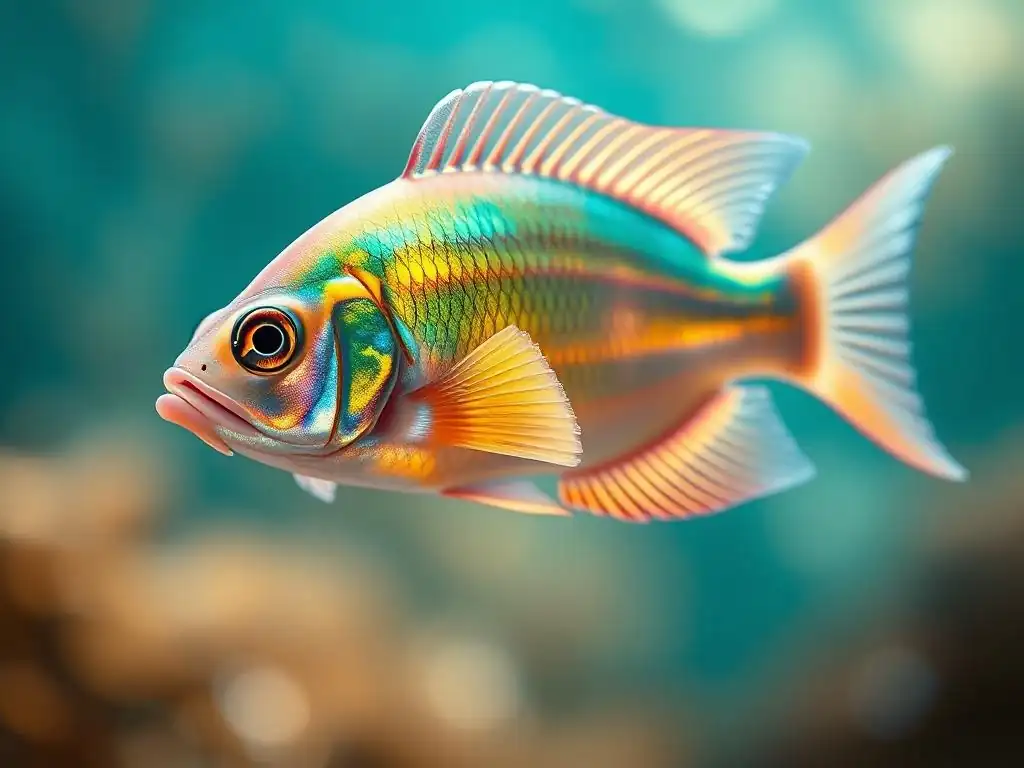
For adult Pearl Gouramis, feeding once or twice a day is generally sufficient. Providing smaller, more frequent meals rather than one large one can help maintain stable water quality and prevent overfeeding. Young or growing gouramis, particularly fry, will benefit from more frequent feedings—up to 3-5 times a day—due to their higher metabolic rates and rapid growth. Observe your fish; if they appear hungry shortly after a meal, a second, smaller feeding might be appropriate.
Portion Control: Preventing Overfeeding and Obesity
Portion control is critical to preventing overfeeding, which can lead to obesity in Pearl Gouramis and significantly degrade water quality. A good rule of thumb is to offer only as much food as your gouramis can consume within 2 to 3 minutes. Any uneaten food should be promptly removed from the tank to prevent it from decaying, which can cause ammonia and nitrite spikes.
For a single adult Pearl Gourami, this might translate to just 2-3 high-quality flakes or 5-7 small pieces of frozen daphnia per feeding. Consistent overfeeding can lead to fatty liver disease and swim bladder issues, shortening their lifespan.
Best Time to Feed Pearl Gouramis
The best time to feed Pearl Gouramis is when they are most active, typically in the morning shortly after the aquarium lights come on and again in the early evening. Establishing a consistent feeding routine helps them anticipate meals and reduces stress. Feeding at consistent times also allows you to observe their appetite and feeding behavior, providing early indicators of potential health issues. Avoid feeding immediately before lights out, as uneaten food can decompose overnight, negatively impacting water parameters.
Optimizing the Pearl Gourami Diet for Color and Breeding
Enhancing Coloration Through Diet
The vibrant coloration of Pearl Gouramis, particularly their iridescent spots and rich orange-red fins, can be significantly enhanced through a diet rich in carotenoids. These natural pigments are found in ingredients like spirulina, krill, shrimp, and astaxanthin, which are commonly incorporated into specialized color-enhancing fish foods. Regular inclusion of these foods in the Pearl Gourami diet complete guide helps to intensify their natural hues, making them even more visually striking in the aquarium. For instance, foods with a high percentage of spirulina (e.g., 20% or more) can show noticeable improvements in coloration within a few weeks.
Dietary Needs During Breeding Season
During breeding season, the dietary needs of Pearl Gouramis increase significantly to support the demanding process of egg production and conditioning. Both male and female gouramis benefit from an elevated intake of high-protein and high-fat foods. Live and frozen foods like bloodworms, brine shrimp, and daphnia become particularly beneficial, providing the concentrated energy and nutrients required for successful spawning. Increasing the frequency of these nutrient-dense feedings to 2-3 times a day, in slightly larger portions than usual, can significantly improve breeding success rates and the health of the parent fish.
Feeding Fry: A Specialized Diet for Growth
Pearl Gourami fry are incredibly tiny upon hatching and require a specialized diet for their rapid growth and development. For the first few days, infusoria (microscopic organisms) are an ideal first food, as the fry are too small to consume anything larger. As they grow, typically after 3-5 days, they can transition to newly hatched brine shrimp nauplii, microworms, or finely crushed high-quality fry food. Due to their incredibly fast metabolism, fry need to be fed frequently, often 3 to 5 times a day, in very small amounts to ensure continuous access to nutrients for optimal growth and survival.
Common Feeding Mistakes to Avoid with Pearl Gouramis
Overfeeding: Recognizing the Signs and Consequences
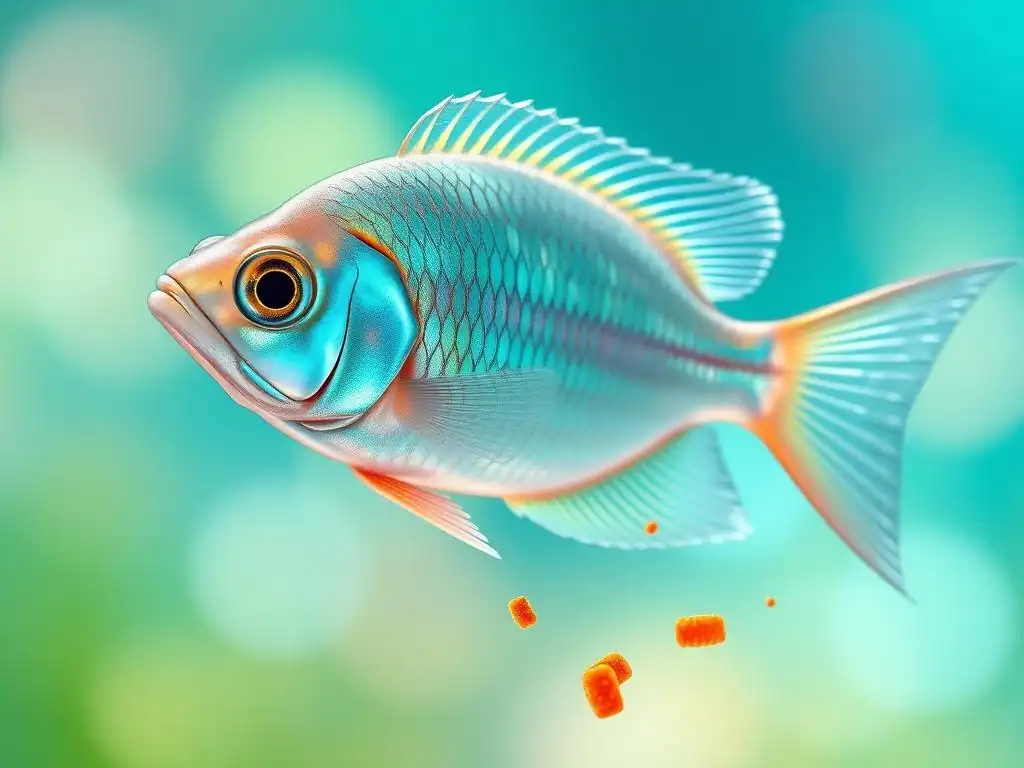
Overfeeding is arguably the most common and detrimental mistake in fishkeeping. Signs include uneaten food accumulating on the substrate, cloudy or murky water, an increase in algae growth, and elevated levels of ammonia, nitrite, and nitrate in the water. For the fish, overfeeding can lead to a bloated appearance, lethargy, and serious health issues such as fatty liver disease, swim bladder disorders, and a weakened immune system, ultimately shortening their lifespan. A small amount of uneaten food can cause a detectable ammonia spike (e.g., 0.25 ppm) within hours in a smaller tank.
Feeding Low-Quality Foods: The Impact on Health
Providing low-quality fish foods that are high in fillers (like corn or wheat gluten), artificial colors, and low-grade protein sources can have a significant negative impact on Pearl Gourami health. These foods offer insufficient nutritional value, leading to poor growth, dull coloration, and a compromised immune system, making the fish more susceptible to diseases. Always prioritize foods with whole, identifiable ingredients like fish meal, spirulina, and krill listed among the first few components to ensure a truly beneficial Pearl Gourami diet complete guide.
Neglecting Vegetable Matter: The Importance of a Varied Diet
As omnivores, Pearl Gouramis require a significant portion of vegetable matter in their diet. Neglecting to provide plant-based foods can lead to digestive issues such as constipation and bloat, as well as deficiencies in essential vitamins and fiber. While they may not actively graze on algae like some herbivorous fish, offering blanched vegetables or high-quality algae wafers is crucial for their long-term digestive health and overall well-being. This dietary oversight can lead to chronic health problems, even if other foods are high in protein.
Ignoring Individual Needs: Adjusting the Diet Based on Observation
Every fish is an individual, and their dietary preferences and needs can vary. Some Pearl Gouramis might be pickier eaters, refusing certain foods, while others might have a slower metabolism. Ignoring these individual needs and sticking to a rigid feeding schedule without observation can lead to underfeeding or overfeeding specific fish. It's important to observe your gouramis during feeding times: note their appetite, activity level, body condition, and waste production. Adjusting portion sizes, food types, or even feeding times based on these observations ensures that each fish receives adequate nutrition.
Supplementing the Pearl Gourami Diet
Vitamins and Minerals: When and How to Supplement
While a high-quality, varied Pearl Gourami diet complete guide typically provides most essential vitamins and minerals, supplementation can be beneficial in certain circumstances. This is particularly true during periods of stress (e.g., after relocation), illness, or when conditioning fish for breeding. Liquid vitamin and mineral supplements specifically formulated for aquarium fish can be added directly to the food or, in some cases, to the tank water. For instance, Vitamin C can boost immune response, while B vitamins aid metabolism. Always follow the product's directions carefully, as over-supplementation can be harmful.
Probiotics: Supporting Gut Health and Immunity
Probiotics are beneficial microorganisms that can significantly enhance the gut health and overall immunity of Pearl Gouramis. They aid in digestion, improve nutrient absorption, and can help to suppress the growth of harmful bacteria in the digestive tract. Some high-quality fish foods now incorporate probiotics directly into their formulas. Alternatively, liquid probiotic supplements designed for aquarium use can be added to the fish food before feeding. Research suggests that probiotics can reduce susceptibility to certain diseases by 20-30% in fish, promoting a more robust immune system and general well-being.
Sourcing High-Quality Pearl Gourami Food
Choosing Reputable Brands
Selecting reputable brands is paramount when sourcing food for your Pearl Gouramis. Established brands like Hikari, New Life Spectrum, Omega One, and Fluval Bug Bites have a track record of producing high-quality fish foods with well-researched nutritional profiles. These companies typically invest in quality control and use premium ingredients, ensuring that your fish receive consistent and beneficial nutrition. Avoid generic or unknown brands that may use lower-quality fillers or lack transparency in their ingredient lists, as they often offer little nutritional value.
Reading Food Labels: Understanding Ingredients and Nutritional Value
Understanding how to read food labels is a vital skill for any aquarist aiming to provide a complete Pearl Gourami diet complete guide. The first few ingredients listed on a food label are the most abundant. For Pearl Gouramis, look for whole fish meal, spirulina, krill, and shrimp as top ingredients.
Avoid foods where corn, wheat, or soy are listed prominently, as these often serve as inexpensive fillers with limited nutritional benefit. Additionally, check the guaranteed analysis for crude protein (aim for 35-45%), crude fat (5-10%), and crude fiber (max 5%). A low fiber content is generally preferred unless specific digestive aid is needed.
Troubleshooting Feeding Problems in Pearl Gouramis
Loss of Appetite: Identifying Potential Causes
A loss of appetite in Pearl Gouramis is often one of the first indicators of an underlying issue. Potential causes include poor water quality (e.g., elevated ammonia or nitrite levels as low as 0.25 ppm), stress from new tank mates or an unstable environment, illness (bacterial, fungal, or parasitic infections), or simply old age.
It is crucial to promptly test water parameters, observe the fish for any physical signs of disease (such as clamped fins, labored breathing, or spots), and assess their environment. Offering a variety of highly palatable foods can sometimes stimulate appetite if the issue is not severe.
Refusing Certain Foods: Strategies for Encouraging Acceptance
Pearl Gouramis can sometimes be finicky eaters, refusing certain foods. If your gourami is healthy but consistently rejects a new food item, try offering it in different forms (e.g., frozen instead of flakes, or live instead of frozen). Mixing a small amount of the new food with a highly preferred food can also encourage acceptance. A brief fasting period of one day can sometimes make a picky fish more receptive to new offerings. Patience is key, and it may take several attempts for them to accept a novel food source.
Competition from Tank Mates: Ensuring Adequate Food Consumption
In a community aquarium, Pearl Gouramis can sometimes face competition from faster or more aggressive tank mates, leading to insufficient food consumption. If you notice your gouramis are not getting enough to eat, consider feeding in multiple locations within the tank simultaneously. You can also try feeding the gouramis first with a preferred food, ensuring they get their share, before scattering food for the rest of the tank. Observing feeding behavior closely will help you determine if all fish are receiving adequate nutrition.
Conclusion: The Key to a Healthy and Vibrant Pearl Gourami
Providing a Varied and Balanced Diet for Optimal Well-being
The key to cultivating healthy, vibrant, and long-lived Pearl Gouramis lies unequivocally in providing a varied and balanced diet. Moving beyond a simplistic flake-only regimen to embrace a diverse array of high-quality flakes, nutrient-rich live and frozen foods, and essential vegetable matter is fundamental. This approach not only mimics their natural omnivorous foraging behaviors but also ensures they receive the full spectrum of proteins, fats, carbohydrates, vitamins, and minerals necessary for their unique physiology.
A truly comprehensive Pearl Gourami diet complete guide empowers aquarists to unlock the full potential of these magnificent fish, allowing them to display their most brilliant colors, engage in active and natural behaviors, and build robust immune systems resistant to common ailments. By committing to this varied and thoughtful feeding strategy, you can expect your Pearl Gouramis to thrive for their full lifespan, often reaching 5 to 6 years, becoming a captivating and healthy centerpiece in your freshwater aquarium.
Frequently Asked Questions
What is the best overall diet for Pearl Gouramis?
The best diet for Pearl Gouramis is a varied diet consisting of high-quality flake food, live and frozen foods, and occasional vegetable matter. This ensures they receive all the necessary nutrients.
How often should I feed my Pearl Gourami?
Feed your Pearl Gourami small amounts two to three times a day. Only provide what they can consume within a few minutes to avoid overfeeding and water quality issues.
What live foods are suitable for Pearl Gouramis?
Excellent live food options include bloodworms, daphnia, and brine shrimp. These provide essential protein and natural foraging opportunities for your Pearl Gourami.
Can I feed my Pearl Gourami vegetable matter?
Yes, offering blanched vegetables like zucchini or spinach is beneficial. This provides necessary fiber and helps prevent digestive issues.
What should I do if my Pearl Gourami refuses to eat flake food?
Try soaking the flake food in garlic juice to enhance its palatability. Also, ensure the flakes are small enough for them to consume easily, or switch to a different brand with higher-quality ingredients.
Okay, here's a final reflection crafted to fit your article, keyword, and specified structure:
Final Reflection: Nurturing Aquatic Harmony
The journey into the Pearl Gourami's dietary needs reveals more than just feeding schedules and ingredient lists; it highlights our responsibility as aquarists to provide environments that foster thriving, healthy lives. Understanding the nuances of their nutritional requirements is paramount to ensuring these beautiful fish flourish in our care, transforming a simple hobby into a meaningful act of stewardship.
This exploration into the Pearl Gourami's diet underscores the profound impact our choices have on the delicate balance of the aquarium ecosystem. It's a reminder that responsible fishkeeping extends beyond aesthetics, demanding a commitment to understanding and meeting the specific needs of each species. The greatness of a nation and its moral progress can be judged by the way its animals are treated.
- Mahatma Gandhi. This quote, though not specifically about fish, resonates deeply; our care for these creatures reflects our broader values of empathy and respect for life.
Now, armed with this comprehensive understanding of the Pearl Gourami's dietary needs, I encourage you to reflect on your own aquariums. Are you truly providing the optimal nutrition for your fish? Take the time to assess their current diet, experiment with new options, and observe the positive changes in their health and vitality. By embracing a more informed and proactive approach, you can unlock the full potential of your Pearl Gouramis, creating a vibrant and harmonious underwater world.
Unleash Your Pearl Gourami's Vibrant Health!
Thank you for diving into the world of Pearl Gourami nutrition! We hope you've discovered valuable insights to keep your finned friends thriving. Now, let's translate this knowledge into action to truly benefit your gouramis.
Here are a few ways to elevate your Pearl Gourami's diet and overall well-being:
- Elevate their color and immunity by introducing a weekly feeding of live blackworms. It's a treat they'll love and a boost they'll appreciate.
- Research and try preparing a homemade frozen food mix using high-quality ingredients mentioned in the article. Share the recipe online so others can benefit.
- Join our aquarium community and share photos of your Pearl Gouramis during feeding time. Let's see their vibrant colors!
What new food are you most excited to introduce to your Pearl Gourami's diet this week?