
Common Pleco Breeding: Is It Possible in the Home Aquarium?

Welcome to Aquarium Mastery!
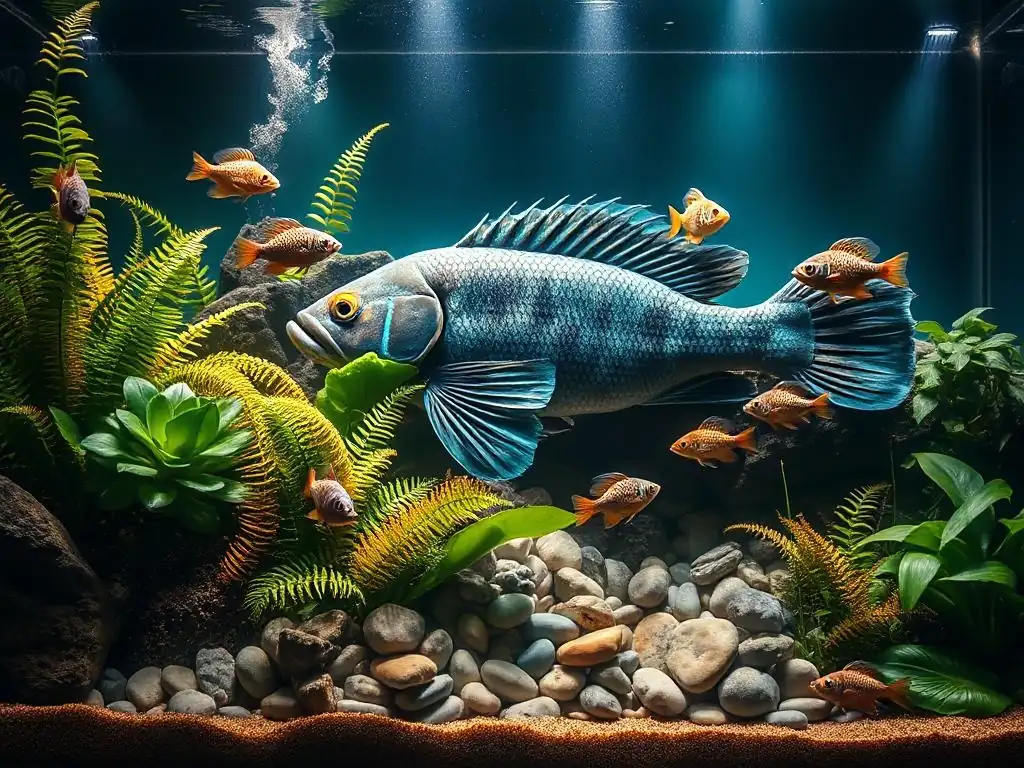
Ever wondered if you could witness the fascinating process of pleco breeding right in your own home aquarium? It's a question that sparks the curiosity of many aquarists. Dive in as we explore the possibilities, challenges, and secrets to successfully breeding common plecos, a journey that might just surprise you. Let's unlock the mysteries of Home aquarium pleco breeding together!
- Bristlenose Pleco Breeding: A Guide for Home Aquarists
- Understanding Bristlenose Pleco Breeding Habits
- The Challenges of Home Aquarium Pleco Breeding
- Setting Up a Breeding Tank for Bristlenose Plecos
- Identifying Male and Female Bristlenose Plecos
- Encouraging Spawning in Your Home Aquarium
- The Bristlenose Pleco Breeding Process: From Egg to Fry
- Raising Bristlenose Pleco Fry in the Home Aquarium
- Common Problems and Solutions in Bristlenose Pleco Breeding
- Is Home Aquarium Bristlenose Pleco Breeding Right for You?
- Frequently Asked Questions
- Final Reflection: Unlocking the Secrets of Home Aquarium Pleco Breeding
- Dive Deeper: Transform Your Aquarium Today!
Bristlenose Pleco Breeding: A Guide for Home Aquarists
Understanding Bristlenose Pleco Breeding Habits
Natural Habitat Breeding Behaviors of Bristlenose Plecos
Bristlenose plecos (Ancistrus species) originate from the fast-flowing, oxygen-rich rivers and tributaries of the Amazon basin in South America. In their natural environment, these catfish are primarily bottom-dwellers, seeking out sheltered, dark crevices for breeding. They typically utilize submerged logs, root systems, rock formations, or even discarded coconut shells as ideal spawning sites. This provides crucial protection for their eggs and subsequent fry from strong currents and a myriad of potential predators.
A key aspect of their natural breeding behavior is the male's diligent parental care. Once a suitable spawning site is chosen and meticulously cleaned, the male will attract a gravid female. After the female deposits her adhesive egg clutch, she typically leaves the site, and the male assumes full responsibility. He meticulously guards the eggs, fanning them with his fins to ensure constant oxygenation and to remove any debris or unfertilized eggs, a behavior vital for the high viability of the clutch.
Bristlenose Pleco Reproduction in the Wild vs. Captivity
In their wild habitats, Bristlenose plecos often reproduce seasonally, with spawning activity peaking during the onset of the rainy season. This period brings a flush of fresh, cooler water and an abundance of new food sources, signaling optimal conditions for reproduction. Clutch sizes in the wild can vary significantly, but a mature female might lay between 20 to over 100 eggs per spawn, depending on her size and condition.
In the controlled environment of a home aquarium pleco breeding setup, the absence of natural predators and the stability of water parameters can lead to more frequent spawning. With optimal conditions—consistent water quality, a rich diet, and suitable breeding caves—Bristlenose plecos can spawn as often as every 10-14 days. While the fundamental behaviors of cave spawning and dedicated male parental care remain consistent, aquarists must actively provide the precise environmental cues to trigger and sustain successful breeding cycles, often resulting in higher survival rates for eggs and fry than in the unpredictable wild.
The Challenges of Home Aquarium Pleco Breeding
Tank Size Requirements for Breeding Bristlenose Plecos
While a single adult Bristlenose pleco can comfortably inhabit a 10-gallon aquarium, successful home aquarium pleco breeding necessitates more generous space. For a dedicated breeding pair, a minimum tank size of 20 gallons long (approximately 30 inches in length) or a 29-gallon tank is generally recommended. These dimensions provide adequate horizontal territory for the male to establish and defend his breeding cave, and allow the female ample room to retreat after spawning, minimizing stress and potential aggression.
For aquarists aiming to raise a larger number of fry, or if keeping a small colony with multiple males and females, a 40-gallon breeder tank (36" x 18" x 16") or even larger is ideal. This increased volume helps significantly in maintaining stable water parameters, which is crucial for the health of both adults and delicate fry. Larger tanks also dilute waste products more effectively and provide sufficient space for the numerous fry, which can number well over 100 from a single successful spawn, preventing overcrowding and promoting healthier growth.
Water Parameters Crucial for Bristlenose Pleco Spawning Success
Achieving successful Bristlenose pleco breeding in home aquarium environments is heavily dependent on maintaining precise and stable water parameters. These catfish thrive in soft to moderately hard water, with a general hardness (GH) ideally ranging from 2 to 12 dGH and a carbonate hardness (KH) between 3-10 dKH. The pH level should be slightly acidic to neutral, typically falling within the range of 6.5 to 7.5. Consistency in these parameters is often more important than hitting exact numbers, as fluctuating conditions can cause undue stress and inhibit spawning behavior.
Temperature also plays a critical role in triggering breeding. While Bristlenose plecos can tolerate temperatures from 72-82°F (22-28°C), an optimal breeding temperature range is generally considered to be 75-80°F (24-27°C). A slight, gradual increase in temperature within this range, following a period of slightly cooler water, can mimic natural seasonal changes and encourage spawning. Furthermore, impeccable water quality, with zero ammonia and nitrite, and very low nitrates (below 20 ppm), is paramount. Regular weekly water changes of 25-50% are essential to achieve and maintain these pristine conditions.
Mimicking Natural Conditions for Breeding Bristlenose Plecos
To encourage Bristlenose pleco breeding in a captive environment, aquarists often try to replicate the natural triggers found in their native habitats. One effective method involves simulating the "rainy season" by performing frequent, slightly cooler water changes. For instance, a 25-50% water change daily or every other day for a week, using water that is 2-3°F cooler than the tank water, can signal to the fish that optimal breeding conditions are present. This influx of fresh, cooler water, sometimes combined with a slight increase in water flow, mimics the seasonal shifts that stimulate spawning in the wild.
Beyond water parameters, providing an abundance of high-quality food is crucial. A varied diet, particularly one rich in protein, signals to the fish that resources are plentiful, supporting the energy demands of reproduction. Additionally, the availability of appropriate breeding sites is non-negotiable. Bristlenose plecos are obligate cave spawners, so offering several suitable dark, enclosed spaces—such as ceramic pleco caves, PVC pipes, or natural slate caves—is essential. These provide the security and ideal substrate for egg deposition and the male's subsequent guardianship, directly mimicking their preferred natural hideaways.
Setting Up a Breeding Tank for Bristlenose Plecos
Selecting the Right Tank for Breeding Bristlenose Plecos
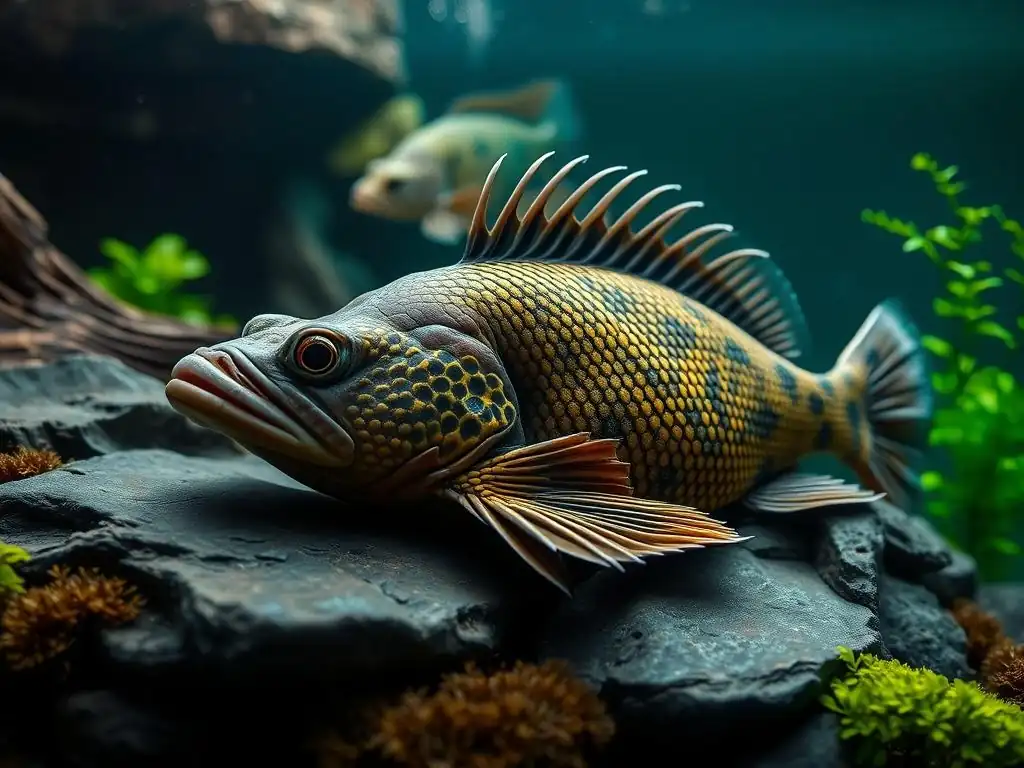
When planning for home aquarium pleco breeding, choosing the correct tank size and type is a fundamental first step. For a single breeding pair, a 20-gallon long (approximately 30 inches by 12 inches) or a 29-gallon tank provides sufficient horizontal space, which is more beneficial for bottom-dwelling Bristlenose plecos than taller tanks of similar volume. These dimensions allow the male to establish and defend his territory around the breeding cave without undue stress from confinement.
For those aiming to breed multiple pairs or to successfully raise a substantial number of fry, a 40-gallon breeder tank (36" x 18" x 16") is highly recommended. Its wider footprint offers significantly more bottom area, which is crucial for multiple males to establish distinct territories and for a large brood of fry to forage and grow without excessive competition. While a bare-bottom tank simplifies cleaning and fry collection, a thin layer of fine sand or very fine gravel can be used, provided it is meticulously cleaned to prevent detritus buildup that can harm sensitive fry.
Essential Equipment for a Bristlenose Pleco Breeding Setup
Beyond the tank itself, several pieces of essential equipment are necessary for a successful Bristlenose pleco breeding setup. A reliable heater is crucial for maintaining a stable water temperature, ideally within the 75-80°F (24-27°C) range. Consistent temperature prevents stress and promotes spawning readiness. An accurate thermometer should also be used for constant monitoring to ensure stability.
Filtration is paramount, but it must be gentle enough to avoid harming delicate fry. Air-driven sponge filters are an excellent choice for breeding tanks, providing effective mechanical and biological filtration without creating strong currents that could dislodge eggs or sweep away newly hatched fry. Often, two sponge filters are used for redundancy and to increase biological capacity. An air stone connected to an air pump is also highly beneficial, ensuring high dissolved oxygen levels, which are vital for the developing eggs and the overall health of the breeding pair.
Creating Breeding Caves and Suitable Substrates
The most critical furnishing in a home aquarium pleco breeding setup is the breeding cave. Bristlenose plecos are obligate cave spawners, meaning the male will select a dark, enclosed space to entice the female and guard the eggs. Ceramic pleco caves, specifically designed with the correct dimensions and smooth interiors, are highly effective. Alternatively, PVC pipes, typically 2 to 3 inches in diameter and 6-8 inches long, are widely used due to their affordability and ease of cleaning.
It is advisable to provide multiple caves, even for a single breeding pair, as this allows the male to choose his preferred spot and offers alternative hiding places for the female. Natural slate caves, constructed by gluing pieces of slate together, can also be appealing options.
While the substrate is less critical than the caves, if used, a fine, inert material like sand or very fine gravel is generally preferred over coarse gravel. Regardless of the substrate choice, it must be kept impeccably clean to prevent the accumulation of waste, which can harbor harmful bacteria and negatively impact the health of eggs and fry.
Identifying Male and Female Bristlenose Plecos
Physical Differences Between Male and Female Bristlenose Plecos
Distinguishing between male and female Bristlenose plecos is relatively straightforward, especially once they reach sexual maturity, typically around 6-9 months of age or when they are approximately 2.5 to 3 inches in length. The most prominent and reliable differentiating feature lies in the presence and development of odontodes, commonly referred to as "bristles," on their snouts. Males develop numerous, long, and often branching bristles that cover the entire snout and frequently extend onto the head, giving them a distinct "bristly" appearance.
In stark contrast, female Bristlenose plecos typically have very few, if any, bristles. If present, these bristles are much smaller, resembling short stubble, and are usually confined to the very edge of the snout, not extending onto the head. Beyond the bristles, mature males often appear more robust and stockier in build, while females tend to be broader and fuller in the body, particularly when they are gravid (carrying eggs). Observing these distinct physical characteristics is crucial for successful home aquarium pleco breeding efforts.
Observing Breeding Behavior and Mating Rituals
Once a male and female Bristlenose pleco are sexually mature and the environmental conditions in the home aquarium are optimal for breeding, specific behaviors will become evident, indicating their readiness to spawn. The male will become intensely territorial around his chosen breeding cave, diligently cleaning its interior surfaces to prepare it for egg deposition. He will then attempt to entice a receptive female into the cave, often by fanning his fins rapidly and sometimes gently nudging or "herding" her towards the entrance.
If the female is gravid and receptive, she will enter the cave to inspect it. If satisfied with the male's preparation, she will then begin to deposit her adhesive, bright orange or yellow eggs onto the roof or sides of the cave. The male will then immediately fertilize them. After the egg deposition, which can last for several hours, the female typically exits the cave, leaving the male to assume full responsibility for guarding and caring for the eggs until they hatch, a process that usually involves constant fanning to ensure proper oxygenation and prevent fungal growth.
Encouraging Spawning in Your Home Aquarium
Optimizing Water Quality for Bristlenose Pleco Breeding
Pristine water quality is an absolute prerequisite for encouraging successful home aquarium pleco breeding. Bristlenose plecos are sensitive to pollutants, and elevated levels of ammonia, nitrite, or nitrate will not only inhibit spawning but can also lead to significant stress and health issues for the breeding pair. Regular, substantial water changes are the most effective method for maintaining optimal conditions. Performing weekly water changes of 25-50% of the tank volume is highly recommended to dilute waste products and replenish essential minerals.
Beyond routine maintenance, consistent monitoring of water parameters with a reliable test kit is crucial. Aim for undetectable levels of ammonia (0 ppm) and nitrite (0 ppm), and keep nitrates consistently below 20 ppm. The pH should be stable between 6.5 and 7.5, and general hardness (GH) between 2 and 12 dGH. Overfiltration using gentle sponge filters and ensuring adequate aeration also contribute significantly to high water quality by promoting beneficial bacterial growth and maintaining sufficient dissolved oxygen, which is vital for the overall health and breeding readiness of your Bristlenose plecos.
Diet and Feeding Strategies to Stimulate Spawning
A varied and highly nutritious diet is fundamental for conditioning Bristlenose plecos for breeding in home aquarium setups. While these fish are primarily herbivorous, a consistent supply of high-quality protein can significantly boost their readiness to spawn and improve egg viability. A staple diet should consist of high-quality algae wafers or spirulina pellets, offered daily. Supplement this with fresh, blanched vegetables such as zucchini, cucumber, or green beans several times a week, as these provide essential fiber, vitamins, and minerals.
To specifically stimulate spawning, incorporate protein-rich foods into their diet 2-3 times a week. Excellent options include frozen bloodworms, frozen brine shrimp, or high-quality sinking carnivore pellets. This enriched diet provides the female with the necessary nutrients to develop robust egg clutches and supplies the male with the energy required for territorial defense and subsequent parental care. It is important to avoid overfeeding, as this can quickly lead to water quality degradation; only feed what the fish can consume within a few hours.
Simulating Seasonal Changes to Trigger Breeding
Mimicking the natural seasonal changes that occur in their native habitats can be a powerful trigger for Bristlenose pleco breeding. In the wild, the onset of the rainy season, characterized by a sudden influx of fresh, cooler water, often signals optimal breeding conditions. Aquarists can simulate this by performing larger, slightly cooler water changes—for example, a 50% water change using water that is 2-3 degrees Fahrenheit cooler than the tank water, conducted every few days for a week or two. This sudden environmental shift can stimulate spawning behavior.
Alongside these strategic water changes, a temporary increase in feeding, particularly with protein-rich foods, can further enhance the breeding stimulus. This combination of environmental cues—cooler water, increased flow (if possible, by repositioning filter outlets or adding a small, gentle powerhead), and abundant food—replicates the conditions that lead to a surge in food availability and prime breeding parameters in their natural environment. This method often proves effective in encouraging even reluctant pairs to initiate their spawning ritual.
The Bristlenose Pleco Breeding Process: From Egg to Fry
Egg Deposition and Incubation Period
Once a female Bristlenose pleco has been successfully enticed into the male's chosen cave, she will begin the process of depositing her eggs. These eggs are typically bright orange or yellow, spherical, and adhesive, measuring approximately 2-3mm in diameter. She meticulously attaches them to the roof or sides of the cave, often forming a tightly packed cluster. A single clutch size can vary significantly, ranging from 20 to over 150 eggs, depending on the size, age, and conditioning of the female.
After the female has completed egg deposition and departs the cave, the male Bristlenose pleco takes over the crucial role of parental care. He diligently guards the eggs, fanning them almost continuously with his pectoral fins. This constant fanning action is vital for providing essential oxygen to the developing embryos and preventing the accumulation of detritus or the growth of fungus, which can quickly destroy a clutch. The incubation period for Bristlenose pleco eggs typically lasts between 3 to 7 days, with warmer temperatures (closer to 80°F) generally resulting in a shorter incubation time.
Caring for Bristlenose Pleco Eggs and Protecting Them from Predators
The male Bristlenose pleco's dedication to his clutch is a remarkable sight in home aquarium pleco breeding. He will tirelessly fan the eggs, often refusing to leave the cave even to eat, ensuring their proper oxygenation and preventing fungal infections from spreading. During this delicate period, it is important to minimize disturbances to the male, as excessive stress can cause him to abandon or even consume the eggs.
While the male provides excellent protection, some aquarists opt to remove the cave with the eggs to a separate breeding or grow-out tank. This practice can significantly increase the survival rates, especially if other tank mates in the main aquarium pose a threat. Potential predators, such as larger fish like angelfish, cichlids, or even other larger plecos, might attempt to consume the eggs or newly hatched fry. The male will typically remove any infertile or fungused eggs himself, which are easily identifiable as they turn white and opaque, preventing the spread of infection to healthy eggs.
Hatching and Initial Fry Care: What to Expect
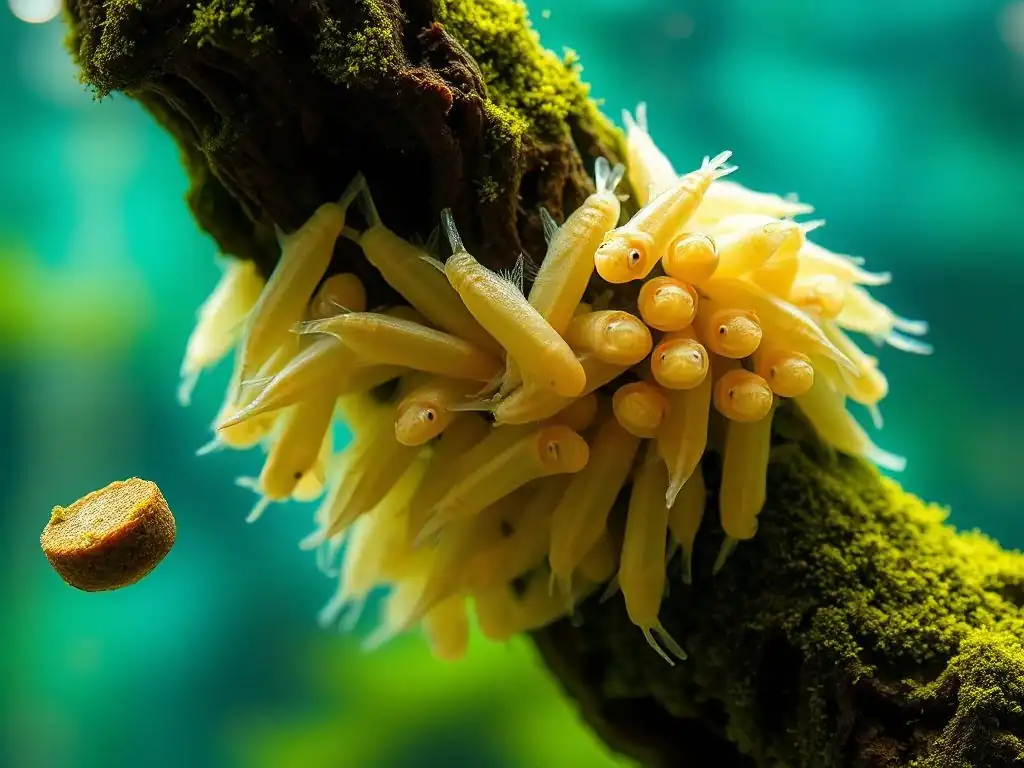
Following the incubation period, typically 3 to 7 days, the tiny Bristlenose pleco fry will hatch. Upon hatching, they are very small, usually measuring around 5-7mm in length, and still possess a prominent yolk sac attached to their bellies. This yolk sac serves as their primary source of nutrition for the first 3-5 days post-hatch, providing vital sustenance while they continue to develop. During this initial stage, the fry will primarily remain huddled together within the safety of the breeding cave, still under the vigilant care and fanning of the male.
Once the yolk sac is almost completely absorbed, generally around day 4-7 after hatching, the fry will become free-swimming and begin to venture out of the cave in search of external food sources. This marks a critical juncture for the aquarist, as it is imperative to ensure that appropriate first foods are readily available. While the male may continue to guard them for a short period, the survival of the fry increasingly depends on the consistent availability of micro-organisms and prepared foods on the tank surfaces.
Raising Bristlenose Pleco Fry in the Home Aquarium
First Foods for Bristlenose Pleco Fry: Ensuring Proper Nutrition
Ensuring proper nutrition is paramount for successfully raising Bristlenose pleco fry in a home aquarium pleco breeding setup. Once the yolk sacs are absorbed and the fry become free-swimming, they require a constant and readily available food supply. They are primarily grazers, so a healthy biofilm and natural algae growth on tank surfaces are beneficial, though usually insufficient for a large brood.
Their first prepared foods should be finely crushed, high-quality algae wafers, spirulina powder, or specialized pleco fry foods such as Repashy Soilent Green or Super Green. Blanched vegetables, including zucchini, cucumber, or green beans, cut into very small pieces, are also excellent supplemental options. These foods should be offered multiple times a day (3-5 times) to ensure continuous availability, as fry have high metabolisms and need to graze almost constantly for optimal growth. Uneaten food must be promptly removed to prevent water quality degradation.
Maintaining Water Quality for Healthy Fry Growth
Maintaining impeccable water quality is even more critical for Bristlenose pleco fry than for adult fish. Fry are exceptionally sensitive to pollutants, and even low levels of nitrates, ammonia, or nitrites can lead to stunted growth, health issues, or mass mortality. Therefore, daily small water changes, typically 10-20% of the tank volume, are often necessary, especially when feeding frequently. These frequent changes help remove waste products and replenish essential minerals, preventing the buildup of toxins.
Gentle filtration, such as air-driven sponge filters, is ideal for fry tanks as it provides effective biological filtration without generating strong currents that could exhaust or harm the tiny fry. Strong water flow should be avoided. Consistency in water parameters is also key; sudden or drastic shifts in pH or temperature can be fatal to delicate fry. Regular monitoring of water parameters with a reliable test kit ensures that the environment remains stable and conducive to their rapid and healthy development.
Preventing Disease and Mortality in Bristlenose Pleco Fry
Preventing disease and minimizing mortality are significant challenges in Bristlenose pleco breeding. The primary defense against disease outbreaks in fry is maintaining consistently pristine water quality. Overfeeding, which leads to the decay of uneaten food and subsequent spikes in ammonia and nitrite, is a very common cause of fry death. Therefore, rigorous daily siphoning of the tank bottom to remove all uneaten food and waste is absolutely essential.
Stable water parameters (temperature, pH, and hardness) are also crucial, as fluctuations stress fry and weaken their developing immune systems, making them more susceptible to illness. Introducing new fish or plants into the fry tank without proper quarantine can also introduce pathogens, leading to devastating outbreaks. If disease does appear, prompt identification and appropriate treatment (often with reduced doses of medication, as fry are highly sensitive) are vital. However, preventative measures through excellent husbandry practices remain the most effective strategy for ensuring a high survival rate for your Bristlenose pleco fry.
Common Problems and Solutions in Bristlenose Pleco Breeding
Infertile Eggs: Causes and Prevention
One common and often disheartening issue encountered in home aquarium pleco breeding is the presence of infertile eggs. These eggs typically appear white and opaque, and within 24-48 hours of being laid, they often develop a noticeable fuzzy fungal growth. The causes of infertility can range from an immature or overly old breeding pair, a male that is not yet sexually mature or fully fertile, or a female that has not been properly conditioned with a nutrient-rich and varied diet.
To prevent infertile eggs, ensure your breeding pair is within their prime reproductive age, typically between 1 to 4 years old for peak fertility. Consistently feed them a high-quality, varied diet, incorporating both plant-based foods and protein sources to ensure they are in optimal breeding condition. Additionally, verify that all water parameters are stable and within the ideal range for Bristlenose plecos (pH 6.5-7.5, GH 2-12 dGH, and temperature 75-80°F). If a male consistently produces infertile clutches, consider introducing a different, proven male if available, or allowing him more time to mature before attempting further breeding.
Fry Mortality: Troubleshooting Common Issues
High fry mortality is a significant setback that many aquarists face when attempting Bristlenose pleco breeding. The most frequent cause of fry death is poor water quality, specifically elevated levels of ammonia, nitrite, or nitrate, which are highly toxic to delicate young fish. Overfeeding, which results in decaying food and subsequent ammonia spikes, is a primary contributor to this critical issue.
Other common causes of fry mortality include insufficient food availability, leading to starvation (especially if the fry cannot find or access food quickly enough), and strong currents from filtration systems that can exhaust, injure, or even sweep away the tiny fry. Disease outbreaks, often triggered by stress from subpar water conditions, can also rapidly decimate an entire clutch. Solutions involve implementing rigorous daily small water changes (10-20%), utilizing gentle sponge filtration, ensuring a constant and adequate supply of finely crushed, appropriate fry food, and maintaining consistently stable parameters to minimize stress and prevent illness.
Aggression and Competition in the Breeding Tank
Aggression and competition can arise, particularly when attempting home aquarium pleco breeding with multiple males or if the tank size is inadequate. Male Bristlenose plecos are highly territorial, especially when guarding a breeding cave. If multiple males are housed in a tank that is too small (e.g., less than 40 gallons for more than one male), they may engage in aggressive displays, fin nipping, or even serious fights over prime breeding spots, leading to significant stress and physical injury.
Even a single male can exhibit aggression towards a female if she is not ready to spawn, or if he feels threatened or overly stressed. Solutions to mitigate aggression include providing ample space (using a larger tank), offering more breeding caves than there are males (e.g., 3-4 caves for 2 males), and ensuring plenty of hiding spots and visual breaks within the tank using driftwood, rocks, or live plants.
If aggression becomes severe and persistent, separating the most aggressive male or moving a dedicated breeding pair to a separate breeding tank may become necessary to ensure the well-being of all fish and facilitate successful spawning.
Is Home Aquarium Bristlenose Pleco Breeding Right for You?
Considerations Before Attempting to Breed Bristlenose Plecos
Before embarking on home aquarium pleco breeding, it is crucial to thoroughly consider several practical factors to ensure a responsible and successful endeavor. Do you possess adequate tank space to accommodate not only a breeding pair but also a separate grow-out tank for the fry? Raising a typical batch of 50-100 fry requires a dedicated grow-out tank, ideally 20 gallons or larger, for several months until the fry reach a marketable or rehomable size. Without sufficient space, fry can quickly become stunted or suffer from deteriorating water quality due to overcrowding.
Another significant consideration is the time commitment required. Successful fry rearing demands daily attention, including multiple feedings, small water changes, and constant monitoring of water parameters. Finally, contemplate the future of the fry. Do you have a plan for rehoming them? While local fish stores may sometimes purchase or take in juveniles, and private buyers can be found through online forums or local fish clubs, there is no guarantee of finding homes for an entire clutch. Overpopulation can quickly become an overwhelming issue if you are not prepared to find homes for dozens of young plecos.
The Commitment Required for Successful Breeding
Successful Bristlenose pleco breeding in home aquarium setups demands a significant and ongoing commitment of time, effort, and financial resources. Daily tasks involved in raising fry are intensive and include feeding them multiple times throughout the day, performing small but frequent water changes to maintain pristine water conditions, and meticulously siphoning out uneaten food and waste. This routine can be quite demanding, especially when dealing with large clutches of fry that grow rapidly and produce considerable bioload.
There is also a notable financial commitment involved. This includes the initial cost of additional tanks, heaters, filters, and air pumps required for a dedicated breeding and grow-out setup. Furthermore, there is a recurring expense for a consistent supply of high-quality food for both the adult breeders and the rapidly growing fry. Electricity costs for running multiple heated and filtered tanks can also add up. Moreover, there is an inherent learning curve; beginners may experience setbacks such as infertile eggs or high fry mortality, requiring patience, resilience, and a willingness to learn from experience and adjust strategies.
Alternative Options for Bristlenose Pleco Enthusiasts
For many aquarists, simply enjoying the unique charm, distinctive appearance, and beneficial algae-eating abilities of Bristlenose plecos in a well-maintained community tank is a perfectly fulfilling and rewarding experience, without the intensive commitment associated with home aquarium pleco breeding. Keeping one or two adult Bristlenose plecos in an appropriately sized and compatible community setup provides all the aesthetic and practical benefits of these fascinating fish without the added responsibilities of fry rearing.
If you are interested in observing Bristlenose pleco fry or wish to support the aquarium hobby without undertaking a breeding project yourself, consider purchasing juvenile plecos from reputable local fish stores or established private breeders. This allows you to experience different life stages of these fish and support the efforts of dedicated breeders, all without the extensive setup requirements and demanding daily care associated with a dedicated breeding program. Participating in local aquarium clubs can also provide excellent opportunities to learn more about plecos, connect with other enthusiasts, and even find opportunities to acquire or rehome fish.
Frequently Asked Questions
Can common plecos breed in a home aquarium?
Generally, breeding common plecos in a home aquarium is difficult but not impossible. It requires a large tank and specific environmental conditions.
What size tank is needed to attempt breeding common plecos?
A very large tank, typically several hundred gallons, is necessary. This is due to the adult size of common plecos and their need for ample space.
What specific water parameters are crucial for pleco breeding?
Maintaining excellent water quality is paramount. This includes stable temperature, pH, and low nitrate levels, mimicking their natural environment.
Do common plecos need specific cave structures to breed?
Yes, they need suitable caves or crevices for spawning. These should be large enough for the female to lay eggs and the male to guard them.
How can I tell if my plecos are ready to breed?
Signs include increased activity around the breeding cave, male pleco guarding the cave entrance, and a noticeably thicker female, indicating she's carrying eggs.
Final Reflection: Unlocking the Secrets of Home Aquarium Pleco Breeding
The journey into understanding home aquarium pleco breeding reveals not just the technical aspects of water parameters and cave design, but also a deeper appreciation for the intricate life cycles unfolding within our glass-walled ecosystems. The fact that successful breeding, once considered a near impossibility for the average hobbyist, is now within reach speaks volumes about the advancements in our understanding and dedication to responsible fishkeeping.
This pursuit resonates far beyond the confines of our aquariums. It underscores our growing commitment to ethical sourcing and reducing reliance on wild-caught specimens, fostering a more sustainable future for the hobby. In the end, we will conserve only what we love; we will love only what we understand; and we will understand only what we are taught.
- Baba Dioum. This quote perfectly encapsulates the ripple effect of knowledge gained through experiences like attempting to breed plecos, leading to a greater respect for the natural world.
Now, armed with this knowledge, I urge you to look beyond simply keeping fish. Consider the potential for contributing to a more sustainable hobby. Explore the possibilities of responsible breeding, not just of plecos, but of other species as well. By embracing the challenge and sharing your experiences, you can help unlock the secrets of aquatic life and inspire others to cultivate a deeper connection with the underwater world.
Dive Deeper: Transform Your Aquarium Today!
Thanks for exploring the fascinating world of Common Pleco breeding with us! We hope you've gained valuable insights into these unique creatures and their potential for home aquarium reproduction. Now, let's turn that knowledge into action!
- Start small: Experiment with adjusting your water parameters!: Understanding their impact is crucial, even if breeding isn't your immediate goal.
- Share your newfound knowledge! Inspire other aquarium enthusiasts by sharing this article on your favorite social media platforms.
- What specific challenge are you facing in creating a suitable environment for your Pleco? Share your experiences in the comments below!