
Comparing Different Xiphophorus Species: Beyond Swordtails & Variatus

Welcome to Aquarium Mastery!
Dive into the fascinating world of Xiphophorus! Ever wondered what lies beyond the common swordtail and variatus? Our detailed Xiphophorus species care guide unveils the secrets to successfully keeping and breeding these vibrant freshwater fish. Get ready to expand your aquarium horizons and discover a whole new spectrum of color and personality. Curious to learn more? Let's explore!
- Exploring the Xiphophorus Genus: Beyond the Common Aquarium Varieties
- Introduction to Lesser-Known Xiphophorus Species
- Xiphophorus birchmanni: The Red Shoulder Swordtail
- Xiphophorus signum: The Northern Swordtail
- Xiphophorus clemenciae: The Yellow Swordtail
- Xiphophorus cortezi: The Cortez Swordtail
- Xiphophorus malinche: The High Altitude Swordtail
- Conservation of Wild Xiphophorus Species: Threats and Solutions
- Maintaining a Healthy Xiphophorus Aquarium: General Best Practices
- Conclusion: Appreciating the Diversity of Xiphophorus
-
Frequently Asked Questions
- How do the care requirements differ between Xiphophorus helleri (Swordtails) and Xiphophorus variatus (Variatus Platy)?
- What are some less common Xiphophorus species besides Swordtails and Platies that might be suitable for an experienced aquarist?
- What are the key considerations when breeding different Xiphophorus species?
- What are some common health issues that can affect Xiphophorus species, and how can they be prevented?
- How important is water chemistry (pH, hardness, ammonia, nitrite, nitrate) for maintaining healthy Xiphophorus species?
- Final Reflection: Appreciating the Diversity of Xiphophorus
- Unveil the Secrets of the Xiphophorus Genus!
Exploring the Xiphophorus Genus: Beyond the Common Aquarium Varieties
Introduction to Lesser-Known Xiphophorus Species
Why Explore Beyond Common Varieties? Diversity and Conservation
While the common swordtail ( Xiphophorus hellerii) and variatus platy ( Xiphophorus variatus) are staples in the aquarium hobby, the Xiphophorus genus encompasses nearly 30 recognized species, many of which are rarely seen in home aquariums. Exploring these lesser-known Xiphophorus species offers a unique opportunity for aquarists to delve into greater genetic diversity, appreciate the subtle variations in coloration and form, and contribute to their conservation. Many of these wild populations face significant threats in their natural habitats, making responsible captive breeding crucial for their long-term survival.
Beyond the aesthetic appeal, understanding the specific needs of these diverse fish enhances an aquarist's knowledge of livebearer biology and environmental requirements. This deeper dive into a comprehensive Xiphophorus species care guide not only enriches the hobbyist's experience but also plays a vital role in preventing the loss of unique genetic strains that could be invaluable for future research or reintroduction efforts. It fosters a connection to the natural world and highlights the impact of habitat degradation on aquatic life.
Understanding Xiphophorus Taxonomy and Conservation Status
The Xiphophorus genus belongs to the family Poeciliidae, commonly known as livebearers, a group characterized by giving birth to live, free-swimming young rather than laying eggs. These fish are native to freshwater systems spanning from Mexico through Central America. Taxonomically, the genus is divided into two main groups: the swordtails, characterized by an elongated lower caudal fin ray in males, and the platies, which typically lack this extension. This distinction, however, is not always clear-cut, as some species exhibit intermediate characteristics.
The conservation status of various Xiphophorus species is a pressing concern. While some, like the common swordtail, are listed as "Least Concern" by the IUCN Red List due to their widespread distribution and adaptability, others face significant threats. For instance, species like Xiphophorus evelynae are considered "Critically Endangered," and several others are listed as "Vulnerable" or "Endangered" due to habitat loss, pollution, and the introduction of invasive species. This highlights the critical role of dedicated aquarists who, by adhering to a precise Xiphophorus species care guide, can maintain healthy, genetically diverse captive populations.
Xiphophorus birchmanni: The Red Shoulder Swordtail
Xiphophorus birchmanni Care: Replicating Their Native Habitat
Xiphophorus birchmanni, often referred to as the Red Shoulder Swordtail, originates from the clear, flowing rivers and streams of the Pánuco River basin in Veracruz, Mexico. To successfully care for these elegant fish, aquarists should strive to replicate their natural environment. This includes maintaining stable water parameters: a pH range of 7.0 to 8.0, moderate hardness (dGH 10-20), and a temperature range of 22-26°C (72-79°F). A minimum tank size of 30 gallons is recommended for a small group, providing ample swimming space and reducing territorial disputes among males.
Filtration should be robust, ensuring excellent water quality and moderate flow, which mimics their native riverine habitats. The diet for X. birchmanni should be varied and omnivorous, consisting of high-quality flake foods, small pellets, and regular supplements of live or frozen foods such as brine shrimp, daphnia, and bloodworms. This varied diet not only promotes vibrant coloration but also supports overall health and breeding readiness, key aspects of a comprehensive Xiphophorus species care guide.
Breeding Xiphophorus birchmanni: Maintaining the Line
Like other Xiphophorus species, Xiphophorus birchmanni are livebearers, making their breeding relatively straightforward under optimal conditions. The gestation period typically lasts between 28 and 35 days, after which the female will give birth to 20 to 50 free-swimming fry, depending on her size and age. To maximize fry survival, it is advisable to provide dense planting, such as Java Moss or guppy grass, which offers hiding places from adult fish. Alternatively, a separate breeding tank can be used to isolate the gravid female.
Maintaining the genetic integrity of Xiphophorus birchmanni is paramount, especially given their wild status. Aquarists should avoid accidental hybridization with other Xiphophorus species by keeping only one species per tank. Selective breeding, focusing on healthy, robust individuals with desirable wild-type characteristics, helps to ensure the long-term viability and genetic diversity of captive lines, contributing significantly to their conservation through a dedicated Xiphophorus species care guide for breeding.
Tank Mates for Xiphophorus birchmanni: Compatibility Considerations
Xiphophorus birchmanni are generally peaceful and active fish, making them suitable for a community aquarium with careful consideration of tank mates. While males can exhibit some territorial behavior towards each other, this is usually mitigated in a sufficiently large tank with plenty of visual breaks provided by plants and decor. It is best to keep a ratio of multiple females per male (e.g., 2-3 females for every male) to disperse any male aggression.
Compatible tank mates include other peaceful livebearers like platies or mollies (ensure no cross-breeding with other swordtails), larger peaceful tetras such as Congo Tetras, various rasboras, and non-aggressive bottom dwellers like Corydoras catfish or smaller plecos. Avoid fin-nipping species such as Tiger Barbs or aggressive cichlids that could stress or harm the swordtails. Adhering to these compatibility guidelines is a crucial part of any Xiphophorus species care guide to ensure a harmonious environment.
Xiphophorus signum: The Northern Swordtail
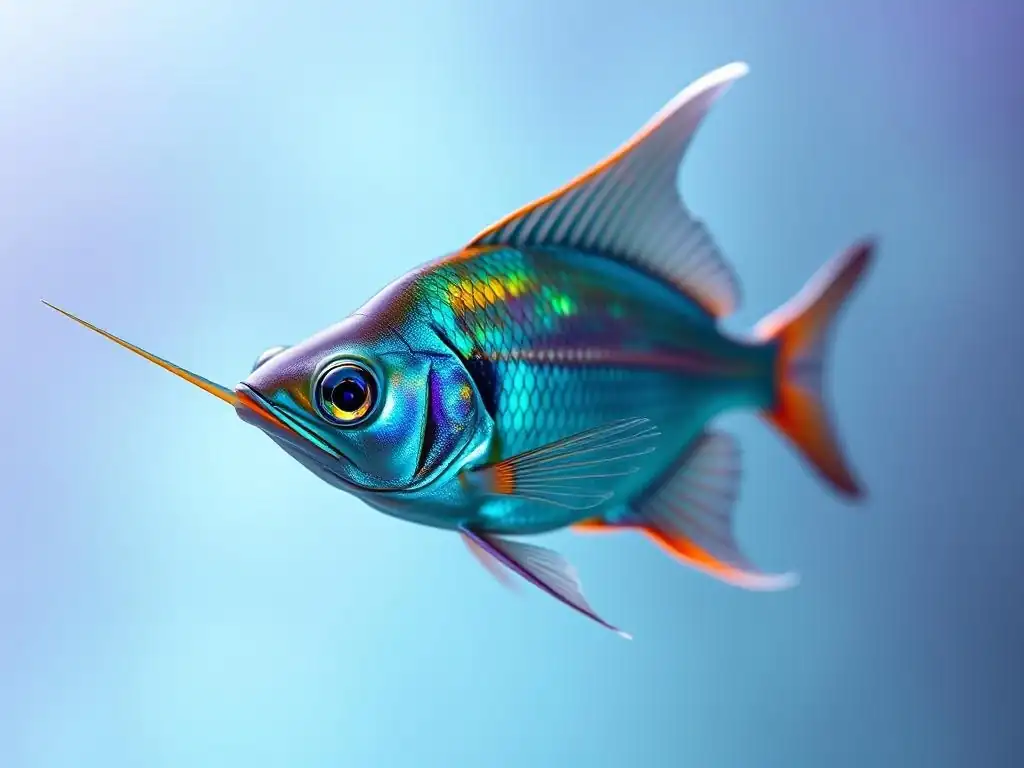
Xiphophorus signum Care: Specific Needs and Requirements
The Northern Swordtail, Xiphophorus signum, hails from the Usumacinta River basin in northern Guatemala and southern Mexico. These fish prefer clear, well-oxygenated water with a moderate current, mimicking their natural stream habitats. Ideal water parameters for X. signum include a pH between 7.0 and 7.8, moderate hardness (dGH 8-18), and a temperature range of 22-26°C (72-79°F). A minimum tank size of 30-40 gallons is recommended for a group, providing ample swimming space.
A robust filtration system, such as a hang-on-back or canister filter, is essential to maintain pristine water quality and provide the necessary water movement. Their diet in the wild consists of algae, detritus, and small invertebrates, so in the aquarium, they thrive on a varied omnivorous diet. High-quality spirulina flakes, vegetable pellets, and occasional live or frozen protein sources like daphnia or mosquito larvae will ensure optimal health and coloration, forming a critical part of their Xiphophorus species care guide.
Breeding Xiphophorus signum: Challenges and Strategies
Breeding Xiphophorus signum follows the general pattern of livebearers, but success can be enhanced by addressing specific environmental cues. Maintaining stable, pristine water conditions and a balanced diet are fundamental. Females typically give birth to 20-40 fry after a gestation period of approximately 28-35 days. While prolific, some aquarists might find initial breeding challenging if conditions are not perfectly met, particularly regarding water flow and oxygenation.
Strategies to maximize breeding success and fry survival include providing abundant floating plants like hornwort or guppy grass, which offer excellent cover for newborn fry. A dedicated breeding tank can also be utilized, allowing for closer monitoring of the gravid female and easier collection of fry. Ensuring a proper male-to-female ratio (e.g., 1 male to 2-3 females) helps distribute male attention and reduce stress on individual females, a key consideration in any detailed Xiphophorus species care guide.
Creating a Biotope Aquarium for Xiphophorus signum
Creating a biotope aquarium for Xiphophorus signum not only provides an ideal environment for their care but also offers a visually stunning and educational display. The substrate should consist of fine sand or small, smooth gravel, mimicking the riverbeds they inhabit. Decor should include smooth river rocks and pieces of driftwood, arranged to create both open swimming areas and sheltered hiding spots.
Dense planting along the back and sides of the tank with robust species like Anubias, Java Fern, and various Cryptocoryne species can replicate the vegetation found along riverbanks. Crucially, incorporating a powerhead or ensuring adequate output from the filter to create a moderate water current will greatly benefit these fish, as they are accustomed to flowing water. This attention to detail in habitat replication is a hallmark of a comprehensive Xiphophorus species care guide.
Xiphophorus clemenciae: The Yellow Swordtail
Xiphophorus clemenciae Care: Maintaining Water Quality and Diet
Xiphophorus clemenciae, known as the Yellow Swordtail, originates from the clear, flowing streams and rivers of Oaxaca, Mexico. These beautiful fish thrive in well-maintained aquariums that closely mimic their natural conditions. Ideal water parameters include a pH range of 7.0 to 7.5, soft to moderately hard water (dGH 5-15), and a consistent temperature between 23-27°C (73-81°F). Regular partial water changes, around 25-30% weekly, are crucial to maintain pristine water quality and low nitrate levels, which are paramount for their health.
Their diet in the wild is largely herbivorous and detritivorous, consisting of algae and decaying plant matter. In the aquarium, their diet should reflect this preference. High-quality spirulina flakes, vegetable-based pellets, and blanched vegetables such as zucchini, spinach, or peas should form the bulk of their diet. Supplementing with occasional live or frozen protein sources like daphnia or small brine shrimp can provide essential nutrients, making this a vital part of a Yellow Swordtail Xiphophorus species care guide.
Breeding Xiphophorus clemenciae: Ensuring Genetic Health
Breeding Xiphophorus clemenciae is similar to other Xiphophorus species; they are prolific livebearers. Females typically give birth to 15-40 fry after a gestation period of about 28-35 days. To ensure the survival of the fry, providing ample hiding places in the form of dense planting, particularly fine-leaved plants like Java Moss or water sprite, is highly recommended. A separate breeding box or tank can also be used for better fry yields.
A critical aspect of breeding Xiphophorus clemenciae for conservation and hobby purposes is maintaining genetic health and diversity. This means avoiding inbreeding where possible by introducing new, unrelated bloodlines periodically. Aquarists should accurately identify their species to prevent hybridization with other Xiphophorus species, which could dilute the unique genetic characteristics of X. clemenciae. This dedication to genetic integrity is a key component of a responsible Xiphophorus species care guide.
Xiphophorus clemenciae are active and generally peaceful fish, making them suitable for a well-planned community aquarium. They are schooling fish and should be kept in groups of at least six individuals to promote natural behaviors and reduce stress. As with most swordtails, male X. clemenciae can be territorial and display towards each other, especially if there are too few females. Maintaining a ratio of two or three females for every male is highly advisable to disperse male attention and minimize aggression.
Their active swimming nature means they require a tank with ample open swimming space, alongside areas of dense planting for refuge. Compatible tank mates include other peaceful, similarly sized community fish that thrive in similar water parameters, such as peaceful tetras, rasboras, and various bottom-dwelling catfish. Avoiding aggressive or fin-nipping species will ensure a harmonious environment for these beautiful Yellow Swordtails, aligning with best practices in any comprehensive Xiphophorus species care guide.
Xiphophorus cortezi: The Cortez Swordtail
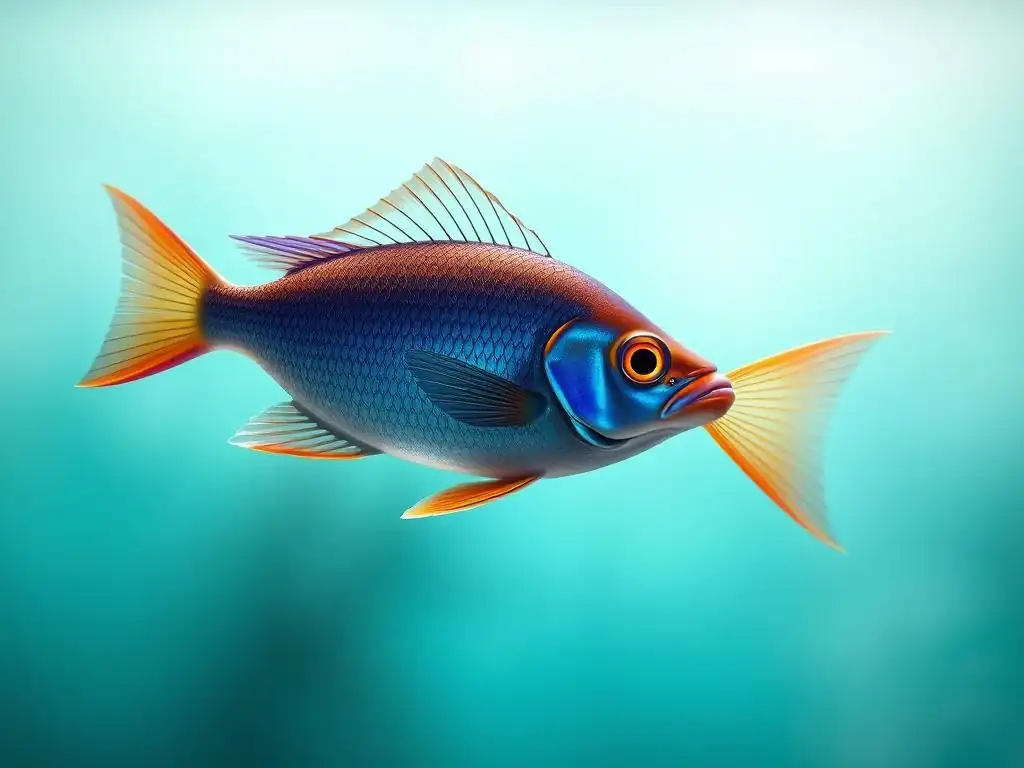
Xiphophorus cortezi Care: Mimicking Their Natural Environment
The Cortez Swordtail, Xiphophorus cortezi, originates from the clear, rocky streams of the Rio Gallinas and Rio Tamasopo basins in San Luis Potosí, Mexico. These fish prefer cooler, well-oxygenated water, reflecting their natural high-altitude habitats. Ideal water parameters include a pH range of 7.0 to 8.0, moderate to hard water (dGH 10-25), and a temperature range of 20-24°C (68-75°F). A minimum tank size of 40 gallons is recommended for a group of these active fish, allowing for ample swimming space.
Providing strong filtration and aeration is crucial to maintain high oxygen levels and pristine water quality. Their diet is omnivorous, and they readily accept a wide variety of foods, including high-quality flake foods, sinking pellets, and live or frozen protein sources such as bloodworms, brine shrimp, and daphnia. Occasional vegetable matter like spirulina flakes or blanched zucchini can also be beneficial, rounding out a comprehensive Xiphophorus species care guide for Cortez Swordtails.
Breeding Xiphophorus cortezi: Conservation Efforts
Xiphophorus cortezi are relatively easy to breed in captivity, making them an excellent candidate for hobbyist-driven conservation efforts. Females typically give birth to 20-60 fry after a gestation period of approximately 28-35 days. To ensure successful breeding and fry survival, provide dense plant cover, such as Java Moss or guppy grass, where fry can hide from adult fish. A dedicated breeding tank with a sponge filter can also be used to protect the vulnerable fry.
The ease of breeding X. cortezi in home aquariums makes them valuable for maintaining captive populations. As wild habitats face increasing pressure from human activity, responsible aquarists can play a significant role in preserving the genetic diversity of these fish. It is crucial to ensure accurate species identification to prevent hybridization with other swordtail species, which could compromise the unique genetic lineage of X. cortezi. This proactive approach is a vital part of any Xiphophorus species care guide focused on conservation.
Tank Setup for Xiphophorus cortezi: Substrate and Plant Selection
To create an optimal environment for Xiphophorus cortezi, a tank setup that mimics their natural rocky stream habitat is ideal. The substrate can be a mix of fine gravel and larger pebbles, providing a natural look and feel. Decor should include smooth river rocks and pieces of driftwood, arranged to create caves and hiding spots as well as open swimming areas. These elements not only enhance the aesthetic appeal but also provide security and enrichment for the fish.
For plant selection, choose robust species that can withstand moderate water flow and are not easily uprooted. Good choices include Anubias, Java Fern, various Cryptocoryne species, and background plants like Vallisneria. These plants also contribute to water quality by absorbing nitrates and provide additional hiding spots for both adults and fry. A well-designed tank setup is a cornerstone of a successful Xiphophorus species care guide for X. cortezi.
Xiphophorus malinche: The High Altitude Swordtail
Xiphophorus malinche Care: Adapting to Specific Water Conditions
Xiphophorus malinche, often referred to as the High Altitude Swordtail, is unique within the genus due to its natural habitat in the cooler, well-oxygenated streams of the Sierra Madre Oriental in Hidalgo, Mexico, at elevations exceeding 1,500 meters (5,000 feet). This dictates specific care requirements: they thrive in cooler water temperatures, ideally between 18-22°C (64-72°F). Water parameters should be slightly alkaline, with a pH of 7.0-7.8 and moderate hardness (dGH 8-15).
Maintaining consistently cool, pristine, and highly oxygenated water is paramount for X. malinche. This necessitates robust filtration, excellent aeration (e.g., air stone), and potentially a chiller if ambient room temperatures are too high. Regular, significant water changes (e.g., 30% twice weekly) are also vital. Their diet should be varied and omnivorous, consisting of high-quality flakes, small pellets, and live or frozen foods, which are essential components of a specialized Xiphophorus species care guide for this unique fish.
Breeding Xiphophorus malinche: Considerations for Temperature
Breeding Xiphophorus malinche is possible in captivity, but their preference for cooler temperatures can influence the breeding cycle. While they are livebearers, the gestation period may be slightly longer than their warmer-water relatives, potentially extending to 35-45 days. Brood sizes are typically smaller, ranging from 10 to 30 fry, which may also develop at a slower rate due to the cooler water.
To encourage breeding, ensure the male-to-female ratio is appropriate (e.g., 1 male to 2-3 females) and provide ample plant cover for the fry. A dedicated breeding tank can be beneficial for monitoring and protecting the fry. Maintaining the specific cool water parameters consistently is the most critical factor for successful breeding and healthy fry development, underscoring its importance in a comprehensive Xiphophorus species care guide for X. malinche.
Xiphophorus malinche's Unique Adaptations
The Xiphophorus malinche's natural habitat in high-altitude, cool, fast-flowing streams has led to several unique adaptations. Their streamlined body shape is well-suited for navigating strong currents, and they likely have a higher demand for dissolved oxygen compared to their lowland counterparts. These adaptations make them particularly sensitive to poor water quality or elevated temperatures in the aquarium.
Understanding these specific physiological needs is crucial for their long-term health in captivity. Aquarists who successfully keep X. malinche are providing a niche environment that differs significantly from a typical community tank. Their unique environmental requirements and adaptations highlight the fascinating diversity within the Xiphophorus genus and the importance of tailored care, making them a prime example of why a specific Xiphophorus species care guide is indispensable.
Conservation of Wild Xiphophorus Species: Threats and Solutions
Habitat Loss and Pollution: Major Threats to Xiphophorus Populations
Wild Xiphophorus populations face severe threats, primarily from habitat loss and environmental pollution. Rapid urbanization, agricultural expansion, and deforestation in their native Central American ranges lead to the destruction and fragmentation of their natural streams and rivers. For instance, the conversion of land for cattle ranching or cash crops often results in the diversion or degradation of waterways, directly impacting aquatic ecosystems.
Pollution from agricultural runoff (pesticides, fertilizers), industrial waste, and untreated domestic sewage further contaminates these vital freshwater sources. This contamination can directly poison fish, alter water chemistry beyond their tolerance, and destroy the food sources and plant life essential for their survival. The cumulative effect of these pressures has led to declining populations and, for some species, critically endangered status, emphasizing the need for a comprehensive Xiphophorus species care guide that promotes conservation awareness.
Responsible Aquarium Keeping: Supporting Conservation Efforts
Aquarists play a crucial role in the conservation of wild Xiphophorus species. One of the most impactful actions is to purchase only captive-bred fish from reputable sources. This reduces the demand for wild-caught specimens, alleviating pressure on natural populations. Furthermore, responsible aquarists never release aquarium fish into local waterways, as this can introduce invasive species, diseases, or genetic pollution to native ecosystems.
Supporting organizations dedicated to aquatic conservation and responsible fishkeeping practices, such as the American Livebearer Association (ALA), can also contribute significantly. By adhering strictly to a detailed Xiphophorus species care guide, aquarists ensure the health and genetic purity of their captive populations, effectively creating "arks" for species that may be struggling in the wild.
Captive Breeding Programs: Preserving Genetic Diversity
Captive breeding programs, both in public aquariums and within the dedicated hobbyist community, are vital for preserving the genetic diversity of threatened Xiphophorus species. These programs aim to maintain robust, genetically diverse lines that can serve as a safeguard against extinction. By carefully managing breeding pairs and avoiding inbreeding, these efforts ensure the long-term viability of captive populations.
For example, hobbyists maintaining distinct lines of rare Xiphophorus can share their knowledge and even specimens with others, broadening the gene pool. This collaborative approach helps prevent genetic bottlenecks and ensures that if a species faces complete extirpation in the wild, a healthy, viable population exists in captivity for potential reintroduction or scientific study. Such programs are a tangible outcome of a well-applied Xiphophorus species care guide focused on species preservation.
Maintaining a Healthy Xiphophorus Aquarium: General Best Practices
Water Chemistry and Filtration: Crucial Elements for Success
Maintaining precise water chemistry and efficient filtration are foundational to the health and longevity of any Xiphophorus species. While specific parameters vary slightly by species, a general guideline involves keeping ammonia and nitrite levels at zero, and nitrates below 20 ppm. Regular partial water changes, typically 25-30% weekly, are essential to achieve this. Using a reliable test kit to monitor pH, hardness, and nitrogenous compounds is non-negotiable.
Filtration should be robust and appropriate for the tank size. Hang-on-back filters are popular for their ease of use, while canister filters offer superior mechanical, chemical, and biological filtration for larger setups. Sponge filters are excellent for breeding tanks as they are gentle on fry. Ensuring adequate water flow and oxygenation, particularly for species from fast-flowing habitats, is also a key aspect of a comprehensive Xiphophorus species care guide.
Diet and Nutrition: Ensuring Optimal Health and Coloration
A varied and high-quality diet is paramount for the optimal health, vibrant coloration, and successful breeding of Xiphophorus species. While most are omnivorous, their natural diets often lean towards detritus, algae, and small invertebrates. Therefore, a balanced diet in the aquarium should include high-quality flake foods or small pellets as a staple, supplemented with a mix of protein-rich and vegetable-based options.
Live or frozen foods such as brine shrimp, daphnia, bloodworms, and mosquito larvae provide essential protein and stimulate natural hunting behaviors. Vegetable matter like spirulina flakes, blanched zucchini, spinach, or peas are crucial for digestive health and to mimic their natural grazing habits. Feeding small amounts two to three times a day, rather than one large meal, aids digestion and reduces water pollution, a vital component of any effective Xiphophorus species care guide.
Disease Prevention and Treatment: Recognizing Early Warning Signs
Disease prevention is always more effective than treatment. A robust disease prevention strategy for Xiphophorus involves several key practices. Firstly, always quarantine new fish in a separate tank for at least 2-4 weeks before introducing them to the main aquarium. This allows for observation and treatment of any latent diseases without infecting the entire tank. Secondly, maintaining consistently excellent water quality and a balanced diet significantly boosts the fish's immune system, making them more resilient to pathogens.
Daily observation of your fish is crucial for recognizing early warning signs of illness, such as clamped fins, lethargy, loss of appetite, abnormal swimming patterns, white spots (Ich), frayed fins (fin rot), or velvet-like dusting. Prompt identification and treatment, often beginning with addressing water quality issues, can prevent minor problems from escalating into serious outbreaks. Knowing these signs and appropriate responses is a fundamental part of a thorough Xiphophorus species care guide.
Conclusion: Appreciating the Diversity of Xiphophorus
The Importance of Responsible Fishkeeping and Conservation
The journey into the less common Xiphophorus species reveals a stunning array of diversity far beyond the familiar swordtails and platies. From the cool-water adapted Xiphophorus malinche to the vibrant Xiphophorus clemenciae, each species presents unique characteristics and specific care requirements that challenge and reward the dedicated aquarist. This exploration not only enriches the hobby but also underscores the critical importance of responsible fishkeeping.
By committing to a comprehensive Xiphophorus species care guide, aquarists contribute directly to the conservation of these fascinating fish. Maintaining genetically pure, healthy captive populations acts as a vital safeguard against habitat degradation and extinction in the wild. Our collective efforts in the aquarium community can ensure that these remarkable aquatic creatures continue to thrive for generations to come, both in our tanks and, hopefully, in their native environments.
Further Resources for Xiphophorus Research and Conservation
For aquarists eager to delve deeper into the world of Xiphophorus species, several valuable resources can enhance understanding and support conservation efforts. Specialized livebearer associations, such as the American Livebearer Association (ALA) and the British Livebearer Association (BLA), offer extensive information, forums, and opportunities to connect with experienced breeders and enthusiasts. These organizations often maintain studbooks for rare species and facilitate the exchange of genetically diverse individuals.
Furthermore, scientific journals and university research programs focused on ichthyology and conservation biology often publish studies on Xiphophorus taxonomy, genetics, and ecology. While not always directly applicable to aquarium care, these resources provide invaluable insights into the natural history and conservation status of these fish. Engaging with these resources can transform a general interest in livebearers into a profound commitment to a detailed Xiphophorus species care guide and the broader conservation movement.
Frequently Asked Questions
How do the care requirements differ between Xiphophorus helleri (Swordtails) and Xiphophorus variatus (Variatus Platy)?
Swordtails generally require larger tank sizes due to their active swimming habits and potential for larger size. Variatus Platies are more adaptable to smaller aquariums and can tolerate a wider range of water parameters.
What are some less common Xiphophorus species besides Swordtails and Platies that might be suitable for an experienced aquarist?
Species like Xiphophorus maculatus (Platy), Xiphophorus montezumae, and Xiphophorus pygmaeus offer unique challenges. These species often require specific water conditions and may be more sensitive.
What are the key considerations when breeding different Xiphophorus species?
To successfully breed Xiphophorus species, you must maintain stable water parameters, provide a suitable breeding environment with plants or spawning mops, and ensure adequate nutrition.
What are some common health issues that can affect Xiphophorus species, and how can they be prevented?
Common issues include Ich, fin rot, and dropsy. Prevention involves maintaining pristine water quality, providing a balanced diet, and quarantining new fish.
How important is water chemistry (pH, hardness, ammonia, nitrite, nitrate) for maintaining healthy Xiphophorus species?
Stable water chemistry is crucial. Monitoring and maintaining appropriate pH levels, hardness, and eliminating ammonia/nitrite while keeping nitrates low are essential for their well-being.
Okay, here's a final reflection designed to close your article, "Comparing Different Xiphophorus Species: Beyond Swordtails & Variatus," optimized for the keyword "Xiphophorus species care guide."
Final Reflection: Appreciating the Diversity of Xiphophorus
The journey through the diverse world of Xiphophorus species underscores a crucial point: responsible aquarism hinges on informed understanding and tailored care. While swordtails and variatus often dominate the aquarium trade, the unique needs and captivating beauty of lesser-known species deserve recognition, ensuring their survival both in captivity and, crucially, in their increasingly threatened natural habitats.
The exploration of these fascinating fish has profoundly impacted my own perspective on aquarium keeping, highlighting the importance of moving beyond superficial aesthetics to embrace the ethical responsibility we bear towards these living creatures. In the end, we will conserve only what we love; we will love only what we understand; and we will understand only what we are taught.
- Baba Dioum's words resonate deeply, urging us to continuously learn and share our knowledge to foster a greater appreciation for the biodiversity within our aquariums.
Now, as you close this guide, consider the broader implications of your choices as an aquarist. Let this knowledge inspire you to not only provide exceptional care for your Xiphophorus but also to advocate for responsible breeding practices and the conservation of their natural environments. By embracing the full spectrum of Xiphophorus diversity, you contribute to a more sustainable and enriching future for both the hobby and these remarkable fish.
Unveil the Secrets of the Xiphophorus Genus!
Thank you for diving into the fascinating world of Xiphophorus! We hope you've gained a newfound appreciation for the diversity beyond just swordtails and variatus. Now, let's take that knowledge and put it into action:
- Start researching a lesser-known Xiphophorus species that caught your eye. Dive into scientific papers and breeder forums to truly understand its needs.
- Consider joining a local aquarium club to connect with other enthusiasts and potentially find someone who keeps some of these rarer species.
- Share this article with a fellow aquarist and challenge them to explore a new species with you.
Which species will you research first, and what intriguing fact will you uncover?