
Lighting Your Dwarf Cichlid Tank: Balancing Plant Growth & Fish Comfort

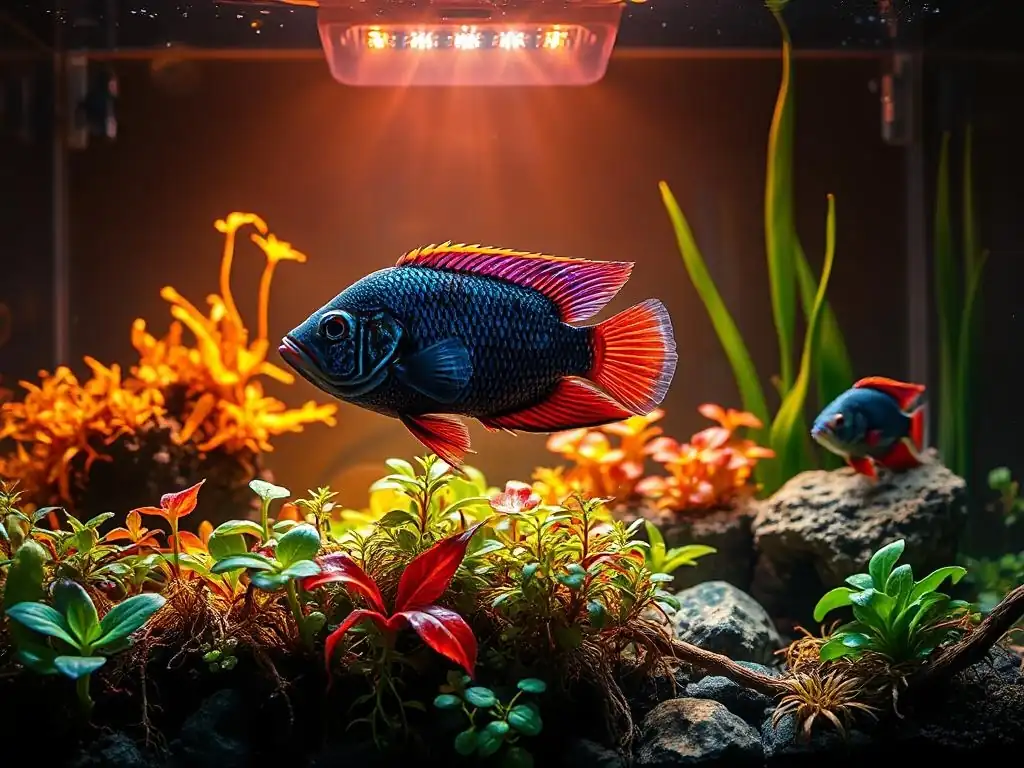
Welcome to Aquarium Mastery! Ever wondered how to unlock the vibrant colors of your Dwarf Cichlids while ensuring your plants thrive? Lighting is key, and we're diving deep into the specifics. Discover the secrets to achieving the perfect balance in your Dwarf Cichlid tank lighting, creating a stunning and healthy underwater world. Read on to learn more and illuminate your aquarium success!
- Understanding Dwarf Cichlid Lighting Needs
- Choosing the Right Lights for a Dwarf Cichlid Aquarium
- Balancing Plant Growth and Fish Comfort in a Cichlid Tank
- Setting Up Your Dwarf Cichlid Tank Lighting System
- Maintaining Your Dwarf Cichlid Tank Lighting
- Troubleshooting Common Lighting Problems in Dwarf Cichlid Tanks
- Recommended Lighting Setups for Different Dwarf Cichlid Species
- Conclusion: Achieving Optimal Lighting for Your Dwarf Cichlid Aquarium
-
Frequently Asked Questions
- How important is lighting for a Dwarf Cichlid tank, considering they prefer dimmer environments?
- What type of lighting is best suited for a Dwarf Cichlid tank?
- How do I balance the lighting needs of plants and the comfort of Dwarf Cichlids?
- What spectrum of light is most beneficial for both plants and Dwarf Cichlids in a tank?
- How long should the lights be on in a Dwarf Cichlid tank each day?
- Final Reflection: Illuminating a Balanced Ecosystem
- Ignite Your Cichlid's Paradise!
Understanding Dwarf Cichlid Lighting Needs
Why Proper Lighting Matters for Dwarf Cichlids
Proper dwarf cichlid tank lighting is not merely about illuminating the aquarium; it's a critical component for the health and vitality of both your fish and aquatic plants. For plants, light is the energy source for photosynthesis, the process by which they convert light into chemical energy, producing oxygen and consuming nitrates. A well-lit, planted tank contributes significantly to water quality, creating a more stable and healthier environment for dwarf cichlids by reducing algae growth and absorbing harmful compounds.
Beyond plant health, appropriate lighting profoundly impacts dwarf cichlids themselves. Light influences their natural circadian rhythms, dictating periods of activity, rest, and even breeding behaviors. Incorrect lighting can lead to faded colors, increased stress, and a reluctance to breed. For instance, species like Apistogramma cacatuoides often display their most vibrant hues under optimal lighting conditions that mimic their natural, subdued habitats, whereas overly bright light can cause them to appear washed out and reclusive.
Natural Habitat Lighting vs. Aquarium Lighting for Cichlids
Dwarf cichlids, originating primarily from the Amazon basin and its tributaries, typically inhabit environments characterized by filtered or diffused light. Their natural habitats often feature dense riparian vegetation, overhanging trees, and tannin-stained blackwater, all of which significantly reduce the intensity of direct sunlight reaching the water column. This results in a much lower light environment compared to what many hobbyists might initially assume is necessary for an aquarium.
When designing dwarf cichlid tank lighting, the goal is to emulate these natural, subdued conditions. While direct sunlight in their natural environment might reach PAR (Photosynthetically Active Radiation) values of 100-200 at the surface, by the time it penetrates through dense canopy and water, the PAR at the substrate level where dwarf cichlids forage might be as low as 20-50. Overly bright aquarium lighting, often exceeding 70-100 PAR at the substrate, can be a major source of stress for these fish, causing them to hide constantly or exhibit erratic behavior.
The Impact of Light Intensity on Dwarf Cichlid Behavior
The intensity of dwarf cichlid tank lighting directly influences the behavior and well-being of your fish. High light intensity can induce significant stress, leading to a variety of undesirable behaviors such as constant hiding, rapid breathing, and faded coloration. Some species, like the delicate German Blue Ram ( Mikrogeophagus ramirezi), are particularly sensitive to bright light and may refuse to eat or even succumb to stress-related illnesses if exposed to excessive illumination for prolonged periods.
Conversely, insufficient light can also have negative consequences. While dwarf cichlids prefer subdued environments, extremely low light levels can lead to lethargy, a lack of appetite, and a general dullness in their appearance. It can also hinder the growth of beneficial plants, leading to an imbalanced ecosystem. The ideal dwarf cichlid tank lighting strikes a balance, providing enough light for healthy plant growth while ensuring the fish feel secure and comfortable, often encouraging more natural behaviors like foraging and courtship displays.
Choosing the Right Lights for a Dwarf Cichlid Aquarium
LED Lighting Options for Dwarf Cichlid Tanks
Advantages of LED Lights for Planted Cichlid Aquariums
LED (Light Emitting Diode) lighting has become the preferred choice for many aquarists due to its numerous benefits, especially for a planted dwarf cichlid tank. One of the most significant advantages is their energy efficiency; modern aquarium LEDs can consume 50-70% less electricity compared to traditional fluorescent bulbs while delivering comparable or even superior light output. For example, a 24-inch LED fixture designed for planted tanks might draw only 20 watts, whereas a T5 HO fluorescent fixture of the same length could consume 24-30 watts, resulting in noticeable energy savings over time.
Furthermore, LEDs boast an exceptionally long lifespan, typically rated for 50,000 hours or more, which translates to over five years of continuous operation. This significantly reduces the frequency and cost of bulb replacement compared to fluorescents, which often need to be replaced annually. Many advanced LED fixtures also offer customizable spectrums and dimming capabilities, allowing aquarists precise control over light intensity and color temperature, which is crucial for tailoring dwarf cichlid tank lighting to specific plant and fish needs. The lower heat output of LEDs also helps maintain stable water temperatures.
Selecting the Correct LED Spectrum for Optimal Growth
When choosing LED lighting for a planted dwarf cichlid tank, the spectrum of light emitted is as important as its intensity. For optimal plant growth, a full-spectrum LED fixture with a color temperature around 6500 Kelvin (K) is generally recommended. This color temperature closely mimics natural daylight and provides the necessary wavelengths for photosynthesis. Specific wavelengths, particularly in the red (600-700 nm) and blue (400-500 nm) ranges, are most efficiently absorbed by plant chlorophyll.
For dwarf cichlids, while the specific spectrum isn't as critical as intensity, a balanced spectrum also helps to bring out their natural coloration. Many high-quality LED fixtures designed for planted tanks offer adjustable red, green, and blue (RGB) channels, allowing the user to fine-tune the color rendition and visual appeal. When considering PAR (Photosynthetically Active Radiation) values, a planted dwarf cichlid tank typically thrives with PAR levels between 20-50 at the substrate, providing sufficient energy for low to medium-light plants without overwhelming the fish.
Fluorescent Lighting for Dwarf Cichlid Aquariums: T5 and Compact Fluorescent
Benefits and Drawbacks of Fluorescent Lighting
Fluorescent lighting, particularly T5 High Output (HO) and Compact Fluorescent (CFL) bulbs, has been a staple in the aquarium hobby for decades and remains a viable option for dwarf cichlid tank lighting. T5 HO bulbs offer good light penetration for their wattage and are available in various spectrums, including those optimized for plant growth (e.g., 6700K or plant-specific bulbs). They are generally more affordable upfront than high-end LED fixtures, making them a budget-friendly entry point for many aquarists. CFLs are also inexpensive and suitable for smaller tanks or as supplemental lighting.
However, fluorescent lighting comes with several drawbacks. Their lifespan is significantly shorter than LEDs, typically requiring replacement every 6 to 12 months, as their intensity and spectrum degrade over time, even if the bulb still appears to be working. This degradation can lead to stunted plant growth and increased algae issues. Fluorescent fixtures also consume more electricity and produce more heat than LEDs, which can contribute to higher tank temperatures, especially in enclosed canopies. They also offer less control over dimming and spectrum adjustments compared to advanced LED units.
Metal Halide Lighting: Is It Suitable for Dwarf Cichlid Tanks?
Metal halide lighting, while once popular for deep, heavily planted tanks or reef aquariums, is generally not suitable for a typical dwarf cichlid tank. These lights are known for their extremely high intensity and excellent light penetration, often producing PAR values well over 100 at the substrate even in deep tanks. While this might be beneficial for very demanding, high-light aquatic plants in large setups, it is overwhelmingly excessive for the subdued environment preferred by dwarf cichlids.
The intense illumination from metal halides would cause significant stress to dwarf cichlids, leading them to constantly hide, exhibit faded colors, and potentially suffer from chronic stress-related health issues. Furthermore, metal halide fixtures generate a considerable amount of heat, which can quickly raise water temperatures to unsafe levels for tropical fish if not properly managed with active cooling. Their high energy consumption and significant upfront cost also make them an impractical and unnecessary choice for the vast majority of dwarf cichlid tank lighting setups.
Balancing Plant Growth and Fish Comfort in a Cichlid Tank
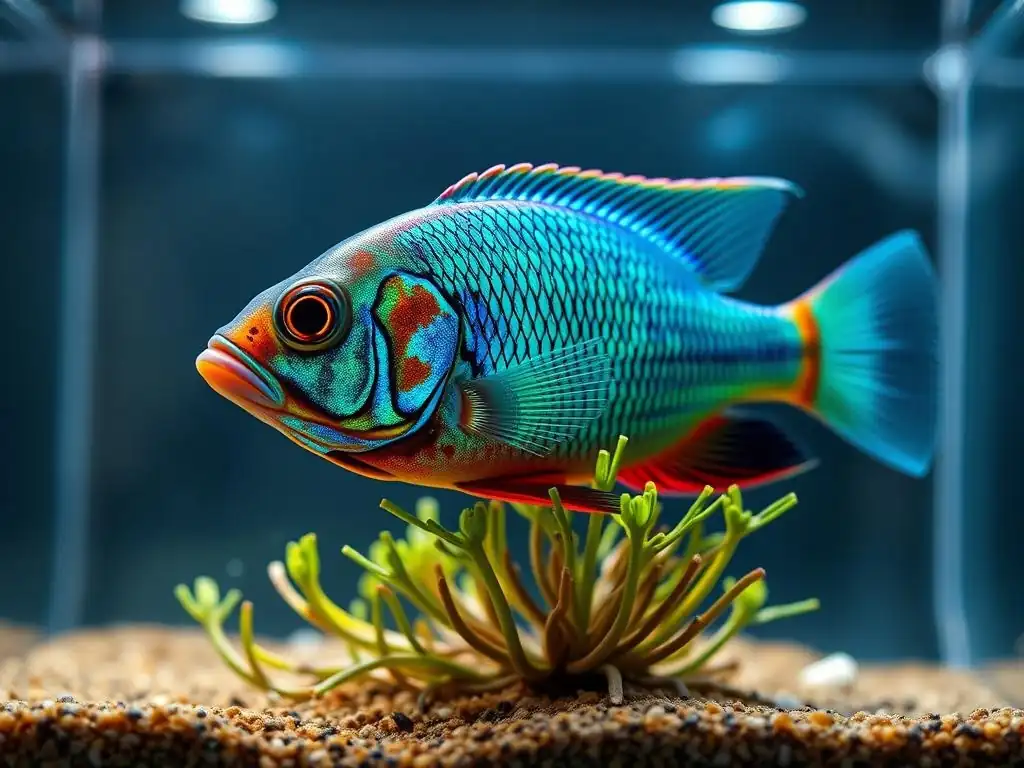
The Role of Light in Planted Dwarf Cichlid Aquariums
Selecting Plants That Thrive in Lower Light Conditions
The key to a successful planted dwarf cichlid tank lies in selecting aquatic plants that can thrive under the moderate to low light conditions preferred by these fish. Many popular and beautiful aquatic plants are well-suited for this environment, typically requiring PAR values between 20-50 at the substrate. Excellent choices include various species of Anubias (e.g., Anubias barteri, Anubias nana), which are extremely hardy and prefer to be attached to driftwood or rocks rather than planted in the substrate.
Other reliable options include Java Fern ( Microsorum pteropus), which also attaches to hardscape, and Cryptocoryne species (e.g., Cryptocoryne wendtii, Cryptocoryne undulata), known for their diverse leaf shapes and colors, and their tolerance for lower light. Bucephalandra species are another excellent choice, offering unique textures and colors in subdued lighting. These plants not only thrive under appropriate dwarf cichlid tank lighting but also provide crucial hiding spots and visual barriers, enhancing the fish's sense of security.
CO2 Injection and Nutrient Management for Plant Growth
While appropriate dwarf cichlid tank lighting is essential for plant growth, it is only one component of a thriving planted aquarium. Carbon dioxide (CO2) injection and comprehensive nutrient management are equally critical, especially for achieving robust plant growth under moderate light. Plants require CO2 for photosynthesis, and in a typical aquarium, dissolved CO2 levels are often insufficient. Supplementing CO2 to a target range of 25-30 parts per million (ppm) can significantly boost plant growth rates and health, allowing them to better utilize the available light.
Alongside CO2, plants need a balanced supply of macro-nutrients (nitrogen, phosphorus, potassium) and micro-nutrients (iron, manganese, boron, etc.). Regular dosing of a comprehensive liquid fertilizer, often containing all essential trace elements, is crucial. For instance, if plants show yellowing or stunted growth despite adequate dwarf cichlid tank lighting, it often indicates a nutrient deficiency, such as iron. Monitoring plant health and adjusting CO2 and nutrient levels accordingly ensures that the plants remain vibrant and contribute positively to the tank's ecosystem.
Minimizing Stress on Dwarf Cichlids with Proper Lighting
Creating Shaded Areas and Hiding Places
One of the most effective ways to minimize stress on dwarf cichlids, particularly concerning dwarf cichlid tank lighting, is to create ample shaded areas and hiding places within the aquarium. These fish naturally seek cover to feel secure, especially when resting, breeding, or perceiving threats. Incorporate driftwood, rock caves, and dense plant groupings to provide multiple options for refuge. Large pieces of driftwood that cast significant shadows or form overhangs are particularly beneficial.
Floating plants, such as Amazon Frogbit ( Limnobium laevigatum) or Red Root Floaters ( Phyllanthus fluitans), are excellent for diffusing light and creating natural shaded zones directly below them. For example, a patch of floating plants covering 20-30% of the surface can significantly soften the light reaching the substrate, making the environment more comfortable for species like Apistogramma borellii which are notoriously shy. These shaded areas allow the fish to retreat from direct light when they feel exposed, reducing their overall stress levels and encouraging more natural behaviors.
Adjusting Light Intensity to Reduce Stress
The ability to adjust the light intensity is a powerful tool for minimizing stress in dwarf cichlids. Many modern LED fixtures offer dimming capabilities, allowing aquarists to fine-tune the brightness to suit their fish's comfort levels. If dwarf cichlids are constantly hiding, exhibiting faded colors, or showing other signs of stress, reducing the light intensity is often a primary step in troubleshooting. Start with a lower intensity and gradually increase it only if plants show signs of needing more light, all while closely observing your fish's response.
Another strategy is to utilize a light ramp-up/ramp-down feature, if available, on your dwarf cichlid tank lighting system. This mimics natural sunrise and sunset, gradually increasing and decreasing light over a period of 30-60 minutes, which is far less jarring than an abrupt on/off cycle. This gradual transition significantly reduces stress, as fish are not suddenly plunged into bright light or darkness. For instance, observing German Blue Rams, they often become more active and display better coloration during the dimmer "sunrise" and "sunset" periods compared to peak light hours.
Setting Up Your Dwarf Cichlid Tank Lighting System
Determining the Appropriate Wattage and PAR for Your Tank
When setting up your dwarf cichlid tank lighting, focusing on PAR (Photosynthetically Active Radiation) is far more accurate than wattage, especially with LED technology. Wattage only tells you power consumption, not light output or quality. PAR measures the amount of light available for photosynthesis. For a dwarf cichlid tank with low to medium light plants, aim for PAR values between 20 and 50 at the substrate level. This range typically provides enough energy for plants like Anubias, Java Fern, and Cryptocorynes, while keeping the light subdued enough for the comfort of most dwarf cichlid species.
To estimate PAR, you can consult manufacturer specifications, which often provide PAR maps for different tank depths. For example, a 24-inch LED fixture designed for planted tanks might provide 30-40 PAR at a 12-inch depth. If precise measurements are desired, a PAR meter can be used, though these are often expensive and mostly utilized by advanced hobbyists. For most hobbyists, choosing an LED fixture specifically marketed for "low to medium light planted tanks" for a 10-40 gallon aquarium will generally fall within the appropriate PAR range for dwarf cichlid tank lighting.
Mounting and Positioning Your Aquarium Lights
The mounting and positioning of your dwarf cichlid tank lighting system significantly impact light distribution and intensity within the aquarium. Lights should ideally be mounted directly above the tank, centered to ensure even light spread across the entire aquascape. For fixtures with adjustable legs or hanging kits, the height above the water surface can be fine-tuned. Raising the light higher will diffuse the intensity and spread it over a wider area, which can be beneficial in reducing hot spots and creating a softer environment.
Conversely, lowering the light will concentrate the intensity, increasing PAR values at the substrate. For dwarf cichlids, a slightly higher mounting position is often preferred to soften the overall illumination. Consider the tank's dimensions; a longer tank might benefit from a fixture that spans nearly the entire length to prevent dark corners. For example, a 20-gallon long tank (24 inches) would ideally use a 22-24 inch fixture to ensure consistent dwarf cichlid tank lighting from end to end. Ensure the light is securely mounted to prevent accidental falls.
Using Timers to Simulate Natural Day/Night Cycles
Implementing a reliable timer for your dwarf cichlid tank lighting is absolutely essential for maintaining a healthy and stable aquarium environment. A consistent day/night cycle is crucial for the natural biological rhythms of both fish and plants. Most aquarists aim for a photoperiod of 8 to 10 hours of light per day. Exceeding 10 hours can often lead to an increase in undesirable algae growth, as algae can photosynthesize for longer periods than most desirable aquatic plants.
Digital timers offer precise control, allowing you to set specific on/off times daily. Some advanced LED controllers even offer customizable ramp-up and ramp-down features, mimicking natural sunrise and sunset effects. For instance, setting the dwarf cichlid tank lighting to gradually brighten over 30 minutes in the morning and dim over 30 minutes in the evening provides a much less stressful transition for fish compared to an abrupt switch. This consistent schedule supports fish behavior, encourages plant growth, and helps prevent stress and algae issues.
Maintaining Your Dwarf Cichlid Tank Lighting
Cleaning Your Aquarium Lights Regularly
Regular cleaning of your dwarf cichlid tank lighting fixture is a simple yet often overlooked maintenance task that directly impacts light output and efficiency. Over time, dust, mineral deposits from water splashes, and general debris can accumulate on the light's surface, significantly reducing the amount of light that penetrates the water. This reduction can be substantial, potentially diminishing light output by 10-20% or even more, which can lead to stunted plant growth and an overall dull appearance in the tank.
It is advisable to clean the light fixture weekly or bi-weekly. Always unplug the light from the power source before cleaning to ensure safety. Use a soft, damp cloth to gently wipe down the LEDs or fluorescent tubes and their protective covers. Avoid using harsh chemicals or abrasive materials, as these can damage the fixture. For stubborn mineral deposits, a solution of water and white vinegar can be used, ensuring no liquid seeps into the electrical components. Consistent cleaning ensures your dwarf cichlid tank lighting operates at its optimal performance.
Replacing Bulbs and LEDs When Necessary
While LEDs boast an impressive lifespan, typically lasting 5 to 10 years or more, fluorescent bulbs (T5, CFL) used in dwarf cichlid tank lighting setups have a much shorter effective life. Fluorescent bulbs should generally be replaced every 6 to 12 months, even if they still appear to be producing light. This is because their light spectrum and intensity degrade over time, losing crucial wavelengths necessary for healthy plant growth and fish coloration. An old fluorescent bulb might still be "on," but its output might be insufficient for photosynthesis, leading to struggling plants and increased algae.
For LED fixtures, while individual diodes are long-lasting, monitor for any signs of dimming across the entire fixture or the failure of individual LED clusters. While complete fixture replacement might be less frequent, some high-end units allow for module replacement. It's crucial to understand that even if an LED fixture is rated for 50,000 hours, its efficiency might decrease over that period. Regular observation of plant health and fish behavior will indicate if the dwarf cichlid tank lighting is still performing adequately, signaling when a replacement might be necessary.
Monitoring Plant Health and Fish Behavior for Lighting Issues
Continuous monitoring of both plant health and fish behavior is critical for identifying and addressing any potential issues with your dwarf cichlid tank lighting. Plants provide clear visual cues: stunted growth, pale or yellowing leaves, melting, or excessive algae growth on their surfaces can all indicate lighting problems (either too little or too much). For instance, if your Cryptocorynes are melting or Anubias leaves are covered in green spot algae, it might suggest an imbalance in light intensity or duration relative to CO2 and nutrient levels.
Similarly, your dwarf cichlids will communicate their comfort levels through their actions. Fish constantly hiding, displaying faded colors, rapid breathing, or exhibiting stress stripes are strong indicators that the dwarf cichlid tank lighting might be too intense. Conversely, if fish appear lethargic or lack their usual vibrancy, it could, in rare cases, point to excessively low light. Regular observation, such as noticing if a pair of Apistogramma agassizii is more active and colorful during the morning hours when light is less intense, helps fine-tune the lighting to their specific needs.
Troubleshooting Common Lighting Problems in Dwarf Cichlid Tanks
Algae Blooms and Excessive Light
One of the most common problems encountered in aquariums, including dwarf cichlid tanks, is an algae bloom, and excessive dwarf cichlid tank lighting is frequently a primary culprit. If you observe rapid growth of green fuzz algae, green spot algae on the glass, or brown diatom algae, it often indicates too much light intensity, an overly long photoperiod, or an imbalance in nutrients relative to light. For example, a photoperiod exceeding 10 hours per day can significantly contribute to algae proliferation, as algae often outcompete higher plants under prolonged illumination.
To troubleshoot, first, reduce your photoperiod to 7-8 hours per day. Next, if your fixture allows, decrease the light intensity. For LED lights, dimming them by 10-20% can make a significant difference. Ensure that your CO2 and nutrient levels are balanced; sometimes, a nutrient deficiency (like nitrates or phosphates being too low) can lead to algae even with moderate light, as plants are not using the available light efficiently. Regular water changes (25-30% weekly) and manual removal of algae will also help bring the tank back into balance.
Stunted Plant Growth and Insufficient Light
While dwarf cichlids prefer subdued lighting, insufficient dwarf cichlid tank lighting can lead to stunted plant growth, pale leaves, and even plant melt. Plants may appear leggy, stretching towards the light source, or their colors may fade. For instance, if your Cryptocoryne wendtii leaves are becoming translucent or your Java Fern is not producing new rhizomes, it could indicate that the PAR levels are too low for their needs. This problem is particularly noticeable in tanks where the light fixture is old, underpowered for the tank size, or positioned too high above the water.
To address stunted plant growth due to insufficient light, first confirm that the light is functioning correctly and is clean. If using fluorescent bulbs, check their age and replace if over 6-12 months old. If possible, increase the light intensity or lower the fixture closer to the water surface (while still considering fish comfort).
Ensure that CO2 levels are adequate (25-30 ppm) and that plants are receiving a complete range of macro and micro-nutrients, as light is only one factor in plant health. Sometimes, what appears to be a light issue is actually a nutrient or CO2 deficiency preventing plants from utilizing the available light.
Fish Hiding or Showing Signs of Stress
If your dwarf cichlids are constantly hiding, showing faded colors, rapid breathing, or exhibiting stress stripes (vertical or horizontal patterns on their bodies), excessive dwarf cichlid tank lighting is a common culprit. Species like German Blue Rams are particularly sensitive to bright, direct light and may become extremely reclusive, refusing to come out even for food. This behavior indicates they feel exposed and vulnerable, leading to chronic stress which can compromise their immune system and overall health.
To alleviate stress caused by lighting, the first step is to reduce the light intensity. If your light fixture has a dimmer, gradually lower the brightness. Alternatively, shorten the photoperiod to 7-8 hours, or even introduce a siesta period (e.g., 4 hours on, 2 hours off, 4 hours on) to give fish a break from the light.
Crucially, ensure there are abundant shaded areas and hiding spots created by driftwood, rockwork, and dense plant cover. Floating plants are excellent for diffusing light naturally. Observe your fish's behavior closely after making adjustments; increased activity and brighter coloration are good signs of improved comfort.
Recommended Lighting Setups for Different Dwarf Cichlid Species
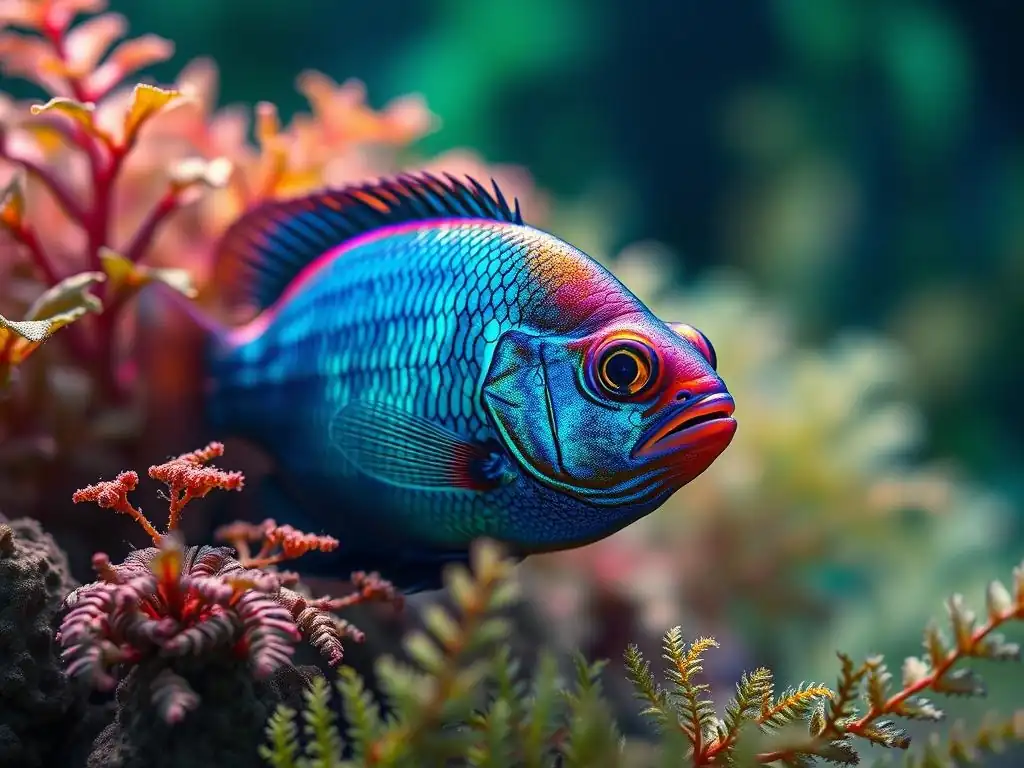
Lighting for Apistogramma Species
Apistogramma species, originating from the heavily vegetated, often tannin-stained waters of the Amazon basin, are among the most sensitive dwarf cichlids to bright light. They naturally inhabit environments with very subdued illumination, often preferring the filtered light that penetrates through dense overhanging vegetation or deep leaf litter. Therefore, dwarf cichlid tank lighting for Apistogramma species should aim for lower PAR values, typically in the range of 20-30 at the substrate.
To achieve this, a low-to-medium power LED fixture is ideal, often set to a lower intensity. For a 20-gallon long tank, a 10-15W LED fixture designed for planted tanks, dimmed if possible, often provides sufficient light. Crucially, integrate ample floating plants like Amazon Frogbit or Red Root Floaters to create significant shaded areas and diffuse the light. Dense planting with species like Cryptocoryne parva or various Anubias attached to driftwood will further enhance their comfort, providing essential cover and making them feel more secure in their dwarf cichlid tank lighting environment.
Lighting for Ram Cichlid Species
Ram Cichlids, primarily German Blue Rams ( Mikrogeophagus ramirezi) and Bolivian Rams ( Mikrogeophagus altispinosus), have differing tolerances for light. German Blue Rams are quite sensitive and prefer dim to moderate dwarf cichlid tank lighting, similar to Apistogramma species, with PAR values around 25-40 at the substrate. They thrive when provided with plenty of shaded areas and diffused light, as overly bright conditions can cause them immense stress, leading to faded colors and reclusive behavior.
Bolivian Rams are generally more tolerant of brighter light, often found in more open, sandy areas of their natural habitat, but still appreciate some cover. For them, PAR values between 30-50 at the substrate are usually acceptable.
For both species, a good quality LED fixture with dimming capabilities is highly recommended. For example, a 30-gallon tank housing Rams might benefit from a tunable LED fixture allowing for 30-40 PAR, with strategic placement of driftwood and dense plant clusters (like Vallisneria or Cabomba) to create varied light zones, offering both bright and shaded areas within the dwarf cichlid tank lighting scheme.
Lighting for Kribensis Cichlid Species
Kribensis Cichlids ( Pelvicachromis pulcher) are a relatively adaptable and hardy dwarf cichlid species, often found in various riverine environments in West Africa. While they are more tolerant of varying light conditions than their Amazonian counterparts, they still appreciate dim to moderate dwarf cichlid tank lighting. They are not typically found in intensely bright, open waters but rather in areas with some overhead cover from vegetation or rock formations.
A PAR range of 30-50 at the substrate works well for Kribensis and also supports a wide variety of medium-light aquatic plants. A standard LED fixture designed for planted tanks, or even a T5 HO fluorescent setup, can be suitable. The key for Kribensis, beyond light intensity, is providing ample caves and rockwork, as they are prolific cave spawners and utilize these structures for shelter. Ensure that the dwarf cichlid tank lighting allows for some shaded areas around these hiding spots, making the fish feel secure and encouraging their natural behaviors, including breeding.
Conclusion: Achieving Optimal Lighting for Your Dwarf Cichlid Aquarium
Achieving optimal dwarf cichlid tank lighting is a delicate balance, crucial for fostering a thriving and visually appealing aquarium. It requires a thoughtful approach that considers the specific needs of both your chosen dwarf cichlid species and the aquatic plants you wish to cultivate. The goal is to replicate the subdued, filtered light conditions of their natural habitats, promoting fish comfort and vibrant coloration, while simultaneously providing sufficient energy for healthy plant growth and a balanced ecosystem.
The journey to perfect dwarf cichlid tank lighting involves selecting appropriate light technology, with customizable LED fixtures often being the superior choice due to their efficiency and control. It also necessitates meticulous setup, utilizing timers for consistent day/night cycles and strategic placement to create shaded zones. Most importantly, continuous observation of your fish's behavior and your plants' health will be your best guide, allowing you to fine-tune light intensity and duration. By prioritizing this balance, you'll create an environment where your dwarf cichlids flourish, displaying their natural beauty and behaviors in a truly harmonious aquascape.
Frequently Asked Questions
How important is lighting for a Dwarf Cichlid tank, considering they prefer dimmer environments?
Lighting is crucial for overall tank health, even in low-light setups. It supports plant growth, which contributes to water quality, and subtly impacts cichlid behavior. Adequate lighting helps reveal the cichlids' vibrant colors.
What type of lighting is best suited for a Dwarf Cichlid tank?
LED lighting is generally recommended due to its energy efficiency and adjustable intensity. Look for lights with dimming capabilities to cater to the cichlids' preference for lower light levels.
How do I balance the lighting needs of plants and the comfort of Dwarf Cichlids?
Finding the right balance requires experimentation. Start with low-intensity lighting and gradually increase it, observing both plant growth and cichlid behavior. Utilize floating plants to provide shaded areas.
What spectrum of light is most beneficial for both plants and Dwarf Cichlids in a tank?
A full-spectrum light is ideal as it provides the necessary wavelengths for plant photosynthesis and promotes the natural coloration of the fish. Avoid lights that emit excessive blue light, which can stress the fish.
How long should the lights be on in a Dwarf Cichlid tank each day?
A photoperiod of 8-10 hours is generally sufficient. Consistency is key for both plant growth and the cichlids' circadian rhythms. Use a timer to ensure a regular lighting schedule.
Final Reflection: Illuminating a Balanced Ecosystem
The intricacies of dwarf cichlid tank lighting extend far beyond mere illumination; they represent a delicate dance between fostering vibrant plant life and ensuring the well-being of these captivating fish. Understanding and implementing the principles discussed throughout this article is not just about creating an aesthetically pleasing aquarium, but about cultivating a thriving, balanced ecosystem that mirrors the natural habitats these creatures evolved in.
The impact of informed lighting choices on the health and behavior of dwarf cichlids, and the flourishing of aquatic plants, is undeniable. Witnessing the subtle shifts in coloration, the increased breeding activity, and the overall vitality of a well-lit tank is a testament to the power of thoughtful aquascaping. The best aquarium is not just a display of fish and plants, but a miniature ecosystem where each element supports the others.
This quote perfectly encapsulates the holistic approach required for successful dwarf cichlid keeping.
Now, as you contemplate your own dwarf cichlid tank, consider the lessons learned here. Don't just see the lights as a functional necessity, but as a tool to sculpt an environment that promotes both beauty and well-being. Let this knowledge empower you to create a miniature world where your dwarf cichlids can truly thrive, showcasing their vibrant personalities and captivating colors for years to come.
Ignite Your Cichlid's Paradise!
Thanks for exploring the art of lighting your dwarf cichlid tank! Now that you understand how to balance plant growth and fish comfort, it’s time to bring your aquarium to life.
Here’s how you can take the next steps:
- Begin by carefully assessing your current lighting system and determine if it meets the specific needs of your plants and fish.
- Share your tank’s transformation journey on social media with the hashtag #AquariumMastery and inspire fellow aquarists!
- Dive deeper and research specific lighting spectrums to really unlock the potential of your aquarium.
Ready to transform your cichlid tank into a vibrant, thriving ecosystem?