
Why Aren't My Dwarf Cichlids Breeding? Troubleshooting Common Issues

Welcome to Aquarium Mastery!
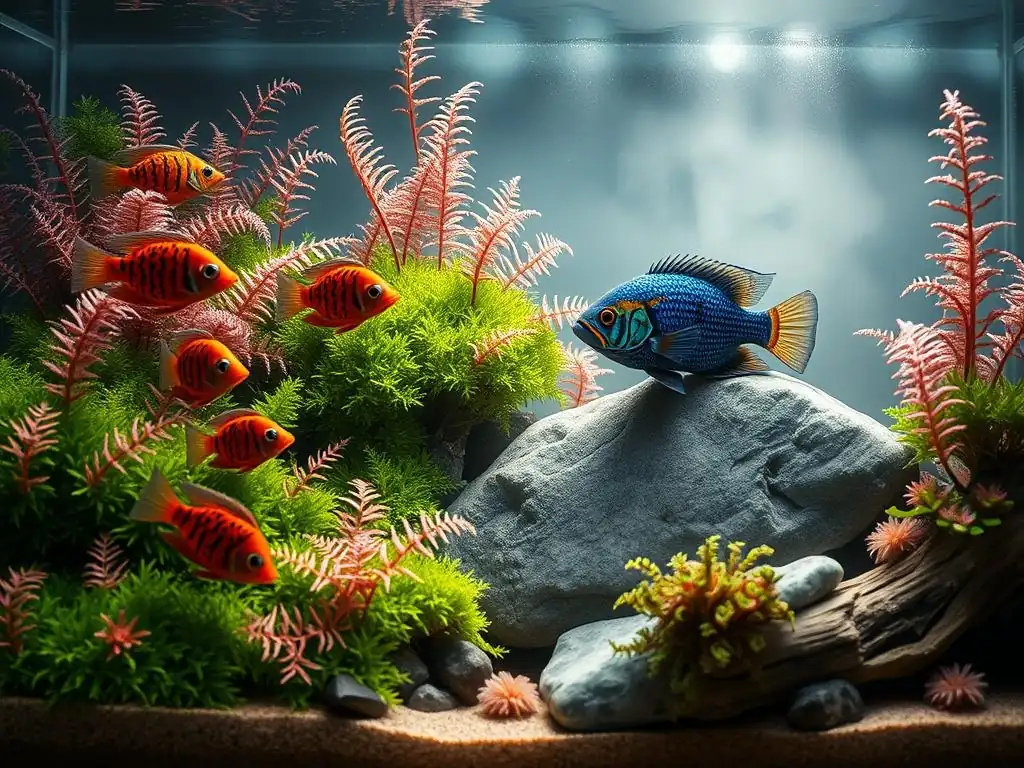
Are you dreaming of a vibrant, thriving community of dwarf cichlids in your freshwater aquarium, but finding yourself stumped by a distinct lack of baby fish? You're not alone! Dive in and explore our in-depth guide to Dwarf Cichlid Breeding Problems. We'll unravel the mysteries behind why your cichlids might not be breeding, from water parameters to social dynamics, and give you practical solutions to spark some romance in your tank. Ready to troubleshoot and turn your aquarium into a breeding paradise? Let's get started!
- Breeding Dwarf Cichlids: Troubleshooting Common Issues
- Understanding Dwarf Cichlid Breeding Habits
- Common Dwarf Cichlid Breeding Problems: A Troubleshooting Guide
- Encouraging Spawning: Advanced Techniques for Dwarf Cichlids
- Post-Spawning Care: Ensuring Fry Survival
- Maintaining a Healthy Breeding Aquarium for Dwarf Cichlids
- Conclusion: Achieving Breeding Success with Dwarf Cichlids
-
Frequently Asked Questions
- Why aren't my dwarf cichlids breeding despite ideal water parameters?
- What specific water chemistry issues can prevent dwarf cichlid breeding?
- What type of environment is most conducive for dwarf cichlid breeding?
- How important is diet in encouraging dwarf cichlid breeding?
- What are some common diseases that can affect dwarf cichlid breeding potential?
- Final Reflection: Unlocking the Secrets of Dwarf Cichlid Reproduction
- Ignite Your Cichlid Breeding Success!
Breeding Dwarf Cichlids: Troubleshooting Common Issues
Understanding Dwarf Cichlid Breeding Habits
Natural Breeding Behaviors of Dwarf Cichlids
Dwarf cichlids, encompassing popular species like Apistogramma, Ram Cichlids (e.g., German Blue Rams, Electric Blue Rams), and Kribensis, exhibit fascinating natural breeding behaviors. Most are substrate or cave spawners, meaning they lay their eggs on a flat surface or inside a confined space. This behavior is crucial for understanding dwarf cichlid breeding problems, as a lack of suitable sites can completely halt spawning. Typically, these fish form pair bonds, with the female often taking primary responsibility for guarding the eggs and fry, while the male defends the territory.
Their parental care is a hallmark of the cichlid family. After the eggs are laid, both parents, or sometimes just the female, will diligently fan the eggs to ensure adequate oxygenation and prevent fungal growth. Once the fry hatch, they remain under the watchful eye of their parents, who guide them to food sources and protect them from perceived threats. This innate drive for parental care is a strong indicator of a healthy, ready-to-breed pair, and its absence can signal underlying issues preventing successful dwarf cichlid breeding.
Ideal Water Parameters for Dwarf Cichlid Reproduction
Achieving the correct water parameters is paramount for successful dwarf cichlid reproduction. While specific requirements vary slightly between species, most dwarf cichlids originate from soft, acidic waters. For many Apistogramma species, a pH range of 6.0-6.8 is ideal, with very soft water (GH 2-6 dGH, KH 0-2 dKH). Ram Cichlids often prefer similar soft, acidic conditions, with pH 6.0-7.0 and temperatures between 78-82°F (25.5-27.8°C). Kribensis are generally more tolerant, breeding successfully in a broader pH range of 6.5-7.5 and moderately soft to medium-hard water.
Maintaining stable water chemistry is often more critical than hitting exact numbers, as fluctuating parameters can cause significant stress and inhibit spawning. A sudden drop in pH or temperature can sometimes trigger spawning, mimicking natural rain events in their native habitats, but consistent stability is key for long-term breeding success. Regularly testing water for ammonia, nitrite, nitrate, pH, GH, and KH is essential to identify and address any deviations that might contribute to dwarf cichlid breeding problems.
Identifying Male and Female Dwarf Cichlids for Breeding
Accurately identifying male and female dwarf cichlids is a fundamental step in setting up a breeding pair, especially when trying to overcome dwarf cichlid breeding problems. Sexual dimorphism varies among species but is generally more pronounced in males. Male Apistogramma species, for instance, are typically larger, more colorful, and possess longer, more pointed dorsal and anal fins compared to the females. Females, particularly when ready to spawn, often display a more intense yellow coloration and a prominent black spot on their flanks.
For Ram Cichlids, males usually have a more elongated body, a more pointed dorsal fin ray (often the second or third ray is extended), and may grow larger. Females tend to be rounder, especially when gravid, and may exhibit a reddish patch on their belly. Kribensis males are generally larger and have more pointed fins, while females, particularly when in breeding condition, develop a deep purple or red belly. Observing these subtle differences, especially when comparing multiple individuals, is key to forming a compatible breeding pair and avoiding common dwarf cichlid breeding problems related to misidentification.
Common Dwarf Cichlid Breeding Problems: A Troubleshooting Guide
Problem 1: Incompatible Pair
Identifying Incompatible Dwarf Cichlid Pairs
One of the most frequent dwarf cichlid breeding problems stems from an incompatible pair. Unlike some fish that readily pair off, dwarf cichlids, particularly Apistogramma species, can be quite particular. Signs of incompatibility include persistent aggression from one partner towards the other, beyond typical territorial displays. This might manifest as constant chasing, nipped fins, or one fish consistently hiding. A healthy pair will often display courtship behaviors such as fin flaring, body quivering, and mutual exploration of potential spawning sites. If these behaviors are absent, or if one fish appears stressed or bullied, it's a strong indicator of incompatibility.
Another sign is a complete lack of interest in breeding, even when all other conditions are met. If a male and female are housed together for weeks or months in ideal conditions without any spawning attempts or courtship, it's highly probable they are not a good match. This lack of interaction, coupled with visible stress in one or both fish, suggests that a fundamental connection for reproduction is missing, leading to persistent dwarf cichlid breeding problems.
Solutions for Incompatible Dwarf Cichlid Pairs: Re-pairing Strategies
When faced with an incompatible dwarf cichlid pair, several strategies can be employed. One effective method is to provide a larger aquarium with ample hiding spots and visual barriers. This allows the less dominant fish to escape aggression and reduces overall stress, sometimes fostering a more natural pairing. For species like Rams, keeping a small group of juveniles (4-6 individuals) and allowing them to naturally pair off is often successful. Once a pair forms, the other individuals can be removed.
Another approach is to try re-pairing the fish with different partners. If you have multiple dwarf cichlids, swapping individuals can sometimes yield a compatible match. For highly aggressive males, introducing a new female might be necessary, or vice versa. In extreme cases, separating the fish for a period and then reintroducing them, perhaps with a divider initially, can sometimes reset their dynamic. Patience is crucial, as forcing a pair that is clearly incompatible will only lead to stress, potential injury, and continued dwarf cichlid breeding problems.
Problem 2: Poor Water Quality Hindering Breeding
The Impact of Water Parameters on Dwarf Cichlid Spawning
Poor water quality is a leading cause of dwarf cichlid breeding problems. Fish are highly sensitive to their aquatic environment, and deviations from optimal parameters can directly inhibit spawning. High levels of nitrates, ammonia, or nitrites stress the fish, suppressing their immune systems and diverting energy away from reproductive processes. For instance, nitrate levels consistently above 20 ppm can significantly reduce spawning frequency and egg viability in many dwarf cichlids. Incorrect pH, hardness (GH/KH), or temperature can also prevent the fish from entering breeding condition or cause eggs to fail to hatch.
Beyond just preventing spawning, suboptimal water quality can lead to fungal growth on eggs, poor fry development, or even immediate egg consumption by stressed parents. For example, if the water is too hard or alkaline for a species like a German Blue Ram that prefers soft, acidic conditions, the eggs may not fertilize properly or might not develop due to osmotic stress. Addressing water quality is a foundational step in troubleshooting dwarf cichlid breeding problems.
Testing and Adjusting Water Quality for Breeding Success
Regular and accurate water testing is indispensable for successful dwarf cichlid breeding. A comprehensive liquid test kit should be used to monitor pH, ammonia, nitrite, and nitrate levels weekly. For dwarf cichlids that require specific water hardness, testing GH (General Hardness) and KH (Carbonate Hardness) is also critical. If ammonia or nitrite are detected, immediate action is required, as these are highly toxic. High nitrates indicate a need for more frequent or larger water changes.
Adjusting water parameters for breeding can involve several methods. To lower pH and hardness for soft-water dwarf cichlids, using reverse osmosis (RO) water mixed with tap water is highly effective. Peat filtration or adding Indian almond leaves can also gently lower pH and provide beneficial humic substances. For temperature, a reliable heater should maintain the specific range preferred by the species, typically between 78-82°F (25.5-27.8°C) for most dwarf cichlids during breeding attempts. Consistent, gradual adjustments are key to avoid stressing the fish, which can exacerbate dwarf cichlid breeding problems.
Regular Water Changes and Their Role in Breeding
Regular water changes are perhaps the single most effective method for maintaining pristine water quality and encouraging dwarf cichlid spawning. They remove accumulated nitrates, phosphates, and other dissolved organic compounds that can inhibit breeding. For a breeding setup, weekly water changes of 25-50% are often recommended, depending on tank size, bioload, and filtration efficiency. Using dechlorinated water that is temperature-matched to the aquarium water is crucial to prevent shock.
Beyond simply cleaning the water, water changes can act as a trigger for spawning. The introduction of fresh, slightly cooler water, especially if it mimics the mineral composition of rainwater, can simulate the onset of the rainy season in their natural habitats, prompting the fish to spawn. This "rainy season effect" is a well-known technique used by aquarists to overcome stubborn dwarf cichlid breeding problems. Consistent water changes also replenish essential trace minerals and ensure a stable, healthy environment conducive to successful reproduction.
Problem 3: Lack of Suitable Spawning Sites
Creating Ideal Spawning Locations for Dwarf Cichlids
Many dwarf cichlid breeding problems stem from a lack of appropriate spawning sites. These fish are particular about where they lay their eggs, preferring secluded, secure locations. For cave-spawning species like Apistogramma and Kribensis, providing small clay pots (e.g., terracotta pots with a section broken off to create an entrance), coconut shells, or specialized ceramic caves is essential. The opening should be just large enough for the female to enter comfortably, providing a sense of security.
For substrate spawners like some Ram Cichlids, a flat, angled surface is often preferred. This could be a piece of slate, a broad plant leaf (like an Anubias or Amazon Sword), or even the glass bottom of the tank in a very clean environment. The key is to offer multiple options and orientations within the tank, allowing the pair to choose their preferred spot. Without suitable sites, even a healthy, compatible pair may never initiate spawning, becoming a significant dwarf cichlid breeding problem.
Spawning Substrates: Slate, Cones, and Broadleaf Plants
Specific spawning substrates cater to the varied preferences of dwarf cichlids. Slate pieces, often angled against the tank glass or decor, provide a smooth, hard surface ideal for species that lay eggs openly. These can be easily cleaned and moved if needed. Clay spawning cones, commonly used for Angelfish, can also be accepted by some larger dwarf cichlids or those that prefer vertical surfaces, offering a stable and easily accessible site for egg deposition.
For species that prefer to lay eggs on plant leaves, incorporating robust, broadleaf plants like Anubias barteri, Echinodorus (Amazon Sword plants), or even Cryptocoryne species can be highly effective. These plants provide natural cover and a clean surface. It's important that the plants are well-established and sturdy enough to support the eggs and the fanning activities of the parents. The absence of these specific, preferred spawning materials is a common oversight that leads to dwarf cichlid breeding problems.
Providing Vertical Surfaces for Egg Deposition
While many dwarf cichlids are cave or horizontal substrate spawners, some species or even individual pairs might prefer vertical surfaces for egg deposition. This is less common than for Angelfish but still worth considering as a solution to dwarf cichlid breeding problems. A smooth, vertical rock face, a piece of PVC pipe angled vertically, or even the tank glass itself can serve this purpose. The key is to ensure the surface is clean, stable, and within a protected area of the tank where the parents feel secure.
For example, a large piece of driftwood with a flat, vertical side can be an attractive spawning site. Similarly, a well-placed, tall broadleaf plant can offer a vertical surface if its leaves are strong enough. The availability of diverse spawning options increases the likelihood that a dwarf cichlid pair will find a site that meets their specific needs, thereby encouraging them to breed and helping to overcome common dwarf cichlid breeding problems.
Problem 4: Egg Eating
Reasons Why Angelfish Eat Their Eggs
One of the most disheartening dwarf cichlid breeding problems is when parents consume their own eggs. This behavior can stem from several factors. First-time parents, especially young ones, often "practice" by laying and then eating their first few spawns. This is a learning process, and they may become better parents with subsequent attempts. Stress is another major contributor; poor water quality, too much tank activity, or the presence of aggressive tank mates can make parents feel insecure, leading them to consume their eggs as a survival mechanism, perceiving them as doomed.
Nutritional deficiencies can also play a role. If the parents are not receiving a high-quality, varied diet, they might eat the eggs to recoup lost nutrients from spawning. Fungal growth on eggs, often a result of poor water quality or unfertilized eggs, can also prompt parents to remove them to prevent the spread of fungus to healthy eggs. Finally, perceived threats from outside the tank (e.g., loud noises, sudden movements) can also trigger this behavior.
Preventing Egg Eating: Separating Parents or Using Egg Tumblers
To prevent egg eating, several strategies can be employed. For species where parents are known to be unreliable egg guardians, or if you consistently face dwarf cichlid breeding problems with egg consumption, separating the parents from the eggs immediately after spawning is a common solution. The eggs can be carefully moved to a separate "hatching tank" with identical water parameters. This tank should be bare-bottomed for easy cleaning, have gentle aeration (an air stone nearby but not directly on the eggs), and ideally, a small amount of methylene blue to prevent fungal growth.
Another effective tool is an egg tumbler. This device gently tumbles the eggs with water flow, mimicking the fanning action of the parents and ensuring oxygenation. Egg tumblers are particularly useful for species whose eggs might be prone to fungus if not constantly aerated. While this method requires more intervention, it dramatically increases the hatch rate when parents are prone to eating their spawn. This proactive approach can effectively bypass a significant dwarf cichlid breeding problem.
Optimizing Water Parameters to Minimize Egg Eating
Optimizing water parameters plays a crucial role in minimizing egg eating by dwarf cichlids. Stable, pristine water quality reduces stress on the parents, making them less likely to consume their eggs. Maintaining ideal pH, GH, KH, and temperature for the specific species, as well as keeping nitrates below 10-20 ppm, creates a secure environment. For instance, if water is too hard for soft-water dwarf cichlids, the eggs may not develop properly, leading parents to remove the unviable eggs.
Furthermore, ensuring adequate oxygenation in the breeding tank is vital. Low dissolved oxygen levels can stress parents and lead to fungal growth on eggs, both of which can trigger egg consumption. Gentle aeration or surface agitation can improve oxygen levels. By providing an environment where parents feel secure and the eggs are healthy, the likelihood of them eating their offspring as a dwarf cichlid breeding problem is significantly reduced.
Problem 5: Improper Diet Affecting Breeding Readiness
Nutritional Needs for Breeding Dwarf Cichlids
An improper diet is a common underlying cause of dwarf cichlid breeding problems. For fish to be in optimal breeding condition, they require a diet rich in high-quality proteins, essential fatty acids, and a full spectrum of vitamins and minerals. A staple diet of generic flakes alone is often insufficient. Protein is crucial for egg and sperm production, while healthy fats provide the necessary energy reserves for spawning and subsequent parental care.
Deficiencies in key nutrients, such as Vitamin E, which is linked to fertility, can directly impact reproductive success. For example, if a pair of Apistogramma is fed only basic dry foods, they may lack the energy or physiological readiness to produce viable eggs or sperm. A well-rounded diet not only boosts their physical condition but also their colors, which can play a role in courtship and pair bonding, ultimately influencing their willingness to breed.
High-Protein Diet to Promote Spawning
To promote spawning, a high-protein diet is essential for conditioning dwarf cichlids. Live and frozen foods are particularly effective in providing the necessary nutritional boost. Excellent choices include:
- Live Brine Shrimp: Rich in protein and highly palatable.
- Frozen Bloodworms: A favorite high-protein treat.
- Frozen Mysis Shrimp: Another excellent source of protein and fats.
- Daphnia: Good for gut loading and providing roughage.
- Microworms: Small, wiggly worms ideal for conditioning and later for fry.
Feeding these foods several times a week, in addition to high-quality pellets or flakes, can significantly improve the fish's condition and signal to them that it's an opportune time to reproduce. This "conditioning" diet mimics the abundance of food found in their natural environment during breeding seasons, helping to overcome dwarf cichlid breeding problems related to nutritional deficiencies.
Supplementing Diet for Enhanced Fertility
Beyond a high-protein base, supplementing the diet with specific nutrients can further enhance fertility and overall breeding readiness in dwarf cichlids. Vitamins, particularly Vitamin E (tocopherol), are known to play a vital role in reproductive health. Many high-quality frozen foods are enriched with vitamins, but liquid vitamin supplements designed for aquarium fish can also be added to food or directly to the water.
Another effective supplement is spirulina, a blue-green algae rich in vitamins, minerals, and carotenoids, which can intensify colors and boost the immune system, indirectly supporting reproductive health. Some breeders also use garlic guard, which can boost appetite and immunity. By ensuring a comprehensive nutritional intake, aquarists can address common dwarf cichlid breeding problems related to poor health and low fertility, setting the stage for successful spawns.
Problem 6: Disease or Parasites Preventing Reproduction
Identifying Signs of Illness in Breeding Dwarf Cichlids
Disease or parasitic infestations are significant dwarf cichlid breeding problems that can halt reproductive efforts entirely. A sick fish will redirect its energy from breeding to fighting off illness. Signs of illness can be subtle:
- Lethargy: Reduced activity, spending more time at the bottom or hiding.
- Loss of Appetite: Refusing food, or spitting it out.
- Abnormal Swimming: Clamping fins, shimmying, erratic movements.
- Physical Symptoms: White spots (Ich), velvet-like dust, frayed fins, bloating, sunken belly, lesions, cloudy eyes.
- Changes in Coloration: Dullness, darkening, or unusual patches.
- Abnormal Gills: Rapid breathing, inflamed gills, or excessive mucus.
Even mild infections can prevent fish from entering breeding condition or cause them to abandon eggs. It's crucial to observe your potential breeding pair closely for any of these symptoms, as addressing underlying health issues is a prerequisite for successful breeding.
Treating Common Diseases That Inhibit Spawning
If signs of illness are observed, prompt and appropriate treatment is essential to resolve dwarf cichlid breeding problems. Common diseases that can inhibit spawning include Ich (white spot disease), Velvet, bacterial infections (e.g., fin rot, body slime), and internal parasites.
- Ich: Treat with elevated temperature (if suitable for species) and a commercial Ich medication containing malachite green or formalin.
- Bacterial Infections: Use broad-spectrum antibacterial medications, often administered in food or water.
- Velvet: Treat with copper-based medications or acriflavine.
- Internal Parasites: Medications containing metronidazole or praziquantel are often effective, typically mixed into food.
Always follow medication instructions carefully and remove carbon filtration during treatment. Treating the entire breeding tank might be necessary, but be mindful of potential effects on beneficial bacteria. A healthy fish is a breeding fish, so addressing these health issues is paramount.
Quarantine and Prevention Measures
The most effective way to prevent disease-related dwarf cichlid breeding problems is through rigorous quarantine procedures. Any new fish, plants, or live foods introduced to the breeding tank should first go through a separate quarantine tank for at least 2-4 weeks. During this period, observe them for any signs of illness and treat if necessary. This prevents introducing pathogens to your established breeding setup.
Maintaining excellent water quality, providing a balanced, nutritious diet, and minimizing stress are crucial long-term prevention measures. A stable environment with appropriate hiding spots reduces stress, strengthening the fish's immune system. Regular tank maintenance, including gravel vacuuming and filter cleaning, also helps prevent pathogen buildup. Proactive health management is key to avoiding significant dwarf cichlid breeding problems down the line.
Problem 7: Age and Maturity of Dwarf Cichlids
Understanding the Breeding Age of Dwarf Cichlids
The age and maturity of dwarf cichlids are critical factors in their breeding readiness. Attempting to breed fish that are too young or too old can lead to common dwarf cichlid breeding problems. Most dwarf cichlids reach sexual maturity and are ready to breed between 6 to 12 months of age, depending on the species and growth rate. For instance, Ram Cichlids often start breeding around 6-8 months, while some Apistogramma species might take a bit longer, closer to 8-10 months.
Breeding fish too young can result in smaller spawns, unfertilized eggs, or parents that consume their eggs due to inexperience or insufficient physical development. Conversely, very old fish may have reduced fertility or be less inclined to spawn. Knowing the typical breeding age for your specific dwarf cichlid species is crucial for setting realistic expectations and avoiding disappointment.
Recognizing Signs of Maturity in Dwarf Cichlids
Recognizing the signs of maturity in dwarf cichlids goes beyond just their age; it involves observing their physical development and behavior. Mature male dwarf cichlids will typically exhibit their full adult coloration and finnage, often becoming more vibrant and displaying extended fins. They will also show territorial behavior, flaring at other fish and establishing a "breeding territory."
For females, maturity is often indicated by a fuller, rounder belly, particularly when conditioned with a good diet, signaling the development of eggs. Their colors may also intensify, especially if they are a species where the female displays a distinct breeding coloration (e.g., the bright yellow of a female Apistogramma). Behavioral cues like increased interest in potential spawning sites, courtship displays with a male, and a general readiness to interact with a potential mate are strong indicators that the fish are mature enough to attempt breeding and overcome previous dwarf cichlid breeding problems.
Encouraging Spawning: Advanced Techniques for Dwarf Cichlids
Conditioning Dwarf Cichlids for Breeding
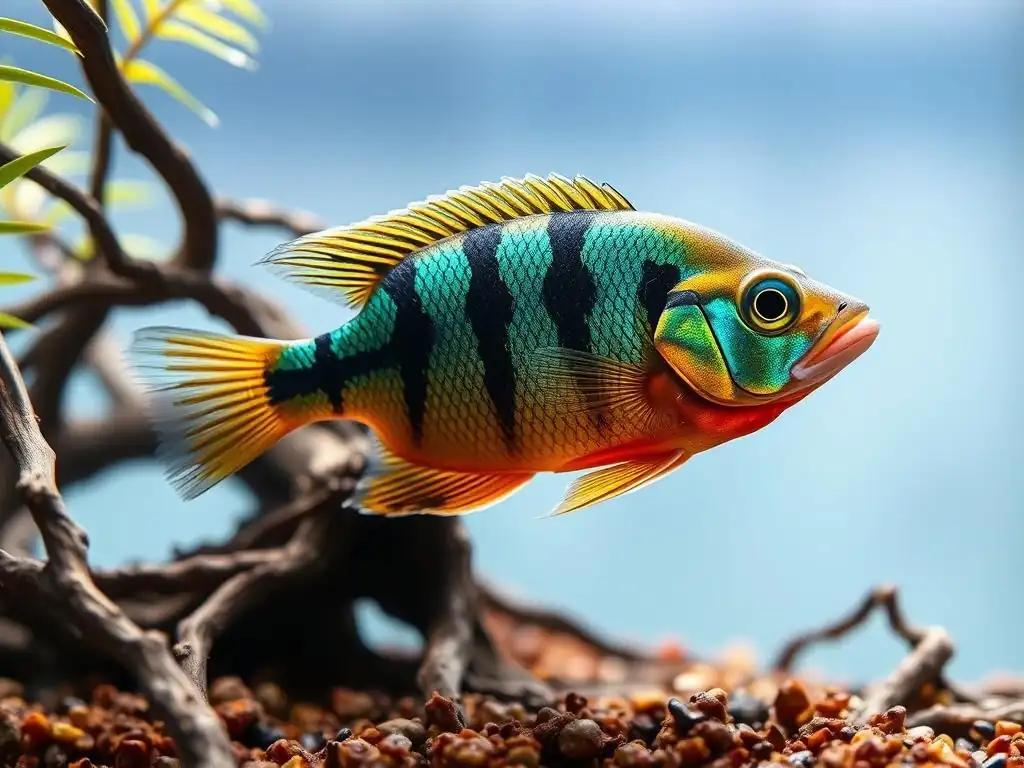
Conditioning dwarf cichlids for breeding involves more than just providing good food; it's about preparing their bodies for the rigors of reproduction. This typically means a sustained period (2-4 weeks) of feeding a high-quality, varied diet rich in live and frozen foods such as brine shrimp, bloodworms, daphnia, and high-protein pellets. This abundant nutrition helps the female develop a healthy clutch of eggs and ensures both partners have the energy reserves needed for spawning and subsequent fry care.
Beyond diet, maintaining pristine water quality through regular, small water changes (e.g., 10-15% every other day) is part of conditioning. This flushes out waste and keeps the water parameters stable and ideal. The goal is to bring the fish into peak physical condition, signaling to them that resources are plentiful and it's a good time to reproduce. This comprehensive conditioning phase is often the key to overcoming stubborn dwarf cichlid breeding problems.
Simulating Natural Conditions to Trigger Spawning
Simulating natural conditions can be a highly effective advanced technique to trigger spawning in dwarf cichlids, particularly for species that are reluctant to breed. One common method is the "rainy season effect." This involves performing a significant water change (e.g., 30-50%) using water that is 2-4°F (1-2°C) cooler than the tank water. This mimics the influx of cooler rainwater in their natural habitat. Repeating this process every few days, combined with a slight reduction in pH (if appropriate for the species, using peat or RO water), can often stimulate spawning.
Additionally, some breeders use a "dry season" simulation by slightly reducing water levels for a short period, then gradually refilling the tank with soft, acidic water. This is thought to mimic the natural cycle of receding and then returning waters, signaling optimal breeding conditions. Introducing a new, highly desired spawning site or a new, compatible partner can also act as a trigger. These subtle environmental cues can be powerful in resolving dwarf cichlid breeding problems.
The Role of Temperature and Lighting in Spawning
Temperature and lighting play crucial roles in signaling to dwarf cichlids that it's time to breed. For most dwarf cichlids, a slightly elevated temperature within their comfortable range (e.g., 78-82°F or 25.5-27.8°C) can encourage spawning. This warmer temperature often indicates an abundance of food and favorable conditions in their natural environment. Maintaining a stable temperature is more important than drastic fluctuations, as consistency reduces stress.
Lighting also influences breeding cycles. A consistent photoperiod, typically 12-14 hours of light followed by 10-12 hours of darkness, mimics natural daylight cycles and helps regulate their biological clocks. Avoid sudden changes in lighting or prolonged periods of darkness or light, as this can stress the fish. Some aquarists find that slightly dimming the lights or using a softer spectrum can make shy dwarf cichlids feel more secure and thus more inclined to spawn. Optimizing these environmental factors can significantly reduce dwarf cichlid breeding problems.
Post-Spawning Care: Ensuring Fry Survival
Protecting Eggs and Fry from Predators
Ensuring fry survival is the next critical phase after addressing dwarf cichlid breeding problems during spawning. Even after a successful spawn, eggs and fry are highly vulnerable to predation, often from other tank inhabitants or even sometimes the parents themselves. In a community tank, it is almost guaranteed that other fish will consume the eggs or fry. Therefore, the best approach is often to move the breeding pair to a dedicated breeding tank before spawning, or to remove the eggs/fry to a separate rearing tank immediately after spawning.
If parents are guarding the eggs, ensure the breeding tank is free of any other fish. For species where parents are known to eat their first few spawns, or if you want to maximize fry survival, carefully siphoning or gently moving the eggs to a separate, smaller "hatching tank" is advisable. This tank should have identical water parameters, gentle aeration (an air stone nearby), and potentially a few drops of methylene blue to prevent fungal growth. Protecting the vulnerable eggs and fry is paramount to achieving a successful yield.
Hatching and Raising Dwarf Cichlid Fry
The hatching and raising of dwarf cichlid fry require specific conditions and careful attention. Once eggs are laid, they typically hatch within 2-4 days, depending on the species and water temperature. During this time, the eggs are very delicate. After hatching, the fry remain as "wrigglers" for another 3-7 days, absorbing their yolk sacs, often hidden within a cave or depression. They are not free-swimming until their yolk sacs are fully absorbed.
Once the fry become free-swimming, they will begin actively seeking food. This is the most critical period for their survival, as they are tiny and require microscopic food sources. Maintaining pristine water quality in the rearing tank is essential; small, daily water changes (5-10%) are often necessary to prevent nitrate buildup, especially once feeding begins heavily. A sponge filter provides gentle filtration and a surface for beneficial bacteria, minimizing current that could overwhelm the tiny fry.
Feeding Fry: Newly Hatched Brine Shrimp, Microworms, and Commercial Fry Food
Feeding dwarf cichlid fry correctly is crucial for their survival and growth, directly impacting your success after resolving dwarf cichlid breeding problems. Their initial diet must consist of very small, highly nutritious food.
- Newly Hatched Brine Shrimp (Nauplii): This is the gold standard for most dwarf cichlid fry. They are highly nutritious, swim actively (attracting fry), and are easily digestible. Hatching brine shrimp daily ensures a fresh supply.
- Microworms: These are excellent for the first few days when fry are too small for brine shrimp or as a supplement. They are easy to culture at home.
- Infusoria: For extremely tiny fry (e.g., some Apistogramma species), infusoria (microscopic organisms) may be necessary for the first few days before they can handle microworms or brine shrimp. Infusoria can be cultured by adding decaying plant matter (like banana peel or lettuce leaves) to water.
- Commercial Fry Food: High-quality, finely powdered commercial fry foods designed for egg-laying fish can be used as a supplement or alternative if live food is unavailable.
Feed small amounts multiple times a day (4-6 times), ensuring the fry consume it quickly to avoid fouling the water. As the fry grow, they can gradually be transitioned to larger foods like crushed flakes, finely chopped bloodworms, and eventually adult foods.
Maintaining a Healthy Breeding Aquarium for Dwarf Cichlids
Regular Maintenance for Optimal Breeding Conditions
Maintaining a healthy breeding aquarium for dwarf cichlids is an ongoing process that extends beyond initial setup and troubleshooting dwarf cichlid breeding problems. Regular maintenance is paramount for consistent breeding success. This includes weekly water changes (25-50%, depending on bioload), ensuring the water is temperature-matched and dechlorinated. Gravel vacuuming should be performed gently to remove detritus without disturbing potential spawning sites or fry.
Filter maintenance is also crucial. Sponges or filter media should be rinsed in old tank water (not tap water) to preserve beneficial bacteria. Avoid over-cleaning, which can crash the nitrogen cycle. Regularly check and clean heaters and thermometers to ensure accurate temperature control. Consistent observation of the fish's behavior and physical condition is also part of regular maintenance, allowing for early detection of any issues that might impede breeding.
Preventing Common Breeding Problems Through Proactive Care
Proactive care is the best defense against common dwarf cichlid breeding problems. This involves more than just reacting to issues; it's about creating an environment where problems are less likely to arise.
- Stable Parameters: Continuously monitor and maintain stable water parameters (pH, GH, KH, temperature) within the ideal range for your specific dwarf cichlid species. Avoid sudden fluctuations.
- Nutritious Diet: Consistently feed a high-quality, varied diet rich in live and frozen foods, even when not actively conditioning for a spawn. Healthy fish are more resilient and reproductive.
- Appropriate Environment: Ensure the tank is appropriately sized for the pair, with ample hiding spots, visual barriers, and suitable spawning sites (caves, pots, broadleaf plants). Reduce external stressors like loud noises or excessive movement around the tank.
- Quarantine: Always quarantine new fish for at least 3-4 weeks before introducing them to the breeding tank to prevent disease transmission.
By adhering to these proactive measures, you can significantly reduce the incidence of dwarf cichlid breeding problems and foster a consistently productive breeding environment.
Troubleshooting Specific Issues with Ram, Apisto, and Kribensis Dwarf Cichlids
While general principles apply, troubleshooting specific dwarf cichlid breeding problems often benefits from understanding nuances between species like Ram Cichlids, Apistogramma, and Kribensis.
- Ram Cichlids (e.g., German Blue Rams): These are notoriously sensitive to water quality. Poor water quality is often the primary reason they fail to breed or eat their eggs. They require very clean, soft, acidic water (pH 6.0-7.0, GH 2-6 dGH) and higher temperatures (78-82°F). Their eggs are also prone to fungus in harder water. If Rams aren't breeding, meticulously check water parameters and perform frequent small water changes.
- Apistogramma spp.: Many Apistogramma are strict cave spawners and can be very particular about their breeding caves. If they aren't breeding, try offering a variety of cave types (clay pots, coconut shells) with different sized openings. They also prefer very soft, acidic water (pH 5.5-6.5, GH 0-4 dGH) and can be shy; ensure the tank is heavily planted with plenty of cover. Incompatible pairs can be a major issue, often requiring a group of juveniles to allow natural pairing.
- Kribensis ( Pelvicachromis pulcher ): Kribs are generally hardier and more forgiving, often breeding readily in a wider range of parameters (pH 6.5-7.5, moderate hardness). If Kribensis aren't breeding, the most common dwarf cichlid breeding problems are often related to a lack of a suitable cave (they love small, dark spaces), or an overly aggressive male. Ensuring a proper male-to-female ratio (one male to one or more females) and plenty of hiding spots can help.
Understanding these species-specific needs allows for more targeted troubleshooting and higher success rates in breeding.
Conclusion: Achieving Breeding Success with Dwarf Cichlids
Achieving breeding success with dwarf cichlids, while presenting common dwarf cichlid breeding problems, is a deeply rewarding experience for any aquarist. It requires a comprehensive understanding of their natural behaviors, meticulous attention to water quality, and a commitment to providing an optimal environment. By identifying and addressing issues such as incompatible pairs, suboptimal water parameters, lack of proper spawning sites, egg eating, nutritional deficiencies, underlying diseases, or inappropriate age, breeders can significantly improve their chances of success.
The journey involves proactive care, including consistent diet conditioning, simulating natural triggers, and diligent post-spawning care for the delicate fry. While specific challenges vary slightly between species like Ram Cichlids, Apistogramma, and Kribensis, the core principles of stable, pristine water, quality nutrition, and a secure habitat remain universal. With patience, observation, and a methodical approach to troubleshooting, even the most persistent dwarf cichlid breeding problems can be overcome, leading to the joyful sight of healthy fry thriving in your aquarium.
Frequently Asked Questions
Why aren't my dwarf cichlids breeding despite ideal water parameters?
Sometimes, even with perfect water, social dynamics play a crucial role. It could be incompatible pairing or dominant individuals suppressing others. Observe your fish closely for signs of aggression or stress.
What specific water chemistry issues can prevent dwarf cichlid breeding?
Beyond general parameters, pH fluctuations and lack of water changes are significant. Dwarf cichlids are sensitive to these, impacting their breeding readiness and egg fertilization.
What type of environment is most conducive for dwarf cichlid breeding?
A densely planted tank with multiple hiding spots is ideal. This creates a sense of security and allows the female to choose a suitable spawning site, reducing stress and aggression.
How important is diet in encouraging dwarf cichlid breeding?
A varied and high-quality diet is essential. Offer live or frozen foods like daphnia and bloodworms to condition the fish and provide the necessary nutrients for egg production.
What are some common diseases that can affect dwarf cichlid breeding potential?
Internal parasites and bacterial infections can significantly impair reproductive health. Quarantine new fish to prevent disease spread and treat any symptoms promptly to maintain breeding viability.
Final Reflection: Unlocking the Secrets of Dwarf Cichlid Reproduction
The challenges outlined in this article, from water parameters to tank mate aggression, highlight the delicate balance required for successful dwarf cichlid breeding. Understanding these nuances is more crucial than ever, as the popularity of these captivating fish continues to grow, placing increased responsibility on aquarists to provide optimal conditions for their well-being and propagation.
This journey into the intricacies of dwarf cichlid breeding underscores the profound connection between our actions and the lives of the creatures we care for. It's a reminder that responsible fishkeeping extends beyond mere survival to encompass the creation of thriving, self-sustaining ecosystems. As the renowned aquarist Diana Walstad eloquently stated: The planted aquarium is a microcosm of the natural world, a self-sustaining ecosystem that can provide a healthy and beautiful environment for fish.
This quote perfectly encapsulates the holistic approach needed for successful breeding.
Now, armed with this knowledge, I encourage you to reflect on your own aquariums. Are you truly providing the environment your dwarf cichlids need to flourish and reproduce? Take the time to reassess your setup, adjust your practices, and observe with patience. The reward of witnessing the miracle of life unfold in your own tank is well worth the effort, and contributes to the long-term health and sustainability of these fascinating creatures in the aquarium hobby.
Ignite Your Cichlid Breeding Success!
Thank you for diving into the world of dwarf cichlids! We hope you've gained valuable insights into troubleshooting breeding challenges. Now, it's time to put that knowledge into action and create the perfect environment for your fish to thrive.
Here are some actionable steps to take:
- Re-evaluate your water parameters. Specifically, test and adjust the pH to the ideal range for your species – this single change can often be the key!
- Expand your research! Explore less common triggers such as varying the light cycle or introducing a temporary temperature drop to simulate seasonal changes.
- Share your tank setup and water parameters in our community forum and get personalized advice from experienced cichlid breeders.
What’s one small change you can make in your tank setup this week to better mimic the natural habitat of your dwarf cichlids?