
Pygmy Corydoras (C. pygmaeus): Mastering Care for These Tiny Shoaling Wonders

Welcome to Aquarium Mastery!
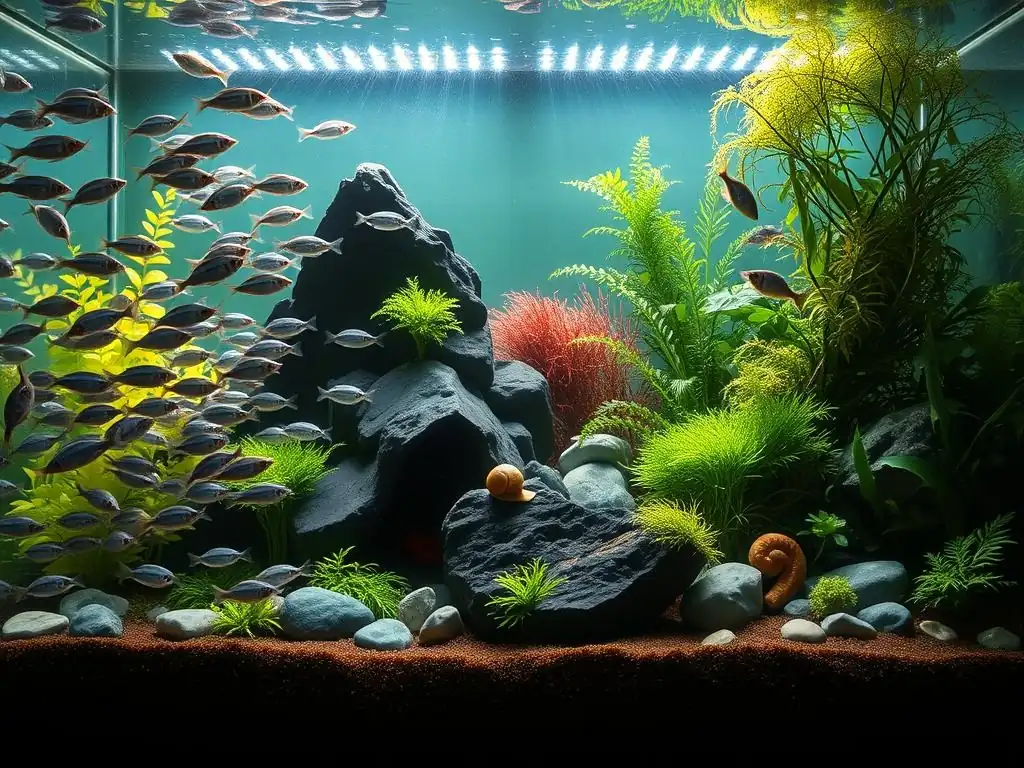
Ever been captivated by the idea of a bustling, harmonious ecosystem thriving in your living room? Dive in! Our Pygmy Corydoras care guide is just the beginning. Discover the secrets to keeping these adorable, shoaling wonders happy and healthy, and unlock a world of knowledge about freshwater aquariums. Ready to master the art of aquarium keeping? Let's explore!
- Introduction to Pygmy Corydoras: A Nano Aquarium Delight
- Pygmy Corydoras Care Guide: Essential Parameters
- Feeding Pygmy Corydoras: Nutritional Needs and Diet
- Pygmy Corydoras Tank Mates: Choosing Compatible Companions
- Pygmy Corydoras Behavior and Social Dynamics
- Pygmy Corydoras Breeding: A Beginner's Guide
- Common Pygmy Corydoras Diseases and Prevention
- Sourcing Pygmy Corydoras: Finding Healthy Specimens
- Troubleshooting Pygmy Corydoras Care: Common Problems and Solutions
- Conclusion: Enjoying the Wonders of Pygmy Corydoras
- Frequently Asked Questions
- Final Reflection: The Enduring Charm of Miniature Worlds
- Dive Deeper into the World of Pygmy Corydoras!
Introduction to Pygmy Corydoras: A Nano Aquarium Delight
Unveiling the Charm of Corydoras pygmaeus
Corydoras pygmaeus, commonly known as the Pygmy Corydoras, is a captivating and diminutive freshwater catfish native to the intricate river systems of South America, particularly found in the Madeira River basin in Brazil. These enchanting fish typically reach a maximum adult size of only about 1 inch (2.5 cm), making them one of the smallest and most sought-after species within the Corydoras genus.
Their slender, silvery bodies are adorned with a distinctive dark horizontal stripe that runs from their snout to the base of their caudal fin, often accompanied by a smaller, fainter stripe above it, giving them a subtle yet elegant appearance.
Unlike their larger Corydoras cousins that primarily forage on the substrate, Pygmy Cories exhibit a unique behavior of swimming in the mid-water column as well as exploring the bottom, adding dynamic movement to any aquarium. Their peaceful demeanor and active shoaling habits make them an excellent addition to nano aquariums and larger community tanks alike. They are known for their inquisitive nature, constantly exploring their environment and interacting with their group, which contributes significantly to the visual appeal and biological balance of a well-maintained freshwater setup.
Why Choose Pygmy Corydoras for Your Freshwater Aquarium?
Choosing Pygmy Corydoras for your freshwater aquarium offers numerous advantages, particularly for aquarists interested in creating a vibrant, peaceful community or a dedicated nano tank. Their exceptionally small size means they have a minimal bioload, allowing for a larger school in a relatively smaller tank without compromising water quality. For instance, a school of 8-10 Pygmy Cories can thrive comfortably in a 10-gallon (approximately 38-liter) aquarium, whereas larger Corydoras species would require significantly more space. This makes them an ideal choice for compact living spaces or as a delightful focal point in a planted setup.
Furthermore, their inherently peaceful temperament ensures they are excellent tank mates for other small, non-aggressive species, minimizing stress and aggression within the aquarium environment. They do not nip fins or compete aggressively for food, instead preferring to gracefully forage and shoal together.
Their unique mid-water and bottom-dwelling behavior adds a layer of visual interest not typically seen in other Corydoras species, as they often hover in groups among plant leaves or dart through open spaces, contributing to a truly engaging display. The overall Pygmy Corydoras care guide emphasizes their low maintenance requirements once optimal conditions are established, making them suitable for both novice and experienced aquarists.
Pygmy Corydoras Care Guide: Essential Parameters
Understanding Optimal Water Parameters for Pygmy Cories
Maintaining precise water parameters is paramount for the health and longevity of Pygmy Corydoras. These tiny fish thrive in stable conditions that mimic their natural South American habitats. The optimal temperature range for Corydoras pygmaeus is between 72-79°F (22-26°C), a consistent warmth that supports their metabolic functions and overall well-being. Fluctuations outside this range, particularly sudden drops, can lead to stress and susceptibility to disease.
In terms of water chemistry, Pygmy Cories prefer soft to medium-hard water with a pH level ranging from 6.0 to 7.5. Specifically, a general hardness (GH) of 2-15 dGH (degrees of general hardness) and a carbonate hardness (KH) of 1-10 dKH are ideal. While they can tolerate a slight deviation, maintaining stability within these ranges is more crucial than hitting exact numbers. Consistent monitoring with reliable test kits for ammonia, nitrite, nitrate, pH, and temperature is an essential part of any comprehensive Pygmy Corydoras care guide, ensuring that their environment remains pristine and conducive to their delicate nature.
Tank Size and Setup: Creating the Ideal Habitat for C. pygmaeus
Recommended Tank Dimensions for a Pygmy Corydoras School
When planning for a Pygmy Corydoras school, tank size is a critical consideration to ensure their comfort and natural shoaling behavior. For a small group of 6 to 8 Pygmy Cories, a minimum of a 10-gallon (approximately 38 liters) aquarium is recommended.
While their individual size is small, these fish are highly social and require the space to form a cohesive group, which reduces stress and encourages their characteristic active swimming. For larger schools, such as 15-20 individuals, a 20-gallon long (approximately 76 liters) tank is far more suitable, offering ample horizontal swimming space and a larger footprint for foraging.
The "long" aspect of a tank is often preferred over "high" for bottom-dwellers like Corydoras pygmaeus, as it provides more surface area and swimming room at their preferred levels. Overcrowding, even with small fish, can quickly lead to elevated nitrate levels and increased stress, which are detrimental to their health. Providing adequate space is a fundamental aspect of effective Pygmy Corydoras care, allowing them to exhibit their full range of natural behaviors, from foraging along the substrate to mid-water shoaling.
Substrate and Decoration Ideas for a Natural Pygmy Corydoras Environment
Creating a natural and safe environment is key to the well-being of Corydoras pygmaeus. The choice of substrate is particularly important for these bottom-dwelling fish, as they constantly sift through it with their delicate barbels in search of food. A fine, soft sand substrate, such as silica sand or specialized aquarium sand, is highly recommended. Gravel or sharp substrates can damage their sensitive barbels, leading to infections and difficulty feeding. A substrate depth of at least 1-2 inches (2.5-5 cm) allows them to engage in their natural sifting behaviors without obstruction.
For decorations, dense planting is highly beneficial, offering shaded areas and hiding spots that Pygmy Cories appreciate. Plants like Java Moss ( Taxiphyllum barbieri), Anubias species ( Anubias barteri), and various Cryptocoryne species ( Cryptocoryne wendtii) provide excellent cover and foraging surfaces. Additionally, smooth river stones, driftwood, and small caves or hollow logs can create naturalistic hiding places and visual barriers, reducing stress.
While these fish are not known for being shy, providing ample cover allows them to feel secure, especially when new to the tank or during periods of rest. The overall tank setup plays a crucial role in a successful Pygmy Corydoras care guide.
Water Quality: The Key to Healthy Pygmy Corydoras
Maintaining Pristine Water Conditions: Filtration and Water Changes
Pristine water quality is arguably the most critical factor in the long-term health and vitality of Pygmy Corydoras. These small fish are particularly sensitive to fluctuations and the accumulation of waste products in their environment. A reliable filtration system, such as a sponge filter or a small hang-on-back (HOB) filter with gentle flow, is essential for mechanical and biological filtration. Sponge filters are often favored in nano tanks or for Corydoras species due to their gentle flow, which prevents strong currents that can stress the fish, and their large surface area for beneficial bacteria.
Regular partial water changes are equally vital. A weekly water change of 20-25% of the tank volume is a standard recommendation to dilute nitrates, replenish essential minerals, and remove dissolved organic compounds. For instance, in a 10-gallon tank, this would mean changing 2-2.5 gallons of water each week. Always use a dechlorinator when adding new water, and ensure the temperature of the new water matches the tank water closely to prevent temperature shock. This consistent maintenance routine is a cornerstone of any effective Pygmy Corydoras care guide.
Avoiding Common Water Quality Issues in Pygmy Corydoras Tanks
Despite best efforts, common water quality issues can arise, significantly impacting the health of Pygmy Corydoras. The most prevalent concerns include elevated levels of ammonia, nitrite, and nitrate. Ammonia and nitrite are highly toxic to fish, even in small concentrations, and typically indicate an immature filter cycle or overfeeding. Symptoms in Pygmy Cories can include rapid gill movement, lethargy, or gasping at the surface. Addressing these requires immediate large water changes (e.g., 50%) and identifying the source, such as overstocking or an uncycled tank.
High nitrate levels, while less acutely toxic than ammonia or nitrite, can lead to chronic stress, weakened immune systems, and susceptibility to diseases over time. Regular water changes are the primary defense against nitrate buildup. Another common issue is sudden pH swings or temperature fluctuations, which can occur due to inconsistent water change practices or faulty heaters. Maintaining stable parameters through consistent monitoring and routine maintenance, as detailed in this Pygmy Corydoras care guide, is essential to prevent these issues and ensure a thriving environment for your fish.
Feeding Pygmy Corydoras: Nutritional Needs and Diet
What Do Pygmy Corydoras Eat? A Balanced Diet for Optimal Health
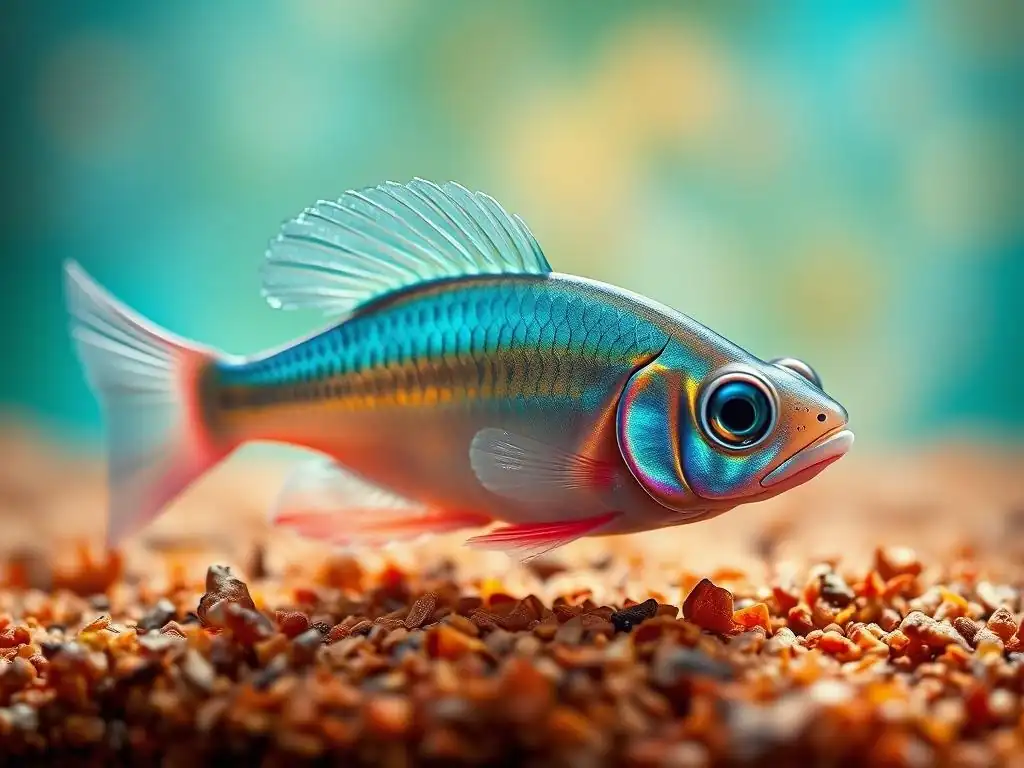
Pygmy Corydoras are omnivorous scavengers, meaning their natural diet consists of a mix of small invertebrates, detritus, and plant matter found in the substrate of their native habitats. In an aquarium setting, a balanced diet is crucial for their optimal health, vibrant coloration, and active behavior. While they will readily consume food that sinks to the bottom, it's important to understand they are not primarily algae eaters; rather, they are foraging for protein and vegetable matter. Their small mouths and delicate barbels are perfectly adapted for sifting through fine substrate to find tiny food particles.
A diet rich in high-quality protein and some vegetable matter will support their growth and immune system. They require sinking foods that reach the bottom of the tank where they primarily forage. Providing a varied diet not only ensures they receive all necessary nutrients but also encourages natural foraging behaviors, preventing boredom and promoting activity within the school. This comprehensive Pygmy Corydoras care guide emphasizes the importance of understanding their natural feeding habits to replicate them effectively in captivity.
Recommended Foods for Pygmy Corydoras: Flakes, Pellets, and Live Foods
To meet the nutritional needs of Pygmy Corydoras, a variety of high-quality sinking foods should be offered. Primary staples should include micro-pellets or crushed high-quality flake foods specifically designed for small bottom-dwellers. Look for brands that list fish meal, spirulina, or other quality protein sources as primary ingredients. For example, Hikari Micro Pellets or New Life Spectrum Small Fish Formula are often well-received by Pygmy Cories due to their size and nutritional content.
Supplementing their diet with live or frozen foods is highly beneficial and encourages natural hunting instincts. Excellent choices include live or frozen daphnia, brine shrimp, and small bloodworms (chopped finely if the individual worms are too large). These provide essential proteins, fats, and micronutrients that dry foods might lack. For instance, offering frozen brine shrimp twice a week can significantly boost their vitality. Occasionally, finely crushed algae wafers or blanched vegetables like zucchini can also be offered to provide necessary plant matter, though these should not form the bulk of their diet.
Feeding Frequency and Portion Control for Corydoras pygmaeus
Proper feeding frequency and portion control are vital aspects of Pygmy Corydoras care to prevent overfeeding, which can lead to poor water quality and health issues. Pygmy Cories have small stomachs and active metabolisms, benefiting from small, frequent meals. Feeding them once or twice a day is generally recommended. The key is to provide only what they can consume within a few minutes, typically 2-3 minutes at most. Any uneaten food quickly breaks down, contributing to ammonia and nitrite spikes, and fueling unwanted algae growth.
For example, for a school of 8 Pygmy Cories in a 10-gallon tank, a pinch of micro-pellets or a small cube of frozen brine shrimp (thawed) per feeding might be sufficient. Observe your fish during feeding time; if food remains on the substrate after 5 minutes, you are likely overfeeding. It's better to slightly underfeed than overfeed, as these fish are excellent scavengers and will find any missed morsels. Consistent observation and adjustment based on your specific school's appetite are crucial for maintaining a healthy and clean aquarium environment, a core principle of this Pygmy Corydoras care guide.
Pygmy Corydoras Tank Mates: Choosing Compatible Companions
Ideal Tank Mates for Pygmy Corydoras: Peaceful Community Fish
Selecting appropriate tank mates is a crucial component of ensuring a harmonious environment for Pygmy Corydoras. Given their small size and extremely peaceful nature, they thrive alongside other small, non-aggressive fish that occupy different levels of the water column. Ideal companions are species that will not outcompete them for food, nip their fins, or stress them with overly boisterous behavior. Excellent choices include various small tetras, such as Neon Tetras ( Paracheirodon innesi), Ember Tetras ( Hyphessobrycon amandae), and Green Neon Tetras ( Paracheirodon simulans), which often stay in the mid to upper water column.
Small rasboras are also highly compatible, with species like Chili Rasboras ( Boraras brigittae), Harlequin Rasboras ( Trigonostigma heteromorpha), and Lambchop Rasboras ( Trigonostigma espei) being popular choices. These fish are similarly peaceful and enjoy planted environments. Other good options include Endler's Livebearers ( Poecilia wingei), Otocinclus catfish ( Otocinclus affinis), and dwarf shrimp species like Cherry Shrimp ( Neocaridina davidi), which can coexist peacefully and help with algae control. When considering Pygmy Corydoras care, remember that compatible tank mates contribute significantly to a stress-free and thriving aquarium.
Fish to Avoid: Incompatible Tank Mates for Pygmy Cories
Just as important as choosing ideal tank mates is knowing which fish to avoid when keeping Pygmy Corydoras. Any fish species that are large, aggressive, or have a propensity for nipping fins should be strictly avoided. Larger cichlids, even dwarf species like Apistogramma, can sometimes view Pygmy Cories as food or competition, especially during breeding. Examples of fish to avoid include most medium to large cichlids (e.g., Angelfish, Jack Dempseys, most South American Cichlids), large barbs (e.g., Tiger Barbs), and predatory species.
Additionally, fast-moving or boisterous fish, even if not overtly aggressive, can stress Pygmy Cories by outcompeting them for food or simply by their constant activity. Species like Giant Danios or certain Rainbowfish might fall into this category. Fin-nipping species, such as Siamese Fighting Fish ( Betta splendens) or some larger Gourami species, can also pose a threat to the delicate fins of Pygmy Cories. Prioritizing peaceful coexistence is a cornerstone of effective Pygmy Corydoras care, ensuring their longevity and comfort in a community setting.
Creating a Harmonious Community Tank with Pygmy Corydoras
Creating a truly harmonious community tank with Pygmy Corydoras involves more than just selecting compatible species; it also requires attention to the overall tank environment and stocking levels. A well-designed tank should provide ample space for all inhabitants, ensuring that no single species feels overcrowded or stressed. For a community setup including Pygmy Cories, a tank of 15 gallons (approx. 57 liters) or larger is often recommended to accommodate multiple species comfortably. This allows each group to establish its territory without conflict.
Furthermore, ensure that all chosen tank mates share similar water parameter requirements (temperature, pH, hardness) to avoid compromising the health of any species. A heavily planted tank with plenty of hiding spots and visual breaks can also significantly reduce stress and aggression among tank inhabitants. For example, a 20-gallon long tank with a school of 10 Pygmy Cories, 8 Ember Tetras, and 3 Otocinclus catfish, combined with dense planting and driftwood, would create a balanced and visually appealing ecosystem. Thoughtful planning, as outlined in this Pygmy Corydoras care guide, is essential for a thriving and peaceful aquatic community.
Understanding the Shoaling Behavior of Corydoras pygmaeus
The shoaling behavior of Corydoras pygmaeus is one of their most endearing and characteristic traits, making them a joy to observe in an aquarium. Unlike many other Corydoras species that predominantly stay at the bottom, Pygmy Cories exhibit a fascinating mid-water shoaling tendency, often hovering together in a tight group among plants or in open water.
This behavior is a natural defense mechanism against predators in the wild, providing safety in numbers. For this reason, it is crucial to keep them in groups of at least six, with 8-10 individuals being an even more ideal number to fully observe their natural social dynamics.
When kept in insufficient numbers, Pygmy Cories can become shy, stressed, and less active, often hiding more frequently. A robust school, however, will display confident and active behavior, constantly exploring their environment together, darting in unison, and occasionally resting in a cluster on a plant leaf or a piece of driftwood. Their coordinated movements and collective foraging add significant visual interest to the aquarium. Understanding and facilitating this social need is a fundamental aspect of comprehensive Pygmy Corydoras care.
Observing Pygmy Corydoras: Signs of Health and Stress
Regular observation of your Pygmy Corydoras is key to identifying signs of health and potential stress or illness early on. Healthy Pygmy Cories are typically active and alert, constantly sifting through the substrate, swimming in unison, or resting calmly in their group. Their fins should be erect and unfrayed, their bodies full and free of any spots, lesions, or discoloration. Their barbels should be intact and healthy, indicating a suitable substrate. A healthy school will exhibit natural curiosity, often approaching the front of the tank when food is offered.
Conversely, signs of stress or illness in Pygmy Corydoras include clamped fins, erratic swimming, lethargy, hiding excessively, or gasping at the surface. Discoloration, such as a faded stripe or general paleness, can also indicate stress or poor water quality. Rapid gill movement might suggest ammonia or nitrite poisoning. If individual fish are separating from the school or appear emaciated despite regular feeding, it could point to internal parasites or chronic stress. Prompt identification and action based on these observations are critical components of effective Pygmy Corydoras care.
Promoting Natural Behaviors in Your Pygmy Corydoras School
To promote the full range of natural behaviors in your Pygmy Corydoras school, several environmental factors should be optimized. Firstly, ensuring an adequate group size (at least 8-10 individuals) is paramount, as this directly influences their shoaling confidence and activity levels. A larger school feels more secure and will exhibit more robust social interactions. Secondly, the tank setup plays a significant role. A soft, sandy substrate allows for natural sifting and foraging, preventing barbel damage and encouraging their characteristic bottom-dwelling behavior.
Furthermore, providing a heavily planted environment with plenty of hiding spots, driftwood, and smooth rocks creates a stimulating and secure habitat. These features offer visual breaks and areas for rest or exploration, mimicking their natural riverine homes. Consistent water parameters and a stable environment, free from sudden changes or aggressive tank mates, also contribute significantly to their comfort and willingness to display natural behaviors. By focusing on these elements, this Pygmy Corydoras care guide aims to help aquarists cultivate a thriving and behaviorally rich environment for these tiny wonders.
Pygmy Corydoras Breeding: A Beginner's Guide
Setting Up a Breeding Tank for Pygmy Corydoras
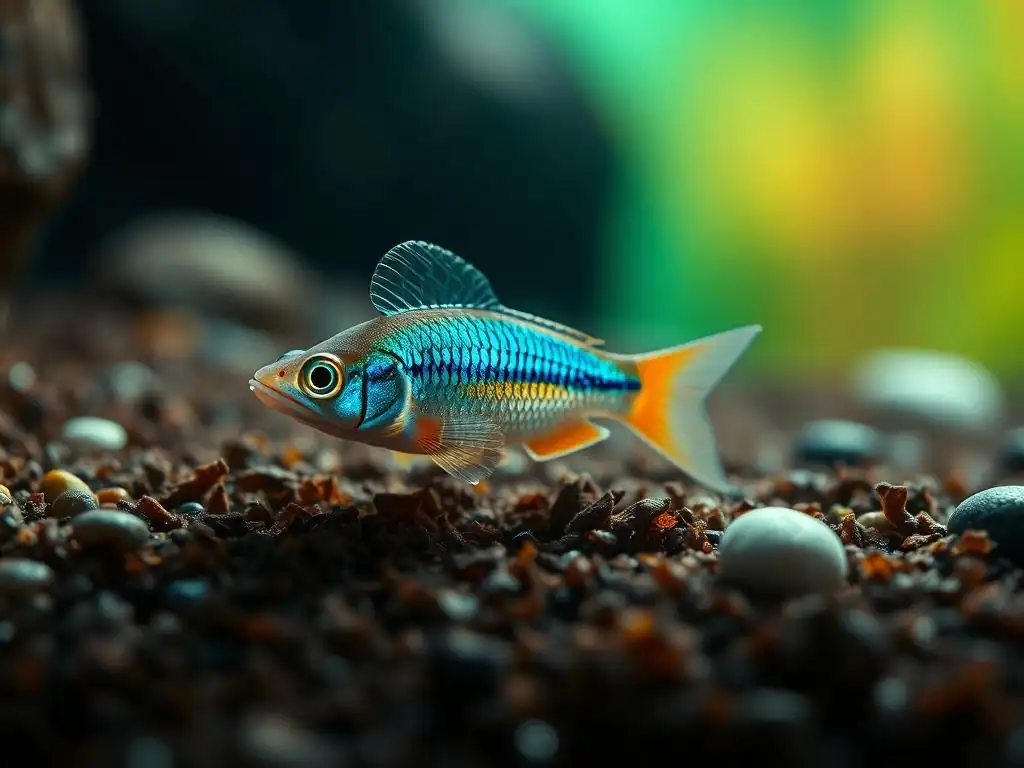
Breeding Pygmy Corydoras can be a rewarding experience for aquarists, even for beginners, as they are relatively straightforward to spawn. To maximize success and protect the fry, setting up a dedicated breeding tank is highly recommended. A small 5-gallon (approximately 19-liter) or 10-gallon (approximately 38-liter) tank is sufficient for a breeding group of 4-6 adults (e.g., two females to four males). The tank should have a bare bottom or a very thin layer of fine sand for easy cleaning and fry collection.
Filtration should be gentle, such as a small sponge filter, to prevent fry from being sucked in and to maintain stable water parameters without strong currents. Decorations can include spawning mops (made from yarn), Java Moss, or broad-leafed plants like Anubias, as Corydoras often lay their adhesive eggs on such surfaces. An air stone can also be beneficial for oxygenation. Ensuring the breeding tank is fully cycled and parameters are stable is a vital first step in this Pygmy Corydoras care guide for breeding.
Triggering Spawning in Corydoras pygmaeus: Water Changes and Diet
Triggering spawning in Corydoras pygmaeus often involves simulating the environmental cues they experience in their natural habitat, primarily associated with the onset of the rainy season. The most effective method is performing large, cool water changes. Begin with a 25-30% water change daily or every other day, using water that is 3-5°F (1.5-3°C) cooler than the tank water. For example, if your tank is at 76°F (24.5°C), introduce water at 71-73°F (21.5-22.5°C). This drop in temperature, combined with fresh water, often signals to the fish that it's time to spawn.
Alongside cool water changes, increasing the protein content and frequency of their diet can significantly encourage spawning. Offer live or frozen foods such as daphnia, brine shrimp, and small bloodworms multiple times a day for a week or two prior to and during the cool water changes. This enhanced nutrition provides the females with the energy and resources needed to produce eggs. Observing the classic "T-position" where the male fertilizes the female's eggs is a clear sign that spawning is underway.
Caring for Pygmy Corydoras Eggs and Fry
Once Pygmy Corydoras have spawned, caring for the eggs and subsequent fry requires attention to detail to ensure a high survival rate. Corydoras pygmaeus eggs are adhesive and typically laid on tank glass, plant leaves, or spawning mops. After spawning, it's advisable to remove the adult fish from the breeding tank to prevent them from eating the eggs or fry. The eggs usually hatch within 3-5 days, depending on the temperature. During this period, adding a small amount of methylene blue or an antifungal solution can help prevent fungal growth on unfertilized eggs, which can spread to healthy ones.
Upon hatching, Pygmy Corydoras fry are tiny and require very fine food. For the first few days, infusoria or liquid fry food is essential, as their mouths are too small for anything larger. After about 3-5 days, they will be large enough to consume newly hatched brine shrimp ( Artemia nauplii) or micro-worms.
Feed them small amounts several times a day to support their rapid growth. Maintaining pristine water quality with daily small water changes (e.g., 10-15%) and careful siphoning of uneaten food is crucial for fry development, as they are extremely sensitive to water parameters. This dedicated Pygmy Corydoras care guide for breeding details the steps for successful propagation.
Common Pygmy Corydoras Diseases and Prevention
Identifying Common Illnesses in Pygmy Corydoras
Like all aquarium fish, Pygmy Corydoras can be susceptible to various illnesses, often triggered by poor water quality, stress, or the introduction of sick fish. Recognizing the early signs of disease is crucial for prompt treatment and preventing widespread outbreaks. One common ailment is Ich (Ichthyophthirius multifiliis), characterized by small white spots resembling grains of salt on the fish's body and fins, accompanied by scratching against tank objects. Fin rot, a bacterial infection, presents as frayed, discolored, or disintegrating fins.
Bacterial infections can also manifest as lethargy, loss of appetite, red streaks on the body, or general malaise. Fungal infections might appear as cotton-like growths on the body or fins. Additionally, internal parasites can lead to emaciation despite regular feeding, lethargy, and stringy white feces. Observing changes in behavior, such as a Pygmy Corydoras isolating itself from the school or gasping at the surface, are often early indicators that something is amiss. A comprehensive Pygmy Corydoras care guide emphasizes vigilant observation for these symptoms.
Preventing Disease Outbreaks: Quarantine and Proper Care
Prevention is by far the most effective strategy for maintaining a healthy Pygmy Corydoras population and avoiding devastating disease outbreaks. A critical preventive measure is quarantining all new fish, plants, and invertebrates for a period of 2-4 weeks in a separate tank before introducing them to your main aquarium. This allows you to observe new additions for signs of disease without risking contamination of your established tank. During quarantine, you can also proactively treat for common parasites if desired.
Beyond quarantine, maintaining stable and pristine water parameters is the cornerstone of disease prevention. Consistent temperature, appropriate pH, and zero ammonia/nitrite, with low nitrates, significantly reduce stress on fish, bolstering their immune systems. Overfeeding should be avoided to prevent decaying food from fouling the water. A varied, nutritious diet also plays a vital role in fish health. By adhering to these Pygmy Corydoras care principles, you create an environment where your fish are less susceptible to illness, leading to a thriving and resilient school.
Treating Sick Pygmy Corydoras: Medications and Remedies
When illness strikes, prompt and appropriate treatment is essential for the recovery of sick Pygmy Corydoras. If only one or two fish show symptoms, it's often best to move them to a separate hospital tank to prevent the spread of disease and to administer medication without affecting the main tank's biological filter or healthy inhabitants. For Ich, increasing the tank temperature gradually to 82-84°F (28-29°C) for several days, combined with Ich-specific medications (e.g., malachite green or formalin-based treatments), is often effective. Always follow medication instructions carefully.
Bacterial infections typically require broad-spectrum antibacterial medications, while fungal infections can be treated with antifungal remedies. It's crucial to correctly diagnose the illness before treatment, as incorrect medication can be harmful. Always remove activated carbon from filters before adding medication, as it will absorb the treatment. After treatment, perform large water changes to remove residual medication and consider adding a bacterial supplement to help re-establish beneficial bacteria. Consulting with an experienced aquarist or aquatic veterinarian for severe or persistent issues is also advisable, forming a key part of any detailed Pygmy Corydoras care guide.
Sourcing Pygmy Corydoras: Finding Healthy Specimens
Choosing Reputable Breeders and Aquarium Stores
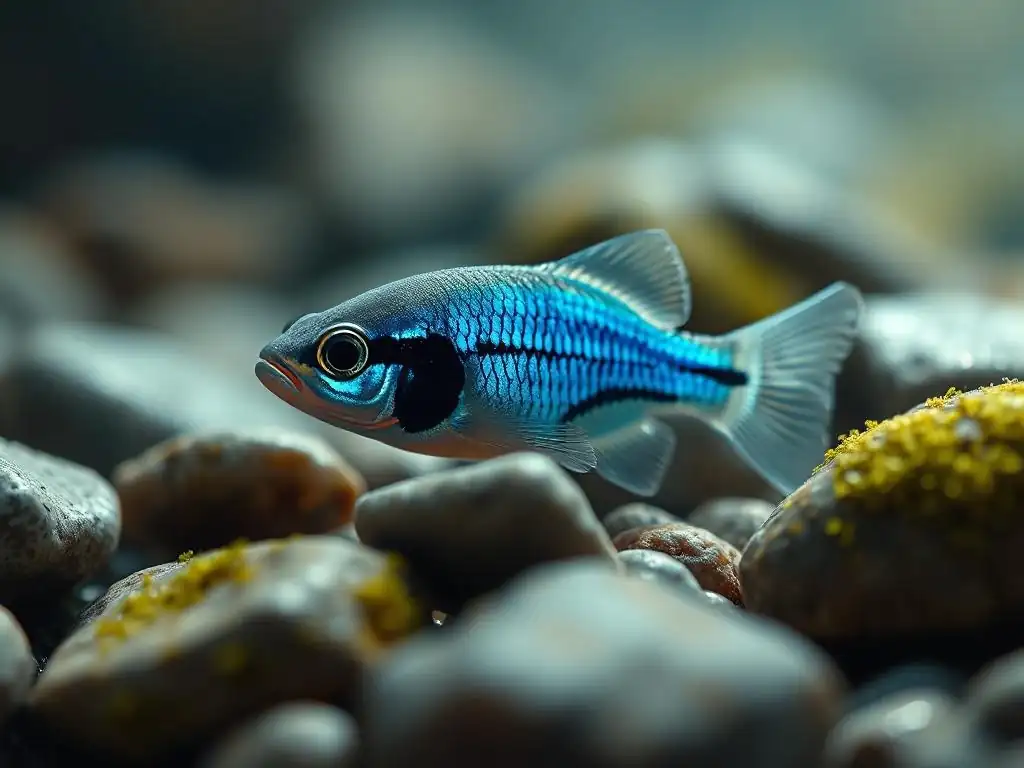
Sourcing healthy Pygmy Corydoras is the first step towards a successful and enjoyable experience. The choice of where you acquire your fish significantly impacts their initial health and adaptability to your aquarium. Reputable local fish stores (LFS) are often a good starting point. Look for stores with clean tanks, active and alert fish, and knowledgeable staff who can answer questions about the fish's origin and care. Avoid stores with cloudy water, dead fish in tanks, or fish showing clear signs of disease (e.g., Ich spots, clamped fins, lethargy).
Online breeders or specialty Corydoras suppliers can also be excellent sources, often providing higher quality, less stressed fish, sometimes even tank-bred specimens. When purchasing online, research reviews thoroughly and choose suppliers with strong reputations for healthy fish and proper shipping practices. While the initial cost might be slightly higher from a dedicated breeder, the reduced risk of disease and healthier stock often outweigh the difference, contributing significantly to your long-term Pygmy Corydoras care success.
Identifying Healthy Pygmy Corydoras Before Purchase
Before making a purchase, take the time to carefully observe the Pygmy Corydoras in the tank. Healthy specimens should be active and curious, constantly sifting through the substrate or shoaling in the mid-water column. Look for fish with clear eyes, vibrant coloration (their distinctive stripe should be well-defined), and full, intact fins without any tears, rips, or signs of fin rot. Their bodies should appear plump, not emaciated or bloated.
Avoid fish that are lethargic, hiding excessively, gasping at the surface, or showing any visible signs of disease such as white spots (Ich), cottony growths (fungus), or red streaks (bacterial infection). Pay close attention to their barbels; they should be intact and healthy, not eroded or damaged, which can indicate poor substrate conditions or bacterial issues. Observing a group for at least 10-15 minutes can reveal behavioral patterns and help you select the most robust individuals, an important tip in this Pygmy Corydoras care guide.
Acclimating New Pygmy Corydoras to Your Aquarium
Proper acclimation is crucial to minimize stress and prevent shock when introducing new Pygmy Corydoras to your aquarium. The drip acclimation method is highly recommended for these sensitive fish, as it slowly equalizes the water parameters (pH, temperature, hardness) between the transport bag and your tank. Start by floating the sealed bag in your tank for 15-20 minutes to equalize temperature.
After temperature equalization, open the bag and secure it to the side of your tank with a clip. Using airline tubing, create a siphon from your tank into the bag, tying a knot in the tubing or using an airline valve to control the drip rate to about 1-2 drops per second. Allow the tank water to slowly drip into the bag until the volume of water in the bag has at least doubled, which typically takes 45-60 minutes.
Once acclimation is complete, gently net the fish and place them in your tank, discarding the bag water to avoid introducing any potential pathogens. Turn off your aquarium lights for several hours after introduction to further reduce stress. This careful acclimation process is a vital part of effective Pygmy Corydoras care.
Troubleshooting Pygmy Corydoras Care: Common Problems and Solutions
Addressing Common Issues: Cloudy Water
Cloudy water is a common issue in aquariums and can be a sign of underlying problems that affect Pygmy Corydoras health. A milky or hazy cloudiness often indicates a bacterial bloom, typically occurring in new tanks undergoing the nitrogen cycle (new tank syndrome) or in established tanks experiencing a sudden ammonia spike due to overfeeding or overstocking. Green cloudy water, on the other hand, usually points to an algae bloom caused by excess light or nutrients.
To address a bacterial bloom, first, test your water for ammonia and nitrite. If elevated, perform a 25-50% water change immediately and reduce feeding. Ensure your filter is working correctly and not clogged. For algae blooms, reduce lighting periods (e.g., to 6-8 hours daily), perform water changes, and consider adding live plants or an Otocinclus catfish to compete for nutrients. Avoid chemical clarifiers as a first resort, as they only temporarily fix the symptom without addressing the root cause, which is crucial for comprehensive Pygmy Corydoras care.
Resolving Common Issues: Loss of Color
Loss of color in Pygmy Corydoras, where their distinctive stripe fades or their overall body appears pale, is a clear indicator of stress or poor health. Several factors can contribute to this issue. The most common causes include poor water quality (elevated ammonia, nitrite, or nitrate), incorrect water parameters (temperature, pH, or hardness outside their optimal range), inadequate diet, or high stress levels due to incompatible tank mates or insufficient group size.
To resolve color loss, begin by thoroughly testing your water parameters and making any necessary adjustments gradually through small, frequent water changes. Ensure your filtration is adequate and that you are not overfeeding. Re-evaluate your Pygmy Corydoras' diet, ensuring they receive a varied and nutritious selection of sinking foods, including live or frozen options.
Confirm they are kept in a sufficient school size (at least 8-10 individuals) and that all tank mates are peaceful and non-threatening. Providing a heavily planted environment with plenty of hiding spots can also help reduce stress, allowing their natural vibrancy to return, a key focus of this Pygmy Corydoras care guide.
Conclusion: Enjoying the Wonders of Pygmy Corydoras
The Rewarding Experience of Keeping Corydoras pygmaeus
Keeping Corydoras pygmaeus is an incredibly rewarding experience that brings a unique charm and dynamic energy to any freshwater aquarium. Their diminutive size, coupled with their active shoaling behavior, makes them fascinating subjects to observe as they gracefully navigate both the substrate and the mid-water column. Unlike many other bottom-dwellers, their tendency to hover in groups among plant leaves or dart through open water adds a distinctive visual appeal, especially in well-planted nano tanks or peaceful community setups.
Beyond their aesthetic appeal, Pygmy Cories are robust and relatively easy to care for once their specific requirements for water quality, diet, and social structure are met. Their peaceful nature ensures they are excellent citizens in a community aquarium, posing no threat to other small, non-aggressive species. For aquarists seeking a low-bioload, engaging, and utterly charming fish, the Pygmy Corydoras stands out as an exceptional choice. Following this comprehensive Pygmy Corydoras care guide will undoubtedly lead to a thriving and delightful school for years to come.
Further Resources for Pygmy Corydoras Enthusiasts
For those who wish to delve even deeper into the fascinating world of Pygmy Corydoras and freshwater aquarium keeping, a wealth of information is available. Continue to explore detailed profiles of other Corydoras species, learn about advanced aquascaping techniques, or research specific plant care guides that complement a Corydoras pygmaeus habitat. Understanding the intricacies of water chemistry and advanced filtration methods can further enhance your ability to maintain a pristine and stable environment.
Engaging with online aquarium forums and local fish club communities can also provide invaluable insights, peer support, and opportunities to connect with experienced aquarists. Sharing experiences and asking questions can help troubleshoot unique challenges and discover new techniques. Continuous learning and a passion for aquatic life are the keys to mastering the art of Pygmy Corydoras care and enjoying the full spectrum of the aquarium hobby.
Frequently Asked Questions
What are the key water parameters for keeping Pygmy Corydoras healthy?
Pygmy Corydoras prefer slightly acidic to neutral water. Aim for a pH between 6.0 and 7.5, a temperature of 72-78°F (22-26°C), and maintain excellent water quality with regular water changes to avoid ammonia and nitrite spikes.
What type of aquarium setup is best for Pygmy Corydoras?
A well-established aquarium with plenty of hiding places is ideal. Use fine substrate like sand, provide live plants for cover, and ensure gentle water flow to mimic their natural habitat.
What should I feed my Pygmy Corydoras?
These bottom-dwellers are omnivores and accept a variety of foods. Offer them sinking pellets or wafers, as well as small live or frozen foods like daphnia and bloodworms, supplementing with algae wafers occasionally.
How many Pygmy Corydoras should I keep together?
Pygmy Corydoras are shoaling fish and thrive in groups. Keep at least 6 individuals or more to allow them to exhibit their natural behaviors and reduce stress, creating a more stable and happier environment.
What are some common health issues to watch out for in Pygmy Corydoras?
Pygmy Corydoras are sensitive to poor water quality. Watch out for signs of stress like lethargy, clamped fins, and rapid breathing. Preventative measures include regular water changes and proper tank maintenance.
Final Reflection: The Enduring Charm of Miniature Worlds
The intricacies of Pygmy Corydoras care extend far beyond simply maintaining a small aquarium. They represent a commitment to understanding and replicating a delicate ecosystem, a microcosm of the natural world within our homes. This dedication to detail, to the specific needs of these tiny creatures, speaks volumes about our capacity for empathy and our desire to connect with the beauty of biodiversity, even in its most diminutive forms.
The enduring appeal of Pygmy Corydoras lies in their ability to transform a simple tank into a vibrant, bustling community. Their playful antics and peaceful nature offer a constant reminder of the interconnectedness of life, urging us to appreciate the small wonders that often go unnoticed. In every walk with nature, one receives far more than he seeks.
- John Muir. This sentiment perfectly encapsulates the joy and fulfillment derived from observing these fascinating fish thrive under our care.
Now, as you embark on your journey to care for these captivating creatures, remember that patience and observation are your greatest allies. Embrace the challenge of creating a thriving environment for your Pygmy Corydoras, and allow their miniature world to inspire a deeper appreciation for the delicate balance of nature within and beyond your aquarium walls. Let their story be a reminder that even the smallest beings can bring immense joy and wonder into our lives.
Dive Deeper into the World of Pygmy Corydoras!
Thank you for exploring the captivating world of Pygmy Corydoras with us! We hope you found the insights shared valuable in understanding these delightful little fish. Now, it's time to take the next step and truly immerse yourself in their care.
Here are some actionable steps you can take right away:
- Start planning your own Pygmy Corydoras setup! Research compatible tank mates and explore plants they'll love.
- Share this article with fellow aquarium enthusiasts to spread the joy of these tiny wonders.
- Research a local aquarium club and connect with other keepers of Corydoras to share experiences and tips.
What fascinating behaviors have you observed in your Pygmy Corydoras that other aquarists might find surprising?