
When Do Corydoras Reach Sexual Maturity?

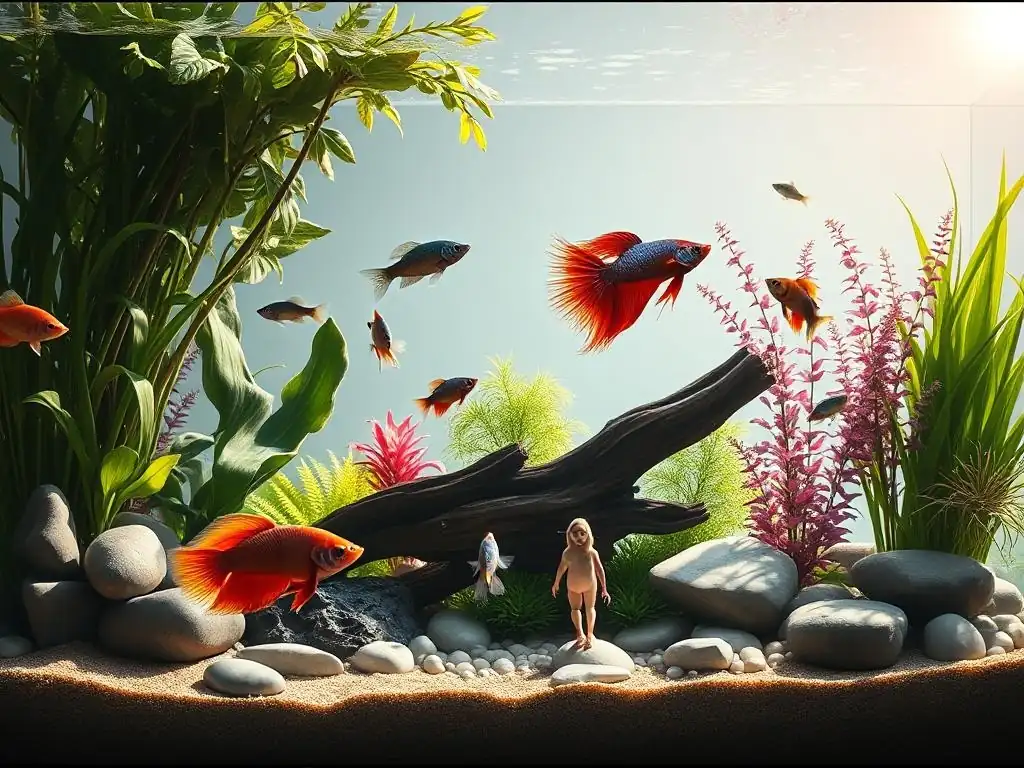
Welcome to Aquarium Mastery, your ultimate guide to thriving aquatic ecosystems! Ever wondered when your adorable Corydoras catfish will be ready to breed? Unlocking the secrets of the Corydoras sexual maturity timeline is easier than you think. Dive in and discover everything you need to know about these charming bottom-dwellers, from fry to fully-fledged breeders, and prepare to witness the magic of Corydoras reproduction! Ready to embark on this fascinating journey?
- When Do Corydoras Reach Sexual Maturity? - Aquarium Mastery
- Understanding Corydoras Development and Breeding Readiness
- Corydoras Sexual Maturity Timeline: A Detailed Breakdown
- Identifying Signs of Sexual Maturity in Corydoras
- Optimizing Tank Conditions for Corydoras Breeding
- Post-Spawning Care for Corydoras Eggs and Fry
- Common Challenges in Breeding Corydoras and Reaching Maturity
- Conclusion: Ensuring Healthy Corydoras Development and Successful Breeding
-
Frequently Asked Questions
- When can I expect my Corydoras to start breeding?
- What are the visible signs that my Corydoras are sexually mature?
- Does the species of Corydoras affect their sexual maturity timeline?
- What conditions are needed to encourage breeding in sexually mature Corydoras?
- What should I do if my Corydoras haven't shown signs of breeding after a year?
- Final Reflection: The Enduring Mystery of Life's Beginnings
- Unleash the Corydoras Breeder Within!
When Do Corydoras Reach Sexual Maturity? - Aquarium Mastery
Understanding Corydoras Development and Breeding Readiness
Introduction to Corydoras Life Cycle and Sexual Development
Corydoras catfish are beloved freshwater inhabitants, originating from the diverse river systems of South America. Their life cycle begins as tiny, adhesive eggs, typically laid on broad leaves, tank glass, or other smooth surfaces. These eggs hatch into minute fry, which then undergo a period of rapid growth and development before transitioning into juvenile fish. This developmental journey is critical, as it lays the foundation for their eventual transition into sexually mature adults, capable of reproduction.
As juveniles, Corydoras focus primarily on growth, converting nutrients from their diet into body mass. Their physical characteristics gradually become more defined, and they begin to exhibit the schooling behaviors typical of their species. The progression from juvenile to adult, culminating in sexual maturity, is influenced by a complex interplay of genetic predispositions and environmental factors, making the Corydoras sexual maturity timeline a fascinating aspect of their biology to observe.
Why Knowing the Corydoras Sexual Maturity Timeline is Important
Understanding the Corydoras sexual maturity timeline is paramount for any aquarist aspiring to breed these charming bottom-dwellers or simply to ensure their long-term health and well-being. Knowing when your Corydoras are likely to become reproductively active allows for strategic planning, such as setting up dedicated breeding tanks or adjusting tank parameters to encourage spawning. For instance, attempting to breed fish before they are fully mature can lead to unsuccessful spawns, stress on the fish, or even health complications for underdeveloped individuals.
Furthermore, awareness of the Corydoras sexual maturity timeline informs proper care and management. Mature fish may have different nutritional requirements or exhibit distinct social behaviors compared to juveniles. For example, a fully mature female Corydoras will require a diet rich in protein and fats to support egg development, while a mature male will exhibit more pronounced courtship behaviors. This knowledge enables aquarists to provide optimal conditions, ensuring the fish are not only healthy but also ready for the physiological demands of reproduction.
Corydoras Sexual Maturity Timeline: A Detailed Breakdown
Factors Influencing Corydoras Sexual Maturity
Water Parameters Impact on Corydoras Growth
The quality and stability of water parameters play a pivotal role in determining the pace at which Corydoras reach their sexual maturity timeline. Consistently clean water, free from ammonia and nitrite, and with low nitrate levels (ideally below 20 ppm), is crucial for healthy growth. For instance, prolonged exposure to high nitrate levels can stunt growth by as much as 30% and significantly delay the onset of maturity. Optimal pH levels, typically between 6.0 and 7.5 depending on the species, and soft to medium hardness (2-15 dGH) also contribute to a stress-free environment that promotes steady development.
Temperature is another critical factor. While most Corydoras species thrive in temperatures between 72-78°F (22-26°C), maintaining a consistent temperature within their preferred range prevents metabolic slowdowns or accelerated, unhealthy growth. Studies indicate that a stable temperature around 75°F (24°C) can lead to a more predictable Corydoras sexual maturity timeline compared to fluctuating conditions, which can cause stress and divert energy from growth and reproductive development.
Diet and Nutrition for Optimal Corydoras Development
A varied and high-quality diet is fundamental for ensuring Corydoras grow at a healthy rate and reach their sexual maturity timeline efficiently. As omnivores, they require a balanced intake of protein, fats, carbohydrates, vitamins, and minerals. Feeding high-quality sinking pellets or wafers specifically formulated for bottom-feeders should be supplemented with live or frozen foods such as bloodworms, brine shrimp, daphnia, and tubifex worms. These protein-rich foods are essential for muscle and organ development, directly impacting reproductive readiness.
For optimal development, young Corydoras should be fed small amounts multiple times a day. For instance, feeding 2-3 times daily ensures a constant supply of nutrients for rapid growth. A diet with at least 35-45% protein content is highly beneficial for juveniles. Inadequate nutrition, especially during the first few months of life, can lead to stunted growth, smaller adult size, and a significantly delayed or even compromised Corydoras sexual maturity timeline, potentially preventing them from breeding altogether.
Tank Size and Social Dynamics Affecting Maturity
Tank size and social dynamics significantly influence the overall health and development of Corydoras, directly impacting their sexual maturity timeline. Overcrowding in an undersized tank leads to increased stress, heightened competition for food, and the accumulation of growth-inhibiting hormones released by the fish themselves. For example, keeping a group of six adult Bronze Corydoras in a tank smaller than 20 gallons can result in stunted growth and a delayed onset of maturity by several months. Adequate space allows for proper exercise, natural foraging behaviors, and reduces stress, all of which are conducive to healthy development.
Corydoras are highly social schooling fish and thrive when kept in groups of at least 6-8 individuals of their own species. A robust social structure within a sufficiently sized tank provides security and encourages natural behaviors, including courtship rituals. A lone Corydoras or one kept in too small a group may become withdrawn, stressed, and fail to exhibit normal growth patterns or reproductive behaviors, thereby extending their Corydoras sexual maturity timeline indefinitely.
Age of Sexual Maturity in Different Corydoras Species
Corydoras aeneus (Bronze Cory): Maturity Timeline
The Bronze Corydoras ( Corydoras aeneus) is one of the most common and robust species in the aquarium hobby, known for its relatively quick development. Under optimal conditions, including stable water parameters and a high-quality diet, Bronze Corydoras typically reach sexual maturity between 6 to 12 months of age. Some highly conditioned individuals may even show signs of readiness as early as 5 months, making them a popular choice for beginner breeders.
At the point of sexual maturity, C. aeneus usually measures around 1.5 to 2 inches (3.8 to 5 cm) in total length. Females will appear noticeably plumper and broader than males, especially when gravid. Their consistent and relatively short Corydoras sexual maturity timeline contributes to their reputation as prolific and reliable breeders once established in a suitable environment.
Corydoras paleatus (Peppered Cory): Maturity Timeline
The Peppered Corydoras ( Corydoras paleatus) shares many characteristics with the Bronze Corydoras in terms of hardiness and development speed. These attractive catfish generally reach sexual maturity between 6 to 10 months of age when provided with excellent care. They are often among the first Corydoras species to reproduce in a well-maintained community tank, demonstrating their readiness to breed.
Similar to the Bronze Cory, sexually mature Peppered Corydoras typically attain a size of 1.5 to 2 inches (3.8 to 5 cm). Females will be visibly rounder and larger in the abdomen, indicative of egg development. Their predictable Corydoras sexual maturity timeline makes them another excellent candidate for aquarists interested in breeding these peaceful bottom-dwellers.
Corydoras sterbai (Sterba's Cory): Maturity Timeline
Sterba's Corydoras ( Corydoras sterbai) are highly prized for their striking coloration but tend to have a slightly longer Corydoras sexual maturity timeline compared to their more common cousins. These beautiful fish typically reach sexual maturity between 10 to 18 months of age. Some dedicated breeders have even reported instances where C. sterbai did not begin spawning until they were closer to 2 years old, highlighting the need for patience.
When they reach sexual maturity, Sterba's Corydoras are generally larger than C. aeneus or C. paleatus, often measuring around 2 to 2.5 inches (5 to 6.3 cm). Females will exhibit the characteristic plumpness associated with egg development. Their extended Corydoras sexual maturity timeline means that consistent, long-term optimal care is crucial to encourage breeding readiness.
Corydoras habrosus (Dwarf Cory): Maturity Timeline
Dwarf Corydoras, such as Corydoras habrosus, C. pygmaeus, and C. hastatus, are miniature versions of their larger relatives and often reach sexual maturity relatively quickly, despite their diminutive size. Corydoras habrosus commonly reaches sexual maturity between 4 to 8 months of age. This rapid development makes them a popular choice for smaller aquariums and nano-breeding setups.
At maturity, these dwarf species are incredibly small, typically measuring only about 0.8 to 1 inch (2 to 2.5 cm) in total length. Despite their size, mature females will still exhibit a visibly rounder abdomen when gravid. Their accelerated Corydoras sexual maturity timeline allows aquarists to observe breeding behaviors and potentially raise fry within a shorter timeframe.
Identifying Signs of Sexual Maturity in Corydoras
Physical Indicators of Maturity in Female Corydoras
Mature female Corydoras typically display distinct physical characteristics that differentiate them from males and indicate their readiness to breed. When viewed from above, adult females are generally larger and noticeably plumper and wider across the body than males, particularly in the abdominal region. This rounded appearance becomes even more pronounced as they approach spawning, due to the development of eggs.
The most definitive physical sign of a mature and ready-to-spawn female is a distended, gravid belly. This area will appear significantly swollen and often takes on a yellowish or greenish tint, depending on the coloration of the eggs inside. In some cases, if the female is very plump, individual eggs may even be visible through her skin, serving as a clear signal that the Corydoras sexual maturity timeline has culminated in reproductive readiness.
Observing Egg Development in Female Corydoras
Observing egg development in female Corydoras is a direct confirmation of their reproductive maturity. As a female becomes gravid, her abdomen swells noticeably, indicating the presence of developing eggs within her ovaries. This swelling is not just general plumpness but a distinct distension of the lower belly, often making her body appear more "pear-shaped" when viewed from the side.
In highly conditioned and ready-to-spawn females, the eggs can sometimes be seen through the semi-translucent skin of the lower abdomen. They appear as small, spherical, yellowish-white masses clustered together. This visual cue, combined with the overall increase in girth, provides strong evidence that the female has reached the peak of her Corydoras sexual maturity and is ready to release her eggs, often in response to specific environmental triggers.
Behavioral Indicators of Maturity in Male Corydoras
While male Corydoras do not exhibit the dramatic physical changes of gravid females, their sexual maturity is clearly indicated by their behavior, particularly during periods conducive to spawning. Mature males are typically more slender and streamlined than females, but they become significantly more active and persistent in their pursuit of females. This heightened activity is a primary behavioral cue of their breeding readiness.
During courtship, mature male Corydoras will actively chase and nudge females around the tank, often focusing on the female's gill area or belly. This behavior intensifies as the female becomes more gravid. The most definitive behavioral indicator is the "T-position" courtship ritual, where the male positions himself at a right angle to the female's head, forming a 'T' shape. This posture facilitates the transfer of sperm, a clear sign that the male has reached his Corydoras sexual maturity timeline and is actively participating in reproduction.
Male Corydoras Chasing Behavior and Courtship Rituals
The characteristic chasing behavior of male Corydoras is a strong indicator of their sexual maturity and readiness to breed. Males will relentlessly pursue gravid females, often nudging them gently or vigorously around the tank, particularly when water conditions are optimized for spawning. This pursuit can last for hours or even days, intensifying as the females become more receptive.
The pinnacle of their courtship rituals is the unique "T-position" (or "T-pose"). In this specific behavior, the male positions his body perpendicularly to the female's head, often clasping her barbels or pectoral fins. During this embrace, the male releases sperm, which the female then ingests through her mouth. She then passes the sperm over her eggs as she deposits them, ensuring fertilization. Observing this "T-position" is a definitive sign that both the male and female have reached their Corydoras sexual maturity timeline and are actively engaged in the reproductive process.
Differentiating Juvenile and Adult Corydoras
Differentiating between juvenile and adult Corydoras involves observing differences in size, body shape, and behavior. Juveniles are typically uniformly smaller and more slender, lacking the distinct sexual dimorphism (differences between males and females) seen in mature adults. For instance, a juvenile Bronze Corydoras at three months old will likely be under 1 inch (2.5 cm) and have a relatively flat belly, regardless of its sex.
As Corydoras mature and progress along their Corydoras sexual maturity timeline, their body shapes become more distinct. Adult females will develop a noticeably broader and plumper body, especially when gravid, while males remain more streamlined. Behavioral changes are also evident: juveniles are primarily focused on foraging and schooling, whereas adult males will exhibit active chasing and courtship displays, and adult females will show signs of carrying eggs. The overall robustness and color vibrancy often increase with age as well, making adult fish appear more developed and striking.
Optimizing Tank Conditions for Corydoras Breeding
Creating a Suitable Breeding Environment for Corydoras
Importance of Soft, Acidic Water for Corydoras Breeding
For successful Corydoras breeding, mimicking their natural habitat's water conditions is paramount, particularly regarding softness and acidity. Most Corydoras species, especially those commonly bred in aquariums, originate from soft, slightly acidic to neutral waters (pH 6.0-7.0) with low to moderate hardness (GH 2-8 dGH). These parameters are crucial for egg viability and hatching rates. For example, in water that is too hard or alkaline, egg shells can become too tough for fry to hatch, or fertilization rates may drop significantly.
To achieve these conditions, aquarists often use reverse osmosis (RO) water, mixed with a small amount of dechlorinated tap water or remineralizing salts to achieve desired parameters. The use of peat filtration or specialized buffering substrates can also help maintain the slightly acidic environment. Consistent water parameters, rather than fluctuating ones, will minimize stress on the breeding pair and significantly improve their chances of a successful spawn once they have reached their Corydoras sexual maturity timeline.
Substrate and Plant Selection for Corydoras Spawning
The choice of substrate and the presence of suitable plants or decor are vital for providing appropriate spawning sites for Corydoras. A fine, soft sand substrate is highly recommended, as Corydoras are bottom-dwellers that constantly sift through the substrate with their delicate barbels. Rough or sharp gravel can damage their barbels, leading to infections and stress, which can deter breeding even if the Corydoras sexual maturity timeline has been met.
For egg deposition, Corydoras prefer smooth, vertical surfaces. Live plants with broad leaves, such as Anubias, Echinodorus (Amazon Swords), or Cryptocoryne species, provide excellent spawning sites. Fine-leaved plants like Java Moss also offer attractive surfaces. Additionally, smooth rocks, pieces of driftwood, or even the glass walls of the aquarium are frequently utilized. Providing a variety of potential spawning sites increases the likelihood that the breeding pair will find a suitable location for their eggs.
Triggering Spawning in Mature Corydoras
Simulating Rainy Season Conditions for Breeding
One of the most effective methods to trigger spawning in sexually mature Corydoras is to simulate the conditions of their natural rainy season. In the wild, heavy rainfall often leads to a drop in water temperature, an increase in fresh water, and a surge in available food sources. Aquarists can mimic this by performing large, cool water changes. For instance, a 25-50% water change with water that is 5-10°F (3-6°C) cooler than the tank temperature can often induce spawning within 24-48 hours.
This technique should be performed daily or every other day for several days. The influx of fresh, cool water, combined with increased aeration (mimicking turbulent floodwaters), serves as a powerful environmental cue. For example, some breeders report success with a series of 50% cool water changes over three consecutive days. Ensuring that the Corydoras sexual maturity timeline has been reached and the fish are well-conditioned nutritionally will significantly enhance the effectiveness of these triggers.
Water Changes and Temperature Fluctuations to Induce Spawning
Beyond simulating the rainy season, specific water changes and temperature fluctuations are key in prompting mature Corydoras to spawn. A gradual reduction in tank temperature over a few days, followed by a sudden, significant drop with a large water change, is often the most successful strategy. For example, if the tank temperature is typically 75°F (24°C), lowering it to 72°F (22°C) for a day or two, then performing a 30-50% water change with water around 68-70°F (20-21°C), can be highly effective.
This combination of cooler, fresh water and a slight but noticeable temperature shift signals to the fish that it's prime time for breeding. Additionally, increasing water flow with a small powerhead or air stone can further stimulate spawning behavior, simulating the increased currents of a flooded river. Consistent feeding of high-protein foods in the days leading up to these water changes also ensures the fish are in peak condition to respond to these environmental cues, once they have progressed fully along their Corydoras sexual maturity timeline.
Post-Spawning Care for Corydoras Eggs and Fry
Protecting Corydoras Eggs from Predation
After a successful Corydoras spawn, protecting the eggs from predation is a critical step for maximizing hatching rates. Adult Corydoras, as well as other tank inhabitants, are opportunistic egg-eaters and will readily consume the newly laid eggs. Therefore, intervention is almost always necessary to ensure the survival of the next generation.
There are two primary methods for egg protection: either carefully removing the eggs from the main tank or removing the adult fish after spawning. Corydoras eggs are typically adhesive and can be gently rolled off surfaces like tank glass or plant leaves with a clean finger or a credit card. Once collected, they should be transferred to a separate hatching container or a dedicated fry tank filled with aged, dechlorinated water. Adding a small amount of methylene blue to the water can help prevent fungal growth on both fertile and infertile eggs, significantly improving hatching success.
Hatching and Raising Corydoras Fry
Feeding Young Corydoras Fry: First Foods
Corydoras eggs typically hatch within 3 to 5 days at a temperature of around 75°F (24°C). Upon hatching, the fry are incredibly small and possess a yolk sac, which provides them with sustenance for the first 2-3 days. Once this yolk sac is fully absorbed, usually around day 3-4 post-hatch, the fry become free-swimming and require their first external food sources.
Due to their minuscule size, Corydoras fry need microscopic foods initially. Excellent first food options include infusoria, liquid fry food formulations, or finely crushed spirulina powder. After approximately 5-7 days, once they have grown slightly, newly hatched brine shrimp nauplii become an ideal next food. These provide essential protein and stimulate rapid growth. Feeding small amounts multiple times a day (e.g., 3-5 times) is crucial to ensure all fry receive adequate nutrition for healthy development along their initial Corydoras sexual maturity timeline stages.
Maintaining Water Quality for Corydoras Fry Development
Maintaining pristine water quality is paramount for the survival and healthy development of Corydoras fry, as they are highly sensitive to pollutants. Due to their small size and the frequent feedings required, uneaten food and waste can quickly degrade water quality. Therefore, daily small water changes, typically 10-20% of the fry tank volume, are often necessary. It is crucial to use aged and dechlorinated water for these changes, ensuring the temperature matches that of the fry tank to avoid shock.
For filtration, a gentle sponge filter is ideal for a fry tank. Sponge filters provide biological filtration without generating strong currents that could harm the tiny fry or suck them into the filter. Adequate aeration, provided by a small air stone, is also vital to ensure sufficient oxygen levels, which are critical for the delicate fry. Consistent monitoring of ammonia, nitrite, and nitrate levels will ensure a stable and healthy environment, promoting optimal growth and progression through their Corydoras sexual maturity timeline.
Common Challenges in Breeding Corydoras and Reaching Maturity
Addressing Infertile Eggs in Corydoras
One common challenge encountered when breeding Corydoras is the presence of infertile eggs. These eggs typically appear opaque white and often develop a fuzzy, mold-like growth within 24-48 hours after being laid, indicating fungal infection. The primary causes of infertile eggs are often a lack of successful fertilization by the males, or in some cases, poor conditioning of the parent fish.
To address this, ensure an adequate male-to-female ratio in your breeding group, typically 2-3 males for every female, to maximize fertilization opportunities. Improve water parameters to optimal breeding conditions (soft, slightly acidic water) and provide a high-quality, protein-rich diet for several weeks leading up to spawning. In the hatching tank, adding a very dilute solution of methylene blue can inhibit fungal growth on both fertile and infertile eggs, allowing healthy eggs to develop. Promptly removing any infertile, fuzzy eggs will prevent the fungus from spreading to viable eggs.
Preventing Diseases and Maintaining Corydoras Health During Breeding
The breeding process can be physically demanding and stressful for Corydoras, making them more susceptible to common aquarium diseases such as fin rot, ich (white spot disease), or bacterial infections. Stress compromises their immune systems, so maintaining optimal health throughout the breeding cycle is crucial for success and to keep their Corydoras sexual maturity timeline on track.
Prevention is key. This involves maintaining impeccable water quality with regular water changes and effective filtration, ensuring a consistent and appropriate temperature, and providing a varied and nutritious diet. Always quarantine any new fish for at least 2-4 weeks before introducing them to your main breeding tank to prevent the introduction of pathogens. Regularly observe your fish for any signs of illness, such as clamped fins, lethargy, or unusual spots, and address any issues promptly with appropriate treatments to safeguard the health of your breeding stock.
Troubleshooting Slow Growth or Delayed Sexual Maturity in Corydoras
If your Corydoras are growing slower than expected or appear to be delaying their Corydoras sexual maturity timeline, several factors could be at play. The most common culprits include inadequate nutrition, overcrowded tank conditions, consistently poor water quality (particularly high nitrate levels), or incorrect water temperature for the specific species. For example, a group of young Corydoras sterbai kept in a small, crowded tank with inconsistent feeding might take well over 18 months to show signs of maturity.
To troubleshoot, first review your feeding regimen: are you providing enough high-quality, varied foods multiple times a day? Next, assess your tank's population density and size; overcrowding is a significant stressor that inhibits growth. Ensure your water parameters are consistently within the ideal range for your Corydoras species, paying close attention to nitrate levels, which should be kept low through regular water changes. Finally, verify that the tank temperature is stable and within the optimal range for the species. Addressing these environmental factors will typically help accelerate growth and bring your Corydoras to their full sexual maturity timeline.
Conclusion: Ensuring Healthy Corydoras Development and Successful Breeding
Successfully breeding Corydoras and observing their complete life cycle is a truly rewarding experience for any aquarist. Understanding the Corydoras sexual maturity timeline is the cornerstone of this success, providing crucial insights into when your fish are ready for reproduction and what conditions they require to thrive. From the rapid development of dwarf species like C. habrosus maturing in 4-8 months to the more patient wait for C. sterbai at 10-18 months, patience and meticulous care are key.
By diligently providing optimal water parameters, a varied and nutritious diet, and appropriate tank conditions, you empower your Corydoras to progress naturally through their developmental stages. Recognizing the physical and behavioral signs of maturity in both male and female Corydoras allows for timely intervention, such as setting up a breeding tank or simulating rainy season conditions. Ultimately, a deep understanding of their needs, coupled with consistent attention to detail, ensures not only healthy Corydoras development but also a higher likelihood of successful breeding, contributing to the vibrant continuation of these beloved bottom-dwellers in the aquarium hobby.
Frequently Asked Questions
When can I expect my Corydoras to start breeding?
Corydoras typically reach sexual maturity around 6-12 months of age. Factors like diet and water quality can influence this timeline. Remember, consistent water changes and a high-quality diet are crucial.
What are the visible signs that my Corydoras are sexually mature?
In females, you might notice a rounder belly as they develop eggs. Males often display more energetic behavior and chase females. Subtle differences in body shape can also be observed.
Does the species of Corydoras affect their sexual maturity timeline?
Yes, some species of Corydoras may mature slightly faster or slower than others. Generally, most species follow the 6-12 month timeframe. Always research specific species characteristics to understand their unique needs.
What conditions are needed to encourage breeding in sexually mature Corydoras?
Providing soft, slightly acidic water is ideal. Lowering the temperature slightly and performing a large water change can simulate the rainy season, triggering spawning behavior. Consistent, high-quality food is also essential.
What should I do if my Corydoras haven't shown signs of breeding after a year?
Review their diet and water quality. Ensure they are kept in a species-appropriate tank setup. Consider adding more Corydoras to the group to stimulate breeding behavior, as they are social fish.
Final Reflection: The Enduring Mystery of Life's Beginnings
The journey to understanding the Corydoras sexual maturity timeline is more than just a scientific endeavor; it's a glimpse into the intricate dance of life itself. The factors influencing this timeline, from water parameters to diet, underscore the delicate balance required for successful reproduction and the continuation of these fascinating creatures. Understanding these nuances is crucial not only for successful breeding in captivity but also for appreciating the challenges faced by Corydoras in their natural habitats.
The study of Corydoras sexual maturity, and indeed the life cycles of all creatures, reminds us of the profound interconnectedness of life. It highlights the importance of responsible stewardship and the impact our actions have on the delicate ecosystems around us. In the spring, at the end of the day, you should smell like dirt.
- Margaret Atwood. This quote resonates with the idea of being grounded in nature and understanding the fundamental processes that govern life, growth, and reproduction.
Now, as you close this article, consider the lessons learned about the Corydoras sexual maturity timeline. Reflect on the broader implications of understanding life cycles and the responsibility we all share in preserving the biodiversity of our planet. Let the knowledge gained inspire you to become a more informed and conscientious steward of the natural world, ensuring that future generations can marvel at the beauty and complexity of creatures like the Corydoras.
Unleash the Corydoras Breeder Within!
Thank you for exploring the fascinating world of Corydoras with us! Now that you're equipped with the knowledge of when these charming catfish reach breeding age, it's time to put your newfound understanding into action. Let's make some Corydoras magic happen!
- Carefully assess your Corydoras' sizes to determine their readiness for breeding, referencing the size ranges discussed in the article.
- Dive deeper into creating the ideal spawning environment – research specific substrate preferences and optimal water parameters for your chosen Corydoras species.
- Share this article with fellow Corydoras enthusiasts – let's build a community of successful breeders!
What unique spawning trigger are you most excited to try with your Corydoras?