
Skunk Corydoras (C. arcuatus): The BanditMasked Beauty of the Amazon

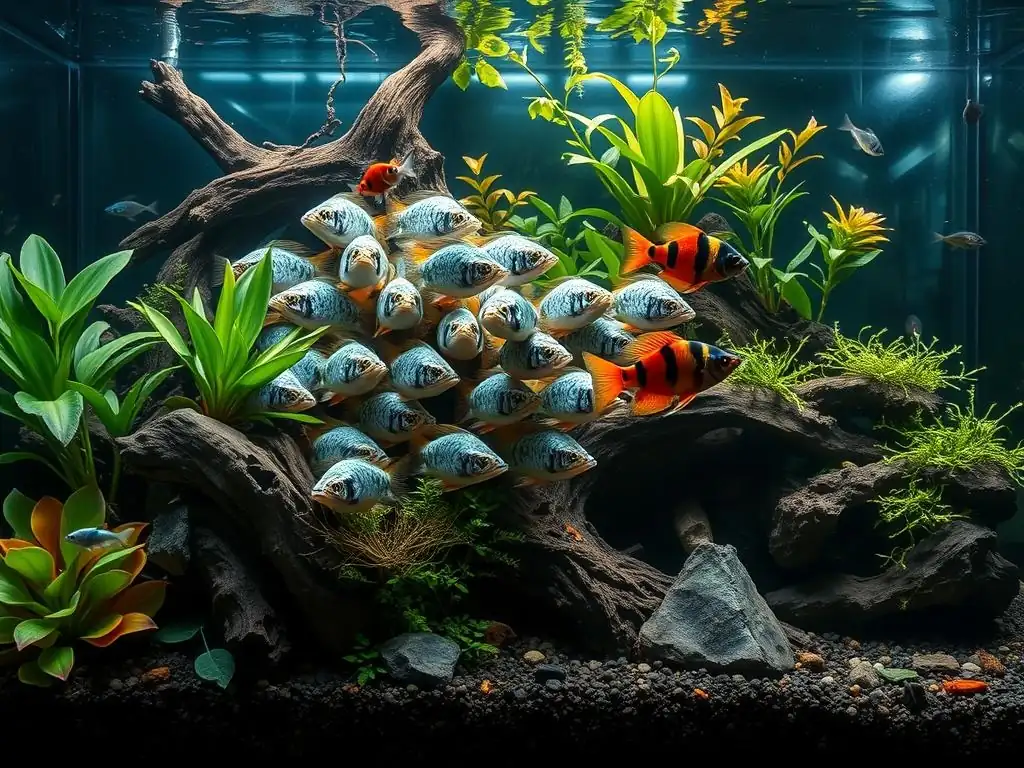
Welcome to Aquarium Mastery!
Ever been captivated by the adorable bandit mask of the Skunk Corydoras? This charming little fish, with its distinctive stripe, can truly bring life to your freshwater aquarium. Dive into our comprehensive Skunk Corydoras care guide and discover everything you need to know about keeping these captivating creatures happy and healthy. Intrigued? Keep reading to unlock the secrets to their successful care and unlock the beauty of these playful additions to your aquatic world!
- Understanding the Skunk Corydoras: An Introduction to Corydoras arcuatus
- Skunk Corydoras Care Guide: Creating the Ideal Environment
- Skunk Corydoras Diet and Feeding: Ensuring Proper Nutrition
- Skunk Corydoras Tank Mates: Choosing Compatible Species
- Skunk Corydoras Behavior and Temperament: Understanding Their Social Needs
- Skunk Corydoras Health and Disease: Prevention and Treatment
- Breeding Skunk Corydoras: A Challenging but Rewarding Endeavor
- Skunk Corydoras vs. Other Corydoras Species: A Comparison
- Where to Buy Skunk Corydoras: Finding Healthy Specimens
- Skunk Corydoras Care: Troubleshooting Common Issues
- The Allure of the Skunk Corydoras: A Final Word
- Frequently Asked Questions
- Final Reflection: Appreciating the Delicate Balance
- Unleash Your Inner Aquarist: Create a Vibrant Skunk Cory Paradise!
Understanding the Skunk Corydoras: An Introduction to Corydoras arcuatus
Skunk Corydoras: Origins and Natural Habitat
The Skunk Corydoras, scientifically known as Corydoras arcuatus, hails from the vast and diverse Amazon River basin in South America. Their natural range extends across several countries, including Brazil, Peru, Ecuador, and Colombia. These charming catfish are typically found in slow-moving tributaries, clearwater streams, and blackwater rivers, often inhabiting areas with soft, acidic water conditions. Their preferred habitats are characterized by dense vegetation, submerged roots, and an abundance of leaf litter, which provides both cover and a rich source of detritus and small invertebrates for foraging.
In their native environment, C. arcuatus thrive in environments where the substrate consists of fine sand or soft mud, allowing them to effortlessly sift through the bottom with their sensitive barbels in search of food. The presence of leaf litter and driftwood not only offers vital hiding spots from predators but also contributes to the stable, slightly acidic water chemistry they prefer. Understanding these natural conditions is paramount for providing optimal Skunk Corydoras care in a home aquarium, ensuring their health and mimicking their ancestral home.
Distinguishing Features: Identifying the Skunk Corydoras
The Skunk Corydoras is readily identifiable by its most prominent feature: a distinctive, arched black stripe that runs gracefully along its dorsal side. This "skunk" stripe originates near the snout, passes over the eye, and extends backward towards the caudal fin base, creating a striking contrast against its pale, often creamy white or light brown body. This unique marking gives the fish its common name and makes it a standout among other Corydoras species.
Beyond its signature stripe, the Skunk Corydoras possesses the classic armored body characteristic of the Corydoras genus, consisting of bony plates instead of scales. They typically reach a modest adult size of about 2 to 2.5 inches (approximately 5 to 6.5 cm), making them suitable for a variety of tank sizes. Like all Corydoras, they feature delicate, whisker-like barbels around their mouths, which are crucial sensory organs used for navigating and foraging in the substrate. Observing these features is a key part of ensuring you have Corydoras arcuatus and are providing appropriate Skunk Corydoras care.
Why Choose Skunk Corydoras for Your Aquarium?
Skunk Corydoras are an excellent choice for freshwater aquarists due to their peaceful temperament and engaging behaviors. Their small size and non-aggressive nature make them ideal candidates for community aquariums, where they coexist harmoniously with a wide range of other docile fish species. Their active bottom-dwelling habits add dynamic movement to the lower levels of the tank, as they constantly sift through the substrate in search of food particles, a fascinating sight for any observer.
Furthermore, C. arcuatus are relatively hardy fish once established in a well-maintained aquarium, capable of thriving for 5 to 8 years or even longer with proper Skunk Corydoras care. They are not demanding in terms of diet and contribute to tank cleanliness by consuming uneaten food, though they should never be relied upon as a sole "clean-up crew." Their unique appearance, combined with their peaceful disposition and ease of care, makes them a rewarding addition for both novice and experienced aquarists looking to enhance the biodiversity and aesthetic appeal of their freshwater setup.
Skunk Corydoras Care Guide: Creating the Ideal Environment
Tank Size and Setup for Skunk Corydoras
Providing an appropriate tank size is a fundamental aspect of comprehensive Skunk Corydoras care. While small, these fish are highly social and thrive in groups, necessitating a tank large enough to accommodate their schooling nature.
A minimum tank size of 15 to 20 gallons (approximately 57 to 76 liters) is recommended for a small group of 6 to 8 Skunk Corydoras. However, larger tanks, such as 30 gallons (113 liters) or more, are always preferable as they offer greater stability in water parameters and provide ample space for a larger, more natural school, leading to less stress and more pronounced natural behaviors.
When setting up the aquarium, prioritize a tank with a longer footprint rather than a tall one, as Skunk Corydoras primarily inhabit the bottom stratum and benefit from extended swimming and foraging areas. Filtration should be robust but produce a gentle flow; sponge filters or hang-on-back filters with a pre-filter sponge are excellent choices to prevent strong currents that can stress these small fish. Lighting should be moderate and diffused, perhaps with the help of floating plants, to mimic the shaded conditions of their natural habitat and encourage their activity.
Water Parameters: Maintaining Optimal Conditions for C. arcuatus
Maintaining precise and stable water parameters is crucial for successful Skunk Corydoras care. These fish thrive in soft to medium-hard water with a slightly acidic to neutral pH. Ideal temperature range falls between 72-79°F (22-26°C), with a pH level between 6.0 and 7.5. Water hardness (GH) should ideally be kept between 2-15 dGH. Consistency in these parameters is more important than hitting exact numbers, as sudden fluctuations can cause significant stress and lead to health issues.
Regular water changes are an indispensable part of their care regimen, with a recommended 25-30% water change weekly to keep nitrate levels low and prevent the buildup of harmful toxins. Skunk Corydoras are particularly sensitive to elevated levels of ammonia, nitrite, and nitrate, making a fully cycled aquarium an absolute necessity before introducing them. Monitoring water quality with a reliable test kit allows aquarists to proactively address any imbalances, ensuring a healthy and thriving environment for C. arcuatus.
Substrate and Decoration: Replicating the Skunk Corydoras' Natural Environment
The choice of substrate is arguably one of the most critical elements in providing proper Skunk Corydoras care. Their delicate barbels, which they use extensively to sift through the bottom for food, are highly susceptible to damage from sharp or abrasive substrates. Therefore, a fine, soft sand substrate is strongly recommended. Gravel, especially rough or jagged types, can cause barbel erosion, leading to infections and severe health problems. If gravel must be used, ensure it is extremely smooth and fine-grained, though sand remains the superior choice for their well-being.
Decorating the tank should focus on replicating their natural Amazonian habitat, providing ample hiding spots and areas of shade. Driftwood, smooth river rocks, and ceramic caves offer excellent retreats. Live plants are highly beneficial, particularly those with broad leaves like Anubias, Java Fern, or Cryptocoryne species, which provide resting places and cover. Floating plants such as Salvinia or Water Lettuce can further diffuse lighting, creating a more comfortable and secure environment for these shy bottom dwellers.
Skunk Corydoras Diet and Feeding: Ensuring Proper Nutrition
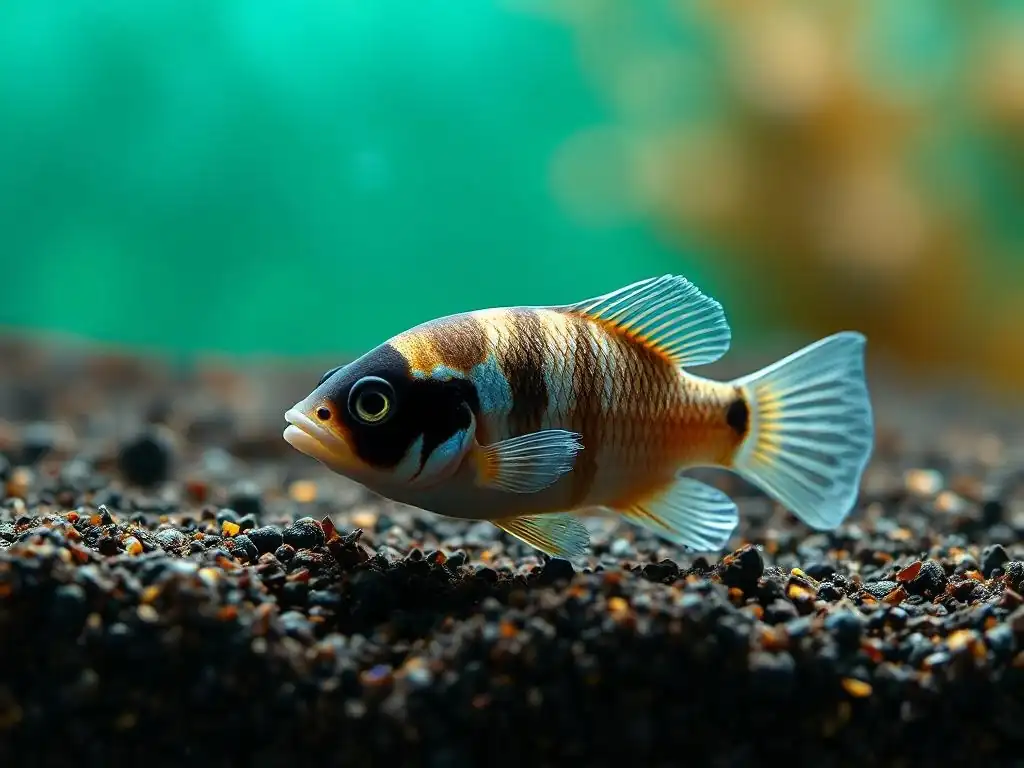
What to Feed Your Skunk Corydoras: A Balanced Diet
A balanced and varied diet is essential for comprehensive Skunk Corydoras care, ensuring their vitality and longevity. While they are often seen "cleaning up" uneaten food from the substrate, they are not scavengers in the true sense and require specific, nutritious foods. Their primary diet should consist of high-quality sinking pellets or wafers specifically formulated for bottom-feeding fish. These foods are designed to sink quickly, ensuring that the Corydoras receive adequate nutrition without competition from mid-water or surface dwellers.
To supplement their staple diet, offer a variety of live or frozen foods several times a week. Excellent choices include bloodworms, brine shrimp, daphnia, and tubifex worms, all of which provide essential proteins and nutrients. Additionally, finely crushed spirulina flakes or small pieces of blanched vegetables like zucchini or cucumber can be offered occasionally to provide necessary vegetable matter. This diverse diet mimics the varied food sources they would encounter in their natural habitat, from small invertebrates to decaying plant matter, contributing significantly to their overall health.
Feeding Frequency and Amount: Preventing Overfeeding
When it comes to feeding Skunk Corydoras, consistency and moderation are key to preventing common health issues such as bloating and poor water quality. It is generally recommended to feed them once or twice daily, offering small amounts of food that can be consumed within 15-20 minutes. In a community tank, it's crucial to ensure that the sinking foods actually reach the bottom and are not consumed by faster, more aggressive feeders before the Corydoras have a chance to eat. Feeding after the main lights are dimmed can help, as Corydoras are often more active during twilight hours.
Overfeeding is a common mistake that can lead to detrimental consequences, including elevated nitrate levels, increased ammonia and nitrite spikes, and obesity in the fish themselves. Uneaten food decomposes rapidly, fouling the water and creating an unhealthy environment. Always remove any uneaten food after the designated feeding time to maintain pristine water conditions, a critical component of effective Skunk Corydoras care. Observing their feeding behavior will help you fine-tune the appropriate amount of food to offer.
Skunk Corydoras Tank Mates: Choosing Compatible Species
Ideal Tank Mates for Skunk Corydoras: A Peaceful Community
Selecting appropriate tank mates is a crucial aspect of Skunk Corydoras care, as their peaceful and timid nature makes them vulnerable to aggression from larger or more boisterous species. Ideal companions are small, non-aggressive, and prefer the mid to upper levels of the aquarium, minimizing direct competition for space and food. Excellent choices include various species of Tetras, such as Neon Tetras, Cardinal Tetras, Ember Tetras, and Rummy-nose Tetras, which are known for their calm demeanor and schooling behavior.
Other suitable tank mates include peaceful Rasboras like Harlequin Rasboras, small Danios, and Otocinclus catfish, which are also excellent algae eaters and share similar water parameter requirements. Other peaceful Corydoras species can also be kept together, as they will form larger, more active schools. The key is to choose fish that are not prone to nipping fins, are roughly the same size or smaller, and will not outcompete the Skunk Corydoras for food, ensuring a harmonious and thriving community aquarium.
Fish to Avoid Keeping with Skunk Corydoras
To ensure the well-being of your Skunk Corydoras, it's equally important to know which fish to avoid. Any large, aggressive, or territorial species should be strictly excluded from a tank housing these peaceful bottom dwellers. This includes many cichlid species, such as African Cichlids or larger South American Cichlids, which can view small Corydoras as prey or become overly aggressive, leading to stress, injury, or even death.
Fin-nipping fish like Tiger Barbs, certain Gouramis, or overly aggressive Bettas can also cause significant stress and physical harm to Skunk Corydoras, especially to their delicate fins and barbels. Very active and boisterous fish that constantly dart around the tank might also cause undue stress and outcompete the slower-moving Corydoras for food. Prioritizing peaceful, similarly sized tank mates is paramount to effective Skunk Corydoras care and cultivating a stress-free environment for these charming catfish.
The Skunk Corydoras is a highly social species that thrives when kept in groups. Their natural behavior, comfort, and overall well-being are significantly enhanced by the presence of their own kind. It is strongly recommended to keep a minimum group of 6 Skunk Corydoras, though a school of 10 or more individuals will truly allow their natural schooling behaviors to flourish. Keeping them in smaller numbers or as solitary specimens can lead to increased stress, shyness, and a reluctance to exhibit their natural playful and foraging activities.
In a well-established school, Skunk Corydoras will exhibit more confidence, actively exploring the bottom of the tank, engaging in synchronized movements, and displaying their full range of natural behaviors. This social interaction reduces individual stress levels, making them less susceptible to illness and more engaging to observe. Providing a robust school is a cornerstone of proper Skunk Corydoras care, ensuring they feel secure and can express their innate social instincts.
Common Skunk Corydoras Behaviors to Observe
Observing the behaviors of your Skunk Corydoras can provide insights into their health and contentment. One of their most characteristic behaviors is "plowing" through the substrate, using their sensitive barbels to sift through sand in search of food particles. This constant activity is a sign of a healthy and happy Corydoras. Another common behavior is darting to the water surface for a quick gulp of air; this is normal for Corydoras, as they possess an accessory intestinal breathing mechanism, especially when oxygen levels are slightly lower or during periods of high activity.
You might also observe them resting on broad plant leaves or smooth rocks, often in groups, appearing almost motionless before suddenly bursting into activity again. Skunk Corydoras are generally more active during the day in a well-established and secure environment, though they may also forage during twilight hours. Their peaceful interactions within the school and with other tank mates, along with their constant bottom-level exploration, are all indicative of good Skunk Corydoras care and a thriving aquatic environment.
Skunk Corydoras Health and Disease: Prevention and Treatment
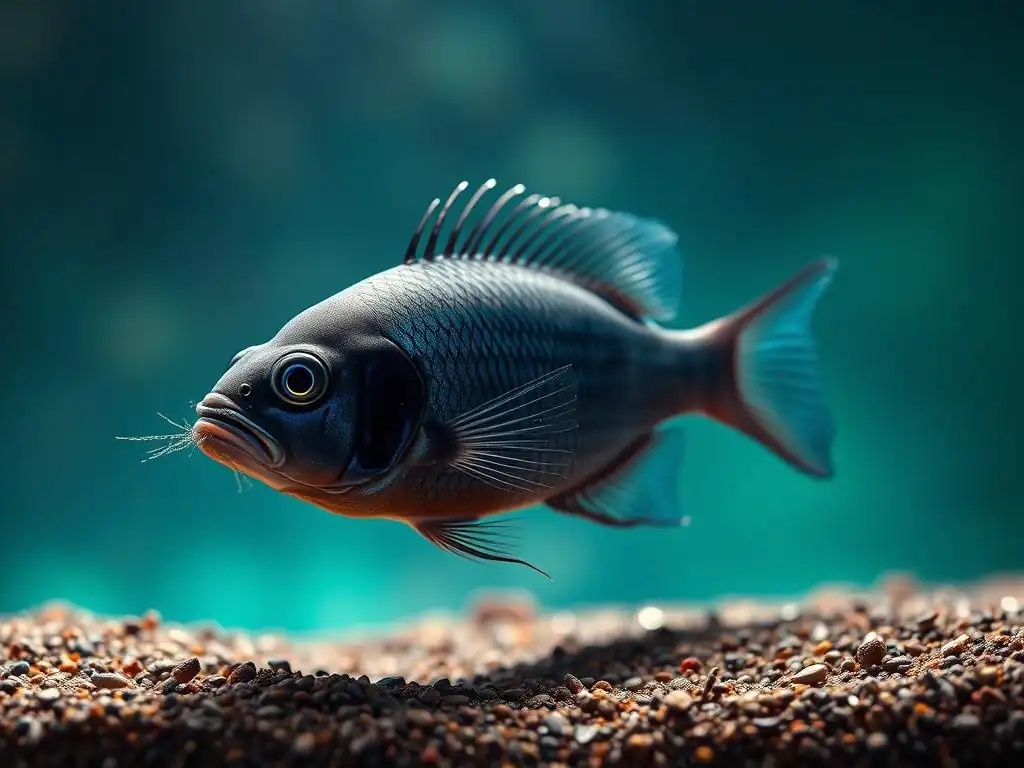
Recognizing Signs of Illness in Skunk Corydoras
Early detection of illness is vital for effective Skunk Corydoras care and successful treatment. Healthy Skunk Corydoras are typically active, constantly sifting the substrate, and exhibit clear, alert eyes with intact barbels. Signs of illness can manifest in various ways. Look for changes in behavior, such as lethargy, hiding excessively, or a sudden loss of appetite. Physical symptoms might include clamped fins held close to the body, abnormal swimming patterns (e.g., erratic movements, difficulty maintaining buoyancy), or visible spots, lesions, or growths on their body.
Other indicators of poor health include discoloration, such as dullness in their normally vibrant markings, or the presence of fuzzy patches (fungus), white spots (Ich), or frayed fins. Swelling, particularly in the abdomen, can indicate internal issues like bloat. Any deviation from their normal appearance or behavior warrants immediate investigation of water parameters and a closer inspection of the fish itself, as prompt action can often prevent a minor issue from escalating.
Common Diseases Affecting Skunk Corydoras and Their Treatments
Skunk Corydoras, like all aquarium fish, are susceptible to common freshwater diseases, often exacerbated by poor water quality or stress. Ich (Ichthyophthirius multifiliis), or white spot disease, is one of the most prevalent, appearing as small white dots resembling salt grains on the body and fins. It is typically treated by gradually raising the water temperature to 82-86°F (28-30°C) for several days (if tank mates can tolerate it) and using over-the-counter Ich medications containing malachite green or formalin, following product instructions carefully.
Fin rot, often a bacterial infection, presents as frayed, ragged, or disintegrating fins, sometimes with a red or white edge. This usually stems from poor water conditions (high nitrates) or physical injury. Treatment involves significant water changes, improving filtration, and using broad-spectrum antibacterial medications.
Barbel erosion, characterized by shortened or missing barbels, is almost always due to an abrasive substrate or consistently poor water quality; remediation involves switching to fine sand and rigorous water maintenance. Bloating can be caused by overfeeding or an improper diet; fasting for a few days and offering blanched, deshelled peas can help. Always ensure proper diagnosis before administering any medication.
Skunk Corydoras Quarantine Procedures: Protecting Your Aquarium
Implementing a strict quarantine procedure for all new fish is an indispensable part of preventative Skunk Corydoras care. Introducing new fish directly into your main display tank carries a significant risk of introducing diseases, parasites, or harmful bacteria that can devastate your existing fish population. A dedicated quarantine tank, typically a 10-gallon (38-liter) setup, is highly recommended for this purpose.
The quarantine tank should be equipped with a heater, a gentle sponge filter (to avoid strong currents), and some PVC pipes or smooth decorations for hiding spots. It's best to avoid substrate in a quarantine tank for easier cleaning and observation. New Skunk Corydoras should be kept in this tank for a minimum of 2 to 4 weeks.
During this period, observe them closely for any signs of illness, feed them a healthy diet, and perform regular small water changes. If any signs of disease appear, treatment can be administered in the quarantine tank without exposing your main aquarium inhabitants, safeguarding the health of your established community.
Breeding Skunk Corydoras: A Challenging but Rewarding Endeavor
Setting Up a Breeding Tank for Skunk Corydoras
Breeding Skunk Corydoras can be a challenging yet highly rewarding experience for dedicated aquarists. To maximize success, a dedicated breeding tank is essential. A 10 to 20-gallon (38 to 76-liter) tank is typically sufficient for a breeding group of 3-4 males to 1 female, or a larger group of 6-8 individuals. The tank should have a bare bottom or a very thin layer of fine sand for easy cleaning and egg collection. A gentle sponge filter is ideal for filtration, providing biological filtration without creating strong currents that could harm eggs or fry.
For spawning surfaces, include spawning mops (made from yarn), broad-leafed plants like Anubias or Java Fern, or even smooth, clean tiles or slate. Maintaining specific water parameters is crucial: aim for slightly cooler temperatures, around 70-72°F (21-22°C), and very soft, slightly acidic water (pH 6.5-7.0, GH 2-6 dGH). Ensuring these conditions and providing a stress-free environment are key components of Skunk Corydoras care for breeding purposes.
Inducing Spawning in Corydoras arcuatus
Inducing spawning in Corydoras arcuatus often requires simulating the conditions of their natural rainy season. This typically involves performing large, cool water changes daily or every other day. Replace about 50% of the tank water with fresh, dechlorinated water that is 5-10°F (3-6°C) cooler than the tank's current temperature. This drop in temperature, combined with the influx of fresh water, mimics the onset of the rainy season and often triggers spawning behavior.
Alongside cool water changes, significantly increase the feeding of high-protein live and frozen foods, such as bloodworms, brine shrimp, and daphnia, to condition the fish for breeding. When ready to spawn, the Corydoras will often exhibit a characteristic "T-position" where the male clasps the female's barbels with his pectoral fin, and she releases eggs into a pouch formed by her pelvic fins.
The female then swims to a suitable surface (glass, plant, or mop) and deposits the adhesive eggs, usually laying between 100 to 300 eggs per spawn. Once spawning is complete, it is advisable to remove the adult fish to prevent them from consuming the eggs.
Raising Skunk Corydoras Fry: From Eggs to Juvenile Fish
Raising Skunk Corydoras fry requires diligent care and pristine water conditions. The adhesive eggs, typically laid on tank glass or spawning mops, will hatch in approximately 3-5 days, depending on the water temperature. Once hatched, the fry are incredibly tiny and will initially feed on their yolk sacs for the first 2-3 days. After the yolk sac is absorbed, they require microscopic food sources such as infusoria or specialized liquid fry food.
Within a few days, as they grow slightly, they can be transitioned to newly hatched brine shrimp nauplii or microworms, which are excellent first foods that provide essential nutrients for rapid growth. Maintaining impeccable water quality is paramount during this stage; perform small, frequent water changes (e.g., 10-15% daily) to prevent nitrate buildup, as fry are extremely sensitive to pollutants. With consistent feeding and clean water, the fry will grow rapidly, reaching juvenile size within 4-6 weeks, ready to join a larger community or be moved to a grow-out tank.
Skunk Corydoras vs. Other Corydoras Species: A Comparison
Skunk Corydoras vs. False Skunk Corydoras (C. similis): Key Differences
When discussing Skunk Corydoras care, it's important to distinguish Corydoras arcuatus from other similar-looking species, particularly the False Skunk Corydoras ( Corydoras similis). While both possess a prominent black stripe, there are subtle yet distinct differences. The stripe on C. arcuatus is typically a clean, elegant, and distinctly arched line that extends smoothly from the snout over the eye to the caudal fin base. It often appears thinner and more gracefully curved.
In contrast, the stripe on C. similis tends to be straighter, often thicker, and may have a slight "hook" or break near the tail. Additionally, C. similis might exhibit a more robust or slightly stockier body profile compared to the more elongated and streamlined appearance of C. arcuatus. While both are peaceful and share similar care requirements, accurate identification ensures you are providing species-specific Skunk Corydoras care and appreciating the unique beauty of each.
Skunk Corydoras vs. Elegant Corydoras (C. elegans): Which is Right for You?
Another common point of comparison in the world of Corydoras is between the Skunk Corydoras ( C. arcuatus) and the Elegant Corydoras ( Corydoras elegans). The primary distinguishing factor lies in their coloration and pattern. While C. arcuatus is defined by its striking black arched stripe, C. elegans lacks this distinct band. Instead, the Elegant Corydoras features a more mottled, spotted, or marbled pattern across its body, often with a series of irregular dark spots or blotches that create a camouflaged appearance.
In terms of size, C. elegans is generally slightly smaller, typically reaching about 1.5 to 2 inches (3.8 to 5 cm) in length, compared to the Skunk Corydoras' 2 to 2.5 inches. Both are peaceful, schooling bottom dwellers suitable for community tanks and share similar general Skunk Corydoras care principles. However, C. elegans might prefer slightly cooler temperatures and a tank with a bit more dense vegetation to feel secure. The choice between the two largely depends on your aesthetic preference for patterning and the specific subtle environmental conditions you wish to provide.
Where to Buy Skunk Corydoras: Finding Healthy Specimens
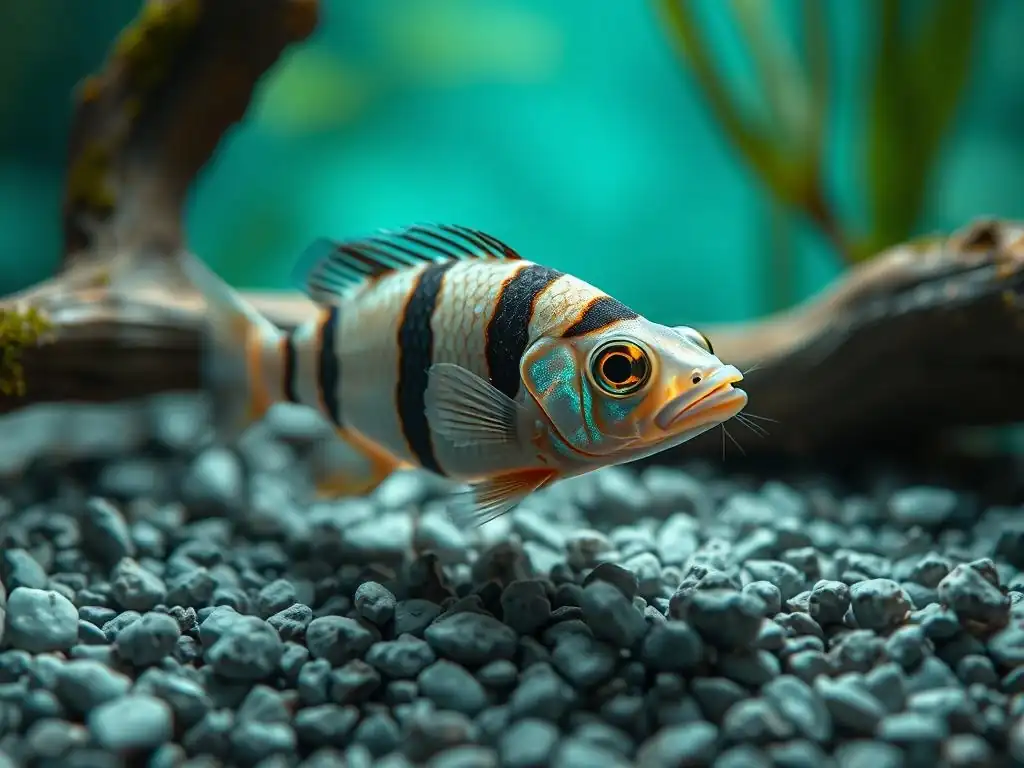
Selecting Healthy Skunk Corydoras at Your Local Fish Store
When purchasing Skunk Corydoras from a local fish store, careful observation is key to ensuring you bring home healthy specimens. Look for fish that are active and alert, constantly sifting through the substrate or swimming confidently within their group. Their barbels should be intact, not shortened, red, or frayed, which can be a sign of poor substrate or water quality in the store's tank. Their bodies should be full and well-rounded, without any signs of emaciation or bloating.
Observe their fins for any signs of clamping, tears, or white spots (Ich). Their eyes should be clear and bright, and their coloration vibrant. Also, take a moment to assess the overall condition of the tank they are housed in: the water should be clear, there should be no dead or visibly diseased fish, and their tank mates should appear healthy. Don't hesitate to ask the store staff about their feeding regimen, water parameters, and how long the fish have been in stock, as this information contributes to making an informed decision for successful Skunk Corydoras care.
Purchasing Skunk Corydoras Online: Reputable Breeders and Retailers
Purchasing Skunk Corydoras online can be a convenient option, especially for finding specific species or larger quantities, but it requires careful selection of reputable breeders and retailers. Before making a purchase, thoroughly research the seller's reputation by reading customer reviews and testimonials. Look for online stores that specialize in freshwater fish and specifically mention their dedication to quality and ethical practices. Reputable sellers often provide detailed information about their fish, including origin (wild-caught vs. captive-bred), size, and current health status.
Ensure the seller offers a live arrival guarantee, which indicates their confidence in their packaging and shipping methods. Good packaging typically involves insulated boxes, heat or cold packs depending on the weather, and proper bagging to minimize stress during transit. Confirm their shipping policies, including the chosen carrier and estimated delivery time, especially considering the sensitivity of live fish to prolonged journeys. Many online retailers and dedicated breeders offer healthy, captive-bred Skunk Corydoras, which are often hardier and less prone to disease than wild-caught specimens, contributing to better long-term Skunk Corydoras care.
Skunk Corydoras Care: Troubleshooting Common Issues
Addressing Barbels Erosion in Skunk Corydoras
Barbel erosion is a common and distressing issue in Corydoras, often stemming from improper Skunk Corydoras care. This condition manifests as shortened, reddened, or completely missing barbels, which are crucial for their foraging and sensory perception. The primary causes are typically an abrasive substrate, such as sharp or coarse gravel, which grinds down their delicate barbels as they sift for food, or consistently poor water quality, particularly high levels of nitrates, ammonia, or nitrites, which can lead to bacterial infections.
To address barbel erosion, immediate action is required. First, if your substrate is coarse, replace it with fine, soft sand. This is the most critical step. Second, diligently perform daily small water changes (e.g., 10-15%) to rapidly improve water quality and reduce pollutant levels. Ensure your filtration system is adequate and functioning correctly. In many cases, with improved environmental conditions, the barbels can slowly regenerate over several weeks or months. If signs of bacterial infection are present (e.g., redness, fuzziness), a broad-spectrum antibacterial medication can be considered, but improving water quality and substrate are paramount.
Resolving Bloating in Skunk Corydoras
Bloating in Skunk Corydoras is another common health concern that can often be resolved with proper Skunk Corydoras care adjustments. This condition is characterized by a visibly swollen abdomen, sometimes accompanied by lethargy, difficulty swimming, or a loss of appetite. The most frequent causes of bloating are overfeeding, an imbalanced diet (too much dry, protein-rich food without sufficient roughage or live/frozen foods), or internal bacterial infections.
To address bloating, first, cease feeding the affected fish for 2-3 days to allow its digestive system to clear. After this fasting period, offer easily digestible foods. Blanched, deshelled peas are an excellent natural laxative and can often help relieve constipation-related bloating.
Daphnia, a small crustacean, is also a good choice as it acts as a mild laxative. If the bloating persists or is accompanied by other severe symptoms, it might indicate an internal bacterial infection, in which case a medicated food containing a broad-spectrum antibiotic may be necessary. Review your feeding regimen to prevent future occurrences, ensuring a varied diet and avoiding overfeeding.
The Allure of the Skunk Corydoras: A Final Word
Skunk Corydoras: A Rewarding Addition to Your Freshwater Aquarium
The Skunk Corydoras ( Corydoras arcuatus) is truly a delightful and rewarding addition to any freshwater aquarium. Their peaceful demeanor, active bottom-dwelling habits, and distinctive "bandit-masked" appearance make them a captivating focal point in a community tank. They are relatively hardy and, with diligent Skunk Corydoras care, can thrive for many years, offering consistent enjoyment to their keepers. Their social nature means they bring a lively dynamic to the lower strata of the tank, constantly sifting through the substrate and interacting with their schoolmates.
From their origins in the Amazon to their potential for breeding in the home aquarium, the Skunk Corydoras offers a complete and enriching experience for aquarists of all levels. By understanding their needs for specific water parameters, a soft substrate, a balanced diet, and appropriate tank mates, you can create an environment where these charming catfish not only survive but truly flourish. Embracing proper Skunk Corydoras care ensures that these bandit-masked beauties will be a vibrant and cherished part of your aquatic world for years to come.
Frequently Asked Questions
What are the ideal water parameters for keeping Skunk Corydoras?
Skunk Corydoras thrive in slightly acidic to neutral water (pH 6.0-7.5), with a temperature range of 72-78°F (22-26°C). Maintaining good water quality is crucial.
What should I feed my Skunk Corydoras to ensure their health?
These bottom-dwellers are omnivores, requiring a varied diet. Offer them high-quality sinking pellets or wafers supplemented with live or frozen foods like bloodworms and daphnia.
How many Skunk Corydoras should I keep together?
Skunk Corydoras are social fish and should be kept in groups of at least six. This helps them feel secure and encourages natural behaviors.
What are some common health problems that affect Skunk Corydoras?
They are generally hardy, but susceptible to issues caused by poor water quality, such as fin rot and fungal infections. Always prioritize regular water changes.
What tankmates are suitable for Skunk Corydoras?
Skunk Corydoras are peaceful and do well with other peaceful community fish of similar size. Avoid aggressive or fin-nipping species that could stress them.
Final Reflection: Appreciating the Delicate Balance
The journey into understanding the Skunk Corydoras, as we've explored, reveals more than just the intricacies of aquarium keeping; it highlights the fragile beauty of the Amazonian ecosystem and our responsibility in preserving it. These captivating fish, with their distinctive markings and peaceful nature, serve as a constant reminder of the biodiversity we stand to lose if we fail to act responsibly.
The allure of the Skunk Corydoras extends beyond the aquarium glass, influencing our appreciation for the natural world and the interconnectedness of all living things. My own fascination with these little fish has deepened my commitment to sustainable practices and responsible sourcing within the aquarium hobby. In the end, we will conserve only what we love; we will love only what we understand; and we will understand only what we are taught.
- Baba Dioum's words resonate deeply, urging us to educate ourselves and others about the importance of conservation.
Now, as you close this guide, consider the role you play in the larger narrative. Let the Skunk Corydoras inspire you to become a more conscious consumer, a more informed advocate for environmental protection, and a more dedicated steward of our planet's precious resources. Embrace the opportunity to learn, to share, and to act, ensuring that future generations can also marvel at the bandit-masked beauty of the Amazon.
Unleash Your Inner Aquarist: Create a Vibrant Skunk Cory Paradise!
Thanks for diving into the fascinating world of Skunk Corydoras! We hope you've gained a deeper appreciation for these charming little fish and their vital role in a healthy aquarium. Now, let's put that knowledge into action and create the perfect environment for them to thrive.
Here's how you can take your aquarium keeping to the next level:
- Begin planning your Skunk Cory community tank. Consider tank size, compatible tank mates, and the ideal environment to mimic their natural habitat. Prioritize their well-being!
- Explore the possibilities! Research unconventional plants and decorations that can enrich your Skunk Corydoras' environment and stimulate their natural behaviors. Think beyond the typical!
- Share your newfound knowledge! Tell other aquarium enthusiasts about the unique charm of Skunk Corydoras. You might even inspire them to embrace these amazing fish!
Ready to start sketching out your dream Skunk Cory tank? What's the first thing you'll add to make it their ideal home?