
Ideal Tank Size for Corydoras: How Much Space Do They Really Need?

Welcome to Aquarium Mastery!
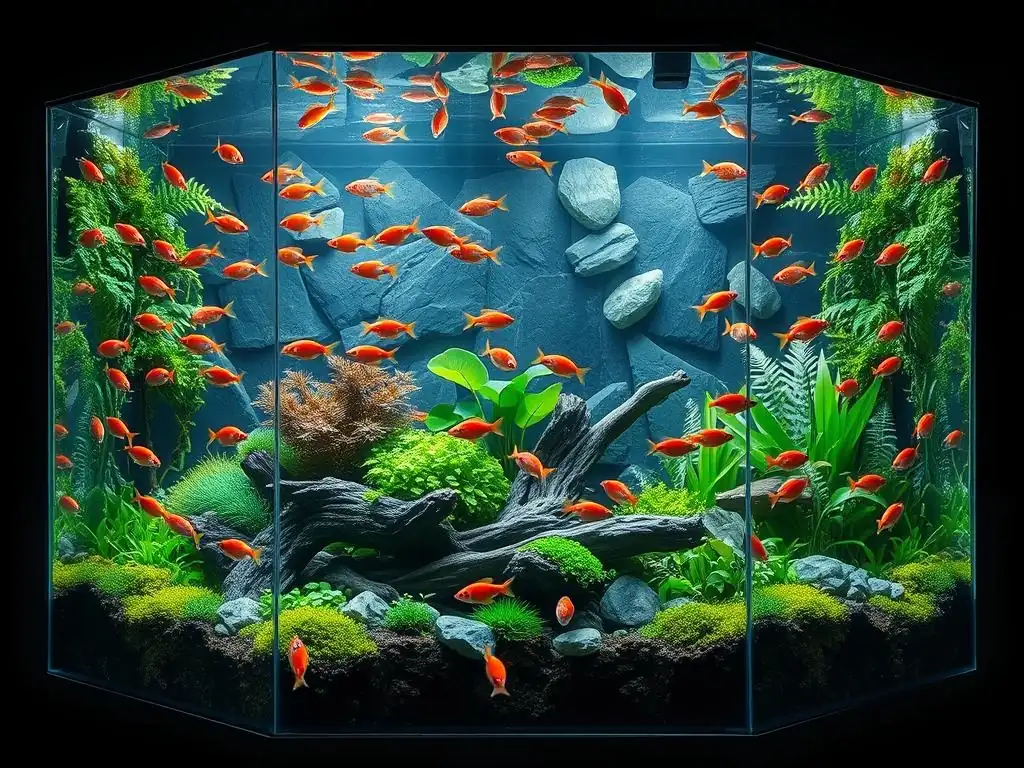
Ever wondered if your adorable Corydoras are truly thriving in their current home? Discover the crucial Corydoras tank size requirements and unlock the secrets to a happy, healthy, and flourishing aquarium for these charming bottom-dwellers. Dive in and let's ensure your Corydoras have all the space they need to shine!
- Understanding Corydoras Behavior and Space Needs
- Corydoras Tank Size Requirements: A Species-Specific Guide
- Factors Affecting Corydoras Tank Size Selection
- Setting Up the Ideal Corydoras Aquarium: Beyond Tank Size
- Signs of Stress in Corydoras Due to Insufficient Tank Size
- Corydoras Tank Size FAQs: Addressing Common Concerns
- Conclusion: Providing the Best Environment for Your Corydoras
-
Frequently Asked Questions
- What is the minimum tank size recommended for keeping Corydoras?
- How many Corydoras should I keep together?
- Does the type of Corydoras affect the tank size requirements?
- What happens if I keep Corydoras in a tank that is too small?
- Besides size, what other tank conditions are important for Corydoras?
- Final Reflection: The Ripple Effect of Responsible Fishkeeping
- Unlock the Secret to Happy Corydoras!
Understanding Corydoras Behavior and Space Needs
Why Tank Size Matters for Corydoras Welfare
The size of an aquarium plays a pivotal role in the overall health and well-being of Corydoras catfish. Insufficient space directly contributes to chronic stress, which can manifest as stunted growth, a weakened immune system, and increased susceptibility to common fish diseases like Ich (white spot disease) and fin rot. When confined, Corydoras may also exhibit abnormal behaviors, such as frantic darting or excessive hiding, rather than their natural schooling and foraging activities.
Furthermore, inadequate Corydoras tank size can lead to elevated aggression among individuals or towards other tank mates due to competition for limited resources like food and hiding spots. Proper space allows these social fish to establish a natural hierarchy and exhibit their intricate schooling behaviors, which are crucial for their mental and physical health. A tank that provides ample horizontal swimming space, especially along the bottom, is essential for these active bottom-dwellers to thrive.
Corydoras Natural Habitat and Its Influence on Tank Size
In their native South American habitats, Corydoras catfish typically inhabit slow-moving rivers, streams, and floodplains. These environments are characterized by vast, open areas with soft, sandy substrates, abundant leaf litter, and often dense vegetation along the banks. They live in large schools, constantly sifting through the substrate for food and exploring their surroundings without spatial limitations.
This natural environment heavily influences the optimal Corydoras tank size requirements. Replicating the sense of open space, even within an enclosed aquarium, is vital. While we cannot provide infinite space, a larger footprint allows them to engage in their natural foraging behaviors, swim freely as a school, and retreat to safe spots without feeling perpetually confined. The availability of clear swimming paths and diverse exploration areas directly contributes to their overall vitality and longevity in captivity.
Corydoras Tank Size Requirements: A Species-Specific Guide
Minimum Tank Size for Smaller Corydoras Species (e.g., Pygmy Corydoras)
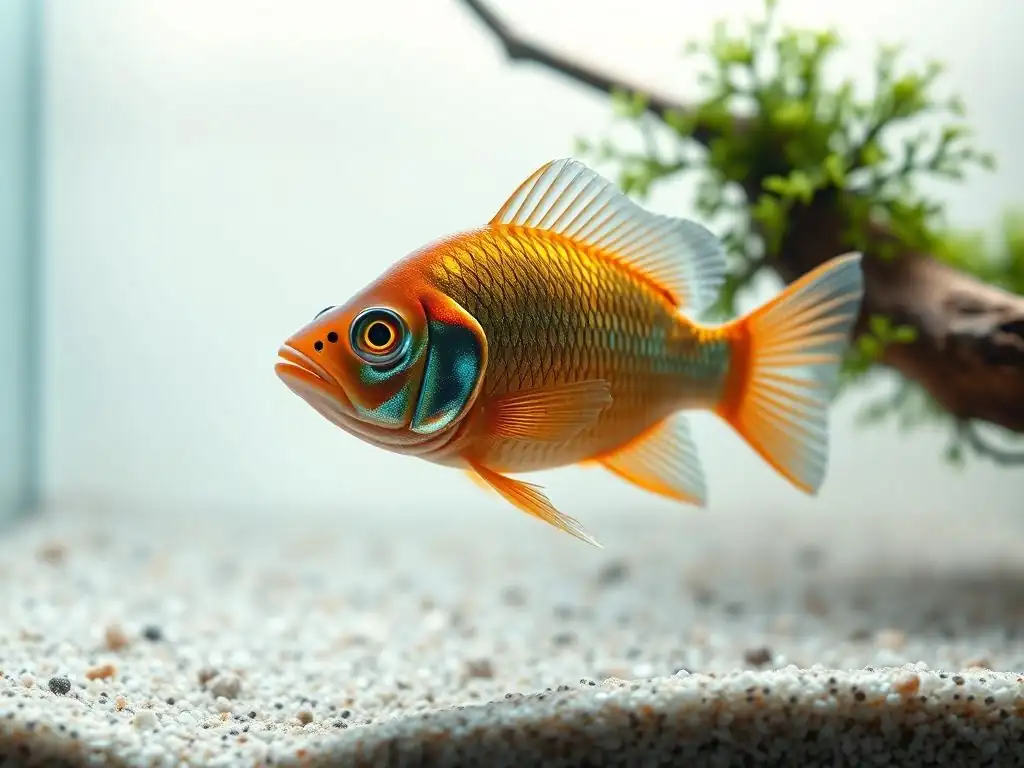
Smaller Corydoras species, such as the Pygmy Corydoras ( Corydoras pygmaeus), Dwarf Corydoras ( Corydoras hastatus), and Salt and Pepper Corydoras ( Corydoras habrosus), typically reach an adult size of about 1 to 1.2 inches (2.5-3 cm). While their diminutive size might suggest suitability for very small tanks, their active and schooling nature dictates a more generous approach to Corydoras tank size requirements.
For a healthy school of 6-8 individuals of these miniature species, a minimum tank size of 10 gallons (approximately 38 liters) is generally recommended. It is crucial to prioritize a "long" tank style over a "high" one, as the increased horizontal footprint provides significantly more usable swimming and foraging area for these bottom-dwelling fish. This allows them to school effectively and reduces stress, promoting natural behaviors.
Recommended Tank Size for Medium-Sized Corydoras (e.g., Bronze Corydoras)
Medium-sized Corydoras species are among the most popular in the aquarium hobby, including the Bronze Corydoras ( Corydoras aeneus), Peppered Corydoras ( Corydoras paleatus), and Three-Stripe Corydoras ( Corydoras trilineatus). These species typically grow to an adult length of 2 to 2.5 inches (5-6.5 cm). Their slightly larger size and energetic schooling behavior necessitate more substantial Corydoras tank size considerations.
For a group of 6-8 medium-sized Corydoras, a minimum tank size of 20 gallons (approximately 76 liters) is advisable. Again, a 20-gallon long aquarium is significantly better than a 20-gallon high, as it provides a longer footprint for swimming and exploring the substrate. This ensures adequate space for their schooling activities and reduces competition, leading to a more harmonious environment for the entire group.
Larger Corydoras Species: Tank Size Considerations (e.g., Emerald Corydoras)
Some Corydoras species, or those often mistaken for true Corydoras due to similar care, can grow considerably larger than their common counterparts. Examples include the Emerald Corydoras ( Brochis splendens), which can reach 3.5-4 inches (9-10 cm), and species like Corydoras sterbai and Corydoras adolfoi, which typically max out around 2.5-3 inches (6.5-7.5 cm) but have a more robust body shape.
For a school of 6-8 of these larger or more robust species, a minimum Corydoras tank size of 30 gallons (approximately 114 liters) is recommended. For species like the Emerald Corydoras, a 40-gallon breeder tank (which offers a larger footprint than a standard 40-gallon) is often preferred to provide ample room for their adult size and active behavior. These larger tanks allow for better water stability and more complex aquascaping, which benefits these more substantial bottom-dwellers.
Factors Affecting Corydoras Tank Size Selection
Corydoras are highly social fish and thrive when kept in groups. A minimum school size of six individuals is generally recommended for their well-being, though a group of 8-10 or more is even better. Keeping fewer than this can lead to stress, shyness, and a lack of natural schooling behaviors. As the number of Corydoras increases, so too do their Corydoras tank size requirements to accommodate their collective need for space.
Each additional fish contributes to the overall bio-load of the aquarium, impacting water quality and the available swimming area. While a general rule of thumb might be "one inch of fish per gallon," this is a vastly oversimplified metric, especially for schooling bottom-dwellers. For instance, a group of six 2.5-inch Bronze Corydoras collectively represents 15 inches of fish, but they require significantly more than a 15-gallon tank to allow for proper schooling, foraging, and waste dispersion.
Substrate and Decoration: Impact on Usable Tank Area for Corydoras
The choice and depth of substrate, along with the arrangement of decorations, significantly influence the actual usable space for Corydoras within an aquarium. Corydoras spend the majority of their time sifting through the substrate with their delicate barbels. A deep substrate layer, especially if it's very fine sand, can reduce the overall water volume and the effective swimming area above it.
Similarly, while decorations like driftwood, rocks, and live plants provide essential hiding spots and enrichment, they also occupy valuable real estate. When planning your Corydoras tank size and layout, it's crucial to balance the need for cover and visual interest with the necessity of leaving ample open substrate area for foraging and clear swimming paths for the school. An overly cluttered tank, even if technically meeting the gallon requirement, can feel much smaller to the fish and compromise their well-being.
Tank Mates for Corydoras: Considering Overall Bio-Load and Space
When selecting tank mates for Corydoras, it's not just about compatibility; it's also about the cumulative impact on the overall bio-load and the available space. Corydoras are peaceful bottom-dwellers, and ideal tank mates typically occupy the middle or upper levels of the tank, such as small tetras (e.g., Neon Tetras, Rummy Nose Tetras), rasboras, or small peaceful schooling fish.
Each additional fish, regardless of its size or swimming level, contributes to the biological waste production and demands a share of the tank's resources, including oxygen and swimming room. Therefore, the stated Corydoras tank size requirements for a species often assume it's the primary inhabitant or part of a very lightly stocked community.
If you plan to add a school of 10 Neon Tetras and a few Otocinclus catfish to a tank with 6 Bronze Corydoras, you would likely need to upgrade from a 20-gallon long to a 30-40 gallon tank to ensure adequate space and stable water quality for all residents.
Setting Up the Ideal Corydoras Aquarium: Beyond Tank Size
Essential Equipment for a Healthy Corydoras Tank Environment
Beyond the appropriate Corydoras tank size, several pieces of essential equipment are crucial for establishing and maintaining a healthy environment. A reliable filtration system is paramount; sponge filters are excellent for Corydoras tanks due to their gentle flow and biological filtration capabilities, while hang-on-back (HOB) or canister filters with baffled outputs can also work. The filter should be sized appropriately for the tank volume, ensuring efficient removal of waste without creating strong currents that stress the fish.
A heater is also necessary to maintain a stable water temperature, typically between 72-78°F (22-26°C), which is within their preferred range. While Corydoras don't require intense lighting, moderate illumination sufficient for any live plants you choose is suitable. Additionally, an air stone connected to an air pump can provide extra oxygenation, especially beneficial in heavily planted tanks or those with a higher bio-load. A reliable thermometer and a comprehensive water testing kit (for ammonia, nitrite, nitrate, and pH) are non-negotiable tools for monitoring water parameters.
Maintaining Optimal Water Parameters for Corydoras Health
Consistent and optimal water parameters are fundamental to the long-term health of Corydoras, regardless of the Corydoras tank size. These fish generally prefer soft to medium-hard water with a general hardness (GH) ranging from 2-15 dGH, and a slightly acidic to neutral pH between 6.0 and 7.5. Fluctuations in these parameters can cause significant stress.
Crucially, ammonia and nitrite levels must always be at 0 parts per million (ppm), as even trace amounts are highly toxic. Nitrate levels should ideally be kept below 20 ppm through regular aquarium maintenance. Performing weekly water changes of 25-30% of the tank's volume is vital for diluting nitrates, replenishing essential minerals, and removing accumulated organic waste. This routine, combined with proper filtration, ensures a stable and healthy aquatic environment, allowing Corydoras to thrive and exhibit their natural behaviors.
Choosing the Right Substrate for Corydoras: Protecting Their Barbels
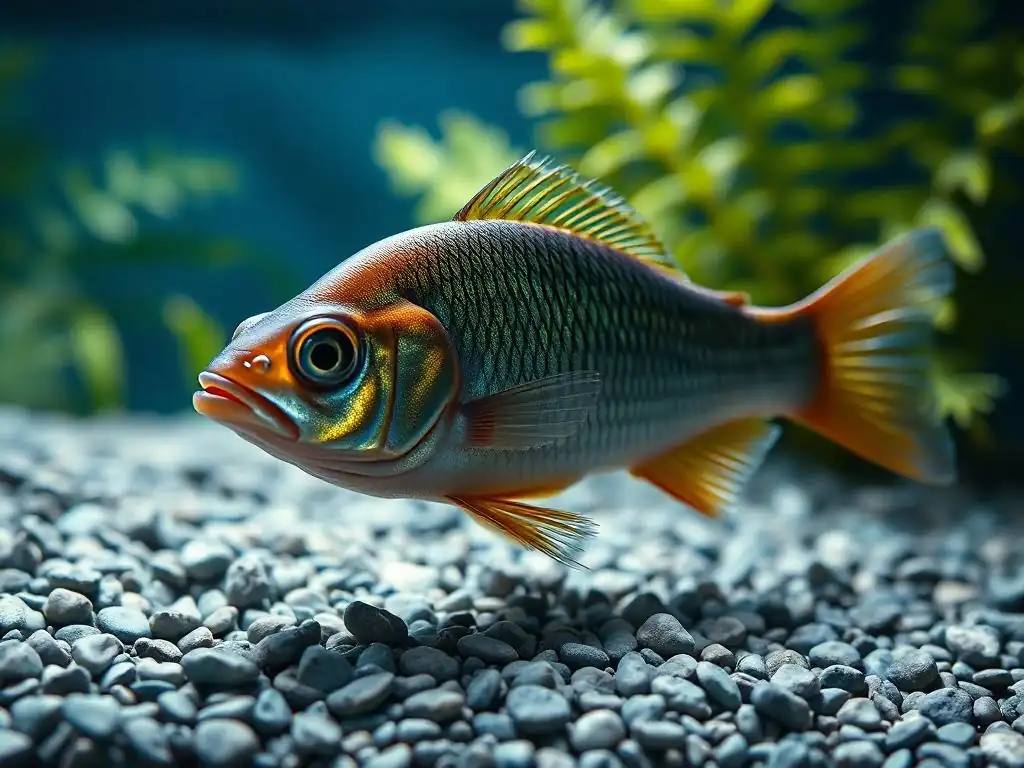
The substrate choice is one of the most critical considerations for a Corydoras aquarium, directly impacting their health and ability to forage naturally. Corydoras possess delicate sensory barbels around their mouths, which they use to sift through the substrate in search of food particles. Fine, soft sand is by far the most suitable substrate for these fish.
Materials like pool filter sand, play sand (after thorough rinsing), or specialized aquarium sand allow Corydoras to dig and sift without damaging their barbels. Using coarse or sharp gravel can abrade and injure their barbels, leading to infections, difficulty feeding, and chronic stress. While some aquarists use very smooth, rounded gravel, sand remains the superior choice for promoting natural behavior and protecting these vital sensory organs. Prioritizing a sand substrate is a key component of providing an ideal environment for Corydoras, complementing appropriate Corydoras tank size.
Signs of Stress in Corydoras Due to Insufficient Tank Size
Identifying Stress Behaviors in Corydoras
Recognizing signs of stress in Corydoras is crucial for timely intervention, especially if the underlying issue is insufficient Corydoras tank size. Stressed Corydoras may exhibit frantic, darting movements, or, conversely, become unusually lethargic and withdrawn, spending excessive time hiding. Gasping at the surface, especially if not related to low oxygen levels, can be a sign of poor water quality often exacerbated by overcrowding.
Other indicators include clamped fins, pale or dull coloration (a loss of their vibrant patterns), and a noticeable loss of appetite. Aggression towards other tank inhabitants, including their own species, can also escalate when space is limited. Chronically stressed Corydoras are also more susceptible to opportunistic diseases like Ich, fungal infections, and bacterial fin rot, as their immune systems are compromised.
Addressing Overcrowding Issues in Your Corydoras Tank
If you observe signs of stress that point to an overcrowded Corydoras tank size, immediate action is necessary. The first steps should involve increasing the frequency and volume of water changes (e.g., 50% daily or every other day) to rapidly reduce nitrate levels and improve water quality. Temporarily reducing feeding can also help decrease the bio-load.
For a long-term solution, the most effective measure is to either upgrade to a larger aquarium that meets the appropriate Corydoras tank size requirements for your specific species and number of fish, or to rehome some of the fish to reduce the population. Re-evaluating your stocking plan and ensuring all tank mates are compatible and not contributing to the stress is also vital. Proactive planning and adherence to recommended stocking densities are far more beneficial than reacting to symptoms of overcrowding.
Corydoras Tank Size FAQs: Addressing Common Concerns
Can I Keep Corydoras in a Nano Tank?
Generally, no, it is not recommended to keep Corydoras in nano tanks (aquariums typically under 10 gallons). While some of the smallest species, like Pygmy Corydoras, are tiny, their active schooling nature and need for horizontal swimming space make even a 5-gallon tank too restrictive. A 10-gallon long tank is considered the absolute minimum for a small school of Pygmies.
Nano tanks present several challenges that are detrimental to Corydoras well-being. Their small water volume leads to rapid fluctuations in water parameters, making it difficult to maintain stable conditions. There is also insufficient space to house a proper school of six or more individuals, and limited footprint for foraging, which can lead to stress, stunted growth, and a reduced lifespan for these social, bottom-dwelling fish. The Corydoras tank size requirements prioritize horizontal space for their active lifestyle.
What Happens if My Corydoras Tank is Too Small?
If a Corydoras tank is too small, a cascade of negative effects will impact the fish's health and behavior. Foremost, the fish will experience chronic stress due to confinement and lack of adequate swimming space, leading to a weakened immune system and increased susceptibility to diseases. Their growth may become stunted, meaning they will not reach their full adult size.
Overcrowding also rapidly deteriorates water quality, as fish waste accumulates quickly, leading to elevated levels of toxic ammonia, nitrite, and nitrate. This poor water quality further stresses the fish, causing gill damage, fin rot, and overall poor health. Behavioral issues like aggression, lethargy, or frantic swimming are common, and the fish will simply not thrive or exhibit their natural schooling and foraging behaviors, ultimately shortening their lifespan.
How Often Should I Change the Water in My Corydoras Tank?
For a healthy Corydoras tank that meets the recommended Corydoras tank size requirements and is appropriately stocked, a routine of changing 25-30% of the water weekly is generally recommended. This regular water change schedule is crucial for diluting accumulated nitrates, replenishing essential trace elements, and removing dissolved organic waste that filtration alone cannot handle.
In situations where the tank is more heavily stocked, if there are higher than ideal nitrate readings (above 20 ppm), or if you are dealing with an ongoing water quality issue, more frequent or larger water changes might be necessary. For instance, a 50% change twice a week could be beneficial in such scenarios. Always use a reliable water testing kit to monitor ammonia, nitrite, and nitrate levels to guide your water change frequency and volume.
Conclusion: Providing the Best Environment for Your Corydoras
Prioritizing Corydoras Welfare Through Proper Tank Size and Care
Providing the ideal Corydoras tank size is not merely a recommendation; it is a foundational element for ensuring the health, happiness, and longevity of these charming bottom-dwelling fish. Adequate space allows them to engage in their natural schooling behaviors, forage freely across the substrate, and avoid the chronic stress associated with confinement. It is an investment in their well-being, directly contributing to a vibrant and thriving aquarium community.
Ultimately, a truly healthy Corydoras environment extends beyond just the tank dimensions. It encompasses a careful combination of the appropriate Corydoras tank size, stable and pristine water parameters maintained through consistent filtration and water changes, a soft sand substrate to protect their delicate barbels, and compatible tank mates that do not compete for their space or stress them. By diligently attending to these comprehensive care requirements, aquarists can create a flourishing habitat where their Corydoras can exhibit their full range of natural behaviors and truly thrive.
Frequently Asked Questions
What is the minimum tank size recommended for keeping Corydoras?
The absolute minimum tank size for a small group (6+) of Corydoras is 20 gallons. However, a 29-gallon tank is often recommended for better water stability and swimming space.
How many Corydoras should I keep together?
Corydoras are social creatures and thrive in groups. It's recommended to keep at least six Corydoras together to ensure they feel secure and exhibit natural behaviors.
Does the type of Corydoras affect the tank size requirements?
Yes, larger Corydoras species like Corydoras barbatus or Corydoras aeneus will require a larger tank than smaller species like Corydoras habrosus. Research the specific species' needs.
What happens if I keep Corydoras in a tank that is too small?
Keeping Corydoras in a tank that's too small can lead to stress, stunted growth, and increased susceptibility to disease. Poor water quality is also a significant risk.
Besides size, what other tank conditions are important for Corydoras?
Corydoras need a well-established aquarium with plenty of hiding places, a soft substrate (sand is ideal), and good water quality. Ensure proper filtration and regular water changes are in place.
Final Reflection: The Ripple Effect of Responsible Fishkeeping
The discussion surrounding Corydoras tank size requirements extends far beyond mere numbers and dimensions; it speaks directly to our ethical responsibility as aquarists. Understanding and adhering to these guidelines is not just about keeping fish alive, but about providing them with an environment that allows them to thrive, express natural behaviors, and live a fulfilling life. This commitment to responsible fishkeeping has a profound impact on the overall health and sustainability of the aquarium hobby.
The impact of responsible Corydoras care resonates deeply within the aquascaping community and beyond. Witnessing these active, social creatures flourish in a properly sized and maintained tank is a testament to the power of informed and compassionate stewardship. It reminds us that our choices, however small they may seem, have a significant impact on the lives of the animals we choose to keep. The greatness of a nation and its moral progress can be judged by the way its animals are treated.
- Mahatma Gandhi. This quote, though broad, perfectly encapsulates the spirit of ethical fishkeeping and the importance of considering the well-being of our aquatic companions.
Now, as you consider the information presented in this article, I invite you to reflect on your own practices and the potential impact you can have. Are you providing your Corydoras with the space they need to thrive? Can you advocate for better standards within the aquarium community? Let us all strive to be more conscious and compassionate aquarists, creating a world where these delightful creatures can flourish for generations to come.
Unlock the Secret to Happy Corydoras!
Thanks for diving into the world of Corydoras with us! We hope you now have a clearer picture of their space requirements and social needs. Ready to put that knowledge into action?
- Commit to a tank upgrade or expansion plan if your current setup doesn't meet the needs of your Corydoras.
- Explore the fascinating world of live plants to create a more natural and enriching environment for your cories.
- Share your Corydoras tank setup photos and dimensions in the comments – let's inspire each other!
What's one small change you can make this week to improve the lives of your Corydoras?