
*Cyprichromis leptosoma* "Utinta": The Allure of the Fluorescent Yellow Flash

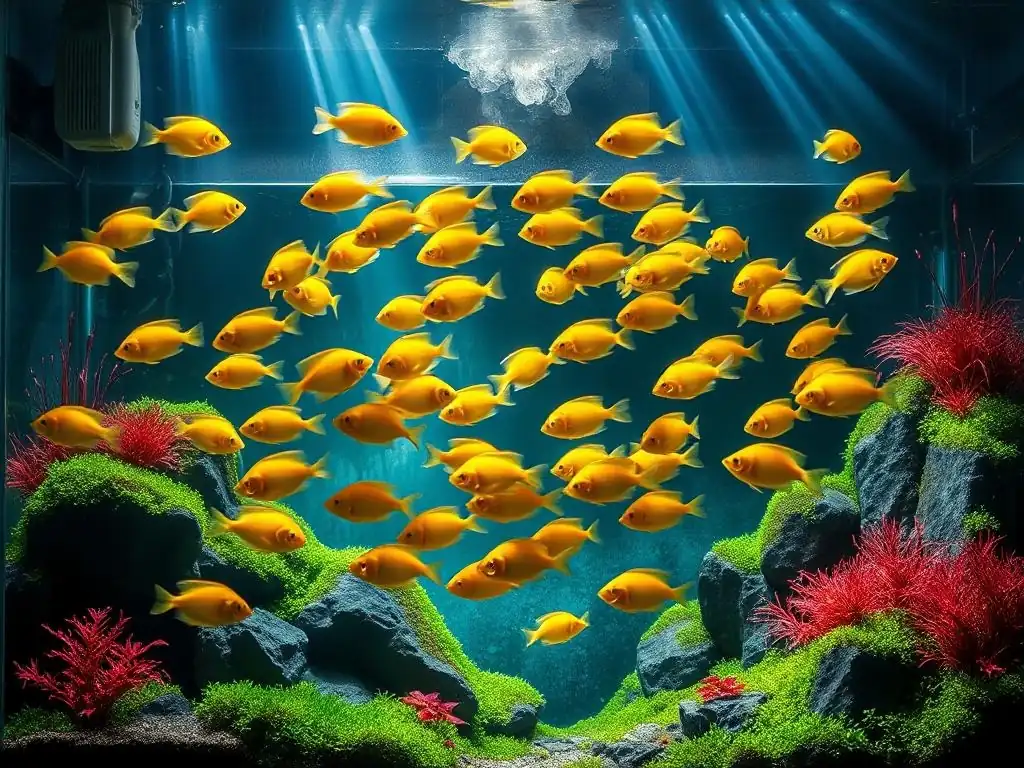
Welcome to Aquarium Mastery!
Ever been captivated by a burst of vibrant color darting through the water? Today, we dive deep into the world of the Cyprichromis leptosoma "Utinta", a fish known for its stunning fluorescent yellow flash. But beauty is just the beginning! Discover what it really takes to provide optimal Cyprichromis leptosoma Utinta care and unlock the secrets to keeping these dazzling inhabitants thriving in your freshwater aquarium. Intrigued? Let's explore!
- Cyprichromis leptosoma "Mpulungu": The Elegance of the Yellow Tail
- Understanding the Cyprichromis leptosoma "Mpulungu"
- Cyprichromis leptosoma Mpulungu Care: Essential Guidelines
- Cyprichromis leptosoma Mpulungu Tank Mates
- Breeding Cyprichromis leptosoma Mpulungu
- Common Health Issues in Cyprichromis leptosoma Mpulungu and Their Prevention
- Enhancing the Yellow Tail: Tips and Tricks
- Where to Find Cyprichromis leptosoma Mpulungu for Your Aquarium
- Conclusion: Mastering Cyprichromis leptosoma Mpulungu Care for a Stunning Display
-
Frequently Asked Questions
- ### What makes Cyprichromis leptosoma "Utinta" a desirable fish for aquarists?
- ### What are the essential water parameters for keeping Cyprichromis leptosoma "Utinta" healthy?
- ### What type of aquarium setup is recommended for Cyprichromis leptosoma "Utinta"?
- ### What should I feed my Cyprichromis leptosoma "Utinta"?
- ### What are some common issues aquarists face when keeping Cyprichromis leptosoma "Utinta" and how can they be addressed?
- Final Reflection: Embracing the Delicate Dance of Life
- Unleash the Yellow Flash: Start Your *Cyprichromis* Adventure!
Cyprichromis leptosoma "Mpulungu": The Elegance of the Yellow Tail
Understanding the Cyprichromis leptosoma "Mpulungu"
Distinguishing Features of the "Mpulungu" Variant
The Cyprichromis leptosoma "Mpulungu" is a captivating variant of the popular featherfin cichlid, renowned for its striking coloration and elegant, schooling behavior. This particular strain is characterized by the males displaying a vibrant yellow or orange coloration, particularly prominent on their caudal fin (tail) and often extending into the dorsal and anal fins.
This yellow flash is what gives the "Mpulungu" its distinctive allure, setting it apart from other Cyprichromis variants which might exhibit blue, black, or more subdued patterns. Females, while not as brightly colored, typically show a more silvery or light brown body with subtle iridescence, and play a crucial role in the social dynamics of the school.
Beyond color, the "Mpulungu" shares the characteristic elongated, torpedo-shaped body of other Cyprichromis leptosoma varieties, adapted for their pelagic lifestyle in Lake Tanganyika. Adult males can reach sizes of approximately 4 to 5 inches (10-12 cm), while females are generally smaller, around 3 to 4 inches (7-10 cm).
Their unique mouth structure, designed for sifting zooplankton from the water column, is also a key identifying feature. The combination of their specific color patterns, graceful swimming, and relatively peaceful schooling nature makes the Cyprichromis leptosoma "Mpulungu" a highly sought-after species for dedicated Tanganyikan cichlid enthusiasts looking to master Cyprichromis leptosoma Mpulungu care.
The Geographic Origin of Cyprichromis leptosoma "Mpulungu"
The "Mpulungu" variant of Cyprichromis leptosoma originates from the deep, clear waters of Lake Tanganyika in East Africa. Specifically, the "Mpulungu" designation refers to a collection point near the town of Mpulungu, located in Zambia, at the southern end of the lake.
This vast rift lake, one of the oldest and deepest freshwater bodies in the world, is famous for its incredible biodiversity, particularly its endemic cichlid species. The Cyprichromis genus thrives in the open water column, inhabiting depths ranging from a few meters to over 50 meters, often found hovering above rocky outcrops or sandy bottoms where they feed on plankton.
Their natural habitat is characterized by extremely stable water parameters, including high pH, high hardness, and consistent temperatures. Understanding this natural environment is fundamental to successful Cyprichromis leptosoma Mpulungu care in an aquarium setting. The specific geographical isolation of populations within the lake has led to the development of numerous color morphs and variants, like the "Mpulungu," each named after its collection locality. This geographical specificity underscores the importance of sourcing your fish from reputable suppliers to ensure you are indeed acquiring the authentic "Mpulungu" variant with its characteristic yellow tail.
Why the "Mpulungu" is a Popular Choice for Tanganyikan Cichlid Enthusiasts
The Cyprichromis leptosoma "Mpulungu" holds a special place among Tanganyikan cichlid aficionados due to several compelling reasons. Firstly, its stunning aesthetic appeal, particularly the vibrant yellow caudal fin of the males, adds an unparalleled splash of color and elegance to any Tanganyikan biotope aquarium. Unlike many other cichlids that are primarily bottom-dwellers or territorial, Cyprichromis species occupy the mid to upper water column, providing dynamic movement and visual interest throughout the entire tank. This vertical distribution of activity is a refreshing contrast to tanks dominated by substrate-bound species.
Secondly, their schooling behavior is a major draw. Keeping a group of "Mpulungu" allows aquarists to observe fascinating social interactions, including intricate courtship displays where males shimmer and flare their fins to attract females. Their relatively peaceful nature, especially towards other species that do not share their specific niche, makes them excellent candidates for mixed-species Tanganyikan setups, provided tank mates are chosen carefully. The challenge of replicating their specific environment and observing their natural behaviors makes mastering Cyprichromis leptosoma Mpulungu care a rewarding endeavor for experienced hobbyists.
Cyprichromis leptosoma Mpulungu Care: Essential Guidelines
Tank Setup for Optimal Cyprichromis leptosoma Mpulungu Health
Tank Size Recommendations for a School of "Mpulungu"
Providing an appropriately sized aquarium is paramount for the health and well-being of Cyprichromis leptosoma "Mpulungu." Due to their active, schooling nature and need for open swimming space, a minimum tank size of 60 gallons (approximately 227 liters) is recommended for a small group of 6-8 individuals.
For larger schools, which are highly encouraged to observe their natural social dynamics and reduce individual stress, a 75-gallon (approximately 284 liters) or even 100-gallon (approximately 378 liters) tank is ideal. The length of the tank is more critical than its height or width, as it allows for ample horizontal swimming room, mimicking their natural pelagic environment.
A longer tank also helps dissipate aggression, particularly among males, by providing sufficient territory boundaries and escape routes. While these fish are not inherently aggressive, maintaining a proper male-to-female ratio (e.g., 1 male to 3-4 females) within a sufficiently large school is vital to prevent undue stress on individual females from constant male attention. Overcrowding can lead to stunted growth, increased susceptibility to disease, and a general decline in the vibrant coloration that makes the "Mpulungu" so appealing. Proper tank sizing is the foundational aspect of successful Cyprichromis leptosoma Mpulungu care.
Substrate and Decor Considerations for Cyprichromis leptosoma Mpulungu
When setting up an aquarium for Cyprichromis leptosoma "Mpulungu," the choice of substrate and decor should reflect their natural Lake Tanganyika habitat, while also providing functional benefits. A fine sand substrate is highly recommended. While Cyprichromis species are primarily mid-water dwellers and do not typically dig or sift sand like many other cichlids, a sand bed is beneficial for maintaining water quality and encouraging the growth of beneficial bacteria. It also provides a natural aesthetic and can be utilized by other potential tank mates.
For decor, focus on creating vertical structures that offer hiding places and visual breaks without impeding open swimming space. Tall rock formations, such as those made from lace rock, Texas holey rock, or slate, are excellent choices. These rocks can be stacked to create crevices and caves, providing refuge for females and subdominant males, and serving as territorial markers for dominant males.
Ensure all rockwork is stable and securely placed to prevent collapses. While live plants are not typical of their deep-water, rocky natural habitat, hardy species like Anubias or Java Fern can be attached to rocks in dimly lit areas if desired, though they are not essential for Cyprichromis leptosoma Mpulungu care.
Water Parameters: Replicating Lake Tanganyika Conditions
Replicating the specific water parameters of Lake Tanganyika is crucial for the long-term health and vibrancy of Cyprichromis leptosoma "Mpulungu." Lake Tanganyika water is characterized by its high alkalinity and hardness. The ideal pH range for "Mpulungu" is between 7.8 and 9.0, with 8.2-8.6 often cited as optimal. The general hardness (GH) should be high, typically ranging from 10-20 dGH, and carbonate hardness (KH) should also be high, between 160-240 ppm (9-13 dKH), to provide buffering capacity and maintain stable pH.
Temperature should be maintained consistently between 76-80°F (24-27°C). Fluctuations in temperature can cause significant stress, leading to weakened immune systems. Using a reliable heater with a thermostat is essential. Regular testing of these parameters using a high-quality aquarium test kit is non-negotiable for effective Cyprichromis leptosoma Mpulungu care. Maintaining stable and appropriate water chemistry prevents common cichlid diseases and promotes natural behavior and coloration, allowing the "Mpulungu's" yellow tail to truly shine.
Dietary Needs of Cyprichromis leptosoma Mpulungu
Recommended Food Types for Vibrant Colors and Health
The natural diet of Cyprichromis leptosoma "Mpulungu" in Lake Tanganyika consists primarily of zooplankton, such as copepods and cladocerans, which they filter from the water column. Replicating this diet in the aquarium is essential for their health, growth, and vibrant coloration. A high-quality flake food or small pellet food designed for cichlids or omnivores should form the staple of their diet. Look for foods that are rich in spirulina, astaxanthin, and other color-enhancing ingredients, as these will significantly contribute to the intensity of their yellow and orange hues.
In addition to dry foods, supplementing with frozen or live foods is highly beneficial. Brine shrimp (Artemia), daphnia, and cyclops are excellent choices, as they closely mimic the size and movement of their natural prey. These foods are not only nutritious but also provide mental stimulation as the fish actively hunt them. Avoid large, meaty foods like bloodworms or beef heart, as these are not suitable for their digestive system and can lead to digestive issues. A varied diet is key to ensuring comprehensive Cyprichromis leptosoma Mpulungu care and maximizing their brilliant coloration.
Feeding Schedule and Portion Control for Cyprichromis leptosoma Mpulungu
Establishing a consistent feeding schedule and practicing proper portion control are vital aspects of maintaining the health and water quality in a Cyprichromis leptosoma "Mpulungu" aquarium. It is generally recommended to feed these fish 2-3 times per day, offering small amounts of food that can be consumed within 1-2 minutes. This frequent, small feeding approach mimics their natural grazing behavior on plankton and prevents overfeeding, which is a common cause of poor water quality and digestive problems.
Overfeeding leads to uneaten food decaying in the tank, contributing to elevated ammonia, nitrite, and nitrate levels, which are toxic to fish. It can also lead to issues like Malawi bloat, a serious digestive ailment common in cichlids. Observe your fish during feeding; if food remains after a couple of minutes, you are feeding too much. Adjust the quantity accordingly. A lean and active fish is a healthy fish. Consistent and controlled feeding is a cornerstone of effective Cyprichromis leptosoma Mpulungu care, contributing directly to their longevity and overall well-being.
Maintaining Water Quality for Cyprichromis leptosoma Mpulungu
Regular Water Changes: A Crucial Aspect of Mpulungu Care
Regular water changes are arguably the most critical component of successful Cyprichromis leptosoma Mpulungu care. Even with excellent filtration, nitrates and other dissolved organic compounds will accumulate in the aquarium water over time, leading to deteriorating water quality. For a healthy Cyprichromis tank, a weekly water change of 25-30% of the total tank volume is highly recommended. For heavily stocked tanks or those with larger bioloads, a 50% weekly water change might be necessary.
When performing water changes, always use a good quality water conditioner to neutralize chlorine and chloramines present in tap water, which are harmful to fish. It is also beneficial to match the temperature of the new water as closely as possible to the tank water to prevent temperature shock. Furthermore, it's important to use water that has been properly buffered to match the high pH and hardness requirements of Lake Tanganyika cichlids.
Products designed to increase alkalinity and hardness can be used if your tap water is naturally soft or acidic. Consistent water changes dilute pollutants, replenish essential minerals, and maintain the stable environment that Cyprichromis leptosoma "Mpulungu" needs to thrive.
Filtration Requirements for a Healthy Cyprichromis leptosoma Mpulungu Tank
Effective filtration is indispensable for maintaining the pristine water quality that Cyprichromis leptosoma "Mpulungu" demand. A robust filtration system should incorporate mechanical, chemical, and biological filtration. Mechanical filtration, typically provided by sponges or filter floss, removes particulate matter, keeping the water clear. Chemical filtration, often utilizing activated carbon or specialized resins, helps remove dissolved organic pollutants, odors, and discoloration. Biological filtration, the most crucial component, relies on beneficial bacteria colonizing media like ceramic rings, bio-balls, or porous sponges, to convert toxic ammonia and nitrite into less harmful nitrate.
For a Cyprichromis tank, canister filters are highly recommended due to their large media capacity and efficient flow rates. Over-filtering is always preferable to under-filtering. Aim for a filter that can process the tank's volume at least 5-10 times per hour. Some aquarists also opt for a combination of canister filters and powerful hang-on-back (HOB) filters to ensure comprehensive water processing. Regular maintenance of filters, including rinsing mechanical media and replacing chemical media as needed, is part of robust Cyprichromis leptosoma Mpulungu care, ensuring the filter functions optimally and doesn't become a source of pollution itself.
Monitoring Water Chemistry: Key Parameters to Watch
Continuous monitoring of water chemistry parameters is a non-negotiable aspect of successful Cyprichromis leptosoma Mpulungu care. Regular testing allows aquarists to identify and address issues before they become critical. The most important parameters to monitor are:
- Ammonia (NH3/NH4+): Should always be 0 ppm. Any detectable level indicates a problem with the biological filter or overfeeding.
- Nitrite (NO2-): Should also always be 0 ppm. Nitrite is highly toxic and indicates an incomplete nitrogen cycle.
- Nitrate (NO3-): While less toxic than ammonia or nitrite, high nitrate levels (above 20 ppm, ideally below 10 ppm) indicate a need for a water change.
- pH: Maintain within the 7.8-9.0 range, ideally 8.2-8.6. Fluctuations are more dangerous than a stable, slightly off-target pH.
- General Hardness (GH) and Carbonate Hardness (KH): Ensure GH is 10-20 dGH and KH is 160-240 ppm (9-13 dKH) to support buffering capacity.
Testing should be performed weekly, especially after initial setup and during any fish health concerns. A liquid-based test kit provides more accurate results than test strips. Keeping a log of your water parameters can help identify trends and diagnose potential problems early, ensuring the stable and healthy environment vital for Cyprichromis leptosoma Mpulungu to thrive.
Cyprichromis leptosoma Mpulungu Tank Mates
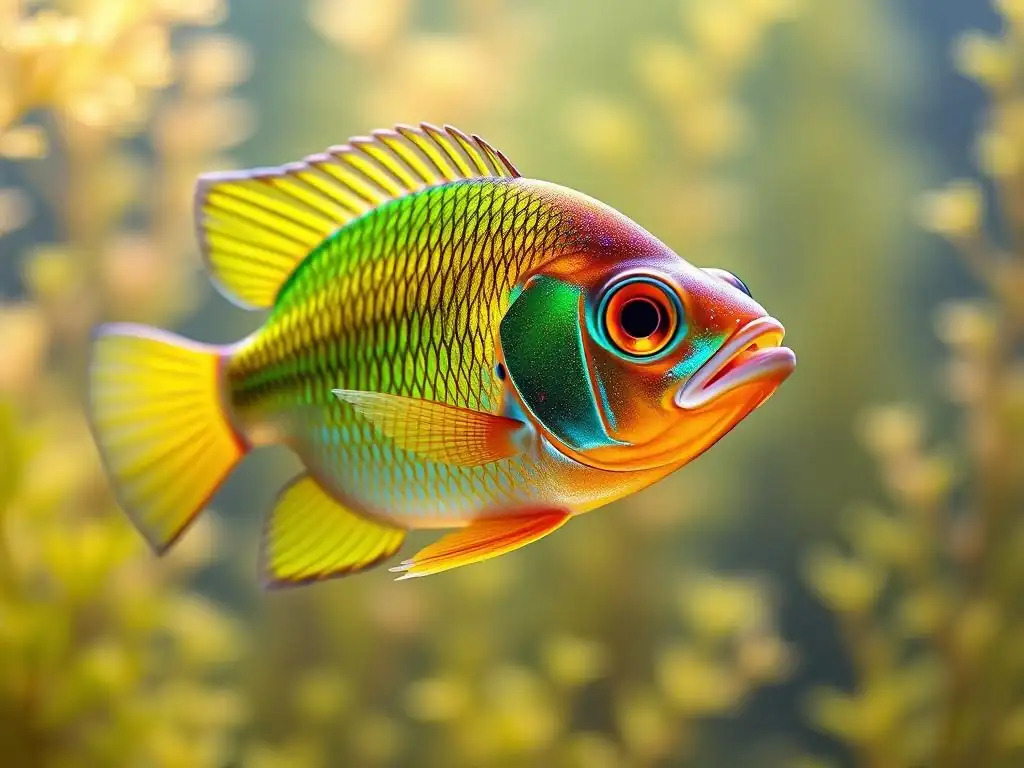
Selecting Compatible Fish for a Peaceful Community Tank
Choosing appropriate tank mates is crucial for the success of a Cyprichromis leptosoma "Mpulungu" community tank. Given their peaceful, schooling nature and their preference for the upper water column, ideal tank mates should occupy different niches within the aquarium to avoid direct competition for space and resources. Compatible species should also share similar water parameter requirements (high pH and hardness) and a non-aggressive temperament. Avoid any fish that are overly boisterous, nippy, or predatory, as these can stress or harm the delicate "Mpulungu."
Consider other peaceful Tanganyikan cichlids that are not open-water plankton eaters. Shell-dwelling cichlids, for instance, are excellent choices as they inhabit the substrate and utilize snail shells for shelter and breeding. Similarly, many rock-dwelling species occupy the lower and mid-levels of the tank, allowing the Cyprichromis to dominate the upper strata. The goal is to create a harmonious biotope that mimics the stratified natural environment of Lake Tanganyika, where different species co-exist by specializing in different habitats and diets. Proper tank mate selection is a key component of comprehensive Cyprichromis leptosoma Mpulungu care.
Avoiding Aggressive Tank Mates That Could Stress Cyprichromis leptosoma Mpulungu
When planning a community tank for Cyprichromis leptosoma "Mpulungu," it is imperative to steer clear of aggressive or overly territorial cichlids. Species known for their high aggression, such as many of the larger Neolamprologus or Altolamprologus species that are highly territorial and defensive of their rock or shell territories, can pose a significant threat. Even if they don't directly attack, their constant presence and territorial displays can cause chronic stress to the more timid Cyprichromis, leading to faded colors, reduced feeding, and increased susceptibility to disease.
Similarly, avoid fast-moving, fin-nipping species that might harass the elegant fins of the "Mpulungu." While Cyprichromis are relatively quick, constant harassment will negatively impact their well-being. It is also wise to avoid species that are significantly larger and could view the "Mpulungu" as prey, especially if the Cyprichromis are still juvenile. Researching the specific temperament and adult size of any potential tank mate is a critical step in preventing conflict and ensuring a peaceful environment, which is paramount for effective Cyprichromis leptosoma Mpulungu care.
Ideal Tank Mate Options: Paracyprichromis nigripinnis, Julidochromis transcriptus, Neolamprologus leleupi
Several species make excellent companions for Cyprichromis leptosoma "Mpulungu", enhancing the overall dynamic of the Tanganyikan biotope.
- Paracyprichromis nigripinnis: These are often considered the "sister" genus to Cyprichromis and share very similar behaviors and habitat preferences, also schooling in the mid-water column. They are equally peaceful and complement the Cyprichromis beautifully, often displaying different color patterns.
- Julidochromis transcriptus: Known as the "Masked Julie," this dwarf rock-dwelling cichlid is relatively peaceful and occupies the lower to mid-levels of the tank, focusing on rockwork. They are territorial towards their own species but generally ignore Cyprichromis, making them a good choice for adding interest to the bottom half of the aquarium.
- Neolamprologus leleupi: The "Lemon Cichlid" is another popular choice, known for its striking bright yellow coloration. While they can be territorial, especially during breeding, they are generally manageable in a larger tank with plenty of rockwork. They primarily inhabit the rocky areas, leaving the open water to the Cyprichromis.
Other suitable options include various shell dwellers like Neolamprologus multifasciatus or Lamprologus ocellatus, which will add activity to the substrate layer without interfering with the Cyprichromis. Always introduce all fish at once or in small groups to minimize aggression and establish a stable pecking order. These choices contribute to a balanced and visually appealing Tanganyikan community and are well-aligned with optimal Cyprichromis leptosoma Mpulungu care.
Breeding Cyprichromis leptosoma Mpulungu
Creating a Breeding Environment for Cyprichromis leptosoma Mpulungu
Breeding Cyprichromis leptosoma "Mpulungu" in a home aquarium can be a rewarding experience, but it requires specific environmental conditions and attention to detail. The primary requirement is a well-established, mature aquarium with stable, pristine water parameters mirroring their natural Lake Tanganyika habitat (pH 8.0-8.6, GH 10-20, KH 160-240 ppm, temperature 78-80°F or 25.5-27°C). A tank of at least 75 gallons is recommended for a breeding colony, allowing ample space for multiple males to establish territories and for females to escape constant male attention.
To encourage breeding, provide vertical structures such as tall rock formations or even artificial spawning mops. While Cyprichromis are pelagic spawners, males will often select a preferred spawning site, usually a vertical surface in the mid-water column, to display to females. A good male-to-female ratio, such as 1 male to 3-4 females, is crucial to distribute male aggression and increase breeding success. A varied, high-quality diet rich in live or frozen foods will also condition the fish for spawning. Creating this optimal environment is the first step in successful Cyprichromis leptosoma Mpulungu breeding.
Courtship and Spawning Behavior of Cyprichromis leptosoma Mpulungu
The courtship and spawning behavior of Cyprichromis leptosoma "Mpulungu" is a fascinating display to observe. Males will intensify their coloration, particularly their vibrant yellow tails, and engage in elaborate fin-flaring and shimmering dances to attract females. A dominant male will typically establish a loose territory around a vertical surface, such as a rock face or even the aquarium glass, and attempt to entice a receptive female into this area. He will swim in a characteristic "shimmy" motion, often quivering his body and fins.
When a female is ready to spawn, she will approach the male's chosen site. The spawning process involves the female laying a small number of eggs (typically 5-15) directly onto the chosen vertical surface. Immediately after laying, she quickly turns and picks up the eggs into her mouth for buccal incubation.
The male then presents his anal fin, which often has egg-spots, to the female. She attempts to pick at these spots, which stimulates her to gape her mouth, allowing the male to fertilize the eggs orally. This unique mouth-brooding strategy ensures the eggs are protected from predators and environmental fluctuations, highlighting the intricate adaptations of Cyprichromis leptosoma Mpulungu in their natural habitat.
Incubation and Fry Care: Ensuring a High Survival Rate
Techniques for Raising Cyprichromis leptosoma Mpulungu Fry
After the eggs are fertilized and safely tucked away in the female's mouth, the incubation period for Cyprichromis leptosoma "Mpulungu" typically lasts between 21 to 28 days, depending on water temperature. During this time, the female will not eat and may become reclusive, often seeking out a quiet, shaded area of the tank.
It is crucial to minimize stress for the brooding female. Some aquarists choose to gently move the female to a separate "holding" tank (a 10-20 gallon tank with identical water parameters) once she is clearly holding, to prevent her from being harassed by other tank mates or to ensure the fry's safety upon release.
Once the fry are fully developed, the female will release them. They are relatively large and free-swimming from birth. At this point, the female may continue to care for the fry, allowing them to retreat into her mouth if danger is perceived, for a few days to a week. For maximum survival rates, especially in a community tank, it is often best to move the fry to a dedicated grow-out tank.
This tank should be well-filtered (sponge filter is ideal to prevent fry from being sucked up), have stable parameters, and provide plenty of hiding spots. Consistent water changes are vital for the rapidly growing fry. This diligent approach to raising fry is a key aspect of advanced Cyprichromis leptosoma Mpulungu care.
Feeding Newly Hatched Mpulungu Fry
Newly hatched Cyprichromis leptosoma "Mpulungu" fry are relatively large and can immediately accept appropriately sized foods. Their first food should be infusoria or newly hatched brine shrimp (Artemia nauplii). Brine shrimp are highly nutritious and stimulate a strong feeding response, promoting rapid growth. Feed small amounts several times a day (4-6 times) to ensure constant access to food, as their small stomachs require frequent replenishment. As they grow, which can be quite fast with proper feeding, their diet can be gradually diversified.
After about two weeks, they can start to accept finely crushed high-quality flake food. Continue to supplement with brine shrimp and daphnia to provide a varied diet. Maintaining excellent water quality is paramount during this rapid growth phase, as fry are particularly sensitive to nitrates and other pollutants. Daily small water changes (10-15%) are often necessary in the fry grow-out tank. Proper nutrition and water quality for the fry are direct extensions of attentive Cyprichromis leptosoma Mpulungu care, ensuring the next generation thrives and eventually displays the characteristic yellow tail of the "Mpulungu" variant.
Common Health Issues in Cyprichromis leptosoma Mpulungu and Their Prevention
Recognizing Early Signs of Illness in Cyprichromis leptosoma Mpulungu
Early detection of illness is critical for effective Cyprichromis leptosoma Mpulungu care and successful treatment. Healthy "Mpulungu" are active, alert, and display vibrant coloration, especially the males' characteristic yellow tails. They will school together, swim gracefully in the mid-water column, and eagerly respond to feeding. Any deviation from these normal behaviors should raise a red flag.
Signs of illness can include:
- Faded or dull coloration: Often an early indicator of stress or disease.
- Clamped fins: Fins held close to the body, indicating discomfort or illness.
- Loss of appetite: Refusal to eat or spitting out food.
- Abnormal swimming patterns: Erratic movements, listlessness, rubbing against decor, or difficulty maintaining buoyancy.
- Physical changes: White spots (Ich), fuzzy growths (fungus), lesions, ulcers, bloating (Malawi Bloat), or popeye.
- Isolation: A fish separating itself from the school or hiding excessively.
Regularly observing your fish for these subtle changes can make the difference between a minor issue and a widespread problem in your aquarium. Prompt action based on these observations is essential for effective Cyprichromis leptosoma Mpulungu care.
Treating Common Cichlid Diseases: Ich (White Spot Disease) - Copper-based medications, Malawi Bloat - Metronidazole
While prevention is always best, sometimes diseases can still occur. Understanding common treatments is vital.
- Ich (White Spot Disease): This is one of the most common parasitic infections, characterized by small, white spots resembling salt grains on the fish's body and fins. It is highly contagious.
- Treatment: Increase tank temperature gradually to 82-84°F (28-29°C) to speed up the parasite's life cycle. Use over-the-counter Ich medications, many of which are copper-based. Follow dosage instructions carefully, as copper can be toxic if overdosed. Remove activated carbon during treatment. Continue treatment for at least 3-5 days after the last spot disappears to ensure all parasites are eradicated.
- Malawi Bloat: This is a serious, often fatal, digestive disorder common in African cichlids, often triggered by improper diet (too much protein/fat) or poor water quality. Symptoms include lethargy, loss of appetite, white stringy feces, and a distended abdomen.
- Treatment: Early intervention is crucial. Isolate the affected fish immediately. Treat with Metronidazole, an antibiotic effective against internal parasites and anaerobic bacteria. It can be added to the water or, ideally, mixed with food if the fish is still eating. Discontinue feeding for 2-3 days, then offer a very light, easily digestible diet. Address underlying causes like diet and water quality.
Always ensure accurate diagnosis before treatment, as misdiagnosis can worsen the condition. These treatments are part of advanced Cyprichromis leptosoma Mpulungu care.
Preventative Measures for Maintaining a Healthy Cyprichromis leptosoma Mpulungu School
Prevention is paramount in Cyprichromis leptosoma Mpulungu care. A proactive approach significantly reduces the risk of disease outbreaks.
- Maintain Stable Water Parameters: Consistent temperature, pH, and hardness, within the optimal ranges for Lake Tanganyika cichlids, are fundamental. Sudden fluctuations cause immense stress.
- Excellent Water Quality: Regular and substantial water changes are non-negotiable. Combined with robust filtration, this keeps ammonia, nitrite, and nitrate levels at bay.
- Appropriate Diet: Feed a varied, high-quality diet primarily consisting of zooplankton-mimicking foods (flakes, small pellets, frozen brine shrimp, daphnia, cyclops). Avoid overfeeding.
- Proper Stocking Levels: Do not overcrowd the tank. Adequate space reduces stress and aggression, and prevents rapid accumulation of waste. Ensure a good male-to-female ratio for Cyprichromis.
- Quarantine New Fish: Always quarantine new fish for at least 2-4 weeks in a separate tank before introducing them to your main display. This prevents the introduction of diseases.
- Minimize Stress: Avoid sudden changes in lighting, loud noises, or aggressive tank mates. Provide plenty of hiding spots for subdominant individuals.
By adhering to these preventative measures, you create a robust and resilient environment, significantly reducing the likelihood of common health issues and ensuring your Cyprichromis leptosoma "Mpulungu" school thrives.
Enhancing the Yellow Tail: Tips and Tricks
Optimizing Lighting to Showcase the "Mpulungu's" Coloration
The vibrant yellow tail and body coloration of the male Cyprichromis leptosoma "Mpulungu" are truly their most captivating feature, and proper lighting can significantly enhance their display. While Cyprichromis species are found in deeper waters in Lake Tanganyika, where light penetration is limited, a moderate lighting scheme in the aquarium can bring out their best colors without stressing them. Avoid overly bright or intense lighting, as this can cause them to appear washed out or to hide more frequently.
LED lights with adjustable spectrums are ideal, allowing you to fine-tune the light to emphasize specific colors. Lights with a color temperature around 6500K-10000K, often labeled "daylight" or "cool white," generally provide a good balance. Additionally, lights that have a higher red and yellow spectrum can particularly pop the "Mpulungu's" yellow and orange hues. Experiment with different light settings and intensities to find what best showcases their unique elegance and contributes to exceptional Cyprichromis leptosoma Mpulungu care.
Diet and Color Enhancement: Foods That Promote Vibrant Yellow
Beyond genetics, diet plays a crucial role in the intensity and vibrancy of the "Mpulungu's" yellow coloration. To truly bring out their best colors, focus on feeding foods rich in natural color enhancers, particularly carotenoids and astaxanthin. These pigments are metabolized by the fish and deposited in their skin and fins, leading to more vivid hues.
Look for high-quality flake or pellet foods that explicitly list ingredients like spirulina, astaxanthin, or other natural color-enhancing additives. Many premium cichlid foods are formulated with this in mind. Additionally, supplementing their diet with frozen or live foods that are naturally rich in these pigments can make a significant difference. Brine shrimp, especially those gut-loaded with spirulina, and daphnia are excellent choices. Consistent feeding of these color-enhancing foods, combined with pristine water quality and a low-stress environment, is a key component of maximizing the "Mpulungu's" stunning yellow tail and overall appearance, enhancing your Cyprichromis leptosoma Mpulungu care regimen.
Minimizing Stress to Maintain Peak Coloration in Cyprichromis leptosoma Mpulungu
Stress is one of the quickest ways to diminish the vibrant coloration of Cyprichromis leptosoma "Mpulungu." When fish are stressed, their colors often fade dramatically as a natural defense mechanism or due to weakened health. Therefore, minimizing stress is paramount for maintaining their peak coloration and overall well-being.
Key strategies to reduce stress include:
- Stable Environment: As previously mentioned, consistent water parameters (temperature, pH, hardness) and excellent water quality are foundational.
- Appropriate Tank Mates: Avoid aggressive or overly boisterous fish that might harass the "Mpulungu." Select peaceful companions that occupy different tank niches.
- Proper Schooling Size: Keep "Mpulungu" in a sufficiently large school (at least 6-8 individuals, ideally more) with a good male-to-female ratio. This distributes aggression among males and provides security for the females.
- Ample Space and Hiding Spots: A large tank with plenty of open swimming space and vertical rock structures for refuge reduces territorial disputes and provides a sense of security.
- Consistent Routine: Maintain a regular feeding and lighting schedule. Avoid sudden movements or loud noises around the tank.
- Quarantine New Fish: Prevent the introduction of diseases by quarantining new additions.
By diligently implementing these stress-reduction techniques, you ensure your Cyprichromis leptosoma "Mpulungu" feel secure and healthy, allowing their natural, brilliant yellow coloration to consistently shine through, reflecting superior Cyprichromis leptosoma Mpulungu care.
Where to Find Cyprichromis leptosoma Mpulungu for Your Aquarium
Selecting Reputable Breeders and Suppliers
Acquiring healthy and true-to-type Cyprichromis leptosoma "Mpulungu" is the first step towards a successful aquarium. It is crucial to source your fish from reputable breeders or specialized cichlid suppliers. These sources typically have a deep understanding of the species' specific needs, ensuring the fish are well-cared for, properly fed, and free from common diseases. Reputable suppliers will also be knowledgeable about the specific collection points and color morphs, guaranteeing you receive the authentic "Mpulungu" variant with its characteristic yellow tail.
Avoid impulse purchases from general pet stores that may not specialize in cichlids, as their stock might be stressed, misidentified, or prone to illness due to improper holding conditions. Online forums and cichlid-specific groups can be excellent resources for recommendations on trusted breeders. When choosing a supplier, inquire about their breeding practices, water parameters, and health guarantees. A transparent and knowledgeable supplier is a strong indicator of healthy fish and good Cyprichromis leptosoma Mpulungu care practices.
Identifying Healthy Cyprichromis leptosoma Mpulungu Specimens
When selecting Cyprichromis leptosoma "Mpulungu" for your aquarium, whether in person or by scrutinizing photos/videos from an online vendor, it's essential to know how to identify healthy specimens. A healthy "Mpulungu" will exhibit:
- Vibrant Coloration: Males should display bright, intense yellow on their tails and fins. Faded or dull colors can indicate stress or illness.
- Active and Alert Behavior: They should be actively swimming, ideally schooling with their conspecifics, and responsive to movement outside the tank. Avoid fish that are listless, hiding excessively, or hovering at the surface or bottom.
- Intact Fins: Fins should be fully extended, without tears, nips, or signs of fin rot. The characteristic long, elegant fins should be present.
- Clear Eyes: Eyes should be bright, clear, and free from cloudiness or bulging.
- No Visible Blemishes: The body should be free of white spots (Ich), fuzzy growths (fungus), open sores, or unusual swelling.
- Normal Respiration: Gills should open and close smoothly and at a normal rate. Rapid breathing can indicate stress or poor water quality.
Observing these signs will help you choose robust individuals that are more likely to adapt well to your aquarium and thrive under proper Cyprichromis leptosoma Mpulungu care.
Acclimation Procedures for New Cyprichromis leptosoma Mpulungu to Minimize Stress
Proper acclimation is a critical step in introducing new Cyprichromis leptosoma "Mpulungu" to your aquarium, minimizing stress and preventing shock that could lead to illness or even death. The goal is to slowly equalize the water parameters in their transport bag with those of your aquarium.
- Dim the Lights: Turn off your aquarium lights to reduce stress on the new fish.
- Float the Bag: Place the sealed bag containing the fish in your aquarium for 15-20 minutes. This allows the water temperature in the bag to gradually match the tank temperature.
- Drip Acclimation (Recommended): After temperature equalization, open the bag and roll down the edges to create a float. Secure the bag so it doesn't sink. Using an air line tubing and a small clamp, start a slow drip of your aquarium water into the bag. Aim for a drip rate of about 1-2 drops per second. Allow this process to continue for at least 60-90 minutes, or until the volume of water in the bag has at least doubled.
- Transferring the Fish: Carefully net the fish out of the bag and gently place them into your aquarium. Discard the water from the bag; do not add it to your tank, as it may contain ammonia or other undesirable substances.
Monitor the new fish closely for the next few hours. They may be shy initially, but should soon begin exploring and integrating with the school. This careful acclimation process is a cornerstone of responsible Cyprichromis leptosoma Mpulungu care, setting them up for long-term success in their new home.
Conclusion: Mastering Cyprichromis leptosoma Mpulungu Care for a Stunning Display
Frequently Asked Questions
### What makes Cyprichromis leptosoma "Utinta" a desirable fish for aquarists?
The Cyprichromis leptosoma "Utinta" is highly sought after due to its vibrant yellow coloration exhibited by the males, making it a visually stunning addition to any aquarium. Their relatively peaceful temperament and unique shoaling behavior also contribute to their popularity.
### What are the essential water parameters for keeping Cyprichromis leptosoma "Utinta" healthy?
Maintaining optimal water quality is crucial. They require a stable pH between 7.8 and 8.6, a temperature of 76-82°F (24-28°C), and consistently clean water achieved through regular water changes.
### What type of aquarium setup is recommended for Cyprichromis leptosoma "Utinta"?
A spacious tank is essential, ideally at least 75 gallons, to accommodate their active swimming and shoaling behavior. Provide plenty of open swimming space along with rock structures to mimic their natural habitat and offer refuge.
### What should I feed my Cyprichromis leptosoma "Utinta"?
These fish are primarily planktivores. Offer a varied diet of high-quality flake food, supplemented with small live or frozen foods such as daphnia, brine shrimp, and cyclops to ensure optimal health and coloration.
### What are some common issues aquarists face when keeping Cyprichromis leptosoma "Utinta" and how can they be addressed?
Common issues include Malawi bloat and aggression from incompatible tankmates. Preventing bloat requires a balanced diet and excellent water quality. Selecting peaceful tankmates and avoiding overcrowding minimizes aggression.
Final Reflection: Embracing the Delicate Dance of Life
The journey into understanding Cyprichromis leptosoma "Utinta" care, as we've explored, is more than just mastering water parameters and feeding schedules. It's about appreciating the fragile beauty and intricate ecosystems that exist within our own aquariums, mirroring the larger, equally delicate balance of our natural world. The vibrant flash of yellow, a fleeting moment of brilliance, reminds us of the preciousness of life and the responsibility we bear in preserving it.
This exploration has deeply resonated with the understanding that our actions, however small, ripple outwards, impacting the lives of these creatures and the health of their simulated environment. The dedication required to successfully keep Cyprichromis leptosoma "Utinta" reflects a broader commitment to responsible stewardship. In the end, we will conserve only what we love; we will love only what we understand; and we will understand only what we are taught.
- Baba Dioum's words serve as a constant reminder of the power of knowledge and the importance of sharing it.
Now, as you close this article, consider how you can translate this newfound appreciation for the Cyprichromis leptosoma "Utinta" into a broader commitment to conservation and mindful living. Let the fluorescent yellow flash serve as a constant reminder of the beauty and fragility of life, inspiring you to cultivate a deeper understanding and respect for the natural world around you. Embrace the delicate dance, and become a champion for the preservation of these wonders, both within your aquarium and beyond.
Unleash the Yellow Flash: Start Your *Cyprichromis* Adventure!
Thank you for diving into the captivating world of Cyprichromis leptosoma "Utinta"! Now that you've discovered the secrets to keeping these vibrant fish, let's turn that knowledge into action and bring the magic of the fluorescent yellow flash to your own aquarium.
Here’s how you can take the next step:
- Begin planning your Cyprichromis leptosoma "Utinta" setup: Research tank size, water parameters, and compatible tank mates to ensure a thriving environment for your future fish.
- Explore local aquarium clubs and forums to connect with experienced Cyprichromis keepers and learn firsthand tips and tricks for success.
- Consider documenting your journey! Start a video diary showcasing your Cyprichromis setup and share your insights with the online aquarium community.
What specific water parameter will you prioritize when setting up your Cyprichromis leptosoma "Utinta" tank? Share your thoughts in the comments below!