
Dwarf Gourami Stress: Identifying Signs and Creating a Calm Haven

Welcome to Aquarium Mastery!
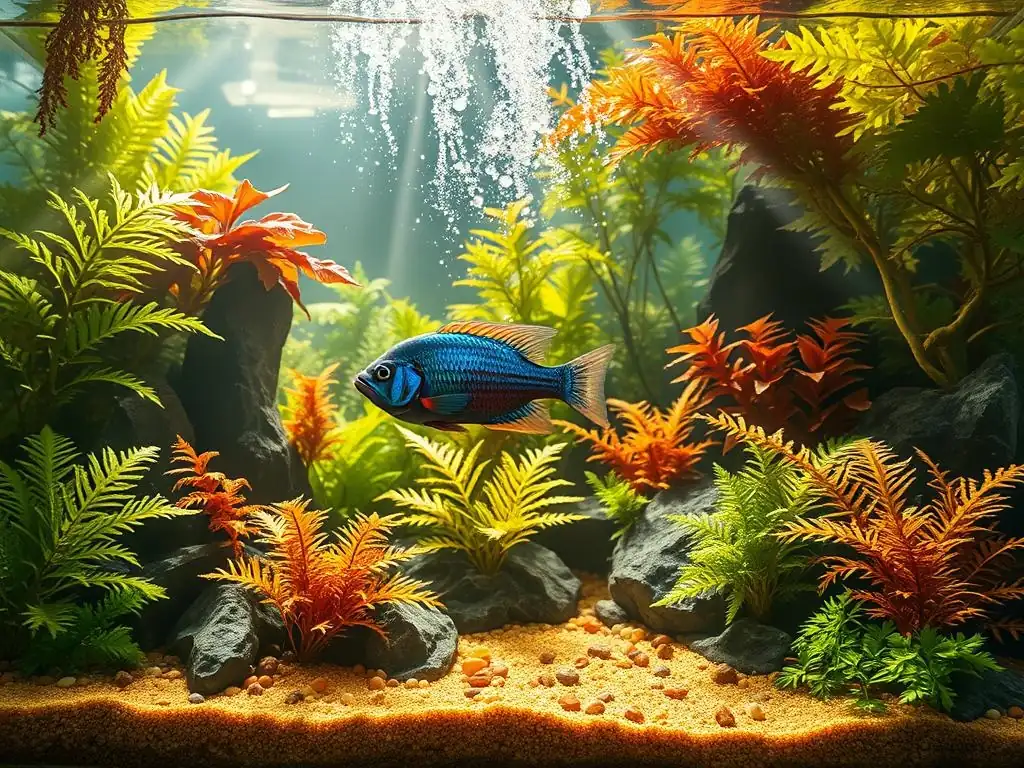
Ever wondered if your Dwarf Gourami is truly happy in its aquatic home? This guide dives deep into the often-overlooked issue of Dwarf Gourami stress, uncovering the subtle signs and offering practical solutions to transform their tank into a calm and thriving haven. Ready to unlock the secrets to a stress-free life for your finned friend? Let's explore!
- Understanding Dwarf Gourami Stress and its Impact
- Identifying the Signs of Stress in Dwarf Gouramis
- Common Dwarf Gourami Stress Causes
- Creating a Calm Haven: Stress Relief for Dwarf Gouramis
- Preventing Future Stress: Long-Term Care for Healthy Dwarf Gouramis
- Dwarf Gourami Stress Relief: A Summary of Key Actions
-
Frequently Asked Questions
- What are the common signs of stress in a Dwarf Gourami?
- What are the primary causes of stress in Dwarf Gouramis?
- How can I improve the water quality in my Dwarf Gourami's tank to reduce stress?
- What kind of tank mates are unsuitable for Dwarf Gouramis, and why?
- What are some ways to create a calming environment for my Dwarf Gourami?
- Final Reflection: Cultivating Tranquility for Dwarf Gouramis
- Cultivate a Thriving Gourami Sanctuary!
Understanding Dwarf Gourami Stress and its Impact
The Importance of Recognizing Stress in Dwarf Gouramis
Recognizing signs of stress in your dwarf gourami is paramount for their well-being and longevity. These vibrant, peaceful fish, known for their captivating colors and labyrinth organ, are quite sensitive to changes in their environment. Early detection of dwarf gourami stress allows aquarists to intervene promptly, preventing minor issues from escalating into severe health complications that can significantly impact the fish's quality of life. Understanding these subtle cues is the first step in providing effective dwarf gourami stress relief.
Ignoring initial signs of stress can lead to a rapid decline in health, as dwarf gouramis, like all fish, have a finite capacity to cope with adverse conditions. Even seemingly minor stressors, such as slight fluctuations in water parameters or a brief period of bullying, can accumulate over time. This cumulative effect ultimately weakens their natural defenses, making them highly susceptible to diseases that might otherwise be easily fended off by a healthy, unstressed individual.
How Stress Affects Dwarf Gourami Health and Lifespan
Chronic stress profoundly impacts a dwarf gourami's physiological systems, primarily by suppressing its immune response. When a fish is constantly under stress, its body diverts energy from essential functions like immunity, growth, and reproduction towards coping mechanisms. This compromised immune system leaves the dwarf gourami vulnerable to a host of opportunistic pathogens, including common aquarium ailments such as Ich (white spot disease), fin rot, fungal infections, and even the notorious Dwarf Gourami Disease, which often targets stressed individuals.
Furthermore, prolonged dwarf gourami stress significantly reduces their natural lifespan. While a well-cared-for dwarf gourami can typically live for 3 to 4 years, continuous exposure to stressors can drastically shorten this to less than a year. The constant physiological strain impairs organ function, reduces appetite, and inhibits proper development, ultimately leading to premature death. Addressing the causes of gourami stress is therefore not just about comfort, but about ensuring a full and healthy life for these beautiful fish.
Identifying the Signs of Stress in Dwarf Gouramis
Physical Symptoms of Stressed Dwarf Gouramis
Loss of Color and Fading Patterns
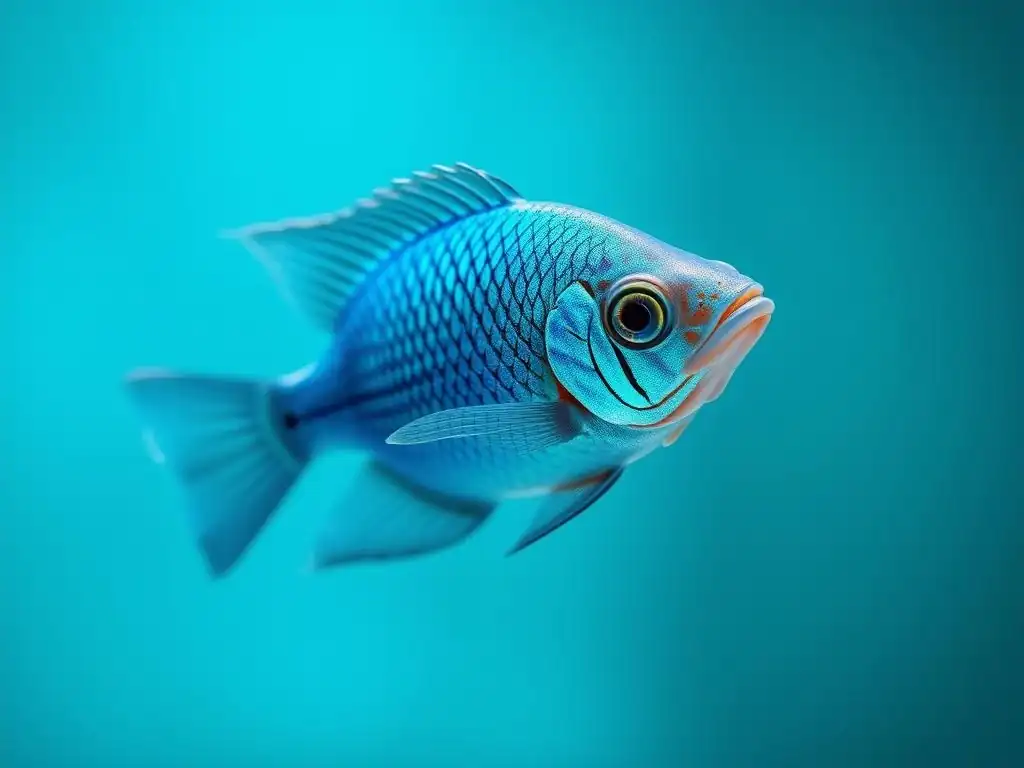
One of the most immediate and noticeable signs of a stressed dwarf gourami is a significant loss of its vibrant coloration. Healthy dwarf gouramis, particularly males, boast brilliant hues of red, blue, and orange with distinct patterns. When experiencing stress, these colors will often appear dull, faded, or washed out, sometimes even becoming a pale, almost translucent shade. This is often a natural stress response, where the fish attempts to blend in or signal distress.
This fading can be a critical indicator that something is amiss in their environment or with their health. While temporary color loss can occur during sleep or brief moments of fright, prolonged dullness, especially when combined with other symptoms, strongly suggests that the dwarf gourami is under considerable stress. Observing this change is a clear sign that immediate investigation into potential dwarf gourami stress causes is warranted.
Clamped Fins and Erratic Swimming
A stressed dwarf gourami will frequently exhibit clamped fins, meaning their dorsal, caudal (tail), and anal fins are held tightly against their body rather than being fanned out naturally. This posture is a common defense mechanism and indicates discomfort or illness. Alongside clamped fins, erratic swimming patterns are often observed. This can manifest as darting frantically around the tank, rubbing against decorations or substrate, or suddenly 'freezing' in place for extended periods.
Contrast this with the typical graceful, slow movements of a healthy dwarf gourami navigating its territory. The combination of clamped fins and unusual swimming behaviors, such as rapid gill movements or constant hovering near the surface, points directly to a fish experiencing significant stress. These physical signs are direct indicators that the fish is not at ease and requires attention to alleviate its discomfort.
Increased Breathing Rate and Gasping
An elevated breathing rate, characterized by rapid gill movements, is a critical physical symptom of a stressed dwarf gourami. In a healthy environment, a dwarf gourami's gills move at a steady, rhythmic pace. However, when under stress, especially due to poor water quality or low oxygen levels, their gill movements will significantly speed up as they try to extract more oxygen from the water. This can look like they are constantly panting.
In more severe cases, a stressed dwarf gourami may resort to gasping at the water surface. This behavior indicates critically low oxygen levels in the tank or the presence of high levels of toxic compounds like ammonia or nitrite, which impair the fish's ability to absorb oxygen. Persistent gasping is an emergency sign that requires immediate water testing and corrective action to provide dwarf gourami stress relief.
Development of Diseases: A Sign of Weakened Immunity
The appearance of diseases is a strong indicator that a dwarf gourami's immune system has been compromised by chronic stress. A healthy fish is generally resilient against common pathogens present in an aquarium. However, when subjected to prolonged stress, their natural defenses weaken, making them highly susceptible to infections that they would normally fight off. Examples include white spots from Ich, ragged fins from fin rot, or cottony growths from fungal infections.
The insidious Dwarf Gourami Disease (DGD), a viral infection, is particularly known to target stressed or weakened individuals. While not directly caused by stress, stress significantly increases the likelihood of an outbreak and severity of symptoms. Therefore, if your dwarf gourami frequently falls ill despite seemingly good husbandry, it's crucial to investigate underlying stress factors as the primary cause of its weakened immunity.
Behavioral Indicators of Stress in Dwarf Gouramis
Hiding and Isolation from Tank Mates
A common behavioral sign of a stressed dwarf gourami is its tendency to hide excessively and isolate itself from tank mates. While dwarf gouramis appreciate ample hiding spots, a healthy fish will still venture out to explore, feed, and interact. A stressed individual, however, may spend the majority of its time concealed behind decorations, dense plant thickets, or in the corners of the tank, actively avoiding other fish and even the aquarist.
This reclusive behavior signifies that the fish feels insecure or threatened in its environment. It might be due to bullying from aggressive tank mates, a lack of sufficient cover, or simply an overwhelming sense of vulnerability. Persistent hiding, even during feeding times, is a clear signal that the dwarf gourami is not comfortable and is seeking refuge from perceived threats, indicating a need for a calm dwarf gourami haven.
Loss of Appetite and Refusal to Eat
A significant behavioral indicator of dwarf gourami stress is a noticeable loss of appetite or complete refusal to eat. Healthy dwarf gouramis are typically eager eaters, readily accepting a variety of foods. When stressed, their digestive systems can shut down, and their instinct to feed diminishes as their body prioritizes survival over nutrient intake. They might ignore food floating past them, or even attempt to eat but spit it out immediately.
This lack of interest in food, especially if it persists for more than a day, can quickly lead to malnutrition and further weaken the fish. It's a critical sign that the fish is severely uncomfortable or ill, and addressing the underlying stress causes is paramount to restoring their feeding habits and overall health.
Increased Aggression or Skittishness
Paradoxically, stress can manifest in dwarf gouramis as either heightened aggression or extreme skittishness. A normally peaceful dwarf gourami might suddenly become territorial or nippy towards tank mates, chasing them relentlessly or flaring its fins aggressively. This can be a sign of feeling overcrowded, insecure, or struggling to cope with perceived threats in its environment, leading to increased stress-induced territoriality.
Conversely, some stressed dwarf gouramis become excessively skittish. They might dart away violently at the slightest movement outside the tank, jump at sudden noises, or panic when the aquarist approaches. This heightened sensitivity and fear response indicate a severe lack of security and comfort in their surroundings, often stemming from an inappropriate tank setup or constant disturbances. Both behaviors signal significant dwarf gourami stress.
Lethargy and Lack of Activity
Lethargy and a general lack of activity are strong behavioral indicators of dwarf gourami stress. Instead of actively swimming, exploring, or interacting, a stressed gourami might spend prolonged periods motionless, either resting on the bottom of the tank, hovering listlessly near the surface, or wedged in a corner. Their movements, when they do occur, might appear sluggish or uncoordinated, lacking their usual graceful fluidity.
This profound inactivity suggests that the fish is either conserving energy due to illness or is simply too overwhelmed by its environment to exhibit normal behaviors. It's a sign that the fish's metabolic processes are likely slowing down as a response to chronic stress, and it requires immediate attention to identify and mitigate the underlying dwarf gourami stress causes.
Common Dwarf Gourami Stress Causes
Poor Water Quality: A Major Stress Factor
Ammonia and Nitrite Spikes
The presence of ammonia and nitrite in aquarium water is arguably the most significant dwarf gourami stress cause. Both compounds are highly toxic to fish, even in small concentrations. Ammonia (NH3) is produced from fish waste and uneaten food, and nitrite (NO2-) is formed during the first stage of the nitrogen cycle. Healthy, cycled aquariums should have 0 ppm of both ammonia and nitrite. Even levels as low as 0.25 ppm can cause severe gill damage, respiratory distress, and immune system suppression, leading to acute dwarf gourami stress.
When these toxins are present, dwarf gouramis struggle to absorb oxygen, leading to increased breathing rates and gasping at the surface. Prolonged exposure causes irreversible organ damage and makes them highly susceptible to secondary infections. Regular testing for these parameters is crucial, and any detectable levels warrant immediate action, such as large water changes, to provide immediate dwarf gourami stress relief.
Unstable pH Levels
While dwarf gouramis can adapt to a range of pH levels (ideally between 6.0 and 7.5), rapid or significant fluctuations in pH are a major source of stress. Unlike a stable pH that might be slightly outside their optimal range, sudden swings in acidity or alkalinity shock the fish's delicate osmoregulation system, which controls the balance of salts and water in their body. A sudden drop or rise of even 0.5 pH units within a short period can be detrimental.
This instability can be caused by irregular water changes, buffering issues with substrate or decorations, or even inconsistent source water. The constant physiological adjustment required to cope with fluctuating pH drains the fish's energy and weakens its immune system, making it more prone to illness. Maintaining a consistent and stable pH is far more important than hitting a precise number within the acceptable range for dwarf gourami stress prevention.
Inadequate Water Changes
Infrequent or insufficient water changes are a primary contributor to poor water quality and, consequently, significant dwarf gourami stress. Over time, nitrates (NO3-), the end product of the nitrogen cycle, accumulate in the aquarium water. While less toxic than ammonia and nitrite, high nitrate levels (above 20-40 ppm) still contribute to chronic stress, algae growth, and can suppress fish immunity. Additionally, essential trace minerals are depleted, and organic pollutants build up.
A lack of regular water changes also means that the water becomes stagnant, potentially leading to oxygen depletion and the accumulation of other dissolved organic compounds that irritate fish gills and skin. A consistent schedule, such as a 25% water change weekly or bi-weekly depending on tank size and bioload, is vital to dilute these harmful substances and replenish beneficial minerals, providing crucial dwarf gourami stress relief.
Incompatible Tank Mates and Overcrowding
Bullying and Harassment from Aggressive Fish
One of the most common dwarf gourami stress causes is the presence of aggressive or overly boisterous tank mates. Dwarf gouramis are generally peaceful and somewhat shy, making them vulnerable to bullying. Fish such as certain species of Barbs (e.g., Tiger Barbs), some Cichlids, or even other overly dominant gourami species can constantly nip at their fins, chase them, or prevent them from accessing food and hiding spots. This relentless harassment creates a perpetual state of fear and anxiety.
The constant stress from bullying weakens the dwarf gourami's immune system, making them highly susceptible to fin rot and other stress-related diseases. They may hide constantly, refuse to eat, and display clamped fins. Careful selection of peaceful, similarly sized tank mates is crucial to prevent this significant source of gourami stress and ensure a calm dwarf gourami haven.
Competition for Resources in Overcrowded Tanks
Overcrowding is a major stressor for dwarf gouramis, leading to intense competition for vital resources. In an overcrowded tank, there simply isn't enough space for each fish to establish a territory, find adequate hiding spots, or access sufficient food without constant competition. This leads to chronic stress, as the fish are perpetually vying for limited resources, causing constant low-level aggression and anxiety among tank inhabitants.
For a single dwarf gourami, a minimum tank size of 10 gallons is generally recommended, with larger tanks (20 gallons or more) being preferable to accommodate more tank mates and provide ample swimming space. When multiple fish are crammed into a small volume of water, waste production also increases rapidly, exacerbating water quality issues. This combination of limited space and deteriorating water conditions creates a highly stressful environment, making effective dwarf gourami stress causes relief impossible without addressing the population density.
Inappropriate Tank Setup and Environment
Lack of Hiding Places and Security
A severe lack of adequate hiding places is a significant dwarf gourami stress cause. Dwarf gouramis are naturally shy fish that thrive when they have plenty of cover to retreat to when they feel threatened or simply need a break from tank activity. Without sufficient dense planting, driftwood, rocks, or ceramic caves, they feel constantly exposed and vulnerable, leading to chronic anxiety and a perpetual state of alert.
This environmental deficiency can cause them to hide in inappropriate places, such as behind heaters, or to appear skittish and stressed. Providing a rich, diverse aquascape with numerous visual barriers and sheltered spots allows them to feel secure, reducing their stress levels dramatically. A well-designed tank with ample cover is fundamental to creating a calm dwarf gourami haven.
Intense Lighting and Lack of Shade
Dwarf gouramis originate from environments with dense vegetation and often prefer subdued lighting conditions. Intense, unshaded aquarium lighting can be a significant stressor for them. Constant bright illumination without any areas of shade or dappled light can make them feel exposed and uncomfortable, leading to hiding behavior, faded colors, and general lethargy. This is particularly true if the tank is in a brightly lit room or receives direct sunlight.
To mitigate this, aquarists should ensure that lighting is not excessively bright, or provide floating plants like Amazon Frogbit or Dwarf Water Lettuce. These plants effectively diffuse the light, creating natural shaded areas that mimic their natural habitat and provide a sense of security. This simple adjustment can significantly reduce dwarf gourami stress.
Strong Water Flow
Unlike fast-moving river fish, dwarf gouramis prefer still or very gently flowing water, typical of their natural habitat in slow-moving streams and rice paddies. Strong water currents generated by powerful filters or powerheads can be a major dwarf gourami stress cause. Constant battling against a strong flow exhausts them, forcing them to expend excessive energy just to maintain their position, which can lead to fatigue and weakened immunity.
Signs of stress from strong flow include struggling to swim, constantly being pushed against decorations, or spending all their time in a single, calm corner of the tank. To provide dwarf gourami stress relief, ensure that filter outputs are baffled or directed towards the glass, or choose filter types like sponge filters that provide gentle circulation.
Dietary Issues and Nutritional Deficiencies
Feeding Low-Quality or Inappropriate Food
Feeding a dwarf gourami low-quality or inappropriate food is a direct dwarf gourami stress cause, leading to nutritional deficiencies and weakened health. Many generic fish foods contain excessive fillers, artificial colors, and lack essential vitamins, minerals, and proteins crucial for a gourami's well-being. A diet primarily composed of such food can result in poor growth, dull coloration, and a compromised immune system, making them vulnerable to illness.
Furthermore, feeding food that is too large for their small mouths or that sinks too quickly can cause feeding difficulties, leading to malnutrition. It's essential to select high-quality flake or pellet foods specifically formulated for small omnivorous fish, ensuring they are easily digestible and provide a balanced nutritional profile to prevent health issues.
Lack of Dietary Variety
A monotonous diet, even if the primary food is of decent quality, can lead to nutritional deficiencies and contribute to dwarf gourami stress. Just like humans, fish benefit from a varied diet that provides a full spectrum of nutrients not always found in a single food source. Continuously feeding only dry flakes, for example, can leave gaps in their nutritional intake, impacting their vitality and immune function.
Incorporating a variety of foods, such as high-quality flakes, small pellets, and supplemental live or frozen foods like brine shrimp, daphnia, or small bloodworms, is crucial. This not only ensures a complete nutritional profile but also stimulates their natural foraging behaviors, making feeding a more enriching experience and contributing to overall dwarf gourami stress relief.
Creating a Calm Haven: Stress Relief for Dwarf Gouramis
Maintaining Optimal Water Quality for Gourami Health
Regular Water Testing and Adjustments
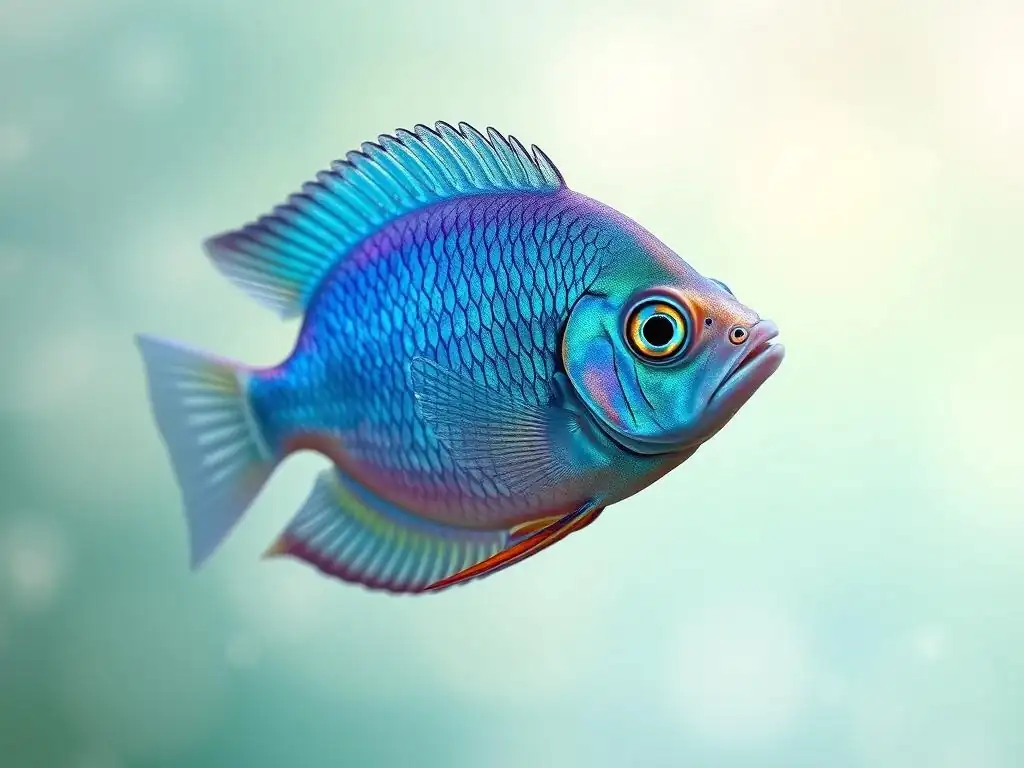
Regular water testing is the cornerstone of maintaining optimal water quality and providing effective dwarf gourami stress relief. At a minimum, weekly tests for ammonia, nitrite, and nitrate levels are crucial. Ammonia and nitrite should always read 0 ppm. Nitrates should ideally be kept below 20 ppm, and certainly below 40 ppm. Additionally, monitoring pH (aiming for stability between 6.0-7.5) and temperature (72-82°F or 22-28°C) is vital.
If tests reveal undesirable parameters, immediate adjustments are necessary. For instance, an ammonia or nitrite spike requires an immediate partial water change (e.g., 50%) and investigation into the cause, such as overfeeding or an uncycled tank. Consistent monitoring allows for proactive intervention, preventing water quality issues from becoming significant dwarf gourami stress causes.
Implementing a Consistent Water Change Schedule
Implementing and adhering to a consistent water change schedule is perhaps the most effective method for long-term dwarf gourami stress relief. A routine partial water change, typically 25% of the tank volume weekly or 50% bi-weekly, helps to dilute accumulated nitrates, replenish essential trace minerals, and remove dissolved organic pollutants that contribute to poor water quality. This regular refreshment of the water column prevents the buildup of toxins that can silently stress your fish.
Using a gravel vacuum during water changes also helps remove uneaten food and fish waste from the substrate, further improving water hygiene. Consistency is key; sudden, large changes after long periods of neglect can be as stressful as the poor water itself. A predictable schedule creates a stable environment that greatly reduces gourami stress.
Using a High-Quality Filtration System
A high-quality filtration system is indispensable for maintaining excellent water quality and ensuring a calm dwarf gourami haven. A good filter provides mechanical filtration (removing particulate matter), chemical filtration (absorbing dissolved pollutants like odors and discoloration), and crucially, biological filtration (housing beneficial bacteria that convert toxic ammonia and nitrite into less harmful nitrate). For dwarf gouramis, filters that provide gentle flow are preferred, such as sponge filters, or hang-on-back filters with baffled outputs.
Regular maintenance of the filter is equally important. Rinsing filter media in old tank water (never tap water, which can kill beneficial bacteria) during water changes prevents clogging and ensures efficient operation. A well-maintained, appropriately sized filter ensures stable water parameters, significantly reducing the likelihood of dwarf gourami stress caused by poor water conditions.
Choosing Compatible Tank Mates
Selecting Peaceful and Non-Aggressive Fish
To create a truly stress-free environment, selecting peaceful and non-aggressive tank mates is paramount for dwarf gouramis. Ideal companions are fish that are similarly sized, have calm temperaments, and do not have a reputation for fin-nipping or territorial aggression. Examples of excellent tank mates include small, peaceful schooling fish like Neon Tetras, Cardinal Tetras, Harlequin Rasboras, and Lambchop Rasboras. Bottom dwellers such as Corydoras Catfish and Otocinclus Catfish are also highly compatible.
These species generally coexist peacefully, reducing the risk of harassment and competition for space or food, which are common dwarf gourami stress causes. A harmonious community tank allows your dwarf gourami to thrive without constant fear or aggression, making it a calm dwarf gourami haven.
Avoiding Fin-Nippers and Territorial Species
Actively avoiding fin-nipping and overtly territorial fish is crucial for dwarf gourami stress relief. Dwarf gouramis have delicate, flowing fins that are highly susceptible to nipping, which can lead to stress, infection, and physical injury. Species notorious for fin-nipping, such as certain Barb species (e.g., Tiger Barbs), or overly boisterous or aggressive cichlids, should be excluded from a dwarf gourami tank.
Similarly, highly territorial fish can constantly harass and chase dwarf gouramis, preventing them from feeding or finding adequate rest. Even other male gourami species can be aggressive towards each other. Researching the temperament and compatibility of any potential tank mate thoroughly before introduction is essential to prevent chronic gourami stress and ensure a peaceful coexistence.
Designing a Stress-Free Tank Environment
Providing Ample Hiding Places with Plants and Decorations
Designing a tank with ample hiding places is fundamental to creating a stress-free environment for dwarf gouramis. These fish appreciate dense vegetation and numerous visual barriers where they can retreat when feeling threatened or simply needing a quiet moment. Live plants like Anubias, Java Fern, Amazon Swords, and Cryptocorynes provide excellent cover and enhance water quality.
In addition to plants, incorporating driftwood, ceramic caves, or smooth rocks can offer additional secure hiding spots. The goal is to break up sightlines and provide multiple options for retreat, ensuring that the dwarf gourami always feels secure and can escape from perceived threats or bright lights. This abundance of cover is key for effective dwarf gourami stress relief.
Using Subdued Lighting or Floating Plants for Shade
Dwarf gouramis prefer subdued lighting conditions, mimicking their natural habitats where dense plant cover often filters sunlight. Intense or overly bright aquarium lighting can be a significant dwarf gourami stress cause, making them feel exposed and uncomfortable. To create a calm dwarf gourami haven, consider using a dimmable light fixture or reducing the duration of intense lighting.
An excellent natural solution is to introduce floating plants such as Amazon Frogbit, Dwarf Water Lettuce, or Salvinia Natans. These plants not only absorb excess nutrients from the water but also effectively diffuse the light entering the tank, creating natural shaded areas and dappled light patterns that are highly appreciated by dwarf gouramis. This provides a sense of security and significantly reduces gourami stress.
Ensuring Gentle Water Flow
As labyrinth fish, dwarf gouramis are accustomed to slow-moving or still waters, and strong water flow can be a significant dwarf gourami stress cause. Constant battling against a powerful current exhausts them and can lead to physical stress and a weakened immune system. When setting up a tank for dwarf gouramis, it's crucial to ensure the filtration system provides gentle water movement.
If using a hang-on-back or canister filter, consider baffling the output with a sponge or directing the flow towards the aquarium glass to dissipate its force. Sponge filters are also an excellent choice as they provide both biological filtration and very gentle water circulation. Ensuring a calm water environment allows your dwarf gourami to swim and rest comfortably without expending unnecessary energy, contributing significantly to their stress relief.
Optimizing Diet and Nutrition
Feeding a Varied and High-Quality Diet
Optimizing your dwarf gourami's diet is a direct pathway to their overall health and a crucial aspect of dwarf gourami stress relief. Feed a varied and high-quality diet that meets their omnivorous needs. This should include a premium flake or small pellet food specifically designed for omnivorous or carnivorous tropical fish, ensuring it's rich in protein, spirulina, and essential vitamins. Look for foods with minimal fillers and natural ingredients.
Supplementing their staple diet with a variety of other foods ensures they receive a full spectrum of nutrients. This nutritional completeness strengthens their immune system, improves their coloration, and boosts their vitality, making them more resilient to environmental stressors.
Supplementing with Live or Frozen Foods
Supplementing your dwarf gourami's diet with live or frozen foods is an excellent way to provide essential nutrients and stimulate their natural foraging behaviors, further contributing to dwarf gourami stress relief. Options like frozen or live brine shrimp, daphnia, and small bloodworms (fed sparingly as a treat) are highly nutritious and eagerly accepted. These foods provide vital proteins, fats, and micronutrients that may not be fully present in dry foods.
Feeding live or frozen foods a few times a week not only enhances their diet but also offers environmental enrichment, encouraging natural hunting instincts and reducing boredom. This varied and enriched diet supports robust health, making your dwarf gourami more resilient to potential stress causes.
Preventing Future Stress: Long-Term Care for Healthy Dwarf Gouramis
Regular Observation and Monitoring
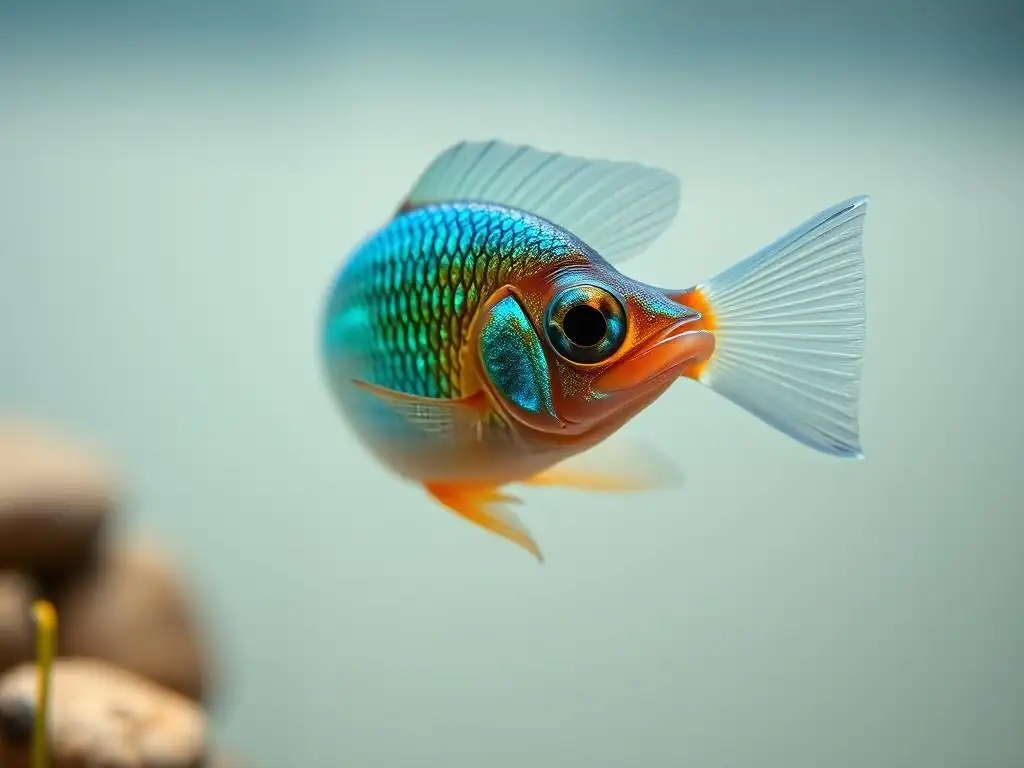
Regular, daily observation and monitoring of your dwarf gourami are crucial for preventing future stress and ensuring their long-term health. By dedicating a few minutes each day to simply watch your fish, you can quickly identify subtle changes in behavior, coloration, or physical appearance that might indicate the onset of dwarf gourami stress. Early detection allows for prompt intervention before minor issues escalate into serious health problems.
Pay attention to how they swim, their feeding habits, their interaction with tank mates, and the vibrancy of their colors. A fish that is suddenly hiding more, refusing food, or showing faded colors requires immediate attention. This proactive approach to monitoring is the most effective way to address potential dwarf gourami stress causes before they become critical.
Proactive Water Quality Management
Proactive water quality management is the cornerstone of preventing future dwarf gourami stress. This involves not just reacting to problems, but consistently maintaining ideal parameters. This means adhering strictly to your regular water change schedule, performing weekly water tests without fail, and cleaning your filter media regularly but gently. The goal is to prevent the buildup of toxins like nitrates and to ensure stable pH and temperature.
By consistently maintaining pristine water conditions, you eliminate one of the most common and significant dwarf gourami stress causes. This stable, clean environment strengthens their immune system, reduces their susceptibility to diseases, and allows them to thrive, ensuring a calm dwarf gourami haven for their entire lifespan.
Maintaining a Stable and Consistent Environment
Beyond water quality, maintaining a stable and consistent overall environment is vital for preventing future dwarf gourami stress. This includes keeping the tank temperature stable within their preferred range (72-82°F or 22-28°C), avoiding sudden changes in lighting cycles, and minimizing external disturbances. Placing the tank in a low-traffic area of the home, away from direct sunlight or loud noises, helps reduce external stressors.
Consistency in feeding times and avoiding overfeeding also contributes to stability. Sudden changes in any environmental factor can trigger a stress response. A predictable and unchanging environment allows dwarf gouramis to feel secure and comfortable, significantly reducing the likelihood of chronic gourami stress and promoting long-term health.
Dwarf Gourami Stress Relief: A Summary of Key Actions
Quick Checklist for Addressing Stressed Gouramis
When you observe signs of dwarf gourami stress, immediate action is crucial for effective dwarf gourami stress relief. Here's a quick checklist to guide your response:
- Test Water Parameters Immediately: Check ammonia, nitrite, nitrate, pH, and temperature. Address any readings outside the optimal range with partial water changes.
- Perform a Partial Water Change: Even if parameters seem okay, a 25-50% water change with dechlorinated, temperature-matched water can help dilute unknown irritants.
- Assess Tank Mates: Observe for bullying or aggression. Consider rehoming aggressive fish if necessary.
- Check Hiding Places: Ensure ample cover is available. Add more plants or decorations if the tank feels sparse.
- Evaluate Lighting and Flow: Reduce intense lighting, add floating plants for shade, or baffle strong filter outputs to create gentler flow.
- Review Diet: Ensure a high-quality, varied diet. Offer a small amount of enticing live or frozen food.
- Monitor for Disease: Look for physical signs of illness (spots, fin rot, growths) that might require medication.
When to Consult an Aquatic Veterinarian or Experienced Aquarist
While many dwarf gourami stress causes can be addressed with diligent husbandry, there are times when professional intervention is necessary. You should consult an aquatic veterinarian or a highly experienced aquarist if:
- Symptoms Persist or Worsen: Despite your best efforts and addressing known stressors, the dwarf gourami's condition does not improve or actively deteriorates over several days.
- Unknown Disease: You suspect a serious disease but cannot accurately diagnose it or are unsure of the appropriate treatment. This is particularly true for complex viral or bacterial infections.
- Rapid Decline: The fish's health declines very quickly, and immediate life-saving measures are required beyond standard water changes.
- Multiple Fish Affected: If several fish in the tank exhibit similar severe symptoms, suggesting a widespread environmental issue or highly contagious disease that you cannot identify.
Seeking expert advice ensures your dwarf gourami receives the most appropriate and timely dwarf gourami stress relief and medical care, maximizing their chances of recovery.
Frequently Asked Questions
What are the common signs of stress in a Dwarf Gourami?
Common signs include loss of appetite, faded coloration, and erratic swimming. These can indicate underlying issues within the aquarium environment.
What are the primary causes of stress in Dwarf Gouramis?
The primary causes of stress stem from poor water quality, aggressive tank mates, and inadequate tank size. Addressing these issues is vital for their well-being.
How can I improve the water quality in my Dwarf Gourami's tank to reduce stress?
Regular water changes, proper filtration, and monitoring water parameters are crucial. Maintaining stable and clean water reduces stress.
What kind of tank mates are unsuitable for Dwarf Gouramis, and why?
Avoid housing Dwarf Gouramis with aggressive or boisterous fish that may bully or outcompete them for food. Calm and peaceful tank mates are preferred.
What are some ways to create a calming environment for my Dwarf Gourami?
Provide plenty of hiding places with plants and decorations, maintain stable water parameters, and minimize sudden changes in lighting or temperature. This helps them feel secure.
Final Reflection: Cultivating Tranquility for Dwarf Gouramis
The insights shared throughout this article highlight the critical importance of understanding and mitigating Dwarf Gourami stress in the aquarium environment. Today, with the increasing popularity of these vibrant fish, the potential for stress-related health issues is more prevalent than ever. Recognizing the subtle signs and proactively addressing the underlying causes is not just about keeping fish alive; it's about ensuring their well-being and fostering a thriving aquatic ecosystem.
This journey into the world of Dwarf Gourami care has underscored the profound impact we have on these delicate creatures. It's a reminder that responsible fishkeeping extends beyond simply providing food and water; it demands empathy, observation, and a commitment to creating an environment that mimics their natural habitat. The greatness of a nation and its moral progress can be judged by the way its animals are treated.
- Mahatma Gandhi. This quote resonates deeply, urging us to consider the ethical dimensions of our interactions with all living beings, including the small, yet captivating, Dwarf Gourami.
Now, armed with this knowledge, I invite you to reflect on your own practices and consider how you can further enhance the lives of your Dwarf Gouramis, or any fish you may keep. Let us all strive to be more mindful aquarists, creating calm havens where these beautiful creatures can thrive, showcasing their vibrant colors and captivating personalities for years to come.
Cultivate a Thriving Gourami Sanctuary!
Thank you for exploring the world of dwarf gouramis with us! We hope you've gained valuable insights into recognizing stress and understanding how to create a more serene environment for your scaled companion. Now, it's time to turn knowledge into action!
Here's how you can further enhance your gourami's life:
- Prioritize their peace: Assess your current tank setup and adjust lighting, filtration, or tank mates to minimize stressors and create a truly calm and secure haven for your gourami. This is the single most important thing you can do!
- Share the knowledge:Inspire other hobbyists! Share this article on your favorite aquarium forums or social media groups to help spread awareness about dwarf gourami stress.
- Explore natural remedies: Research and consider using natural supplements like Indian almond leaves or specific plants known for their calming properties to create a more stress-free environment.
What specific change will you make in your gourami's tank this week to foster a more peaceful environment?