
Evaluating Offspring: Critical Selection in Variatus Line Breeding

Welcome to Aquarium Mastery!
Dive into the fascinating world of aquarium keeping, where we equip you with the knowledge to create thriving aquatic ecosystems. Curious about perfecting your Variatus line breeding? Discover the critical selection criteria that will transform your offspring evaluation process and unlock the secrets to a truly exceptional lineage. Let's begin your journey to aquarium mastery!
- Understanding Variatus Line Breeding for Improved Traits
- Establishing Variatus Line Breeding Selection Criteria
- Evaluating Physical Traits in Variatus Offspring
- Assessing Health and Vigor in Variatus Line Breeding
- Genetic Considerations for Variatus Line Selection
- Practical Methods for Variatus Offspring Evaluation
- Refining Your Variatus Selection Process
- Advanced Techniques for Variatus Breeding and Selection
- Common Challenges in Variatus Line Breeding Selection
- Conclusion: Mastering Variatus Line Breeding Through Critical Selection
-
Frequently Asked Questions
- What are the primary goals of Variatus line breeding, and how does selection criteria play a role?
- How do I establish effective selection criteria for Variatus line breeding, considering factors like color and finnage?
- What are some common mistakes aquarists make when applying selection criteria during Variatus line breeding?
- How frequently should I evaluate Variatus offspring and apply my established selection criteria during line breeding?
- Beyond physical appearance, what other factors should be included in my selection criteria for Variatus line breeding?
- Final Reflection: Refining the Art of Variatus Lineage
- Ignite Your Variatus Breeding Journey!
Understanding Variatus Line Breeding for Improved Traits
What is Variatus Line Breeding and Why is Selection Important?
Variatus line breeding is a specialized form of selective breeding focused on the Xiphophorus variatus species, commonly known as the Variatus platy. This practice involves carefully selecting individuals from each generation to perpetuate and enhance specific desirable traits within a closed population. The primary purpose is to stabilize characteristics such as vibrant coloration, unique fin shapes, or even increased disease resistance, ensuring these traits are consistently passed down to offspring. This methodical approach to breeding, often seen in ornamental fish keeping since the early 20th century, allows hobbyists to develop distinct and high-quality strains of Variatus.
The importance of rigorous selection cannot be overstated in a Variatus line breeding program. Without careful and consistent evaluation of offspring, desired traits can quickly diminish or be lost entirely, while undesirable characteristics—such as deformities, poor health, or dull coloration—can inadvertently proliferate. Selection acts as the cornerstone of genetic improvement, ensuring that only the most exemplary individuals contribute to the next generation. Given that Variatus fish can reach sexual maturity in as little as 3-4 months under optimal conditions, their relatively short generation time allows breeders to implement rapid selection cycles, accelerating the progress towards their breeding goals.
Goals of Variatus Line Breeding: Defining Desirable Traits
The goals of Variatus line breeding often encompass a range of aesthetic and health-related attributes. A common objective is to intensify and stabilize specific color morphs, such as the brilliant, uniform red of a "Red Variatus," the striking orange-yellow gradient of a "Sunset Variatus," or the distinct black spotting of a "Leopard Variatus."
Breeders might also aim for unique fin variations, although less common in pure Variatus, or specific body shapes that deviate from the standard wild type, striving for a more robust or elongated profile. These aesthetic targets require a keen eye and consistent application of Variatus line breeding selection criteria.
Beyond visual appeal, many breeders focus on enhancing the overall health and vigor of their Variatus lines. This can include objectives like improved disease resistance, making the fish less susceptible to common ailments such as Ich or fin rot, or increased growth rates, allowing fish to reach marketable size more quickly.
Another crucial goal might be to boost reproductive capacity; for instance, aiming to produce Variatus that consistently yield large clutches of 30-50 viable fry per spawn, with a high survival rate to adulthood, contrasting sharply with unselected lines that might only average 15-20 fry per clutch. These health-oriented goals contribute significantly to the long-term sustainability and quality of a Variatus line.
Establishing Variatus Line Breeding Selection Criteria
Defining Clear Selection Goals for Variatus Hybrids
Establishing precise and measurable selection goals is paramount for the success of any Variatus line breeding program. Vague objectives, such as simply aiming for "better color," often lead to inconsistent results and slow progress. Instead, breeders should define SMART (Specific, Measurable, Achievable, Relevant, Time-bound) goals. For example, a clear goal might be "to intensify red pigmentation by 20% within three generations" or "to achieve a uniform black body with no silver scales in 90% of offspring by the second generation." This level of specificity provides a clear target for evaluation and selection.
To effectively define these goals, it is highly recommended to create a written standard or a detailed "scorecard" for the ideal Variatus fish. This document should meticulously describe every desired trait, from the exact hue of a color to the precise proportions of fins and body.
Breeders can reference existing show standards for livebearers, if applicable, or establish unique criteria for their novel lines. For instance, a breeder might specify that the dorsal fin height should be at least 75% of the body depth, or that the caudal fin should exhibit a specific lyretail shape, providing concrete Variatus line breeding selection criteria for every fish evaluated.
Key Performance Indicators (KPIs) in Variatus Offspring Evaluation
Key Performance Indicators (KPIs) are quantifiable metrics that provide objective measures of progress and success within a Variatus line breeding program. Examples of crucial KPIs include the percentage of fry exhibiting desired coloration at a specific age (e.g., 80% with target red coloration at 1 month), the average weekly growth rate (e.g., 0.5 cm per week), the survival rate from fry to maturity (e.g., 85% survival rate), and the average number of viable fry produced per spawn. These metrics allow for a data-driven approach to selection, moving beyond subjective observations.
Tracking these KPIs systematically allows breeders to objectively compare the performance of different spawns and identify the most promising breeding pairs. For instance, if one breeding pair consistently produces 70% of fry that meet the target fin shape criterion, while another pair yields only 40%, the former is clearly superior based on the defined Variatus line breeding selection criteria. Regular monitoring of KPIs helps in making informed decisions about which individuals to keep for future breeding and which to cull, ensuring that resources are focused on the most genetically valuable stock.
Evaluating Physical Traits in Variatus Offspring
Assessing Coloration and Pattern Quality in Variatus
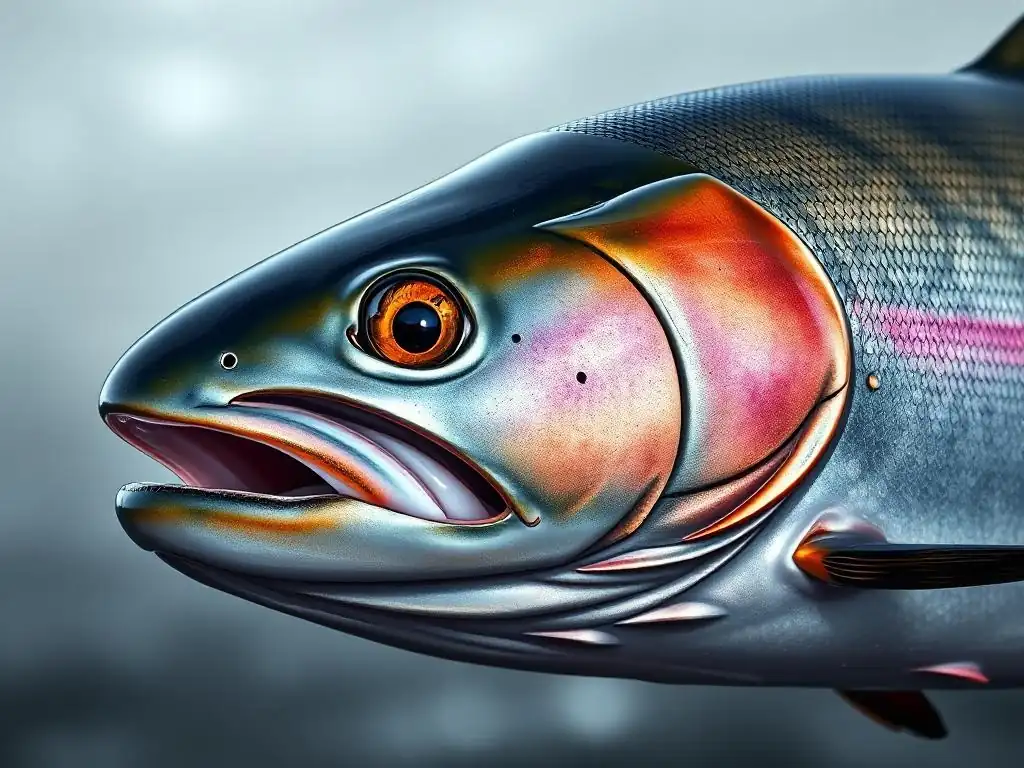
Evaluating coloration and pattern quality in Variatus offspring requires careful observation under consistent lighting conditions. Breeders should examine fry and juveniles for intensity, uniformity, and the absence of any undesired pigments or blotches. For example, a "Sunset Variatus" should display a vibrant, clear orange gradually transitioning to yellow, without dull areas, muddy tones, or unintended black spots. It's crucial to remember that coloration can develop and change as the fish matures, so multiple evaluations at different age milestones—such as 1 month, 2 months, and 3 months—are often necessary to get a complete picture.
Specific pattern evaluation is equally important. For Variatus varieties known for their distinct patterns, such as the "Leopard Variatus," the goal might be to achieve clear, well-defined, and evenly distributed black spots on a contrasting light background. Any blurring, unevenness, or merging of spots would be considered a deviation from the ideal Variatus line breeding selection criteria. Breeders must also be aware that some patterns are sex-linked or only become fully apparent once the fish reaches sexual maturity, necessitating patience and continued observation throughout the growth process.
Evaluating Body Shape and Finnage in Variatus Offspring
The ideal body shape for a Variatus is typically robust and somewhat elongated, distinguishing it from the more compact Platy or the streamlined Swordtail. When evaluating offspring, breeders should look for straight spines, ensuring there are no deformities such as bent backs or stunted growth, which can indicate genetic issues or poor rearing conditions. The head-to-body ratio should be well-proportioned, contributing to an overall aesthetically pleasing and healthy appearance. Any signs of spinal curvature or disproportionate growth should lead to the culling of the individual.
Finnage is another critical physical trait, requiring assessment of all fins: dorsal, caudal (tail), anal, pectoral, and pelvic. Desirable traits can include a full, flowing dorsal fin, a broad and symmetrical caudal fin, or specific fin shapes like lyretails, which are sometimes introduced through careful hybridization. All fins should have clean, smooth edges, free from nips, tears (unless clearly from aggression, which itself is a selection point), or signs of improper development. A Variatus that develops a ragged or undersized dorsal fin at maturity, for example, would not meet the stringent Variatus line breeding selection criteria for finnage.
Size and Growth Rate as Selection Criteria in Variatus
Growth rate is a significant indicator of health, vigor, and efficient metabolism in Variatus offspring. Breeders should consistently monitor the growth of their fry and juveniles by measuring them at regular intervals, perhaps weekly or bi-weekly. Faster, consistent growth is generally desirable, as it suggests strong genetics and optimal nutrient utilization. For instance, while an average Variatus might reach 2-3 cm in length by 2 months of age, top-performing individuals in a well-managed line breeding program might exceed this, showing superior genetic potential.
The ultimate adult size is also a key selection criterion. While wild-type Variatus typically reach a length of 5-7 cm (2-2.75 inches) for males and 7-8 cm (2.75-3.25 inches) for females, a breeder might have specific goals, such as aiming for larger specimens for show purposes or smaller, more compact fish suitable for nano aquariums.
The consistent achievement of the target adult size across a significant portion of a spawn indicates successful Variatus line breeding selection criteria application and genetic stability for this trait. Deviations from the target size, whether too small or excessively large for the desired line, would lead to culling.
Assessing Health and Vigor in Variatus Line Breeding
Identifying Signs of Disease Resistance in Variatus Fry
Identifying signs of disease resistance in Variatus fry is crucial for building a robust and resilient line. Healthy fry are typically active, exhibit strong appetites, and show uniform development within their group. Breeders should vigilantly observe for any individuals that appear lethargic, consistently refuse food, or display early symptoms of common aquarium ailments such as Ich (indicated by white spots) or fin rot. While environmental factors undeniably influence health, consistent susceptibility to disease within a spawn, even under good conditions, often points to underlying genetic weaknesses.
To proactively assess inherent disease resistance, some advanced breeders might, under controlled and ethical conditions, expose a small portion of the offspring to a very mild environmental stressor, such as a slight, temporary temperature fluctuation or minimal overfeeding. Individuals that remain robust, active, and unaffected by these minor stressors are strong candidates for selection, as this indicates a genetic predisposition to good health and resilience. This rigorous approach is a vital component of the Variatus line breeding selection criteria, aiming to produce hardy fish.
Evaluating Swimming Behavior and Activity Levels in Variatus
Evaluating swimming behavior and activity levels provides valuable insights into the overall vigor and health of Variatus offspring. Healthy Variatus are typically active and curious swimmers, constantly exploring their environment, foraging for food, and interacting appropriately with their tank mates. Breeders should observe for strong, coordinated swimming motions, noting any individuals that struggle to maintain buoyancy, swim erratically, or exhibit unusual jerky movements. Consistently hiding or remaining motionless for extended periods can also be a sign of underlying health issues or weakness.
Furthermore, observing social dynamics within the group can inform selection. While Variatus are generally peaceful, overly aggressive individuals (particularly males displaying excessive territoriality) or those that are excessively timid and stressed by tank mates might be considered for culling. Temperament is, to some extent, a heritable trait, and selecting for a balanced, active, yet harmonious disposition contributes to the overall quality and desirability of the Variatus line. A calm, yet engaged, swimming behavior is a key aspect of the Variatus line breeding selection criteria for vigor.
Longevity as a Selection Factor in Variatus Lineage
Longevity, while challenging to assess in young fry, becomes a critical selection factor when evaluating breeding stock and observing multiple generations. Breeders should meticulously track the lifespan of their breeding pairs and their offspring. Variatus fish typically live for 2-3 years in optimal aquarium conditions. Prioritizing individuals from lineages known for extended lifespans is crucial for breeders aiming to develop genuinely robust and long-lived lines, as it indirectly selects for overall genetic health and resilience against age-related decline.
Fish that exhibit greater longevity often remain reproductively viable for a longer period, yielding more spawns over their lifetime and thus proving more valuable to a breeding program. This extended reproductive window allows for more opportunities to produce high-quality offspring, further cementing the desired traits within the line. Selecting for longevity essentially selects for comprehensive genetic robustness, making it an indispensable, albeit long-term, Variatus line breeding selection criteria.
Genetic Considerations for Variatus Line Selection
Understanding Heritability of Traits in Variatus Fish
Understanding the heritability of specific traits is fundamental to effective Variatus line breeding. Not all characteristics are equally heritable, meaning some traits are more strongly influenced by genetics than others. For instance, complex color patterns and specific fin shapes in Variatus often exhibit high heritability, with an estimated 60-80% of their variation attributable to genetic factors. This high heritability implies that offspring will tend to closely resemble their parents for these traits, allowing for rapid and predictable progress through selective breeding.
Conversely, traits such as overall growth rate or disease resistance can have lower heritability, with a significant portion of their expression influenced by environmental factors like diet, water quality, and stress. While still important for Variatus line breeding selection criteria, progress in these areas might be slower, often showing only 20-40% of variation being purely genetic. This necessitates even more rigorous environmental control during the evaluation phase to ensure that observed differences are truly genetic and not merely a reflection of varying tank conditions. Breeders must adjust their selection intensity based on a trait's heritability.
Minimizing Inbreeding Depression in Variatus Line Breeding
Continuous breeding within a very small, closed Variatus line can inadvertently lead to inbreeding depression, a significant genetic concern. This phenomenon manifests as a reduction in overall fitness, characterized by diminished fertility, smaller clutch sizes (potentially dropping from 40 to as few as 10 fry per spawn), increased susceptibility to common diseases, and the emergence of physical deformities such as spinal kinks or gill plate abnormalities. Inbreeding depression can severely undermine the health and viability of an otherwise promising line.
To mitigate the risks of inbreeding depression, breeders should employ strategic genetic management techniques. Periodically outcrossing with carefully selected, unrelated, high-quality Variatus of the same desired traits is an effective strategy to introduce fresh genetic material and boost vigor. Alternatively, maintaining multiple distinct Variatus lines within a breeding program and occasionally crossing them can achieve similar benefits. The goal is to keep the inbreeding coefficient below a critical threshold, typically aiming for less than 5-10% in any given generation, which requires meticulous record-keeping as part of the Variatus line breeding selection criteria.
Documenting Pedigrees and Lineage in Variatus Breeding Programs
Meticulous documentation of pedigrees and lineage is an indispensable practice in any serious Variatus breeding program. This involves accurately recording information for each breeding pair and their subsequent offspring, including spawning dates, the precise number of fry produced, and detailed observations on the development of key traits over time. Utilizing digital spreadsheets, dedicated breeding software, or even well-organized physical notebooks can streamline this process, creating an invaluable database of genetic information.
This comprehensive pedigree data serves multiple critical functions in Variatus line breeding selection criteria. It allows breeders to precisely trace the inheritance of desired traits, identify potential carriers of recessive genes that might surface in later generations, and effectively plan strategic outcrosses to introduce new genetic diversity or avoid accidental inbreeding. For example, knowing that a specific male consistently produces offspring with exceptionally large and well-formed caudal fins enables a breeder to prioritize his sons for future breeding, thereby reinforcing and refining that specific trait across the lineage.
Practical Methods for Variatus Offspring Evaluation
Setting Up Grow-Out Tanks for Variatus Fry
Setting up dedicated grow-out tanks is a practical necessity for effective Variatus offspring evaluation. It is highly recommended to have multiple tanks to separate different spawns, or to group fry based on initial quality assessments, preventing overcrowding and allowing for individual observation. Providing adequate space—for example, a 5-gallon tank can comfortably house 20-30 Variatus fry during their initial growth phase—is crucial for optimal development. These tanks should also be equipped with appropriate filtration (e.g., sponge filters) and heating to maintain stable conditions.
Maintaining environmental consistency across all grow-out tanks is paramount for accurate evaluation. This means ensuring stable water parameters, including temperature (e.g., 24-26°C or 75-79°F), pH (e.g., 7.0-7.8), and water hardness, as well as adhering to a consistent, high-quality feeding regime. By minimizing environmental variations, breeders can be more confident that any observed differences in growth, coloration, or health among the fry are primarily due to genetic factors, thus providing reliable data for applying Variatus line breeding selection criteria.
Implementing a Variatus Grading System
Implementing a structured Variatus grading system is a highly effective method for objective offspring evaluation. This involves developing a simple, yet comprehensive, grading scale (e.g., A, B, C or 1-5) for each of the desired traits. For instance, an "A" grade might signify perfect coloration and finnage, "B" for good quality with minor, acceptable flaws, and "C" for individuals that do not meet the minimum Variatus line breeding selection criteria. This systematic approach allows for clear, consistent, and objective comparison across individuals and spawns.
Grading sessions should be conducted at specific, predetermined milestones in the fish's development, such as at 1 month, 2 months, and just prior to sexual maturity. This regular assessment helps breeders identify promising individuals early in their development and allows for timely culling of those that clearly do not meet the program's standards. A consistent grading system transforms subjective observation into quantifiable data, making the selection process more efficient and effective, and providing a clear benchmark for genetic progress.
Photographing and Documenting Variatus Progress
High-quality photography and video documentation are invaluable tools for tracking and evaluating Variatus progress over time. Breeders should aim to take clear, well-lit photographs or short videos of individual fish or groups at various developmental stages, using consistent backgrounds to ensure accurate comparison. This visual record complements written observations and grading scores, providing an objective snapshot of how traits are developing.
Visual documentation enhances the evaluation process by allowing breeders to review and compare the development of specific traits over time, across different spawns, or even between generations. It serves as a powerful reference when analyzing Variatus line breeding selection criteria, especially for traits that evolve with maturity. Furthermore, these visual records can be a valuable asset for sharing progress with other breeders, showcasing the quality of the line, or providing visual proof of the fish's attributes when selling stock.
Refining Your Variatus Selection Process
Analyzing Selection Data and Adjusting Breeding Strategies
Regularly analyzing all collected selection data is crucial for refining your Variatus breeding program. This includes reviewing Key Performance Indicators (KPIs), individual grading scores, and detailed pedigree information. By identifying patterns and correlations within this data, breeders can gain profound insights. For example, if data consistently shows that a specific male produces offspring with exceptional coloration but consistently flawed finnage, this informs future pairing decisions, guiding the breeder away from combinations that yield undesirable trade-offs.
This data-driven analysis forms the basis for an iterative process of continuous improvement. Based on the insights gained, breeders can adjust their breeding pairs, modify existing culling criteria, or even redefine their selection goals to align with observed genetic responses. This dynamic and responsive approach ensures that the Variatus line breeding selection criteria remain effective and that the breeding program continuously evolves towards its desired outcomes, maximizing genetic gain with each successive generation.
Culling Undesirable Variatus Offspring
Culling, the process of humanely removing individuals that do not meet the established selection criteria, is a necessary and integral part of effective Variatus line breeding. While it can be a challenging aspect for some breeders, culling is essential to prevent the propagation of undesirable traits, such as deformities, poor growth, or susceptibility to disease. It also frees up valuable tank space and concentrates resources (food, filtration, attention) on the most promising and genetically valuable individuals, ensuring optimal conditions for their development.
Ethical considerations are paramount when culling. Breeders should employ swift and humane methods, such as an overdose of clove oil, to ensure a painless and stress-free dispatch for the fish. It's important to view culling not as wasteful, but as a critical management tool for genetic improvement and maintaining the overall health, vigor, and purity of the Variatus line. By adhering strictly to the Variatus line breeding selection criteria, culling becomes a strategic decision that drives the success of the entire breeding program.
Maintaining Genetic Diversity within Variatus Lines
While intense selection is vital for rapidly fixing desired traits, it also inherently reduces genetic diversity within a Variatus line. This reduction can make the line more vulnerable to unforeseen diseases, environmental changes, or even lead to inbreeding depression over time, a phenomenon sometimes referred to as a "genetic bottleneck." A line with severely restricted genetic diversity may struggle to adapt and thrive in the long run.
Therefore, balancing rigorous selection with the maintenance of adequate genetic diversity is a crucial long-term strategy. Breeders can achieve this by periodically introducing unrelated bloodlines through carefully planned outcrosses with high-quality Variatus that possess similar desired traits. Another effective method is to maintain multiple parallel lines within the breeding program, occasionally crossing them to introduce genetic variation while still adhering to the core Variatus line breeding selection criteria. This approach ensures a broader gene pool, providing resilience and the potential for future trait development.
Advanced Techniques for Variatus Breeding and Selection
Selective Breeding for Specific Color Morphs in Variatus
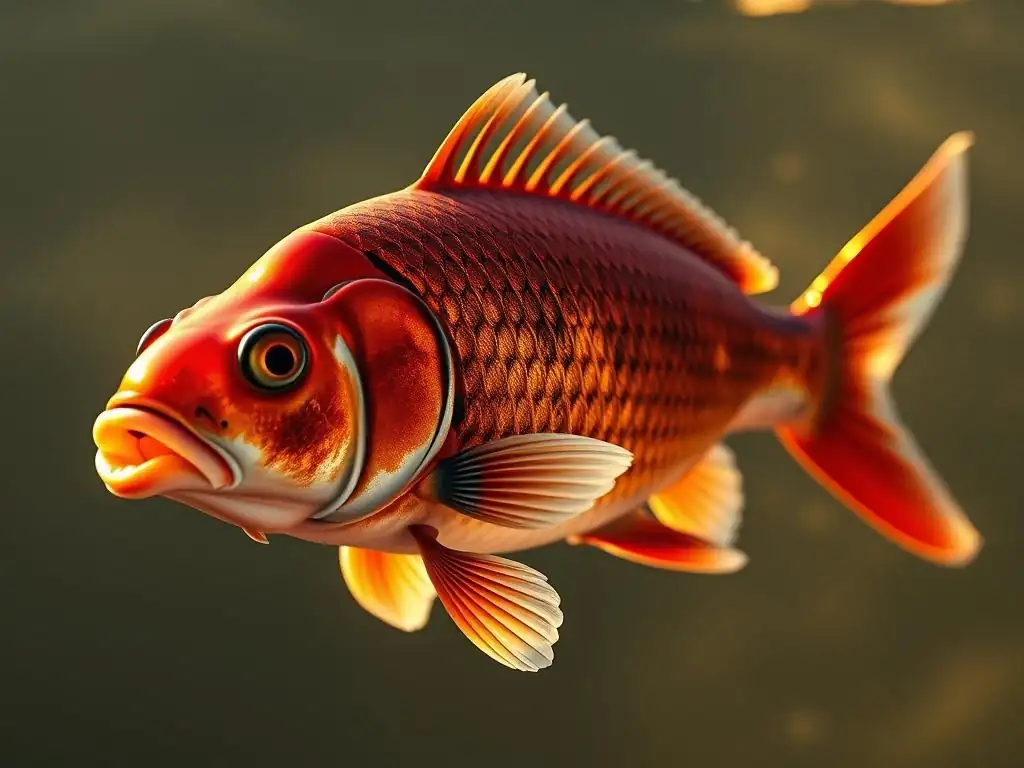
Selective breeding for specific color morphs in Variatus often involves a more targeted approach to genetic isolation and intensification. This may require test crosses to determine the genetic purity of a parent fish or to identify carriers of recessive color genes. For example, to develop a true-breeding "Black Variatus" line, breeders would meticulously select individuals exhibiting the deepest, most uniform black pigmentation, rigorously culling any fish displaying silver scales, red undertones, or blotchiness. The goal is to isolate and concentrate the genes responsible for the desired phenotype.
Many striking Variatus color patterns are polygenic, meaning they result from the interaction of multiple genes. This complexity makes selection more challenging but also allows for a greater diversity of outcomes. For instance, creating a vibrant "Pineapple Variatus" might necessitate selecting for both a specific yellow base coloration and a distinct red overlay pattern, requiring the simultaneous application of multiple Variatus line breeding selection criteria. Understanding these genetic interactions, even anecdotally through observation, is key to achieving consistent and stunning color morphs.
Crossbreeding Variatus Lines to Introduce New Traits
Crossbreeding different Variatus lines, or even carefully selected closely related Xiphophorus species (though this requires a clear understanding of species integrity), can be a powerful technique to introduce novel genetic traits not present in the current breeding line. This might include a completely new fin shape, a unique color gene, or enhanced resistance to a particular disease. The initial cross (F1 generation) often exhibits "hybrid vigor," showing increased robustness and growth due to the combination of diverse genetics.
However, the real work begins in subsequent generations (F2, F3, and beyond). To stabilize the newly introduced trait while preserving the existing desirable characteristics of the original line, rigorous selection and repeated backcrossing to the original pure Variatus line are necessary. This process helps to dilute unwanted genes from the introduced bloodline while concentrating the desired new trait. It demands meticulous record-keeping and a precise application of Variatus line breeding selection criteria to ensure the new trait becomes a stable part of the main line without compromising its established quality.
Utilizing Genetic Testing for Enhanced Variatus Selection
The field of genetic testing offers a promising, albeit still developing, avenue for significantly enhancing Variatus selection. While not yet widely accessible or affordable for the average hobbyist Variatus breeder, advancements in DNA sequencing and marker identification could revolutionize traditional breeding practices. In the future, genetic markers might allow breeders to identify specific genes responsible for desired colors, disease resistance, or even sex, even in very young fry before physical traits are fully expressed.
The potential applications of such testing are transformative. Imagine being able to identify a "true red" gene marker in a Variatus fry just days after birth, saving months of grow-out time and resources that would otherwise be spent on individuals that ultimately do not meet the color standard. This genotype-based selection would significantly accelerate progress, reduce the need for extensive grow-out tanks, and make the application of Variatus line breeding selection criteria incredibly precise, leading to more efficient and successful breeding programs.
Common Challenges in Variatus Line Breeding Selection
Dealing with Unexpected Genetic Variations in Variatus
Even in well-established and seemingly stable Variatus lines, breeders may encounter unexpected genetic variations. These can manifest as the sudden appearance of recessive traits that have been hidden for generations, or as spontaneous mutations leading to novel colors, unusual fin shapes, or even physical deformities. For example, a previously unseen "short body" gene might suddenly express itself in a portion of a spawn, or a new, unidentifiable color patch might appear.
When faced with such unexpected variations, breeders have two primary courses of action. They can choose to cull these individuals if the variation is undesirable or detrimental to the line's goals. Alternatively, if the variation presents a novel and desirable characteristic, a breeder might decide to isolate and work to stabilize it, potentially leading to the development of a completely new Variatus morph. This requires a flexible approach to the Variatus line breeding selection criteria and an openness to exploring new genetic possibilities.
Overcoming Environmental Influences on Variatus Phenotype
A significant challenge in Variatus line breeding is distinguishing between genetic traits (genotype) and those influenced by environmental factors (phenotype). A fish's appearance and health are the result of both its inherited genes and the conditions in which it is raised. Poor water quality, an inadequate or inconsistent diet, overcrowding, or high stress levels can severely mask desirable genetic traits, causing a genetically superior fish to appear sub-par, or exacerbate undesirable ones.
To overcome these environmental influences and ensure accurate Variatus line breeding selection criteria, breeders must prioritize providing optimal and consistent environmental conditions for all offspring. This includes maintaining stable water parameters (e.g., precise temperature control at 24-26°C or 75-79°F, consistent pH between 7.0-7.8), performing regular water changes, and providing a varied, high-quality diet tailored to their developmental stages. By minimizing environmental variability, breeders can be more confident that observed differences truly reflect genetic potential, making their selection decisions more effective.
Managing Space and Resources in Variatus Breeding Programs
Managing tank space and resources is arguably one of the biggest practical challenges for hobbyist Variatus breeders. Breeding large numbers of Variatus to ensure a statistically significant sample size for selection inevitably requires substantial tank space for grow-out, especially when separating different spawns, grading groups, or isolating promising individuals. This can quickly become a limiting factor, even for dedicated enthusiasts. A breeder might ideally want to evaluate hundreds of fry, but practical limitations might restrict them to effectively managing only 50-100 per spawn.
To effectively manage these constraints, breeders often employ various strategies. Staggering breeding efforts (not breeding all pairs at once) can help distribute the demand for tank space over time. Implementing early and decisive culling based on initial Variatus line breeding selection criteria frees up valuable real estate. Efficient use of filtration systems, heating, and lighting can also optimize resource allocation. Balancing the desire for large sample sizes with the practical limitations of space and time is a constant negotiation in a successful Variatus breeding program.
Conclusion: Mastering Variatus Line Breeding Through Critical Selection
The Future of Variatus Line Breeding and Selective Practices
Mastering Variatus line breeding is an ongoing journey of meticulous observation, rigorous evaluation, and continuous refinement. The future of Variatus breeding holds immense potential for the development of even more vibrant colors, unique fin shapes, and remarkably robust, disease-resistant strains. As breeders continue to apply and refine their Variatus line breeding selection criteria with increasing precision, the genetic quality and diversity of these beautiful livebearers will continue to improve, captivating aquarists worldwide. This dedication ensures the long-term health and aesthetic appeal of the species in the hobby.
The collaborative spirit within breeder communities also plays a vital role in the future of Variatus line breeding. Sharing knowledge, experiences, and even genetic material helps to maintain diverse genetic pools and accelerate progress across the hobby. As new technologies emerge and our understanding of Variatus genetics deepens, these innovations will continue to push the boundaries of what is possible, leading to exciting new variations and a more profound appreciation for the art and science of selective breeding.
Resources for Further Learning About Variatus Genetics and Breeding
For those eager to delve deeper into the intricacies of Variatus genetics and breeding, a wealth of resources is available. Consulting established aquarium literature, particularly books focused on livebearer breeding and genetics, can provide foundational knowledge. Scientific papers on Xiphophorus species genetics offer more in-depth insights into heritability and genetic mechanisms. Reputable online forums and specialized livebearer enthusiast groups are invaluable platforms for connecting with experienced breeders, asking questions, and learning from collective wisdom.
Ultimately, the most profound learning comes from hands-on experience. Aspiring Variatus breeders are encouraged to start their own small-scale line breeding projects, applying the Variatus line breeding selection criteria discussed here. Meticulously documenting all findings—from spawning records to growth rates and trait development—not only aids in personal progress but also contributes valuable data to the broader collective knowledge base of the aquarium hobby, fostering a deeper understanding of these fascinating fish.
Frequently Asked Questions
What are the primary goals of Variatus line breeding, and how does selection criteria play a role?
The primary goal is to improve specific traits in Variatus fish. Selection criteria are the standards you use to choose which fish will breed, influencing the genetic makeup of future generations.
How do I establish effective selection criteria for Variatus line breeding, considering factors like color and finnage?
Start by defining your desired traits, such as specific colors or fin shapes. Then, consistently select individuals exhibiting those traits most strongly, while also considering their overall health and vitality.
What are some common mistakes aquarists make when applying selection criteria during Variatus line breeding?
Overlooking genetic diversity is a frequent error, leading to weakened immune systems and deformities. Also, focusing solely on one trait can neglect other essential qualities like disease resistance.
How frequently should I evaluate Variatus offspring and apply my established selection criteria during line breeding?
Evaluate offspring at various stages, typically from juvenile to young adult, to assess trait development. Consistent application of your selection criteria across generations is vital.
Beyond physical appearance, what other factors should be included in my selection criteria for Variatus line breeding?
Consider factors like growth rate, disease resistance, and temperament, as these contribute to the overall health and viability of your Variatus line. Focusing only on aesthetics can lead to long-term problems.
Okay, here's a final reflection tailored for your article, "Evaluating Offspring: Critical Selection in Variatus Line Breeding," optimized for the keyword "Variatus line breeding selection criteria," and following the structure you provided:
Final Reflection: Refining the Art of Variatus Lineage
The detailed exploration of Variatus line breeding selection criteria presented throughout this article underscores its enduring relevance in modern fishkeeping. While technological advancements offer new tools, the fundamental principles of careful observation, meticulous record-keeping, and critical evaluation remain the cornerstones of successful line breeding. This dedication to refining genetic traits ensures not only the health and vitality of future generations but also the continued appreciation of the Variatus's unique beauty.
The impact of thoughtful selection extends beyond the individual breeder, shaping the overall quality and diversity within the hobby. The dedication required for effective line breeding fosters a deeper understanding of genetics and responsible animal husbandry, contributing to a more ethical and sustainable approach to fishkeeping. The goal of breeding is to improve the breed. To do that, you must know what you want and then select for it.
This quote perfectly encapsulates the essence of Variatus line breeding, highlighting the importance of a clear vision and unwavering commitment to achieving it.
As we conclude this exploration, consider the power you hold as a breeder to shape the future of the Variatus. Reflect on the selection criteria discussed, and how you can apply them to your own breeding programs. Embrace the challenge of refining your lineage, contributing to the preservation and enhancement of this captivating species. Your dedication to critical selection will not only improve your own stock but also enrich the entire Variatus community for generations to come.
Ignite Your Variatus Breeding Journey!
Thank you for delving into the critical world of Variatus line breeding. Now that you're armed with selection techniques, it's time to take action and refine your own prized line.
Here are a few ways to continue your journey:
- Implement your first evaluation. Start by identifying your best individuals using the traits discussed and plan your first select breeding.
- Delve deeper: Research specific genetic traits you want to enhance in your line to find complementary phenotypes.
- Share your discoveries! Post photos of your most promising offspring in the comments section of this article to help other breeders on their own journeys.
What specific trait are you most eager to improve in your Variatus line, and what strategies will you use to achieve it?