
Photographing Your Oscar or Severum: Pro Tips for Stunning Fish Portraits

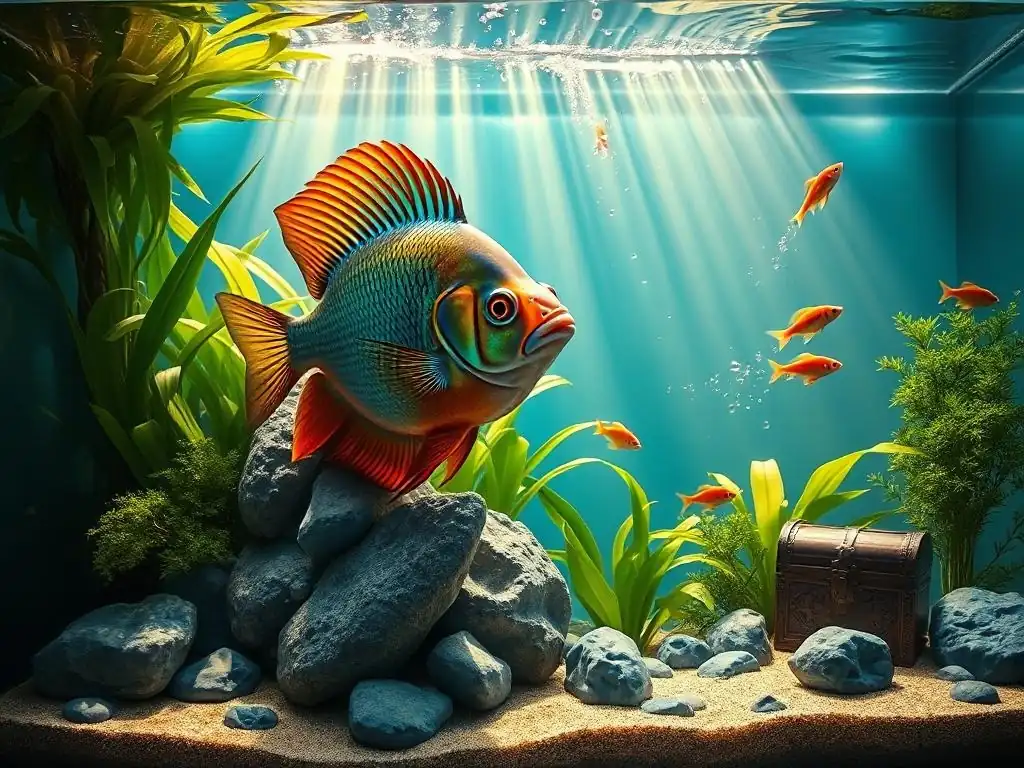
Welcome to Aquarium Mastery, your ultimate guide to thriving aquatic ecosystems!
Ever wanted to capture the majestic beauty of your Oscar or Severum in stunning detail? Dive into our latest article where we unlock the secrets to Oscar fish photography tips, revealing how to take breathtaking portraits of your finned friends. Prepare to transform your aquarium snapshots into works of art, and discover techniques that will have everyone asking, "How did you do that?!"
- Introduction: Capturing the Beauty of Your Cichlids
- Understanding Your Subject: Oscar and Severum Behavior for Better Photos
- Essential Equipment for Aquarium Fish Photography
- Aquarium Setup for Optimal Fish Photography
- Oscar Fish Photography Tips: Techniques for Capturing the Perfect Shot
- Severum Photography Techniques: Highlighting the Unique Features of Severums
- Mastering Aquarium Lighting for Fish Photography
- Post-Processing for Aquarium Fish Photography
- Advanced Techniques for Stunning Fish Photos
- Troubleshooting Common Fish Photography Problems
- Conclusion: Elevate Your Aquarium Photography Skills
-
Frequently Asked Questions
- How can I improve the sharpness of my Oscar fish photos?
- What are the best camera settings for photographing Oscars in an aquarium?
- How do I minimize reflections and glare in my aquarium photos?
- What are some tips for capturing the vibrant colors of my Oscar or Severum?
- How can I get my Oscar fish to pose for a good photo?
- Final Reflection: Capturing Aquatic Majesty
- Capture the Splendor: Immortalize Your Oscar's Beauty!
Introduction: Capturing the Beauty of Your Cichlids
Aquarium enthusiasts often marvel at the vibrant colors and dynamic personalities of their Oscar and Severum cichlids. These magnificent fish, known for their intelligence and striking appearance, make for captivating subjects. However, capturing their beauty through photography can be a challenging endeavor, requiring a blend of technical skill, patience, and an understanding of their unique behaviors. This guide provides comprehensive Oscar fish photography tips and techniques for Severum photography, ensuring you can create stunning, professional-quality portraits of your aquatic companions.
Understanding Your Subject: Oscar and Severum Behavior for Better Photos
Oscar and Severum Temperament: Predicting Movement for Sharp Images
Oscars (Astronotus ocellatus) and Severums (Heros severus) are New World cichlids known for their distinct personalities and activity levels, which significantly impact photography. Oscars, for instance, are generally more active and exploratory, often patrolling their territory or interacting with tank decorations. Their sudden bursts of speed or quick turns can lead to blurry images if not anticipated.
Observing your Oscar's routine, such as when it's most active (often during feeding times) or when it tends to rest, allows you to predict movements and time your shots for maximum sharpness. Many Oscar keepers note that their fish have a "curious" phase, where they might approach the camera, offering excellent close-up opportunities.
Severums, while also active, tend to exhibit more deliberate and graceful movements compared to the often-boisterous Oscar. They might slowly glide through plants or gently forage along the substrate. Understanding this calmer demeanor allows photographers to use slightly slower shutter speeds or take more time to compose shots without as much concern for sudden, erratic motion.
For example, a Severum might spend several seconds examining a piece of driftwood, providing ample time to adjust focus and framing. Recognizing these behavioral patterns is a foundational element of effective Oscar fish photography tips, enabling photographers to capture their subjects in their most characteristic poses.
Cichlid Coloration: Optimizing Lighting to Showcase Vibrant Hues
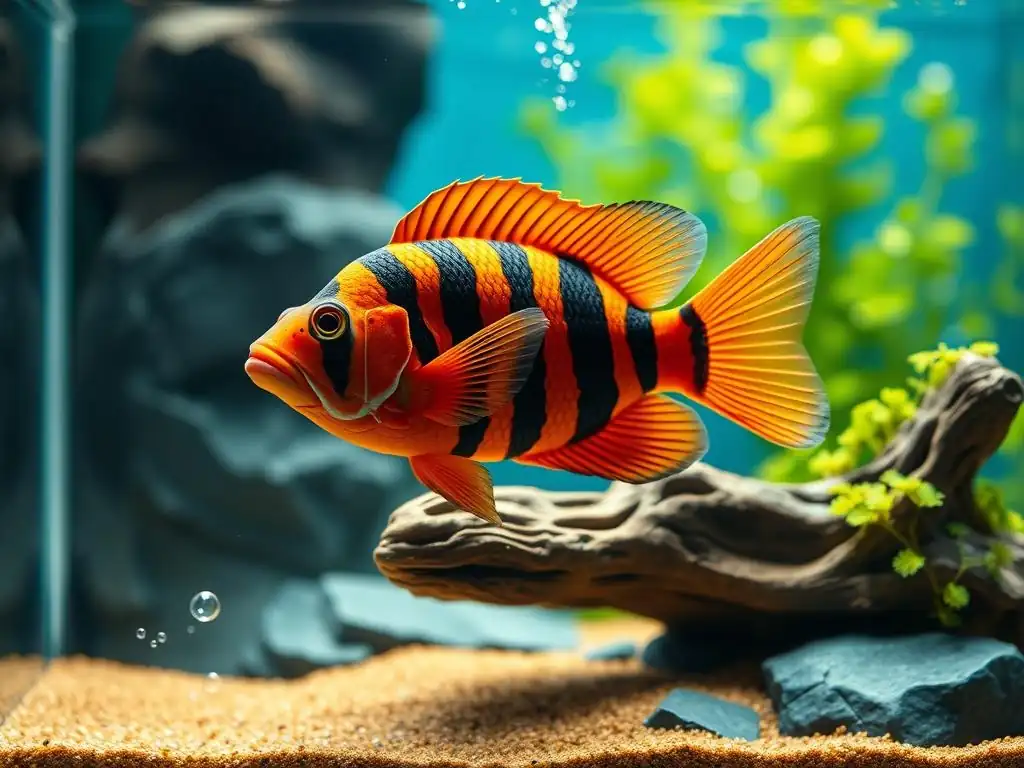
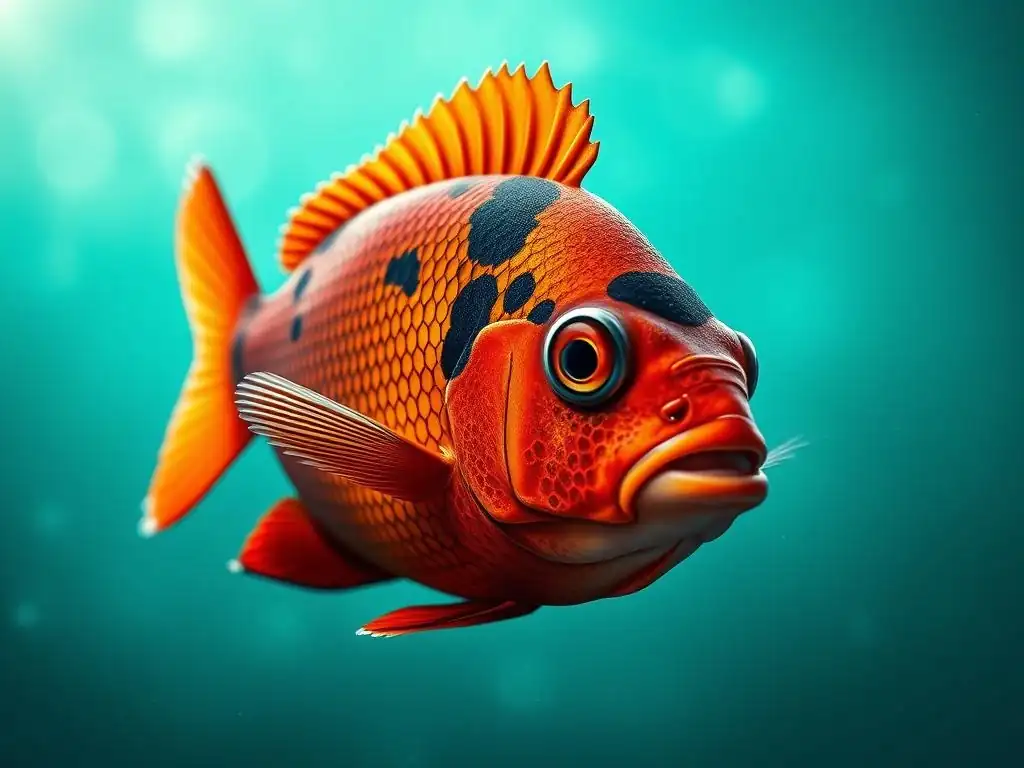
The vibrant coloration of both Oscars and Severums is a key feature to highlight in photographs. Oscars come in a range of striking variations, from the classic "Tiger Oscar" with its mottled orange and black patterns to the deep red "Red Oscar" and the albino varieties. Severums, particularly the "Red Spotted Severum" or "Turquoise Severum," boast intricate patterns and iridescent scales that can shift in appearance under different lighting.
To truly showcase these hues, optimal lighting is crucial. Direct, harsh lighting can wash out colors or create undesirable reflections, while insufficient light can make the fish appear dull and lifeless.
Achieving accurate color rendition often involves using a combination of the aquarium's built-in lighting and supplementary external light sources. For instance, a full-spectrum LED light with a color temperature around 6500K can effectively bring out the natural vibrancy of both species. For a Red Oscar, slightly boosting the red channel in post-processing or using a light with a warmer color temperature can enhance its fiery tones.
For a Severum with intricate patterns, diffused light from multiple angles can help illuminate every detail without creating harsh shadows. Experimenting with light placement—from above, slightly to the side, or even bouncing light off a white reflector—is an essential Oscar fish photography tip to ensure that the unique palette of your cichlids is captured faithfully and brilliantly.
Essential Equipment for Aquarium Fish Photography
Choosing the Right Camera for Fish Photography: DSLR vs. Mirrorless vs. Smartphone
Selecting the appropriate camera is a crucial first step in aquarium fish photography. Digital Single-Lens Reflex (DSLR) cameras and mirrorless cameras offer the most flexibility and control, making them ideal for serious aquascapers and photographers. Both types typically feature large sensors (APS-C or Full-Frame) that excel in low-light conditions, producing images with less noise and greater detail, essential when photographing fish in dimly lit tanks.
They also provide manual control over settings like aperture, shutter speed, and ISO, which are vital for capturing sharp, well-exposed images of moving subjects. Mirrorless cameras often have an edge in autofocus speed and silent shooting modes, which can be less disruptive to sensitive fish.
While professional results often come from DSLRs or mirrorless systems, modern smartphones have made significant strides in camera technology. High-end smartphones from brands like Apple (e.g., iPhone 15 Pro) or Samsung (e.g., Galaxy S24 Ultra) now feature impressive sensors, multiple lenses, and advanced computational photography capabilities. They are convenient, always available, and can produce surprisingly good results for casual shots or social media sharing.
However, they generally lack the low-light performance, manual control, and lens versatility of dedicated cameras. For detailed Oscar fish photography tips, especially when aiming for high-resolution prints or professional portfolios, investing in a DSLR or mirrorless camera system is highly recommended.
Lenses for Fish Portraits: Macro vs. Zoom Lenses for Aquarium Photography
The choice of lens profoundly impacts the quality and style of your fish portraits. For capturing intricate details of your Oscar's scales or Severum's finnage, a macro lens is an invaluable tool. A true macro lens, typically designated as 1:1 magnification (e.g., a 100mm f/2.8 macro), allows for extreme close-ups, revealing textures and patterns often invisible to the naked eye.
These lenses are also exceptionally sharp, making them ideal for high-detail shots. For example, a 60mm or 100mm macro lens can provide stunning clarity for a close-up of an Oscar's eye or the delicate iridescence on a Severum's gill plate.
Alternatively, a versatile zoom lens (e.g., a 24-70mm f/2.8 or 70-200mm f/2.8) offers flexibility, allowing you to capture full-body shots or tighter compositions without constantly changing your position. A telephoto zoom (like a 70-200mm) is particularly useful for maintaining distance from the tank to avoid reflections or disturbing the fish, while still achieving a good frame.
While not offering macro magnification, these lenses often have wide apertures, which can help create a shallow depth of field, blurring the background and making your fish stand out. For comprehensive Oscar fish photography tips, having both a macro for detailed portraits and a versatile zoom for broader shots provides the best range of creative options.
Lighting Considerations: Avoiding Reflections and Achieving Natural Color
Proper lighting is paramount in aquarium photography, as it directly influences color accuracy, sharpness, and the presence of unwanted reflections. The primary challenge is often the glare and reflections off the glass, which can obscure the fish and degrade image quality. To mitigate this, avoid using direct flash aimed at the tank from the front.
Instead, consider positioning light sources at an angle, typically 45 degrees to the glass, or even using off-camera flash units bounced off a ceiling or wall. Using polarizing filters on your lens is also highly effective; a circular polarizer can dramatically reduce reflections and enhance color saturation by cutting through glare.
Achieving natural color rendition is equally important. The type of lighting used in the aquarium itself (e.g., full-spectrum LEDs, fluorescent tubes) will affect the base color temperature. It's often beneficial to use external lights that match or complement the tank's lighting, or to set your camera's white balance manually to the specific Kelvin temperature of your aquarium lights.
For example, if your tank uses 6500K daylight LEDs, setting your camera's white balance to 6500K will ensure accurate colors. For Oscar fish photography tips focused on vibrant colors, experiment with light diffusion (using softboxes or diffusers) to create soft, even illumination that brings out the fish's natural hues without harsh hotspots or shadows.
Aquarium Setup for Optimal Fish Photography
Tank Cleaning and Maintenance: Preparing Your Aquarium for a Photoshoot
A pristine aquarium is the foundation for stunning fish photographs. Dust, algae, water spots, and fingerprints on the glass will inevitably show up in your images, no matter how good your camera or technique. Before any serious photoshoot, conduct a thorough cleaning of the tank.
This includes scrubbing the inside glass to remove any algae film, wiping down the exterior glass with a lint-free cloth and a glass cleaner (aquarium-safe, or just water for the inside), and ensuring the hood and lights are also clean. Even a small piece of debris floating in the water column can become a distracting element in a high-resolution photograph.
Beyond surface cleaning, ensure your tank's water is as clear as possible. Perform a water change a day or two before the shoot to allow any disturbed particles to settle. This also helps reduce nitrate levels, which can contribute to cloudy water over time. For optimal Oscar fish photography tips, consider polishing the glass with a microfiber cloth designed for optics after cleaning, paying particular attention to the area you intend to photograph through. A clean tank not only makes your fish look better but also reduces the amount of post-processing needed to remove imperfections.
Backgrounds for Fish Photos: Minimizing Distractions and Enhancing Composition
The background of your aquarium plays a critical role in the overall composition and aesthetic appeal of your fish photos. A cluttered or brightly colored background can distract from your main subject, the Oscar or Severum. The simplest and often most effective solution is a plain, solid-colored background. Black backgrounds are popular as they create a dramatic contrast, making vibrant fish colors pop and giving a sense of infinite depth. Blue backgrounds can emulate the natural aquatic environment, while white or light grey can offer a minimalist, studio-like feel.
If your aquarium has a naturalistic aquascape with live plants, rocks, and driftwood, these elements can serve as beautiful, complementary backgrounds, provided they don't overshadow the fish. Focus on creating depth by positioning your fish slightly in front of these elements, allowing them to appear as natural extensions of the scene rather than flat backdrops. When applying Oscar fish photography tips, consider using a shallow depth of field to blur out busy backgrounds, ensuring the focus remains sharply on your fish. This technique helps isolate the subject and creates a more professional, visually appealing image.
Water Clarity: Achieving Crystal-Clear Water for Stunning Fish Portraits
Crystal-clear water is perhaps the most critical element for high-quality aquarium photography, as cloudy or hazy water will significantly degrade image sharpness and color vibrancy. Achieving this clarity requires consistent maintenance and optimal filtration. Ensure your filtration system is adequately sized for your tank and fish load, utilizing mechanical filtration (filter floss, sponges) to remove particulate matter, biological filtration (ceramic rings, bio-balls) to process ammonia and nitrite, and chemical filtration (activated carbon) to remove dissolved organic compounds and yellowing.
Regular water changes are also essential. For instance, a weekly 25-30% water change can significantly reduce dissolved organics and nitrates, both of which can contribute to water cloudiness over time. Avoid overfeeding, as uneaten food quickly breaks down and pollutes the water, leading to bacterial blooms that cause cloudiness.
For peak water clarity for a photoshoot, consider adding a dose of a high-quality water clarifier a day or two before, allowing suspended particles to clump and be removed by the filter. This meticulous attention to water quality is a foundational aspect of effective Oscar fish photography tips, ensuring your subjects are seen through an unblemished medium.
Oscar Fish Photography Tips: Techniques for Capturing the Perfect Shot
Focus Techniques: Mastering Autofocus and Manual Focus for Sharp Fish Images
Achieving tack-sharp focus is paramount for stunning Oscar fish photography. Modern cameras offer sophisticated autofocus (AF) systems, but knowing which mode to use is key. For active fish like Oscars, continuous autofocus (AI Servo on Canon, AF-C on Nikon) is often the best choice.
This mode continuously tracks the subject as it moves, allowing you to hold down the shutter button halfway and recompose while maintaining focus. Using a single autofocus point, or a small cluster of points, directed at the fish's eye, will yield the sharpest results. The eye is typically the most critical element to have in sharp focus for any animal portrait.
While autofocus is convenient, manual focus can offer greater precision in specific scenarios. If your Oscar is relatively stationary, or if you're shooting through a busy aquascape where AF might struggle to lock onto the fish, switching to manual focus allows you to precisely set your focal point.
Many cameras offer "focus peaking" (highlights in-focus areas) or "magnified view" in live mode, which are invaluable aids for manual focusing. For the best Oscar fish photography tips, practice both modes: rely on continuous AF for dynamic shots and switch to manual for deliberate, precise compositions, especially when dealing with challenging lighting or complex backgrounds.
Shutter Speed and Aperture: Balancing Light and Motion in Aquarium Photography
Mastering shutter speed and aperture is critical for balancing light, motion, and depth of field in aquarium photography. For active fish like Oscars, a fast shutter speed is essential to freeze motion and prevent blur. A general guideline is to use a shutter speed of at least 1/250th of a second, and ideally faster (e.g., 1/500s or 1/1000s) if your fish are particularly zippy or if you're capturing feeding frenzy moments. Faster shutter speeds require more light, so you might need to increase your ISO or use brighter external lighting.
Aperture (f-stop) controls the depth of field—how much of the image is in focus from front to back—and also affects the amount of light entering the lens. For isolating your Oscar from a busy background and creating a pleasing bokeh effect, a wider aperture (smaller f-number like f/2.8 or f/4) is effective. However, very wide apertures can make it challenging to keep the entire fish in focus, especially if it's angled.
For most Oscar fish photography tips, a good starting point is f/5.6 to f/8, which provides enough depth of field to keep the entire fish sharp while still offering some background separation. Experimentation is key to finding the right balance for your specific setup and desired aesthetic.
Composition Techniques: Framing Your Oscar for Visually Appealing Photos
Effective composition transforms a simple snapshot into a compelling photograph. When framing your Oscar, consider classic photography rules. The "Rule of Thirds" is highly effective: imagine your frame divided into nine equal sections by two horizontal and two vertical lines. Placing your Oscar along these lines or at their intersections often creates a more dynamic and balanced image than simply centering the fish. For instance, positioning the Oscar's eye on an intersection point can draw the viewer's gaze.
Another powerful technique is using leading lines. If your aquascape has driftwood or rock formations, use their natural lines to guide the viewer's eye towards your Oscar. "Negative space"—the empty area around your subject—can also be used to great effect, emphasizing the fish and preventing a cluttered feel.
For example, a single Oscar framed against a dark, empty background can create a sense of drama and isolation. For comprehensive Oscar fish photography tips, try shooting from different angles: eye-level with the fish, slightly above, or even slightly below if possible, to capture different perspectives and add visual interest to your stunning fish portraits.
Severum Photography Techniques: Highlighting the Unique Features of Severums
Capturing Severum's Graceful Movements: Anticipating and Photographing Action
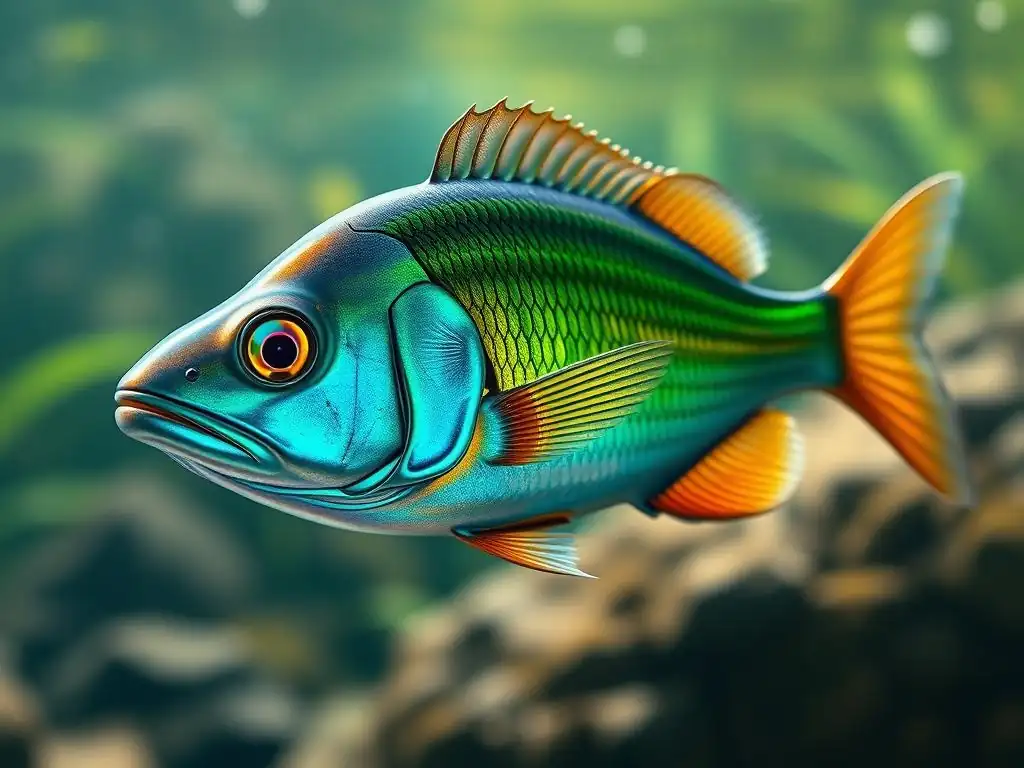
Severums, while less prone to the sudden, erratic bursts of speed seen in Oscars, possess a unique elegance in their movements. They often glide smoothly through the water, sometimes pausing to inspect objects or graze. Capturing this graceful motion requires anticipation and a keen eye for their characteristic behaviors.
Instead of focusing on freezing frantic action, aim to capture them in mid-glide or during a gentle turn. A slightly slower shutter speed, perhaps around 1/160s to 1/200s, can sometimes introduce a subtle motion blur to their fins, emphasizing their movement without blurring the entire body, if that's the desired artistic effect.
Observing your Severum's routine, such as when it explores a particular section of the tank or interacts with plants, can provide prime opportunities. For instance, a Severum nibbling on an Anubias leaf or gracefully navigating through a dense plant cluster makes for an excellent subject. Use continuous autofocus to track their deliberate movements, allowing you to maintain sharp focus as they swim. These Severum photography techniques focus on showcasing their inherent beauty through deliberate composition and timing, highlighting their calm and composed nature in contrast to the more boisterous Oscar.
Showcasing Severum Colors and Patterns: Optimizing Lighting and Angles
Severums are celebrated for their intricate patterns and subtle, yet vibrant, coloration. Varieties like the Red Spotted Severum (Heros efasciatus 'Red Spotted') display striking red spots or lines across their bodies, while others exhibit beautiful iridescent scales and horizontal barring. To truly showcase these unique features, specific attention to lighting and camera angles is crucial. Direct, diffused lighting from above can help illuminate the entire fish evenly, bringing out the overall pattern. However, to highlight iridescence or specific scale textures, try adjusting the angle of your light source slightly.
For example, a light positioned at a 45-degree angle to the tank glass can create subtle shadows that emphasize the texture of the scales and the depth of the patterns. Experiment with backlighting or side-lighting, if possible, to make fins appear translucent and highlight their delicate structure. When applying Severum photography techniques, also consider the angle from which you shoot.
Getting eye-level with the fish is often ideal, but shooting slightly from above can emphasize their body shape and dorsal fins, while a lower angle might highlight their ventral fins and overall profile. These nuanced adjustments in lighting and angle are key to capturing the full spectrum of a Severum's beauty.
Photographing Severums with Tank Mates: Creating Dynamic Aquarium Scenes
While individual portraits of Severums are captivating, photographing them with their tank mates can create dynamic and engaging aquarium scenes, showcasing their social interactions and the overall harmony of your community tank. Severums are generally more peaceful than Oscars, making them suitable for larger community setups with appropriate companions. When composing shots with multiple fish, the challenge lies in ensuring all subjects are in focus and well-lit without appearing chaotic.
To achieve this, use a slightly narrower aperture (e.g., f/8 to f/11) to increase the depth of field, helping to keep multiple fish sharp if they are on different planes. Patience is paramount; wait for a moment when the Severum and its tank mates are positioned favorably, ideally with some separation to prevent visual clutter.
For instance, capturing a Severum schooling gently with a group of Geophagus or peaceful large tetras can tell a story of coexistence. When employing these Severum photography techniques, consider the overall balance of the scene, using the rule of thirds or leading lines to guide the viewer's eye through the interaction, creating a visually rich and coherent image.
Mastering Aquarium Lighting for Fish Photography
Natural Light vs. Artificial Light: Pros and Cons for Aquarium Photography
When it comes to lighting your aquarium for photography, both natural and artificial light sources have their distinct advantages and disadvantages. Natural light, typically from a window, can provide a soft, even illumination that mimics sunlight filtering through water, resulting in very natural-looking colors and reducing harsh shadows. It's often free of the color casts associated with some artificial lights and can create a serene, ambient feel.
However, natural light is inconsistent; its intensity and color temperature change throughout the day, and it's not available at night or in rooms without windows. It can also cause significant reflections if it hits the tank glass directly.
Artificial light, whether from your aquarium's built-in fixtures or external photographic lights, offers unparalleled control and consistency. You can manipulate its intensity, direction, and color temperature precisely, allowing for repeatable results regardless of the time of day. High-quality LEDs, softboxes, or external flashes can provide strong, diffused light that truly makes fish colors pop.
The main drawbacks include the cost of equipment, the potential for glare and reflections if not positioned correctly, and the need to manage power sources. For optimal Oscar fish photography tips and overall control, a combination of good artificial aquarium lighting and strategic external artificial lighting is often preferred.
Reducing Reflections and Glare: Polarizing Filters and Light Placement Techniques
Reflections and glare off the aquarium glass are arguably the biggest headaches in fish photography. They can obscure your subject, wash out colors, and ruin an otherwise perfect shot. A polarizing filter (specifically a Circular Polarizer or CPL) is an indispensable tool for mitigating this.
Attached to the front of your lens, a CPL works by filtering out polarized light, which is often the cause of reflections. By rotating the filter, you can effectively "dial out" reflections from the glass, revealing the vibrant colors and details of your fish and the tank interior. This is a crucial Oscar fish photography tip for achieving clear, reflection-free images.
Beyond filters, strategic light placement is key. Avoid aiming direct light sources (especially flash) straight at the front glass. Instead, position your lights at an angle, typically 45 degrees to the glass, or even higher above the tank.
If using external flashes, consider bouncing them off a white ceiling or wall to create softer, more diffused light that is less prone to reflection. Shooting in a dark room with only the tank illuminated can also help minimize reflections from ambient room light. Furthermore, getting as close as possible to the glass and shooting perpendicular to it can reduce the angle at which light reflects into your lens.
Adjusting White Balance for Accurate Colors: Correcting Color Casts in Fish Photos
Aquarium lighting, even full-spectrum lights, can sometimes introduce a color cast to your photographs, making your fish appear too blue, green, or yellow. This is where proper white balance adjustment becomes essential for accurate color rendition. While your camera's auto white balance (AWB) setting works well in many situations, it can struggle with the unique spectrum of aquarium lights. Manually setting your white balance provides far greater control.
One highly effective method is to use a custom white balance. Place a white or neutral gray card inside the aquarium (or against the glass where your fish will be) under your tank lights, and then use your camera's custom white balance function to take a reference shot. This tells your camera what true white looks like under those specific lighting conditions, allowing it to accurately render all other colors.
Alternatively, you can use a preset white balance setting that matches your light source (e.g., "Daylight" for 5500K-6500K LEDs, "Fluorescent" for specific tube types). For Oscar fish photography tips focused on true-to-life colors, getting white balance right in-camera minimizes the need for extensive color correction in post-processing, saving time and preserving image quality.
Post-Processing for Aquarium Fish Photography
Basic Editing Techniques: Cropping, Brightness, and Contrast Adjustments
Even the best-captured aquarium photographs can benefit from basic post-processing to enhance their visual appeal. Cropping is often the first step; it allows you to refine your composition, remove distracting elements from the edges of the frame, and emphasize your Oscar or Severum. For instance, cropping tightly around the fish can create a powerful portrait, while a wider crop might showcase more of the aquascape. Aim for compelling compositions using principles like the rule of thirds even in post-processing.
Adjusting brightness and contrast is fundamental for making your fish pop. Often, images shot through glass can appear slightly flat. Increasing the contrast can add depth and punch, making dark areas darker and bright areas brighter. Similarly, adjusting the overall brightness (exposure) or specific tonal ranges (highlights, shadows, whites, blacks) can bring out details that might have been lost. Be careful not to overdo it, as excessive contrast can lead to clipped highlights or crushed shadows. These basic Oscar fish photography tips in editing are crucial for transforming a good shot into a great one.
Color Correction and Enhancement: Bringing Out the Natural Beauty of Your Fish
After initial brightness and contrast adjustments, focusing on color correction and enhancement is key to showcasing the vibrant hues of your Oscars and Severums. Sometimes, despite careful white balance in-camera, a slight color cast might remain, or the fish's natural colors might not be as vivid as they appear in person. Adjusting the white balance further in post-processing software (like Adobe Lightroom or Photoshop) can fine-tune the color temperature and tint to achieve accurate colors.
Beyond white balance, individual color channels can be selectively enhanced. For example, slightly increasing the saturation or vibrancy of the orange and red tones can make a Red Oscar's coloration truly stand out, while adjusting the blues might deepen the water's appearance. Be subtle with these adjustments; over-saturating colors can make the image look artificial or cartoonish. The goal is to bring out the natural beauty of your fish, making them appear as captivating as they do in real life. These Oscar fish photography tips for color work are about refinement, not recreation.
Removing Blemishes and Distractions: Polishing Your Final Image
The final stage of post-processing involves meticulous cleaning to remove any blemishes or distractions that detract from your main subject. Despite thorough tank cleaning, tiny dust particles on the glass, small air bubbles, or even microscopic debris floating in the water can become visible in high-resolution photographs. Using spot removal tools (like the healing brush or clone stamp in Photoshop, or the spot removal tool in Lightroom) allows you to seamlessly remove these imperfections.
Pay close attention to the areas immediately surrounding your fish and any prominent sections of the glass. Also, look for any unwanted reflections that might have slipped through your initial efforts, as these can sometimes be minimized or removed in post-processing. This polishing step ensures that your Oscar or Severum portrait is as clean and professional as possible, drawing the viewer's eye directly to the stunning fish without any visual interruptions. This attention to detail is a hallmark of professional Oscar fish photography tips.
Advanced Techniques for Stunning Fish Photos
Using External Flashes: Controlling Light and Eliminating Shadows
While ambient light and tank LEDs can work, external flashes offer unparalleled control over lighting, allowing for truly stunning fish photos. An off-camera flash, triggered wirelessly, provides directional light that can create depth and dimension, highlighting the contours and textures of your Oscar or Severum.
Unlike direct on-camera flash which often creates harsh reflections and flat lighting, an external flash can be positioned to the side, above, or even bounced off a reflector. For example, placing a flash slightly behind and above the tank, pointed towards a white wall, can create a beautiful, soft backlighting effect that makes the fish glow.
Using multiple external flashes can further enhance control, allowing for complex lighting setups. A main light positioned at 45 degrees to the front of the tank can illuminate the fish, while a weaker fill light on the opposite side can soften shadows. The short duration of a flash burst also effectively freezes motion, even with very active fish, ensuring sharp images without needing extremely high ISO settings. When implementing these Oscar fish photography tips, experiment with flash power and diffusion (e.g., using a softbox or umbrella) to achieve the desired look and minimize reflections.
Creating Bokeh in Aquarium Photography: Achieving a Soft Background Effect
Bokeh, the aesthetic quality of the blur produced in the out-of-focus parts of an image, is a highly desirable effect in portrait photography, including fish portraits. A pleasing bokeh helps to isolate your Oscar or Severum from a busy background, making it stand out and appear three-dimensional. To achieve this soft, creamy background blur, several factors come into play. Firstly, use a lens with a wide maximum aperture (e.g., f/1.8, f/2.8, f/4). The wider the aperture (smaller f-number), the shallower the depth of field and the more pronounced the bokeh.
Secondly, increase the distance between your subject (the fish) and the background elements in the tank. If your fish is close to the front glass and the background plants or rocks are far behind it, the blur will be more evident. Thirdly, reduce the distance between your camera and the fish. The closer you are to your subject, the shallower the depth of field will be. Combining these elements—a wide aperture lens, good subject-to-background separation, and close shooting distance—will allow you to create beautiful bokeh, a key advanced Oscar fish photography tip for professional-looking images.
Capturing Action Shots: Photographing Feeding and Other Dynamic Behaviors
Oscars and Severums exhibit fascinating dynamic behaviors, from the explosive feeding frenzy of an Oscar to the graceful courtship rituals of Severums. Capturing these action shots requires preparation, speed, and anticipation. Set your camera to a fast shutter speed (e.g., 1/800s to 1/1600s) to freeze rapid motion, especially during feeding. Use continuous autofocus (AI Servo/AF-C) to track the fish as it moves quickly, and set your camera to continuous shooting mode (burst mode) to capture a sequence of images. This significantly increases your chances of getting that perfectly timed shot.
Anticipate the action. If you're photographing feeding, have your camera ready before you drop the food. Observe your fish's pre-feeding behaviors. For example, an Oscar might start pacing or flaring just before food is introduced. For Severums, observe their social interactions or breeding behaviors, which can involve more subtle, yet equally captivating, movements. These Oscar fish photography tips for action shots emphasize timing and quick reflexes, ensuring you capture the raw energy and personality of your fish in their most dynamic moments.
Troubleshooting Common Fish Photography Problems
Dealing with Blurry Images: Improving Focus and Reducing Camera Shake
Blurry images are one of the most frustrating problems in fish photography. They can stem from two main issues: improper focus or camera shake. To combat focus issues, always ensure your camera is set to the appropriate autofocus mode for moving subjects (e.g., continuous AF / AF-C), and aim your focus point directly at the fish's eye. If using manual focus, utilize focus peaking or magnified live view to ensure pinpoint sharpness. For Oscar fish photography tips on critical sharpness, consider practicing your focusing technique repeatedly.
Camera shake, often caused by slow shutter speeds or unsteady hands, can also lead to blur. To mitigate this, increase your shutter speed—a minimum of 1/250s is often recommended for active fish, but faster is always better if light allows. If increasing ISO to achieve faster shutter speeds introduces too much noise, consider adding more light to your setup. For stationary shots, a sturdy tripod can eliminate camera shake entirely. If hand-holding, brace your elbows against your body or against the tank stand to provide stability.
Eliminating Reflections and Glare: Optimizing Lighting and Camera Angle
Reflections and glare are persistent adversaries in aquarium photography, but they can be significantly reduced with a few key strategies. As previously mentioned, a circular polarizing filter (CPL) is incredibly effective at cutting through reflections; rotate it slowly while looking through the viewfinder until reflections disappear. This is arguably the most impactful Oscar fish photography tip for clear glass.
Beyond filters, strategic light placement is crucial. Avoid direct light hitting the front glass. Position external lights at an angle (e.g., 45 degrees) to the tank, or bounce them off a wall or ceiling. Shooting in a darkened room, with only the aquarium illuminated, minimizes ambient reflections. Furthermore, try to shoot as perpendicular to the glass as possible. If you shoot at an oblique angle, reflections are more likely to appear. Physically getting closer to the tank and filling the frame can also help, as it reduces the amount of background that can reflect in the glass.
Correcting Color Casts: Adjusting White Balance and Color Saturation
Despite best efforts in-camera, photos can sometimes still exhibit an undesirable color cast, making your fish appear unnatural (e.g., too blue, too yellow, or too green). This often happens due to the specific spectrum of aquarium lighting. The primary solution lies in post-processing. Use your editing software's white balance tools to adjust the color temperature (warm/cool) and tint (green/magenta) sliders until the whites in your image appear neutral and the fish's colors are accurate.
Once the overall color balance is corrected, you can fine-tune color saturation and vibrancy. Sometimes, colors might appear muted, or you might want to subtly enhance specific hues, like the reds of an Oscar or the blues of a Severum. Use the saturation or vibrancy sliders carefully; a little goes a long way.
For more precise control, use the HSL (Hue, Saturation, Luminance) panel to adjust individual color ranges without affecting others. For example, you can boost the saturation of just the orange and red tones in an Oscar without over-saturating the blues of the water. These Oscar fish photography tips for color correction are about achieving natural, vibrant results.
Conclusion: Elevate Your Aquarium Photography Skills
Capturing the stunning beauty and unique personality of your Oscar or Severum cichlids through photography is a rewarding endeavor that combines technical skill with artistic vision. By understanding your subjects' behavior, selecting the right equipment, meticulously preparing your aquarium, and applying advanced photographic techniques, you can overcome common challenges like reflections and blur.
Mastering Oscar fish photography tips, from precise focusing and optimal lighting to thoughtful composition and post-processing, will allow you to create truly professional-quality images. With practice and patience, you'll not only document your beloved aquatic companions but also elevate your aquarium photography skills to new heights, sharing the magnificent world within your tank with others.
Frequently Asked Questions
How can I improve the sharpness of my Oscar fish photos?
To get sharper images, focus carefully on the fish's eye. Also, ensure you have enough lighting and use a fast shutter speed to minimize blur.
What are the best camera settings for photographing Oscars in an aquarium?
Use a low ISO to reduce noise, a fast shutter speed (1/200th or faster) to freeze movement, and a wide aperture (f/2.8 - f/4) for a shallow depth of field, blurring the background.
How do I minimize reflections and glare in my aquarium photos?
Position your camera at an angle to the glass to avoid direct reflections. Polarizing filters can also help reduce glare. Turn off room lights and use aquarium lights only.
What are some tips for capturing the vibrant colors of my Oscar or Severum?
Ensure your aquarium lighting is balanced and highlights the fish's natural colors. Adjust your camera's white balance to match the lighting conditions and use photo editing software to enhance colors subtly.
How can I get my Oscar fish to pose for a good photo?
Patience is key! Try using a small amount of food to attract the fish to a specific area. Avoid sudden movements that might scare them.
Final Reflection: Capturing Aquatic Majesty
The journey of transforming a simple aquarium into a professional photography studio highlights the dedication and artistry involved in capturing the true essence of these magnificent creatures. Beyond just snapping a picture, we've explored techniques to illuminate their vibrant colors, showcase their unique personalities, and ultimately, elevate the art of Oscar and Severum fish photography.
This pursuit extends beyond the hobbyist's tank; it reflects a deeper appreciation for the beauty and complexity of the natural world. The ability to share these stunning images allows us to connect with others, fostering a sense of wonder and inspiring conservation efforts. Photography is a way of feeling, of touching, of loving. What you have caught on film is captured forever… It remembers little things, long after you have forgotten everything.
- Aaron Siskind. This quote perfectly encapsulates the power of photography to preserve and share the beauty we find in even the smallest corners of our world.
Now, armed with these Oscar fish photography tips, we invite you to pick up your camera and embark on your own photographic adventure. Let the vibrant scales and captivating eyes of your aquatic companions inspire you to create images that not only capture their beauty but also ignite a passion for the underwater world in others. Go forth and create, share, and inspire!
Capture the Splendor: Immortalize Your Oscar's Beauty!
Thanks for diving deep into the art of aquarium photography! We hope you’ve gained valuable insights into capturing the unique personality of your Oscar or Severum. Now, let’s translate that knowledge into breathtaking portraits.
Here's how to take your fish photography to the next level:
- Schedule your photoshoot today! Dedicate some time this week to experiment with different lighting angles and backgrounds to find the perfect shot.
- Share your stunning fish portraits on social media with the hashtag #AquariumMastery! Let's build a community of passionate aquarists and inspire others with the beauty of our underwater companions.
- Ready for an even bigger challenge? Consider creating a small video showcasing your fish's personality. It's a fun way to document their growth and behavior!
What unexpected detail about your Oscar or Severum are you most excited to capture in your next photo session?