
Exploring *Ophthalmotilapia nasuta*: The LongNosed Beauty of Tanganyika

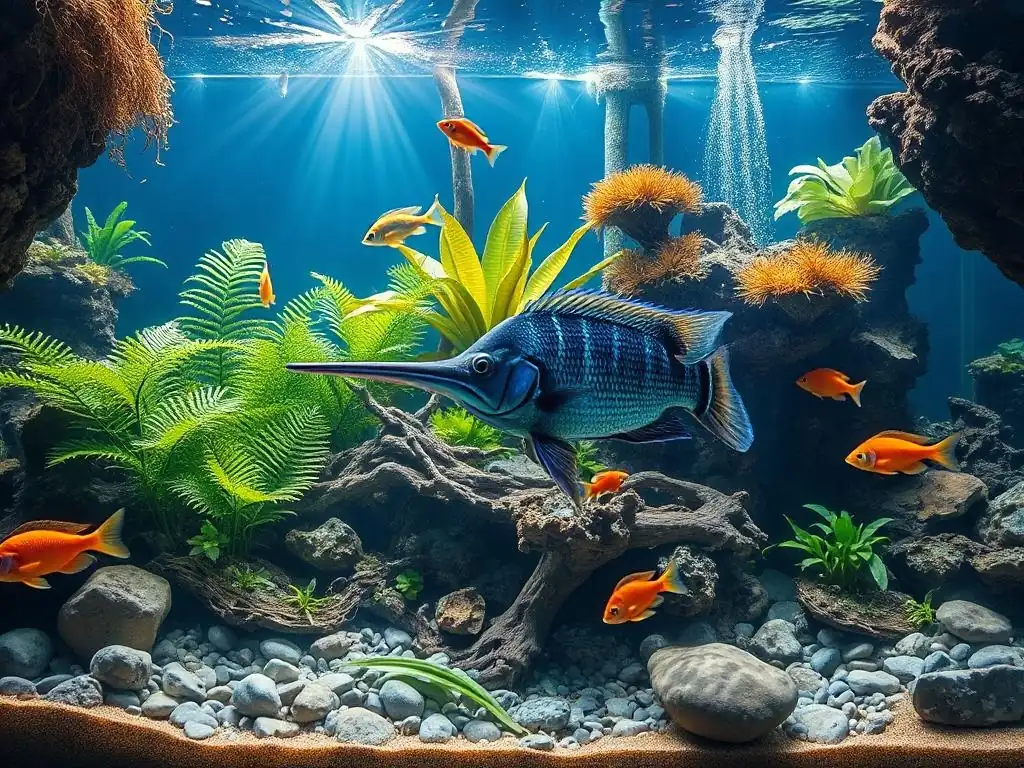
Welcome to Aquarium Mastery!
Ever been captivated by the unique beauty of the African Great Lakes? Prepare to dive into the fascinating world of Tanganyika cichlids! This article unveils essential Tanganyika cichlid care tips, focusing on the elegant Ophthalmotilapia nasuta. But what makes this long-nosed beauty so special, and how can you ensure its thriving health and vibrant colors in your aquarium? Let's explore!
- Introduction to Ophthalmotilapia nasuta
- Ophthalmotilapia nasuta in its Natural Habitat: Lake Tanganyika
- Understanding Ophthalmotilapia nasuta Care: Essential Tanganyika Cichlid Care Tips
- Ophthalmotilapia nasuta Behavior and Compatibility
- Breeding Ophthalmotilapia nasuta: A Detailed Guide
- Common Health Issues in Ophthalmotilapia nasuta and Prevention
- Advanced Tanganyika Cichlid Care: Tips for Experienced Aquarists
- Conclusion: Appreciating the Elegance of Ophthalmotilapia nasuta
-
Frequently Asked Questions
- What are some essential water parameters for Ophthalmotilapia nasuta in a Tanganyika cichlid aquarium?
- What is the ideal tank size for keeping a group of Ophthalmotilapia nasuta?
- What kind of diet should I provide for my Ophthalmotilapia nasuta?
- What are some common tank mate options for Ophthalmotilapia nasuta in a Tanganyika cichlid setup?
- What are some signs that my Ophthalmotilapia nasuta are stressed or unhealthy?
- Final Reflection: Appreciating the Delicate Balance of Tanganyika
- Unveil the Secrets: Will You Cultivate Your Own Tanganyika Paradise?
Introduction to Ophthalmotilapia nasuta
Unveiling the Long-Nosed Cichlid: An Overview
Ophthalmotilapia nasuta, often referred to as the Long-Nosed Cichlid, is a captivating species originating from the deep, ancient waters of Lake Tanganyika in East Africa. This cichlid is instantly recognizable by its distinctive elongated snout, a feature particularly pronounced in mature males, which lends it its common name. Males of this species are renowned for their striking coloration, typically displaying vibrant hues of blue, yellow, and occasionally red, especially during breeding periods, while females maintain a more subdued, silvery-brown appearance.
Adult O. nasuta males can reach an impressive size of 6 to 8 inches (approximately 15-20 cm) in length, with females remaining somewhat smaller, usually around 4-5 inches (10-13 cm). Their unique morphology and impressive size make them a focal point in any appropriately sized display aquarium. As mouthbrooders, the females exhibit fascinating maternal care, holding eggs and fry in their mouths for several weeks, a behavior that adds to their allure for aquarists dedicated to Tanganyika cichlid care tips.
Why Ophthalmotilapia nasuta Captivates Aquarists
The allure of Ophthalmotilapia nasuta for aquarists stems from several compelling factors. Foremost is their unparalleled aesthetic appeal; the combination of the long, elegant snout and the iridescent, flamboyant colors of the males creates a truly spectacular display, particularly when they are actively courting or defending territory. Their unique foraging method, utilizing their specialized snout to sift through sand and probe crevices for small invertebrates, offers an intriguing glimpse into their natural behaviors.
Beyond their visual charm, O. nasuta provides a rewarding challenge for intermediate to advanced aquarists. Successfully replicating their specific environmental needs and observing their complex social interactions, including their elaborate courtship rituals and dedicated mouthbrooding, offers a deeply satisfying experience. Their presence transforms a standard aquarium into a dynamic, living ecosystem that mirrors the unique biodiversity of Lake Tanganyika, making them a prized addition for those passionate about authentic Tanganyika cichlid care tips.
Ophthalmotilapia nasuta in its Natural Habitat: Lake Tanganyika
The Unique Ecosystem of Lake Tanganyika
Lake Tanganyika, one of the African Great Lakes, is an extraordinary freshwater ecosystem, globally recognized for its immense size and unparalleled biodiversity. It is the second-largest freshwater lake by volume and depth in the world, plunging to depths of up to 1,470 meters (approximately 4,820 feet). Geologically ancient, estimated to be between 9 to 12 million years old, its isolation and stable environment have fostered an incredible evolutionary radiation, particularly among cichlid fish. Over 250 cichlid species inhabit the lake, with a staggering 98% of them being endemic, meaning they are found nowhere else on Earth.
The lake's water chemistry is remarkably stable, characterized by high pH levels, typically ranging from 8.0 to 9.0, and high mineral content, resulting in significant hardness. These unique conditions have shaped the physiological adaptations of its inhabitants. The vastness of the lake, combined with its distinct ecological zones—ranging from rocky littoral shores to sandy bottoms and open pelagic waters—supports a diverse array of specialized species, each perfectly adapted to its niche. Understanding these parameters is fundamental to providing optimal Tanganyika cichlid care tips.
Ophthalmotilapia nasuta's Preferred Environment: Rocky Littoral Zones
In its natural habitat, Ophthalmotilapia nasuta predominantly occupies the rocky littoral zones of Lake Tanganyika. These areas, characterized by extensive rock formations interspersed with patches of sand, provide both shelter and foraging opportunities. O. nasuta is typically found at depths ranging from 5 to 20 meters (about 16-65 feet), where the water is clear and well-oxygenated. The rocky structures offer numerous crevices and caves that serve as territories for males, spawning sites, and refuges for females and juveniles.
The specialized long snout of O. nasuta is perfectly adapted for this environment. It allows them to efficiently probe narrow rock crevices and sift through sandy substrates adjacent to rocks, searching for small invertebrates, crustaceans, and algal matter that constitute their natural diet. This specific habitat preference dictates crucial aspects of Tanganyika cichlid care tips, emphasizing the need to replicate these conditions within the aquarium to ensure the species' well-being and natural behaviors.
Understanding Ophthalmotilapia nasuta Care: Essential Tanganyika Cichlid Care Tips
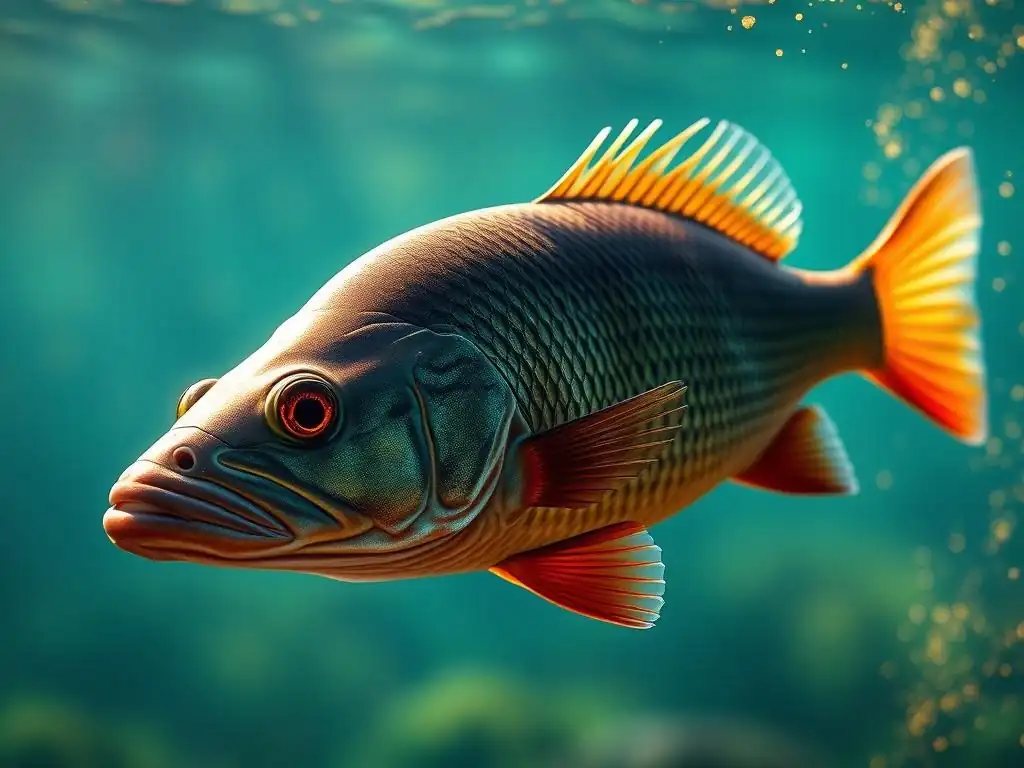
Tank Setup for Ophthalmotilapia nasuta: Replicating the Tanganyika Environment
Creating an optimal environment for Ophthalmotilapia nasuta is paramount for their health and display of natural behaviors. The goal is to mimic the rocky littoral zones of Lake Tanganyika as closely as possible. This involves careful consideration of tank size, substrate, decor, and water parameters to provide the essential Tanganyika cichlid care tips for this species. A well-designed tank will not only support their physical needs but also reduce stress and promote their vibrant coloration.
A proper setup helps mitigate aggression, especially among males, by providing sufficient territories and visual barriers. Furthermore, it encourages natural activities such as foraging, courtship displays, and mouthbrooding, making the aquarium a truly engaging and educational experience. Adhering to these setup guidelines is a cornerstone of effective Tanganyika cichlid care.
Tank Size Recommendations for Ophthalmotilapia nasuta
For a species as active and territorial as Ophthalmotilapia nasuta, tank size is a critical consideration. A minimum tank size of 75 gallons (approximately 280 liters) is recommended for a single male and a small harem of 3-4 females. This volume provides adequate swimming space and helps to diffuse aggression among the group. However, for a larger community tank or if planning to house multiple males, a tank of 125 gallons (around 470 liters) or more is highly advisable.
When selecting a tank, prioritize length and width over height. A longer footprint provides more horizontal swimming space, which is essential for these active cichlids, and allows for the creation of multiple distinct territories. For example, a 75-gallon tank measuring 48 inches long by 18 inches deep offers much more usable space than a taller, narrower tank of the same volume. Ample space is a fundamental Tanganyika cichlid care tip to ensure the well-being of these beautiful fish.
Substrate and Decor: Creating a Suitable Habitat
The choice of substrate and decor is crucial for mimicking Ophthalmotilapia nasuta's natural environment. A fine, soft sand substrate, such as aragonite sand or silica sand, is ideal. This allows the fish to engage in their natural sifting behaviors and enables males to excavate spawning pits, which is a key part of their breeding ritual. Avoid coarse gravel, as it can damage their delicate snouts and gills during foraging. A sand bed of at least 2-3 inches (5-7.5 cm) deep is recommended.
For decor, copious amounts of rockwork are essential. Limestone, slate, or lace rock are excellent choices as they are inert or can even help buffer the water to the desired high pH. Arrange the rocks to create numerous caves, overhangs, and visual barriers.
These structures serve as territories for males, hiding spots for females, and general enrichment. Ensure that all rockwork is stable and securely stacked to prevent collapses, which can be achieved by placing rocks directly on the tank bottom before adding sand, or by using aquarium-safe epoxy. These elements are vital Tanganyika cichlid care tips for creating a secure and stimulating habitat.
Water Parameters: Maintaining Optimal Conditions for Tanganyika Cichlids
Maintaining precise and stable water parameters is perhaps the most critical aspect of Tanganyika cichlid care tips for Ophthalmotilapia nasuta. These fish thrive in conditions that closely mirror their natural Lake Tanganyika environment. The pH should be maintained within a range of 8.0 to 9.0, ideally around 8.2-8.6. The water should also be hard, with a general hardness (GH) of 10-25 dGH and a carbonate hardness (KH) of 10-20 dKH.
Temperature is also important, with a consistent range of 76-80°F (24-27°C) being optimal. Fluctuations in these parameters can cause significant stress and lead to health issues. Regular monitoring with reliable test kits is indispensable. Using buffering substrates like aragonite sand or crushed coral, and supplementing with Tanganyika-specific buffer salts, can help achieve and maintain these specific conditions, which are non-negotiable for successful long-term care of these cichlids.
Ophthalmotilapia nasuta Diet and Feeding: Nutritional Needs
Proper nutrition is fundamental to the health, coloration, and breeding success of Ophthalmotilapia nasuta. In their natural habitat, these cichlids are primarily omnivores, with their diet consisting largely of small invertebrates, crustaceans, and algal matter scraped from rocks and sifted from the sand. Replicating this diverse diet in the aquarium is a key component of effective Tanganyika cichlid care tips.
A varied diet not only ensures they receive all necessary nutrients but also enhances their natural colors and strengthens their immune system. Overfeeding or providing an imbalanced diet can lead to health problems such as Malawi bloat, even though O. nasuta are from Tanganyika, digestive issues can still arise from poor dietary choices.
What to Feed Ophthalmotilapia nasuta: A Balanced Diet
A high-quality staple diet for Ophthalmotilapia nasuta should consist of premium cichlid pellets or flakes formulated for omnivores or even spirulina-rich foods. Look for foods that list spirulina, algae, or plant matter among the primary ingredients, alongside protein sources. It's beneficial to rotate between several different brands and types of dry food to ensure a full spectrum of nutrients.
Supplement the staple diet with frozen or freeze-dried foods such as brine shrimp, Mysis shrimp, cyclops, and daphnia. These provide essential proteins, fats, and carotenoids that enhance coloration. Occasionally, offer blanched spirulina flakes or small pieces of blanched zucchini as a vegetable supplement. Avoid feeding terrestrial animal meats, such as beef heart, as these are high in fats that fish cannot properly digest and can lead to internal organ damage over time. This balanced approach is crucial for comprehensive Tanganyika cichlid care tips.
Feeding Frequency and Techniques
To maintain optimal health and prevent digestive issues, Ophthalmotilapia nasuta should be fed small amounts multiple times a day rather than one large meal. A common recommendation is to feed 2-3 times daily, providing only as much food as they can consume within 2-3 minutes. This approach helps to prevent overfeeding, which can lead to excess waste, poor water quality, and health problems.
Observe your fish during feeding to ensure all individuals are getting enough food, especially if you have a mix of dominant and submissive fish. Broadcast feeding, where food is scattered across the surface, can encourage natural foraging behavior and ensure wider distribution. If using sinking pellets, ensure they are consumed before settling too deeply into the sand, as decaying food can quickly pollute the water. Consistent feeding practices are vital Tanganyika cichlid care tips for long-term well-being.
Water Chemistry for Ophthalmotilapia nasuta: Achieving the Right Balance
Maintaining stable and appropriate water chemistry is the cornerstone of successful Tanganyika cichlid care tips for Ophthalmotilapia nasuta. Lake Tanganyika's water is uniquely alkaline and hard, and replicating these conditions precisely is non-negotiable for the species' health and longevity. Any significant deviation or fluctuation can lead to severe stress, compromised immune systems, and susceptibility to disease.
Regular monitoring and proactive adjustments are far more effective than reactive measures when problems arise. Consistency in water parameters not only supports the fish's physiological needs but also promotes natural behaviors and vibrant coloration, truly allowing the "long-nosed beauty" to flourish in its captive environment.
Importance of Water Hardness and pH for Tanganyika Cichlids
The high pH (8.0-9.0) and significant hardness (10-20 dKH, 10-25 dGH) of Lake Tanganyika are critical for Ophthalmotilapia nasuta. These parameters directly influence the fish's osmoregulation—the process by which they maintain the balance of salts and water in their bodies. Water that is too soft or acidic can cause osmotic stress, leading to kidney issues and general malaise. The high carbonate hardness (KH) is particularly important as it acts as a buffer, preventing sudden and dangerous drops in pH, known as pH crashes.
To achieve and maintain these conditions, several methods can be employed. Using a substrate like aragonite sand or crushed coral will naturally leach calcium carbonate into the water, helping to increase both pH and hardness. Additionally, specific Tanganyika cichlid buffer salts are available commercially, designed to precisely replicate the lake's mineral profile. Regular testing with accurate liquid test kits for pH, GH, and KH is essential to ensure these vital parameters remain within the optimal range, forming a core aspect of Tanganyika cichlid care tips.
Regular Water Changes and Maintenance
Regular water changes are indispensable for maintaining pristine water quality and preventing the accumulation of harmful nitrates and other pollutants. For an Ophthalmotilapia nasuta tank, a weekly water change of 20-30% of the tank volume is generally recommended. This frequency helps to dilute dissolved organic compounds, replenish essential minerals, and stabilize water chemistry. When performing water changes, always ensure the new water is dechlorinated and temperature-matched to avoid shocking the fish.
Beyond water changes, consistent tank maintenance is vital. This includes siphoning detritus and uneaten food from the sand substrate, as decaying organic matter can quickly degrade water quality and contribute to nitrate buildup. Cleaning filter media regularly (rinsing in old tank water to preserve beneficial bacteria) and checking equipment like heaters and filters for proper functioning are also crucial. These routine practices are foundational Tanganyika cichlid care tips that significantly impact the long-term health and vitality of your O. nasuta.
Ophthalmotilapia nasuta Behavior and Compatibility
Ophthalmotilapia nasuta exhibits complex social dynamics, primarily driven by the males' territorial nature and their polygynous breeding strategy. In an aquarium setting, a single male should ideally be housed with a harem of multiple females (e.g., 3-5 females per male). This setup helps to diffuse male aggression, as his attention and breeding efforts are spread across several individuals, reducing stress on any single female. Males are highly territorial, especially during breeding, and will establish and defend a patch of sand or rockwork as their spawning site.
Females are generally less aggressive and will seek refuge among the rockwork if feeling threatened or during their mouthbrooding period. While males can be aggressive towards other males of their own species, they are generally less confrontational with other Tanganyikan cichlids that occupy different niches within the tank. Observing these intricate social behaviors, from elaborate male displays to female mouthbrooding, is one of the most rewarding aspects of providing dedicated Tanganyika cichlid care tips.
Choosing Tank Mates for Ophthalmotilapia nasuta
Selecting appropriate tank mates for Ophthalmotilapia nasuta requires careful consideration of their size, temperament, and specific habitat requirements. The goal is to create a harmonious community where aggression is minimized and all fish can thrive. The best approach is to choose other Tanganyika cichlids that are either similarly sized but occupy different ecological niches, or those that are too large or too small to be perceived as a direct threat or prey.
Avoid mixing them with highly aggressive cichlids, especially those from other lakes like Malawi, as their water parameter requirements and behavioral traits often clash. A well-planned Tanganyika cichlid community tank can be incredibly rewarding, showcasing the diverse beauty and behaviors of this unique ecosystem.
Compatible Species for a Tanganyika Cichlid Community Tank
When planning a community tank with Ophthalmotilapia nasuta, focus on other Tanganyika cichlids that are known to be relatively peaceful or occupy different vertical strata. Good choices include:
- Julidochromis species: Such as Julidochromis regani or Julidochromis marlieri, which are rock dwellers and tend to stay close to decor.
- Neolamprologus species: Certain smaller, less aggressive species like Neolamprologus brichardi (Fairy Cichlids) or Neolamprologus leleupi (Lemon Cichlids) can coexist, provided ample rockwork is available for territories.
- Cyprichromis species: These open-water cichlids, such as Cyprichromis leptosoma, typically swim in the upper water column and rarely interact directly with bottom or mid-water dwellers, making them excellent dither fish.
- Synodontis catfish: Specifically, species like Synodontis multipunctatus (Cuckoo Catfish) or Synodontis lucipinnis (Dwarf Petricola Catfish) are ideal bottom dwellers that thrive in similar water conditions and are generally peaceful with cichlids of this size.
Always ensure the tank is large enough to accommodate all chosen species and provide sufficient rockwork and visual barriers to minimize territorial disputes. This thoughtful selection is a key component of effective Tanganyika cichlid care tips.
Species to Avoid
When stocking a tank with Ophthalmotilapia nasuta, it's crucial to avoid certain types of fish to prevent aggression, stress, or incompatible living conditions. Species to generally avoid include:
- Highly aggressive or overly territorial cichlids: While O. nasuta can be territorial, avoid mixing them with extremely aggressive species from Lake Tanganyika like some large Tropheus (which also have vastly different dietary needs) or overly dominant Neolamprologus species that might constantly harass them.
- Cichlids from other African Great Lakes: Do not mix O. nasuta with cichlids from Lake Malawi (e.g., Mbuna species) or Lake Victoria. Their water parameter requirements, dietary needs, and temperaments are often vastly different and incompatible, leading to stress, disease, and aggression. For example, Mbuna are typically much more aggressive and herbivorous than O. nasuta.
- Very small or delicate fish: Any fish small enough to be considered prey, or those that are easily stressed by the active nature of O. nasuta, should be avoided.
- Fish requiring vastly different water parameters: Species that need soft, acidic water (e.g., many South American cichlids) are completely unsuitable for a Tanganyika setup.
Careful planning and research into species compatibility are essential Tanganyika cichlid care tips for a thriving and peaceful aquarium.
Breeding Ophthalmotilapia nasuta: A Detailed Guide
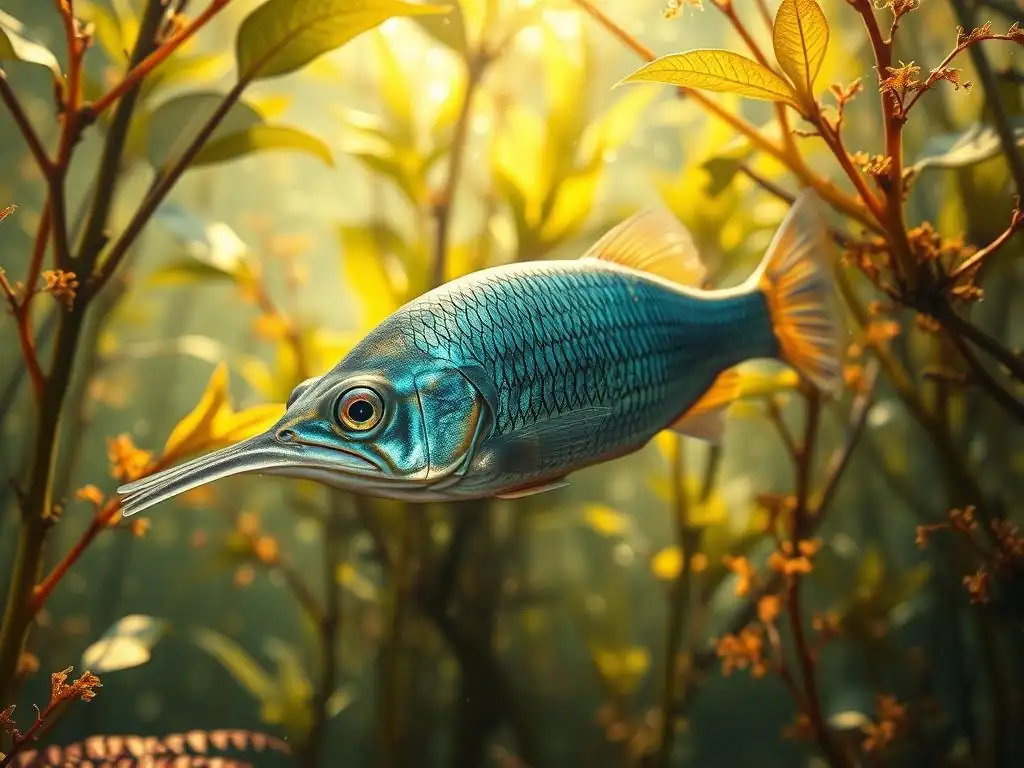
Breeding Ophthalmotilapia nasuta can be a highly rewarding experience for the dedicated aquarist, showcasing their natural behaviors and the fascinating process of mouthbrooding. Success hinges on providing optimal conditions, including a well-designed breeding setup, precise water parameters, and a balanced diet. Observing the intricate courtship rituals and the subsequent care of the fry is a true highlight of advanced Tanganyika cichlid care.
Patience and attention to detail are key throughout the breeding process, from encouraging spawning to raising the delicate fry. Understanding each stage will significantly increase the chances of successfully propagating these beautiful fish in a home aquarium.
Setting up a Breeding Tank for Long-Nosed Cichlids
To maximize breeding success and ensure the safety of the brooding female and fry, setting up a dedicated breeding tank is highly recommended. A tank of 50-75 gallons (190-280 liters) is suitable for a breeding group of one male and 3-4 females. The substrate should be fine sand, allowing the male to easily excavate his spawning pit. Provide several flat, smooth rocks or slate pieces within the sandy area, as these often serve as the actual spawning surface.
Ensure the water parameters in the breeding tank match the optimal conditions for Ophthalmotilapia nasuta: pH 8.0-9.0, high hardness (10-20 dKH), and temperature 76-80°F (24-27°C). Filtration should be robust but gentle to avoid disturbing fry, with a sponge filter or a baffled hang-on-back filter often being ideal. Adequate hiding spots among rockwork for the females are crucial to allow them respite from the male's persistent courtship, a vital Tanganyika cichlid care tip for breeding.
Courtship and Spawning Behavior
The courtship of Ophthalmotilapia nasuta is a spectacular display of colors and behaviors. The male, adorned in his most vibrant breeding livery, will select a territory, typically a sandy patch near a rock. He will then meticulously excavate a shallow, crater-like pit in the sand, often fanning away debris with his fins. He then attempts to entice females to his spawning site through elaborate fin displays, shimmering movements, and intense coloration.
When a female is receptive, she will enter the male's pit. Spawning typically involves the female laying a small number of eggs (often 5-15 at a time) and immediately picking them up into her mouth. The male will then display his anal fin, which often has egg-spots, mimicking eggs. The female attempts to pick up these "eggs," inadvertently taking in sperm released by the male, thus fertilizing the eggs internally within her mouth. This process repeats until all eggs are laid and safely secured in the female's buccal cavity, a classic example of mouthbrooding behavior among Tanganyika cichlids.
Caring for Fry: Raising Ophthalmotilapia nasuta Young
After spawning, the female Ophthalmotilapia nasuta will mouthbrood the eggs for approximately 21-28 days, depending on temperature. During this period, she will typically not eat and may become reclusive. It's often beneficial to gently remove the brooding female to a separate, smaller "grow-out" tank (e.g., 10-20 gallons) once she has been brooding for about a week. This isolation prevents her from being harassed by the male or other tank mates and ensures the fry's safety upon release.
Once the fry are free-swimming, they are relatively large and can immediately consume newly hatched brine shrimp or cyclops. As they grow, they can transition to finely crushed high-quality flake food. It's crucial to perform small, frequent water changes (e.g., 10-15% daily or every other day) in the fry tank to maintain pristine water quality, as fry are particularly sensitive to nitrates. Providing ample hiding spots, such as small rock piles, in the fry tank is also beneficial. Consistent water quality and appropriate feeding are key Tanganyika cichlid care tips for successful fry rearing.
Common Health Issues in Ophthalmotilapia nasuta and Prevention
Like all aquarium fish, Ophthalmotilapia nasuta can be susceptible to various health issues, often stemming from poor water quality, inadequate diet, or stress. Recognizing the early signs of illness and implementing preventative measures are crucial aspects of comprehensive Tanganyika cichlid care tips. A vigilant aquarist can often intervene before a minor issue escalates into a serious problem that could affect the entire tank.
Maintaining a stable and clean environment is the best defense against most common ailments. Proactive care, rather than reactive treatment, will ensure your O. nasuta remain vibrant and healthy for years.
Recognizing Signs of Illness in Tanganyika Cichlids
Early detection of illness is vital for successful treatment in Ophthalmotilapia nasuta. Aquarists should regularly observe their fish for any changes in appearance or behavior. Common signs of illness include:
- Loss of appetite: Refusal to eat, spitting out food, or showing no interest in feeding.
- Changes in coloration: Fading colors, darkening, or unusual blotches.
- Abnormal swimming: Clamped fins (fins held close to the body), listlessness, erratic swimming, rubbing against decor, or difficulty maintaining buoyancy.
- Physical symptoms: White spots (Ich), fuzzy growths, lesions, sores, fin rot, bloating, or popeye.
- Respiratory distress: Rapid gill movements or gasping at the surface.
- Behavioral changes: Increased reclusiveness, hiding excessively, or unusual aggression/submission.
Any deviation from normal behavior or appearance warrants immediate investigation. Prompt action based on these observations is a critical Tanganyika cichlid care tip.
Common Diseases Affecting Ophthalmotilapia nasuta
While generally hardy, Ophthalmotilapia nasuta can fall victim to several common aquarium diseases, particularly if their specific care requirements are not met.
- Ich (White Spot Disease): Caused by the parasite Ichthyophthirius multifiliis, characterized by small, white spots resembling salt grains on the body and fins. Often triggered by sudden temperature fluctuations or stress.
- Malawi Bloat: Although more prevalent in Malawi cichlids, this fatal condition can affect Tanganyika cichlids, including O. nasuta, if fed an improper diet (e.g., too much protein from terrestrial sources) or if water quality is poor. Symptoms include bloating, loss of appetite, stringy white feces, and lethargy. It's a bacterial infection of the gut.
- Bacterial Infections: Can manifest as fin rot (frayed fins, often with a white edge), body sores, or cloudy eyes. These are often secondary infections in fish weakened by stress or poor water quality.
- Hole-in-the-Head Disease (HITH): While less common in Tanganyika cichlids than in Oscar cichlids, it can occur, characterized by pitted lesions on the head and lateral line. Often linked to poor water quality, nutritional deficiencies, or presence of hexamita parasites.
Understanding these potential ailments is crucial for providing comprehensive Tanganyika cichlid care tips, enabling quick diagnosis and appropriate treatment.
Preventative Measures for a Healthy Aquarium
Prevention is always the best approach to maintaining a healthy Ophthalmotilapia nasuta aquarium. Implementing a robust preventative care routine significantly reduces the risk of disease outbreaks. Key measures include:
- Maintain Stable Water Quality: This is paramount. Consistent water changes (20-30% weekly), regular water parameter testing (pH, GH, KH, ammonia, nitrite, nitrate), and a robust filtration system are non-negotiable. Avoid sudden changes in temperature or chemistry.
- Provide a Balanced Diet: Feed a high-quality, varied diet appropriate for omnivorous cichlids, as previously detailed. Avoid overfeeding, which leads to excess waste and can cause digestive issues.
- Quarantine New Fish: Always quarantine new fish in a separate tank for at least 2-4 weeks before introducing them to the main display. This allows you to observe them for signs of disease and treat them if necessary, preventing the introduction of pathogens to your established tank.
- Avoid Overstocking: An overcrowded tank leads to increased aggression, stress, and higher bioload, all of which compromise water quality and fish health.
- Minimize Stress: Stress weakens a fish's immune system. Ensure proper tank size, compatible tank mates, adequate hiding spots, and stable environmental conditions to keep stress levels low.
- Cleanliness: Regularly siphon detritus from the substrate and clean filter media (using old tank water) to prevent the buildup of harmful compounds.
Adhering to these preventative Tanganyika cichlid care tips will create a resilient and thriving environment for your O. nasuta.
Advanced Tanganyika Cichlid Care: Tips for Experienced Aquarists
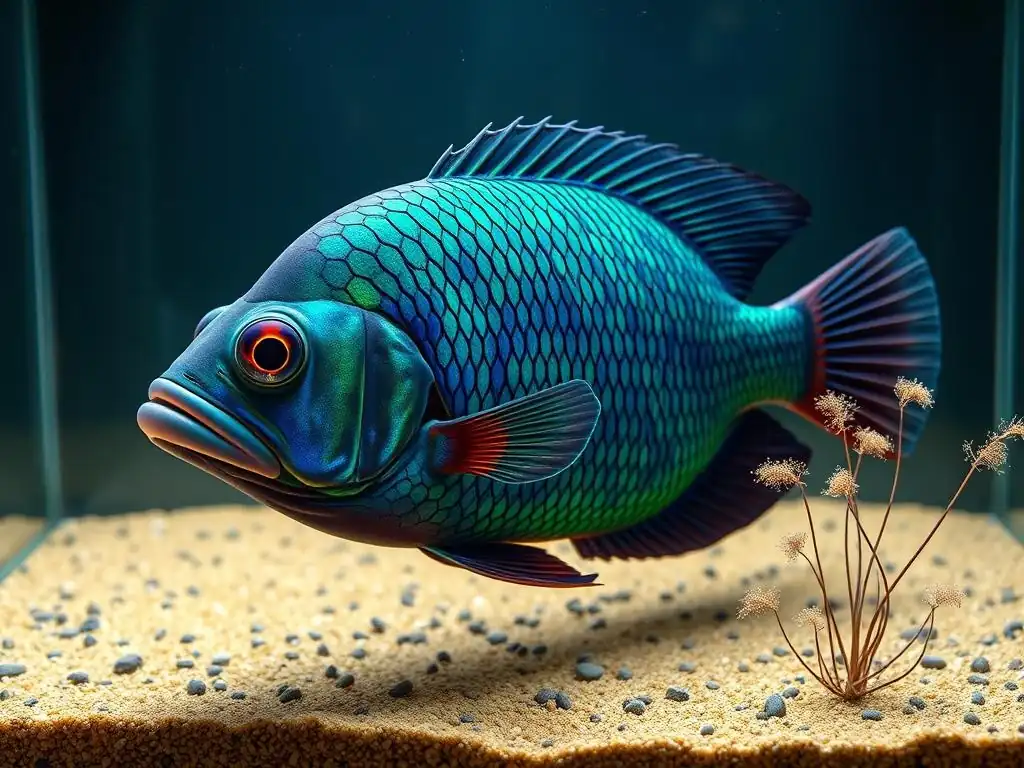
For experienced aquarists looking to elevate their Ophthalmotilapia nasuta keeping, several advanced Tanganyika cichlid care tips can further enhance the well-being and aesthetic appeal of their aquarium. These practices move beyond basic maintenance, focusing on optimizing the environment to truly mimic the natural conditions of Lake Tanganyika and bring out the best in these magnificent fish.
These advanced techniques require a deeper understanding of water chemistry, fish behavior, and aquascaping principles. They are designed to create a truly thriving biotope that not only supports the fish physiologically but also encourages their most natural and captivating behaviors.
Maintaining Water Quality Stability
For advanced Tanganyika cichlid care, merely maintaining "good" water quality isn't enough; the focus shifts to absolute stability. Even minor fluctuations in pH or hardness can cause long-term stress. Experienced aquarists often employ advanced filtration methods, such as large canister filters with multiple media types (mechanical, biological, chemical like purigen), or even sumps, to provide superior filtration capacity and water volume.
Implementing an automatic top-off (ATO) system for evaporated water can significantly contribute to stability by preventing daily swings in salinity and mineral concentration that occur with manual top-offs. Regular, precise testing with high-quality liquid test kits, sometimes multiple times a week, allows for immediate, micro-adjustments to buffering agents or water change schedules, ensuring parameters like pH, KH, and GH remain virtually constant. This meticulous approach is a hallmark of advanced Tanganyika cichlid care tips.
Optimizing Tank Aesthetics for Ophthalmotilapia nasuta
Beyond simply providing habitat, optimizing tank aesthetics means creating a visually stunning and naturalistic display that truly highlights Ophthalmotilapia nasuta. This involves thoughtful aquascaping with natural rock formations that not only provide territories and hiding spots but also mimic the rugged, rocky littoral zones of Lake Tanganyika. Use varying sizes and shapes of inert rocks like limestone or slate to create dramatic cliffs, caves, and open sandy areas.
Strategic placement of lighting can enhance the vibrant coloration of the males, with some aquarists using specialized LED fixtures that bring out blues and yellows. Consider the background—a plain black or blue background can make the fish stand out. The goal is to create a cohesive, naturalistic scene that is both functional for the fish and captivating for the observer, embodying advanced Tanganyika cichlid care tips for visual appeal.
Implementing a Biotope Aquarium
For the ultimate dedication to Ophthalmotilapia nasuta, experienced aquarists can strive to implement a true biotope aquarium. This means recreating a specific, small section of Lake Tanganyika's rocky littoral zone, including not just the water parameters, but also the exact types of substrate, rockwork, and even compatible flora and fauna (if any are found in that specific microhabitat). For O. nasuta, this would typically mean a sandy substrate with large, stable rock formations, and very few to no live plants, as their natural habitat is largely barren of vegetation.
A biotope aquarium aims for absolute authenticity, often using only fish and invertebrate species that would naturally coexist in that exact location in the wild. This level of detail requires extensive research into the specific sub-locations of Lake Tanganyika where O. nasuta are found. The reward is a living display that offers a profound educational experience and a truly unique window into a specific natural ecosystem, representing the pinnacle of Tanganyika cichlid care tips.
Managing Algae Growth in a Tanganyika Tank
While some algae are natural and even beneficial, excessive or unsightly algae growth can detract from the aesthetics of a Tanganyika tank and indicate imbalances. For Ophthalmotilapia nasuta setups, common algae types include green spot algae on rocks and glass, and sometimes diatoms (brown algae) in newer tanks. Advanced management involves a multi-faceted approach.
Firstly, precise control over lighting duration (typically 8-10 hours per day) and intensity is crucial. Secondly, consistent nutrient export through diligent water changes and efficient filtration helps starve algae. Avoiding overfeeding is also critical, as uneaten food breaks down into algae-fueling nitrates and phosphates. For stubborn patches, manual removal with an algae scraper is effective. Some aquarists also introduce specific algae-eating snails (e.g., Neritina snails) if their water parameters are compatible, though the primary focus should always be on addressing the root causes of excessive growth through excellent Tanganyika cichlid care tips.
Conclusion: Appreciating the Elegance of Ophthalmotilapia nasuta
Ophthalmotilapia nasuta, with its distinctive long snout and the male's breathtaking array of colors, stands as a true jewel among Lake Tanganyika's diverse cichlid population. Its captivating beauty, intricate behaviors, and the unique challenges it presents make it a highly rewarding species for dedicated aquarists. From the elaborate courtship displays to the diligent mouthbrooding of the females, every aspect of their existence offers a fascinating glimpse into the aquatic wonders of one of the world's most ancient lakes.
Successfully keeping these "long-nosed beauties" requires a commitment to replicating their natural environment and understanding their specific needs. By diligently applying comprehensive Tanganyika cichlid care tips—focusing on stable, high-pH, hard water, a carefully designed rocky and sandy habitat, a balanced diet, and compatible tank mates—aquarists can create a thriving ecosystem that allows O. nasuta to flourish. The elegance and dynamic presence of Ophthalmotilapia nasuta in a well-maintained aquarium truly transform it into a living masterpiece, offering endless hours of observation and appreciation for the wonders of the aquatic world.
Frequently Asked Questions
What are some essential water parameters for Ophthalmotilapia nasuta in a Tanganyika cichlid aquarium?
Ophthalmotilapia nasuta requires specific water conditions. Key parameters include a high pH (8.0-9.0), water hardness (GH of 10-20 dGH), and a stable temperature between 78-82°F.
What is the ideal tank size for keeping a group of Ophthalmotilapia nasuta?
These fish need ample swimming space. A tank of at least 75 gallons is recommended for a small group, allowing for proper territory establishment and reducing aggression.
What kind of diet should I provide for my Ophthalmotilapia nasuta?
Ophthalmotilapia nasuta are primarily plankton feeders in the wild. A diet of high-quality flake food, supplemented with small live or frozen foods like daphnia and brine shrimp, is ideal.
What are some common tank mate options for Ophthalmotilapia nasuta in a Tanganyika cichlid setup?
Suitable tank mates include other similarly sized and peaceful Tanganyika cichlids. Avoid aggressive or overly boisterous species that might outcompete them for food or harass them.
What are some signs that my Ophthalmotilapia nasuta are stressed or unhealthy?
Signs of stress include loss of color, decreased appetite, erratic swimming, and clamped fins. These can indicate poor water quality, disease, or bullying from other tank inhabitants.
Final Reflection: Appreciating the Delicate Balance of Tanganyika
The journey into the world of Ophthalmotilapia nasuta has revealed not just the beauty of this unique Tanganyika cichlid, but also the fragility of its ecosystem. Understanding the specific needs of these long-nosed beauties underscores the broader responsibility we have to protect the delicate balance of Lake Tanganyika, a treasure trove of biodiversity facing increasing pressures.
This exploration has deeply resonated with me, highlighting the interconnectedness of our actions and their impact on even the most remote corners of the world. The meticulous care required by Ophthalmotilapia nasuta serves as a microcosm of the larger effort needed to conserve this incredible lake. As the saying goes: We do not inherit the earth from our ancestors; we borrow it from our children.
This quote reminds us that our actions today will directly impact the future of these magnificent creatures and the health of their habitat.
Now, I invite you to reflect on your own role in preserving our planet's biodiversity. Consider how even small changes in your daily life, from responsible consumption to supporting sustainable practices, can contribute to the well-being of Lake Tanganyika and its inhabitants. Let's all strive to become more informed and conscientious stewards of this precious ecosystem, ensuring that future generations can also marvel at the long-nosed beauty of Ophthalmotilapia nasuta.
Unveil the Secrets: Will You Cultivate Your Own Tanganyika Paradise?
Thanks for diving into the captivating world of Ophthalmotilapia nasuta! We hope you've found inspiration in the elegance and unique behaviors of this remarkable fish. Now, it's time to bring the beauty of Lake Tanganyika to life.
- Embark on your Ophthalmotilapia nasuta journey: Begin researching reputable breeders or suppliers to find and responsibly acquire these stunning fish for your aquarium.
- Explore the diverse ecosystem of Lake Tanganyika: Delve deeper into the fascinating world of Tanganyikan cichlids by reading about their tank mates and the intricate lake environment that shapes their lives.
- Share your passion: Inspire others by posting your future setup or thoughts about Ophthalmotilapia nasuta in our community forum or your social media; let’s celebrate the beauty of Tanganyika together.
Which aspect of Ophthalmotilapia nasuta's care are you most excited to experiment with in your own aquarium?