
From Fry to Show Fish: Growing Out HighQuality Discus Offspring

Welcome to Aquarium Mastery!
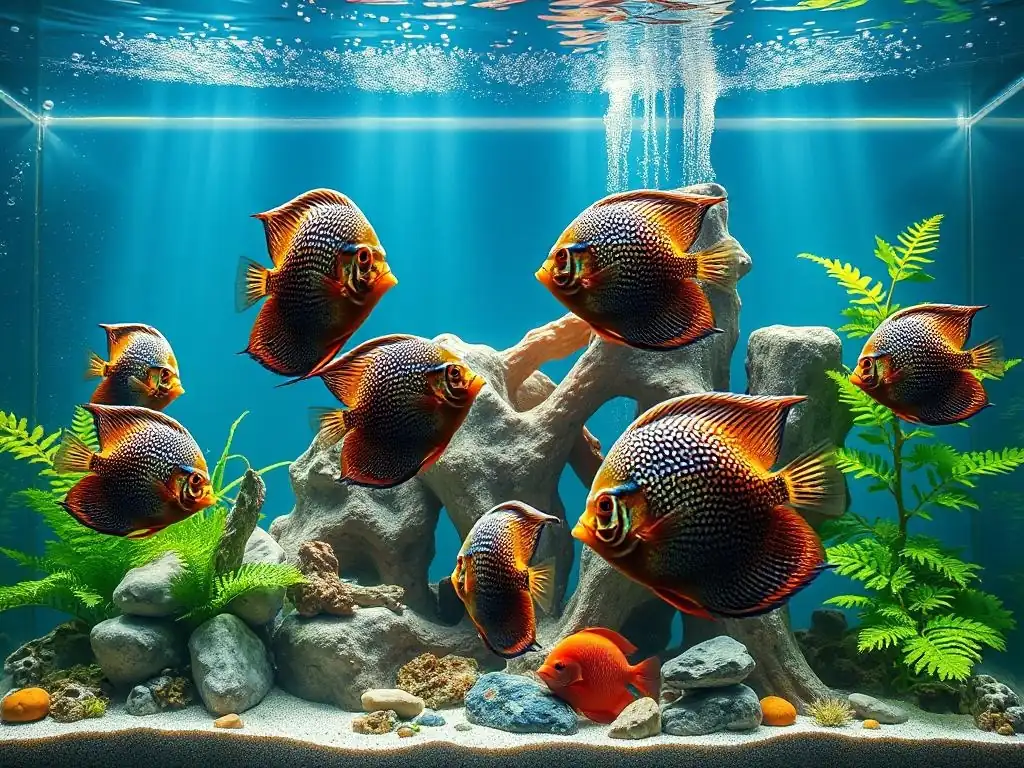
Ever dreamed of watching shimmering Discus offspring flourish under your care? Unlocking the secrets to successful Discus fish breeding can seem daunting, but it's an incredibly rewarding experience. Dive into "From Fry to Show Fish: Growing Out High-Quality Discus Offspring" and discover the expert techniques you need to nurture these magnificent creatures from tiny fry to stunning showpieces. Are you ready to embark on this aquatic adventure? Let's begin!
- Understanding Discus Fish Breeding Care: A Comprehensive Guide
- Setting the Stage: Preparing for Discus Fry
- The First Weeks: Nurturing Newborn Discus Fry
- Weaning and Growth: Transitioning Discus Fry to Larger Foods
- Optimizing Growth and Coloration: Refining Discus Development
- Culling and Selection: Identifying Show-Quality Discus
- Growing Out Discus: Creating the Ideal Environment
- Common Challenges in Raising Discus Fry and How to Overcome Them
- Documenting Progress: Tracking Growth and Development
- Beyond Fry: Preparing Young Discus for Sale or Show
- Conclusion: Mastering the Art of Discus Fish Breeding Care
-
Frequently Asked Questions
- How long does it take to raise Discus fry to a marketable size?
- What are the most crucial water parameters for raising healthy Discus fry?
- What is the best food to feed Discus fry in their early stages?
- What are common health problems that can affect young Discus, and how can they be prevented?
- How important is regular water changing when raising Discus fry?
- Final Reflection: Nurturing Aquatic Excellence
- Nurture Your Discus Dreams: Watch Them Thrive!
Understanding Discus Fish Breeding Care: A Comprehensive Guide
The Allure of Breeding Discus: Why Raise Discus Fry?
Breeding Discus fish is often considered the pinnacle of freshwater aquariculture, drawing enthusiasts with the promise of witnessing the complete life cycle of these magnificent cichlids. Beyond the sheer satisfaction of bringing new life into the hobby, raising Discus fry offers a unique opportunity to observe complex parental behaviors, from meticulous egg fanning to the incredible act of feeding their offspring with a specialized body slime. This intimate involvement deepens an aquarist's understanding of fish biology and water chemistry, transforming a simple tank into a vibrant, living laboratory.
Furthermore, successful Discus fish breeding care can be a rewarding endeavor, potentially offsetting the significant investment in parent fish and specialized equipment. A single spawn from a healthy pair can yield anywhere from 50 to 200 viable fry, with exceptional pairs producing even more. While not every fry will reach show quality, the sheer volume provides ample opportunity for selection, allowing breeders to share their passion and contribute to the Discus community by supplying high-quality, locally bred fish that are often more robust and adaptable than their wild-caught counterparts.
Genetic Potential and Selective Breeding for Show-Quality Discus
The journey from fry to show fish is heavily influenced by the genetic potential inherited from the parent Discus. Superior genetics manifest in desirable traits such as a round, symmetrical body shape, vibrant and stable coloration, full and undamaged finnage, and robust health. Understanding the lineage of your breeding pair is crucial; many breeders meticulously track parentage to identify lines known for specific patterns, colors like Pigeon Blood, Blue Diamond, or Red Melon, and overall vigor, which are all vital aspects of successful Discus fish breeding care.
Selective breeding is the deliberate process of choosing parent fish with the most desirable traits to maximize the chances of producing high-quality offspring. For example, if aiming for show-quality Red Discus, breeders would select a pair exhibiting intense, uniform red pigmentation and ideal body conformation, even if it means sacrificing some initial spawn numbers for superior progeny. This long-term strategy, often spanning multiple generations, allows dedicated aquarists to refine specific strains, enhance genetic diversity within their lines, and consistently produce fry with the inherent potential to develop into stunning, award-winning Discus.
Setting the Stage: Preparing for Discus Fry
Optimizing the Breeding Tank for Discus
Creating an optimal breeding tank is paramount for successful Discus fish breeding care and ensuring the survival of delicate fry. A dedicated breeding tank, typically a bare-bottom 20 to 30-gallon aquarium, is preferred to simplify cleaning and reduce potential hiding spots for uneaten food or detritus that could compromise water quality. Essential equipment includes a reliable heater to maintain a stable temperature of 82-86°F (28-30°C), a sponge filter for gentle yet effective biological and mechanical filtration, and a spawning cone or slate for the pair to deposit their eggs.
Maintaining pristine conditions in this environment is non-negotiable. Many breeders perform daily water changes of 50% or more, often using aged or reverse osmosis (RO) water remineralized to specific parameters, to keep nitrates and other pollutants at undetectable levels. The absence of substrate prevents the accumulation of waste and makes it easier to spot and remove any infertile eggs or deceased fry, which can quickly foul the water and introduce harmful bacteria, underscoring the meticulous nature required for effective Discus fish breeding care.
Essential Water Parameters for Successful Discus Spawning
Precise control over water parameters is a cornerstone of successful Discus fish breeding care. While adult Discus can tolerate a range of conditions, spawning typically requires softer, slightly acidic water that mimics their natural Amazonian habitat. Ideal parameters often include a pH between 6.0 and 6.8, total dissolved solids (TDS) between 50 and 150 ppm, and very low general hardness (GH) and carbonate hardness (KH), often below 3 dGH and 2 dKH respectively. These conditions signal to the Discus that the environment is safe and conducive for reproduction, encouraging them to lay eggs.
Temperature stability is equally critical; fluctuations can stress the fish and inhibit spawning or lead to egg fungusing. A consistent temperature of 82-86°F (28-30°C) is generally recommended. Many breeders use a precise TDS meter and pH probes to monitor these parameters daily, making small, controlled adjustments as needed. The goal is to provide a stable, clean, and soft-water environment that not only encourages the pair to spawn but also maximizes the fertilization rate and ensures the healthy development of the extremely sensitive Discus eggs and newly hatched fry.
Choosing the Right Discus Parents for Superior Offspring
The selection of parent Discus is perhaps the most critical decision in the entire Discus fish breeding care process, directly impacting the quality and health of future generations. Ideal breeding pairs should be at least 18-24 months old, fully mature, and exhibit excellent health, robust body conformation, and vibrant, stable coloration consistent with their strain. Look for active, alert fish with clear eyes, undamaged fins, and a strong appetite, as these are indicators of overall vigor and genetic strength.
Beyond individual health, compatibility between the pair is essential. Discus are monogamous and form strong pair bonds, often exhibiting courtship behaviors like fin flaring and body trembling. It's often recommended to acquire a group of juvenile Discus (6-8 individuals) and allow them to naturally pair off, as forced pairings can lead to aggression and failed spawns. Observing the fish for several weeks or months to identify a naturally bonded pair that demonstrates mutual interest and cooperation is a key strategy for ensuring successful Discus fish breeding care and producing strong, healthy offspring.
The First Weeks: Nurturing Newborn Discus Fry
The Critical Importance of Parent Discus Care for Fry
The first few weeks of a Discus fry's life are entirely dependent on the dedicated care provided by their parents, a unique and fascinating aspect of Discus fish breeding care. After hatching, the fry will attach themselves to the parents' flanks, where they feed exclusively on a specialized, nutrient-rich epidermal mucus secreted by the adult fish. This "Discus milk" provides all the essential antibodies, proteins, and fats necessary for rapid initial growth and developing a robust immune system during their most vulnerable stage.
During this period, the parent Discus require exceptional care themselves. Their diet should be highly nutritious, consisting of high-quality Discus pellets, flakes, and frozen foods like bloodworms or beef heart mix, fed multiple times a day to support the energy demands of feeding their fry. Any stress on the parents, such as sudden water parameter changes or aggressive tank mates, can lead them to abandon or even consume their fry. Therefore, maintaining a calm, stable environment and ensuring the parents' optimal health is paramount for the survival and initial development of the Discus fry.
Managing Water Quality During the Early Stages of Discus Fry Development
Maintaining impeccable water quality is absolutely non-negotiable during the early stages of Discus fry development, a period when they are incredibly sensitive to environmental fluctuations. Even minute accumulations of ammonia or nitrite can be fatal to newly hatched fry, which have underdeveloped osmoregulatory systems. Daily, sometimes even twice-daily, partial water changes of 20-50% are essential to dilute waste products from the parents' high feeding regimen and the growing number of fry.
The water used for changes must be meticulously prepared, matching the breeding tank's temperature and parameters precisely to avoid shocking the delicate fry. Many breeders utilize aged water systems or carefully remineralized RO water to ensure consistency. The sponge filter should be gently cleaned regularly in old tank water to preserve beneficial bacteria without disrupting the biological filtration. This rigorous approach to water management is a cornerstone of successful Discus fish breeding care, directly impacting the survival rate and health trajectory of the young fry.
Feeding Discus Fry: Infusoria, Baby Brine Shrimp, and Beyond
After approximately 4-7 days of feeding on parent slime, Discus fry begin to transition to external food sources, marking a critical phase in Discus fish breeding care. The initial transition often involves microscopic organisms like infusoria or specialized liquid fry foods for a day or two, though many successful breeders move directly to newly hatched baby brine shrimp (BBS). BBS are highly nutritious, easily digestible, and their jerky movements stimulate the fry's feeding response.
As the fry grow, typically around 2-3 weeks post-hatch, their diet can be diversified. They will graduate from BBS to finely crushed Discus flakes, high-quality micro-pellets, and finely chopped frozen foods like bloodworms or beef heart mix. Feeding should be frequent, 5-8 times a day, in small amounts to ensure all fry get enough food without overfeeding and fouling the water. Consistent, high-quality nutrition is vital for rapid growth and development, laying the foundation for healthy, robust show-quality Discus.
Weaning and Growth: Transitioning Discus Fry to Larger Foods
Introducing High-Protein Diets for Accelerated Growth
Once Discus fry reach approximately 3-4 weeks of age and are around 0.5 to 0.75 inches in size, they are typically weaned off parent slime entirely and require a more varied, high-protein diet to fuel their accelerated growth. This phase is crucial for developing strong skeletal structures and vibrant coloration. The staple should be a high-quality, fine-granule Discus pellet or flake, ideally with a protein content of 50% or higher.
Supplementing this with frozen foods like finely chopped beef heart mix, bloodworms, Mysis shrimp, and artemia is highly beneficial. Many breeders prepare their own beef heart mix, incorporating ingredients such as spirulina, vitamins, and garlic for enhanced nutrition and palatability. Feeding frequency remains high, ideally 4-6 times a day, ensuring that the fry always have access to food. This consistent, nutrient-dense feeding strategy is fundamental to achieving the rapid growth rates necessary for producing large, healthy Discus, a key objective in Discus fish breeding care.
Maintaining Water Quality During Rapid Growth Phases
The rapid growth phase of Discus fry, typically from 1 to 3 months of age, brings with it a significant increase in metabolic waste, making diligent water quality management even more critical. As the fry consume larger quantities of high-protein foods, they produce more ammonia and nitrates, which can quickly accumulate in the growing-out tanks. Stunted growth, fin rot, and other bacterial infections are common consequences of neglecting water parameters during this period.
Daily large-volume water changes, often 75% or even 100% in some dedicated setups, become the norm. This aggressive water change regimen not only removes harmful nitrates but also replenishes essential minerals and stimulates the fry's appetite, further promoting growth. Regular gravel vacuuming (even in bare-bottom tanks to remove settled detritus) and frequent cleaning of sponge filters are also crucial. Maintaining stable parameters (pH 6.5-7.0, temperature 82-84°F) and near-zero ammonia/nitrite levels is the bedrock of successful Discus fish breeding care during this intensive growth period.
Preventing Common Discus Fry Diseases and Parasites
Discus fry are particularly susceptible to diseases and parasites due to their developing immune systems and the high-density environment often found in growing-out tanks. Bacterial infections, often manifesting as fin rot, body slime, or cloudy eyes, are common, usually stemming from poor water quality or stress. Protozoan parasites like Hexamita (causing "hole in the head" disease or white stringy feces) and external parasites like flukes can also decimate a batch of fry if not addressed promptly.
Prevention is the most effective strategy in Discus fish breeding care. This includes maintaining pristine water conditions, providing a high-quality, varied diet, and avoiding overcrowding. Quarantining any new fish or live foods before introducing them to the main system is also vital. Should an outbreak occur, early detection is key. Many experienced breeders keep a small "hospital tank" ready for treating affected individuals or an entire batch with appropriate medications, often resorting to broad-spectrum antibiotics or antiparasitic treatments specific to the identified pathogen, ensuring minimal impact on the overall batch.
Optimizing Growth and Coloration: Refining Discus Development
The Role of Lighting in Discus Color Enhancement
The role of lighting in Discus coloration is often underestimated but plays a significant part in enhancing the vibrancy and depth of their hues, particularly for show-quality fish. While standard aquarium lighting is sufficient for basic viewing, specific light spectrums can stimulate chromatophores, the pigment-containing cells in Discus skin. Full-spectrum LED lights with a color temperature around 6500K-7500K, often with enhanced red and blue wavelengths, are frequently used to bring out the rich reds, blues, and oranges in different Discus strains.
However, moderation is key. Overly intense or prolonged lighting can stress Discus, leading to faded colors or even health issues. A consistent photoperiod of 10-12 hours per day is generally recommended. Some breeders also utilize specific colored backgrounds (e.g., blue for red Discus, white for blue Discus) in conjunction with lighting to further enhance the perceived intensity of their fish's natural pigmentation, demonstrating a subtle yet impactful aspect of advanced Discus fish breeding care.
Dietary Supplements for Vibrant Discus Colors and Health
Beyond a foundational high-protein diet, specific dietary supplements can significantly contribute to vibrant Discus colors and overall health, a refined aspect of Discus fish breeding care. Carotenoids, such as astaxanthin and canthaxanthin, are particularly effective in enhancing red, orange, and yellow pigments. These are often incorporated into high-quality commercial Discus foods or can be added as supplements to homemade beef heart mixes. Sources include spirulina, krill, and specialized color-enhancing flakes or pellets.
Vitamins, especially Vitamin C (ascorbic acid), play a crucial role in immune function, stress reduction, and tissue repair, all of which contribute to a fish's overall vitality and ability to display its best colors. Probiotics and prebiotics can improve gut health, leading to better nutrient absorption and reduced waste, further benefiting growth and coloration. Regular, measured inclusion of these supplements ensures that the growing Discus receive all the necessary building blocks to develop into robust, strikingly colored specimens.
Regular Water Changes and Filtration for Optimal Growth
The cornerstone of optimal growth and coloration in Discus is an unwavering commitment to regular, substantial water changes and robust filtration. As Discus grow, their metabolic rate increases, leading to higher waste production. High levels of nitrates, while less acutely toxic than ammonia or nitrite, can still inhibit growth, dull colors, and weaken the immune system over time. Many breeders perform daily water changes of 50-100% for growing Discus, especially those destined for show.
This aggressive water change schedule, integral to advanced Discus fish breeding care, not only removes pollutants but also replenishes trace elements and maintains stable pH and hardness levels, stimulating appetite and promoting robust development. Complementary to this, efficient filtration, primarily through large sponge filters or well-maintained sump systems, ensures mechanical removal of particulate matter and provides ample surface area for beneficial nitrifying bacteria. A clean, stable, and oxygen-rich environment is non-negotiable for growing out high-quality, vibrantly colored Discus.
Culling and Selection: Identifying Show-Quality Discus
Recognizing Desirable Traits in Young Discus Fish
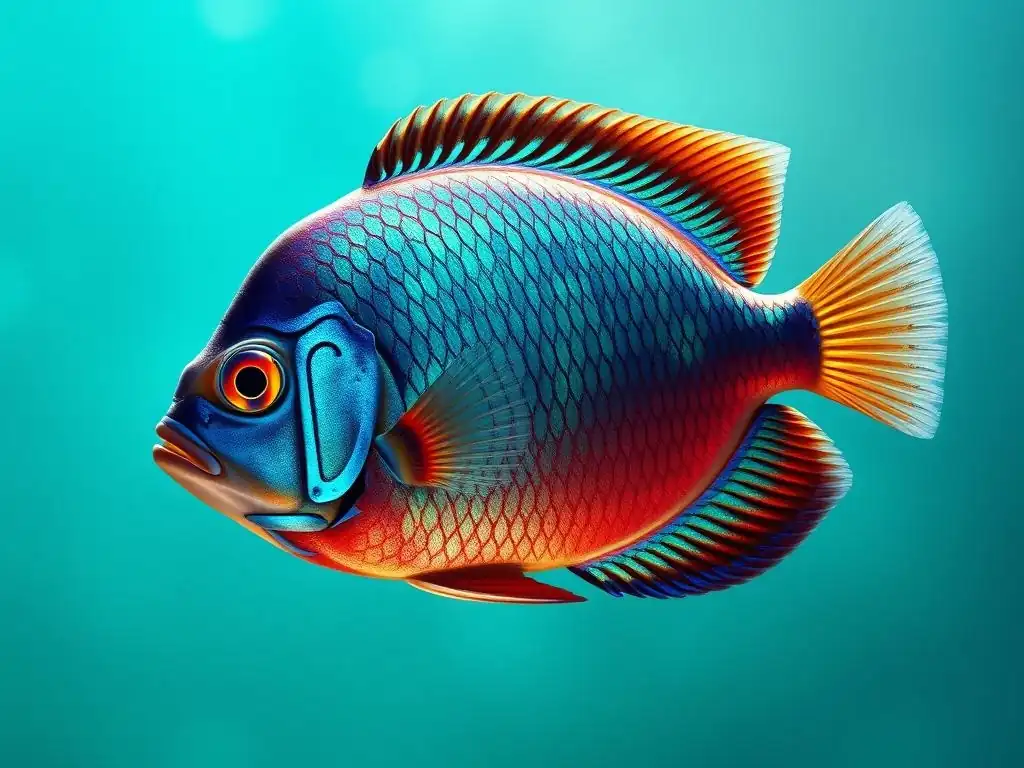
The process of culling and selection is an indispensable, albeit sometimes difficult, part of Discus fish breeding care, aiming to identify and nurture only the most promising individuals for show or breeding. Recognizing desirable traits begins early, often as soon as fry start taking solid foods. Key indicators include a round, symmetrical body shape from a young age – avoiding elongated or "football" shapes. Look for clear, bright eyes, full and undamaged fins (dorsal, anal, and caudal fins should be well-formed without nips or deformities), and an active, alert demeanor.
Early color development is also a significant factor; while colors will intensify with age, promising patterns and base colors should be discernible. Consistent growth rate among the batch is another positive sign, indicating good genetics and proper care. Any fry exhibiting signs of stunting, deformities (e.g., bent spines, malformed gills), or chronic illness should be removed, as they are unlikely to develop into show-quality specimens and can potentially spread disease or undesirable genes.
Selecting for Body Shape, Finnage, and Color Patterns
As Discus grow from juvenile to sub-adult, the criteria for selection become more refined, focusing intently on body shape, finnage, and color patterns. A truly show-quality Discus will possess a near-perfect circular body, with the dorsal and anal fins extending smoothly to complete the circle, without any dips or breaks. The caudal fin should be full and unforked, and the ventral fins long and symmetrical. Any deviation from this ideal, such as an oval body or torn fins that don't heal, warrants removal from the show-quality candidates.
Color patterns are highly strain-dependent, but for any variety, the color should be intense, uniform, and well-distributed. For example, a Red Melon should exhibit a deep, even red across its body, while a Blue Diamond should have a brilliant, consistent blue. Stress bars should be minimal or absent when the fish is calm. This meticulous selection process, often performed over several months, ensures that only the Discus with the highest genetic potential and most aesthetically pleasing attributes continue their journey towards becoming show fish, embodying the pinnacle of Discus fish breeding care.
The Importance of Consistent Culling for Maintaining Quality
Consistent culling is not merely about removing undesirable fish; it is a vital practice for maintaining and improving the overall quality of a Discus breeding line, and a fundamental aspect of responsible Discus fish breeding care. By regularly removing individuals that exhibit deformities, poor growth, muted coloration, or undesirable behavioral traits (like excessive shyness or aggression), breeders ensure that resources (tank space, food, clean water) are concentrated on the most promising specimens. This allows the remaining high-quality fish to thrive and reach their full genetic potential.
Furthermore, culling prevents the propagation of undesirable genes in future generations. If fish with congenital defects are allowed to reproduce, these flaws can become entrenched in the gene pool, leading to a decline in the overall quality and health of the strain. While it can be challenging to cull fish, especially those you've raised from fry, it is an ethical responsibility for serious breeders committed to advancing the Discus hobby and producing robust, beautiful fish. The culled fish are often rehomed as pets or used as feeders, ensuring they are not wasted.
Growing Out Discus: Creating the Ideal Environment
Tank Size and Density for Growing Discus
Providing adequate tank size and managing density are critical factors for successfully growing out Discus to their full potential, directly impacting their health and final size. As young Discus grow from 1-inch fry to 4-5 inch juveniles, their space requirements increase dramatically.
A common guideline in Discus fish breeding care is to provide at least 10 gallons of water per adult Discus, which translates to needing progressively larger tanks as the fry mature. For example, a batch of 50 two-inch Discus might initially thrive in a 75-gallon tank, but as they reach 3-4 inches, they will quickly require a 125-gallon or larger system.
Overcrowding is a leading cause of stunted growth, increased aggression, and disease outbreaks. In a densely populated tank, competition for food increases, water quality degrades more rapidly, and stress levels rise. Conversely, providing ample swimming space encourages natural behaviors, reduces stress, and allows each fish to develop its full body shape and coloration without being inhibited by its tank mates. Strategic tank upgrades or thinning out batches are essential to accommodate their exponential growth.
Maintaining Stable Water Parameters for Long-Term Health
Maintaining stable water parameters is not just crucial for spawning and fry development; it is equally vital for the long-term health and optimal growth of juvenile and sub-adult Discus. While they become slightly more tolerant than fry, sudden fluctuations in pH, temperature, or hardness can still induce significant stress, compromising their immune system and making them susceptible to disease. The ideal parameters for growing Discus typically involve a stable pH between 6.5 and 7.2, a consistent temperature of 82-84°F (28-29°C), and low to moderate hardness (GH 3-8 dGH, KH 2-5 dKH).
Daily water changes of 50-75% remain a cornerstone of effective Discus fish breeding care for growing fish. This consistent replenishment of fresh, dechlorinated, and temperature-matched water ensures that nitrates are kept below 10 ppm and trace elements are refreshed. Regular testing with reliable kits helps monitor these parameters, allowing for timely adjustments. Stability prevents the "wobbles" that can stunt growth and helps develop a robust, resilient immune system, leading to larger, healthier, and more vibrant Discus.
Preventing Stress and Promoting a Thriving Discus Community
Preventing stress is paramount for promoting a thriving Discus community and ensuring optimal growth and coloration, particularly when growing out multiple fish together. Stress can manifest as faded colors, clamped fins, shy behavior, loss of appetite, and increased susceptibility to disease. Key stressors in a growing-out tank include fluctuating water parameters, overcrowding, aggressive tank mates, inadequate diet, and sudden environmental changes.
To mitigate stress, ensure the tank is appropriately sized for the number and size of Discus. Provide a consistent feeding schedule with high-quality food. Maintain a stable temperature and water parameters through diligent water changes. While bare-bottom tanks are common for ease of cleaning, some breeders introduce minimal decor like a single piece of driftwood or a large plant pot to provide a sense of security without hindering maintenance. A calm, dimly lit environment can also help reduce stress, allowing the Discus to feel secure and display their natural behaviors and vibrant colors.
Common Challenges in Raising Discus Fry and How to Overcome Them
Addressing Stunted Growth in Discus Fry
Stunted growth is one of the most disheartening challenges in Discus fish breeding care, resulting in fish that remain small, often with disproportionately large eyes for their body size, and never reach their full potential. The primary causes are consistently poor water quality (high nitrates, ammonia, nitrite), insufficient feeding frequency or quantity, inadequate nutrition (low protein, lack of variety), or chronic stress from overcrowding or bullying.
Overcoming stunted growth requires a multi-pronged approach. First, drastically increase water change frequency and volume—daily 75-100% water changes are often necessary to flush out growth-inhibiting hormones and pollutants. Second, enhance the feeding regimen: offer high-protein, varied foods (e.g., beef heart mix, quality pellets, frozen foods) 5-8 times a day in small amounts. Third, reduce density by moving fish to larger tanks or culling smaller, weaker individuals. Addressing these factors promptly can sometimes reverse early stunting, allowing the fish to catch up, though severely stunted fish rarely fully recover.
Managing Disease Outbreaks in a Discus Fry Tank
Disease outbreaks are a common and devastating challenge when raising Discus fry, capable of wiping out an entire batch quickly due to their fragile immune systems and the close quarters. Bacterial infections (fin rot, columnaris), protozoan parasites (Hexamita, Ich), and external flukes are frequent culprits. Poor water quality, stress, and the introduction of pathogens via new fish or live food are typical triggers for these outbreaks.
Effective management of disease in Discus fish breeding care relies on rapid identification and intervention. Daily observation for symptoms like clamped fins, rapid breathing, white stringy feces, or lesions is crucial. Isolate affected individuals or the entire batch in a hospital tank if possible. Administer appropriate medications, such as broad-spectrum antibiotics for bacterial infections, metronidazole for Hexamita, or antiparasitic treatments for flukes/Ich, strictly following dosage instructions. Simultaneously, intensify water changes and maintain optimal parameters to support recovery and prevent further spread. Prevention through strict quarantine and pristine water conditions remains the best defense.
Solving Aggression Issues Among Growing Discus
As Discus fry grow into juveniles, aggression can become a significant challenge, especially in tanks with limited space or an uneven number of fish. Dominant individuals may relentlessly bully weaker ones, leading to stress, fin nipping, refusal to eat, and ultimately, stunted growth or even death for the submissive fish. This territorial behavior is a natural part of Discus social dynamics but must be managed in a breeding or grow-out setup.
To mitigate aggression in Discus fish breeding care, ensure the tank is adequately sized for the number of fish; overcrowding exacerbates bullying. Keeping Discus in groups of 6-8 or more can help "spread out" aggression, as the bullying is diffused among multiple targets rather than concentrated on one or two.
Providing visual breaks or hiding spots with appropriate decor (like large plant pots or PVC pipes) can offer refuge for submissive fish. If severe bullying persists, removing the aggressor or the targeted victim to a separate tank may be necessary to protect the health and development of the entire batch.
Documenting Progress: Tracking Growth and Development
Using Photography and Record-Keeping to Monitor Discus Development
Diligent documentation, through photography and meticulous record-keeping, is an invaluable tool in Discus fish breeding care, allowing breeders to monitor growth, track development, and refine their techniques over time. Regular photographs, taken from consistent angles, provide a visual timeline of each batch's progression, allowing breeders to observe subtle changes in body shape, finnage, and color patterns that might be missed in daily viewing. These visual records are also essential for comparing offspring to parent fish and evaluating the success of selective breeding efforts.
Complementing photography, detailed written records should include spawning dates, hatch rates, initial fry count, daily water parameters (pH, TDS, temperature, nitrates), feeding schedules, and any medications or treatments administered. Tracking individual fish or specific batches with unique identifiers can provide insights into growth rates, color development, and resilience. This data-driven approach allows breeders to identify optimal conditions, troubleshoot problems, and ultimately improve their success rates in producing high-quality Discus from one spawn to the next.
Sharing your Discus breeding journey with the wider aquarium community is a rewarding aspect of Discus fish breeding care, fostering collaboration, learning, and contributing to the hobby's collective knowledge. Online forums, social media groups, local aquarium clubs, and dedicated Discus websites provide platforms to share experiences, ask questions, and showcase your progress. Posting photos and videos of your breeding pairs, fry, and growing juveniles can inspire others and solicit valuable feedback from experienced breeders.
Beyond personal satisfaction, contributing your insights on successful feeding regimens, water parameter management, or overcoming specific challenges like stunted growth or disease outbreaks, helps new aquarists avoid common pitfalls. This open exchange of information strengthens the Discus community, promotes ethical breeding practices, and ultimately enhances the overall quality and availability of healthy, captive-bred Discus fish for enthusiasts worldwide.
Beyond Fry: Preparing Young Discus for Sale or Show
Conditioning Discus for Competition
Conditioning Discus for competition is an advanced stage of Discus fish breeding care, requiring meticulous attention to detail to bring out their absolute best. This process typically begins several months before a show and focuses on maximizing body size, enhancing color intensity, and ensuring perfect finnage. The fish selected for show must be in peak health, free of any blemishes, fin nips, or signs of stress.
A rigorous feeding regimen of high-quality, varied foods (including live or frozen options like blackworms, bloodworms, and specialized color-enhancing formulas) is essential, fed multiple times daily to promote rapid, uniform growth. Water quality must be absolutely pristine, with daily 75-100% water changes to ensure zero nitrates and optimal parameters. Lighting is carefully managed to enhance colors, and the fish are often kept in individual tanks or small, stable groups to prevent fin damage or stress from aggression. Regular observation and gentle handling help acclimate them to human presence, reducing stress during judging.
Ethically Selling or Rehoming Surplus Discus
Ethically selling or rehoming surplus Discus is a crucial responsibility for any successful breeder, ensuring the well-being of the fish and contributing positively to the hobby. After culling for show-quality fish, breeders often have a significant number of healthy, but not show-grade, Discus that need new homes. Transparent communication with potential buyers about the fish's size, age, strain, and any specific care requirements is paramount. Providing detailed information on their current water parameters and diet helps new owners successfully acclimate the fish.
Many breeders utilize local fish stores, online forums, or dedicated Discus groups to find suitable homes. Pricing should be fair, reflecting the quality and effort invested in their Discus fish breeding care. For fish that aren't sold, rehoming to experienced hobbyists or donating to educational institutions (like schools or public aquariums, if applicable) are ethical alternatives to ensure they continue to receive proper care. This responsible approach helps maintain the integrity of the Discus hobby and ensures that every fish finds a suitable, loving environment.
Conclusion: Mastering the Art of Discus Fish Breeding Care
Frequently Asked Questions
How long does it take to raise Discus fry to a marketable size?
It typically takes around 6-9 months to grow Discus fry to a size suitable for sale. This depends on factors like water quality and feeding frequency.
What are the most crucial water parameters for raising healthy Discus fry?
Maintaining pristine water conditions is essential. This includes a pH of around 6.0-7.0, minimal ammonia and nitrite levels, and a stable temperature of 82-86°F (28-30°C).
What is the best food to feed Discus fry in their early stages?
Newly hatched Discus fry initially feed on the parent's slime coat. After that, offer foods like newly hatched brine shrimp and microworms.
What are common health problems that can affect young Discus, and how can they be prevented?
Common issues include parasitic infections and bacterial diseases, often caused by poor water quality. Prevent them by maintaining clean water and providing a stress-free environment.
How important is regular water changing when raising Discus fry?
Frequent water changes are absolutely critical. Perform small, daily water changes (around 10-20%) to remove waste and maintain optimal water quality, which is paramount for growth.
Final Reflection: Nurturing Aquatic Excellence
The journey from tiny fry to vibrant show fish, as we've explored in this guide to Discus fish breeding care, is a testament to dedication and understanding. The principles outlined here, from water quality management to selective breeding, are not merely techniques, but a commitment to fostering life and beauty within our aquariums. This commitment resonates deeply, especially now, as interest in sustainable and ethical aquarium practices continues to grow.
This intricate dance of nurturing and observation has profoundly shaped the Discus keeping hobby, transforming it from a niche interest to a respected art form. The dedication required to successfully breed Discus underscores the profound connection we can forge with the natural world, even within the confines of our homes. The best and most beautiful things in the world cannot be seen or even touched - they must be felt with the heart.
- Helen Keller. This quote perfectly encapsulates the emotional investment and reward that comes with witnessing the transformation of a tiny fry into a magnificent Discus.
Now, as you embark on your own Discus breeding adventure, remember that patience, meticulous care, and a genuine love for these magnificent creatures are your greatest assets. Let the knowledge shared here serve as a foundation, but allow your own observations and experiences to guide you. Embrace the challenges, celebrate the successes, and contribute to the continued advancement of Discus fish breeding care. Your dedication will not only enrich your own life but also contribute to the preservation and appreciation of these aquatic jewels for generations to come.
Nurture Your Discus Dreams: Watch Them Thrive!
Thanks for diving into the world of Discus breeding with us! We hope you've gained some valuable insights into raising your own champions. Now, it's time to put that knowledge into action and see your efforts bloom into a stunning display.
Here's how you can continue your Discus journey:
- Prioritize one key aspect from the article: if you decide to go ahead, start a dedicated growth tank, focusing on providing optimal water parameters and frequent small feedings to encourage rapid growth.
- Share your knowledge! Join a Discus forum or social media group and discuss your Discus raising experience to connect with like-minded hobbyists.
- Think outside the box: Reach out to a local aquarium shop and discuss a potential partnership to showcase and sell your high-quality Discus once they reach maturity.
What specific detail from this guide will you implement first to improve the growth and coloration of your Discus offspring?