
Planted Tanks for Angelfish: Best Plants and Aquascaping Tips

Welcome to Aquarium Mastery!
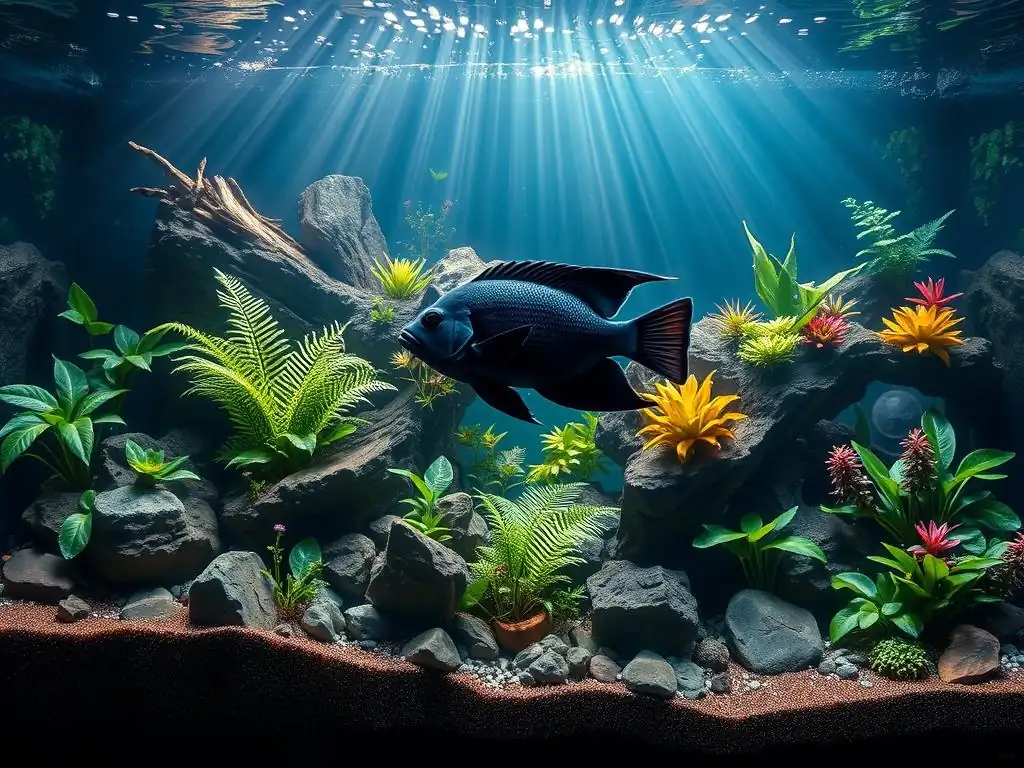
Ever dreamed of a breathtaking planted tank where your angelfish reign supreme? You're in the right place! Discover the secrets to creating a thriving underwater paradise specifically tailored for these majestic fish. Dive in and explore our guide to planted tanks angelfish aquascaping, unlocking the perfect combination of plants, design, and care to bring your vision to life. Ready to transform your aquarium into a stunning aquatic masterpiece? Let's get started!
- Introduction: Creating a Thriving Planted Aquarium for Angelfish
- Understanding Angelfish Natural Habitat and Tank Requirements
- Choosing the Best Plants for an Angelfish Planted Tank
- Aquascaping Ideas for Angelfish Planted Tanks
-
Setting Up Your Angelfish Planted Tank: A Step-by-Step Guide
- Tank Size and Dimensions: Providing Ample Space
- Substrate Selection: Promoting Plant Growth
- Lighting Requirements: Balancing Plant and Angelfish Needs
- Filtration and Water Circulation: Maintaining Water Quality
- CO2 Injection: Enhancing Plant Growth (Optional)
- Planting Techniques: Ensuring Plant Survival
- Maintaining Your Angelfish Planted Aquarium
- Common Problems and Solutions in Angelfish Planted Aquariums
- Conclusion: Enjoying a Beautiful and Healthy Angelfish Planted Tank
-
Frequently Asked Questions
- What are the best types of plants to include in a planted tank for angelfish?
- How does aquascaping impact the well-being of angelfish in a planted tank?
- What water parameters are crucial to maintain in a planted tank with angelfish?
- Can I use CO2 injection in a planted tank with angelfish, and what precautions should I take?
- What are some common mistakes to avoid when setting up a planted tank for angelfish?
- Final Reflection: Cultivating Harmony in the Angelfish Aquarium
- Cultivate Your Angel's Paradise!
Introduction: Creating a Thriving Planted Aquarium for Angelfish
Creating a planted tank for angelfish offers a multitude of benefits, transforming a simple glass box into a vibrant, living ecosystem that closely mimics their natural Amazonian habitat. Beyond the undeniable aesthetic appeal, a well-designed planted aquarium significantly contributes to the health and well-being of your angelfish, providing essential cover, reducing stress, and even encouraging natural behaviors like breeding. This approach to "planted tanks angelfish aquascaping" creates a harmonious environment where both flora and fauna can thrive.
The integration of live plants helps to stabilize water parameters by absorbing nitrates and other waste products, improving overall water quality. For angelfish, which can be somewhat shy and territorial, the dense foliage and vertical elements offered by plants provide crucial hiding spots and visual barriers, minimizing aggression and fostering a sense of security. Successfully combining the art of aquascaping with the specific needs of angelfish requires careful planning and selection, but the rewards are a breathtaking display and healthier, happier fish.
Understanding Angelfish Natural Habitat and Tank Requirements
Angelfish's Native Environment: The Amazon River Basin
Angelfish (Pterophyllum scalare) originate from the slow-moving, warm, and often tannin-stained waters of the Amazon River basin, particularly in areas like the Rio Negro, Orinoco, and various tributaries across Peru, Colombia, and Brazil. Their natural habitats are characterized by dense aquatic vegetation, submerged roots, fallen branches, and leaf litter. These environments typically feature soft, acidic water with a pH often ranging from 5.5 to 7.0 and temperatures consistently between 25°C and 29°C (77°F to 84°F).
The abundance of submerged wood and plant life provides essential cover from predators and strong currents, creating intricate networks of hiding spots and visual barriers. This natural structure is crucial for angelfish, which are cichlids known for their tall, disc-shaped bodies and somewhat shy, yet territorial, nature. Replicating these conditions through thoughtful "planted tanks angelfish aquascaping" is key to their long-term health and successful breeding.
Replicating Natural Conditions in a Planted Tank
To successfully replicate the natural Amazonian conditions for angelfish in a planted tank, focus on creating a layout that offers ample vertical elements and numerous hiding spots. Tall background plants, such as Amazon Swords or Vallisneria, mimic the dense stands of vegetation found in their native rivers, providing the necessary cover and security. Incorporating driftwood and smooth river rocks further enhances the natural feel, offering additional territories and perching spots.
Beyond physical structure, plants play a vital role in water quality. They absorb nitrates and phosphates, helping to maintain stable water parameters and reduce the frequency of large water changes. This biological filtration contributes to cleaner, healthier water, which is paramount for angelfish. A well-balanced planted tank also helps to reduce stress in angelfish by providing visual barriers, especially important when keeping multiple angelfish or during breeding, making "planted tanks angelfish aquascaping" a holistic approach to their care.
Ideal Water Parameters for Angelfish in Planted Aquariums
Maintaining stable and appropriate water parameters is crucial for both angelfish and the plants in a "planted tanks angelfish aquascaping" setup. For angelfish, the ideal temperature range is typically between 24-28°C (75-82°F), with a pH level ranging from 6.0 to 7.5. While they can tolerate a slightly wider range, consistency is key. General Hardness (GH) should be between 4-12 dGH, and Carbonate Hardness (KH) between 2-8 dKH. These parameters generally align well with the needs of most popular aquarium plants.
Plants benefit from stable water chemistry, and their growth can in turn help buffer pH and consume nitrates, contributing to overall tank stability. However, extremely soft or hard water can impact nutrient availability for plants. For instance, very low KH can lead to pH instability, which can stress both fish and plants. Regular testing of these parameters – temperature, pH, GH, KH, and nitrates – ensures that the environment remains optimal for both the angelfish and the thriving plant life.
Choosing the Best Plants for an Angelfish Planted Tank
Plant Selection Criteria: Angelfish-Safe and Compatible Plants
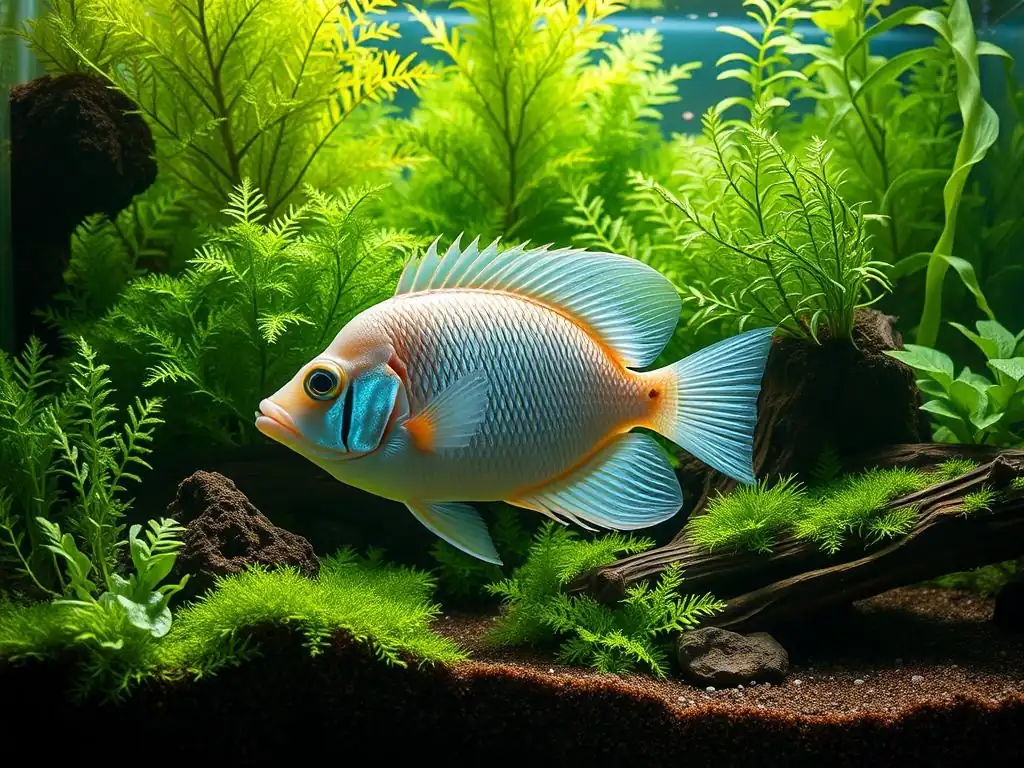
When selecting plants for "planted tanks angelfish aquascaping," compatibility with the angelfish's needs and behavior is paramount. Choose plants that are robust enough to withstand the occasional brushing or minor pecking from angelfish, especially during breeding or territorial displays. Delicate, fine-leafed plants might be easily uprooted or damaged, leading to frustration for the aquarist and potential stress for the fish if their environment changes frequently.
Furthermore, consider plants that thrive in similar water parameters as angelfish, specifically moderate temperatures (24-28°C) and slightly acidic to neutral pH (6.0-7.5). Plants that provide ample vertical structure and broad leaves are ideal, as they offer the necessary cover and visual breaks that angelfish instinctively seek. Opting for species that are generally low to moderate light and CO2 demand can also simplify maintenance, making the planted tank more sustainable for long-term angelfish care.
Top Plant Choices for Angelfish Aquariums: A Detailed Guide
Amazon Sword (Echinodorus): A Classic Angelfish Plant
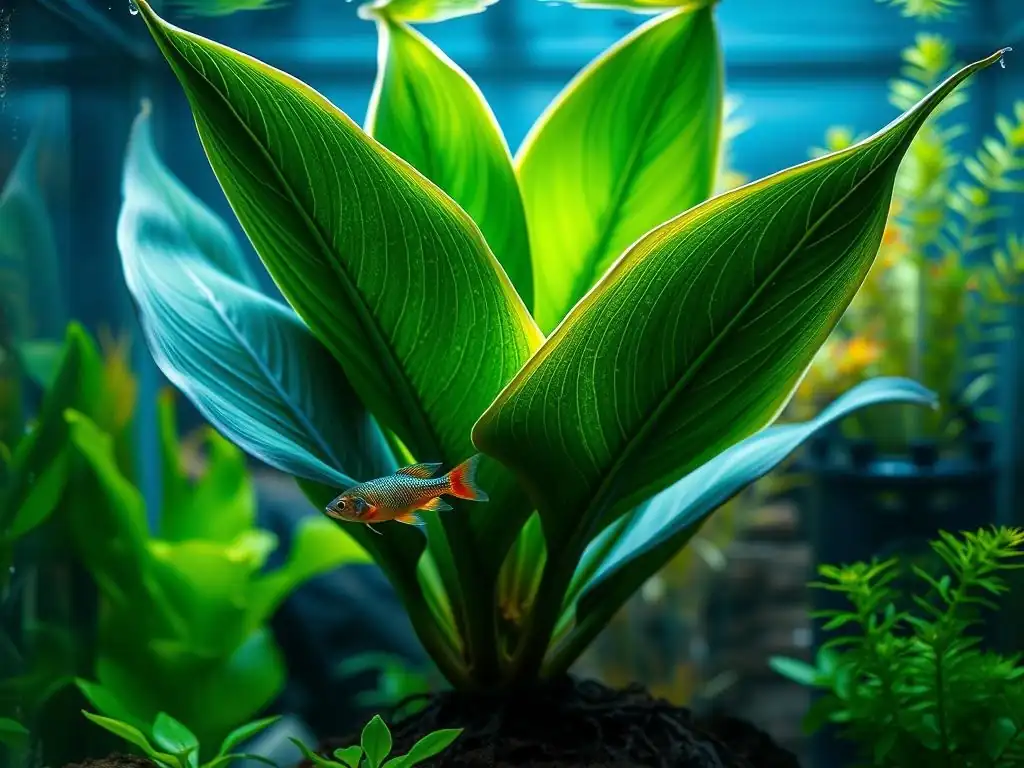
The Amazon Sword (Echinodorus species), particularly Echinodorus bleheri or Echinodorus amazonicus, is an iconic choice for "planted tanks angelfish aquascaping" due to its large, broad leaves and impressive size. These plants can grow up to 50 cm (20 inches) tall or more, making them excellent background plants that provide substantial cover and mimic the dense vegetation of the angelfish's natural habitat. Their robust root systems anchor them well, preventing easy uprooting by adult angelfish.
Amazon Swords are heavy root feeders and thrive in nutrient-rich substrates. They prefer moderate lighting and benefit from root tabs or liquid fertilizers to ensure healthy growth. Their broad leaves offer ample resting spots and visual barriers, which are crucial for reducing stress and aggression among angelfish, especially in multi-specimen setups or when pairs are forming.
Vallisneria: Providing Cover and Natural Flow
Vallisneria, often referred to as "Vals," is another superb choice for creating a naturalistic angelfish environment. Species like Vallisneria spiralis or Vallisneria gigantea produce long, ribbon-like leaves that can reach lengths of 30-60 cm (12-24 inches) or more, forming dense, swaying curtains in the background of the tank. This provides excellent vertical cover and contributes to a sense of depth and natural flow within the aquascape, ideal for "planted tanks angelfish aquascaping".
Vallisneria is relatively hardy and adaptable to a range of water conditions, thriving in moderate light and propagating readily through runners. Its rapid growth helps to absorb excess nitrates, contributing to stable water quality. The natural movement of its leaves in the water column can also provide a sense of security for angelfish, reminiscent of their native slow-moving river habitats.
Anubias: Hardy and Low-Light Options
Anubias species, such as Anubias barteri var. nana or Anubias coffeefolia, are highly recommended for angelfish planted tanks due to their exceptional hardiness, low light requirements, and resistance to being nibbled by fish. These slow-growing plants feature thick, leathery leaves that are unpalatable to most fish, including angelfish. They can be attached to driftwood or rocks using fishing line or super glue, allowing for flexible placement in the midground or foreground.
Because Anubias are rhizome plants, their rhizome (the thick stem from which leaves and roots grow) must not be buried in the substrate, as this can lead to rot. They absorb nutrients primarily from the water column, making them less dependent on a rich substrate. Their robust nature and ability to thrive in various conditions make them a reliable and aesthetic choice for any "planted tanks angelfish aquascaping" project, providing excellent perching spots and visual interest.
Java Fern (Microsorum pteropus): Easy to Maintain and Attach
Java Fern ( Microsorum pteropus) is another incredibly versatile and easy-to-maintain plant perfect for "planted tanks angelfish aquascaping." Like Anubias, it is a rhizome plant that should be attached to hardscape elements such as driftwood or rocks, rather than being planted directly in the substrate. Its unique, somewhat irregular leaf structure provides excellent texture and natural hiding spots for angelfish, growing to heights of 15-30 cm (6-12 inches).
Java Fern is highly tolerant of various water parameters and low light conditions, making it an ideal choice for beginners or those seeking a low-maintenance setup. It propagates easily by developing plantlets on its older leaves, which can then be detached and reattached elsewhere. Its resilience and ability to provide ample cover make it a staple in many successful angelfish planted aquariums.
Cryptocoryne: Adapting to Varying Conditions
Cryptocoryne species, often simply called "Crypts," are a diverse genus offering a variety of leaf shapes, sizes, and colors, including shades of green, brown, and reddish hues. Popular choices for "planted tanks angelfish aquascaping" include Cryptocoryne wendtii and Cryptocoryne undulata. These plants form dense bushes, making them excellent for midground planting, providing dense cover and breaking up sightlines for angelfish.
While Crypts are known for their initial "melt" phase when introduced to a new tank (where leaves may die back before new ones emerge), once established, they are incredibly stable and resilient. They prefer moderate to low light and benefit from a nutrient-rich substrate, as they are primarily root feeders. Their ability to adapt to varying water conditions once settled makes them a reliable and beautiful addition to an angelfish planted tank, contributing to a lush, natural aesthetic.
Plants to Avoid in Angelfish Tanks: Potential Problems
While many plants are suitable for "planted tanks angelfish aquascaping," certain species might pose challenges or simply not thrive alongside angelfish. Avoid extremely delicate or fragile plants with very fine stems, such as some Rotala species or certain mosses that are not firmly anchored. Angelfish, particularly larger adults or those in breeding pairs, can inadvertently uproot or damage these plants during their movements or territorial displays, leading to a messy tank and plant loss.
Additionally, plants that require very specific or extreme water parameters, such as ultra-soft water or very high CO2 injection and intense lighting, might be difficult to balance with the angelfish's needs. While angelfish can tolerate some variation, maintaining highly specialized plant conditions could compromise their long-term health. It's also wise to steer clear of plants with overly sharp or rigid structures, though these are rare in common aquarium plants, to prevent any potential injury to the angelfish's delicate fins.
Aquascaping Ideas for Angelfish Planted Tanks
Aquascaping Principles: Creating a Balanced and Functional Layout
Effective "planted tanks angelfish aquascaping" goes beyond merely placing plants; it involves applying principles of design to create a visually appealing, balanced, and highly functional environment for your angelfish. Key principles include the rule of thirds, which involves placing focal points off-center to create visual interest, and creating a sense of depth through careful plant and hardscape arrangement. The layout should guide the viewer's eye through the tank while also providing clear pathways and ample swimming space for the angelfish.
Crucially, the aquascape must prioritize the angelfish's needs. This means incorporating plenty of vertical elements and hiding spots, as these fish thrive in environments with cover. Visual barriers created by tall plants or strategically placed hardscape reduce aggression among angelfish, especially in community setups or when breeding. A well-executed aquascape is not just beautiful but also contributes significantly to the fish's well-being, demonstrating a holistic approach to "planted tanks angelfish aquascaping."
Hardscape Elements: Wood, Rocks, and Their Placement
Hardscape forms the backbone of any "planted tanks angelfish aquascaping" design, providing structure, visual interest, and functional benefits for the fish. The choice and placement of elements like driftwood and rocks are crucial for mimicking the angelfish's natural Amazonian habitat. Always ensure any hardscape is aquarium-safe, thoroughly cleaned, and does not alter water parameters undesirably (e.g., certain rocks can raise pH or hardness).
When arranging hardscape, consider creating natural-looking formations that offer caves, crevices, and anchor points for epiphytic plants like Anubias and Java Fern. These elements not only enhance the aesthetic appeal but also provide essential hiding spots and territories for angelfish, reducing stress and promoting natural behaviors.
Using Driftwood to Mimic Angelfish Habitat
Driftwood is arguably the most essential hardscape element for "planted tanks angelfish aquascaping" due to its ability to closely mimic the submerged roots and fallen branches found in their native Amazonian rivers. Types like Manzanita, Malaysian, or Cholla wood are popular choices. When selecting driftwood, look for pieces with interesting shapes, branches, and crevices that can provide natural perching spots and visual barriers for angelfish.
Pre-soak or boil driftwood extensively to leach out tannins and prevent excessive water discoloration, though a slight amber tint can actually enhance the natural Amazonian look and provide beneficial humic substances. Strategically placed, driftwood can create dramatic vertical lines, anchoring the aquascape and offering a sense of security for angelfish, which often enjoy navigating through and around such structures.
Incorporating Rocks for Visual Appeal and Shelter
While driftwood is primary, smooth, inert rocks can also be effectively incorporated into "planted tanks angelfish aquascaping" to add visual appeal and supplementary shelter. Seiryu stone, lava rock, or smooth river stones are popular choices that won't significantly alter water chemistry. Avoid sharp or jagged rocks that could potentially injure the angelfish's delicate fins.
Rocks can be used to create small caves or crevices, offering additional hiding spots, especially for smaller or more timid angelfish. They can also serve as anchor points for plants like Anubias or Java Fern, or to define distinct areas within the aquascape. When combining rocks with driftwood, aim for a balanced composition that feels natural and provides both open swimming areas and sheltered zones.
Plant Grouping and Placement Strategies
Effective "planted tanks angelfish aquascaping" relies on strategic plant grouping and placement to create depth, visual interest, and functional spaces for the fish. Dividing the tank into foreground, midground, and background zones helps organize the layout and guides plant selection based on their typical size and growth habits. This layered approach not only enhances aesthetics but also ensures that all areas of the tank contribute to the angelfish's well-being.
Consider the mature size of your chosen plants and their light requirements when placing them. Taller, light-demanding plants should generally be in the background, while shorter, more light-tolerant species can occupy the foreground. Grouping similar plant species together in clusters often looks more natural than scattering individual plants throughout the tank, creating lush, defined areas within the aquascape.
Foreground Plants: Creating a Lush Carpet
Foreground plants in "planted tanks angelfish aquascaping" are typically short, carpeting species that create a lush, green base at the front of the aquarium. While angelfish themselves rarely interact directly with these plants, a well-established carpet enhances the overall aesthetic and contributes to the natural feel of the tank. Examples include Dwarf Hairgrass (Eleocharis parvula) or Monte Carlo (Micranthemum tweediei), though these often require higher light and CO2.
For a lower-tech angelfish tank, shorter Cryptocoryne species (e.g., Cryptocoryne parva) or small Anubias species attached to small stones can create a textured foreground without the intensive care requirements of true carpeting plants. Ensure that any foreground plants don't impede water flow or create dead spots where debris can accumulate, maintaining a clean and healthy environment for your angelfish.
Midground Plants: Adding Depth and Texture
Midground plants are crucial for adding depth, texture, and visual interest in "planted tanks angelfish aquascaping." These plants are typically medium-sized, bridging the gap between the foreground and background, and often serve as primary hiding spots and visual barriers for angelfish. Excellent choices include various Cryptocoryne species, smaller Amazon Swords, and larger Anubias varieties.
By strategically placing midground plants, you can create natural pathways, define territories, and provide ample cover, which is vital for reducing stress and aggression among angelfish. Varying leaf shapes and colors in the midground can also significantly enhance the visual appeal of the aquascape. Consider how light will penetrate to these plants and ensure they receive adequate illumination for healthy growth.
Background Plants: Providing a Backdrop and Hiding Equipment
Background plants are the tallest species in "planted tanks angelfish aquascaping," forming a lush green wall at the rear of the aquarium. Their primary functions are to provide a natural backdrop, obscure unsightly equipment like heaters and filter intakes, and offer maximum vertical cover for angelfish. Species like tall Amazon Swords, various Vallisneria, and large Cryptocorynes are ideal for this zone.
These plants create a sense of security for angelfish, allowing them to retreat and feel safe, especially important for these shy cichlids. A dense background also helps to diffuse light and provide a natural, immersive environment. When planting, ensure there's still adequate space for water circulation behind the plants to prevent stagnant areas and maintain overall water quality.
Achieving a Natural Look: Aquascaping Techniques
To achieve a truly natural look in "planted tanks angelfish aquascaping," focus on asymmetry and organic shapes rather than perfect symmetry. Nature rarely creates straight lines or perfectly balanced compositions. Utilize the "golden ratio" or "rule of thirds" to place focal points, such as a prominent piece of driftwood or a cluster of vibrant plants, off-center to create dynamic visual interest.
Layering is another key technique: use varying heights of plants from foreground to background to create a sense of depth and dimension. Combine different textures and leaf shapes to prevent monotony. Allow plants to grow in somewhat wild, yet controlled, fashion to mimic a natural riverbed. Over time, as plants grow and fill in, the aquascape will mature, providing an increasingly convincing and beneficial environment for your angelfish.
Setting Up Your Angelfish Planted Tank: A Step-by-Step Guide
Tank Size and Dimensions: Providing Ample Space
The first crucial step in "planted tanks angelfish aquascaping" is selecting an appropriately sized tank. Angelfish, particularly mature adults, are tall fish and require vertical swimming space. A minimum tank size of 75 liters (20 gallons) is often cited for a single angelfish, but for a pair or a small group, a tank of 110-150 liters (30-40 gallons) or larger is highly recommended. For a thriving planted tank with multiple angelfish, a 200-liter (55-gallon) tank or larger provides ample space for both fish and plant growth.
Beyond volume, consider the height of the tank. A tank that is at least 45-50 cm (18-20 inches) tall is ideal to accommodate the angelfish's vertical body shape and allow for tall background plants. Wider tanks also offer more surface area for gas exchange and more footprint for creative aquascaping, ensuring enough room for territories and swimming lanes.
Substrate Selection: Promoting Plant Growth
Proper substrate selection is vital for successful "planted tanks angelfish aquascaping," as it provides essential nutrients and a rooting medium for many aquatic plants. A nutrient-rich substrate, such as specialized aquatic plant soils (e.g., ADA Aquasoil, Fluval Stratum), or a layer of laterite or potting soil capped with inert gravel or sand, is highly beneficial. These substrates release vital macro and micronutrients directly to the plant roots, promoting robust growth.
If using an inert substrate like sand or fine gravel (particle size 1-3mm), ensure it's deep enough (at least 5-7 cm or 2-3 inches) for root penetration. In such cases, supplementing with root tabs or liquid fertilizers will be necessary to provide nutrients for heavy root feeders like Amazon Swords. Avoid very coarse gravel, as it can trap detritus and make root growth difficult for many plants.
Lighting Requirements: Balancing Plant and Angelfish Needs
Lighting is a critical component of "planted tanks angelfish aquascaping," as it fuels photosynthesis for plant growth. The type and intensity of lighting should be chosen to match the needs of your selected plants. For most common angelfish-compatible plants (Amazon Swords, Vallisneria, Anubias, Java Fern, Cryptocoryne), a moderate light intensity is typically sufficient, around 0.5-0.7 watts per liter (2-3 watts per gallon) for T5 HO or 20-30 PAR for LEDs.
It's important to balance plant needs with angelfish comfort. Angelfish prefer subdued lighting, similar to their shaded natural habitats. Avoid extremely bright lights, which can stress the fish and encourage excessive algae growth. A timer set for 8-10 hours a day is generally sufficient for plant growth and helps maintain a consistent day-night cycle for your angelfish.
Filtration and Water Circulation: Maintaining Water Quality
Effective filtration and water circulation are paramount for maintaining pristine water quality in "planted tanks angelfish aquascaping." A good canister filter or hang-on-back (HOB) filter with adequate biological, mechanical, and chemical media is recommended. For a 200-liter (55-gallon) tank, a filter rated for at least 300-400 liters (80-100 gallons) per hour is a good starting point to ensure sufficient turnover.
While strong filtration is important, angelfish prefer gentle water flow, reminiscent of their slow-moving river habitats. Position filter outputs to create a gentle, dispersed current rather than a direct, powerful jet. Plants also benefit from good water circulation, which helps distribute nutrients throughout the tank. Ensure there are no stagnant areas where debris can accumulate, as this can lead to poor water quality and algae issues.
CO2 Injection: Enhancing Plant Growth (Optional)
CO2 injection is an optional, but highly effective, method for significantly enhancing plant growth in "planted tanks angelfish aquascaping." While many angelfish-compatible plants can thrive without supplemental CO2, providing it can lead to more vibrant growth, denser foliage, and faster establishment of the aquascape. CO2 acts as a primary nutrient for photosynthesis, allowing plants to grow more vigorously.
If opting for CO2 injection, a pressurized CO2 system with a regulator, solenoid, and diffuser is the most efficient method. It's crucial to monitor CO2 levels carefully using a drop checker or pH controller to ensure levels remain safe for angelfish (typically 20-30 ppm, corresponding to a pH drop of about 0.5 to 1.0 unit from your tank's baseline pH). Overdosing CO2 can be harmful or even fatal to fish.
Planting Techniques: Ensuring Plant Survival
Proper planting techniques are essential for the survival and healthy growth of your chosen flora in "planted tanks angelfish aquascaping." For stem plants, trim off the bottom few leaves and plant them individually or in small clusters (2-3 stems) into the substrate, ensuring the roots are well buried. For Amazon Swords and Cryptocorynes, gently spread their roots and plant them firmly in the substrate, making sure the crown (where leaves meet roots) is not buried too deeply.
For Anubias and Java Fern, remember they are rhizome plants and should never have their rhizome buried. Instead, attach them to driftwood or rocks using fishing line, cotton thread, or a small dab of super glue (cyanoacrylate gel). Ensure new plants are not left floating for too long, as this can cause them to dry out or become damaged. Plant immediately after filling the tank with water to minimize stress on the plants.
Maintaining Your Angelfish Planted Aquarium
Water Changes: Frequency and Volume
Regular water changes are fundamental to maintaining optimal water quality in "planted tanks angelfish aquascaping" and ensuring the health of both angelfish and plants. While plants absorb nitrates, they cannot remove all pollutants or replenish essential minerals. A weekly water change of 20-30% of the tank volume is generally recommended. This helps to dilute accumulated nitrates, phosphates, and other waste products, while also replenishing trace elements important for plant growth.
Always use dechlorinated water that is temperature-matched to the aquarium to avoid shocking your angelfish. Consistent water changes prevent the buildup of toxins that can stress angelfish and inhibit plant growth. For a heavily stocked or densely planted tank, slightly more frequent or larger water changes might be beneficial, but always prioritize stability over drastic changes.
Fertilization: Providing Essential Nutrients
Even with a nutrient-rich substrate, plants in "planted tanks angelfish aquascaping" will eventually deplete available nutrients in the water column and substrate. Therefore, regular fertilization is crucial. This typically involves two main types: liquid fertilizers and root tabs. Liquid fertilizers provide macro-nutrients (Nitrogen, Phosphorus, Potassium - NPK) and micro-nutrients (Iron, Manganese, etc.) directly to plants through the water column.
Root tabs, on the other hand, are inserted into the substrate near heavy root feeders like Amazon Swords and Cryptocorynes, providing a slow release of nutrients directly to their root systems. The specific fertilization regimen will depend on your plant load, lighting intensity, and whether you are using CO2. Always follow the manufacturer's dosing instructions and observe your plants for signs of nutrient deficiencies (e.g., yellowing leaves, stunted growth).
Pruning and Trimming: Maintaining Plant Shape and Health
Regular pruning and trimming are essential for maintaining the aesthetic appeal and health of plants in "planted tanks angelfish aquascaping." For stem plants, trim the tops to encourage bushier growth and prevent them from overshadowing other plants or blocking light. These trimmed tops can often be replanted to propagate new plants. For broad-leafed plants like Amazon Swords, remove older, yellowing, or damaged leaves at the base to direct energy to new growth.
Pruning also helps manage the overall plant density, ensuring good water circulation throughout the tank and preventing excessive shading of lower plants. When pruning, be mindful of angelfish, as they can be startled by sudden movements. A consistent pruning schedule, perhaps every 2-4 weeks depending on plant growth, will keep your aquascape looking tidy and vibrant.
Algae Control: Preventing Overgrowth
Algae is a common challenge in "planted tanks angelfish aquascaping," and while a small amount is natural, excessive growth can be unsightly and indicate an imbalance. The primary methods for algae control involve addressing the root causes: excess nutrients, too much light, or insufficient CO2 (if injecting). Aim for a balanced nutrient level, ensure your lighting duration is appropriate (8-10 hours), and maintain stable CO2 levels.
Introducing algae-eating inhabitants like Otocinclus catfish or Amano shrimp can also help manage minor outbreaks. Manual removal of algae during water changes is also effective. Consistent maintenance, including regular water changes, proper fertilization, and stable lighting, is the best defense against persistent algae problems, ensuring your angelfish tank remains clean and visually appealing.
Monitoring Water Parameters: Ensuring Stability
Consistent monitoring of water parameters is paramount for the long-term success of "planted tanks angelfish aquascaping." Regularly test temperature, pH, GH, KH, ammonia, nitrite, and nitrate levels. For angelfish, target temperatures between 24-28°C (75-82°F) and a pH of 6.0-7.5. Ammonia and nitrite should always be undetectable, while nitrates should be kept below 20 ppm.
Plants also have specific parameter needs, though they are often more tolerant of fluctuations than fish. For instance, maintaining a stable KH helps buffer pH, which is crucial if you are injecting CO2. Regular testing, ideally weekly, allows you to identify and correct issues before they become problematic for your angelfish or plants, ensuring a stable and healthy environment.
Angelfish Health and Behavior in Planted Tanks
In a well-designed "planted tanks angelfish aquascaping" environment, angelfish typically exhibit healthier behaviors and reduced stress. The abundant cover and visual barriers provided by plants allow them to establish territories more effectively without constant aggression. You may observe more natural schooling behaviors, less fin nipping (if kept with suitable tank mates), and increased activity as they explore their complex environment.
Healthy angelfish in a planted tank will display vibrant coloration, erect fins, and a strong appetite. They may also be more inclined to pair off and attempt breeding, laying eggs on broad plant leaves (like Amazon Swords or Anubias) or vertical hardscape. Any signs of clamped fins, faded colors, erratic swimming, or loss of appetite should prompt an immediate check of water parameters and observation for potential illness.
Common Problems and Solutions in Angelfish Planted Aquariums
Plant Deficiencies: Identifying and Addressing Issues
Plant deficiencies are common in "planted tanks angelfish aquascaping" and manifest as specific symptoms. Yellowing of older leaves, especially between veins, often indicates an iron deficiency. Stunted growth or pale new leaves can point to a lack of nitrogen, while holes in leaves or dark spots may suggest potassium or phosphorus deficiency. Algae growth can sometimes be a symptom of nutrient imbalance, rather than just excess.
To address deficiencies, first confirm your lighting and CO2 (if applicable) are adequate. Then, adjust your fertilization regimen. Use a comprehensive liquid fertilizer that includes both macro and micro-nutrients, and consider root tabs for heavy root feeders. Regular water changes also help replenish trace elements. Consistent monitoring of plant health and water parameters is key to preventing and resolving these issues.
Algae Blooms: Causes and Prevention
Algae blooms are a frequent frustration in "planted tanks angelfish aquascaping," often signaling an imbalance in the ecosystem. Common causes include excessive light duration (more than 10 hours), nutrient imbalances (too much of one nutrient, or too little of another which limits plant growth, leaving excess for algae), or insufficient CO2 (in injected tanks). High nitrates and phosphates, often from overfeeding or infrequent water changes, also fuel algae.
Prevention involves addressing these root causes: optimize lighting duration and intensity, perform regular 20-30% weekly water changes, avoid overfeeding, and ensure a balanced fertilization routine. Introducing effective algae eaters like Amano shrimp (Caridina multidentata) or Otocinclus catfish can help control minor outbreaks. Manual removal of algae during maintenance is also crucial to keep it from getting out of hand.
Angelfish Diseases: Recognizing and Treating Illnesses
While "planted tanks angelfish aquascaping" can significantly reduce stress and improve angelfish health, they are not immune to diseases. Common ailments include Ich (white spots resembling salt grains), fin rot (frayed or decaying fins), and bacterial infections (red streaks, bloating). Stress, poor water quality, and new fish introductions are often triggers.
Recognizing symptoms early is crucial. Observe your angelfish daily for changes in behavior (lethargy, flashing), appearance (spots, lesions, clamped fins), or appetite. Maintain pristine water quality through regular water changes and filtration, as this is the best preventative measure. If a disease is suspected, quarantine the affected fish if possible, accurately diagnose the illness, and treat promptly with appropriate aquarium-safe medications, following dosage instructions carefully.
Balancing Plant Growth and Angelfish Needs
Achieving a perfect balance between robust plant growth and the specific needs of angelfish is the art of "planted tanks angelfish aquascaping." High-tech plant setups with intense lighting and high CO2 can sometimes lead to very low pH or rapid oxygen swings, which might stress angelfish. Conversely, very low light conditions might not support the desired plant growth.
The key is often to aim for a medium-tech setup: moderate lighting (around 20-30 PAR), gentle filtration, and consistent fertilization. Many angelfish-friendly plants thrive in these conditions without requiring extreme measures. Prioritize stable water parameters that suit angelfish, and select plants that are tolerant of those parameters. Regularly observe both your fish and plants, making small, incremental adjustments to maintain harmony in your planted angelfish aquarium.
Conclusion: Enjoying a Beautiful and Healthy Angelfish Planted Tank
Successfully creating and maintaining a "planted tanks angelfish aquascaping" setup is a rewarding endeavor that transforms a simple aquarium into a vibrant, self-sustaining ecosystem. By understanding the angelfish's natural habitat, carefully selecting compatible plants, and applying thoughtful aquascaping principles, you can provide an environment that not only looks stunning but also significantly enhances the health and well-being of your fish. The lush foliage offers crucial hiding spots, reduces stress, and encourages natural behaviors, leading to more active and colorful angelfish.
The ongoing maintenance, including regular water changes, targeted fertilization, and diligent pruning, ensures the long-term success of both your plants and your fish. While challenges like algae or nutrient deficiencies may arise, a proactive approach and consistent monitoring will allow you to address them effectively. Ultimately, a well-balanced planted angelfish tank is a dynamic display of nature's beauty, offering endless enjoyment and a deeper connection to the aquatic world.
Frequently Asked Questions
What are the best types of plants to include in a planted tank for angelfish?
The best plants for angelfish tanks are those that are tall and leafy, providing hiding places and mimicking their natural habitat. Consider Amazon Swords, Java Fern, and Anubias for their hardiness and compatibility.
How does aquascaping impact the well-being of angelfish in a planted tank?
Proper aquascaping creates a natural and stress-free environment for angelfish. It offers territories, reduces aggression, and allows for natural foraging behaviors, promoting overall health and happiness.
What water parameters are crucial to maintain in a planted tank with angelfish?
Maintaining stable water parameters is essential for both plants and angelfish. Focus on keeping the temperature between 78-84°F, the pH slightly acidic (6.5-7.0), and ensuring low levels of ammonia and nitrite.
Can I use CO2 injection in a planted tank with angelfish, and what precautions should I take?
Yes, you can use CO2 injection, but it's crucial to monitor CO2 levels carefully. Too much CO2 can harm the angelfish. Start with low doses and gradually increase, observing the fish for any signs of distress.
What are some common mistakes to avoid when setting up a planted tank for angelfish?
Avoid overcrowding the tank with too many fish or plants. Also, ensure proper filtration and regular water changes to prevent the buildup of toxins. Finally, research plant and fish compatibility thoroughly to avoid issues.
Final Reflection: Cultivating Harmony in the Angelfish Aquarium
The delicate balance between the needs of majestic angelfish and the beauty of a thriving planted aquarium is more than just a hobby; it's an art form. Creating a harmonious ecosystem requires careful consideration of plant selection, aquascaping techniques, and, most importantly, understanding the natural behaviors of these captivating creatures. The principles discussed throughout this article are not merely suggestions, but rather a roadmap to fostering a vibrant and healthy aquatic world.
This journey into planted angelfish tanks has highlighted the profound impact aquascaping can have on the well-being of our finned friends. Witnessing angelfish thrive amidst lush greenery, exhibiting natural behaviors and vibrant colors, is a testament to the power of thoughtful design. In nature, nothing exists alone.
- Rachel Carson. This quote resonates deeply when considering the interconnectedness of a planted aquarium, where plants provide shelter, oxygen, and a sense of security for the angelfish, mirroring their natural habitat.
Now, as you embark on your own aquascaping adventure, remember that patience and observation are your greatest allies. Let the principles outlined here guide you, but allow your creativity to flourish. Cultivate not just a beautiful tank, but a thriving ecosystem where angelfish and plants coexist in perfect harmony. Embrace the challenge, and witness the magic unfold.
Cultivate Your Angel's Paradise!
Thank you for diving into the world of planted aquariums for angelfish! We hope you've gained valuable insights to create a thriving underwater haven. Now, let's turn that knowledge into action!
Here are some ways you can bring your planted angelfish aquarium dreams to life:
- Prioritize: Begin selecting and ordering the specific plants recommended for angelfish compatibility – consider factors like hardiness and leaf structure to create a comfortable environment.
- Delve deeper: Research aquascaping techniques suitable for tall plants like Vallisneria. Experiment with creating depth and visual interest in your tank design.
- Share your vision: Sketch out your ideal planted angelfish tank layout and share it with fellow aquarium enthusiasts for feedback and inspiration.
What unique plant combination are you most excited to try in your angelfish aquarium, and why?