
Live vs. Frozen vs. Dry: What Do Dwarf Cichlids Really Prefer?

Welcome to Aquarium Mastery!
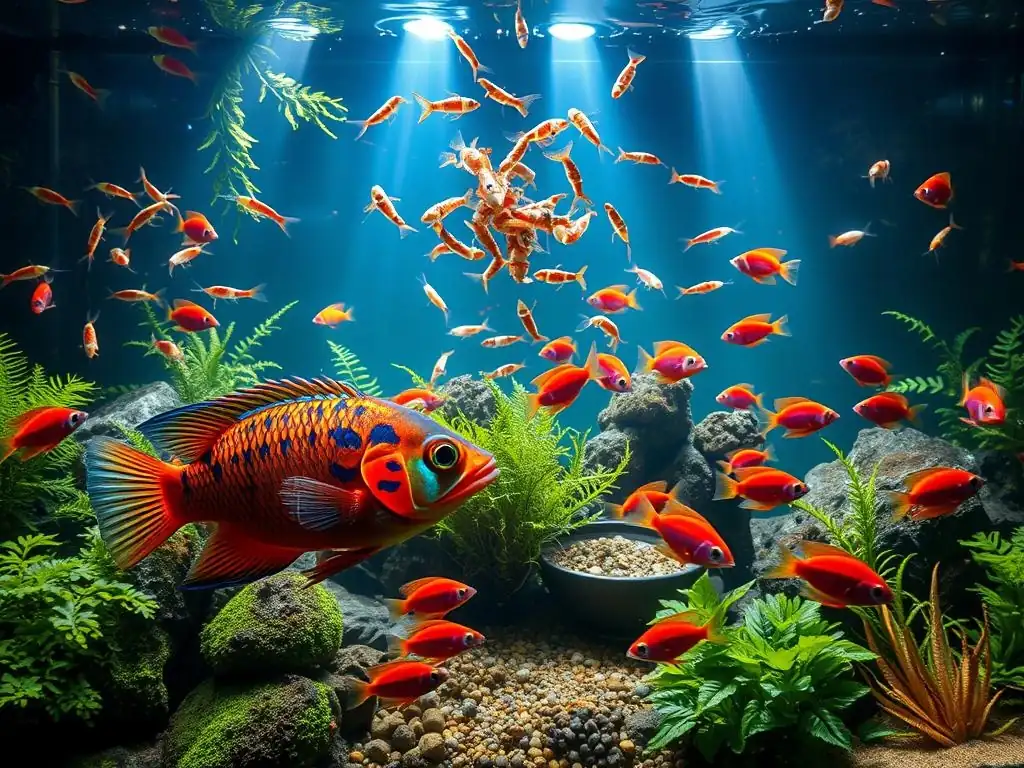
Ever wondered what culinary secrets lie behind keeping your dwarf cichlids thriving? Beyond just dropping in flakes, understanding their food preferences is key to vibrant colors and healthy breeding. Dive in to discover whether live, frozen, or dry food reigns supreme in their tiny, yet discerning, palates and unlock the secrets to a truly happy and healthy dwarf cichlid community. Ready to learn more?
- Live vs. Frozen vs. Dry: Understanding Dwarf Cichlid Food Preferences
- Understanding Dwarf Cichlid Dietary Needs
- Live Food Options for Dwarf Cichlids: Pros and Cons
- Frozen Foods for Dwarf Cichlids: A Convenient Alternative?
- Dry Foods for Dwarf Cichlids: The Staple Diet?
- Comparing Food Types: A Summary Table for Dwarf Cichlids
- Tips for Feeding Dwarf Cichlids Successfully
- Supplementing Your Dwarf Cichlid's Diet
- Specific Food Recommendations for Popular Dwarf Cichlid Species
- Ensuring Optimal Water Quality During Feeding
- Conclusion: The Best Approach to Dwarf Cichlid Food Preferences
-
Frequently Asked Questions
- What are the general food preferences of Dwarf Cichlids?
- Is live food essential for Dwarf Cichlid health and coloration?
- What are some good examples of live food suitable for Dwarf Cichlids?
- How does frozen food compare to live food in terms of nutritional value for Dwarf Cichlids?
- Can Dwarf Cichlids thrive on dry food alone, and what should I look for in a quality dry food?
- Final Reflection: Unlocking the Secrets of Cichlid Cuisine
- Unleash Your Cichlids' Natural Feeding Instincts!
Live vs. Frozen vs. Dry: Understanding Dwarf Cichlid Food Preferences
Understanding Dwarf Cichlid Dietary Needs
The Importance of a Varied Diet for Dwarf Cichlids
A varied diet is paramount for the long-term health and vibrancy of dwarf cichlids. Just like humans, these fish require a wide spectrum of nutrients, including high-quality proteins, essential fatty acids, carbohydrates, vitamins, and minerals, to thrive. Relying solely on one type of food, even a high-quality one, can lead to nutritional deficiencies over time, impacting growth, immune function, and reproductive success.
For instance, a diet lacking in specific carotenoids, often found in natural prey like Artemia or insect larvae, can result in duller coloration in species such as Apistogramma cacatuoides, whose vibrant reds and oranges are key indicators of health. A diverse dwarf cichlid diet ensures that all necessary building blocks are available, supporting robust health, enhancing natural coloration, and promoting successful breeding behaviors.
Natural Feeding Behaviors of Dwarf Cichlids in the Wild
In their natural habitats, primarily the slow-moving, leaf-littered waters of the Amazon basin and West Africa, dwarf cichlids are opportunistic micropredators. Species like Mikrogeophagus ramirezi (Ram cichlids) and Apistogramma species spend much of their time sifting through substrate and leaf litter, searching for small invertebrates. Their diet consists predominantly of insect larvae, small crustaceans such as copepods and Daphnia, and various types of worms.
This natural foraging behavior highlights their preference for small, live, moving prey. They exhibit keen observational skills, darting quickly to snatch up any edible morsel they discover. Understanding these inherent dwarf cichlid food preferences is crucial for replicating a suitable diet in the aquarium, encouraging natural behaviors and ensuring optimal well-being.
Live Food Options for Dwarf Cichlids: Pros and Cons
Benefits of Feeding Live Food to Dwarf Cichlids
Enhanced Nutritional Value of Live Foods
Live foods often boast superior nutritional profiles due to their freshness and natural composition. Organisms like freshly hatched Artemia nauplii are packed with easily digestible proteins and essential fatty acids, making them an excellent choice for conditioning breeding pairs or providing vital nutrients to growing fry. Similarly, Daphnia are rich in fiber and carotenoids, which contribute to vibrant coloration.
Beyond their inherent nutrient content, live foods also offer enzymes and beneficial gut bacteria that may be lost or degraded in processed alternatives. This bioavailability means the fish can more efficiently absorb and utilize the nutrients, leading to improved overall health and vitality, which is a significant factor in dwarf cichlid food preferences.
Stimulation of Natural Hunting Instincts
Feeding live food directly engages and stimulates the natural hunting instincts of dwarf cichlids. Observing a Ram cichlid actively pursue and capture Daphnia or a Kribensis sifting through substrate for Tubifex worms provides significant behavioral enrichment. This activity keeps them mentally and physically engaged, reducing boredom and stress, which can sometimes manifest as aggression or lethargy in an aquarium environment.
This stimulation is not just for entertainment; it contributes to the fish's overall well-being. Active foraging and hunting behaviors mimic their wild counterparts, promoting stronger musculature, sharper reflexes, and a more natural social dynamic within the tank, fulfilling their intrinsic dwarf cichlid food preferences.
Improved Coloration and Breeding Readiness
Many live foods contain high concentrations of natural pigments, such as carotenoids, which are vital for enhancing the vibrant coloration of dwarf cichlids. For example, the brilliant reds, oranges, and blues of Apistogramma species often intensify significantly when their diet includes live Artemia or certain mosquito larvae. These pigments are directly incorporated into the fish's skin, leading to more striking displays.
Furthermore, a diet rich in live food is often a key factor in triggering breeding readiness. The abundance of easily digestible proteins and fats provides the necessary energy reserves for gonad development and egg production. Female Pelvicachromis pulcher (Kribensis) are frequently observed to become gravid more readily and display more intense breeding colors when consistently fed live foods like white worms or blackworms.
Drawbacks of Using Live Food for Dwarf Cichlids
Risk of Introducing Parasites and Diseases
One of the most significant drawbacks of feeding live food, especially wild-caught or unverified sources, is the inherent risk of introducing parasites and diseases into the aquarium. Organisms like Ichthyophthirius multifiliis (Ich), flukes, or various internal parasites (e.g., nematodes, cestodes) can hitchhike on live prey, potentially devastating an entire fish population. Even commercially cultured live foods can pose a risk if their rearing conditions are not meticulously controlled.
To mitigate this, aquarists often resort to culturing their own live foods (e.g., Daphnia, grindal worms) or purchasing from highly reputable suppliers who maintain strict sanitary protocols. However, this still requires vigilance, as even a single contaminated batch can lead to widespread health issues, making this a critical consideration when assessing dwarf cichlid food preferences.
Difficulty in Sourcing and Maintaining Live Cultures
Consistently sourcing a diverse range of high-quality live foods can be challenging for many aquarists. Local fish stores may have limited selections, and online availability can be inconsistent or expensive. Furthermore, maintaining live cultures at home, such as Daphnia, Artemia, or Tubifex worms, requires dedicated space, specific environmental conditions (temperature, light, water quality), and ongoing time commitment.
This involves daily feeding, water changes for the cultures, and preventing crashes, which can be a significant hurdle for busy hobbyists. The effort involved often outweighs the perceived benefits for those with limited time or resources, making it a less practical staple compared to other options for meeting dwarf cichlid food preferences.
Potential for Overfeeding and Water Quality Issues
Live foods, particularly those that can survive in the aquarium for extended periods like Tubifex worms, pose a significant risk of overfeeding and subsequent water quality degradation. If not consumed promptly, these worms can burrow into the substrate, die, and decompose, leading to rapid increases in ammonia and nitrite levels, which are highly toxic to fish.
Even non-burrowing live foods like Daphnia or Artemia, if fed in excess, will die and decompose, contributing to the biological load. This decomposition elevates nitrates and phosphates, promoting undesirable algae growth and stressing fish, which can weaken their immune systems. Careful portion control and immediate removal of uneaten live food are essential to prevent these issues, highlighting a practical challenge in managing dwarf cichlid food preferences.
Frozen Foods for Dwarf Cichlids: A Convenient Alternative?
Advantages of Frozen Food for Dwarf Cichlids
Wide Variety of Frozen Food Options Available
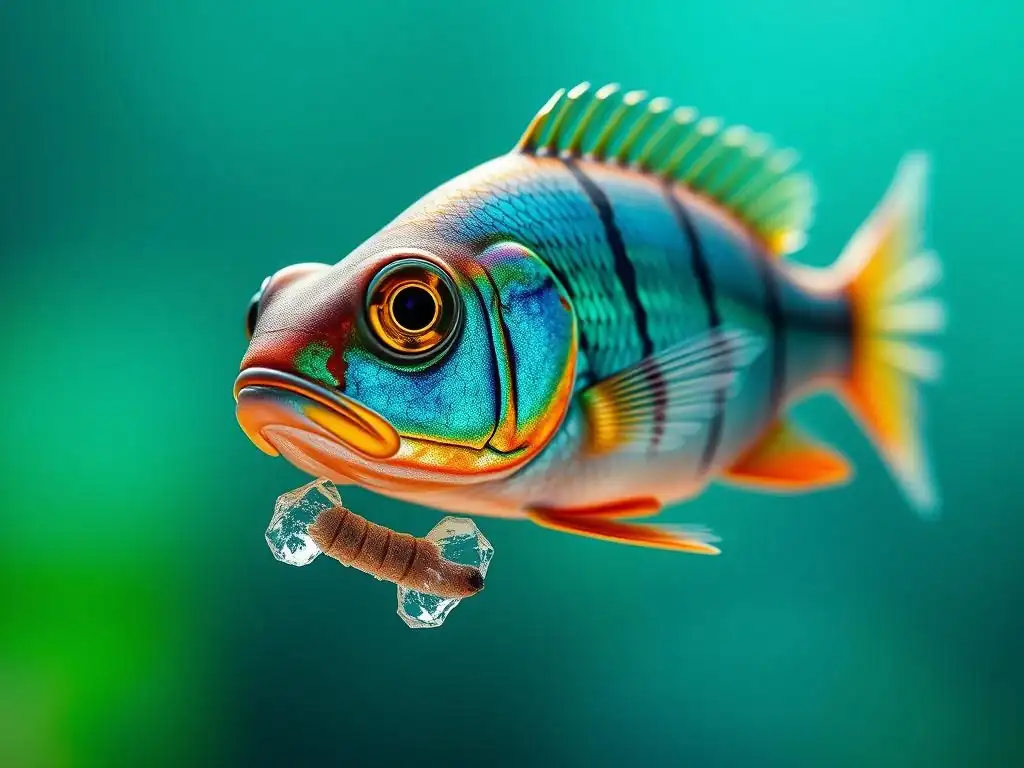
The market for frozen fish food offers an incredibly wide array of options, providing aquarists with ample choices to diversify their dwarf cichlid diet. Common selections include bloodworms, brine shrimp ( Artemia), Mysis shrimp, cyclops, and Daphnia, often packaged in convenient blister packs or flat sheets. This variety allows for a comprehensive nutritional profile to be met without the hassle of live cultures.
Beyond single-ingredient options, many manufacturers also offer specialized frozen mixes formulated specifically for cichlids or carnivorous fish, incorporating ingredients like spirulina, vitamin supplements, and garlic extracts for enhanced palatability and immune support. This extensive range makes it easier to cater to specific dwarf cichlid food preferences and ensure a balanced diet.
Reduced Risk of Parasites Compared to Live Food
One of the primary advantages of frozen foods over live alternatives is the significantly reduced risk of introducing parasites and harmful bacteria. The commercial freezing process at very low temperatures (typically below -18°C or 0°F) effectively kills most common fish parasites, including Ich and various worms, as well as many pathogenic bacteria. This makes frozen food a much safer option for maintaining a disease-free aquarium.
While not entirely sterile, the risk mitigation is substantial, providing peace of mind for aquarists concerned about the health of their fish. This safety aspect often outweighs the slight nutrient degradation for many hobbyists, making frozen foods a preferred and reliable staple in the dwarf cichlid diet.
Easier Storage and Portion Control
Frozen foods offer unparalleled convenience in terms of storage and portioning. They can be stored in a standard freezer for extended periods, often several months, ensuring a readily available supply without the need for constant replenishment or the maintenance of live cultures. This long shelf life reduces waste and simplifies food management for the aquarist.
Furthermore, frozen food, especially when supplied in blister packs, allows for precise portion control. Aquarists can easily pop out individual cubes, ensuring that only the necessary amount of food is thawed and fed. This precision helps prevent overfeeding, minimizes waste, and significantly contributes to maintaining stable water quality, aligning well with practical dwarf cichlid food preferences.
Potential Nutrient Loss During Freezing
While highly convenient, the freezing and subsequent thawing process can lead to some degradation of heat-sensitive vitamins, such as Vitamin C, and certain delicate fatty acids. Although the overall protein and mineral content typically remains stable, the bioavailability of some micronutrients might be slightly reduced compared to fresh live food.
To counteract this, many reputable frozen food manufacturers fortify their products with additional vitamins and minerals. However, aquarists should be aware that relying solely on frozen food without variation might, over a very long period, lead to subtle nutritional gaps if not carefully managed. This subtle impact on nutritional profile is a consideration when evaluating dwarf cichlid food preferences.
Thawing and Preparation Requirements
Unlike dry foods, frozen foods require a thawing and preparation step before feeding. It is crucial to thaw the frozen portion in a small container of tank water or dechlorinated water for several minutes. Feeding frozen food directly can cause internal organ damage to fish due to the extreme temperature difference. Additionally, it is often recommended to rinse the thawed food to remove any residual "juice," which can be high in phosphates and other dissolved organic compounds that may pollute the aquarium water.
This preparation adds a few minutes to the feeding routine, which, while not overly demanding, is an extra step compared to simply dropping dry food into the tank. For busy individuals, this might be a minor inconvenience in their dwarf cichlid food preferences.
Risk of Freezer Burn and Spoilage
Improper storage or fluctuating freezer temperatures can lead to freezer burn in frozen foods. Freezer burn occurs when food loses moisture due to sublimation, resulting in a drier, tougher texture and reduced palatability for the fish. While generally not harmful, it can make the food less appealing and potentially reduce some nutrient quality.
Once thawed, frozen food is highly perishable and should be consumed immediately; refreezing is not recommended as it significantly degrades quality and increases the risk of bacterial spoilage. Opened frozen food packages should also be used within a reasonable timeframe (e.g., 2-3 months) to ensure freshness and prevent contamination, requiring mindful management of your dwarf cichlid food preferences.
Dry Foods for Dwarf Cichlids: The Staple Diet?
Types of Dry Food Suitable for Dwarf Cichlids
Flake Food: Considerations for Dwarf Cichlids
Flake foods are perhaps the most common and widely available type of dry fish food. For dwarf cichlids, choosing a high-quality flake specifically formulated for carnivorous or omnivorous fish is important, often with a protein content exceeding 40%. Due to their smaller mouths, larger flakes should be crushed into more manageable pieces before feeding.
While convenient, flakes tend to float for a while before slowly sinking, and they can quickly dissolve, potentially fouling the water if not consumed rapidly. Some dwarf cichlids, particularly wild-caught Apistogramma species, may initially ignore or reject flakes due to their lack of movement and unfamiliar texture, indicating a strong preference for live or frozen food.
Pellet Food: Size and Sinking Rate Matters
Pellet foods offer a more concentrated form of nutrition compared to flakes and are less prone to dissolving quickly. For dwarf cichlids, the size of the pellet is critical; micro pellets or very small granular pellets (typically ranging from 0.5mm to 1.5mm) are most appropriate for their mouth size. Larger pellets will be ignored or cause difficulty in consumption.
The sinking rate of pellets also matters. Some pellets are designed to sink slowly, allowing mid-water dwelling dwarf cichlids like Rams to feed comfortably, while faster-sinking varieties are good for bottom-dwellers such as Kribensis. Look for pellets specifically designed for cichlids, often containing ingredients that enhance color and digestion, catering to specific dwarf cichlid food preferences.
Granules: A Balanced Option?
Granular foods often strike a good balance between flakes and pellets, making them a highly versatile option for dwarf cichlids. They are typically denser than flakes but often have a slower sink rate than many pellets, allowing fish to feed throughout the water column. Granules are less prone to breaking apart and clouding the water, reducing waste and maintaining water quality.
Many high-quality granular foods are specifically formulated for dwarf cichlids, offering a complete and balanced diet fortified with essential vitamins, minerals, and color enhancers like astaxanthin. Their uniform size and consistent nutritional profile make them an excellent staple for promoting overall health and vibrancy, often being more readily accepted than flakes by pickier species, thus addressing varied dwarf cichlid food preferences.
Benefits of Dry Food for Dwarf Cichlids
Convenient and Easy to Feed
Dry foods are undeniably the most convenient option for daily feeding. They require no thawing, rinsing, or special preparation; aquarists can simply dispense the appropriate amount directly into the tank. This ease of use makes them ideal for busy schedules, ensuring that dwarf cichlids receive consistent nutrition even when time is limited.
Their straightforward application means that daily feeding routines are quick and mess-free, allowing aquarists to maintain a regular feeding schedule without significant effort. This accessibility is a major factor in their widespread adoption as a primary component of the dwarf cichlid diet.
Long Shelf Life and Storage
One of the significant advantages of dry foods is their extended shelf life. When stored properly in a cool, dry place and an airtight container, unopened packages can remain fresh for one to two years. Once opened, they typically retain their nutritional value and palatability for several months (e.g., 3-6 months), especially if kept sealed to prevent moisture absorption and oxidation.
This longevity reduces waste and ensures a constant, reliable food source without the need for frequent purchases or concerns about spoilage, unlike live or frozen options. This convenience makes dry food a practical and economical choice for the aquarist managing dwarf cichlid food preferences.
Formulated with Essential Vitamins and Minerals
Reputable manufacturers of dry fish food meticulously formulate their products to provide a complete and balanced diet, fortified with a comprehensive array of essential vitamins, minerals, and trace elements. These include crucial components like Vitamin A for vision, Vitamin D3 for bone health, Vitamin E for reproduction, and various B-complex vitamins for metabolic functions. Many also incorporate beneficial ingredients such as spirulina, prebiotics, and probiotics to support digestion and enhance the immune system.
This fortification ensures that when dry food is used as a staple, it covers the fundamental nutritional requirements of dwarf cichlids, compensating for any potential dietary gaps that might arise from limited natural prey in captivity. This makes dry food a reliable foundation for meeting dwarf cichlid food preferences.
Limitations of Dry Food for Dwarf Cichlids
May Lack Palatability for Some Individuals
While generally accepted by many tank-bred dwarf cichlids, dry foods can sometimes lack the immediate appeal of live or frozen options, particularly for wild-caught specimens or newly introduced fish. Their static nature and often uniform texture do not trigger the same hunting response as moving prey, which can make them less palatable.
Some individual dwarf cichlids, especially finicky Apistogramma species, may initially refuse dry foods altogether, preferring only live or frozen fare. This requires patience and a gradual introduction, sometimes by mixing dry food with more appealing options, to acclimate them to a staple dry diet, indicating a strong influence on dwarf cichlid food preferences.
Potential for Overfeeding if Not Monitored
A common pitfall with dry foods is the ease with which aquarists can overfeed their fish. Dry foods, especially flakes and some pellets, expand significantly when they absorb water. If too much food is offered, uneaten portions will quickly sink to the bottom, decompose, and release harmful ammonia and nitrites into the water.
Overfeeding not only contributes to poor water quality but can also lead to health issues in the fish, such as bloat or digestive problems, due to consuming excessive amounts of food. Careful observation of how much food is consumed within a few minutes is crucial to avoid these detrimental effects, especially when catering to dwarf cichlid food preferences.
Limited Variety Compared to Live and Frozen Options
While various types of dry food exist (flakes, pellets, granules), the overall diversity in terms of biological composition and texture is inherently limited when compared to the vast range of live and frozen organisms available. Although fortified, dry foods cannot fully replicate the complex nutritional profiles and enzymatic benefits found in natural, whole prey items.
Relying solely on dry food might lead to a less stimulating feeding experience for the fish, as it doesn't engage their natural hunting instincts. This can result in a more monotonous diet that, over the long term, might not provide the subtle array of micronutrients or behavioral enrichment that a more varied diet including live and frozen options can offer, influencing dwarf cichlid food preferences.
Comparing Food Types: A Summary Table for Dwarf Cichlids
Nutritional Content Comparison: Live vs. Frozen vs. Dry
| Food Type | Nutritional Content | Specific Examples / Notes |
|---|---|---|
| Live | Highest bioavailability, rich in proteins, essential fatty acids, natural enzymes, and pigments. | Daphnia for fiber and carotenoids; Artemia nauplii for digestible protein; bloodworms for iron. |
| Frozen | Excellent source of proteins and fats; some degradation of sensitive vitamins (e.g., Vitamin C) possible. | Mysis shrimp for high protein; cyclops for small mouth fish; often fortified with vitamins. |
| Dry | Formulated for completeness; stable vitamin and mineral content; protein levels vary by product. | High-quality granules (e.g., 45% protein) for daily staple; flakes may have more fillers. |
Ease of Use Comparison: Live vs. Frozen vs. Dry
| Food Type | Ease of Use | Preparation / Storage Notes |
|---|---|---|
| Live | Most demanding | Requires sourcing, culturing, or frequent purchase; potential for mess. |
| Frozen | Moderate | Requires thawing and rinsing before feeding; stored in freezer. |
| Dry | Easiest | Direct feeding; long shelf life when stored properly in airtight container. |
Risk Factor Comparison: Live vs. Frozen vs. Dry
| Food Type | Risk Factor (Parasites/Disease) | Water Quality Risk (Overfeeding) |
|---|---|---|
| Live | Highest risk of pathogen introduction if not sourced carefully. | High, if uneaten food decomposes rapidly. |
| Frozen | Significantly reduced due to freezing process. | Moderate, if not rinsed or overfed. |
| Dry | Lowest risk of pathogen introduction. | High, due to expansion and rapid decomposition if overfed. |
Tips for Feeding Dwarf Cichlids Successfully
Establishing a Feeding Schedule
Establishing a consistent feeding schedule is crucial for the health and well-being of dwarf cichlids. Instead of one large meal, it is highly recommended to feed small amounts 2-3 times per day. This mimics their natural grazing behavior in the wild and reduces the likelihood of overfeeding, which can lead to poor water quality and digestive issues.
For example, feeding small portions at morning, midday (if possible), and evening allows the fish to consume all the food quickly, minimizing waste. Consistency in timing also helps reduce stress for the fish, as they learn to anticipate feeding times, contributing to their overall comfort and willingness to accept their dwarf cichlid food preferences.
Observing Feeding Behavior and Adjusting Portions
Close observation of your dwarf cichlids during feeding is paramount. Only provide an amount of food that can be entirely consumed within 2-3 minutes. Any uneaten food should be promptly removed to prevent decomposition and subsequent water quality degradation. Pay attention to how quickly they eat and if any food reaches the substrate untouched.
Adjust portions based on the number, size, and activity level of your fish. If you consistently find uneaten food, reduce the amount. Conversely, if your fish appear overly aggressive or seem to be constantly searching for food after feeding, a slight increase might be warranted. Understanding their actual dwarf cichlid food preferences and consumption rate is key to preventing both underfeeding and overfeeding.
Combining Different Food Types for Optimal Nutrition
The most effective strategy for feeding dwarf cichlids is a rotational diet that incorporates all three food types: high-quality dry foods, diverse frozen options, and occasional live foods. For instance, a daily staple of premium granules can be supplemented with frozen bloodworms or Mysis shrimp 2-3 times a week, and live Daphnia or Artemia offered once or twice a week as a treat or conditioning food.
This varied approach ensures a comprehensive nutritional profile, covering all essential vitamins, minerals, and proteins, while also stimulating their natural hunting instincts. Combining food types also helps to prevent finicky eating habits and ensures that even the most discerning dwarf cichlid food preferences are met, leading to healthier and more vibrant fish.
Supplementing Your Dwarf Cichlid's Diet
The Role of Vegetable Matter in the Dwarf Cichlid Diet
While dwarf cichlids are primarily carnivorous or omnivorous with a strong preference for meaty foods, some species, particularly Pelvicachromis pulcher (Kribensis), benefit from a small inclusion of vegetable matter in their diet. This provides essential fiber, which aids digestion, and additional vitamins that might be less abundant in purely protein-rich diets.
High-quality dry foods often incorporate spirulina or other plant-based ingredients, which can adequately cover this need. Alternatively, small amounts of blanched zucchini or spirulina flakes can be offered occasionally. This subtle addition contributes to a more well-rounded diet, addressing the nuances of dwarf cichlid food preferences.
Using Vitamin Supplements and Additives
For aquarists seeking to provide an extra nutritional boost or to enhance the palatability of less favored foods, liquid vitamin supplements and additives can be beneficial. These supplements can be soaked into dry flakes or pellets, or even added to thawed frozen foods, ensuring that fish receive a concentrated dose of essential vitamins, especially during stressful periods like acclimation or breeding.
Garlic extract is another popular additive, known for its ability to enhance palatability, making food more appealing to finicky eaters. It is also believed to have immune-boosting properties. Using such supplements can help bridge any potential nutritional gaps and ensure that even the most discerning dwarf cichlid food preferences are met, leading to robust health.
Specific Food Recommendations for Popular Dwarf Cichlid Species
Feeding Recommendations for Apistogramma Species
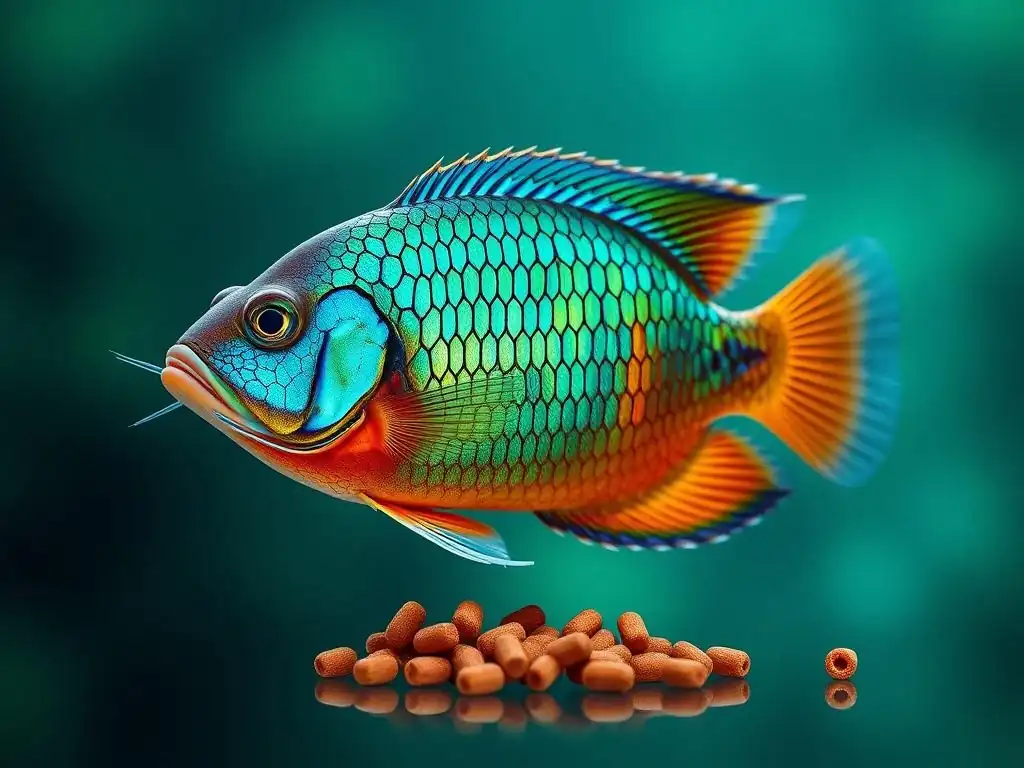
Apistogramma species, such as Apistogramma cacatuoides and Apistogramma agassizii, are primarily micro-predators in the wild, and their dwarf cichlid food preferences lean heavily towards small, meaty foods. For optimal health and breeding, a diet rich in live foods like Daphnia, Artemia nauplii, grindal worms, and small blackworms is highly recommended.
Frozen options such as cyclops, small bloodworms, and Mysis shrimp are excellent alternatives and should be offered regularly. While high-quality micro pellets or granules (0.5-1.0mm) can serve as a staple, Apistogramma often thrive best when live and frozen foods constitute a significant portion of their diet, particularly for conditioning breeding pairs and enhancing their vibrant coloration.
Feeding Recommendations for Ram Cichlids (Mikrogeophagus ramirezi)
Ram cichlids, including the popular German Blue Rams and Bolivian Rams, are omnivorous with a strong inclination towards meaty foods. Their dwarf cichlid food preferences are quite broad, making them generally easier to feed than Apistogramma. They readily accept a variety of small frozen foods like bloodworms, brine shrimp, and Mysis shrimp, which should be offered several times a week.
High-quality small pellets or granules (1.0-1.5mm) should form the foundation of their daily diet. Live foods such as Daphnia, grindal worms, or even small Tubifex worms can be provided as occasional treats to stimulate natural behaviors and condition them for breeding. Ensure that all food items are small enough for their relatively delicate mouths.
Feeding Recommendations for Kribensis (Pelvicachromis pulcher)
Kribensis are robust and relatively unfussy omnivores, making them one of the easiest dwarf cichlid species to feed. Their dwarf cichlid food preferences are quite adaptable, and they readily accept a wide array of commercially prepared foods. Quality flakes, small pellets, and granules should form the staple of their diet, provided daily.
To ensure a balanced diet and promote vibrant coloration, supplement their dry food with various frozen options like bloodworms, brine shrimp, and spirulina-enriched foods. As they are more omnivorous than other dwarf cichlids, they also benefit from occasional vegetable matter, such as blanched zucchini or spirulina flakes. Live foods like Daphnia or white worms are excellent for conditioning breeding pairs and providing behavioral enrichment.
Ensuring Optimal Water Quality During Feeding
Avoiding Overfeeding and Food Waste
Overfeeding is arguably the single most common cause of poor water quality in aquariums and directly impacts the health of dwarf cichlids. Uneaten food quickly decomposes, releasing ammonia and nitrite, which are highly toxic to fish, even in small concentrations. This also contributes to elevated nitrate levels and can fuel unsightly algae blooms.
To avoid this, always feed small amounts that your dwarf cichlids can consume entirely within 2-3 minutes. If using flakes, a feeding ring can help contain them on the surface, preventing them from scattering and sinking. Regularly observe your fish during feeding to gauge their appetite and adjust portions accordingly, ensuring that their dwarf cichlid food preferences don't lead to excess waste.
The Importance of Regular Water Changes
Even with meticulous feeding practices, organic waste from fish metabolism and residual food particles will inevitably accumulate in the aquarium water. Regular water changes are therefore indispensable for maintaining pristine water quality, which is vital for the long-term health and vibrancy of dwarf cichlids.
A general guideline is to perform a 20-30% water change weekly, using dechlorinated water that matches the tank's temperature and pH as closely as possible. This routine practice effectively removes nitrates, phosphates, and other dissolved organic compounds that can stress fish and lead to disease, directly supporting the efficacy of any dwarf cichlid food preferences.
Conclusion: The Best Approach to Dwarf Cichlid Food Preferences
Tailoring the Diet to Individual Fish Needs
While general guidelines exist for dwarf cichlid food preferences, the optimal diet often requires tailoring to the specific needs of individual fish. Factors such as species, whether the fish is wild-caught or tank-bred, its age, and even its individual personality can influence what it readily accepts. For instance, a newly acquired wild-caught Apistogramma might initially refuse all dry foods, requiring a gradual introduction of frozen or live options before transitioning to a more varied diet.
Patience and keen observation are crucial. By carefully watching how your fish respond to different foods, you can fine-tune their diet to ensure they receive optimal nutrition and remain healthy and vibrant. This personalized approach to dwarf cichlid food preferences is key to long-term success.
Finding the Right Balance for a Healthy and Vibrant Aquarium
The best approach to feeding dwarf cichlids is to embrace a balanced and varied diet that incorporates a combination of high-quality dry foods, diverse frozen options, and occasional live foods. Dry foods provide a convenient and nutritionally complete staple, while frozen and live foods offer superior palatability, essential micronutrients, and vital behavioral enrichment.
By rotating these food types, aquarists can ensure that all nutritional requirements are met, stimulate natural hunting instincts, enhance vibrant coloration, and promote successful breeding. This holistic strategy not only caters to the intricate dwarf cichlid food preferences but also contributes significantly to maintaining a thriving, healthy, and visually stunning aquarium environment.
Frequently Asked Questions
What are the general food preferences of Dwarf Cichlids?
Dwarf Cichlids are generally carnivorous and omnivorous, requiring a diet rich in protein. They appreciate variety, so offering a mix of live, frozen, and dry foods is ideal for their overall health.
Is live food essential for Dwarf Cichlid health and coloration?
While not strictly essential, live food greatly enhances their natural hunting instincts and can significantly improve coloration and breeding behavior. It provides essential nutrients often diminished in processed foods.
What are some good examples of live food suitable for Dwarf Cichlids?
Excellent live food options include brine shrimp, daphnia, and bloodworms. Ensure the size of the live food is appropriate for the mouth size of your specific Dwarf Cichlid species.
How does frozen food compare to live food in terms of nutritional value for Dwarf Cichlids?
Frozen food can retain a significant portion of the nutritional value found in live food, especially if flash-frozen. It's a convenient alternative and a good way to offer variety while minimizing the risk of parasites.
Can Dwarf Cichlids thrive on dry food alone, and what should I look for in a quality dry food?
While possible, relying solely on dry food is not ideal. If using dry food, choose a high-quality cichlid pellet or flake formulated with a high protein content and natural ingredients, supplementing it with other food types.
Final Reflection: Unlocking the Secrets of Cichlid Cuisine
The journey through the world of dwarf cichlid diets reveals more than just feeding habits; it underscores the importance of understanding the nuanced needs of our aquatic companions. The debate between live, frozen, and dry food isn't merely about convenience; it's about providing optimal nutrition and stimulating natural behaviors crucial for their well-being and vibrant coloration.
This exploration has highlighted how deeply intertwined diet is with the overall health and happiness of these fascinating fish. Witnessing the enthusiastic response to live foods, the balanced nutrition of frozen options, and the convenience of dry pellets has solidified my belief that a varied diet is key. The best aquarium is a reflection of the natural environment, and that includes a diverse and stimulating food source.
This understanding extends beyond the aquarium, reminding us of the responsibility we bear as caretakers to provide the best possible environment for the creatures in our care.
Now, armed with this knowledge of dwarf cichlid food preferences, I invite you to reflect on your own approach to fishkeeping. Are you providing a diverse and enriching diet? Are you observing your fish closely to understand their individual needs? Let this article be a catalyst for deeper engagement and a renewed commitment to providing the best possible life for your finned friends.
Unleash Your Cichlids' Natural Feeding Instincts!
Thank you for diving deep into the world of dwarf cichlid nutrition! We hope you've gained valuable insights into optimizing your fish's diet. Now, let's put that knowledge into action and see your cichlids thrive!
Here's how you can take the next steps:
- Experiment with different food types: Introduce a rotation of live, frozen, and dry foods to observe your cichlids' preferences and ensure a balanced diet. This is the most direct way to apply what you've learned!
- Document your observations: Keep a feeding log noting which foods your cichlids react to most enthusiastically and any changes in their color or behavior.
- Share your feeding secrets! Join our Aquarium Mastery community forum and tell us about your cichlids' favorite meals and any unique feeding strategies you've discovered.
What unexpected food preference did your cichlids surprise you with?