
Kribensis Tank Mates: Building a Harmonious Aquarium

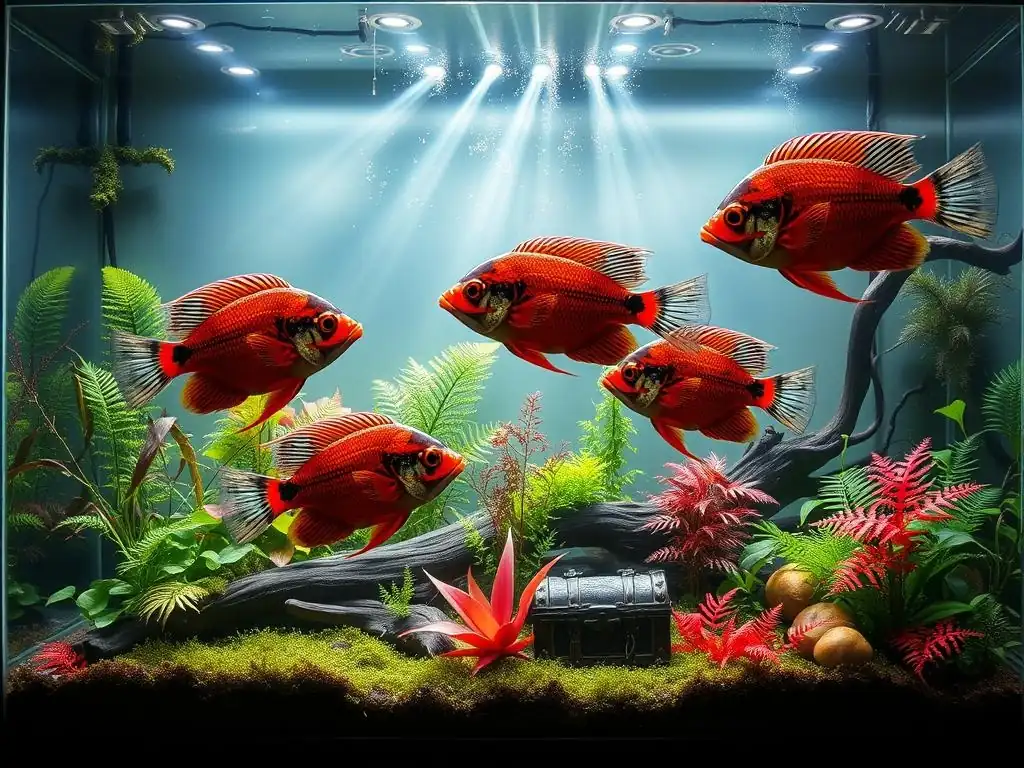
Welcome to Aquarium Mastery!
Ever wondered how to create the perfect community tank for your Kribensis? Discover the secrets to harmonious coexistence in your freshwater aquarium. We're diving deep into the world of Kribensis fish tank companions, exploring compatible species and essential tips for a thriving underwater ecosystem. Ready to unlock the secrets? Let's get started!
- Understanding Kribensis Temperament for Successful Community Tanks
-
Frequently Asked Questions
- What are some good Kribensis fish tank companions?
- Are there any fish I should definitely avoid keeping with Kribensis?
- How much space do Kribensis need to cohabitate peacefully with other fish?
- Will Kribensis eat smaller fish if they get the chance?
- How do I ensure a peaceful environment when introducing new fish to a Kribensis tank?
- Final Reflection: Cultivating Aquatic Harmony
- Transform Your Tank: Create a Thriving Kribensis Community!
Understanding Kribensis Temperament for Successful Community Tanks
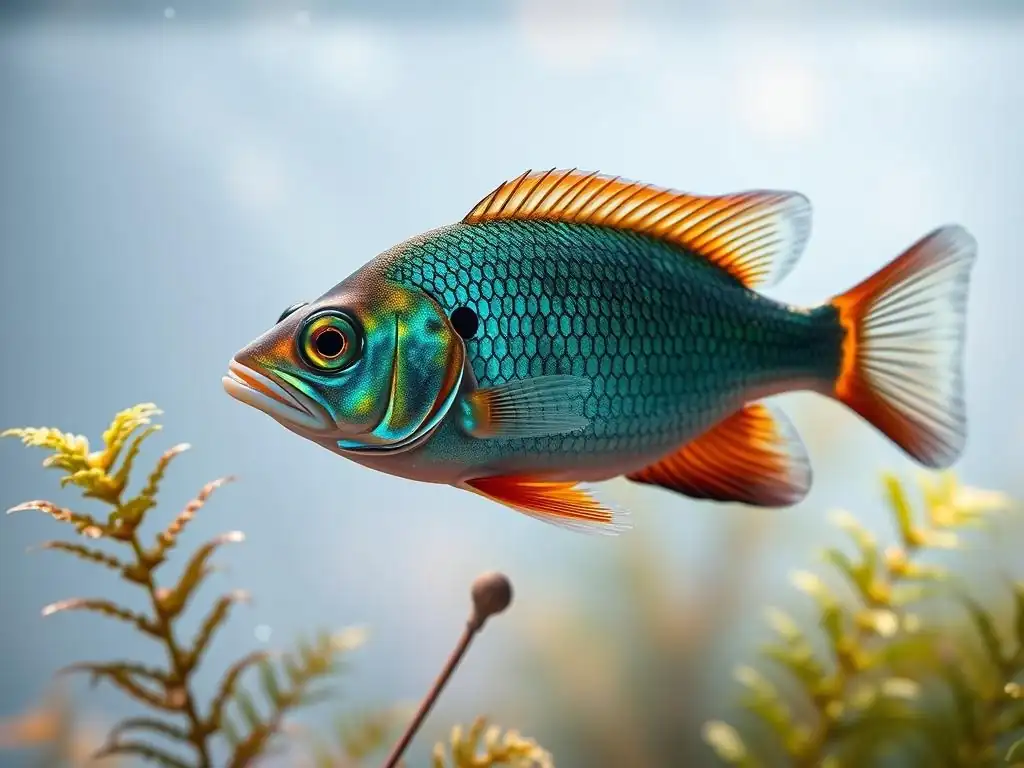
Kribensis Fish: A Brief Overview of Their Behavior
Kribensis cichlids, scientifically known as Pelvicachromis pulcher, are popular dwarf cichlids originating from West Africa. These fascinating fish typically reach an adult size of about 3 to 4 inches, with males generally being larger and more colorful than females, especially during breeding periods. Their natural habitat includes slow-moving rivers and streams, where they often inhabit areas with dense vegetation, root systems, and rocky crevices, utilizing these features for shelter and spawning. In a home aquarium, Kribensis fish exhibit a preference for the lower to middle sections of the water column, actively exploring the substrate and any available caves.
Their general demeanor outside of breeding times can be described as relatively peaceful, making them appealing Kribensis fish tank companions for many aquarists. However, like many cichlids, they possess an inherent territorial instinct, which becomes significantly more pronounced when a pair forms and prepares to breed. During these periods, they will vigorously defend their chosen spawning site, often a small cave or overturned pot, against perceived intruders. This territoriality is a key aspect to consider when selecting suitable Kribensis fish tank companions to ensure a harmonious environment.
The Importance of Choosing Compatible Tank Mates for Kribensis
Selecting appropriate tank mates is paramount for the long-term health and well-being of Kribensis cichlids, as well as for the overall stability of the aquarium ecosystem. Incompatible species can lead to chronic stress for all inhabitants, which in turn weakens their immune systems, making them more susceptible to common aquarium diseases such as Ich or fin rot. For instance, housing Kribensis with overly boisterous or fin-nipping fish can result in constant harassment, leading to frayed fins and a reluctance to feed, ultimately impacting their growth and vibrant coloration.
A well-chosen community of Kribensis fish tank companions ensures that each species has adequate space to thrive without undue competition for resources or territory. For example, fast-swimming, mid-to-upper dwelling fish that do not share the Kribensis's bottom-dwelling niche often make excellent companions, as they minimize direct interaction and potential conflict. The goal is to create a balanced environment where all fish can exhibit their natural behaviors, forage comfortably, and enjoy a stress-free existence, enhancing the aesthetic appeal and biological health of your aquatic display.
Recognizing Kribensis Aggression: Breeding vs. Non-Breeding Behavior
Understanding the nuances of Kribensis aggression is crucial for successful community tank management. Outside of breeding periods, Kribensis cichlids are generally docile, often ignoring other fish or engaging in only minor, harmless chases. They might establish small, personal territories within the tank, but these are typically not defended with significant ferocity, and actual physical harm to other fish is rare. An adult Kribensis pair in a non-breeding state in a 20-gallon tank might show only fleeting interest in a passing neon tetra, for example.
However, a dramatic shift in behavior occurs when a Kribensis pair decides to breed. This is when their territorial instincts become highly pronounced and aggression levels significantly increase. A breeding pair will select a cave or sheltered area and defend it with remarkable intensity, often chasing away any fish that ventures too close to their perceived spawning zone.
This defensive perimeter can extend up to 10-12 inches around their cave, depending on tank size and stocking density. Signs of this heightened aggression include flaring gills, rapid darting movements, chasing, and even nipping, particularly towards other bottom-dwelling or similar-sized fish. It's important to note that this aggression is primarily directed at protecting their eggs and fry, and it typically subsides once the fry are free-swimming and the parental care phase lessens.
Frequently Asked Questions
What are some good Kribensis fish tank companions?
Suitable tank mates include peaceful community fish that are similar in size and temperament. Consider tetras, rasboras, or Corydoras catfish, ensuring they won't compete for resources or harass the Kribensis. Avoid aggressive or fin-nipping species.
Are there any fish I should definitely avoid keeping with Kribensis?
Absolutely. Avoid large, aggressive fish like cichlids (except in very large tanks with careful planning), and any species known to prey on smaller fish or disturb the Kribensis' breeding. Also, avoid fin nippers.
How much space do Kribensis need to cohabitate peacefully with other fish?
A 20-gallon tank is generally considered the minimum size for a pair of Kribensis with a few small, peaceful tank mates. A larger tank, like a 30 or 40-gallon, is preferable for a more diverse community of fish.
Will Kribensis eat smaller fish if they get the chance?
While Kribensis are generally peaceful, they may eat very small fish that fit in their mouths, especially fry (baby fish). Choosing tank mates that are similar in size or slightly larger can help prevent this issue.
How do I ensure a peaceful environment when introducing new fish to a Kribensis tank?
Introduce new fish slowly and monitor their interactions closely. Provide plenty of hiding places, such as plants and caves, to allow fish to establish territories and reduce stress. Observe for signs of aggression.
Final Reflection: Cultivating Aquatic Harmony
The journey of creating a thriving Kribensis aquarium, as we've explored, is more than just selecting fish; it's about fostering a miniature ecosystem where diverse species can coexist peacefully. This pursuit of aquatic harmony mirrors our own societal aspirations for understanding and acceptance among different groups. Just as careful planning and consideration are crucial for a successful Kribensis tank, so too are they essential for building a more inclusive and harmonious world.
The delicate balance within a Kribensis tank serves as a constant reminder of the interconnectedness of all living things. Observing the interactions between different species, their subtle dances of dominance and cooperation, offers a profound lesson in empathy and understanding. The best mirror is an old friend,
as George Herbert wisely stated. Similarly, the best reflection of our own capacity for compassion lies in our ability to create spaces where diverse life can flourish.
Now, consider the lessons learned from building your own Kribensis community. How can you apply the principles of careful selection, thoughtful introduction, and consistent observation to your own relationships and communities? Let the vibrant microcosm of your aquarium inspire you to cultivate understanding, promote harmony, and build a more inclusive and thriving world, one interaction at a time.
Transform Your Tank: Create a Thriving Kribensis Community!
Thank you for diving into the world of Kribensis compatibility! We hope you’ve gained valuable insights to help your Kribensis flourish. Now, let's translate that knowledge into action!
- Plan Your Perfect Community: Carefully research and select tank mates based on temperament and tank size, prioritizing those mentioned as ideal companions.
- Share Your Success: Post photos of your harmonious Kribensis tank on social media using #AquariumMastery and inspire other aquarists.
- Unconventional Tip: Try introducing a small group of dither fish, like Rasboras, to encourage your Kribensis to be more active and less shy.
What's the first step you'll take to ensure your Kribensis enjoys a peaceful and enriching environment?