
Breeding German Blue Rams: A StepbyStep Success Guide

Welcome to Aquarium Mastery!
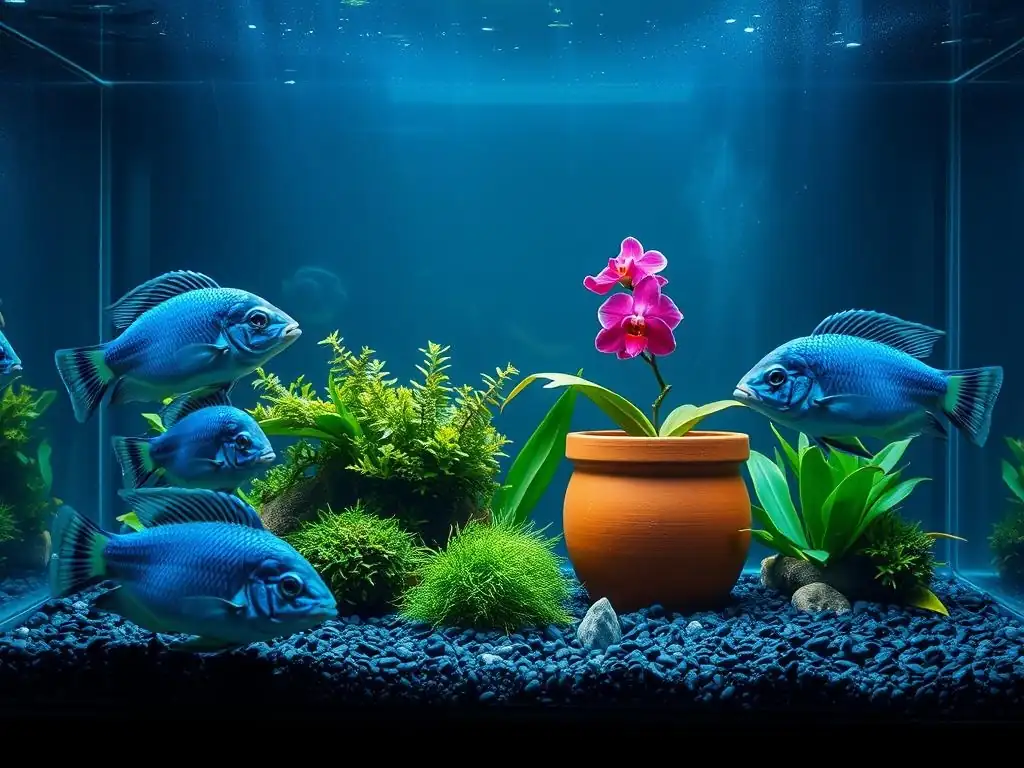
Dive into the captivating world of aquarium keeping, and get ready to unlock the secrets to successfully breeding one of the most beautiful freshwater fish. Are you ready to witness the miracle of life in your own tank? This German blue ram breeding guide is your comprehensive roadmap to success. Let's explore the fascinating process together, and transform your aquarium into a thriving haven for these vibrant gems!
- Introduction to German Blue Ram Breeding
- Preparing for German Blue Ram Breeding: Setting the Stage for Success
-
The German Blue Ram Breeding Process: A Step-by-Step Guide
- Step 1: Conditioning Your German Blue Rams for Spawning: High-Protein Diet of Live and Frozen Foods
- Step 2: Identifying Spawning Behavior in German Blue Rams: Cleaning a Flat Surface and Increased Agitation
- Step 3: The Spawning Process: What to Expect: Female Lays Eggs, Male Fertilizes
- Step 4: Post-Spawning Care: Removing Parents or Artificially Incubating Eggs
-
Hatching and Raising German Blue Ram Fry: From Egg to Juvenile
- Hatching German Blue Ram Eggs: Maintaining Consistent Temperature (82-86°F) and Adding Methylene Blue
- First Food for German Blue Ram Fry: Vinegar Eels and Baby Brine Shrimp
- Growing Out German Blue Ram Fry: Frequent Water Changes and Gradual Weaning to Flake Food
- Preventing Common Problems in German Blue Ram Fry: Maintaining Pristine Water Quality and Avoiding Overcrowding
-
Troubleshooting German Blue Ram Breeding Issues
- Identifying and Addressing Common Breeding Problems: Infertile Eggs and Parental Egg Eating
- German Blue Rams Not Spawning? [Possible Causes and Solutions: Stress, Incompatible Pair, Poor Water Quality]
- Egg Fungus Prevention and Treatment: Methylene Blue or Hydrogen Peroxide
- Fry Mortality: Identifying and Resolving Causes: Poor Water Quality, Lack of Food, Disease
- Conclusion: Mastering German Blue Ram Breeding for Aquarium Mastery
- Frequently Asked Questions
- Final Reflection: Cultivating Life and Beauty
- Embark on Your German Blue Ram Breeding Journey!
Introduction to German Blue Ram Breeding
Why Breed German Blue Rams? [Financial Incentives and Conservation Efforts]
Breeding German Blue Rams (GBRs) offers a rewarding experience for aquarists, combining personal satisfaction with practical benefits. Financially, successfully breeding these vibrant cichlids can offset the costs associated with the aquarium hobby, or even generate a modest income. A healthy, well-conditioned pair of GBRs can produce a significant number of eggs, often ranging from 100 to 200 per spawn. If 50-100 of these fry survive to juvenile size, and with market prices typically ranging from $10 to $20 per fish, a single successful spawn could potentially yield $500 to $2000, making it an attractive endeavor for dedicated hobbyists.
Beyond the financial incentives, breeding German Blue Rams contributes positively to the broader aquarium community and conservation efforts. Tank-bred GBRs are generally hardier and more adaptable to aquarium conditions than their wild-caught counterparts, which often endure significant stress during capture and transport and may carry parasites. By providing locally bred, healthy fish, hobbyists help reduce the demand for wild-caught specimens, thereby alleviating pressure on natural populations in the Amazon Basin. This sustainable approach promotes responsible aquarism and ensures a robust supply of these beautiful fish for future generations of enthusiasts, embodying a true German blue ram breeding guide.
Understanding German Blue Ram Pair Bonding and Tankmate Compatibility
German Blue Rams are known for forming strong, monogamous pair bonds, which is a crucial aspect of their breeding behavior. Unlike schooling fish, GBRs typically thrive as a single bonded pair in a dedicated breeding tank. When starting with a group of 6-8 juveniles, a pair will often naturally form as they mature, exhibiting behaviors like swimming closely together, defending a shared territory, and engaging in ritualistic displays such as fin-flaring or gentle "jaw-locking" that signify their courtship and bond. Patience is key, as not every male and female will form a compatible pair.
For successful German blue ram breeding, tankmate compatibility must be carefully considered. While GBRs are generally peaceful, they become territorial and protective of their eggs and fry during the breeding cycle. Ideal tankmates are small, non-aggressive, and mid-to-top dwelling species that will not compete for food or harass the breeding pair.
Excellent choices include small, peaceful tetras like Neon Tetras or Rummy-nose Tetras, small rasboras such as Harlequin Rasboras, peaceful Corydoras catfish, and Otocinclus catfish. Avoid any fin-nipping species, large or boisterous fish, or highly active fish that could stress the rams or prey on their eggs or fry. A 20-gallon long tank is often recommended as a minimum for a breeding pair, limiting the number of potential tankmates.
Preparing for German Blue Ram Breeding: Setting the Stage for Success
Setting Up the Breeding Tank: Bare-Bottom Tank with Slate or Cone
Setting up an optimal breeding tank is the foundation for a successful German blue ram breeding guide. For a single breeding pair, a 10-gallon to 20-gallon long aquarium is typically sufficient. Many experienced breeders opt for a bare-bottom tank, which significantly simplifies the cleaning process and makes it easier to monitor and collect fry. However, a thin layer of fine sand can also be used, though it requires more diligent maintenance to prevent the buildup of detritus.
Crucially, provide ample hiding spots to reduce stress for the breeding pair. This can be achieved using pieces of driftwood, small PVC pipes, or dense plantings of hardy, broad-leaf plants like Java Fern or Anubias, which can be anchored to decor. The most important element for spawning is a flat, smooth surface where the female can deposit her eggs.
Ideal choices include a clean piece of slate, a ceramic spawning cone, a smooth flat rock, or even a large, sturdy plant leaf. Ensure the chosen spawning surface is thoroughly cleaned before introduction to the tank. Position it in an area with gentle water circulation, but not directly in a strong current.
Ideal Water Parameters for German Blue Ram Spawning: Soft, Acidic Water (pH 6.0-6.5, GH 5-8)
Replicating the soft, acidic water conditions of their native Amazonian habitat is paramount for successful German blue ram breeding. The optimal pH range for spawning is between 6.0 and 6.5, with a general hardness (GH) of 5-8 dGH, which translates to approximately 89-142 parts per million (ppm). Water that is too hard or alkaline can significantly reduce egg fertility and hatch rates.
To achieve these parameters, many aquarists use reverse osmosis (RO) water, remineralized to the desired GH, or employ peat filtration in their filter system to naturally lower both pH and hardness. Regular testing with reliable liquid test kits is essential to maintain these precise conditions.
Temperature is another critical factor. German Blue Rams thrive in warmer water, and for breeding, the temperature should be maintained consistently between 82-86°F (28-30°C). This elevated temperature encourages spawning activity and accelerates the development of the eggs. Beyond pH, GH, and temperature, pristine water quality is non-negotiable. Nitrates should be kept below 10-20 ppm. Implement a regimen of small, frequent water changes—ideally 10-20% daily or every other day—using aged, temperature-matched water. This not only keeps pollutant levels low but also stimulates spawning behavior, mimicking the influx of fresh water during the rainy season in their natural environment.
Choosing the Right German Blue Ram Pair for Breeding: Vibrant Coloration and No Physical Deformities
Selecting healthy and vigorous breeding stock is a foundational step in any successful German blue ram breeding guide. Opt for individuals that display vibrant, rich coloration, are actively swimming, and exhibit no signs of stress or disease such as clamped fins, faded colors, or labored breathing. Look for robust, well-fed fish with full, rounded bellies, indicative of good health and proper conditioning. While GBRs can become sexually mature as early as 4 months, peak breeding performance typically occurs between 6 and 18 months of age, so choose fish within this range.
Beyond general health, specific physical attributes can help identify suitable breeding candidates. Males are generally larger than females, possess more elongated dorsal and anal fins, and often have a more pronounced second dorsal fin ray. Females, conversely, are usually smaller, have a rounder body shape, and may develop a distinct pinkish or reddish blush on their ventral region, especially when gravid with eggs.
Crucially, ensure that neither fish has any physical deformities, damaged fins, or evidence of past injuries that could impede their ability to spawn successfully or provide adequate parental care. A strong, healthy, and visually appealing pair is fundamental to producing vigorous and desirable offspring.
The German Blue Ram Breeding Process: A Step-by-Step Guide
Step 1: Conditioning Your German Blue Rams for Spawning: High-Protein Diet of Live and Frozen Foods
Proper conditioning of your German Blue Rams is a pivotal step that significantly increases the likelihood of a successful spawn. For at least 1-2 weeks prior to when you anticipate them spawning, transition your breeding pair to a rich, high-protein diet. This specialized feeding regimen is crucial for stimulating gonad development in both male and female, ensuring the female produces a healthy clutch of eggs, and providing the necessary energy reserves for the strenuous process of spawning and subsequent parental care.
Prioritize live foods during this conditioning phase, as they are highly nutritious and readily accepted. Excellent choices include blackworms, grindal worms, daphnia, and newly hatched brine shrimp. Supplement these with high-quality frozen foods such as bloodworms, Mysis shrimp, and adult Artemia.
While a good quality flake or pellet food can still be offered, live and frozen options should constitute the majority of their diet. Feed small portions multiple times a day (3-4 times) to ensure maximum nutritional intake without overfeeding, which could foul the water. This intensive feeding helps the female become "gravid" (full of eggs) and signals to the male that she is ready to breed.
Step 2: Identifying Spawning Behavior in German Blue Rams: Cleaning a Flat Surface and Increased Agitation
As your German Blue Rams approach spawning, they will begin to exhibit a series of distinct behaviors that signal their readiness to breed. The pair will become increasingly territorial, often chasing away any other tankmates (if present) from their chosen spawning area. They will spend a considerable amount of time together, engaging in intricate courtship rituals that include elaborate fin-flaring, rapid body quivering, and sometimes gentle "mouth-locking" displays. A key indicator in the female is a noticeably rounder, swollen belly, confirming she is gravid with eggs.
The most unmistakable sign that spawning is imminent is the pair meticulously cleaning a flat surface within the tank. They will repeatedly mouth, rub, and "polish" their chosen spawning site, whether it's a piece of slate, a flat rock, a ceramic cone, or a broad plant leaf. This cleaning process can be quite extensive, lasting for several hours or even a full day before egg deposition begins.
During this time, both parents may also exhibit increased agitation and vigilance, actively guarding their prepared territory against perceived threats, even from their own reflection. This preparatory cleaning is a clear signal that your German blue ram breeding guide efforts are nearing fruition.
Step 3: The Spawning Process: What to Expect: Female Lays Eggs, Male Fertilizes
Once the chosen spawning site is meticulously cleaned, the actual spawning process will commence. The female German Blue Ram will make repeated passes over the prepared surface, depositing a small line of sticky, usually amber-colored eggs with each pass. These eggs are adhesive and will firmly attach to the substrate.
Immediately after the female completes her pass, the male will follow closely behind, making his own pass over the newly laid eggs to fertilize them. This synchronized dance is repeated numerous times, with the pair alternating passes over the spawning site, often continuing for 1-2 hours until all eggs are laid.
A typical German Blue Ram spawn can range significantly in size, with healthy, mature females laying anywhere from 50 to 200 eggs. The exact number depends on the female's age, overall health, and conditioning. After the spawning is complete, both parents will diligently guard the egg clutch.
They will take turns fanning the eggs with their pectoral fins, which provides essential oxygen circulation and prevents the accumulation of detritus. They will also meticulously remove any unfertilized eggs, which typically turn opaque white or develop fungus, to prevent the spread of infection to healthy eggs. This dedicated parental care is a hallmark of successful German blue ram breeding.
Step 4: Post-Spawning Care: Removing Parents or Artificially Incubating Eggs
After the eggs have been laid, aquarists face a critical decision regarding post-spawning care: either allow the parents to raise the fry or opt for artificial incubation. While German Blue Rams are generally considered good parents, especially experienced pairs, first-time breeders may sometimes eat their eggs due to stress, inexperience, or perceived threats. If the breeding tank is a dedicated setup with no other fish, you may choose to leave the parents with the eggs. They will continue to guard, fan, and clean the eggs, providing natural care.
For a higher yield of fry, particularly with inexperienced parents, or if the breeding occurs in a community tank, artificial incubation is often the preferred method. This involves carefully removing the spawning substrate with the attached eggs to a separate "hatching tank." This tank, typically 5-10 gallons, must have identical water parameters (temperature, pH, GH) to the breeding tank.
A gentle air stone should be placed nearby to provide subtle circulation around the eggs, mimicking parental fanning. To prevent fungal infections, which are common on unfertilized or dead eggs, a small dose of methylene blue solution should be added to the water. This approach bypasses potential parental predation and significantly increases the survival rate of the delicate eggs and newly hatched fry.
Hatching and Raising German Blue Ram Fry: From Egg to Juvenile
Hatching German Blue Ram Eggs: Maintaining Consistent Temperature (82-86°F) and Adding Methylene Blue
Once the German Blue Ram eggs have been laid and, if chosen, moved to a dedicated hatching tank, maintaining precise environmental conditions is paramount for successful hatching. The temperature in the hatching tank must be kept consistently warm, ideally within the range of 82-86°F (28-30°C). This elevated and stable temperature is crucial for proper embryonic development and significantly speeds up the hatching process. Ensure that the water flow around the eggs is minimal, just enough to provide gentle circulation without dislodging them from their spawning surface.
Fungal infections pose a significant threat to developing eggs, especially those that are unfertilized or have died. To combat this, a prophylactic dose of methylene blue solution should be added to the hatching tank water. This antifungal agent will tint the water blue but is harmless to the eggs and the delicate newly hatched fry. Methylene blue works by inhibiting fungal growth and preventing the spread of infection from compromised eggs to healthy ones. Under these optimal conditions, German Blue Ram eggs typically hatch within 48-72 hours, appearing as tiny, translucent wiggling specks still attached to their spawning surface.
First Food for German Blue Ram Fry: Vinegar Eels and Baby Brine Shrimp
After hatching, German Blue Ram fry are incredibly tiny and will initially survive on their yolk sacs for the first 2-3 days. During this period, they are not free-swimming and do not require external food. However, once they become free-swimming, typically 3-5 days post-hatch, their first food source is critically important due to their minuscule size. Vinegar eels are an excellent initial choice, as they are small enough for the newly free-swimming fry to consume, providing vital nutrition without being overwhelming.
Within a day or two of successfully feeding vinegar eels, the fry can gradually transition to newly hatched baby brine shrimp (Artemia nauplii). These are highly nutritious, stimulate rapid growth, and their jerky swimming motion often triggers the fry's feeding response. It is crucial to feed the fry small amounts multiple times a day—ideally 4-6 times—to ensure a constant supply of food.
Fry have very high metabolisms and small stomachs, so frequent feeding is necessary to prevent starvation. While overfeeding is less of a concern than underfeeding at this stage, any uneaten food must be carefully siphoned out regularly to maintain pristine water quality, a key component of any successful German blue ram breeding guide.
Growing Out German Blue Ram Fry: Frequent Water Changes and Gradual Weaning to Flake Food
As German Blue Ram fry grow, maintaining impeccable water quality becomes even more critical to their survival and development. Perform small, daily water changes, typically 10-20% of the tank volume, using temperature-matched and aged water. This consistent maintenance regime is essential for removing waste products, uneaten food, and preventing the buildup of harmful nitrates, ammonia, and nitrites, which can quickly become lethal to delicate fry. Consistent good water quality is arguably the single most important factor for achieving high fry survival rates.
Continue feeding baby brine shrimp as the primary diet for the first 2-3 weeks of the fry's free-swimming life. As they visibly grow and develop, typically around 3-4 weeks, you can begin to gradually introduce finely crushed high-quality flake food or micro-pellets. By 4-6 weeks of age, the fry should be large enough to consume finely chopped frozen foods such as bloodworms, Mysis shrimp, or daphnia.
Monitor their growth and adjust the particle size of the food accordingly. The goal is to gradually wean them off live foods while ensuring they receive a varied and nutritious diet that supports rapid growth and vibrant coloration.
Preventing Common Problems in German Blue Ram Fry: Maintaining Pristine Water Quality and Avoiding Overcrowding
Preventing common problems in German Blue Ram fry largely revolves around two critical factors: maintaining pristine water quality and avoiding overcrowding. Poor water quality, characterized by elevated levels of ammonia, nitrite, or nitrate (even above 20 ppm), is the leading cause of mass fry mortality. These compounds are highly toxic to fry with their underdeveloped immune systems. Diligent daily water changes, as previously mentioned, are non-negotiable. Additionally, closely monitor for any signs of disease, such as clamped fins, lethargy, or the appearance of white spots (Ich), as early detection and prompt treatment are vital for survival.
Overcrowding is another significant stressor that can lead to stunted growth, increased aggression among siblings, and heightened susceptibility to disease. As the fry grow, they will require more space. If you have a large spawn, for instance, 50 or more fry, consider moving them to a larger grow-out tank (e.g., a 20-30 gallon tank) or dividing them into multiple smaller tanks to reduce density.
Ensure stable temperatures and minimize any other potential stress factors in the fry tank, such as excessive light or sudden movements outside the tank. By proactively addressing these environmental factors, you maximize the chances of successfully raising your German Blue Ram fry to a healthy juvenile stage, solidifying your expertise in this German blue ram breeding guide.
Troubleshooting German Blue Ram Breeding Issues
Identifying and Addressing Common Breeding Problems: Infertile Eggs and Parental Egg Eating
Even with meticulous preparation, aquarists may encounter common issues during German blue ram breeding. One frequent problem is infertile eggs. These typically turn an opaque white or develop a fuzzy fungal growth within 24-48 hours, clearly distinguishing them from healthy, clear, and translucent eggs.
Common causes for infertility include unconditioned or immature parents, particularly a male that is not yet fully mature or vigorous enough to fertilize the entire clutch, or water parameters that are too hard or possess elevated nitrate levels. To address this, review your conditioning diet, confirm the male's maturity, and rigorously test and adjust your water parameters to the ideal soft, acidic range.
Parental egg eating is another frustrating, albeit common, issue, especially with first-time German Blue Ram parents. They may consume their spawn due to stress, inexperience, or a perceived threat to the eggs. Other contributing factors include poor water quality, a lack of secure hiding spots for the parents, or the presence of overly active or aggressive tankmates.
If egg eating becomes a recurring problem, consider opting for artificial incubation in subsequent spawns to safeguard the eggs and ensure a higher yield. Providing ample cover within the breeding tank and ensuring a consistently peaceful and undisturbed environment can also help reduce parental stress and encourage better care.
German Blue Rams Not Spawning? [Possible Causes and Solutions: Stress, Incompatible Pair, Poor Water Quality]
If your German Blue Rams are healthy and conditioned but show no signs of spawning, several factors could be at play. Stress is a primary inhibitor; this can stem from aggressive tankmates, insufficient hiding spots, constant disturbances near the tank, or even excessive lighting. An incompatible pair is another common reason; not all male and female GBRs will form a strong enough bond to breed. If no bonding or courtship behaviors are observed after several weeks of proper conditioning, you might consider introducing a new potential mate or ensuring you indeed have a true, compatible pair.
Environmental conditions are paramount for triggering spawning. If the water is too hard, too alkaline, or if nitrate levels are elevated (e.g., consistently above 20 ppm), rams may be reluctant to spawn.
To remedy this, increase the frequency and volume of water changes, utilize reverse osmosis (RO) water with appropriate remineralization, or incorporate peat filtration to lower pH and general hardness. A slight, gradual increase in temperature to the higher end of their breeding range (84-86°F or 29-30°C) combined with daily small water changes (10-15%) can often act as a powerful spawning trigger, mimicking the natural environmental cues of the rainy season in their native habitat.
Egg Fungus Prevention and Treatment: Methylene Blue or Hydrogen Peroxide
Egg fungus is a significant threat to developing German Blue Ram eggs, capable of quickly spreading and destroying an entire spawn. Fungus typically originates on unfertilized or dead eggs, which provide a substrate for its growth. Therefore, the best prevention strategy is to ensure all eggs are fertilized and to diligently remove any white, infertile eggs as soon as they appear.
Ensuring good water circulation around the egg clutch, whether by parental fanning or gentle aeration in an artificial setup, also helps. In artificial incubation setups, a prophylactic dose of methylene blue (as previously discussed) is highly effective at preventing fungal outbreaks.
If fungus does appear, particularly as white, fuzzy growths on the eggs, methylene blue remains the primary treatment. A common approach is to add a 1% methylene blue solution to the water until it turns a light blue. This concentration is generally safe for eggs and newly hatched fry.
Alternatively, hydrogen peroxide can be used with caution; a typical ratio is 1 ml of 3% hydrogen peroxide per gallon of water, applied daily until the fungus recedes. Regardless of the treatment, maintaining consistent water parameters and ensuring good aeration are crucial, as compromised eggs are more susceptible to fungal infections.
Fry Mortality: Identifying and Resolving Causes: Poor Water Quality, Lack of Food, Disease
High fry mortality is a disheartening but common challenge in German blue ram breeding. The overwhelming leading cause of mass fry deaths is poor water quality. Elevated levels of ammonia and nitrite, often resulting from uneaten food or insufficient water changes, are highly toxic to the tiny, delicate fry. Similarly, a lack of appropriate food, or underfeeding, leads to starvation and weakness, making the fry susceptible to other issues. Consistent daily small water changes and a reliable, frequent supply of appropriately sized, nutritious food like baby brine shrimp are non-negotiable for high fry survival.
Fry are also highly susceptible to disease due to their underdeveloped immune systems. Introducing new fish, plants, or equipment into the fry tank without proper quarantine can introduce pathogens that rapidly decimate a spawn. Watch for signs like rapid breathing, clamped fins, or unusual swimming behavior. Genetic issues stemming from poor breeding stock (e.g., inbreeding) can also result in weak fry that fail to thrive or exhibit deformities.
Whenever possible, ensure your breeding parents are healthy and unrelated. Maintaining stable temperatures, minimizing environmental stress, and avoiding overcrowding in the fry tank are crucial steps to boost their resilience and successfully raise them to adulthood. This comprehensive German blue ram breeding guide emphasizes prevention over cure for optimal results.
Conclusion: Mastering German Blue Ram Breeding for Aquarium Mastery
Continuing Education: Online Forums and Advanced Aquarist Literature
Mastering German Blue Ram breeding, like any advanced aspect of the aquarium hobby, is an ongoing journey of learning and refinement. The dynamic nature of fishkeeping means there's always more to discover, and engaging with the wider aquarist community is an invaluable resource. Online forums dedicated to aquariums, such as "Aquarium Advice," "Fishlore," or specialized cichlid forums, provide real-time advice from experienced breeders.
These platforms offer unparalleled opportunities to ask specific questions, share your own experiences, and learn from the successes and challenges faced by others. Many communities also have specific threads or groups focused on German blue ram breeding, offering highly targeted information.
Beyond interactive online communities, delving into more structured knowledge through advanced aquarist literature can significantly deepen your understanding. Specialized books on cichlid breeding, fish physiology, or water chemistry offer detailed insights into genetics, disease management, and advanced breeding techniques that go beyond basic care. Subscribing to reputable aquarium journals or magazines can also keep enthusiasts abreast of the latest research, new species introductions, and innovative methods in the field. This commitment to continuous learning will not only enhance your expertise in German blue ram breeding but also solidify your overall command of the aquarium hobby, truly embodying Aquarium Mastery.
Frequently Asked Questions
How difficult is breeding German Blue Rams?
Breeding German Blue Rams is considered moderately difficult. Success depends on maintaining pristine water conditions and providing the correct environment for spawning.
What are the ideal water parameters for breeding German Blue Rams?
The ideal water parameters include a temperature of 82-86°F (28-30°C), a pH of 6.0-7.0, and very soft water with a low GH (General Hardness). Stable conditions are crucial.
What type of tank setup is best for breeding German Blue Rams?
A breeding tank should be at least 20 gallons, with a flat spawning surface like a slate or smooth rock. Include fine-leaved plants for the female to lay eggs on or near.
How do I know if my German Blue Rams are ready to spawn?
Look for increased courtship behavior, such as lip-locking and cleaning the spawning site. The female's ovipositor will become visible and slightly enlarged.
What do I do after the German Blue Rams lay eggs?
Maintain excellent water quality and consider removing the parents to prevent them from eating the eggs or fry. Alternatively, some aquarists leave the parents to naturally care for the brood.
Okay, here's a final reflection designed to close your "Breeding German Blue Rams: A Step-by-Step Success Guide" article, optimized for emotional connection and future reflection:
Final Reflection: Cultivating Life and Beauty
The journey of breeding German Blue Rams, as detailed in this guide, is more than just a technical process; it's a testament to the delicate balance and inherent beauty of the natural world. Understanding and replicating the conditions necessary for these vibrant fish to thrive is a rewarding endeavor, connecting us to the intricate dance of life that unfolds within our aquariums.
This experience has profoundly influenced my understanding of patience and observation, highlighting the interconnectedness of every element within an ecosystem. Witnessing the fragile eggs hatch and the fry develop into miniature versions of their parents is a humbling reminder of the power of nature's design. The best way to observe a fish is to become a fish.
- Jacques Cousteau. This quote encapsulates the dedication and empathy required to truly understand and care for these creatures.
Now, as you embark on your own German Blue Ram breeding journey, remember the lessons learned here. Observe closely, adapt thoughtfully, and appreciate the miracle of life unfolding before you. Let the vibrant colors and intricate behaviors of these fish inspire a deeper connection to the natural world and a renewed sense of wonder in the everyday.
Embark on Your German Blue Ram Breeding Journey!
Thank you for exploring the world of German Blue Ram breeding with us! We hope this guide has given you the knowledge and confidence to take the next step. Now, it's time to turn theory into practice!
Here are a few things you can do right now:
- Set up a dedicated breeding tank – this is the most crucial step to give your rams the best chance of success!
- Share this guide with fellow aquarium enthusiasts to spread the knowledge and passion for German Blue Rams.
- Research live food options like baby brine shrimp to ensure you're prepared to nourish any potential fry.
What challenges are you anticipating in your German Blue Ram breeding endeavor, and what specific setup questions do you have?