
Minimum Tank Size for Mbuna Cichlids: Don't Skimp on Space!

Welcome to Aquarium Mastery!
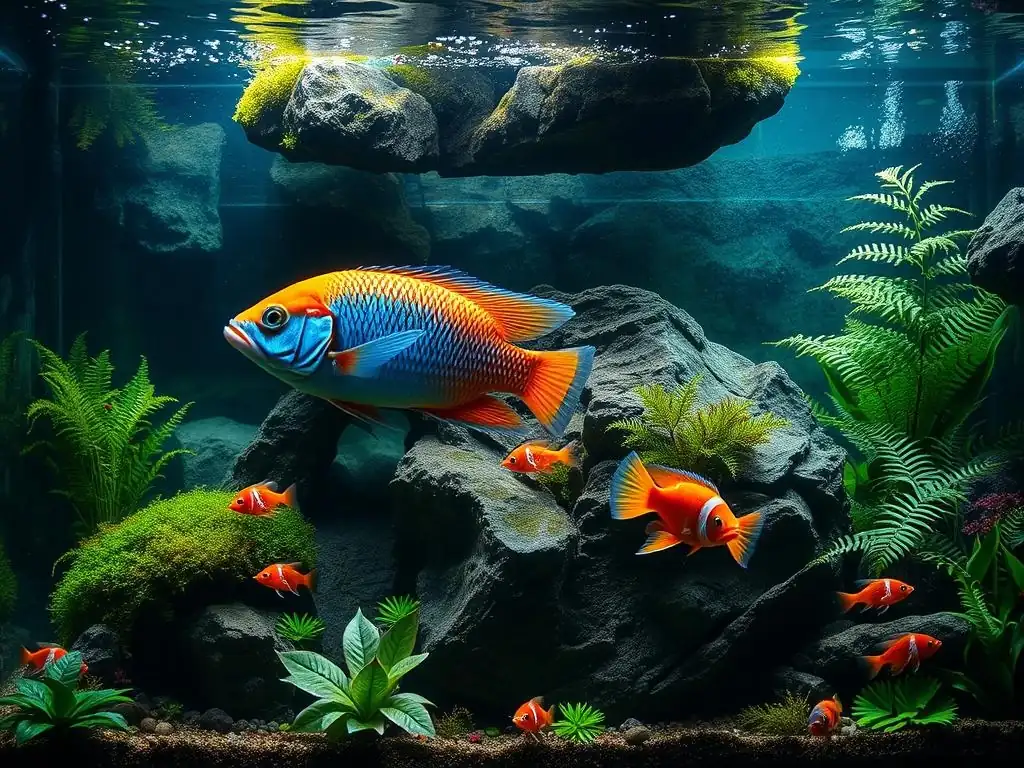
Dive into the vibrant world of aquarium keeping! Ever wondered if you're providing enough space for your energetic Mbuna cichlids? The secret to a thriving Mbuna tank lies in understanding their spatial needs. Let's unravel the mystery of Mbuna cichlid tank size and ensure your colorful friends have all the room they need to flourish. Read on to discover the ideal dimensions and create a happy, healthy underwater haven!
- Understanding Mbuna Cichlids and Their Spatial Needs
- Determining the Ideal Mbuna Cichlid Tank Size
- Factors Influencing Mbuna Cichlid Tank Size Requirements
- Specific Tank Size Recommendations for Popular Mbuna Species
- Setting Up Your Mbuna Cichlid Tank: Beyond Size
- Avoiding Common Mistakes When Planning Your Mbuna Tank
- Upgrading Your Mbuna Cichlid Tank: When and How
-
Frequently Asked Questions
- What is the absolute minimum tank size recommended for keeping Mbuna cichlids?
- Why is tank size so important for Mbuna cichlids?
- How does an inadequate tank size affect Mbuna cichlids?
- What other factors besides tank size should I consider when setting up a Mbuna cichlid tank?
- What happens if I try to keep too many Mbuna cichlids in a tank that's too small?
- Final Reflection: The Spacious Future of Mbuna Keeping
- Unleash the Vibrant World of Mbuna in Your Home!
Understanding Mbuna Cichlids and Their Spatial Needs
Why Mbuna Cichlids Require Adequate Tank Space
Mbuna cichlids, originating from the rocky shores of Lake Malawi in East Africa, are renowned for their vibrant colors and active, territorial nature. In their natural habitat, they establish intricate territories among the rocks, which are crucial for breeding, feeding, and safety. When confined to an aquarium, providing sufficient space allows them to replicate these natural behaviors, reducing stress and promoting overall well-being. Their high metabolism also means they produce a significant amount of waste, further necessitating ample water volume to dilute pollutants and maintain stable water quality.
Insufficient tank size directly compromises a Mbuna's ability to establish a territory, leading to constant conflict and stress among tank inhabitants. A cramped environment prevents subdominant fish from escaping the aggression of dominant individuals, often resulting in severe injury or even death. Furthermore, limited space restricts their natural swimming patterns and exploration, leading to lethargy and a diminished quality of life. An appropriate Mbuna cichlid tank size is fundamental to fostering a healthy and harmonious community.
The Impact of Insufficient Space on Mbuna Health and Behavior
The most immediate health consequence of insufficient space for Mbuna cichlids is chronic stress. This stress weakens their immune systems, making them highly susceptible to common cichlid diseases, most notably Malawi Bloat, a potentially fatal internal bacterial infection. Stunted growth is another common issue; fish in undersized tanks may not reach their full genetic potential, remaining smaller than their healthy counterparts even if adequately fed. Their vibrant colors may also fade, becoming dull and muted due to stress and poor health.
Behaviorally, inadequate tank space exacerbates the inherent aggression of Mbuna. Instead of establishing stable hierarchies, a confined environment fosters relentless bullying, constant chasing, and fin nipping. Subdominant fish may become perpetually cowering and refuse to eat, eventually succumbing to stress or direct aggression. This creates a highly unstable and unpleasant environment for all inhabitants, often leading to a rapid decline in the fish population. A generous Mbuna cichlid tank size is essential to diffuse aggression and allow for natural social dynamics.
Determining the Ideal Mbuna Cichlid Tank Size
Calculating Minimum Tank Size Based on Number of Mbuna
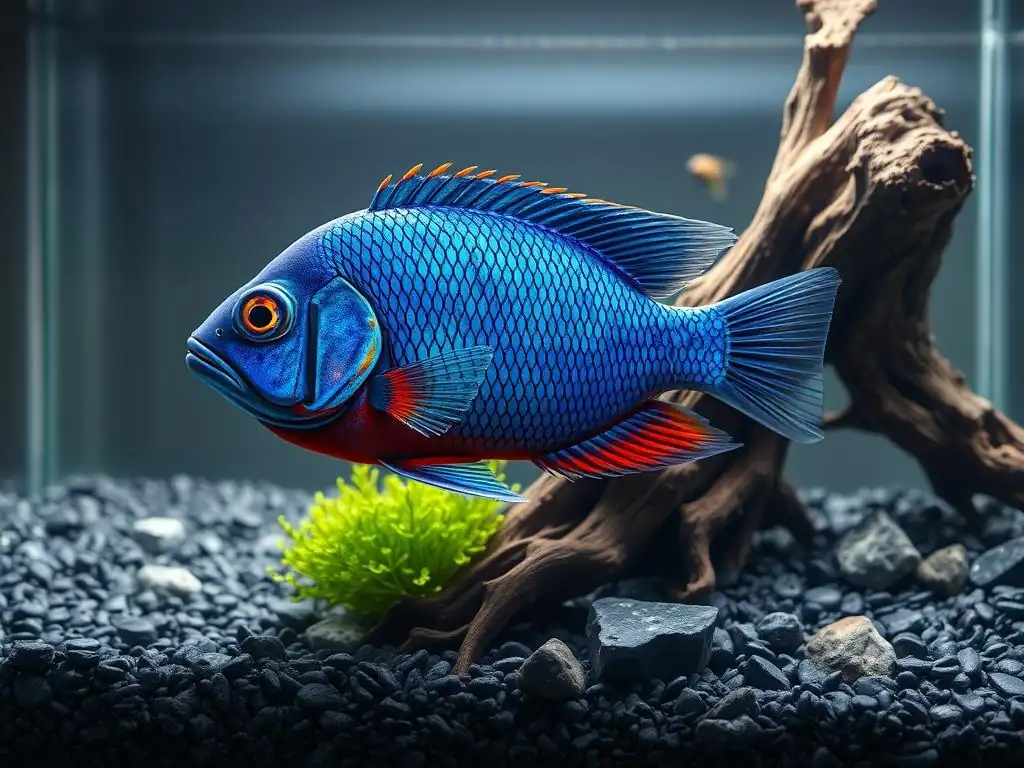
When calculating the minimum Mbuna cichlid tank size, the simplistic "gallon per inch of fish" rule is highly inadequate for these active and aggressive cichlids. A more practical approach considers both volume and footprint. For a small group of 6-8 juvenile Mbuna, a 40-gallon breeder tank (36 inches long x 18 inches wide) can serve as a bare minimum, though it will quickly become too small as they mature. For adult Mbuna, a general guideline suggests starting with at least 5-10 gallons per fish, depending on the species and its adult size.
For a thriving community of 10-12 average-sized adult Mbuna (typically 3-5 inches), a 75-gallon tank (48 inches long x 18 inches wide x 21 inches high) is widely considered a good starting point. This provides sufficient length for territories and depth for rockwork. For larger or more aggressive Mbuna species, or a more diverse community, the volume requirement increases significantly. Paradoxically, slightly overstocking a large tank can help diffuse aggression by spreading it among many individuals, but this strategy fails completely in smaller volumes.
Recommended Tank Dimensions for Different Mbuna Species
The length and width of a tank are often more critical than its height for Mbuna, as these dimensions provide crucial swimming and territorial space. A 48-inch long tank (e.g., a 55-gallon or 75-gallon) is typically the minimum length for keeping even smaller Mbuna species. For larger species or a more robust community, a 72-inch long tank (e.g., a 125-gallon or 180-gallon) offers vastly superior conditions.
Specific Mbuna cichlid tank size recommendations by footprint:
- Small Mbuna (e.g., Labidochromis caeruleus, Pseudotropheus saulosi): A 48" x 13" footprint (55-gallon standard) can house a modest group, though a 48" x 18" (75-gallon) is significantly better.
- Medium Mbuna (e.g., Maylandia estherae, Melanochromis cyaneorhabdos): A 48" x 18" footprint (75-gallon) is the minimum, but a 72" x 18" (125-gallon) or 72" x 24" (180-gallon) is ideal for a larger or more active group.
- Larger/More Aggressive Mbuna (e.g., Maylandia zebra, Metriaclima callainos): These species truly thrive in tanks with a 72" x 18" (125-gallon) or 72" x 24" (180-gallon+) footprint, providing ample room for their size and aggression levels.
Considering Adult Size and Growth Rate When Choosing a Tank
Many Mbuna cichlids are sold as small, vibrant juveniles, often only 1-2 inches in length. However, it is crucial to research their adult size before purchase. Species like Labidochromis caeruleus typically reach 3-4 inches, while others, such as Maylandia zebra or Metriaclima callainos, can grow to 6 inches or more. Selecting a Mbuna cichlid tank size based on the fish's current juvenile size is a common pitfall that inevitably leads to overcrowding and stress as they mature.
Mbuna have a relatively fast growth rate, especially with proper diet and water conditions. A 1-inch juvenile can easily reach 4-5 inches within 8 to 12 months. This rapid growth means that a tank that seems adequate for young fish will quickly become too small. Planning for the adult size of your chosen Mbuna species from the outset prevents the need for an expensive and potentially stressful tank upgrade down the line, ensuring a stable and healthy environment for their entire lifespan.
Factors Influencing Mbuna Cichlid Tank Size Requirements
Mbuna Species Aggression Levels and Tank Mates
Mbuna cichlids are inherently aggressive and territorial, but aggression levels vary significantly between species. Some, like the Melanochromis auratus, are notoriously pugnacious and require vast amounts of space to diffuse their aggression, often even then being challenging to house in a community setting. In contrast, Labidochromis caeruleus (Yellow Labs) are generally considered one of the milder Mbuna. Mixing highly aggressive species with more docile ones, especially in a confined Mbuna cichlid tank size, is a recipe for disaster, almost always resulting in severe bullying and fatalities.
The "overstocking" strategy, where more fish than typically recommended are kept in a tank, is often employed with Mbuna to spread aggression among many targets, preventing one fish from being singled out. However, this strategy is only effective in sufficiently large tanks (e.g., 75 gallons minimum for a mixed community) with robust filtration.
It does not mean you can cram an excessive number of fish into a small tank. Careful selection of compatible species and maintaining appropriate male-to-female ratios (e.g., 1 male to 3-4 females per species) are vital, and these strategies are only viable within an adequately sized aquarium.
The Importance of Rockwork and Hiding Places
Mbuna are rheophilic (current-loving) and lithophilic (rock-loving) cichlids, meaning they naturally inhabit the rocky, current-swept areas of Lake Malawi. Extensive rockwork is not merely decorative; it is a fundamental requirement for their well-being. Creating numerous caves, crevices, and visual barriers with inert rocks (like lava rock, Texas holey rock, or slate) allows Mbuna to establish territories, hide from dominant individuals, and feel secure. This hardscape mimics their natural environment and is crucial for diffusing aggression.
While essential, rockwork displaces water and takes up valuable swimming space. Therefore, a tank with extensive rock formations effectively has less usable water volume for the fish. This further underscores the need for a generous Mbuna cichlid tank size. For instance, a 75-gallon tank heavily adorned with rocks might provide the actual swimming space equivalent of a smaller tank with less hardscape. Plan your rock layout to maximize both hiding spots and open swimming lanes, ensuring stability and safety for your fish.
Filtration and Water Quality Considerations for Mbuna Tanks
Mbuna cichlids are known for their high bioload; they are active eaters and produce a significant amount of waste. Consequently, robust and oversized filtration is paramount for maintaining pristine water quality, which is non-negotiable for their health. Canister filters, large hang-on-back filters, or sump filtration systems are often necessary. For a 75-gallon Mbuna tank, it is common practice to select a filter rated for a tank size of 100-150 gallons to ensure adequate mechanical, chemical, and biological filtration capacity.
Poor water quality, often a direct consequence of insufficient filtration in an undersized tank, quickly leads to elevated levels of ammonia, nitrite, and nitrate—all highly toxic to fish. These toxins cause stress, weaken the immune system, and can lead to severe health issues like Malawi Bloat or bacterial infections. Adequate filtration, combined with regular and substantial water changes (typically 25-50% weekly), is vital for diluting pollutants and replenishing essential minerals, ensuring the stability and health of your Mbuna cichlid tank regardless of its size.
Specific Tank Size Recommendations for Popular Mbuna Species
Minimum Tank Size for Yellow Labs (Labidochromis caeruleus)
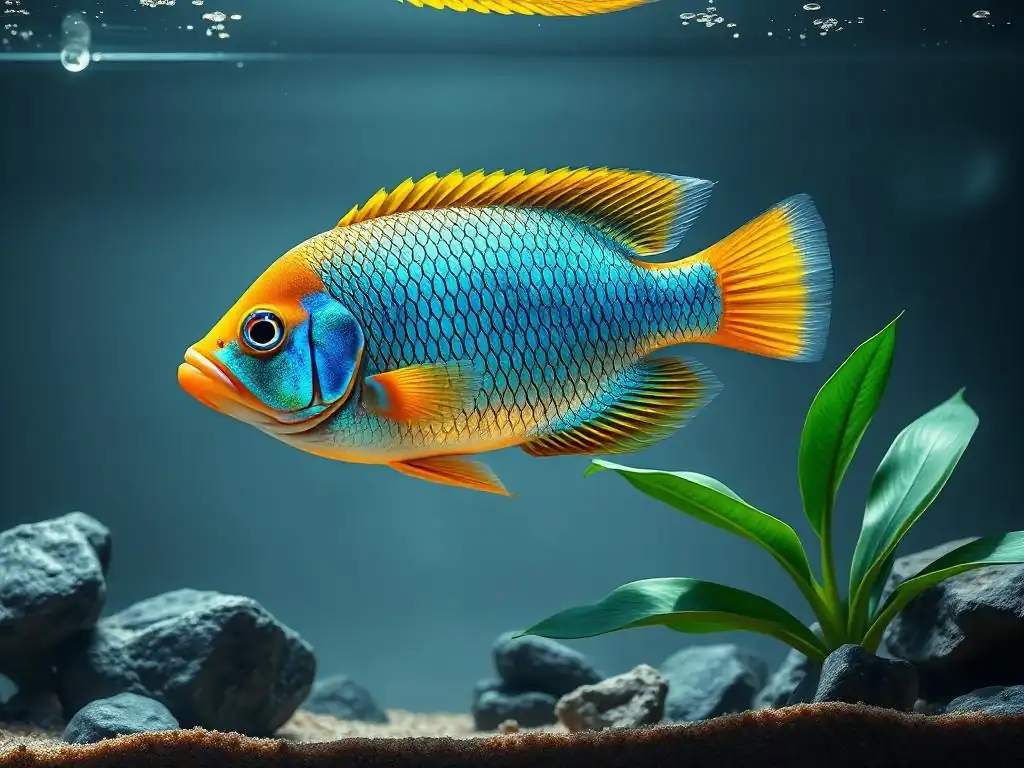
Yellow Labs ( Labidochromis caeruleus) are arguably the most popular Mbuna cichlid due to their striking yellow coloration and relatively milder temperament compared to other Mbuna. For a small breeding group or a modest community of 6-8 Yellow Labs (aiming for one male and multiple females to diffuse aggression), a 40-gallon breeder tank (36" L x 18" W x 16" H) can be considered a bare minimum, though it offers limited long-term space. A 55-gallon tank (48" L x 13" W x 21" H) provides more length for swimming and territories.
However, for optimal health, natural behavior, and reduced stress, a 75-gallon tank (48" L x 18" W x 21" H) is highly recommended for Yellow Labs. This larger footprint allows for a more complex rockscape, a slightly larger group, and significantly reduces the potential for aggression, even within this less aggressive species. The increased water volume also contributes to greater water parameter stability, which is crucial for preventing disease.
Recommended Tank Size for Zebra Cichlids (Maylandia estherae)
Red Zebra Cichlids ( Maylandia estherae) are another highly common Mbuna, known for their vibrant orange or blue coloration and moderate to high levels of aggression. Due to their larger adult size (often 5-6 inches) and more pronounced territoriality, a 75-gallon tank (48" L x 18" W x 21" H) should be considered the absolute minimum for a group of 6-8 Red Zebras. This provides enough length for them to establish territories and some room to escape dominant individuals.
To truly allow for natural behaviors, diffuse aggression, and promote the long-term health of Red Zebras, a 125-gallon (72" L x 18" W x 22" H) or even a 180-gallon (72" L x 24" W x 25" H) tank is significantly better. These larger Mbuna cichlid tank sizes provide ample space for multiple males to coexist (if properly stocked with females) or for a more robust community, allowing for more intricate rockwork and reducing the overall stress levels in the aquarium.
Tank Size Considerations for a Mixed Mbuna Community
When planning a mixed Mbuna community, the Mbuna cichlid tank size becomes even more critical due to the combined aggression and territorial needs of multiple species. A 75-gallon tank is generally the smallest recommended for a mixed community, aiming for 10-15 fish. However, this requires very careful species selection, avoiding the most aggressive types, and maintaining a high male-to-female ratio (e.g., 1 male to 3-4 females) for each chosen species to spread aggression.
For a truly diverse and stable mixed Mbuna community, a 125-gallon or larger tank (e.g., 180-gallon) is ideal. This increased volume allows for a greater number of individuals (e.g., 20-30 fish), more species diversity, and significantly reduces the likelihood of severe aggression. The additional space provides more room for fish to establish territories, more escape routes for subdominant individuals, and ultimately fosters a more harmonious and visually stunning display of these captivating cichlids.
Setting Up Your Mbuna Cichlid Tank: Beyond Size
Substrate and Hardscape for Optimal Mbuna Environment
For an optimal Mbuna environment, the choice of substrate and hardscape is as important as the Mbuna cichlid tank size itself. Mbuna are natural diggers and enjoy sifting through the substrate. Therefore, a fine sand substrate, such as aragonite sand or fine play sand, is highly recommended. Sand allows them to engage in natural behaviors like sifting for food particles and creating spawning pits. Aragonite sand also has the added benefit of buffering the water, helping to maintain the high pH levels (typically 7.8-8.6) that Mbuna require. Avoid sharp gravel that could injure their mouths or digestive tracts.
Hardscaping should consist of extensive rock formations that mimic their natural rocky habitat. Use inert rocks such as lava rock, Texas holey rock, or slate, ensuring they do not alter water chemistry in undesirable ways. Arrange these rocks to create numerous caves, crevices, and visual barriers from the substrate to near the surface. Securely stack rocks to prevent collapses, potentially using aquarium-safe silicone or placing heavier rocks directly on the tank bottom before adding sand. This structured environment provides essential territories and hiding places, crucial for diffusing aggression and reducing stress in any Mbuna cichlid tank.
Choosing the Right Filtration System for a Mbuna Tank
Given the high bioload associated with Mbuna cichlids, choosing the right filtration system is paramount for maintaining excellent water quality. Canister filters are often the preferred choice due to their large media capacity, allowing for robust mechanical, biological, and chemical filtration. For a 75-gallon Mbuna tank, it is advisable to select a canister filter rated for 100-150 gallons, or even use two smaller canister filters, to ensure sufficient flow and filtration capacity. Sump systems are another excellent option for larger Mbuna setups, offering even greater customization and filtration volume.
Beyond the primary filter, supplementing with powerheads can enhance water movement and oxygenation throughout the tank, which is beneficial for Mbuna. Regular maintenance of the filtration system is just as crucial as its initial capacity. This includes frequent cleaning of mechanical filter media (e.g., sponges, filter floss) weekly or bi-weekly to prevent detritus buildup, and rinsing biological media in old tank water monthly to preserve beneficial bacteria. Consistent and effective filtration is a cornerstone of Mbuna health, directly supporting the stability of their environment regardless of the Mbuna cichlid tank size.
Maintaining Water Parameters for Mbuna Cichlid Health
Mbuna cichlids originate from Lake Malawi, which is characterized by very specific and stable water parameters: high pH (typically 7.8-8.6), very hard water (General Hardness, GH, between 10-20 dGH; Carbonate Hardness, KH, between 10-15 dKH), and warm temperatures (76-82°F or 24-28°C). Regular testing of pH, ammonia, nitrite, and nitrate levels using reliable test kits is essential to monitor water quality and ensure these parameters remain within the optimal range.
Consistent weekly or bi-weekly water changes, typically 25-50% of the tank volume depending on the bioload, are critical for removing accumulated nitrates and replenishing essential minerals. If your tap water is naturally soft or acidic, using a cichlid-specific salt mix or a pH/KH buffer can help maintain the desired high pH and hardness levels. Stable water parameters are fundamental to preventing stress, bolstering the fish's immune system, and preventing common ailments like Malawi Bloat, complementing the benefits of an appropriate Mbuna cichlid tank size.
Avoiding Common Mistakes When Planning Your Mbuna Tank
Overcrowding: The Biggest Threat to Mbuna Health
Overcrowding stands as the most common and detrimental mistake made by new Mbuna keepers. It invariably leads to chronic stress, stunted growth, weakened immune systems, and drastically heightened aggression among the fish. A tank that appears sufficiently spacious for juvenile Mbuna will quickly become dangerously overcrowded as they mature. For instance, attempting to house 15 juvenile Mbuna in a 30-gallon tank will inevitably result in severe health issues and high mortality rates within months as they grow and their territorial instincts intensify.
The temptation to add "just one more" fish can quickly push a tank beyond its sustainable capacity, even if the initial Mbuna cichlid tank size was borderline adequate. Always err on the side of caution and provide more space than you initially believe is necessary. Remember, a smaller number of thriving, healthy, and vibrant Mbuna is far more rewarding than a large group of stressed, diseased, and constantly fighting fish. Proper planning for the adult size and social needs of your Mbuna is crucial to avoid this pervasive issue.
Insufficient Filtration: Leading to Water Quality Issues
A filtration system that is undersized or inadequately maintained cannot cope with the significant bioload produced by an active Mbuna community. This leads to a rapid accumulation of harmful ammonia, nitrite, and nitrate, which are highly toxic to fish. Symptoms of poor water quality often include labored breathing, clamped fins, loss of appetite, and an increased susceptibility to severe diseases, most notably Malawi Bloat. These issues directly undermine the health benefits of even a well-chosen Mbuna cichlid tank size.
Many beginners underestimate the sheer volume of waste Mbuna produce. A filter rated for the exact tank volume is often insufficient; aiming for a filter with a flow rate and media capacity rated for 1.5 to 2 times the actual tank volume is a much safer bet. Furthermore, consistent and diligent cleaning of filter media and adherence to a strict schedule of large water changes are just as critical as the filter's initial capacity. Without robust and well-maintained filtration, maintaining a healthy Mbuna tank is an uphill battle.
Ignoring Species Compatibility: Resulting in Aggression
A critical mistake often made is ignoring the specific aggression levels and compatibility requirements of different Mbuna species, even within an adequately sized Mbuna cichlid tank. Not all Mbuna can be successfully housed together. Mixing highly aggressive species, such as Melanochromis auratus or Maylandia lombardoi, with more docile types like Labidochromis caeruleus will almost always result in relentless bullying, injury, and the eventual death of the less aggressive inhabitants. Thorough research into the temperament of each species is paramount before introduction.
Within a species, male-to-male aggression is particularly common and can be lethal. It is generally recommended to keep only one male of a specific Mbuna species per tank, especially in smaller setups like a 75-gallon. If multiple males of the same species are desired (e.g., for breeding purposes), a significantly larger Mbuna cichlid tank size (125 gallons or more) is required, along with a high female-to-male ratio (e.g., 3-4 females per male) to diffuse aggression. Ignoring these compatibility rules will lead to a perpetually stressed, violent, and unstable aquarium environment.
Upgrading Your Mbuna Cichlid Tank: When and How
Recognizing Signs That Your Mbuna Need More Space
Recognizing the signs that your Mbuna cichlids require a larger tank is crucial for their long-term health and well-being. Key indicators of insufficient Mbuna cichlid tank size include constant, relentless fighting and chasing among tank mates, severely nipped fins, widespread hiding by all fish (not just subdominants), rapid breathing, stunted growth despite adequate feeding, and recurring health issues, especially repeated bouts of Malawi Bloat. If you observe several of these stress-related behaviors or ailments, an upgrade is likely overdue.
Another significant sign is a persistent inability to maintain stable water parameters, such as elevated nitrates, despite performing regular and substantial water changes with robust filtration. This often points to an excessive bioload for the current tank volume. If your fish are reaching their adult size and appear cramped, or if their natural vibrant colors are dulling, these are clear signals that they need more room to thrive and exhibit natural behaviors.
Planning for Future Growth and Expansion
The most effective approach to Mbuna cichlid tank size is to plan for the adult size of your fish before you even purchase them. If you start with a 55-gallon tank for juveniles, understand that you will almost certainly need to upgrade to a 75-gallon, 125-gallon, or even larger aquarium within 6-12 months as they mature. Consider this long-term investment in space and equipment from the outset, as it saves money and stress in the long run by avoiding multiple, costly tank upgrades.
When planning, aim for the largest possible Mbuna cichlid tank size that your space, budget, and structural capacity can safely accommodate. Investing in a 125-gallon or 180-gallon tank initially, if feasible, can provide a stable, long-term home for a diverse and thriving Mbuna community, circumventing the need for future expansions. This proactive approach ensures your fish will have ample room to grow, establish territories, and display their natural behaviors for years to come.
Safely Transferring Mbuna to a Larger Aquarium
Transferring fish to a new, larger aquarium can be a stressful event for Mbuna cichlids, so minimizing this stress is paramount. The new, larger Mbuna cichlid tank should be fully set up and cycled before any fish are introduced. To expedite the cycling process and ensure biological stability, transfer a portion of the mature filter media from the old tank to the new filter, or use a high-quality bacterial starter product. Ensure the new tank's water parameters (temperature, pH, hardness) closely match those of the old tank.
When moving the fish, dim or turn off the lights to reduce stress. Gently net the fish, avoiding prolonged exposure to air. If there are significant differences in water parameters between the old and new tanks, acclimate the fish slowly using a drip acclimation method over 30-60 minutes. After the transfer, monitor water quality closely in the new tank for several weeks as the biological filter adjusts to the full bioload. Provide plenty of new hiding spots immediately to help them settle into their new, more spacious environment.
Frequently Asked Questions
What is the absolute minimum tank size recommended for keeping Mbuna cichlids?
The absolute minimum tank size is generally considered to be 75 gallons, but a 125-gallon tank is highly recommended. This allows for adequate territory and reduces aggression.
Why is tank size so important for Mbuna cichlids?
Mbuna cichlids are known for their aggressive and territorial behavior. A larger tank provides enough space for them to establish territories and reduce the likelihood of constant fighting.
How does an inadequate tank size affect Mbuna cichlids?
Overcrowding in a small tank leads to increased stress levels, which can weaken their immune systems and make them more susceptible to disease. It also intensifies aggression and can result in higher mortality rates.
What other factors besides tank size should I consider when setting up a Mbuna cichlid tank?
Besides adequate Mbuna cichlid tank size, consider providing plenty of rock structures to create caves and territories. Also, ensure your filtration system is robust enough to handle the bioload of these active fish and maintain water quality.
What happens if I try to keep too many Mbuna cichlids in a tank that's too small?
Overstocking a small tank creates a highly stressful environment. This can lead to constant aggression, increased susceptibility to disease, and ultimately, the death of your Mbuna cichlids.
Final Reflection: The Spacious Future of Mbuna Keeping
The principles of responsible Mbuna cichlid keeping, as we've explored, are undeniably tied to providing adequate space. Ignoring the minimum tank size requirements not only compromises the health and well-being of these vibrant fish, but also perpetuates a cycle of stress, aggression, and ultimately, shortened lifespans. The information presented underscores the crucial link between tank dimensions and the thriving of a Mbuna community, a connection that remains profoundly relevant in today's aquarium hobby.
The impact of informed decisions regarding Mbuna cichlid tank size extends far beyond individual aquariums. It shapes the perception of our hobby, influencing how we interact with and respect the creatures we choose to keep. By prioritizing spacious environments, we foster a deeper appreciation for the complex social dynamics and natural behaviors of these fascinating fish. The greatness of a nation and its moral progress can be judged by the way its animals are treated.
- Mahatma Gandhi. This quote, while broad, resonates deeply with the responsibility we bear as aquarists.
Now, consider the lessons we've learned about Mbuna cichlid tank size and how they can inform your own aquascaping journey. Let the knowledge of their spatial needs guide your choices, ensuring that your Mbuna cichlids not only survive, but truly thrive. Embrace the challenge of creating a spacious and enriching environment, and witness the vibrant tapestry of their natural behaviors unfold before your eyes. Your commitment to providing adequate space will not only benefit your fish, but also enrich your own experience as a responsible and compassionate aquarist.
Unleash the Vibrant World of Mbuna in Your Home!
Thank you for diving into the captivating world of Mbuna cichlids! We hope you've gained valuable insights into their unique needs and behaviors. Now, it's time to turn knowledge into action and create the perfect aquatic haven for these lively fish.
Here's how you can bring the vibrant energy of Mbuna into your life:
- Prioritize their well-being: Calculate the ideal tank size based on the number and species of Mbuna you plan to keep, remembering the "inch per gallon" rule is only a starting point. Research the specific needs of each Mbuna species.
- Discover hidden gems: Dive deeper into the Mbuna world by exploring the diverse color morphs and unique personalities of different species to find the perfect Mbuna that resonate with you.
- Share the Mbuna magic: Spread the knowledge by sharing this article with fellow aquarium enthusiasts and ignite conversations about the importance of responsible Mbuna keeping.
What specific substrate will you choose to replicate the natural rocky habitat of your Mbuna cichlids?