
Habrosus Corydoras (C. habrosus): The Dainty Salt & Pepper Pygmy Cory

Welcome to Aquarium Mastery!
Dive into the captivating world of miniature marvels! Are you ready to unlock the secrets to thriving with the delightful Habrosus Corydoras? These charming, 'salt and pepper' pygmy corydoras are more than just cute; they're a fascinating addition to any freshwater aquarium. But how do you ensure their happiness and health? Explore our detailed Habrosus Corydoras care guide below, and discover everything you need to know about creating the perfect environment for these little gems. Prepare to be amazed!
- Habrosus Corydoras (C. habrosus): The Dainty Salt & Pepper Pygmy Cory - Aquarium Care Guide
- Introduction to the Habrosus Corydoras: A Pygmy Delight
- Habrosus Corydoras Care Guide: Essential Information
- Habrosus Corydoras Tank Mates: Creating a Peaceful Community
- Habrosus Corydoras Breeding: A Detailed Guide
- Common Health Issues and Prevention
- Distinguishing Habrosus Corydoras from Other Pygmy Corydoras Species
- Purchasing Habrosus Corydoras: Tips and Considerations
- Conclusion: Enjoying Your Habrosus Corydoras
-
Frequently Asked Questions
- How large do Habrosus Corydoras get, and what size tank do they need?
- What are the ideal water parameters for Habrosus Corydoras?
- What should I feed my Habrosus Corydoras?
- Are Habrosus Corydoras compatible with other fish in a community tank?
- What are some common signs of illness in Habrosus Corydoras, and how can I prevent them?
- Final Reflection: Appreciating the Miniature Marvel
- Unleash the Joy of a Thriving Pygmy Cory Community!
Habrosus Corydoras (C. habrosus): The Dainty Salt & Pepper Pygmy Cory - Aquarium Care Guide
Introduction to the Habrosus Corydoras: A Pygmy Delight
Why Choose Habrosus Corydoras for Your Aquarium?
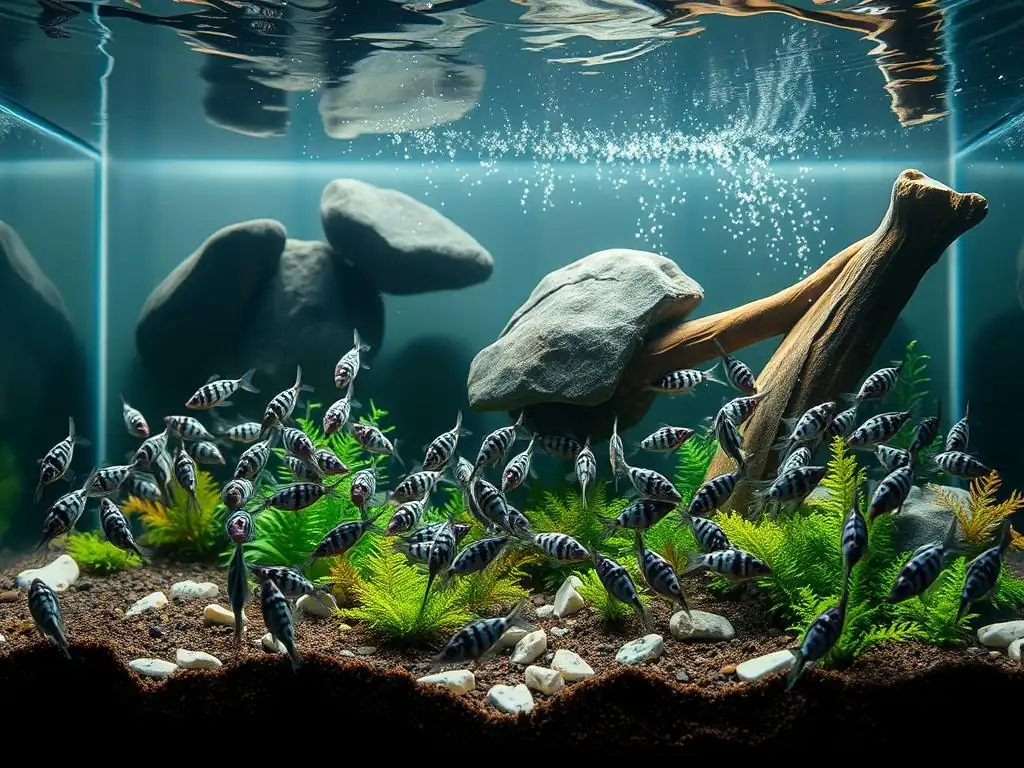
The Habrosus Corydoras, often affectionately known as the "Salt and Pepper Cory" due to its distinctive speckled pattern, is an excellent choice for a variety of freshwater aquariums, especially nano and community setups. Their diminutive size, typically reaching just over an inch (around 2.5-3 cm), makes them perfectly suited for smaller tanks where larger species would be cramped. Beyond their compact stature, their peaceful disposition and captivating schooling behavior add a vibrant, dynamic element to the bottom stratum of any aquarium.
These charming little catfish are not only visually appealing but also highly beneficial to the aquarium ecosystem. As active bottom dwellers, they constantly sift through the substrate, helping to aerate it and consume uneaten food particles, contributing to a cleaner tank environment. Their relatively straightforward Habrosus Corydoras care guide requirements make them an accessible and rewarding species for both novice aquarists seeking a low-maintenance fish and experienced hobbyists looking to add a unique, tranquil inhabitant to their carefully curated display.
Overview of Habrosus Corydoras Characteristics and Temperament
Corydoras habrosus exhibits a distinct "salt and pepper" coloration, characterized by a light tan to off-white body adorned with irregular dark brown or black spots and blotches that create a mottled appearance. A faint, broken lateral line may also be present, extending from behind the gill plate to the caudal peduncle. Their fins are typically clear with some darker pigmentation, especially on the dorsal and caudal fins. They possess the characteristic barbels around their mouth, which are crucial for foraging in the substrate.
In terms of temperament, Habrosus Corydoras are exceptionally peaceful and non-aggressive. They are highly social fish and thrive when kept in groups, ideally a minimum of 6-8 individuals, with larger schools of 10 or more often displaying more natural and confident behavior. These active foragers spend most of their time sifting through the substrate in search of food but will occasionally rest on broad plant leaves or driftwood. Their calm nature makes them ideal candidates for peaceful community aquariums, as they pose no threat to other fish or invertebrates.
Habrosus Corydoras Care Guide: Essential Information
Optimal Tank Setup for Habrosus Corydoras
A well-planned tank setup is fundamental to the long-term health and happiness of your Habrosus Corydoras. These small catfish, while hardy, benefit immensely from an environment that mimics their natural habitat in South American streams. Providing the right substrate, ample hiding spots, and appropriate plant cover will significantly reduce stress and encourage their natural behaviors, contributing to a robust Habrosus Corydoras care guide.
Ensuring the tank is fully cycled and stable before introducing these fish is paramount. They are sensitive to fluctuating water parameters, especially ammonia and nitrite spikes, which can quickly lead to health issues. A mature aquarium, established for at least several weeks, provides the stable biological filtration necessary to process waste and maintain excellent water quality, which is a cornerstone of successful C. habrosus care.
Tank Size Recommendations
For a small school of 6-8 Habrosus Corydoras, a minimum tank size of 10 gallons (approximately 38 liters) is generally recommended. This size allows for adequate swimming space and helps maintain stable water parameters. However, to truly observe their fascinating schooling behaviors and provide more stable conditions, a 15 to 20-gallon (57-76 liters) tank is often preferred, especially if you plan to keep a larger group or integrate them into a community setup.
While their small size might suggest suitability for even smaller tanks, the need for stable water parameters and the benefits of keeping them in a larger school make anything less than 10 gallons challenging to manage effectively. A larger footprint, rather than just height, is more beneficial for these bottom-dwelling fish, as it provides more surface area for foraging.
Substrate Choices: Promoting Natural Behavior
The choice of substrate is critically important for Habrosus Corydoras due to their delicate barbels, which they use extensively for foraging. Fine sand is by far the best option, as it allows them to sift through it without damaging their sensory organs. Examples include pool filter sand, play sand, or specialized aquarium sands. Smooth, very fine gravel that is not sharp-edged can also be used, but sand is superior for preventing injury and promoting natural digging behaviors.
Coarse or sharp-edged gravel should be strictly avoided. Such substrates can abrade their barbels, leading to infections and severe stress, which can ultimately be fatal. Observing your C. habrosus burying their faces in soft sand as they search for food is a clear sign of a comfortable and appropriate environment, showcasing their natural behaviors.
Plants and Decorations for a Natural Habitat
A heavily planted aquarium is highly beneficial for Habrosus Corydoras, providing essential cover, reducing stress, and offering additional foraging opportunities. Live plants such as Java Moss ( Taxiphyllum barbieri), Anubias species ( Anubias barteri), Cryptocoryne species ( Cryptocoryne wendtii), and various stem plants offer ample hiding spots and shaded areas where the corydoras can feel secure. Floating plants can also help diffuse light, which they appreciate.
In addition to plants, incorporate smooth driftwood and rounded rocks to create a more naturalistic environment. These elements provide further hiding places and visual breaks within the tank. Ensure all decorations are smooth and free of sharp edges that could injure the fish. The goal is to create a complex, stimulating environment that mimics their natural riverbed habitat, enhancing their well-being and fulfilling a key aspect of Habrosus Corydoras care.
Water Parameters: Maintaining a Healthy Environment
Maintaining stable and appropriate water parameters is paramount for the health and longevity of Habrosus Corydoras. Fluctuations in temperature, pH, or hardness can cause significant stress, weakening their immune system and making them susceptible to diseases. Regular testing of your aquarium water is a non-negotiable part of any comprehensive Habrosus Corydoras care guide.
While these fish are relatively adaptable, consistency is key. Wild Corydoras habrosus typically inhabit soft, slightly acidic waters. Replicating these conditions as closely as possible, and more importantly, keeping them stable, will ensure your fish thrive and display their best colors and behaviors.
Ideal Water Temperature
The optimal water temperature for Habrosus Corydoras ranges between 72-78°F (22-25.5°C). Maintaining a consistent temperature within this range is crucial, as sudden drops or spikes can cause thermal shock and stress. A reliable aquarium heater with a thermostat is essential to prevent temperature fluctuations, especially in environments with varying ambient room temperatures.
Monitoring the temperature daily with an accurate thermometer will help ensure it remains within the ideal range. While they can tolerate slight deviations for short periods, prolonged exposure to temperatures outside this range can suppress their immune system and lead to health issues.
pH and Water Hardness Considerations
Habrosus Corydoras prefer slightly acidic to neutral water, with an ideal pH range of 6.0 to 7.5. For water hardness, soft to medium-hard water is suitable, typically ranging from 2-15 dGH (degrees of General Hardness). While they can tolerate a broader range once acclimated, stability is more important than hitting exact numbers.
Stable parameters are more critical than hitting exact numbers.
Attempting to constantly adjust pH or hardness can lead to dangerous fluctuations, which are far more detrimental than a slightly off but stable parameter. If your tap water is significantly outside this range, consider using RO (Reverse Osmosis) water reconstituted with minerals, or pH-buffering substrates like ADA Amazonia soil, always monitoring carefully.
Importance of Water Changes
Regular partial water changes are arguably the most critical aspect of maintaining excellent water quality for Habrosus Corydoras. A weekly water change of 25-30% is highly recommended. This practice removes accumulated nitrates, replenishes essential minerals, and helps maintain overall water purity, which is vital for these bottom dwellers who are constantly in contact with the substrate.
Always use a high-quality water conditioner or dechlorinator to neutralize chlorine, chloramines, and heavy metals in tap water before adding it to the tank. Ensure the temperature of the new water matches the tank water closely to avoid temperature shock. Consistent water changes prevent the buildup of toxins and contribute significantly to a healthy, stress-free environment for your C. habrosus.
Feeding Habrosus Corydoras: A Balanced Diet
Providing a varied and balanced diet is essential for the health, vitality, and vibrant coloration of your Habrosus Corydoras. As omnivorous bottom feeders, they require a diet rich in both protein and some vegetable matter. It's crucial to ensure that food actually reaches the bottom of the tank, where these fish primarily forage, especially in a community setup where faster-eating fish might consume all the food before it sinks.
Their natural behavior involves sifting through the substrate for food, so sinking foods are a must. A good feeding regimen, combined with appropriate tank mates and water quality, forms a complete Habrosus Corydoras care guide.
Recommended Foods
A core diet for Habrosus Corydoras should consist of high-quality sinking pellets, wafers, or granules specifically designed for bottom-feeding fish. Supplement this with frozen foods such as bloodworms, brine shrimp, and daphnia, which provide essential proteins and nutrients. Due to their small size, ensure that frozen foods are cut into manageable pieces or are of a small variety, like micro bloodworms.
Live foods, such as grindal worms, micro worms, or small daphnia, are excellent for conditioning fish for breeding and providing natural foraging stimulation. Occasionally, blanched vegetables like zucchini slices or spirulina tablets can be offered to provide necessary plant matter, though their primary diet should be protein-rich.
Feeding Schedule and Portion Sizes
Feed Habrosus Corydoras once or twice daily. The key is to provide small portions that can be consumed within 2-3 minutes. Overfeeding is a common mistake that can lead to poor water quality and health issues for the fish. Since they are bottom dwellers, it's important to ensure the food reaches the substrate, especially if you have faster surface or mid-water feeders.
If keeping them in a community tank, consider feeding your other fish first, then dropping sinking foods for the corydoras, perhaps on the opposite side of the tank, to ensure they get enough to eat. Observing their behavior during feeding will help you gauge the appropriate portion size. If there's uneaten food after a few minutes, you're likely feeding too much.
Preventing Overfeeding
Overfeeding is a significant contributor to poor water quality, which can lead to various health problems like fin rot, bacterial infections, and digestive issues in Habrosus Corydoras. Excess food decomposes, leading to ammonia and nitrite spikes, and contributes to unsightly algae blooms. It also increases the bioload on your filtration system.
To prevent overfeeding, feed only what your fish can consume quickly. Remove any uneaten food after about 5 minutes using a small net or siphon. Establishing a consistent feeding schedule and resisting the urge to offer extra treats will help maintain a healthy environment. A slightly hungry fish is healthier than an overfed one.
Habrosus Corydoras Tank Mates: Creating a Peaceful Community
Best Tank Mates: Compatible Species
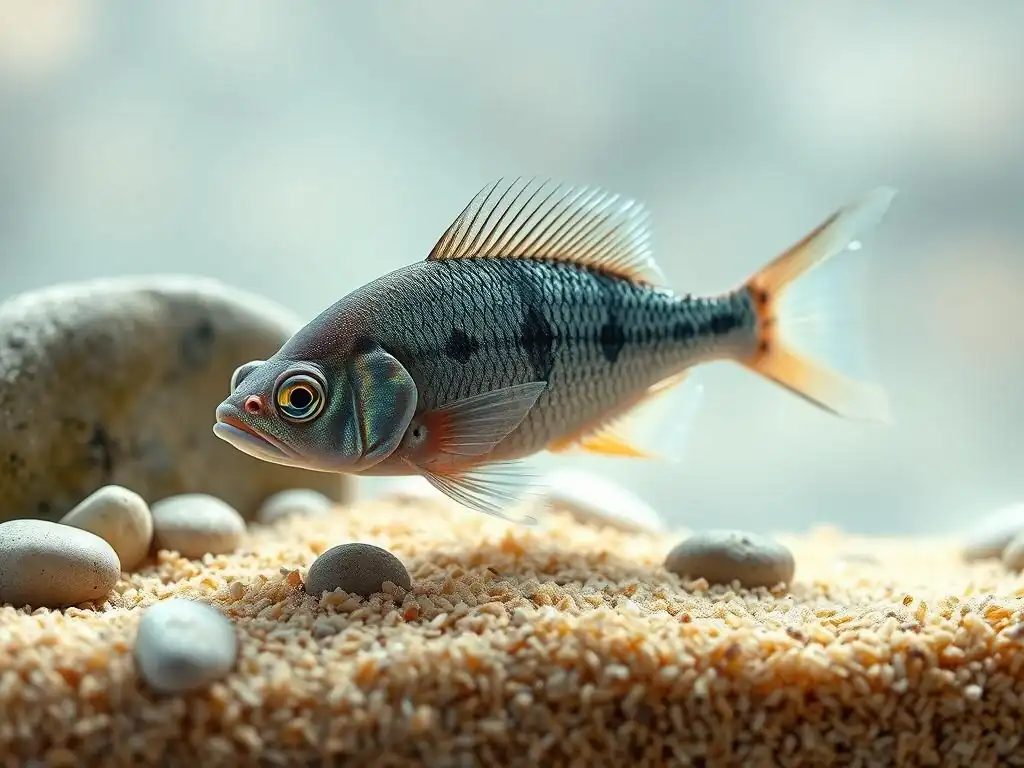
Choosing appropriate tank mates is crucial for the well-being of Habrosus Corydoras, given their peaceful and shy nature. Ideal companions are small, non-aggressive fish that prefer the mid or upper water columns, thus avoiding direct competition for space and food at the bottom. These tank mates should also thrive in similar water parameters.
Excellent choices include small schooling tetras such as Neon Tetras ( Paracheirodon innesi), Ember Tetras ( Hyphessobrycon amandae), and Celestial Pearl Danios ( Danio margaritatus). Other suitable options are various species of Rasboras (e.g., Harlequin Rasboras, Chili Rasboras), Endler's Livebearers ( Poecilia wingei), and Otocinclus catfish ( Otocinclus affinis). Dwarf shrimp species like Cherry Shrimp ( Neocaridina davidi) can also coexist peacefully, though very small fry might occasionally be prey.
Fish to Avoid: Aggressive or Bullying Species
To ensure the safety and comfort of your Habrosus Corydoras, it's vital to avoid any aggressive, fin-nipping, or overly boisterous fish species. Larger, predatory fish will view these tiny corydoras as food, while even moderately aggressive fish can stress them out, leading to illness or death. Fish that are fast eaters or highly competitive for food should also be avoided, as they can prevent the slow-moving corydoras from getting enough to eat.
Examples of fish to avoid include most Cichlids (even some dwarf varieties can be territorial), larger or more aggressive tetras like Serpae Tetras ( Hyphessobrycon eques) or Buenos Aires Tetras ( Hyphessobrycon anisitsi), and many Gourami species that can be nippy or territorial. Bettas ( Betta splendens) can also be a risk, as some individuals may harass or injure bottom dwellers. Any fish that grows significantly larger than the Habrosus Corydoras and has a mouth large enough to swallow them should be excluded.
Maintaining a Balanced Community Aquarium
Creating a balanced community aquarium with Habrosus Corydoras requires careful planning and observation. Always research potential tank mates thoroughly to ensure compatibility in terms of temperament, size, and water parameter requirements. Introduce new fish slowly and monitor their interactions closely for the first few days.
Ensure the tank is adequately sized for all inhabitants to prevent overcrowding, which can lead to stress and aggression. Provide plenty of hiding spots and visual breaks using plants, driftwood, and rocks, allowing all fish to establish territories or retreat when needed. Proper feeding, as outlined in this Habrosus Corydoras care guide, is also crucial to prevent food-related aggression and ensure all residents receive adequate nutrition.
Habrosus Corydoras Breeding: A Detailed Guide
Setting Up a Breeding Tank
Breeding Habrosus Corydoras can be a rewarding experience, though it requires specific conditions to encourage spawning and raise the fry successfully. A dedicated breeding tank is highly recommended to protect the eggs and fry from being eaten by adults or other tank inhabitants. A 5 to 10-gallon (19-38 liters) tank is sufficient for a breeding group of 3-5 individuals (e.g., 2 males to 1 female, or 3 males to 2 females).
The breeding tank should have a bare bottom or a very thin layer of fine sand for easy cleaning. A sponge filter provides gentle filtration without strong currents that could harm delicate fry. Include spawning mops (made from synthetic yarn), fine-leaved plants like Java Moss, or even broad-leaved plants like Anubias for egg deposition. The water parameters should be slightly cooler and softer than your main display tank, aiming for temperatures around 70-72°F (21-22°C) and a pH of 6.0-6.8.
Conditioning for Breeding
To trigger spawning in Habrosus Corydoras, a process called conditioning is essential. This involves providing a high-protein diet for the potential breeding group for several weeks. Offer a variety of live and frozen foods such as bloodworms, brine shrimp, daphnia, and micro worms. This enriched diet helps the females develop eggs and signals to the fish that conditions are favorable for reproduction.
In addition to diet, simulating natural environmental cues is key. Perform daily small water changes (10-20%) with water that is 2-4°F (1-2°C) cooler than the tank water. This mimics the influx of cooler, fresh water during a rainy season, which is a common spawning trigger for many Corydoras species. Combining these cooler water changes with increased feeding often prompts spawning behavior within a few days or weeks.
The Spawning Process
When ready to spawn, Habrosus Corydoras will often exhibit increased activity, with males actively pursuing females. The spawning ritual typically involves the female adopting the characteristic "T-position" with a male, where she clasps his pectoral fin, and he releases sperm. The female then cups a small number of eggs (usually 1-4) in her pelvic fins, which she then carries to a chosen surface – often the tank glass, broad plant leaves, or spawning mops – and attaches them.
This process can repeat multiple times over several hours, with a single female laying anywhere from 10 to 50 adhesive eggs. The eggs are small, round, and typically off-white to yellowish. Once spawning is complete, it is crucial to remove the adult corydoras from the breeding tank to prevent them from consuming the eggs. This critical step ensures a higher survival rate for the future fry, making it a vital part of the Habrosus Corydoras care guide for breeding.
Raising Fry: From Egg to Juvenile
Caring for Eggs
After spawning, the eggs of Habrosus Corydoras typically hatch within 3-5 days at a temperature of approximately 75°F (24°C). During this incubation period, it's important to monitor the eggs for signs of fungus, which can appear as white, fuzzy growth. To prevent fungal infections, you can add a few drops of methylene blue solution or a commercial antifungal agent to the water. Alternatively, some breeders prefer to gently roll the eggs in a dilute hydrogen peroxide solution or move them to a separate container with clean, treated water.
Any eggs that turn opaque white and fuzzy are infertile or fungused and should be carefully removed immediately to prevent the spread of fungus to healthy eggs. Good water circulation, provided by a gentle air stone or sponge filter, also helps prevent fungal growth and ensures oxygen delivery to the developing embryos.
Feeding Fry: First Foods and Growth
Once the Habrosus Corydoras fry hatch, they will initially survive on their yolk sac for the first 2-3 days. After the yolk sac is fully absorbed, they will become free-swimming and require their first foods. For the initial few days, infusoria or high-quality liquid fry food is ideal due to their microscopic size. These tiny organisms provide the necessary nutrients for their rapid early growth.
After about 3-5 days of infusoria, the fry will be large enough to consume newly hatched brine shrimp nauplii or micro worms. These live foods are crucial for providing the high protein content needed for healthy development. Feed the fry several small meals throughout the day, ensuring they always have access to food but without overfeeding, which can quickly foul the water. As they grow, they can transition to finely crushed flake food or powdered sinking pellets.
Maintaining Optimal Water Quality for Fry
Maintaining pristine water quality is exceptionally critical for Habrosus Corydoras fry, as they are highly sensitive to pollutants. Perform small daily water changes (around 10%) using dechlorinated, temperature-matched water. This helps remove waste products and uneaten food, preventing ammonia and nitrite spikes that are fatal to fry.
A gentle sponge filter is ideal for filtration, as it provides biological filtration without creating strong currents that could exhaust or injure the tiny fry. Ensure the water is well-aerated with a gentle air stone. Regularly siphon any uneaten food or detritus from the bottom of the tank using a small airline tube, being careful not to suck up any fry. Consistent attention to water quality is the most important factor in successfully raising Habrosus Corydoras from egg to juvenile.
Common Health Issues and Prevention
Identifying Common Diseases
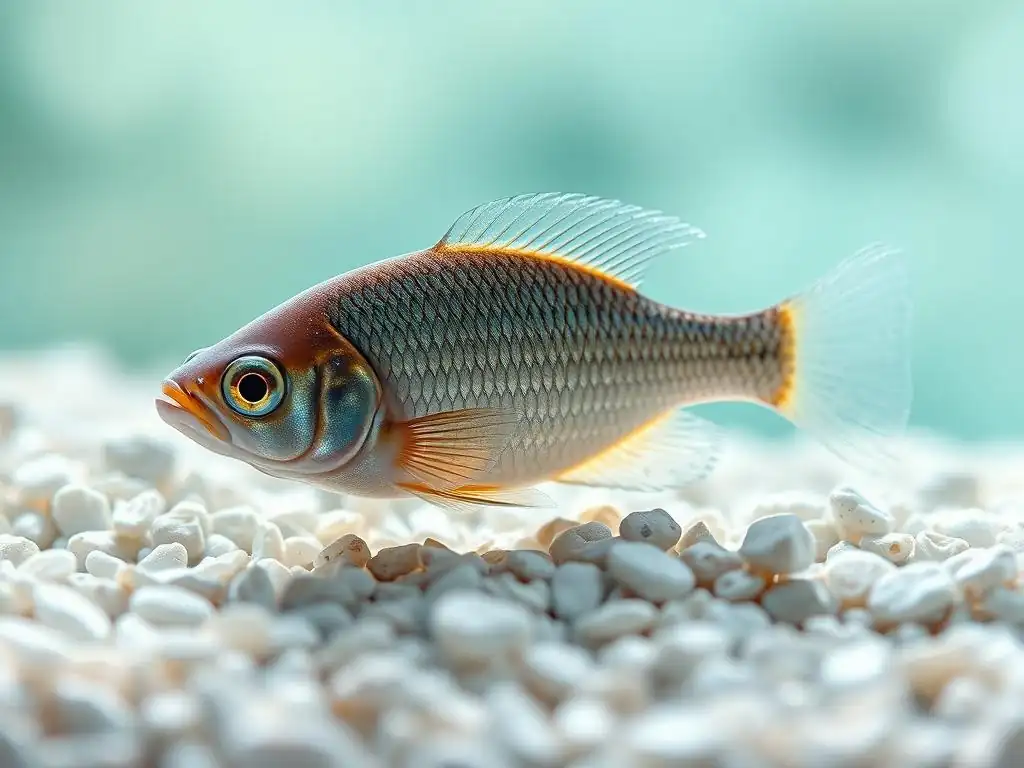
While Habrosus Corydoras are generally hardy, they can be susceptible to common freshwater aquarium diseases if their environment is not maintained properly. Identifying these issues early is key to successful treatment. Common ailments include Ich (Ichthyophthirius multifiliis), characterized by small white spots resembling salt grains on the body and fins. Fin rot, a bacterial infection, causes fins to appear frayed, ragged, or disintegrating, often with a reddish base.
Other potential issues include various bacterial infections (which can manifest as red streaks, ulcers, or general lethargy), parasitic worms (internal or external), and fungal infections (fuzzy white growths). Symptoms to watch for include clamped fins, lethargy, loss of appetite, abnormal swimming patterns, discoloration, rapid breathing, or visible growths on the body. Any deviation from their normal active foraging behavior should prompt closer inspection.
Preventing Illness
Prevention is always the best approach to maintaining the health of your Habrosus Corydoras. The cornerstone of disease prevention is maintaining pristine water quality through regular partial water changes (25-30% weekly) and effective filtration. Avoid overfeeding, as excess food quickly fouls the water. A well-balanced diet, as outlined in this Habrosus Corydoras care guide, strengthens their immune system.
Quarantining new fish for 2-4 weeks in a separate tank before introducing them to your main aquarium is a highly recommended practice. This allows you to observe them for signs of disease and treat them if necessary, preventing the introduction of pathogens into your established tank. Providing a stress-free environment with appropriate tank mates, plenty of hiding spots, and a suitable substrate also significantly reduces their susceptibility to illness.
Treatment Options
If your Habrosus Corydoras do contract a disease, prompt and accurate treatment is crucial. For Ich, increasing the water temperature slightly (if safe for other tank inhabitants) to accelerate the parasite's life cycle, combined with an Ich-specific medication, is often effective. For bacterial infections, broad-spectrum antibiotics or antibacterial treatments are typically used. Always follow the manufacturer's instructions carefully for any medication, paying close attention to dosage and duration.
It is often advisable to move affected fish to a separate hospital tank for treatment. This prevents the medication from harming beneficial bacteria in your main tank's filter and allows for more precise dosing. Simultaneously, address any underlying water quality issues in the main tank that may have contributed to the illness. Removing activated carbon from the filter during medication is also important, as it can absorb the treatment.
Distinguishing Habrosus Corydoras from Other Pygmy Corydoras Species
Habrosus vs. Hastatus vs. Pygmaeus: Key Differences
The "pygmy corydoras" group commonly seen in the aquarium trade typically refers to three distinct species: Corydoras habrosus, Corydoras hastatus, and Corydoras pygmaeus. While all are small, peaceful, and social, they have subtle but important differences in appearance and behavior. Correct identification is crucial for adhering to the specific needs of each species within a comprehensive Habrosus Corydoras care guide.
C. habrosus(Salt and Pepper Cory): Characterized by its mottled "salt and pepper" pattern of irregular dark spots and blotches on a lighter body. They are primarily bottom dwellers, actively sifting through the substrate. They typically grow to about 1.2 inches (3 cm).C. hastatus(Dwarf Corydoras/Tail Spot Cory): Distinguished by a prominent, distinct black spot at the base of its caudal (tail) fin, resembling an arrowhead. These are often mid-water schooling fish, exhibiting behavior more akin to small tetras than typical corydoras. They are the smallest, reaching about 0.8 inches (2 cm).C. pygmaeus(Pygmy Corydoras): Features a solid, dark horizontal line running along its lateral line, often with a second, fainter line above or below it. Like C. hastatus, they are more inclined to school in the mid-water column, though they will also forage on the bottom. They typically grow to about 1 inch (2.5 cm).
Identifying True Habrosus Corydoras
When purchasing Habrosus Corydoras, it's important to be able to distinguish them from their pygmy cousins. The most reliable way to identify C. habrosus is by its unique "salt and pepper" pattern. Look for the irregular, scattered dark spots and blotches over a lighter body, which gives them their distinctive mottled appearance. Unlike C. hastatus, they lack a prominent, well-defined black spot at the caudal fin base, and unlike C. pygmaeus, they do not have a distinct, continuous horizontal black line running along their body.
Their swimming behavior can also be a clue; while all corydoras are bottom dwellers, C. habrosus spends a more significant amount of time actively sifting through the substrate compared to C. hastatus or C. pygmaeus, which are more prone to schooling in the mid-water column. Always observe the fish carefully before purchase and, if possible, buy from reputable sources that correctly label their stock, ensuring you are truly getting Corydoras habrosus.
Purchasing Habrosus Corydoras: Tips and Considerations
Where to Buy: Reputable Sources
Acquiring healthy Habrosus Corydoras is the foundational step to successful keeping and a thriving aquarium. The best places to purchase these fish are reputable local fish stores (LFS) with knowledgeable staff and well-maintained tanks. A good LFS will have clean, clearly labeled tanks, and the staff should be able to answer questions about the fish's origin, feeding, and care requirements.
Alternatively, reputable online retailers specializing in aquatic livestock can be an excellent source, especially if local options are limited. These online vendors often have a wider selection and can ship fish directly to your door, usually with live arrival guarantees. Avoid purchasing from stores with dirty tanks, overcrowded conditions, or obviously sick fish, as this indicates poor husbandry and a higher risk of bringing diseased fish into your home.
Selecting Healthy Individuals
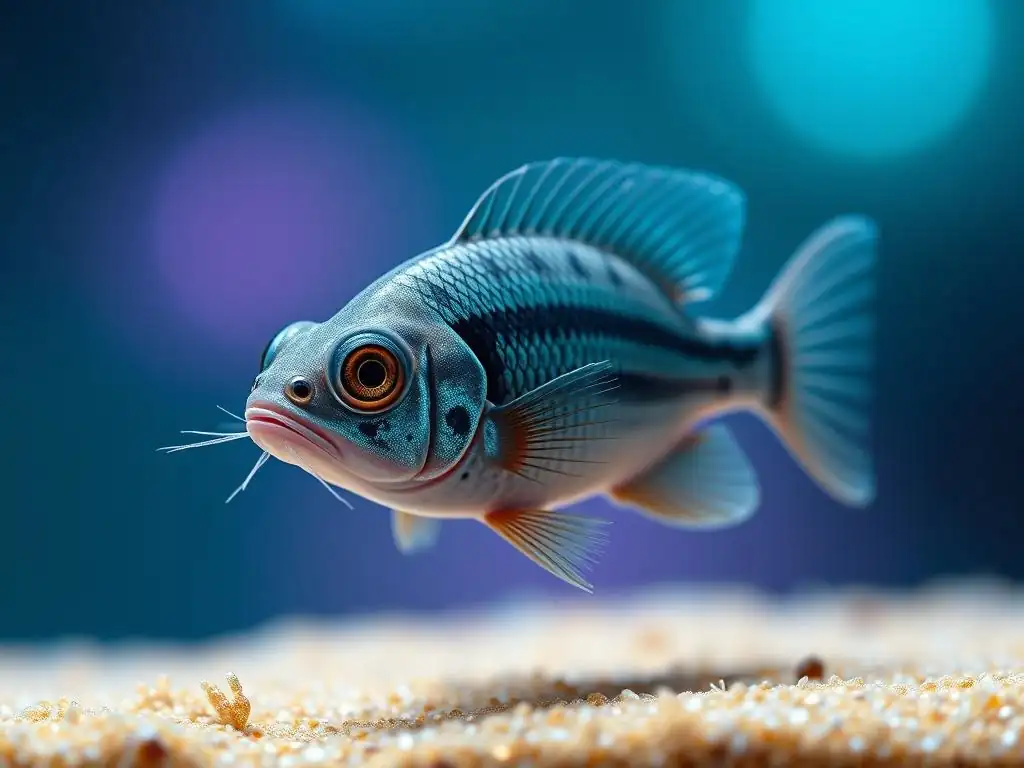
When selecting Habrosus Corydoras, observe the fish carefully for signs of health and vitality. Look for active individuals that are constantly foraging and exhibiting their natural schooling behavior. Healthy fish will have clear eyes, intact fins with no signs of fraying or clamping, and a vibrant, characteristic "salt and pepper" coloration. Their bodies should appear full, without any signs of emaciation or bloating.
Avoid fish that are isolated, lethargic, or hiding excessively, as these can be indicators of stress or illness. Also, check for any visible signs of disease such as white spots (Ich), fuzzy growths (fungus), red streaks, or any deformities. A keen eye during selection is a crucial part of ensuring a successful Habrosus Corydoras care guide experience.
Acclimating New Corydoras
Proper acclimation is vital for minimizing stress and preventing shock when introducing new Habrosus Corydoras to your aquarium. The drip acclimation method is highly recommended for sensitive species like corydoras, as it slowly equalizes the water parameters (pH, temperature, and hardness) between the transport bag and your tank. This process should ideally last for 30-60 minutes, allowing for a gradual adjustment.
To perform drip acclimation, float the sealed bag in your tank for 15-20 minutes to equalize temperature. Then, open the bag, roll down the edges, and secure it to the side of the tank. Use an airline tube to siphon water from your tank into the bag, tying a knot in the tube or using an airline valve to create a slow drip (e.g., 2-3 drops per second).
Once the volume of water in the bag has tripled, gently net the fish and introduce them to the tank, discarding the bag water. Turning off the tank lights for a few hours after introduction can also help reduce stress.
Conclusion: Enjoying Your Habrosus Corydoras
The Joys of Keeping Habrosus Corydoras
Keeping Habrosus Corydoras is a truly delightful experience for any aquarist. Their charming personalities, active foraging behaviors, and peaceful schooling habits add a unique and captivating dimension to the freshwater aquarium. Watching a group of these "salt and pepper" pygmy corys sifting through the substrate in unison, or darting through plant leaves, provides endless enjoyment and a sense of tranquility. They are an ideal choice for nano tanks, planted aquariums, and peaceful community setups, contributing both aesthetic appeal and beneficial clean-up duties.
Beyond their visual appeal, the relatively straightforward Habrosus Corydoras care guide makes them an accessible species for aquarists of varying experience levels. With consistent attention to water quality, a balanced diet, and appropriate tank mates, these resilient little catfish will thrive and bring years of enjoyment. Their non-aggressive nature ensures they are a harmonious addition, creating a balanced and vibrant aquatic ecosystem.
Further Resources
To further enhance your understanding and mastery of aquarium keeping, especially concerning your Habrosus Corydoras and their environment, consider exploring additional resources. AquariumMastery.com offers a wealth of detailed articles on various topics, including advanced water chemistry, specific plant care guides, and profiles of other freshwater fish species that might be compatible with your C. habrosus.
Engaging with the broader aquarium hobby community, through forums or local clubs, can also provide invaluable insights and troubleshooting tips. Continuous learning and sharing experiences are key to becoming a proficient aquarist and ensuring the best possible care for your Habrosus Corydoras, contributing to a thriving and beautiful aquatic world.
Frequently Asked Questions
How large do Habrosus Corydoras get, and what size tank do they need?
Habrosus Corydoras are very small, reaching only about 1 inch (2.5 cm) in length. A 10-gallon tank is generally considered the minimum size for a small school.
What are the ideal water parameters for Habrosus Corydoras?
They prefer slightly acidic to neutral water with a pH of 6.0 to 7.5. The water temperature should be maintained between 72°F and 78°F (22°C to 26°C), with a GH between 2 - 12.
What should I feed my Habrosus Corydoras?
These Corydoras are omnivores and will accept a variety of small foods. Offer them high-quality sinking pellets, flake food, and live or frozen foods like brine shrimp and daphnia.
Are Habrosus Corydoras compatible with other fish in a community tank?
Yes, they are peaceful and social fish that get along well with other small, non-aggressive species. Avoid keeping them with large or boisterous fish that could bully or outcompete them for food.
What are some common signs of illness in Habrosus Corydoras, and how can I prevent them?
Signs of illness can include lethargy, fin clamping, and a loss of appetite. To prevent illness, maintain pristine water quality through regular water changes and provide a well-balanced diet.
Okay, here's a final reflection designed to close your "Habrosus Corydoras Care Guide" article, tailored to resonate with your target audience and encourage further engagement:
Final Reflection: Appreciating the Miniature Marvel
The journey into Habrosus Corydoras care reveals more than just the specifics of keeping these tiny fish alive; it highlights the profound joy and responsibility that comes with nurturing even the smallest creatures in our aquariums. Their delicate beauty and unique behaviors remind us that even in miniature, life thrives with complexity and deserves our utmost respect and attention.
The enduring popularity of C. habrosus speaks volumes about our collective desire to connect with nature on a personal level. These little "salt and pepper" corydoras, with their playful antics and peaceful nature, offer a window into a world of tranquility and wonder, right in our own homes. In nature, nothing is perfect and everything is perfect. Trees can be contorted, bent in weird ways, and they're still beautiful.
- Alice Walker. This quote perfectly encapsulates the beauty found in the unique characteristics of each Habrosus Corydoras.
Now, consider the lessons learned in this guide and apply them beyond the confines of your aquarium. How can you bring the same level of care, attention, and dedication to other aspects of your life? Embrace the patience and observation skills you've honed while watching your Habrosus Corydoras thrive, and let their quiet resilience inspire you to cultivate a more mindful and compassionate approach to the world around you.
Unleash the Joy of a Thriving Pygmy Cory Community!
Thank you for exploring the captivating world of Corydoras habrosus with us! We hope you've gained a deeper appreciation for these delightful little fish and their unique needs. Now, let’s translate that knowledge into action and create the perfect haven for your own Salt & Pepper Pygmy Corydoras.
Here are some immediate steps you can take:
- Begin setting up a dedicated, well-planted tank specifically for a school of at least 6-8 Corydoras habrosus to mimic their natural shoaling behavior and ensure their well-being. This is the single most important step!
- Explore unique substrate options like leaf litter or fine sand to simulate their natural environment and observe how it impacts their foraging behavior.
- Share your newly acquired Corydoras habrosus knowledge! Tell a friend about these amazing fish and introduce them to the joys of keeping these nano catfish.
Ready to transform your aquarium into a pygmy cory paradise and share your experiences with other enthusiasts?