
DIY Corydoras Food: Nutritious Recipes for Your Bottom Feeders

Welcome to Aquarium Mastery!
Ever wondered what the secret is to keeping your Corydoras thriving? Beyond the typical algae wafers, there's a whole world of DIY Corydoras homemade fish food waiting to be explored. Discover how simple ingredients and a little creativity can unlock vibrant health and happiness for your bottom-feeding friends. Intrigued? Let's dive in and create the perfect meal for your Corydoras!
- Introduction: Why Homemade Corydoras Food?
- Understanding Corydoras Dietary Needs
- DIY Corydoras Food Recipes: Easy and Nutritious
- Ingredients Spotlight: Best Foods to Include in DIY Corydoras Recipes
- Preparing and Storing Your Homemade Corydoras Food
- Feeding Your Corydoras: Portions and Frequency
- Troubleshooting Common Issues with Homemade Corydoras Food
- Conclusion: Empowering You to Create the Best Homemade Diet for Your Corydoras
-
Frequently Asked Questions
- How can making my own Corydoras food benefit my fish?
- What are some key ingredients I should include in my homemade Corydoras food?
- Is it difficult to create a balanced diet when preparing homemade fish food?
- How often should I feed my Corydoras homemade food?
- How should I store homemade Corydoras food?
- Final Reflection: Nourishing the Ecosystem, One Pellet at a Time
- Nourish Your Corydoras: Create the Perfect Diet!
Introduction: Why Homemade Corydoras Food?
The Benefits of Making Your Own Corydoras Food
Crafting your own DIY Corydoras homemade fish food offers a multitude of advantages that go beyond simple cost savings. By preparing homemade food, you gain complete control over the ingredients, ensuring your beloved bottom dwellers receive a diet free from unnecessary fillers, artificial colors, and low-quality by-products often found in commercial feeds.
This control allows for a higher concentration of essential nutrients, which can translate into more vibrant coloration, stronger immune systems, and even increased breeding success for your Corydoras. For instance, aquarists often report a noticeable improvement in the robustness of their fish and a reduction in common ailments when switching to a high-quality, homemade diet.
Furthermore, making your own Corydoras food provides the unique opportunity to tailor the diet precisely to the specific needs of your fish. If you have breeding pairs, you can boost protein content to support egg production and fry growth. For older or recovering fish, a softer texture with easily digestible nutrients can be formulated.
This level of customization is virtually impossible with off-the-shelf products, allowing you to address individual dietary preferences or sensitivities within your Corydoras school. For example, if your Corydoras particularly enjoy a certain type of invertebrate, you can increase its proportion in your DIY Corydoras recipes, ensuring optimal palatability and consumption.
Addressing Common Concerns About DIY Fish Food
One of the primary concerns when considering DIY Corydoras homemade fish food is ensuring its safety and preventing contamination. It is crucial to maintain impeccable hygiene throughout the preparation process, treating ingredients with the same care as human food. Always use fresh, high-quality ingredients, and ensure all utensils, blenders, and surfaces are thoroughly cleaned and sanitized before use. For instance, using food-grade silicone molds or parchment paper for freezing helps prevent cross-contamination and makes portioning easier. Proper storage, typically freezing, is also vital to inhibit bacterial growth and maintain the food's integrity and nutritional value over time.
Another common apprehension revolves around the nutritional completeness of homemade fish food. Achieving a balanced diet requires understanding the specific needs of Corydoras and incorporating a diverse range of protein, vegetable, vitamin, and mineral sources. It's not enough to simply blend a few items; a thoughtful approach to ingredient selection is paramount.
Many successful DIY Corydoras food enthusiasts recommend using a small amount of high-quality commercial fish flake or pellet as a base, as these often contain a comprehensive spectrum of vitamins and trace minerals that can be challenging to source individually. This approach ensures your homemade Corydoras food is not only palatable but also nutritionally robust.
Understanding Corydoras Dietary Needs
Corydoras Natural Diet: What They Eat in the Wild
In their native South American habitats, Corydoras catfish are primarily benthic feeders, meaning they forage along the bottom of rivers and streams. Their natural diet is quite varied, reflecting their omnivorous tendencies. They typically consume small invertebrates such as various types of worms (e.g., tubifex worms, small annelids), insect larvae, and tiny crustaceans. These protein-rich sources are essential for their growth and energy. Their sensitive barbels are perfectly adapted for sifting through substrate like sand and fine gravel, detecting hidden food particles that other fish might miss.
Beyond live prey, Corydoras also regularly ingest a significant amount of plant matter, algae, and decaying organic detritus. This includes fine bits of submerged leaves, soft aquatic plants, and biofilm that grows on rocks and driftwood. This diverse natural intake underscores the importance of a balanced homemade Corydoras food that incorporates both animal and vegetable components. For example, studies on gut contents of wild Corydoras species often reveal a mix of small insect parts and finely masticated plant material, highlighting their opportunistic feeding habits.
Essential Nutrients for Corydoras Health and Growth
Protein Sources for Corydoras
Protein is the cornerstone of a healthy diet for Corydoras, crucial for muscle development, tissue repair, and overall growth. For juvenile Corydoras, a diet with approximately 35-45% protein content is ideal to support rapid development, while adult Corydoras typically thrive on 30-40% protein. High-quality protein sources provide the necessary amino acids that fish cannot synthesize on their own.
Excellent protein options for DIY Corydoras homemade fish food include frozen bloodworms, which can contain around 50-60% protein on a dry weight basis, and frozen brine shrimp, offering approximately 40-50% protein. Other beneficial sources are krill meal or high-quality fish meal, which are concentrated forms of protein, often exceeding 60% protein content. Incorporating a variety of these sources ensures a complete amino acid profile, promoting robust health and vitality in your bottom dwellers.
Vegetable and Fiber Needs of Corydoras
While often seen as primarily carnivorous, Corydoras benefit significantly from the inclusion of vegetables and fiber in their diet. Fiber aids in healthy digestion, preventing issues like constipation and promoting a clean gut. Plant matter also provides essential vitamins and minerals that may be less abundant in purely protein-based foods.
Good vegetable choices for homemade Corydoras food include blanched spinach, which is rich in Vitamins A, C, and K, and blanched zucchini, offering a soft texture and good source of Vitamin C and potassium. Peas, when blanched and deshelled, are another excellent addition, providing fiber and various micronutrients. Spirulina, a blue-green algae, is particularly potent, boasting not only high protein (55-65%) but also a wide array of vitamins, minerals, and carotenoids that enhance color and boost the immune system.
Vitamins and Minerals: Important Supplements for Corydoras
Vitamins and minerals, though required in smaller quantities, are indispensable for the metabolic processes, immune function, and overall well-being of Corydoras. For instance, Vitamin A is vital for vision and skin health, while B-complex vitamins are crucial for energy metabolism. Minerals like calcium and phosphorus are essential for skeletal development and bone strength.
To ensure your DIY Corydoras homemade fish food is nutritionally complete, consider incorporating a small amount of a high-quality fish vitamin supplement or using a base of premium commercial fish flakes/pellets that are fortified with these micronutrients. For example, a good quality flake food can provide trace elements like iodine, zinc, and selenium, which are difficult to add precisely in a homemade recipe. Ensuring adequate Vitamin D, often found in fish oils, is also important as it facilitates calcium absorption, preventing bone deformities and supporting the immune system.
DIY Corydoras Food Recipes: Easy and Nutritious
Recipe 1: The "Protein Powerhouse" Homemade Corydoras Food
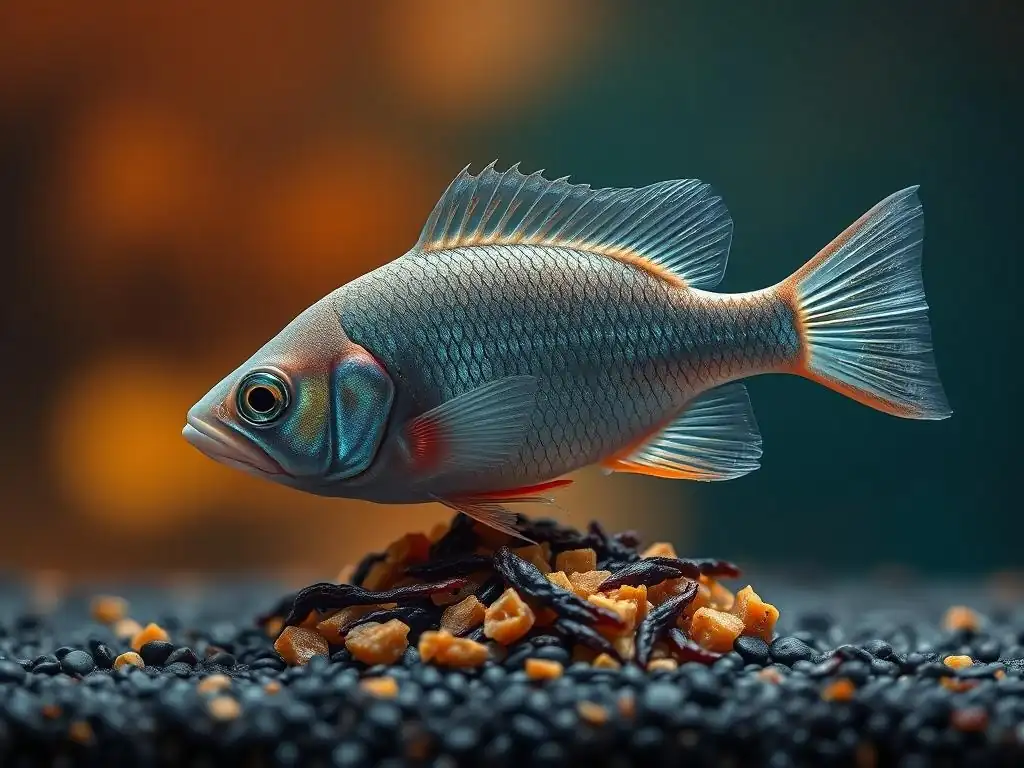
This recipe is designed to provide a high-protein boost, ideal for growing juveniles, conditioning breeding pairs, or helping recovering fish regain strength. It focuses on nutrient-dense animal proteins combined with essential micro-nutrients.
Ingredients for Protein Powerhouse Food
- 2 parts frozen bloodworms (thawed)
- 1 part frozen brine shrimp (thawed)
- 0.5 part spirulina powder
- 0.5 part high-quality omnivore fish flake or pellet (crushed into powder)
- 1/4 part unflavored gelatin powder (or agar-agar for a plant-based binder)
- Small amount of warm water (for gelatin)
Step-by-Step Instructions for Protein Powerhouse Food
- Prepare Binder: If using gelatin, dissolve the gelatin powder in a small amount of warm water according to package directions, ensuring no lumps remain. If using agar-agar, follow similar instructions to create a liquid binder.
- Combine Solids: In a bowl, combine the thawed bloodworms, thawed brine shrimp, spirulina powder, and crushed fish flake/pellet. Mix thoroughly until all ingredients are evenly distributed.
- Blend: Transfer the mixture to a food processor or blender. Gradually add the prepared gelatin solution (or agar-agar solution) while blending. Blend until a thick, consistent paste forms. The mixture should be smooth but firm enough to hold its shape.
- Form and Freeze: Spread the paste thinly (about 1/8 to 1/4 inch thick) onto a sheet of parchment paper placed on a baking tray. Alternatively, press the mixture into small ice cube trays or silicone molds designed for candy.
- Set: Place the tray or molds in the freezer for at least 2-3 hours, or until completely solid.
- Portion and Store: Once frozen, break or cut the sheet into small, feedable pieces. If using molds, pop out the individual portions. Store the frozen DIY Corydoras homemade fish food in an airtight freezer bag or container.
Recipe 2: The "Veggie Delight" Homemade Corydoras Food
This recipe emphasizes plant-based nutrition, providing essential fiber, vitamins, and minerals. It's excellent for balancing the diet and promoting digestive health in your Corydoras.
Ingredients for Veggie Delight Food
- 2 parts blanched spinach (squeezed dry and chopped)
- 1 part blanched zucchini (squeezed dry and chopped)
- 0.5 part spirulina powder
- 0.5 part high-quality herbivore fish flake or pellet (crushed into powder)
- 1/4 part unflavored gelatin powder (or agar-agar)
- Small amount of warm water (for gelatin)
Step-by-Step Instructions for Veggie Delight Food
- Blanch Vegetables: Briefly blanch spinach and zucchini in boiling water for about 30 seconds, then immediately immerse in ice water to stop cooking. Squeeze out as much excess water as possible to prevent a watery final product. Chop finely.
- Prepare Binder: Dissolve gelatin powder in warm water, ensuring a smooth solution.
- Combine Solids: In a bowl, mix the blanched spinach, zucchini, spirulina powder, and crushed fish flake/pellet. Ensure even distribution of all components.
- Blend: Transfer the mixture to a food processor. Slowly add the gelatin solution while blending. Process until a uniform, thick paste is achieved. The consistency should be manageable, not too watery.
- Form and Freeze: Spread the paste onto parchment paper on a baking sheet, or fill small ice cube trays/silicone molds.
- Set: Freeze for at least 2-3 hours until firm.
- Portion and Store: Break or cut the frozen sheet into appropriate feeding sizes. Store the homemade Corydoras food in an airtight, freezer-safe container, clearly labeled with the date of preparation.
Recipe 3: The "Balanced Blend" Homemade Corydoras Food
This recipe aims for a comprehensive diet, combining both animal and plant proteins with essential vitamins and fiber, making it a staple DIY Corydoras homemade fish food.
Ingredients for Balanced Blend Food
- 1 part frozen bloodworms (thawed)
- 1 part blanched peas (deshelled and mashed)
- 0.5 part spirulina powder
- 0.5 part high-quality omnivore fish flake or pellet (crushed into powder)
- 1/4 part unflavored gelatin powder (or agar-agar)
- Small amount of warm water (for gelatin)
Step-by-Step Instructions for Balanced Blend Food
- Prepare Vegetables: Blanch peas in boiling water until soft, then deshell them. Mash the peas thoroughly to a smooth consistency.
- Prepare Binder: Dissolve gelatin powder in warm water as directed, ensuring no lumps.
- Combine Solids: In a mixing bowl, combine the thawed bloodworms, mashed peas, spirulina powder, and crushed fish flake/pellet. Mix well to integrate all ingredients evenly.
- Blend: Transfer the mixture to a food processor or blender. Gradually add the gelatin solution while blending until a thick, consistent paste is formed. The paste should be firm enough to handle but soft enough for Corydoras to consume easily.
- Form and Freeze: Spread the paste onto a parchment-lined baking sheet or into small ice cube trays/molds.
- Set: Place in the freezer for a minimum of 2-3 hours, or until completely solid.
- Portion and Store: Once frozen, break or cut the food into small, manageable pieces. Transfer the DIY Corydoras homemade fish food into an airtight freezer bag or container for long-term storage, ensuring it is dated.
Ingredients Spotlight: Best Foods to Include in DIY Corydoras Recipes
High-Quality Protein Sources for Corydoras Food
Bloodworms: A Corydoras Favorite
Bloodworms, the larvae of midge flies, are an exceptionally popular and highly nutritious protein source for Corydoras. They typically contain a high protein content, often ranging from 50% to 60% on a dry weight basis, and are rich in iron, which is vital for oxygen transport in fish. Their natural red color and wiggly texture make them incredibly palatable, often stimulating a strong feeding response even in picky eaters.
Available in frozen, freeze-dried, or live forms, bloodworms are excellent for promoting growth, enhancing color, and conditioning fish for breeding. When incorporating them into DIY Corydoras homemade fish food, using frozen bloodworms is generally preferred as they retain more moisture and nutrients compared to freeze-dried options. They are easily blended into a paste and provide a concentrated source of essential amino acids crucial for your Corydoras' vitality.
Brine Shrimp: Live and Frozen Options
Brine shrimp are another fantastic protein-rich ingredient for homemade Corydoras food, offering approximately 40-50% protein by dry weight, along with beneficial fatty acids like omega-3s. They are particularly effective for conditioning fish for breeding and for supporting the growth of young Corydoras due to their high nutritional value and digestibility.
Both live brine shrimp nauplii (newly hatched) and frozen adult brine shrimp can be used. Live nauplii are especially beneficial as they are highly nutritious and stimulate natural hunting behaviors. Frozen brine shrimp are more convenient for bulk preparation of DIY Corydoras homemade fish food. If using live brine shrimp, ensure they are thoroughly rinsed to remove any salt residue before blending into your recipes.
Fish Meal: A Sustainable Protein Option
High-quality fish meal, derived from whole fish or fish trimmings, is a concentrated protein source, often containing 60-70% protein. It is a staple in commercial fish feeds due to its excellent amino acid profile and digestibility. When selecting fish meal for your DIY Corydoras homemade fish food, opt for reputable sources to ensure it's free from contaminants and has a low ash content.
Beyond traditional fish meal, consider more sustainable alternatives like black soldier fly larvae (BSFL) meal or krill meal. BSFL meal is an emerging protein source that is environmentally friendly and highly digestible for many fish species, providing comparable protein levels. Krill meal is another premium option, rich in protein, essential fatty acids, and astaxanthin, a natural pigment that can enhance the vibrant colors of your Corydoras.
Essential Vegetable Components for Homemade Corydoras Diets
Spirulina: Nutrient-Rich Algae
Spirulina, a blue-green algae, is a true superfood for fish. It is exceptionally rich in protein, typically 55-65% by dry weight, making it one of the most protein-dense plant sources available. Beyond protein, spirulina is packed with an impressive array of vitamins, including B1, B2, B3, B6, B9, A, C, D, and E, as well as essential minerals such as potassium, calcium, iron, magnesium, and zinc.
Its inclusion in DIY Corydoras homemade fish food not only boosts nutritional content but also contributes to enhanced coloration, a stronger immune system, and improved digestion. Spirulina also acts as an excellent natural binder, helping the homemade food hold its shape without excessive use of gelatin. Its high palatability ensures that even finicky Corydoras are likely to accept food containing this beneficial algae.
Spinach: A Good Source of Vitamins
Spinach is a readily available and highly beneficial vegetable for homemade Corydoras food. It is an excellent source of Vitamins A, C, and K, as well as folate, iron, and magnesium, all crucial for overall fish health. The fiber content in spinach aids in healthy digestion and helps prevent issues like bloat.
When preparing spinach for your DIY Corydoras recipes, it is essential to blanch it briefly in boiling water (about 30 seconds) and then immediately plunge it into ice water. This process softens the cell walls, making the nutrients more bioavailable and the spinach easier for your Corydoras to digest. After blanching, squeeze out excess water thoroughly before blending to prevent the food from becoming too watery.
Zucchini: A Palatable and Healthy Vegetable
Zucchini is another fantastic vegetable to include in your homemade Corydoras food. It is a good source of Vitamin C, potassium, and manganese, and its relatively mild flavor makes it highly palatable to many fish, including bottom feeders. Its soft texture when blanched makes it easy for Corydoras to consume and digest.
Similar to spinach, zucchini should be blanched before use. Slice it thinly or chop it into small pieces, blanch for about 30-60 seconds, then cool rapidly. Ensure you remove any excess water to maintain the desired consistency of your DIY Corydoras homemade fish food. Zucchini provides essential hydration and can help vary the texture of your homemade blends, keeping your Corydoras interested in their diet.
Vitamin and Mineral Supplements for Optimal Corydoras Health
Calcium: For Strong Bones and Shells
Calcium is a vital mineral for Corydoras, playing a critical role in skeletal development, bone strength, and maintaining overall physiological functions. It is especially important for growing juveniles and for female Corydoras during egg production. Adequate calcium intake helps prevent skeletal deformities and ensures robust health.
While some calcium is present in ingredients like fish meal, incorporating additional sources can be beneficial for DIY Corydoras homemade fish food. Options include finely crushed and sterilized eggshells, which provide calcium carbonate, or a small amount of food-grade calcium carbonate powder. Ensure any added calcium is in a form that is easily digestible and does not impact water parameters negatively.
Vitamin D: For Immune System Support
Vitamin D is crucial for the proper absorption and utilization of calcium and phosphorus, making it indispensable for strong bones and a healthy skeletal system in Corydoras. Beyond bone health, Vitamin D also plays a significant role in supporting the immune system, helping fish resist diseases and recover from stress. Deficiency can lead to stunted growth and weakened immunity.
To ensure sufficient Vitamin D in your homemade Corydoras food, consider using a high-quality fish oil (e.g., salmon oil) in very small, measured amounts, or by incorporating a base of fortified commercial fish flakes or pellets that already contain this essential vitamin. Vitamin D is fat-soluble, so careful measurement is key to avoid over-supplementation when preparing your DIY Corydoras homemade fish food.
Preparing and Storing Your Homemade Corydoras Food
Tips for Mixing and Blending Ingredients
Achieving the right consistency is key when making DIY Corydoras homemade fish food. Begin by ensuring all ingredients, especially frozen ones, are thoroughly thawed before mixing. Use a food processor or a high-powered blender to achieve a fine, consistent paste. This ensures that all nutrients are evenly distributed and that the food is easily consumable by your Corydoras. A fine blend also helps the food sink quickly, reaching the bottom where your Corydoras feed.
When adding binding agents like gelatin or agar-agar, introduce them gradually while blending. The goal is a paste-like consistency that is firm enough to hold its shape when frozen but soft enough to disperse readily in water. Avoid making the mixture too watery, as this can lead to the food dissolving too quickly in the tank and clouding the water. Conversely, a mixture that is too dry may be difficult to blend and less palatable. Aim for a texture similar to thick hummus or baby food.
Freezing and Thawing Techniques for DIY Fish Food
Proper freezing is crucial for preserving the nutritional value and freshness of your homemade Corydoras food. After blending, spread the paste thinly, about 1/8 to 1/4 inch thick, onto a sheet of parchment paper placed on a baking tray. This thin layer allows for rapid freezing, which helps minimize cell damage and nutrient degradation. Alternatively, small ice cube trays or silicone molds designed for candy or ice are excellent for creating pre-portioned servings.
Once thoroughly frozen (typically 2-3 hours or overnight), the sheet can be broken or cut into small, feedable pieces. If using molds, simply pop out the individual portions. When feeding, only thaw the amount needed for a single feeding. Never refreeze thawed food, as this significantly degrades its nutritional quality and increases the risk of bacterial spoilage. Thawed food should be consumed immediately or discarded.
Proper Storage Methods to Maintain Freshness and Nutritional Value
To maximize the shelf life and maintain the nutritional integrity of your DIY Corydoras homemade fish food, proper storage is paramount. Once frozen and portioned, transfer the food into airtight freezer bags or rigid freezer-safe containers. This prevents freezer burn, which can lead to nutrient loss and off-flavors, and also prevents the food from absorbing odors from other items in your freezer.
Label each container or bag with the date of preparation to keep track of its freshness. Generally, homemade Corydoras food can be stored in a deep freezer for approximately 1-2 months while maintaining optimal nutritional value. Beyond this period, while still safe, its vitamin content may begin to degrade. Always inspect the food before feeding; discard any batch that shows signs of mold, unusual discoloration, or an off-putting odor.
Feeding Your Corydoras: Portions and Frequency
Determining the Right Amount of Food to Feed
Accurately determining the right amount of DIY Corydoras homemade fish food to feed is vital for both the health of your fish and the water quality of your aquarium. A good rule of thumb is to feed only what your Corydoras can consume within 5-10 minutes. Overfeeding is a common mistake that leads to uneaten food decaying, causing ammonia spikes, elevated nitrates, and cloudy water, all of which are detrimental to aquatic life.
Start with a small portion, such as a piece about the size of a small pea or a quarter of a dime for a group of 6-8 adult Corydoras. Observe their feeding behavior closely. If they consume it all rapidly and are still actively searching for more after 5 minutes, you can slightly increase the portion next time. Conversely, if there is significant food remaining after 10 minutes, reduce the amount. Remember that Corydoras are bottom feeders, so ensure the food sinks quickly to their level.
Optimal Feeding Schedule for Corydoras
Corydoras are most active during dusk and dawn, which are often the best times to feed them. A single feeding per day is generally sufficient for adult Corydoras, especially if they are also scavenging for biofilm and other detritus in the tank. However, for growing juveniles or conditioning breeding pairs, two smaller feedings per day might be beneficial.
Varying the feeding schedule and alternating between your homemade Corydoras food and high-quality commercial sinking pellets or wafers can stimulate their natural foraging instincts and ensure a comprehensive diet. For example, you might offer your DIY Corydoras homemade fish food in the evening and a commercial pellet in the morning. This variety helps prevent boredom and ensures they receive a wide range of nutrients.
Observing Your Corydoras: Signs of Overfeeding or Underfeeding
Paying close attention to your Corydoras' appearance and behavior is the best way to gauge if your feeding regimen is appropriate. Signs of overfeeding include:
- Uneaten food: Food left decaying on the substrate after the feeding period.
- Cloudy water: A milky or hazy appearance in the tank, often due to bacterial blooms from excess nutrients.
- Elevated ammonia/nitrite/nitrate levels: Water test kits will show spikes in these parameters.
- Lethargy or illness: Fish may become less active, develop fin rot, or show other signs of stress from poor water quality.
- Obesity: Fish may appear bloated or excessively round.
Signs of underfeeding are less common but can include:
- Thin or emaciated appearance: Fish may look sunken in the belly area.
- Excessive scavenging: Constantly sifting through the substrate even when food isn't present, indicating they are still hungry.
- Lack of activity or growth: Stunted growth in juveniles or unusually low activity levels in adults.
Healthy Corydoras should have slightly rounded bellies and exhibit active foraging behavior.
Troubleshooting Common Issues with Homemade Corydoras Food
Food Clouding the Water
One of the most common issues with DIY Corydoras homemade fish food is the food dissolving too quickly and clouding the aquarium water. This usually indicates one of two problems: either the binding agent wasn't sufficient, or the food was blended too finely. If the binder (gelatin or agar-agar) wasn't adequately dissolved or added in enough quantity, the food won't hold together well when introduced to water. For example, if you used 1/4 part gelatin for a batch, try increasing it slightly to 1/3 part in your next batch to see if it improves cohesion.
Alternatively, if the food mixture is excessively fine, it can disperse rapidly. While a fine blend helps Corydoras consume it, an overly pulverized texture might lack the structural integrity to sink and remain intact. Try blending for a shorter duration or making the mixture slightly coarser in your next batch. Another contributing factor could be overfeeding; even well-bound food will cloud the water if too much is added and it's left to decay. Always ensure the food sinks quickly to the bottom, where your Corydoras can access it before it begins to break down.
Corydoras Refusing to Eat the Homemade Food
It can be disheartening when your carefully prepared DIY Corydoras homemade fish food is ignored. Fish can be finicky eaters and may take time to adapt to new foods, especially if they are accustomed to a specific commercial diet. One effective strategy is to introduce the new food gradually. Start by offering a very small amount alongside their usual commercial sinking pellets or wafers. Over several days, you can slowly increase the proportion of the homemade food while decreasing the commercial food.
If they continue to refuse, consider adjusting the palatability of your homemade Corydoras food. Some fish are sensitive to texture; if your blend is too hard or too soft, it might be off-putting. Experiment with different protein sources; for example, if they love bloodworms, increase their proportion in the recipe. Adding a natural attractant like a tiny amount of garlic extract (ensure it's pure, unsweetened garlic) can also stimulate their appetite and encourage them to try the new food.
Adjusting Recipes Based on Corydoras Preferences
The beauty of making your own DIY Corydoras homemade fish food lies in the ability to customize and adapt recipes based on your fish's specific preferences and needs. Observe your Corydoras closely during feeding times: which ingredients do they eagerly consume, and which do they leave behind? If they consistently pick out the bloodworms but ignore the spinach, you might consider increasing the bloodworm content slightly or trying a different vegetable like blanched peas in your next batch.
Every batch of homemade Corydoras food can be a learning experience. Don't be afraid to experiment with different ratios of protein to vegetable, various binding agents, or even the level of hydration in the mix. For instance, some Corydoras species might prefer a slightly softer, more gelatinous texture, while others might prefer a firmer, crumbly consistency. By iteratively adjusting your recipes based on your observations, you can fine-tune the perfect, most appealing, and nutritionally beneficial homemade diet for your unique school of Corydoras.
Conclusion: Empowering You to Create the Best Homemade Diet for Your Corydoras
Frequently Asked Questions
How can making my own Corydoras food benefit my fish?
Making your own food allows for complete control over ingredients, ensuring your Corydoras receive optimal nutrition tailored to their specific needs. This can lead to improved health and vitality.
What are some key ingredients I should include in my homemade Corydoras food?
A good DIY Corydoras food should include sources of protein (e.g., bloodworms, brine shrimp), vegetables (e.g., spinach, zucchini), and binding agents (e.g., gelatin, agar-agar) for a balanced diet.
Is it difficult to create a balanced diet when preparing homemade fish food?
Creating a truly balanced diet requires research and attention to detail. However, starting with simple recipes and gradually incorporating a variety of ingredients can provide sufficient nutrition for your Corydoras.
How often should I feed my Corydoras homemade food?
Feed your Corydoras homemade food 1-2 times per day, offering only what they can consume within a few minutes. Avoid overfeeding to prevent water quality issues.
How should I store homemade Corydoras food?
Homemade fish food should be stored in the refrigerator or freezer to prevent spoilage. Freezing in small portions makes it easy to thaw only what you need, maintaining freshness.
Final Reflection: Nourishing the Ecosystem, One Pellet at a Time
The journey of crafting DIY Corydoras food extends far beyond simply saving money or controlling ingredients. It represents a conscious decision to actively participate in the well-being of our aquatic ecosystems, ensuring our bottom-dwelling companions receive the optimal nutrition they deserve, contributing to a healthier and more vibrant aquarium.
This exploration into homemade fish food has profoundly impacted my understanding of aquarium keeping. It's shifted from passive observation to active creation, fostering a deeper connection with my Corydoras and a greater appreciation for the delicate balance within the tank. The greatest service we can do for our aquatic friends is to understand their needs and provide for them to the best of our ability.
This sentiment underscores the responsibility we bear as aquarists, a responsibility that DIY food preparation allows us to fulfill with intention and care.
Now, consider the power you hold to transform the lives of your Corydoras. Embrace the knowledge you've gained, experiment with recipes, and observe the positive impact on their health and vitality. Let this be more than just a project; let it be a commitment to providing the best possible care for these fascinating creatures, enriching both their lives and your own aquarium experience.
Nourish Your Corydoras: Create the Perfect Diet!
Thank you for exploring the world of Corydoras nutrition with us. We hope you've discovered valuable insights to keep your bottom-dwelling friends thriving. Now, let's turn that knowledge into action!
Here's how you can provide your Corydoras with the best possible diet:
- Experiment with a homemade recipe this weekend. Observe their feeding behavior and adjust ingredients as needed to maximize their enjoyment and health.
- Share your own Corydoras food recipes or feeding tips in the comments below, helping other aquarium enthusiasts learn from your experience.
- Take a picture of your Corydoras enjoying their new homemade food and post it on social media using #AquariumMasteryCorys – let's see those happy bellies!
What innovative ingredient will you add to your Corydoras' diet to unlock their full potential?