
Why Soft, Sandy Substrate is NonNegotiable for Healthy Corydoras

Welcome to Aquarium Mastery!
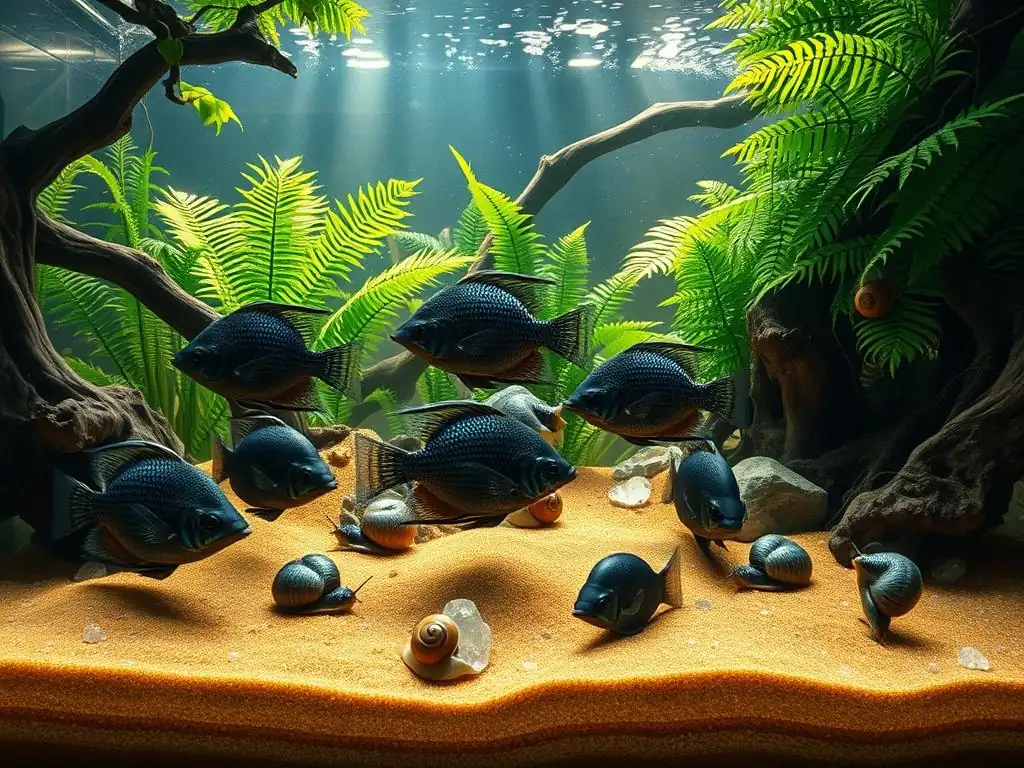
Ever wondered why some Corydoras thrive while others just...survive? Discover the critical role of substrate in their happiness and health. Dive into our comprehensive guide on Corydoras sand substrate care and unlock the secrets to creating the perfect environment for these charming bottom-dwellers. Ready to see your Corydoras flourish? Let's get started!
- Why Soft, Sandy Substrate is Essential for Healthy Corydoras
- Understanding Corydoras Natural Habitat and Its Importance for Optimal Care
- The Vital Role of Soft, Sandy Substrate in Corydoras Tank Setup
- Corydoras Sand Substrate Care: Maintaining a Healthy Environment
- The Negative Impacts of Inappropriate Substrate on Corydoras Health
- Beyond Substrate: Essential Elements of Corydoras Care for a Thriving Aquarium
- Troubleshooting Common Corydoras Substrate Related Issues
- Transitioning to Sand Substrate: A Step-by-Step Guide for Existing Aquariums
- Real-Life Examples: Corydoras Health Improvements with Sand Substrate
-
Frequently Asked Questions
- Why is a soft, sandy substrate so important for Corydoras catfish?
- What type of sand is best for Corydoras in an aquarium?
- How often should I clean the sand substrate in my Corydoras tank?
- Can I use gravel with Corydoras if I keep it very clean?
- What are the signs that my Corydoras are having substrate-related issues?
- Final Reflection: The Gentle Foundation of Corydoras Wellbeing
- Empower Your Corydoras Habitat Now!
Why Soft, Sandy Substrate is Essential for Healthy Corydoras
Understanding Corydoras Natural Habitat and Its Importance for Optimal Care
Simulating the Amazon River Basin: A Key to Corydoras Wellbeing
Corydoras catfish originate primarily from the slow-moving rivers and tributaries of South America, particularly within the vast Amazon River basin. Their natural habitats typically feature soft, silty, or sandy substrates, often mixed with leaf litter and detritus. This environment is crucial for their survival, allowing them to engage in natural behaviors such as sifting through the substrate with their sensitive barbels in search of food particles. Replicating these conditions in an aquarium is not merely about aesthetics; it is fundamental to the physical and psychological health of these peaceful bottom dwellers.
The fine particulate nature of their native riverbeds facilitates their unique feeding method, where they stir up the top layer of the substrate, allowing smaller food items to become suspended for consumption. Without this soft, yielding ground, Corydoras are unable to express their full range of natural behaviors, which can lead to chronic stress and physical damage. Understanding the importance of this specific environmental detail is the first step in providing optimal Corydoras sand substrate care within a home aquarium.
The Impact of Habitat on Corydoras Health and Behavior
The direct correlation between a suitable habitat and the overall health and behavior of Corydoras cannot be overstated. When housed in an aquarium with an appropriate soft, sandy substrate, Corydoras exhibit their natural schooling behaviors more readily, often seen congregating and sifting together. This natural engagement reduces stress levels, which in turn strengthens their immune system, making them less susceptible to common fish diseases. Conversely, an unsuitable environment, such as one with sharp or coarse gravel, can lead to constant irritation and physical injury.
Prolonged exposure to an abrasive substrate can result in severe barbel erosion, a condition where the delicate sensory organs of the Corydoras are worn down or infected. This impairs their ability to locate food and navigate, leading to nutritional deficiencies and heightened stress. Proper Corydoras sand substrate care directly mitigates these risks, promoting longevity and vibrant activity, ensuring these charming fish thrive rather than merely survive in captivity.
The Vital Role of Soft, Sandy Substrate in Corydoras Tank Setup
Why Fine Sand is Superior for Corydoras Compared to Gravel and Other Substrates
For Corydoras, fine sand is unequivocally superior to gravel and other coarse substrates due to its particle size and texture. Unlike gravel, which often has sharp edges that can abrade the delicate barbels of Corydoras as they forage, sand consists of smooth, fine grains, typically ranging from 0.2 to 1.0 mm in diameter. This allows Corydoras to safely sift through it, mimicking their natural feeding behavior without causing physical harm. When a Corydoras sifts, it takes a mouthful of sand, filters out edible particles, and expels the sand through its gills, a process impossible with larger, rougher substrates.
Furthermore, sand prevents food particles from sinking into inaccessible crevices, as often happens with gravel. This not only makes food more available to the Corydoras, reducing competition and ensuring adequate nutrition, but also aids in overall tank cleanliness by preventing excess organic matter from decaying deep within the substrate. Effective Corydoras sand substrate care ensures that food remains accessible and the environment stays clean.
Preventing Barbel Damage: The Direct Link Between Substrate and Corydoras Health
The most critical reason for choosing a soft, sandy substrate is the prevention of barbel damage. Corydoras rely heavily on their barbels, which are highly sensitive chemosensory organs, to explore their environment and locate food hidden in the substrate. When these fish are kept on rough or sharp gravel, their constant probing and digging can lead to significant abrasion and erosion of the barbels. Studies and observations from experienced aquarists suggest that over 70% of barbel damage cases in Corydoras are directly attributable to inappropriate substrate.
Once damaged, barbels can become inflamed, infected with bacteria or fungi, and in severe cases, completely lost. This not only impairs their ability to feed and navigate but also causes chronic stress and pain, severely compromising their overall health and lifespan. Providing a fine, soft sand substrate is a fundamental aspect of responsible Corydoras sand substrate care, offering a protective environment that allows these fish to forage naturally without risk of injury, thereby preserving their vital sensory organs and promoting long-term well-being.
Corydoras Sand Substrate Care: Maintaining a Healthy Environment
Choosing the Right Type of Sand for Your Corydoras Aquarium
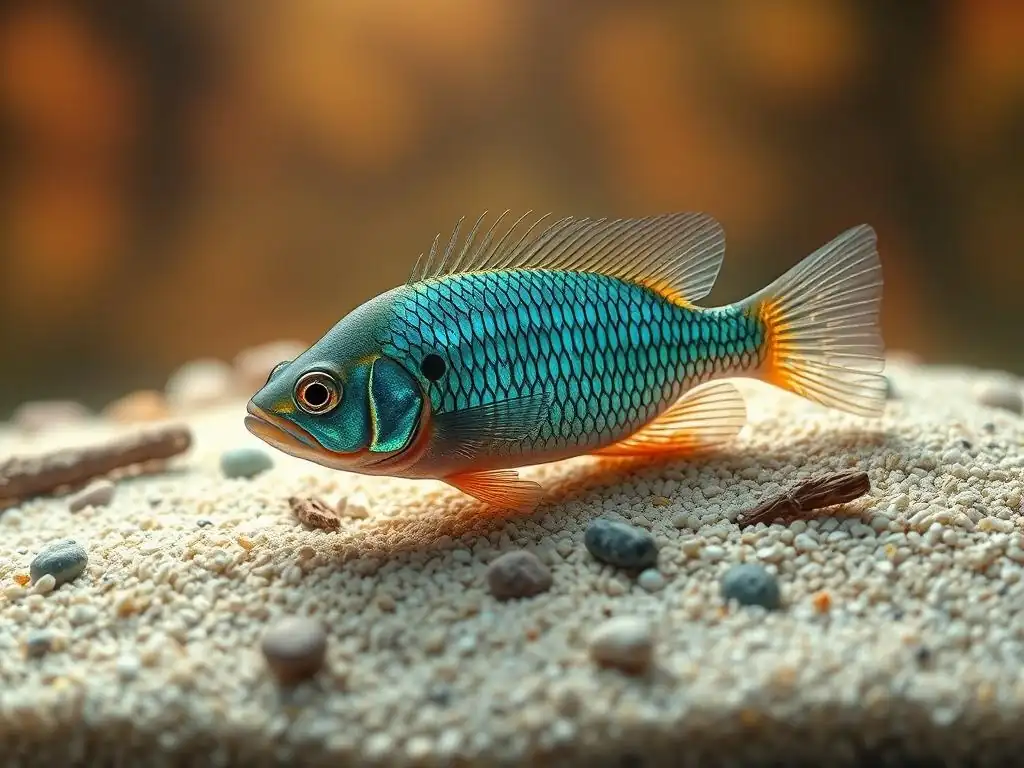
Selecting the appropriate sand is a crucial step in providing optimal Corydoras sand substrate care. Not all sands are created equal for aquarium use; the ideal choice is an inert, fine-grained sand that will not alter water chemistry or release harmful substances. Popular options include pool filter sand, play sand (ensure it's silica-based and thoroughly washed), and specialized aquarium sands.
Pool filter sand is often recommended due to its consistent grain size, typically around 0.4-0.8 mm, and its relative cleanliness. It's important to avoid sands with sharp edges or those containing high levels of carbonates if you aim for softer, more acidic water parameters.
Before introducing any sand into your aquarium, it is imperative to rinse it thoroughly. New sand can contain a significant amount of dust and fine particles, which can cause prolonged cloudy water and potentially clog filter systems. Rinse the sand in small batches in a bucket until the water runs clear, ensuring that all impurities are removed. This meticulous preparation is vital for maintaining water clarity and preventing issues in your Corydoras aquarium.
Effective Sand Cleaning Techniques to Prevent Anaerobic Pockets
While sand offers numerous benefits for Corydoras, proper Corydoras sand substrate care also involves preventing the formation of anaerobic pockets, which can release toxic hydrogen sulfide gas. Due to its fine nature, sand can compact, and if detritus builds up within deep layers, oxygen depletion can occur. To prevent this, gentle and regular cleaning is essential. Instead of deep gravel vacuuming, which can disturb the substrate too much, hover a gravel vacuum just above the sand surface to remove detritus without disturbing the lower layers.
Additionally, lightly stirring the top inch or two of the sand every week or two during water changes can help release any trapped gases and ensure proper oxygenation of the upper substrate layers. Introducing detritivores like Malaysian Trumpet Snails (MTS) can also be beneficial, as they burrow through the sand, naturally aerating it and consuming decaying organic matter. These methods, combined with regular water changes and appropriate feeding habits, are key to maintaining a healthy sand substrate for your Corydoras.
Substrate Depth Considerations for Optimal Corydoras Health
The depth of your sand substrate is an important factor in effective Corydoras sand substrate care. An ideal depth typically ranges from 2 to 3 inches (approximately 5 to 7.5 cm). This depth provides enough material for Corydoras to engage in their natural sifting and burrowing behaviors without being excessively deep, which could increase the risk of anaerobic pocket formation. A shallower depth, less than 2 inches, might not allow them sufficient material to sift through, potentially limiting their natural instincts and foraging efficiency.
Conversely, depths exceeding 3-4 inches without adequate aeration or the presence of burrowing invertebrates can become problematic, as oxygen penetration becomes limited, fostering anaerobic conditions. The chosen depth should also consider any live plants you intend to keep, as some plant roots require a certain substrate depth to anchor properly. Striking the right balance in substrate depth is crucial for both the physical well-being of your Corydoras and the overall health of the aquarium ecosystem.
The Negative Impacts of Inappropriate Substrate on Corydoras Health
Barbel Erosion and Infections: A Common Problem with Sharp Substrates
One of the most devastating consequences of inappropriate substrate for Corydoras is barbel erosion and subsequent infections. When Corydoras are kept on sharp or coarse gravel, their continuous sifting and probing against abrasive surfaces lead to wear and tear on their delicate barbels. This physical damage often manifests as shortened, frayed, or even completely missing barbels. Once the protective outer layer of the barbel is compromised, it becomes highly susceptible to bacterial and fungal infections present in the water column or within the substrate itself.
These infections can cause inflammation, redness, swelling, and even necrosis of the barbel tissue. A Corydoras suffering from barbel erosion and infection will struggle to find food, navigate its environment, and may exhibit lethargy or loss of appetite. Such conditions are painful for the fish and can lead to severe health decline or even death if not addressed promptly by transitioning to proper Corydoras sand substrate care and treating any existing infections.
Stress and Disease: How Rough Substrates Affect Corydoras Immune System
Beyond direct physical damage, rough substrates inflict chronic stress on Corydoras, significantly impacting their immune system. The constant irritation and inability to perform natural behaviors create a state of physiological stress. Just like in humans, prolonged stress in fish leads to the release of cortisol and other stress hormones, which suppress the immune response. This weakened immunity makes Corydoras far more vulnerable to common aquarium diseases that they might otherwise easily fend off.
For example, a stressed Corydoras is significantly more prone to parasitic infections like Ich (white spot disease) or bacterial infections like fin rot and columnaris, even in an otherwise well-maintained tank. The inability to forage naturally can also lead to nutritional deficiencies, further compromising their health. Providing appropriate Corydoras sand substrate care is therefore not just about physical protection but also about fostering a low-stress environment that supports a robust immune system and overall resilience against illness.
Impaired Foraging Behavior and Nutritional Deficiencies Due to Incorrect Substrate
Corydoras are highly adapted bottom feeders that rely on their barbels to sift through soft substrates for detritus, small invertebrates, and uneaten food particles. When housed on coarse gravel, this natural foraging behavior is severely impaired. Food often falls into the large gaps between gravel pieces, becoming inaccessible to the Corydoras. While they may attempt to forage, the process is inefficient and often yields poor results.
This impaired foraging can lead to chronic nutritional deficiencies, even if food is provided regularly. The fish may not be able to consume enough to meet their dietary needs, resulting in stunted growth, dull coloration, reduced activity, and a weakened immune system. Furthermore, the inability to perform their natural sifting behavior can lead to behavioral abnormalities and increased stress. Proper Corydoras sand substrate care ensures that these fish can engage in their innate foraging instincts, accessing all available food sources and maintaining optimal nutritional status for long-term health.
Beyond Substrate: Essential Elements of Corydoras Care for a Thriving Aquarium
Water Quality: Maintaining Pristine Conditions for Corydoras Health
While Corydoras sand substrate care is vital, it is only one component of comprehensive Corydoras well-being; pristine water quality is equally paramount. Corydoras are sensitive to fluctuations in water parameters and require stable, clean conditions to thrive. Ideal water temperature for most species ranges from 72-78°F (22-26°C), with a pH between 6.0 and 7.5, and soft to moderately hard water (2-15 dGH). Regular water changes, typically 25-30% weekly, are essential to dilute nitrates, replenish minerals, and maintain overall water purity.
A robust filtration system, including mechanical, biological, and chemical filtration, is crucial to remove waste products and maintain beneficial bacteria colonies. Ammonia and nitrite levels must always be zero, and nitrates kept below 20 ppm. Consistent monitoring of these parameters with a reliable test kit is non-negotiable for preventing stress and disease, complementing the benefits of proper Corydoras sand substrate care.
Appropriate Tank Mates: Creating a Peaceful Community for Your Corydoras
Creating a peaceful and harmonious community is another key aspect of Corydoras care. These fish are highly social and thrive in groups of six or more of their own species. When selecting tank mates, prioritize peaceful, similarly sized fish that occupy the mid to upper levels of the water column. Good choices include small tetras (e.g., Neon Tetras, Ember Tetras), Rasboras (e.g., Harlequin Rasboras), Dwarf Gouramis, and certain species of peaceful livebearers.
Avoid any large, aggressive, or fin-nipping species that could harass or injure your Corydoras. Fish that are excessively boisterous or that compete for bottom-level food sources should also be avoided. A well-chosen community ensures that your Corydoras feel secure, can forage without competition, and are not subjected to undue stress, allowing them to fully benefit from meticulous Corydoras sand substrate care and other environmental provisions.
Diet and Nutrition: Providing a Balanced Diet for Optimal Health and Breeding
A balanced and varied diet is fundamental to the long-term health, vibrant coloration, and breeding success of Corydoras. As omnivores with a preference for sinking foods, their diet should consist of high-quality sinking pellets or wafers specifically formulated for bottom feeders. These should be supplemented with a variety of frozen or live foods such as bloodworms, brine shrimp, daphnia, and tubifex worms. Vegetable matter, like blanched zucchini or spirulina flakes, can also be offered occasionally.
Feed small amounts once or twice a day, ensuring that food reaches the bottom where Corydoras can access it. Overfeeding should be avoided, as uneaten food can quickly decompose and degrade water quality, even with excellent Corydoras sand substrate care. A diverse diet not only provides all necessary nutrients but also stimulates natural foraging behaviors, contributing to their overall vitality and promoting readiness for breeding.
Identifying and Treating Barbel Damage Caused by Inappropriate Substrate
Identifying barbel damage in Corydoras is crucial for timely intervention. Symptoms typically include shortened, frayed, discolored (often reddish), or completely missing barbels. In some cases, white or fuzzy growths might indicate secondary fungal infections, while swelling or redness points to bacterial issues. The primary treatment involves immediately transferring the affected Corydoras to an aquarium with a soft, fine sand substrate, ensuring optimal Corydoras sand substrate care is in place.
Concurrently, focus on maintaining pristine water quality through daily small water changes and ensuring zero ammonia and nitrite levels. If signs of infection are present, a broad-spectrum antibacterial or antifungal medication specifically designed for aquarium use may be necessary, following product instructions carefully. With proper substrate and clean water, barbels can often regenerate over several weeks to months, though severe damage may be permanent.
Preventing and Managing Anaerobic Pockets in Sandy Substrates
Anaerobic pockets, characterized by black areas in the sand and a rotten egg smell (hydrogen sulfide), are a concern in deep or undisturbed sand substrates. Prevention is key: keep substrate depth to 2-3 inches, ensure good water circulation throughout the tank, and gently stir the top layer of sand during routine maintenance. The presence of burrowing invertebrates like Malaysian Trumpet Snails (MTS) can also significantly help in aerating the substrate naturally.
If anaerobic pockets are detected, carefully and slowly disturb the affected area with a gravel vacuum or stirring rod to release trapped gases without causing a large gas release that could harm fish. Increase water changes temporarily to dilute any released toxins. Regular and gentle Corydoras sand substrate care, along with a balanced stocking level to prevent excessive waste buildup, will minimize the risk of these harmful pockets forming.
Cloudy water is a common issue when introducing new sand to an aquarium, primarily caused by fine dust particles suspended in the water. The most effective way to address this is through thorough rinsing of the sand before it ever enters the tank. Rinse small batches of sand repeatedly in a bucket until the water running off is completely clear. Even after rinsing, some cloudiness may occur upon initial setup.
To clear the water, ensure your filtration system is running efficiently, especially the mechanical filtration (e.g., filter floss, sponge). Replacing or cleaning filter media frequently in the first 24-48 hours can accelerate the process. A water clarifier product can be used as a last resort, but often, patience and robust filtration will resolve the issue within a day or two without chemical intervention. This initial cloudiness is a temporary aesthetic concern and not typically harmful to Corydoras if water parameters remain stable.
Transitioning to Sand Substrate: A Step-by-Step Guide for Existing Aquariums
Preparing Your Aquarium for the Substrate Change
Transitioning an established aquarium to a sand substrate requires careful planning to minimize stress on your fish and maintain the beneficial bacteria colony. First, gather all necessary supplies: new, pre-rinsed sand, several clean buckets, a siphon, and a net. It's advisable to perform this transition during a scheduled water change. Before starting, remove about 50-70% of the aquarium water into clean buckets. This water will be used later to refill the tank, preserving beneficial bacteria and water parameters.
Carefully remove all fish and place them in a temporary holding tank or a large bucket with an air stone, using the saved aquarium water. Remove all decorations, plants, and equipment. You can then begin the process of removing the old substrate. Depending on the amount of old substrate and the size of your tank, this can be done manually with a scoop or by siphoning it out. Ensure to leave a small amount of the old filter media or beneficial bacteria from the old substrate (if possible without transferring too much detritus) to help "seed" the new environment.
Safely Introducing Sand to an Established Tank
Once the old substrate is removed and the tank is clean, you can begin safely introducing the new, thoroughly rinsed sand. Pour the sand slowly and carefully into the empty tank, or if there's still a small amount of water, pour it onto a plate or into a plastic bag to minimize cloudiness and prevent disturbing the tank bottom.
Distribute the sand evenly to achieve your desired depth of 2-3 inches. After the sand is in place, gently return the saved aquarium water to the tank, pouring it slowly over a plate or plastic bag to avoid stirring up the sand.
Reinstall all decorations, plants, and equipment. Allow the water to settle for a few hours. Monitor water parameters (ammonia, nitrite, nitrate, pH) before reintroducing your fish. It's common to see a slight ammonia or nitrite spike initially, so be prepared with a water conditioner that detoxifies ammonia if needed. Perform small water changes as necessary to keep parameters stable. This careful introduction is key for successful Corydoras sand substrate care during a transition.
Monitoring Your Corydoras After the Substrate Transition
After safely reintroducing your Corydoras to their newly sanded habitat, diligent monitoring is crucial for their well-being. Observe their behavior closely: look for signs of increased activity, natural sifting behaviors, and reduced stress. You should ideally see them actively exploring and burying their snouts in the new sand within hours. Conversely, lethargy, clamped fins, or hiding could indicate stress or water quality issues.
Pay particular attention to their barbels over the coming weeks and months; if they had prior damage, you might begin to notice signs of healing or regeneration. Continue to monitor water parameters daily for the first week, then regularly, performing small water changes as needed to maintain stability. Any unexpected ammonia or nitrite spikes should be addressed immediately. This period of observation ensures that the new Corydoras sand substrate care setup is beneficial and that your fish are adapting well to their improved environment.
Real-Life Examples: Corydoras Health Improvements with Sand Substrate
Case Study 1: Corydoras aeneus Exhibiting Barbel Regeneration After Sand Introduction
A group of seven Corydoras aeneus (Bronze Corydoras) in a 29-gallon aquarium had been kept on a coarse, sharp gravel substrate for over a year. Over time, all individuals developed noticeable barbel erosion, with some barbels appearing severely shortened and inflamed. The owner, seeking to improve their health, decided to replace the gravel with a 2-inch layer of fine, inert silica sand (grain size approximately 0.5 mm).
Within two weeks of the substrate change, the inflammation on the barbels visibly reduced. After three months of consistent Corydoras sand substrate care and pristine water conditions, significant regeneration of the barbels was observed in five out of the seven individuals, with barbels growing back to approximately 70-80% of their original length. The fish also exhibited increased activity and more vigorous foraging.
Case Study 2: Corydoras habrosus Showing Increased Foraging Activity on Sand Substrate
In a densely planted 10-gallon community tank, a group of five Corydoras habrosus (Salt & Pepper Corydoras) appeared somewhat lethargic and exhibited minimal foraging activity on a substrate composed of small, rounded pebbles (2-3 mm diameter). While their barbels showed no overt damage, their behavior was subdued. The substrate was carefully replaced with a 1.5-inch layer of black, inert aquarium sand (0.3 mm grain size).
Within 24 hours of the transition, the C. habrosus group displayed a dramatic increase in natural foraging behavior. They were observed constantly sifting through the sand, burying their entire heads, and actively searching for food particles. This shift in behavior indicated a significant improvement in their comfort and ability to express natural instincts, directly attributable to the appropriate Corydoras sand substrate care.
Case Study 3: Corydoras sterbai Achieving Breeding Success Following Substrate Replacement
A group of six adult Corydoras sterbai (Sterba's Corydoras) in a 20-gallon long breeding tank had been maintained on a mixed gravel and coarse sand substrate for over a year with no successful spawning attempts. The fish often appeared stressed, with infrequent attempts at courtship. Recognizing the importance of proper substrate, the owner removed the mixed substrate entirely and replaced it with a 2-inch layer of pure, fine pool filter sand.
Alongside this change, water parameters were meticulously maintained. Within six weeks of the substrate overhaul and improved Corydoras sand substrate care, the C. sterbai group successfully spawned for the first time, laying approximately 25 viable eggs. Over the next four months, they spawned consistently every 2-3 weeks, producing multiple clutches of eggs, demonstrating that the optimized substrate environment significantly reduced stress and stimulated breeding behavior.
Frequently Asked Questions
Why is a soft, sandy substrate so important for Corydoras catfish?
Corydoras have delicate barbels which they use to sift through the substrate in search of food. A coarse substrate can damage these barbels, leading to infection and difficulty feeding. A soft, sandy substrate minimizes this risk.
What type of sand is best for Corydoras in an aquarium?
Fine, rounded aquarium sand is the ideal choice. Avoid sharp or abrasive sands like play sand or construction sand, as these can injure their barbels. Look for sand specifically marketed as safe for aquariums.
How often should I clean the sand substrate in my Corydoras tank?
Regular vacuuming of the sand during water changes is crucial. Use a gravel vacuum to gently remove debris without disturbing the sand too much. Aim to clean sections of the substrate weekly or bi-weekly depending on the bioload.
Can I use gravel with Corydoras if I keep it very clean?
While diligent cleaning can help, gravel is generally not recommended for Corydoras. Even with frequent cleaning, gravel harbors bacteria and can still damage their barbels. Sand is the safer and preferred option.
Signs include barbel erosion or loss, reluctance to sift through the substrate, and increased susceptibility to infections. These symptoms often indicate that the substrate is too rough or unclean, requiring immediate attention.
Final Reflection: The Gentle Foundation of Corydoras Wellbeing
The insights shared throughout this article underscore a crucial truth: the seemingly simple choice of substrate profoundly impacts the health and happiness of Corydoras. Today, as aquarium keeping gains popularity, understanding the specific needs of our aquatic companions is more vital than ever. Ignoring the importance of a soft, sandy substrate is not just a minor oversight; it's a compromise on the very wellbeing of these delightful bottom-dwellers.
This seemingly small detail, the type of substrate, has far-reaching consequences, influencing everything from their natural foraging behaviors to their susceptibility to disease. My own experience observing Corydoras thrive in a meticulously maintained sandy environment has solidified my belief in its non-negotiable nature. The best aquarium is not just a beautiful display, but a thriving ecosystem that caters to the specific needs of its inhabitants.
This quote perfectly encapsulates the responsibility we bear as aquarists to provide optimal conditions, starting with the very ground beneath their fins.
Now, as you consider your own aquarium setup, I urge you to reflect on the profound impact of your choices. Are you truly providing the best possible environment for your Corydoras? Take a moment to evaluate your substrate, consider the information presented here, and commit to creating a haven where these charming fish can flourish. Your dedication to their wellbeing will be rewarded with vibrant colors, playful behaviors, and a thriving ecosystem that brings joy to your home for years to come.
Empower Your Corydoras Habitat Now!
Thanks for diving deep into the world of Corydoras! We hope you've gained valuable insights into the crucial role of substrate for their well-being. Now, let's translate that knowledge into action.
- Implement a soft, sandy substrate in your Corydoras tank to mimic their natural environment and protect their delicate barbels.
- Share this article with fellow aquarium enthusiasts to spread awareness about Corydoras care.
- Explore different sand types at your local fish store and compare their textures and densities to find the perfect fit.
What specific type of substrate are you planning to use for your Corydoras, and why?