
HiFin Platy Varieties: Majestic Fins and How to Care for Them

Welcome to Aquarium Mastery!
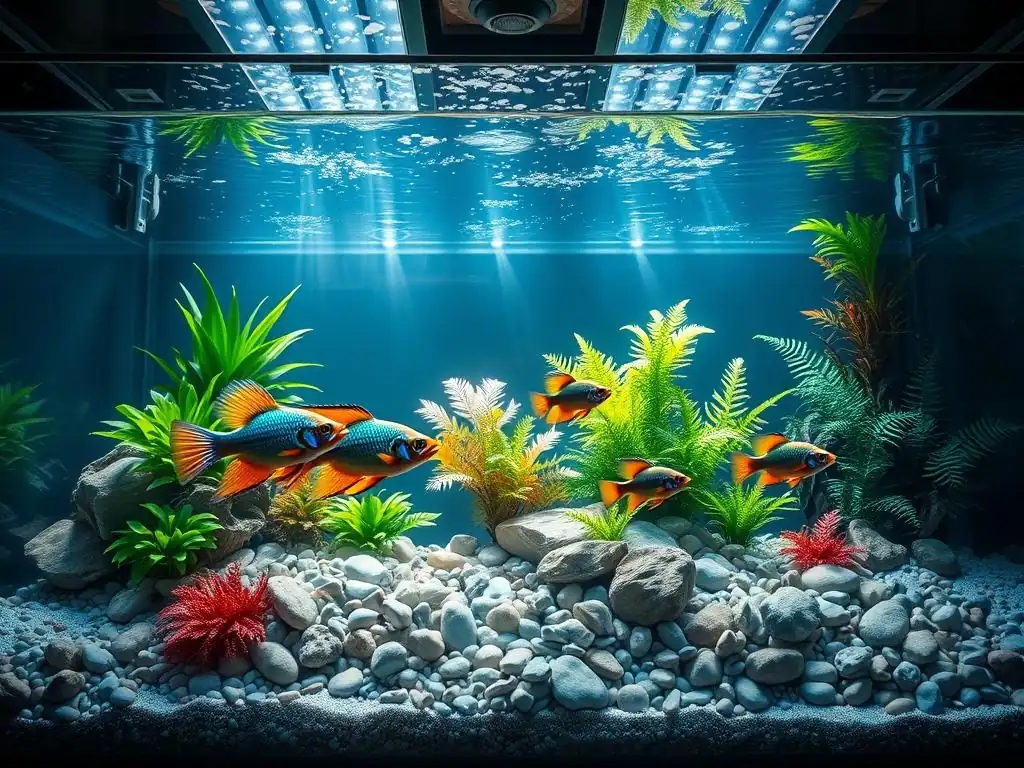
Ever been captivated by the elegant dance of a HiFin Platy, their fins shimmering like living jewels? HiFin Platies are more than just pretty fish, they are a rewarding addition to any freshwater aquarium. Dive into our comprehensive HiFin Platy care guide to unlock the secrets of keeping these magnificent creatures thriving. Ready to discover the nuances of their care, from selecting the perfect tank mates to understanding their unique needs? Let's get started!
- Understanding HiFin Platies: An Aquarium Mastery Guide
- HiFin Platy Varieties: A Comprehensive Overview
- Setting Up the Ideal HiFin Platy Tank: A Step-by-Step Guide
- HiFin Platy Care: Maintaining a Healthy Environment
- HiFin Platy Breeding: A Beginner's Guide
- Common HiFin Platy Diseases and Prevention
- HiFin Platy Tank Mates: Choosing Compatible Species
- Troubleshooting Common HiFin Platy Problems
- The Ultimate HiFin Platy Care Guide: Key Takeaways for Success
-
Frequently Asked Questions
- What are the key characteristics that distinguish HiFin Platies from other Platy varieties?
- What are the ideal water parameters for a HiFin Platy aquarium, and why are they important?
- What should I feed my HiFin Platies to ensure they receive a balanced diet and vibrant coloration?
- How often should I perform water changes in my HiFin Platy aquarium, and what percentage of the water should I change each time?
- What are some common diseases that affect HiFin Platies, and how can I prevent and treat them?
- Final Reflection: The Enduring Majesty of HiFin Platies
- Dive Deeper into the World of HiFin Platies!
Understanding HiFin Platies: An Aquarium Mastery Guide
What are HiFin Platies and Why Choose Them?
HiFin Platies are a captivating variant of the popular common Platy, Xiphophorus maculatus, distinguished primarily by their dramatically elongated dorsal fin. This unique genetic trait gives them a flowing, majestic appearance that sets them apart from standard platies. Renowned for their vibrant coloration, peaceful disposition, and relative hardiness, HiFin Platies have become a favorite among both novice and experienced aquarists looking to add dynamic beauty to their freshwater setups. As livebearers, they also offer the exciting prospect of observing live births in the home aquarium.
Choosing HiFin Platies for your aquarium brings not only aesthetic appeal but also the joy of keeping an active and social fish. They typically grow to about 1.5 to 2.5 inches (4-6 cm), making them suitable for a range of tank sizes, from smaller community tanks to larger, densely planted aquascapes. Their robust nature and adaptability to various water conditions, within a reasonable range, contribute to their popularity. However, to truly see these fish thrive and display their full splendor, understanding a comprehensive HiFin Platy care guide is absolutely essential.
Exploring the Appeal of Majestic Fins in Your Aquarium
The most striking feature of HiFin Platies is undoubtedly their "majestic fins," particularly the high, flowing dorsal fin. This elongated fin creates an elegant silhouette as the fish glides through the water, adding a unique sense of grace and movement that standard platies cannot replicate. In a well-lit aquarium, the interplay of light on their vibrant bodies and translucent, extended fins creates a captivating visual display, making them a natural focal point. This distinctive finnage provides an exotic touch without demanding advanced care techniques, making them accessible to a broad audience of aquarists.
Beyond their individual beauty, the majestic fins of HiFin Platies contribute significantly to the overall aesthetic harmony of a community tank. Their active swimming patterns, combined with the flowing movement of their dorsal fins, animate the aquarium landscape, drawing the eye and adding a layer of visual interest. Whether darting between plants or schooling gently, their unique fin structure enhances the dynamic flow of the aquatic environment. For those seeking to elevate their aquascape with fish that possess both vibrant color and unique form, incorporating HiFin Platies, guided by a thorough HiFin Platy care guide, offers an unparalleled opportunity.
HiFin Platy Varieties: A Comprehensive Overview
Popular HiFin Platy Strains: Colors and Patterns
While all HiFin Platies share the characteristic elongated dorsal fin, the true diversity within this variant lies in the incredible array of body colors and patterns they exhibit. Through generations of selective breeding, aquarists have developed numerous distinct strains, each combining the unique finnage with classic platy color morphs. This extensive palette allows hobbyists to choose HiFin Platies that perfectly complement their existing tank inhabitants or create a vibrant, multi-colored display of these stunning fish.
The genetic stability of the HiFin trait means that this desirable fin shape can be consistently reproduced across different color varieties. From fiery reds and oranges to cool blues and intricate patterns, the options are plentiful. This section will delve into some of the most popular and visually striking HiFin Platy strains, showcasing the breadth of choice available to aquarists who are dedicated to following a detailed HiFin Platy care guide for their prized fish.
HiFin Red Wagtail Platy: A Classic Choice
The HiFin Red Wagtail Platy is one of the most recognizable and beloved varieties, frequently seen in local fish stores. This strain is characterized by its brilliant red or deep orange body, which provides a striking contrast to its jet-black fins. The HiFin dorsal fin, caudal fin, and pectoral fins all feature this distinct black coloration, creating a bold and elegant appearance. Their vibrant hue makes them stand out in any aquarium, instantly drawing attention to their majestic finnage.
This classic choice is not only visually appealing but also remarkably hardy, making it an excellent option for beginners. The HiFin Red Wagtail Platy adapts well to various tank conditions, provided the fundamental principles of a good HiFin Platy care guide are followed. Their robust nature, combined with their striking color and unique fin shape, ensures they remain a staple favorite for aquarists looking for a reliable and beautiful addition to their freshwater community.
HiFin Sunset Platy: Vibrant Colors
The HiFin Sunset Platy lives up to its name, showcasing a breathtaking gradient of colors reminiscent of a setting sun. Typically, their bodies transition from a bright yellow or golden hue near the head, flowing into a fiery orange or deep red towards the tail. The HiFin dorsal fin often mirrors this stunning gradient, or it may be a solid vibrant orange or red, further enhancing the "sunset" effect. This coloration makes them incredibly dynamic and visually stimulating in an aquarium.
Their vibrant colors truly pop under appropriate aquarium lighting, creating a warm and inviting atmosphere within the tank. The active swimming behavior of the HiFin Sunset Platy, combined with their constantly shifting hues, makes them a captivating focal point. For aquarists aiming to introduce a splash of brilliant, natural color that mimics the beauty of a sunset, this variety, when maintained according to a comprehensive HiFin Platy care guide, is an outstanding choice that brings unparalleled vibrancy.
HiFin Blue Mickey Mouse Platy: A Unique Option
The HiFin Blue Mickey Mouse Platy offers a unique blend of color and pattern that distinguishes it from other platy varieties. This strain features a serene blue body, which can range from a light, almost iridescent cerulean to a deeper sapphire tone. What truly sets it apart, however, is the iconic "Mickey Mouse" marking – three distinct black spots arranged to form a silhouette of Mickey Mouse's head – located prominently near the base of the caudal fin. The elongated dorsal fin also shares the blue coloration, often with a subtle darker edge.
The combination of the less common blue coloration with the playful Mickey Mouse pattern and the elegant HiFin trait makes this platy a truly special addition to any aquarium. It provides a distinct aesthetic for aquarists seeking something beyond the more traditional reds and oranges. Despite its unique appearance, the HiFin Blue Mickey Mouse Platy requires the same diligent care and attention to water parameters and diet as other HiFin varieties, underscoring the universal applicability of a detailed HiFin Platy care guide.
Less Common, Yet Stunning HiFin Platy Types
Beyond the widely recognized strains, the world of HiFin Platies offers an array of less common, yet equally stunning, types that can provide a unique flair to an aquarium. These include varieties such as the HiFin Pineapple Platy, which exhibits a yellow-orange body speckled with black markings, or specific line-bred patterns like HiFin Calico Platies, displaying a mosaic of black, orange, and white patches. HiFin Variatus Platies, while less common as pure HiFins, sometimes emerge with their more elongated bodies and diverse colorations, offering a different silhouette.
The availability of these rarer HiFin Platy types can vary significantly depending on geographic location and the specialization of local fish stores or breeders. Aquarists with a keen interest in collecting unique specimens or those looking to create a truly distinctive display may find it rewarding to seek out these less frequently encountered varieties. Regardless of their rarity or specific coloration, the foundational principles outlined in a robust HiFin Platy care guide remain consistent, ensuring that all HiFin Platies can thrive under proper conditions.
Setting Up the Ideal HiFin Platy Tank: A Step-by-Step Guide
Tank Size and Dimensions for HiFin Platies
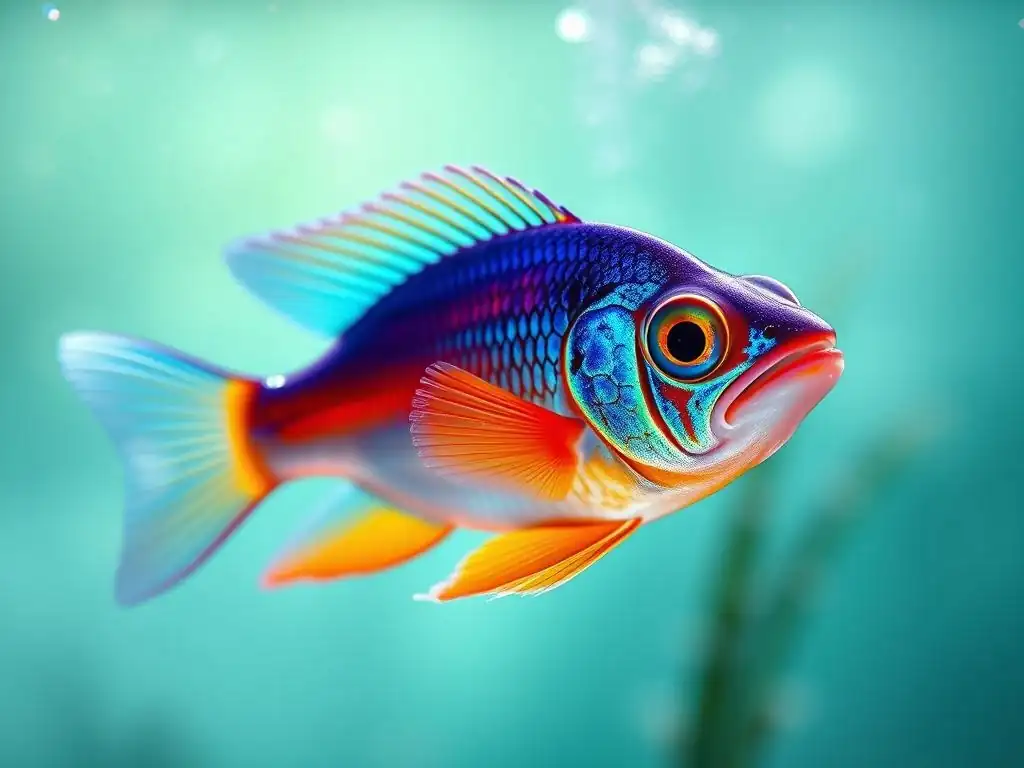
When setting up an aquarium for HiFin Platies, tank size is a critical consideration for their health and well-being. While a small group of 3-5 HiFin Platies can technically survive in a 10-gallon (approximately 38 liters) tank, a 20-gallon (approximately 76 liters) long tank is significantly more beneficial. The longer dimensions of a 20-gallon long tank provide ample horizontal swimming space, which these active fish appreciate, and contribute to greater water volume, which helps maintain more stable water parameters.
Opting for a larger tank, such as a 20-gallon or even a 30-gallon (114 liters) if space allows, offers numerous advantages. Increased water volume dilutes waste more effectively, reducing the frequency of parameter fluctuations that can stress fish. It also provides more room for diverse decorations and live plants, creating a more natural and enriching environment. For a community tank with HiFin Platies and compatible tank mates, a 20-gallon or larger is highly recommended to ensure all inhabitants have sufficient personal space and reduce potential aggression, forming the bedrock of an effective HiFin Platy care guide.
Essential Equipment for a Thriving HiFin Platy Aquarium
Establishing a successful HiFin Platy aquarium requires more than just a tank; it necessitates a collection of essential equipment that works synergistically to maintain a healthy and stable environment. The core components include a reliable filter, an appropriately sized heater, an accurate thermometer, adequate lighting, and a secure lid. Investing in good quality equipment from the outset is crucial, as it directly impacts the consistency of water parameters and the overall well-being of your HiFin Platies.
Each piece of equipment plays a vital role in supporting the aquatic ecosystem. The filter is responsible for mechanical, chemical, and biological filtration, removing physical debris, undesirable compounds, and converting harmful ammonia and nitrite into less toxic nitrate. The heater maintains the stable tropical temperatures HiFin Platies require, while the thermometer allows for precise monitoring. Lighting supports plant growth and enhances the visual appeal of the tank, and a lid prevents the fish from jumping out while also reducing evaporation. Together, these elements form the backbone of a comprehensive HiFin Platy care guide, ensuring a thriving habitat.
Choosing the Right Filter for HiFin Platies
Selecting the appropriate filter is paramount for maintaining the pristine water quality that HiFin Platies demand. For tanks housing HiFin Platies, hang-on-back (HOB) filters are a popular and effective choice, offering robust mechanical, chemical, and biological filtration. They are easy to install and maintain, efficiently removing particulate matter, chemical impurities, and providing ample surface area for beneficial bacteria to colonize. Sponge filters are another excellent option, particularly for breeding setups or tanks with fry, as they provide gentle biological filtration without the risk of suctioning up tiny fish.
When choosing a filter, it is always advisable to select one that is rated for the size of your tank or even slightly larger. This ensures sufficient filtration capacity to handle the bioload of your HiFin Platies and any tank mates. Regular maintenance of your filter, such as rinsing filter media in old tank water during water changes, is crucial to preserve the beneficial bacterial colonies that detoxify waste, a key component of best practices in any HiFin Platy care guide.
Heaters and Lighting for Optimal HiFin Platy Health
Maintaining a stable and appropriate temperature is vital for the health of HiFin Platies. These tropical fish thrive in temperatures ranging from 72-78°F (22-26°C). A submersible, adjustable aquarium heater is therefore an essential piece of equipment. The wattage of the heater should be matched to your tank size to ensure it can consistently maintain the desired temperature without extreme fluctuations, which can stress the fish and make them susceptible to diseases.
Regarding lighting, standard LED aquarium lights are generally sufficient for HiFin Platies and are beneficial for supporting the growth of common aquatic plants. A typical photoperiod of 10-12 hours per day is recommended to simulate natural daylight cycles. While lighting enhances the vibrant colors of your HiFin Platies, excessive or prolonged lighting can contribute to undesirable algae growth. Balancing the lighting duration and intensity is an important aspect of creating an optimal environment, as detailed in a thorough HiFin Platy care guide.
Substrate and Decoration: Creating a Natural Habitat
The choice of substrate and decorations plays a significant role in creating a natural and comfortable habitat for your HiFin Platies. For substrate, fine gravel or sand is suitable. It is important to avoid coarse or sharp-edged gravel that could potentially injure the delicate fins of HiFin Platies. A darker colored substrate can also help to enhance the vibrant coloration of your fish, making their reds, oranges, and blues appear even more striking. Layering the substrate to a depth of approximately 2-3 inches (5-7.5 cm) provides adequate space for plant roots and allows beneficial bacteria to flourish.
Decorations are not just for aesthetics; they provide essential hiding spots and territories for your fish, reducing stress and encouraging natural behaviors. Live plants are highly recommended, as they contribute to water quality by absorbing nitrates and offer excellent cover for adult HiFin Platies and their fry. Good plant choices include Java Fern, Anubias, Hornwort, and various stem plants. Driftwood and smooth rocks can also be incorporated, ensuring all decorations are aquarium-safe and free of sharp edges that could tear fins. This holistic approach to tank setup is vital for a comprehensive HiFin Platy care guide.
HiFin Platy Care: Maintaining a Healthy Environment
Water Parameters: Achieving the Perfect Balance for HiFin Platies
Maintaining stable and appropriate water parameters is the cornerstone of successful HiFin Platy care. While platies are known for their adaptability, consistent conditions are far more important than hitting exact numbers, as sudden fluctuations are a major source of stress. Regular testing of your aquarium water with a reliable liquid test kit is crucial for monitoring ammonia, nitrite, and nitrate levels. Ammonia and nitrite, which are highly toxic, should always be undetectable (0 ppm), while nitrate, the end product of the nitrogen cycle, should be kept below 20 ppm through routine water changes.
Any deviation from ideal parameters can compromise the immune system of your HiFin Platies, making them susceptible to disease and leading to a shortened lifespan. Proactive monitoring and immediate corrective action, such as emergency water changes, are essential components of a robust HiFin Platy care guide. By diligently maintaining these parameters, you create a stable and healthy environment that allows your fish to thrive and display their full vitality.
pH Levels and Water Hardness for Optimal Health
HiFin Platies, like most livebearers, prefer water that is slightly alkaline to neutral. An ideal pH range for these fish is typically between 7.0 and 8.0. It is important to emphasize that stability of pH is more critical than hitting a precise number. Rapid or significant swings in pH can cause severe stress and even death for your fish, even if the new pH level is technically within an acceptable range. Consistency is key to their well-being.
In terms of water hardness, HiFin Platies do best in moderately hard to hard water, with a general hardness (GH) typically ranging from 10 to 25 dGH. Soft water can lead to long-term health issues, as platies require certain minerals found in harder water for proper osmoregulation and overall health. If your tap water is naturally very soft, methods such as adding crushed coral or aragonite to your filter or substrate, or using specialized mineral supplements, can help gradually increase the hardness to a suitable level, a critical detail in any thorough HiFin Platy care guide.
Temperature Requirements for HiFin Platies
The optimal temperature range for HiFin Platies is consistently between 72-78°F (22-26°C). Maintaining a stable temperature within this range is paramount for their metabolism, immune function, and overall activity levels. Fluctuations outside this range, especially sudden drops or spikes, can cause significant stress, leading to lethargy, loss of appetite, and increased susceptibility to common fish diseases such as Ich.
To ensure consistent temperature, an accurate aquarium thermometer should be used and checked daily. A reliable, appropriately sized submersible heater is indispensable for most home aquariums, particularly if the room temperature varies. Properly sized heaters prevent rapid temperature swings and ensure that the water remains within the ideal zone for your HiFin Platies, which is a fundamental aspect of any comprehensive HiFin Platy care guide.
Regular Water Changes: The Key to a Clean and Healthy Tank
Regular partial water changes are arguably the single most important aspect of maintaining a clean and healthy environment for your HiFin Platies. For a moderately stocked tank, a weekly water change of 25-30% of the tank volume is a good starting point. In heavily stocked tanks, or those with larger fish, more frequent or larger water changes may be necessary. Conversely, a very lightly stocked tank might only require a 20% bi-weekly change. During water changes, it is highly recommended to use a gravel vacuum to siphon out detritus and uneaten food from the substrate, removing accumulated waste.
The benefits of consistent water changes are numerous: they remove accumulated nitrates and other dissolved organic compounds that can become toxic over time, replenish essential trace minerals, and generally improve overall water quality and clarity. Always remember to treat new tap water with a reputable dechlorinator/dechloraminator before adding it to the aquarium. This step is crucial to neutralize chlorine and chloramines, which are harmful to fish and beneficial bacteria, making it a non-negotiable component of any robust HiFin Platy care guide.
HiFin Platy Diet and Feeding: Ensuring Proper Nutrition
HiFin Platies are omnivorous, meaning their diet should consist of both plant and animal matter. To ensure their optimal health, vibrant coloration, and strong immunity, a varied and balanced diet is essential. While a high-quality flake or pellet food can form the staple of their diet, it should always be supplemented with a range of other nutritious foods. A monochromatic diet, even of a good quality staple, can lead to nutritional deficiencies over time.
A well-rounded diet directly contributes to the longevity and vitality of your HiFin Platies. Providing a diverse array of food types mimics their natural foraging behavior and ensures they receive all necessary vitamins, minerals, and macronutrients. This comprehensive approach to nutrition is a cornerstone of a complete HiFin Platy care guide, promoting not just survival but true thriving in your aquarium.
What to Feed Your HiFin Platies: A Nutritional Breakdown
For the staple diet of your HiFin Platies, choose a high-quality flake or small pellet food specifically formulated for community fish. Look for products that list fish meal, shrimp meal, and spirulina or other vegetable matter among the primary ingredients, indicating a balanced nutritional profile. These staple foods provide the foundational carbohydrates, proteins, and fats necessary for daily energy and growth.
To supplement their diet and provide essential variety, offer frozen foods such as brine shrimp, bloodworms, and daphnia once or twice a week. Live foods like microworms or small mosquito larvae can also be given occasionally as a treat. Additionally, HiFin Platies enjoy vegetable matter; blanched zucchini slices, shelled peas, or spirulina wafers can be offered periodically to provide crucial fiber and plant-based nutrients. This diverse feeding strategy ensures your HiFin Platies receive a complete nutritional breakdown, enhancing their health and vibrancy as detailed in a thorough HiFin Platy care guide.
Feeding Frequency and Portion Control
When feeding your HiFin Platies, consistency in frequency and careful portion control are key to preventing overfeeding and maintaining water quality. It is generally recommended to feed HiFin Platies two to three times a day. This allows them to graze throughout the day, mimicking their natural feeding habits, and ensures they have a consistent energy supply.
For each feeding, offer only a small amount of food that your HiFin Platies can completely consume within 2-3 minutes. Any uneaten food should be promptly removed from the tank to prevent it from decaying and fouling the water. Overfeeding is a common mistake that leads to excess waste, elevated ammonia and nitrite levels, and can contribute to various health issues in fish, including digestive problems and fatty liver disease. Adhering to these portion control guidelines is a crucial aspect highlighted in every effective HiFin Platy care guide.
HiFin Platy Breeding: A Beginner's Guide
Creating a Breeding Setup for HiFin Platies
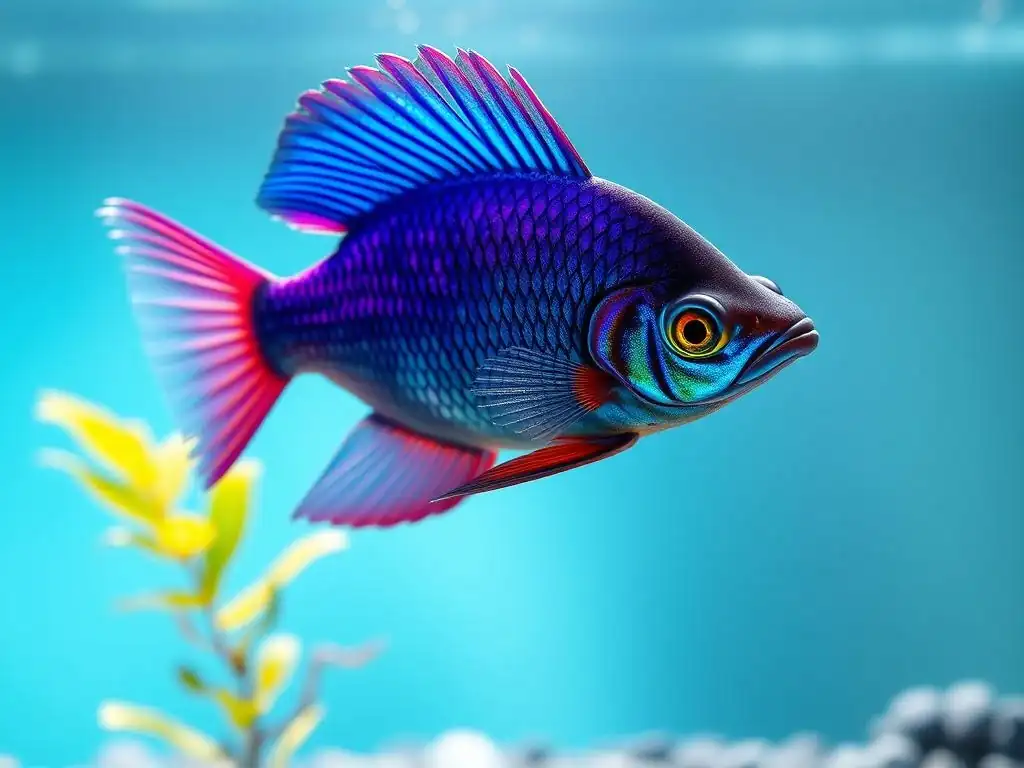
HiFin Platies are famously prolific livebearers, meaning they give birth to live, free-swimming young rather than laying eggs. If you intend to breed them and maximize fry survival, creating a dedicated breeding setup is highly recommended.
A separate 5-10 gallon (19-38 liters) tank, often referred to as a "fry grow-out tank," with dense planting (such as Java moss, Hornwort, or Guppy grass) provides essential cover for the fry immediately after birth, protecting them from being eaten by adult fish, including their own mother. Alternatively, a breeding box or net placed inside the main tank can be used, though these offer more restricted space.
Ensure that the breeding tank has stable water parameters that closely match those of the main tank to avoid shocking the pregnant female when she is moved. A gentle sponge filter is ideal for a fry tank, as it provides biological filtration without creating strong currents that could exhaust tiny fry or suction them into the filter. This careful preparation is a fundamental step for anyone following a HiFin Platy care guide with breeding as a goal.
Identifying Male and Female HiFin Platies
Distinguishing between male and female HiFin Platies is relatively straightforward, especially once they reach maturity. This ability is crucial for anyone interested in breeding or managing the population within their community tank.
Male HiFin Platies are generally smaller and more slender in body shape compared to females. The most definitive distinguishing feature is their anal fin: in males, it is modified into a pointed, rod-like reproductive organ called a gonopodium, which is used for internal fertilization. Female HiFin Platies, on the other hand, are typically larger and possess a noticeably rounder, fuller abdomen, particularly when gravid (pregnant).
Their anal fin retains its natural, fan-like shape. Additionally, a dark "gravid spot" may become visible near the anal fin of a pregnant female as the fry develop internally. Accurate identification is a fundamental step in any HiFin Platy care guide focused on successful breeding.
The HiFin Platy Breeding Process: What to Expect
Once a male HiFin Platy has successfully mated with a female, the gestation period typically lasts approximately 28 to 30 days. During this time, the female will carry the developing eggs internally, and her abdomen will noticeably swell and become squarer in shape. The gravid spot, a dark area near her anal fin, will also become more prominent as the fry mature inside. A remarkable aspect of platy breeding is the female's ability to store sperm for several months after a single mating, allowing her to produce multiple batches of fry without further interaction with a male.
When the female is ready to give birth, she may exhibit signs of reclusiveness, seeking out hiding spots among plants or decorations. She will then release live, fully formed fry, usually in batches ranging from 20 to 50, although larger, mature females can produce over 80 fry in a single birth. The fry are born capable of swimming immediately and will instinctively seek cover. This natural, fascinating process is a highlight for many aquarists following a comprehensive HiFin Platy care guide.
Caring for HiFin Platy Fry: Ensuring Their Survival
Ensuring the survival of HiFin Platy fry requires specific care, primarily focused on protection from predation and providing appropriate nutrition. Adult platies, including the mother, possess a strong instinct to consume their own fry. Therefore, it is crucial to either move the pregnant female to a separate breeding tank just before she gives birth and then remove her immediately after, or ensure the main tank is heavily planted with dense vegetation like Java moss or Hornwort to offer abundant hiding places for the tiny fry.
Maintaining pristine water quality is paramount for the delicate fry. Small, frequent water changes (e.g., 10-15% every 2-3 days) are preferable to large, infrequent ones, as they minimize stress and prevent sudden parameter shifts. A gentle air stone or a sponge filter should be used to provide aeration and filtration, avoiding strong currents that can exhaust or harm the tiny fry. This specialized section of a HiFin Platy care guide is vital for successful fry rearing.
Feeding HiFin Platy Fry: A Special Diet
Proper nutrition is critical for the rapid growth and development of HiFin Platy fry. Immediately after birth, for the first few days, fry can subsist on infusoria (microscopic organisms) naturally present in a well-established and mature aquarium. This initial food source is often sufficient until they are large enough for more substantial meals.
After the initial few days, it's essential to introduce specialized fry food. This can include finely crushed high-quality flake food, powdered spirulina, or, ideally, newly hatched brine shrimp. Newly hatched brine shrimp are highly nutritious and stimulate the fry's feeding instincts. Fry should be fed small amounts multiple times a day (3-5 times) to support their rapid growth rate. Overfeeding should be avoided to prevent water quality issues, but consistent, small meals are key. This detailed feeding advice is a crucial part of a comprehensive HiFin Platy care guide for breeders.
Protecting Fry from Adult Platies
The primary challenge in raising HiFin Platy fry is protecting them from predation by adult fish, including their own parents. The most effective method is to use a separate "fry grow-out tank" where the pregnant female can be moved to give birth, and then removed once the fry are born. This dedicated tank ensures the fry have a safe environment to grow without threat. Alternatively, a breeding net or box can be temporarily placed inside the main tank to isolate the fry, though these options offer limited space and may not be ideal for long-term growth.
In a community tank setting, providing extremely dense planting, particularly floating plants like Guppy grass or Hornwort, offers natural hiding spots where some fry may survive. However, even with abundant cover, a significant number of fry will likely be consumed. For serious breeding efforts and maximizing the survival rate of HiFin Platy fry, a dedicated grow-out tank is always the preferred and most effective strategy, as highlighted in any comprehensive HiFin Platy care guide.
Common HiFin Platy Diseases and Prevention
Identifying Common Diseases in HiFin Platies
Maintaining the health of your HiFin Platies requires vigilant observation for any signs of illness. Proactive identification of disease symptoms is key to successful treatment and preventing the spread of ailments throughout your aquarium. Regularly observe your fish for changes in their swimming behavior, such as lethargy or erratic movements, loss of appetite, dulling of coloration, or any visible changes to their body, fins, or gills. Early detection allows for prompt intervention, significantly improving the chances of recovery.
It is important to understand that many common fish diseases are often triggered by environmental stressors, primarily poor water quality, sudden temperature fluctuations, or inadequate nutrition. Therefore, adhering to the principles outlined in this HiFin Platy care guide regarding stable parameters, regular maintenance, and a balanced diet is your first line of defense. A healthy, stress-free environment significantly boosts your fish's immune system, making them far less susceptible to illness.
Ich (White Spot Disease) in HiFin Platies
Ich, or White Spot Disease, is one of the most common and recognizable parasitic infections in freshwater aquariums, and HiFin Platies are susceptible. The primary symptom is the appearance of small, white spots resembling grains of salt scattered across the fish's body and fins. Infected fish may also exhibit "flashing" – rubbing their bodies against tank decorations or substrate to relieve irritation – and show rapid gill movement due to respiratory distress.
Treatment for Ich typically involves gradually raising the tank temperature to 82-84°F (28-29°C) for a period of 7-10 days, provided all tank mates can tolerate the higher temperatures. This accelerates the parasite's life cycle, making it vulnerable. Additionally, adding aquarium salt (non-iodized) or using commercially available Ich medications can be effective. Prevention is key: maintaining stable water parameters and strictly quarantining all new fish for 2-4 weeks before introduction to the main tank are crucial steps in any HiFin Platy care guide to avoid this pervasive parasite.
Fin Rot in HiFin Platies
Fin Rot is a common bacterial infection that affects the fins of fish, and the elongated, majestic fins of HiFin Platies can be particularly vulnerable. Symptoms include the edges of the fins appearing ragged, frayed, or torn, often with a white or reddish inflamed border. As the condition progresses, the fins may shorten significantly as tissue decays. It is frequently caused by poor water quality, physical injury to the fins, or an underlying bacterial infection exacerbated by stress.
Treatment for Fin Rot primarily involves immediate improvement of water quality. Perform daily small water changes (20-25%) and ensure the tank is clean and well-filtered. If water changes alone do not show improvement within a few days, an antibacterial medication specifically formulated for aquarium use may be necessary. Prevention relies on maintaining pristine water conditions, avoiding aggressive tank mates that could nip fins, and providing a stress-free environment with ample hiding spots, as detailed in a thorough HiFin Platy care guide.
Velvet Disease (Oodinium) in HiFin Platies
Velvet Disease, caused by the dinoflagellate parasite Oodinium, is another common ailment that can affect HiFin Platies. It is often more difficult to spot than Ich due to its fine appearance. Symptoms include a fine, dusty, yellowish-gold or brownish coating on the fish's body and fins, which can resemble velvet when viewed under direct light. Affected fish may also exhibit flashing, rapid gill movement, lethargy, and a loss of appetite. The parasite is photosynthetic, meaning it uses light for energy.
Treatment for Velvet involves turning off the aquarium lights for several days to inhibit the parasite's photosynthetic process. Additionally, a specific anti-parasitic medication, often copper-based, is typically required. Follow product instructions carefully, as copper can be toxic in high concentrations. Prevention is best achieved through strict quarantine of all new fish for a minimum of 2-4 weeks and by consistently maintaining excellent water quality and stable parameters, which are vital components of any comprehensive HiFin Platy care guide.
Preventing Diseases: Proactive Care for Your HiFin Platies
The most effective approach to managing diseases in your HiFin Platies is prevention through proactive and consistent care. One of the most critical preventive measures is to always quarantine new fish. A separate quarantine tank, ideally 10-20 gallons, should be used to house new additions for at least 2 to 4 weeks before introducing them to your main display aquarium. During this period, observe the new fish closely for any signs of illness, allowing you to treat any potential diseases without risking the health of your established fish population.
Beyond quarantine, strict adherence to the fundamental principles of the HiFin Platy care guide is paramount. This includes maintaining stable and pristine water parameters through regular water changes and effective filtration, providing a varied and nutritious diet, avoiding overstocking your tank, and ensuring compatible tank mates. A healthy, low-stress environment significantly bolsters your HiFin Platies' immune systems, making them inherently more resistant to pathogens and ensuring their long-term well-being and vibrant display.
HiFin Platy Tank Mates: Choosing Compatible Species
Ideal Tank Mates for HiFin Platies
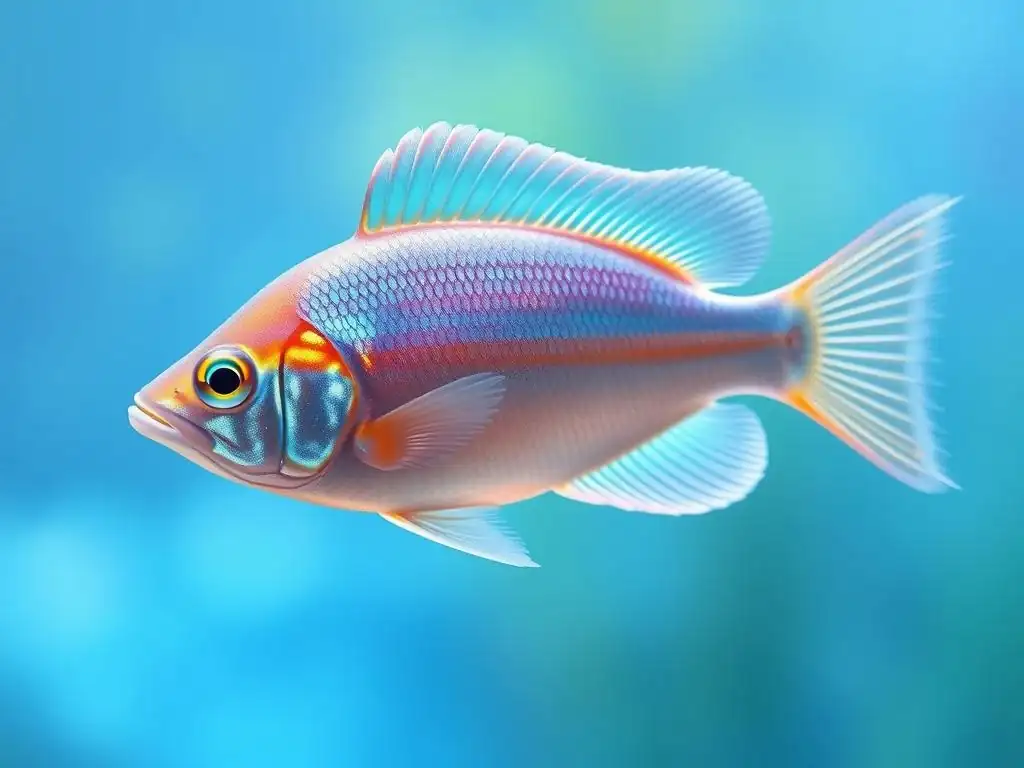
HiFin Platies are renowned for their peaceful and sociable nature, making them excellent candidates for a community aquarium. Their docile temperament allows them to coexist harmoniously with a wide array of other non-aggressive freshwater species. Ideal tank mates often include other popular livebearers such as Guppies, Mollies, and Swordtails, provided the tank is sufficiently large to accommodate the Swordtails' size and activity level. These species often share similar water parameter preferences, simplifying tank maintenance.
Beyond other livebearers, a variety of other peaceful fish can thrive alongside HiFin Platies. Good choices include peaceful tetras, such as Neon Tetras, Cardinal Tetras, Rummy Nose Tetras, and Lemon Tetras, which add schooling behavior and diverse colors. Bottom-dwelling fish like Corydoras catfish (e.g., Panda Cory, Bronze Cory) and Bristlenose Plecos are also excellent companions, as they occupy different levels of the tank and are generally non-aggressive.
Peaceful rasboras (e.g., Harlequin Rasboras) and small, non-aggressive gouramis can also be compatible. Always ensure that any chosen tank mates have similar water parameter requirements to those outlined in this HiFin Platy care guide to ensure a harmonious and healthy environment for all inhabitants.
Fish to Avoid: Incompatible Tank Mates
While HiFin Platies are generally peaceful, it is crucial to avoid introducing tank mates that could pose a threat to their well-being or damage their delicate, elongated fins. Aggressive or fin-nipping species should be strictly avoided. Classic examples of incompatible fish include Tiger Barbs, unless kept in a very large, species-specific school that dilutes their aggression, and certain larger, more territorial cichlids. Any fish known for predatory behavior or being significantly larger than platies should also be excluded, as they might view the smaller HiFin Platies as food.
Even seemingly innocuous species can sometimes be problematic. While Betta fish can occasionally be compatible in very large, heavily planted tanks, their individual temperaments vary wildly, and the long, flowing fins of HiFin Platies might unfortunately tempt a fin-nipping Betta. It is always wise to conduct thorough research on any potential tank mate's temperament, adult size, and specific needs before introducing them to your HiFin Platy aquarium. Prioritizing compatibility is a critical component of a comprehensive HiFin Platy care guide to prevent stress and injury to your fish.
Troubleshooting Common HiFin Platy Problems
HiFin Platies Not Eating: Possible Causes and Solutions
When HiFin Platies refuse to eat, it is a significant indicator that something is amiss in their environment or with their health. The most common causes for a loss of appetite include stress from a new environment (such as just being introduced to a tank), poor water quality, or the onset of an illness. A fish that refuses food for more than a day or two warrants immediate attention.
The first step in troubleshooting is to immediately test your aquarium's water parameters for ammonia, nitrite, and nitrate. High levels of ammonia or nitrite are highly toxic and will quickly deter feeding. Perform a partial water change if parameters are off. Ensure the water temperature is within the ideal range of 72-78°F (22-26°C) and stable.
If water parameters are pristine, try offering a variety of foods, including a preferred treat like frozen brine shrimp, to entice them. If other symptoms like lethargy, clamped fins, or unusual spots are present, consider the possibility of disease and research appropriate treatments. A healthy appetite is a key sign of a thriving fish, and this HiFin Platy care guide emphasizes monitoring it as a primary health indicator.
HiFin Platies Hiding: Understanding Their Behavior
While HiFin Platies are generally active and outgoing fish, prolonged hiding or unusual reclusiveness can signal underlying issues. Common reasons for this behavior include feeling unsafe due to a lack of adequate hiding spots in the tank, the presence of aggressive or overly boisterous tank mates, or stress stemming from poor water conditions. Sometimes, a fish might also hide if it is feeling unwell or is nearing the time of giving birth (for females).
To address hiding behavior, first ensure your tank provides ample hiding spots and visual barriers using live or artificial plants, driftwood, and rock formations. This creates a sense of security for your HiFin Platies. Re-evaluate your tank mates to confirm they are compatible and not bullying the platies.
Crucially, test your water parameters immediately; poor water quality is a frequent cause of stress-induced hiding. If the behavior persists and other symptoms like clamped fins, labored breathing, or loss of appetite are present, observe for signs of illness and prepare to treat accordingly. A secure and well-structured environment is a core component of a good HiFin Platy care guide.
HiFin Platies Clamped Fins: Possible Causes and Solutions
Clamped fins are a common and concerning symptom in aquarium fish, including HiFin Platies, indicating that the fish is under significant stress or experiencing an illness. When a fish's fins are held tightly against its body, rather than being spread open, it suggests discomfort or a general malaise. This behavior is often one of the first visible signs that something is wrong with the fish's environment or health.
The most frequent causes of clamped fins are poor water quality (e.g., elevated ammonia, nitrite, or nitrate), incorrect or fluctuating water temperature, or the early stages of a disease such as Ich or Fin Rot. To troubleshoot, immediately test all water parameters and perform a partial water change (25-30%) if any levels are off. Ensure the tank temperature is stable and within the optimal range of 72-78°F (22-26°C).
Observe the fish closely for other symptoms of disease, such as spots, growths, or unusual swimming patterns. If other symptoms are present, research and initiate appropriate treatment. Addressing clamped fins promptly by rectifying environmental issues or treating disease is a critical aspect of troubleshooting in any HiFin Platy care guide.
The Ultimate HiFin Platy Care Guide: Key Takeaways for Success
Essential Tips for Thriving HiFin Platies.
To ensure your HiFin Platies not only survive but truly thrive, a consistent and comprehensive approach to their care is paramount. The ultimate HiFin Platy care guide emphasizes several core principles: first, maintaining pristine and stable water parameters through regular partial water changes (25-30% weekly) and efficient filtration is non-negotiable. This prevents the buildup of harmful toxins and ensures a healthy aquatic environment. Second, providing a varied and nutritious diet, consisting of high-quality flakes supplemented with live or frozen foods and occasional vegetable matter, is crucial for their vibrant colors and strong immunity.
Finally, creating a peaceful and well-decorated environment with ample hiding spots and selecting compatible tank mates will significantly reduce stress and encourage natural behaviors. Proactive observation of your fish for any changes in behavior or appearance, and prompt troubleshooting of any issues, are vital for long-term success. By diligently following these guidelines, your HiFin Platies can live for 2-3 years or even longer, bringing immense beauty and dynamic life to your aquarium, making them a truly rewarding addition to any freshwater setup.
Frequently Asked Questions
What are the key characteristics that distinguish HiFin Platies from other Platy varieties?
HiFin Platies are distinguished by their elongated dorsal fins, giving them a more majestic appearance. Other Platies have smaller, less pronounced dorsal fins. This unique fin shape is the main distinguishing feature.
What are the ideal water parameters for a HiFin Platy aquarium, and why are they important?
HiFin Platies thrive in water with a pH of 6.8-7.8, a temperature of 72-78°F, and a general hardness (GH) between 10-20 dGH. Maintaining these parameters ensures optimal health and breeding conditions.
What should I feed my HiFin Platies to ensure they receive a balanced diet and vibrant coloration?
HiFin Platies require a varied diet including high-quality flake food, supplemented with live or frozen foods like brine shrimp and daphnia. A balanced diet promotes vibrant colors and overall well-being.
How often should I perform water changes in my HiFin Platy aquarium, and what percentage of the water should I change each time?
Regular water changes are crucial for maintaining water quality. It is recommended to change 25-30% of the water weekly. This helps remove nitrates and maintain a healthy environment.
What are some common diseases that affect HiFin Platies, and how can I prevent and treat them?
Common diseases include Ich (white spot disease), fin rot, and fungal infections. Prevention involves maintaining good water quality and quarantining new fish. Treatment typically involves medication and improved tank conditions.
Final Reflection: The Enduring Majesty of HiFin Platies
The vibrant world of HiFin Platies, as we've explored, is a testament to the beauty and diversity achievable through selective breeding and dedicated care. Today, the growing popularity of these fish underscores a broader trend towards appreciating the intricate details and unique characteristics within the aquarium hobby. This isn't just about keeping fish; it's about cultivating miniature ecosystems and celebrating the artistry of nature, magnified within the confines of our tanks.
The allure of the HiFin Platy, with its flowing fins and captivating colors, extends beyond mere aesthetics. It represents a commitment to responsible fishkeeping, a dedication to providing the optimal environment for these delicate creatures to thrive. This commitment, in turn, enriches our own lives, offering a glimpse into the wonders of the aquatic world and fostering a sense of connection to something larger than ourselves. In their world, everything is meaningful. I believe that's why they're so beautiful.
- Sylvia Earle, highlighting the intrinsic value of aquatic life.
As you embark on your own HiFin Platy journey, remember that the knowledge shared here is just the beginning. Let the information in this HiFin Platy care guide inspire you to delve deeper, to observe with patience, and to nurture with compassion. Embrace the challenge of creating a thriving habitat for these majestic fish, and in doing so, you'll not only witness their beauty firsthand but also contribute to the preservation and appreciation of this remarkable species.
Dive Deeper into the World of HiFin Platies!
Thanks for exploring the fascinating world of HiFin Platies with us! We hope you've gained a new appreciation for these beautiful fish and are excited to take your aquarium hobby to the next level. Now, let's put that knowledge into action.
Here are a few things you can do right now:
- Start planning your own HiFin Platy breeding project! Think about which varieties you'd like to cross and the unique characteristics you hope to achieve.
- Share your favorite HiFin Platy photo with fellow aquarium enthusiasts on social media and tag us @AquariumMastery! Let's spread the beauty.
- Consider creating a DIY aquascape inspired by the natural habitat of Platies – it's a fun way to challenge your creativity!
Ready to turn your aquarium dreams into reality and breed your own stunning HiFin Platies?