
Are Male and Female Guppies Cared For Differently? Key Insights

Welcome to Aquarium Mastery!
Ever wondered if your male and female guppies need different treatment to thrive? Dive into our Guppy Breeding Care Differences Guide and unlock the secrets to successful guppy keeping! Discover essential insights that will help you create a thriving aquatic environment for these vibrant fish and ensure a healthy, happy guppy population. Intrigued? Let's explore the nuances of guppy care together!
- Introduction: Understanding Guppy Care Needs
- Guppy Gender Identification: Visual Cues
- Tank Setup: Addressing Sex-Specific Needs
- Water Parameters: Maintaining Ideal Conditions
- Feeding Habits: Nutritional Requirements for Male and Female Guppies
- Breeding Management: Separating and Caring for Fry
- Health Concerns: Sex-Specific Issues
- Male Guppy Care: Specific Considerations
- Guppy Breeding Care Differences Guide: Summary and Best Practices
-
Frequently Asked Questions
- How does gender impact guppy feeding requirements?
- Are there differences in tank size recommendations for male versus female guppies?
- Do male and female guppies have distinct water chemistry needs?
- Are there any health issues that predominantly affect only one sex?
- How does aquarium decoration impact male and female guppies differently?
- Final Reflection: Nurturing Life's Delicate Balance
- Dive Deeper: Master Your Guppy Care!
Introduction: Understanding Guppy Care Needs
Why Guppy Breeding Care Differs Between Sexes
Guppy breeding care differences are rooted deeply in the distinct biological roles of male and female guppies. Males are primarily responsible for fertilization, exhibiting vibrant colors and elaborate fins to attract mates. Their energetic pursuit of females often requires considerations for their fin health and potential stress from constant activity. Females, on the other hand, bear the significant physiological burden of gestation and live birth, which places unique demands on their nutritional intake, stress levels, and recovery post-partum. Understanding these fundamental differences is crucial for any aquarist aiming to provide optimal care.
These inherent biological distinctions mean that a one-size-fits-all approach to guppy care can lead to suboptimal health outcomes for either sex. For instance, a female guppy's nutritional needs escalate significantly during pregnancy, requiring a diet richer in protein and calcium to support the development of 20-100 fry per brood.
Conversely, male guppies, while not carrying fry, benefit from diets that enhance their coloration and maintain fin integrity, which can be compromised by nipping or poor water quality. Therefore, a comprehensive guppy breeding care differences guide must account for these varied requirements to ensure the well-being and longevity of the entire population.
Importance of Tailored Care for Guppy Health and Breeding
Tailored care is not merely a recommendation but an essential practice for promoting the robust health and successful breeding of guppies. Without specific attention to the needs of each sex, common issues such as stress-related diseases in females or fin damage in males can become prevalent. For example, a female guppy constantly harassed by males without adequate hiding spots can suffer from chronic stress, leading to a weakened immune system and susceptibility to infections like dropsy or internal parasites. This tailored approach allows aquarists to proactively address potential health concerns before they escalate.
Furthermore, optimizing care based on guppy gender significantly enhances breeding success and fry survival rates. Providing pregnant females with a peaceful environment and nutrient-dense foods not only ensures a healthier brood but also aids the mother's recovery. Similarly, maintaining ideal water parameters and a well-planted tank benefits both sexes, but the provision of dense vegetation is particularly vital for fry, offering crucial refuge from adult predation. A detailed guppy breeding care differences guide empowers hobbyists to create an environment where guppies not only survive but truly thrive, leading to more vibrant colors, active behaviors, and a sustainable population.
Guppy Gender Identification: Visual Cues
Identifying Male Guppies: Key Characteristics
Identifying male guppies is relatively straightforward due to several distinct visual cues. Typically, male guppies are smaller in size, usually reaching about 1 to 1.5 inches (2.5 to 3.8 cm) in length. Their most striking feature is their incredibly vibrant coloration and elaborate finnage, particularly the caudal (tail) and dorsal fins, which can display a wide array of patterns, shapes, and hues such as reds, blues, yellows, and iridescent greens. These flamboyant displays are crucial for attracting females during courtship, a key aspect to consider in any guppy breeding care differences guide.
Another definitive characteristic of a male guppy is the gonopodium. This is a modified, rod-shaped anal fin that is used for internal fertilization. Unlike the fan-shaped anal fin of the female, the male's gonopodium is slender and pointed, often held close to the body or extended during mating attempts. Observing the presence of this structure confirms the fish's sex, even in juvenile guppies where coloration might not yet be fully developed. This clear anatomical difference is fundamental for separating sexes or managing breeding ratios effectively.
Female guppies are generally larger and more robust than their male counterparts, typically growing to about 2 to 2.5 inches (5 to 6.4 cm) in length. While some strains of females exhibit beautiful colors, their coloration is usually less vibrant and their fins less elaborate compared to males. Their caudal and dorsal fins are often shorter and more rounded, lacking the flowing extensions seen in males. Their larger size is an adaptation for carrying and bearing live young, a critical factor in their specific care requirements.
A prominent feature unique to mature female guppies, especially when pregnant, is the "gravid spot." This is a dark, often black or brownish, spot located on the underside of the body near the anal fin. As the female's pregnancy progresses and the fry develop, this spot becomes more pronounced and darker, indicating the presence of developing embryos. The female's anal fin is broad and fan-shaped, distinctly different from the male's gonopodium. These visual cues are essential for any aquarist following a guppy breeding care differences guide to accurately manage their guppy population.
Tank Setup: Addressing Sex-Specific Needs
Tank Size Considerations for Male and Female Guppies
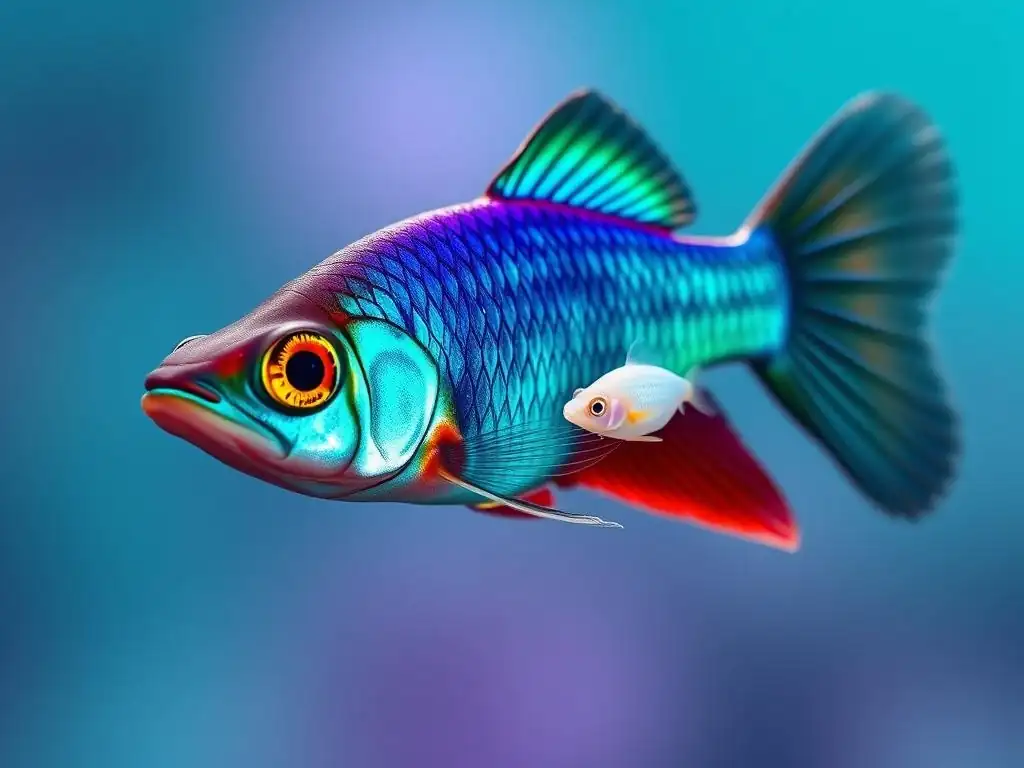
The appropriate tank size is a foundational element in addressing the sex-specific needs of guppies, especially when considering a guppy breeding care differences guide. While a minimum of a 10-gallon tank is often suggested for a small group of guppies, a larger tank, such as a 20-gallon or even 30-gallon, is significantly more beneficial, particularly if breeding is occurring or if both sexes are housed together. Larger tanks dilute waste products more effectively, reducing the frequency of water quality issues that can stress both male and female guppies.
For a mixed-sex community, a larger tank provides ample swimming space and helps mitigate male aggression or constant pursuit of females. A common recommendation is to maintain a male-to-female ratio of 1 male to 2-3 females. In a smaller tank, even with this ratio, males can stress females to exhaustion. A 20-gallon tank can comfortably house 6-8 adult guppies (e.g., 2 males and 4-6 females) along with some fry, offering enough territory and hiding spots to reduce stress and prevent fin nipping among males, which is crucial for their well-being.
Plant Placement: Providing Shelter and Breeding Grounds
Strategic plant placement is indispensable for creating an optimal environment that caters to the distinct needs of male and female guppies, particularly in a breeding setup. Dense planting, especially with fine-leaved plants like Guppy Grass ( Najas guadalupensis), Java Moss ( Taxiphyllum barbieri), or Anacharis ( Egeria densa), serves multiple vital functions. For females, these plants provide essential hiding spots and visual barriers, allowing them to escape the continuous attention of males and reduce stress, which is critical during pregnancy. Without adequate cover, females can become exhausted and susceptible to illness.
Beyond providing refuge for adult females, these plants act as natural nurseries for guppy fry. When fry are born, they instinctively seek cover to avoid predation by adult guppies (including their own parents) and other tank inhabitants. A thick canopy of floating plants or dense clumps of moss offers immediate shelter, significantly increasing fry survival rates. This aspect of tank setup directly supports the goals of a comprehensive guppy breeding care differences guide, ensuring a safer environment for the vulnerable fry and reducing the need for separate breeding traps, which can be stressful for the female.
Substrate and Decoration: Optimizing the Environment for Both Sexes
The choice of substrate and decorations plays a subtle yet important role in optimizing the guppy environment for both sexes. For substrate, fine gravel or sand is generally suitable. Guppies are primarily mid-to-top water dwellers and do not heavily interact with the substrate, but a clean, non-abrasive base is important for overall tank hygiene. A dark substrate can sometimes help enhance the vibrant colors of male guppies, making them appear even more striking against the background.
Regarding decorations, smooth, non-sharp elements like driftwood, smooth river stones, or ceramic ornaments are ideal. These provide additional visual breaks and hiding spots without posing a risk of tearing the delicate, flowing fins of male guppies, which are prone to damage.
For females, particularly those seeking refuge from male attention or preparing to give birth, these decorations, when combined with dense planting, offer crucial areas for retreat and stress reduction. Ensuring a clutter-free but adequately furnished environment contributes to the overall well-being and active behavior of both male and female guppies, reinforcing principles found in any thorough guppy breeding care differences guide.
Water Parameters: Maintaining Ideal Conditions
Temperature Requirements: Differences for Breeding
Maintaining precise water temperature is a critical aspect of guppy care, with subtle differences that can influence breeding. Generally, guppies thrive in a temperature range of 72-82°F (22-28°C). However, for active breeding, many aquarists find that a slightly warmer temperature, around 78-80°F (25.5-26.5°C), can encourage more frequent spawning and potentially accelerate the gestation period for females. This warmer range also supports a higher metabolic rate, which can lead to faster growth in fry.
While a warmer temperature can promote breeding, consistency is paramount. Sudden fluctuations in temperature can cause significant stress to both male and female guppies, potentially leading to weakened immune systems and susceptibility to diseases like Ich. For males, stable temperatures contribute to overall vitality and color vibrancy. For females, especially those carrying fry, stable conditions reduce physiological stress, ensuring a healthier pregnancy and easier delivery. Therefore, a reliable heater and thermometer are indispensable tools for any aquarist following a guppy breeding care differences guide.
pH and Water Hardness: Ideal Ranges for Guppy Health
Guppies are known to be quite adaptable, but they generally prefer slightly alkaline and moderately hard water, reflecting their natural habitats in brackish or hard freshwater environments. The ideal pH range for guppies is typically between 6.8 and 7.8, with many successful breeders reporting optimal health and breeding activity closer to the 7.0-7.5 mark. Maintaining a stable pH within this range is more crucial than hitting an exact number, as fluctuations can be highly stressful.
Similarly, water hardness (measured as GH or dGH) is important. Guppies thrive in moderately hard to hard water, with a general hardness (GH) range of 8-12 dGH (approximately 140-210 ppm) being widely recommended. This hardness provides essential minerals like calcium and magnesium, which are vital for strong bone development in fry and overall osmoregulation for both adult males and females. Ensuring these parameters are consistently met contributes significantly to the long-term health and successful reproduction of your guppy population, a key focus of any effective guppy breeding care differences guide.
Water Changes: Frequency and Volume for a Balanced Ecosystem
Regular water changes are perhaps the single most important maintenance practice for maintaining a healthy guppy ecosystem, directly impacting the well-being of both sexes. A recommended schedule involves performing weekly water changes of 25-30% of the tank's volume. This routine helps to remove accumulated nitrates, phosphates, and other waste products that can become toxic if allowed to build up, leading to stress and disease. High nitrate levels, for example, can suppress the immune system in both male and female guppies, making them more vulnerable to common infections.
For breeding setups or tanks with a high bioload (many fish, especially fry), slightly more frequent or larger water changes might be necessary. Clean, well-oxygenated water is particularly critical for pregnant female guppies, reducing the risk of complications and supporting the health of developing fry. It also ensures that male guppies maintain their vibrant colors and fin health, as poor water quality can quickly lead to fin rot.
Always remember to use a good quality dechlorinator to treat tap water before adding it to the tank, as chlorine and chloramines are harmful to fish. This consistent practice is fundamental to any comprehensive guppy breeding care differences guide.
Feeding Habits: Nutritional Requirements for Male and Female Guppies
Diet for Male Guppies: Enhancing Color and Vitality
The diet for male guppies plays a crucial role in enhancing their vibrant coloration and maintaining their overall vitality. To achieve the most brilliant hues, their diet should include foods rich in carotenoids and other color-enhancing pigments. High-quality flake foods specifically formulated for tropical fish, often containing spirulina, astaxanthin, or other natural color enhancers, should form the staple. For instance, flakes with a high spirulina content (e.g., 20% or more) can significantly boost reds and oranges.
Supplementing their diet with protein-rich live or frozen foods like brine shrimp, daphnia, or bloodworms 2-3 times a week further supports their energy levels and fin health. These foods provide essential amino acids that contribute to muscle development and overall vigor, allowing males to display their full potential and maintain their active courtship behaviors. Feeding small amounts 2-3 times a day is ideal, ensuring all food is consumed within a few minutes to prevent water fouling.
Diet for Female Guppies: Supporting Pregnancy and Fry Development
Female guppies, especially when pregnant, have significantly higher nutritional demands than males due to the energy expended in developing and bearing live young. Their diet should be particularly rich in protein and calcium to support both their own health and the proper development of the fry's bones and tissues. A high-quality flake food should be the base, but it must be supplemented with a variety of nutrient-dense options.
Frozen or live foods like bloodworms, mysis shrimp, and artemia (brine shrimp) are excellent choices, providing the necessary protein boost. Some aquarists also offer finely crushed calcium-rich foods or even specialized fry foods to pregnant females, as these are formulated with the high nutritional content needed for rapid growth. Increasing the feeding frequency to 3-4 times a day with smaller portions can help ensure they receive adequate nutrition without overfeeding. This targeted nutritional approach is a cornerstone of any effective guppy breeding care differences guide.
Live Foods vs. Flake Foods: A Balanced Approach
A balanced approach incorporating both high-quality flake foods and a variety of live or frozen foods is generally the best strategy for meeting the nutritional needs of both male and female guppies. Flake foods provide a convenient and complete base diet, often fortified with vitamins and minerals necessary for daily health. Opt for flakes with a protein content of at least 35-40% for optimal guppy health and growth.
Live foods, such as newly hatched brine shrimp, daphnia, and microworms, offer superior nutritional value, promote natural hunting behaviors, and are highly palatable. For instance, live daphnia are excellent for digestive health, while baby brine shrimp are packed with protein. However, live foods carry a slight risk of introducing parasites or diseases if not sourced from reputable suppliers.
Frozen alternatives provide similar nutritional benefits without the same risk. Rotating between flake, frozen, and occasional live foods ensures a comprehensive nutritional profile for all guppies, supporting male coloration and vitality while adequately fueling female pregnancy and fry development, a key aspect of a thorough guppy breeding care differences guide.
Breeding Management: Separating and Caring for Fry
Guppy Breeding Behavior: Understanding the Mating Process
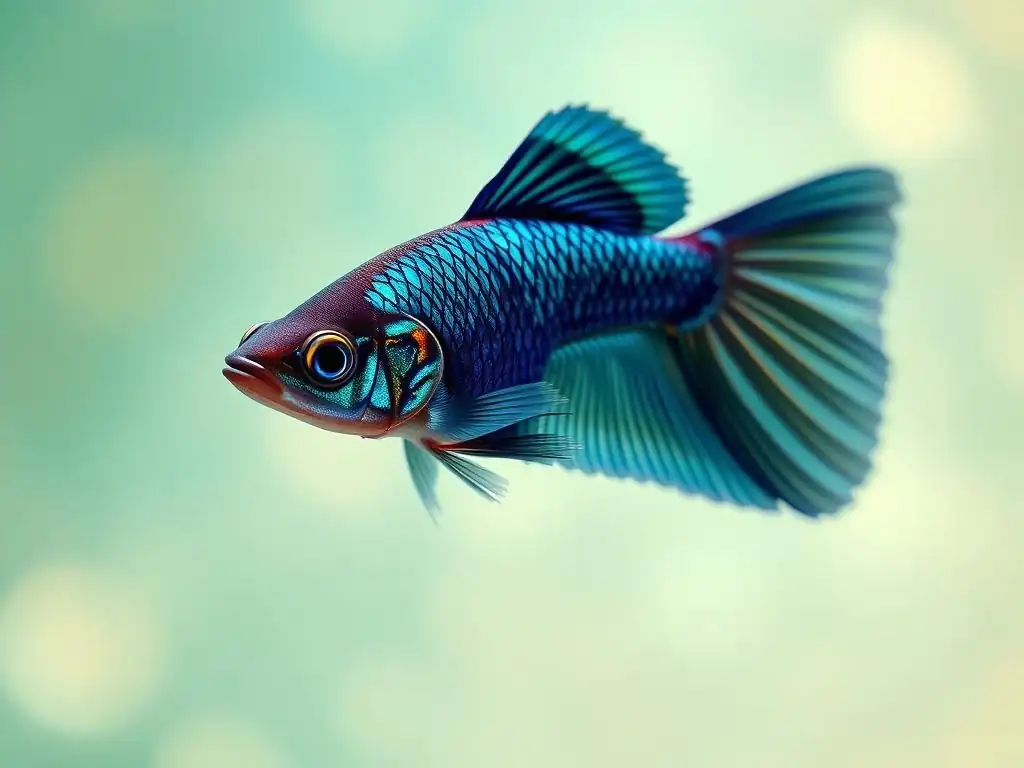
Understanding guppy breeding behavior is fundamental for anyone interested in their reproduction. Guppies are livebearers, meaning they give birth to live, fully formed fry rather than laying eggs. The mating process involves the male constantly pursuing the female, displaying his vibrant colors and elaborate fins. When a female is receptive, the male will use his gonopodium (modified anal fin) to internally fertilize her. This process is typically very quick and can happen multiple times a day.
One remarkable aspect of guppy reproduction is that females can store sperm for several months after a single fertilization, allowing them to produce multiple broods (typically 3-5) without the presence of a male. This explains why a female guppy purchased from a pet store might give birth even if she's the only female in the tank. This prolific breeding capability means that if both sexes are present, a guppy population can explode rapidly, often resulting in 20-100 fry per brood, making population management a key consideration in any guppy breeding care differences guide.
Gestation Period and Signs of Pregnancy in Female Guppies
The gestation period for female guppies typically lasts between 21 to 30 days, averaging around 28 days under ideal conditions (e.g., water temperature of 78-80°F). As the pregnancy progresses, several clear signs indicate that a female is nearing delivery. The most noticeable sign is a significantly swollen abdomen, which will appear much larger and more rounded, often developing a "boxy" or "squared-off" shape in the days leading up to birth.
Another crucial indicator is the gravid spot, a dark spot located near the anal fin. This spot becomes much darker and more prominent as the fry develop inside, especially in lighter-colored females where it might appear almost black. Other behavioral signs may include increased reclusiveness, seeking out hiding spots among plants, or a slight decrease in appetite. Recognizing these signs allows an aquarist to prepare for the arrival of fry and implement a specific guppy breeding care differences guide for the pregnant female and her offspring.
Fry Care: Setting Up a Separate Nursery Tank
Effective fry care is crucial for ensuring the survival and healthy development of guppy offspring. Due to the high risk of predation by adult guppies (including their parents) and other tank inhabitants, setting up a separate nursery tank is highly recommended.
A 5-10 gallon tank equipped with a gentle sponge filter (to prevent fry from being sucked in), a heater to maintain stable temperatures (e.g., 78°F), and plenty of fine-leaved plants like Java Moss or Guppy Grass offers an ideal safe haven. These plants provide natural hiding spots and a surface for beneficial microorganisms to grow, which fry can graze on.
While breeding boxes or nets can be used within the main tank, they are generally not ideal for long-term fry rearing. They often restrict water flow, can be stressful for the female if she is kept in one for too long, and offer limited space for the fry to grow.
A dedicated nursery tank allows for optimal water quality management, targeted feeding, and minimizes stress for both the mother (who can be moved back to the main tank after giving birth) and the delicate fry, making it a cornerstone of any detailed guppy breeding care differences guide focused on successful propagation.
Feeding Fry: Ideal Food Sources for Growth and Survival
Providing appropriate food sources is paramount for the rapid growth and survival of guppy fry. Due to their small size, fry require extremely tiny, highly nutritious foods that they can easily consume. Newly hatched brine shrimp are considered one of the best first foods for guppy fry. They are packed with protein and essential fats, promoting fast growth and vibrant coloration. A batch of brine shrimp can be hatched daily to ensure a constant supply of fresh, live food.
Alternatively, microworms, finely crushed high-quality flake food (powdered between fingers), or specialized liquid fry foods are also excellent options. Fry have very small stomachs and a high metabolic rate, so they need to be fed frequently – typically 4-6 times a day – in small amounts.
Overfeeding can quickly foul the water in a small nursery tank, so it's important to feed only what they can consume within a few minutes. Maintaining pristine water conditions through regular small water changes (e.g., 10-20% daily) in the fry tank is just as crucial as providing the right food for their development, a key component of a comprehensive guppy breeding care differences guide.
Health Concerns: Sex-Specific Issues
Common Diseases Affecting Male Guppies
Male guppies, despite their robust nature, are susceptible to certain health issues that can be exacerbated by their specific characteristics and behaviors. Fin rot is a common ailment, often affecting their elaborate caudal and dorsal fins. This can be caused by poor water quality (high nitrates), bacterial infections, or physical damage from fin nipping by other aggressive tank mates or even other guppies. The long, flowing fins of show guppies are particularly vulnerable to tearing and subsequent infection.
Another concern for males is stress-related illnesses, sometimes induced by constant pursuit of females or overcrowding. Stress can weaken their immune system, making them more prone to common parasitic infections like Ich (white spot disease) or bacterial infections such as Columnaris (often called "Cotton Mouth" or "Cotton Wool Disease"), which can manifest as white, cotton-like growths on their fins or body. Maintaining excellent water quality and a proper male-to-female ratio helps mitigate these risks, a vital part of a guppy breeding care differences guide.
Common Diseases Affecting Female Guppies, especially Post-Partum
Female guppies face unique health challenges, particularly related to the physical strain of frequent pregnancies and childbirth. One significant concern is dropsy, which is not a disease itself but a symptom of underlying kidney failure or severe internal bacterial infection, often characterized by a swollen body and scales protruding like a pinecone. Females can be more susceptible to dropsy if they are overbred, stressed, or live in poor water conditions.
Post-partum complications are also a risk. After giving birth to multiple broods, female guppies can become exhausted, weakened, or even suffer from internal damage. Retained fry or unexpelled eggs can lead to internal infections. They may also be more prone to fungal infections or bacterial infections if their immune system is compromised during this vulnerable period. Providing a nutrient-rich diet and a peaceful environment, especially after birth, is crucial for their recovery and long-term health, as highlighted in any comprehensive guppy breeding care differences guide.
Preventing Illness: Quarantine and Observation
Preventing illness in guppies, regardless of sex, is always preferable to treatment. A fundamental preventative measure is to quarantine all new fish for a period of 2-4 weeks before introducing them to the main aquarium. During this time, observe them closely for any signs of disease (e.g., clamped fins, lethargy, loss of appetite, spots, unusual growths). This practice helps prevent the introduction of pathogens into your established tank, protecting your existing male and female guppies from potential outbreaks.
Daily observation of your guppy community is another critical preventative step. By regularly checking on your fish, you can quickly spot subtle changes in behavior, appearance, or swimming patterns that might indicate the onset of illness. Early detection allows for prompt intervention, which significantly increases the chances of successful treatment. For instance, a male guppy showing slight fin clamping or a female becoming unusually reclusive could be early signs of stress or illness that warrant closer inspection and potentially proactive measures to maintain water quality or adjust diet, reinforcing practices in a detailed guppy breeding care differences guide.
Male Guppy Care: Specific Considerations
Fin Nipping: Preventing Aggression in Male Guppies
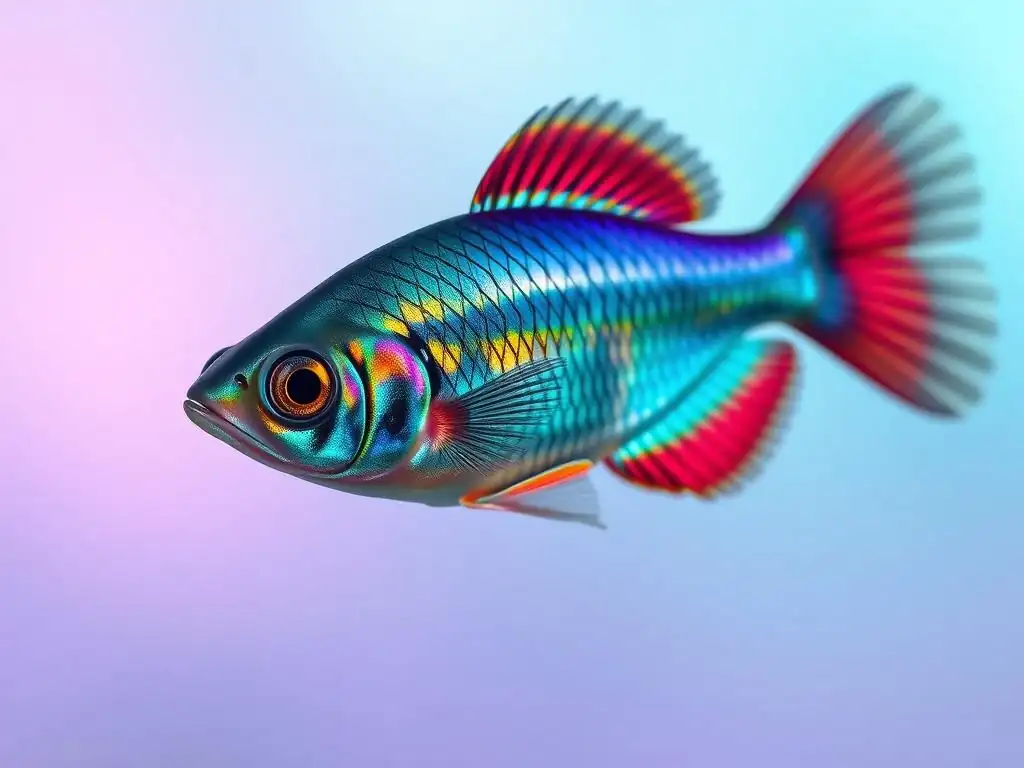
While generally considered peaceful, male guppies can sometimes exhibit fin nipping behavior, particularly towards each other or other long-finned tank mates. This aggression often stems from overcrowding, competition for females, or an imbalanced male-to-female ratio. A tank that is too small (e.g., less than 10 gallons for a group) can exacerbate this issue, as males lack sufficient space to establish territories or avoid constant interaction.
To prevent fin nipping and reduce stress among male guppies, ensure the aquarium is adequately sized for the number of fish you keep. Maintaining a proper male-to-female ratio (e.g., 1 male to 2-3 females) helps disperse the males' attention and reduces competition. Providing ample visual barriers and hiding spots through dense planting and decorations also allows males to retreat and break line of sight, significantly reducing aggressive encounters and protecting their delicate fins, a crucial aspect of a comprehensive guppy breeding care differences guide.
Maintaining Male Guppy Coloration and Fin Health
Maintaining the vibrant coloration and exquisite fin health of male guppies requires consistent attention to their environment and diet. Their brilliant colors are often an indicator of good health and low stress. A high-quality diet rich in carotenoids and astaxanthin, found in foods like spirulina flakes or specialized color-enhancing pellets, is essential. For example, feeding flakes with a guaranteed minimum of 10% spirulina can visibly enhance red and orange pigments within a few weeks.
Pristine water conditions are equally vital. High nitrate levels, fluctuating pH, or the presence of ammonia and nitrite can quickly dull colors and lead to fin rot, causing the beautiful fins to fray or dissolve. Regular weekly water changes of 25-30% help keep these parameters in check. Additionally, ensuring tank decorations are smooth and free of sharp edges prevents physical damage to their delicate fins. By addressing these factors, aquarists can ensure their male guppies display their full aesthetic potential, a key focus when considering a guppy breeding care differences guide.
Tank Mates for Male Guppies: Choosing Compatible Species
Choosing compatible tank mates is crucial for the well-being of male guppies, ensuring they remain vibrant and stress-free. Ideal tank mates are peaceful, non-aggressive, and do not have a reputation for fin nipping. Good options include other small, docile community fish such as Corydoras catfish, Otocinclus catfish, peaceful tetras like Neon Tetras or Ember Tetras, and small rasboras such as Harlequin Rasboras. These species occupy different parts of the water column and generally ignore guppies.
It is important to avoid aggressive or fin-nipping species, such as Tiger Barbs, certain types of larger cichlids, or even some larger gouramis, as they can cause significant stress and damage to the male guppies' elaborate fins. Keeping guppies with species that have similar water parameter requirements also ensures a harmonious environment. Selecting appropriate tank mates contributes significantly to a low-stress environment, allowing male guppies to thrive and display their full color and vigor, which is a consideration often included in a detailed guppy breeding care differences guide.
Preventing Stress in Pregnant Female Guppies
Pregnant female guppies are particularly susceptible to stress, which can lead to complications during gestation or birth, and even increase susceptibility to disease. The constant pursuit by male guppies for mating can be a significant source of stress. To mitigate this, it is crucial to maintain an appropriate male-to-female ratio, ideally 1 male to 2-3 females, to dilute the males' attention.
Providing ample hiding spots within the aquarium is equally important. Dense live plants, such as Guppy Grass or Java Moss, or small caves and decorations, offer pregnant females places to retreat and rest away from persistent males.
While breeding boxes or nets can be used to isolate a female close to giving birth, prolonged confinement in these small spaces can be highly stressful. It's often better to move the female to a separate, well-planted nursery tank just before birth signs are evident, allowing her more space and reducing stress, which is a critical aspect of any comprehensive guppy breeding care differences guide.
Post-Partum Care for Female Guppies
The period immediately following childbirth is a vulnerable time for female guppies, requiring specific post-partum care to ensure their recovery and long-term health. Giving birth to dozens of fry is physically demanding, and females can be exhausted and weakened. Providing them with a high-quality, protein-rich diet immediately after birth helps replenish their energy reserves and supports tissue repair. Foods like frozen brine shrimp or bloodworms are excellent choices for their recovery.
Maintaining pristine water conditions in the main tank is also paramount. Clean, stable water reduces the risk of secondary infections that females might be susceptible to due to a temporarily weakened immune system. Monitor the female closely for any signs of distress, clamped fins, or unusual behavior in the days following birth. Ensuring she has ample space and continues to have access to hiding spots helps reduce any ongoing stress from male attention, allowing her to fully recover before the next breeding cycle, as outlined in a thorough guppy breeding care differences guide.
Managing Overpopulation: Strategies for Controlling Breeding
Guppies are notoriously prolific breeders, and without active management, a tank can quickly become overpopulated. Managing overpopulation is a key aspect of long-term guppy care, especially within a guppy breeding care differences guide. One effective strategy is to keep an all-male tank. This completely eliminates breeding, allowing male guppies to live out their lives without the constant pursuit of females or the stress of reproduction.
Alternatively, in a community tank, allowing natural predation can help control numbers. Larger, peaceful fish that won't harm adult guppies but will readily consume fry (e.g., certain larger tetras, peaceful gouramis, or even some types of Angelfish if the tank is large enough) can keep the population in check. However, this method means some fry will not survive.
For hobbyists who want to control numbers precisely without predation, regular culling of fry or finding new homes for excess fish are necessary practices. Without these interventions, overcrowding can lead to poor water quality, stunted growth, increased aggression, and overall reduced health for the entire guppy community.
Guppy Breeding Care Differences Guide: Summary and Best Practices
Key Takeaways for Caring for Male and Female Guppies
Caring for male and female guppies optimally involves understanding and addressing their distinct biological needs, a cornerstone of any effective guppy breeding care differences guide. For male guppies, the focus should be on maintaining their vibrant coloration and fin integrity through a high-protein, color-enhancing diet and pristine water conditions. Preventing fin nipping through adequate space and a balanced male-to-female ratio (1:2-3) is also crucial for their well-being and appearance.
Female guppies, on the other hand, require particular attention to their nutritional needs, especially during and after pregnancy, with diets rich in protein and calcium. Providing ample hiding spots and reducing stress from constant male attention are vital for their health and successful reproduction. Post-partum care is also paramount to ensure their recovery. Ultimately, recognizing that a female guppy's care cycle is heavily influenced by her reproductive role, while a male's care focuses on vitality and display, allows for tailored approaches that benefit both sexes.
Creating a Thriving Guppy Community
Creating a thriving guppy community hinges on the proactive application of a comprehensive guppy breeding care differences guide. This means establishing a tank environment that supports the specific requirements of both male and female guppies: a sufficiently sized aquarium (e.g., 20+ gallons for a breeding group), dense planting for shelter and fry protection, and stable, ideal water parameters (e.g., 72-82°F, pH 6.8-7.8, GH 8-12 dGH). Consistent weekly water changes (25-30%) are non-negotiable for maintaining water quality and preventing disease.
Beyond environmental factors, a varied and targeted diet is essential, with males benefiting from color-enhancing foods and females requiring extra protein and calcium for gestation. Active management of breeding, whether through separate nursery tanks for fry or controlled population strategies, ensures a sustainable and healthy community. By adhering to these best practices, aquarists can enjoy the beauty, activity, and fascinating reproductive cycle of guppies, fostering a truly vibrant and robust aquatic ecosystem.
Frequently Asked Questions
How does gender impact guppy feeding requirements?
While both male and female guppies thrive on a varied diet, pregnant females require more nutritious food to support the developing fry. This often involves supplementing with high-protein options.
Are there differences in tank size recommendations for male versus female guppies?
No, tank size recommendations primarily depend on the number of guppies, not their sex. However, it's crucial to consider that females breed rapidly, so larger tanks are generally advisable.
Do male and female guppies have distinct water chemistry needs?
No, both male and female guppies require the same stable water conditions. Maintaining proper pH, temperature, and ammonia levels is crucial for the health of all guppies.
Are there any health issues that predominantly affect only one sex?
Yes, female guppies are susceptible to complications related to pregnancy and birthing, such as prolapse. Males are generally less prone to these specific issues.
How does aquarium decoration impact male and female guppies differently?
Providing plenty of hiding places with plants and decorations is particularly important for female guppies. This gives them refuge from constant male attention, especially during and after pregnancy.
Okay, here's a final reflection tailored for your "Are Male and Female Guppies Cared For Differently? Key Insights" article, optimized for the keyword "Guppy breeding care differences guide" and following the structure you provided:
Final Reflection: Nurturing Life's Delicate Balance
The insights shared in this guide highlight that understanding the nuances of guppy care, particularly the distinct needs of male and female guppies, is not just about keeping fish alive; it's about fostering a thriving ecosystem within our own homes. Ignoring these differences can lead to stress, illness, and ultimately, a less vibrant and fulfilling life for these fascinating creatures. This understanding is more crucial now than ever, as responsible pet ownership becomes increasingly important in a world that often overlooks the delicate balance of nature.
The journey into the world of guppy breeding reveals a deeper connection to the natural world, reminding us of the intricate dance of life and the responsibility we bear as custodians of these miniature ecosystems. It's not simply about following a checklist; it's about observing, adapting, and responding to the unique needs of each individual fish. As the renowned naturalist John Muir wisely stated: When we try to pick out anything by itself, we find it hitched to everything else in the Universe.
This quote perfectly encapsulates the interconnectedness of guppy care, reminding us that every action, every decision, has a ripple effect on the health and well-being of our aquatic companions.
Now, armed with this knowledge of guppy breeding care differences, I invite you to reflect on your own approach to pet ownership. Consider how you can apply these principles of observation, adaptation, and responsible care not only to your guppies but to all living beings in your life. Let this guide be a catalyst for a deeper appreciation of the natural world and a commitment to nurturing life's delicate balance, one guppy at a time.
Dive Deeper: Master Your Guppy Care!
Thank you for exploring the fascinating nuances of guppy care with us! We hope you've gained valuable insights into the subtle differences between caring for male and female guppies. Now, let's put that knowledge into action:
- Immediately assess your guppy tank: Are your male and female guppies housed appropriately, considering their specific needs and the potential for overbreeding?
- Share your newfound knowledge! Post your favorite guppy care tip on social media using #AquariumMasteryGuppies.
- Research compatible tank mates for your guppies to create a thriving and balanced aquarium ecosystem.
Ready to revamp your guppy care routine and create the ultimate aquatic paradise for your finned friends? What specific adjustments will you make to your guppy tank setup based on what you've learned today?