
Ideal Betta Tank Temperature: Keeping Your Fish Cozy

Welcome to Aquarium Mastery!
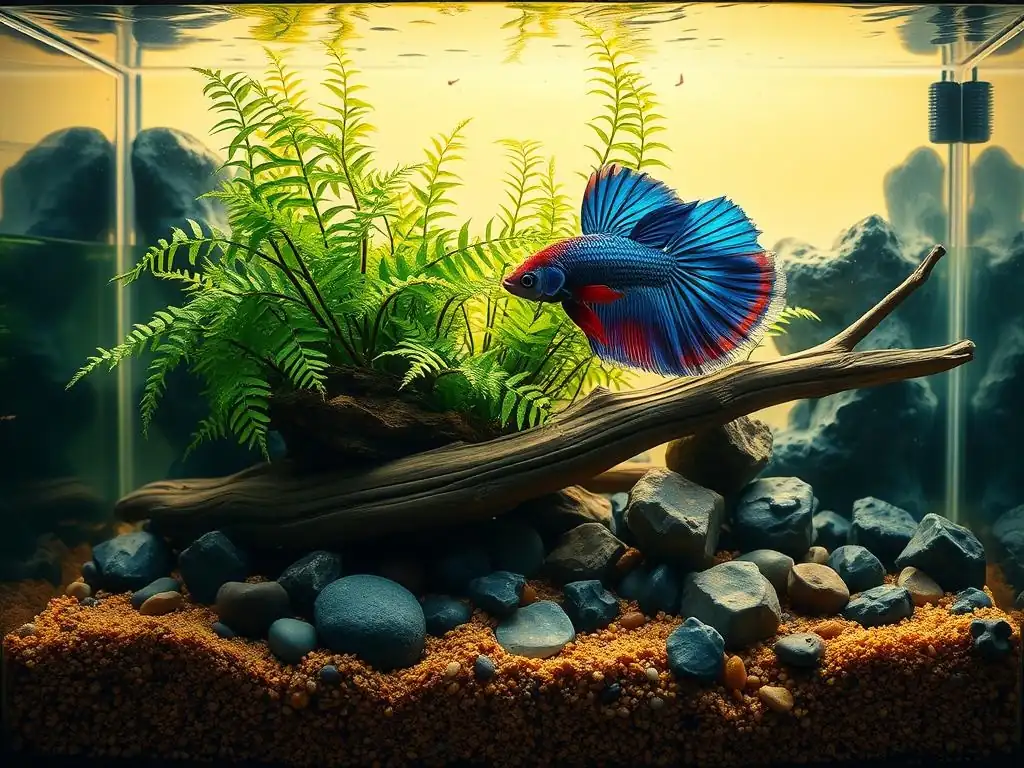
Are you ready to unlock the secrets to a thriving aquarium? Discover the nuances of freshwater ecosystems and ensure your aquatic friends live their best lives. Speaking of thriving, finding the perfect environment is key, especially when it comes to your colorful Betta. Dive into our guide and learn everything you need to know about Betta fish tank temperature and how to keep your finned friend cozy and healthy! What's the ideal range, and what happens if it's too hot or too cold? Let's find out!
- Ideal Betta Tank Temperature: Keeping Your Fish Healthy
- Understanding the Importance of Betta Fish Tank Temperature
- What is the Ideal Betta Fish Tank Temperature Range?
- Setting Up Your Betta Tank for Optimal Temperature
- Monitoring Your Betta Fish Tank Temperature
- Troubleshooting Temperature Issues in Betta Fish Tanks
- Maintaining Consistent Betta Tank Temperature Year-Round
- Beyond Temperature: Other Important Water Parameters for Betta Fish
- Common Betta Fish Diseases Related to Temperature: Ich and Fin Rot
-
Frequently Asked Questions
- How important is the Betta fish tank temperature for my Betta's health?
- What is the ideal Betta fish tank temperature range?
- What happens if the Betta fish tank temperature is too low?
- How can I accurately monitor the Betta fish tank temperature?
- What type of heater is recommended for maintaining the correct Betta fish tank temperature?
- Final Reflection: The Warmth of Well-Being
- Secure Your Betta's Health: Optimize Their Tank Today!
Ideal Betta Tank Temperature: Keeping Your Fish Healthy
Understanding the Importance of Betta Fish Tank Temperature
Why Temperature Matters for Betta Fish Health
The temperature of a Betta fish's environment is not merely a comfort factor; it is a critical determinant of their metabolic rate, immune system function, and overall well-being. Betta fish, also known as Siamese Fighting Fish, originate from the tropical floodplains, rice paddies, and slow-moving streams of Southeast Asian countries such as Thailand, Cambodia, and Vietnam. In these natural habitats, water temperatures are consistently warm and stable, typically ranging from 75°F to 82°F (24°C to 28°C). Mimicking this consistent warmth in an aquarium is paramount for their survival and thriving.
Maintaining the correct Betta fish tank temperature ensures their bodily functions, such as digestion and respiration, operate efficiently. A stable, warm environment allows their immune system to function optimally, making them more resilient to common diseases. When the water is too cold, a Betta's metabolism slows down significantly, leading to lethargy, reduced appetite, and a weakened ability to fight off pathogens, directly impacting their health and longevity.
The Impact of Incorrect Water Temperature on Betta Fish: Disease and Stress
Incorrect Betta fish tank temperature can have severe detrimental effects, ranging from chronic stress to fatal diseases. If the water is consistently too cold, typically below 75°F (24°C), Betta fish become sluggish and inactive. Their immune system weakens considerably, leaving them highly susceptible to common freshwater ailments like Ich (white spot disease), a parasitic infection that manifests as small, white spots on the fish's body and fins. Prolonged exposure to cold temperatures can also lead to organ damage and a drastically shortened lifespan.
Conversely, water that is too warm, consistently above 82°F (28°C), can also be harmful. Elevated temperatures increase a Betta's metabolism to an unhealthy rate, leading to rapid aging and increased stress. Higher temperatures also reduce the dissolved oxygen content in the water, causing the fish to gasp at the surface, indicating respiratory distress. This stress can compromise their immune system, making them vulnerable to bacterial infections like fin rot or columnaris. Therefore, maintaining the ideal Betta fish tank temperature is crucial to prevent these adverse health outcomes.
What is the Ideal Betta Fish Tank Temperature Range?
Recommended Temperature Range: 78-80°F (25.5-26.7°C) for Optimal Betta Health
For optimal health, vibrancy, and longevity, the ideal Betta fish tank temperature should consistently fall within the range of 78-80°F (25.5-26.7°C). This specific range closely replicates the warm, stable conditions found in their natural tropical habitats. Within this temperature window, a Betta's metabolism functions efficiently, promoting healthy digestion, robust immune response, and active behavior.
Maintaining the Betta fish tank temperature within this narrow range supports vibrant coloration, encourages natural swimming patterns, and minimizes stress. It ensures that the fish can comfortably digest their food, absorb nutrients effectively, and fend off potential illnesses. Deviations outside this range, even by a few degrees, can begin to negatively impact their well-being, making precise temperature control a cornerstone of proper Betta care.
Avoiding Temperature Fluctuations: Maintaining Stability Below 2°F (1.1°C) per Day
While hitting the ideal Betta fish tank temperature is vital, maintaining its stability is equally, if not more, important. Rapid or frequent temperature fluctuations are a significant source of stress for Betta fish and can severely compromise their immune system, regardless of whether the temperature remains within the acceptable range. Ideally, the temperature in your Betta tank should not fluctuate by more than 2°F (1.1°C) within a 24-hour period.
Even a sudden drop or rise of a few degrees can shock a Betta's system, leading to lethargy, loss of appetite, and increased susceptibility to diseases like Ich. Common culprits for such fluctuations include uninsulated tanks, drafts from windows or air conditioning units, direct sunlight, or faulty heating equipment. Consistent monitoring and preventive measures are essential to ensure the Betta fish tank temperature remains as stable as possible, providing a secure and healthy environment for your fish.
Setting Up Your Betta Tank for Optimal Temperature
Choosing the Right Aquarium Heater: Wattage Based on Tank Size
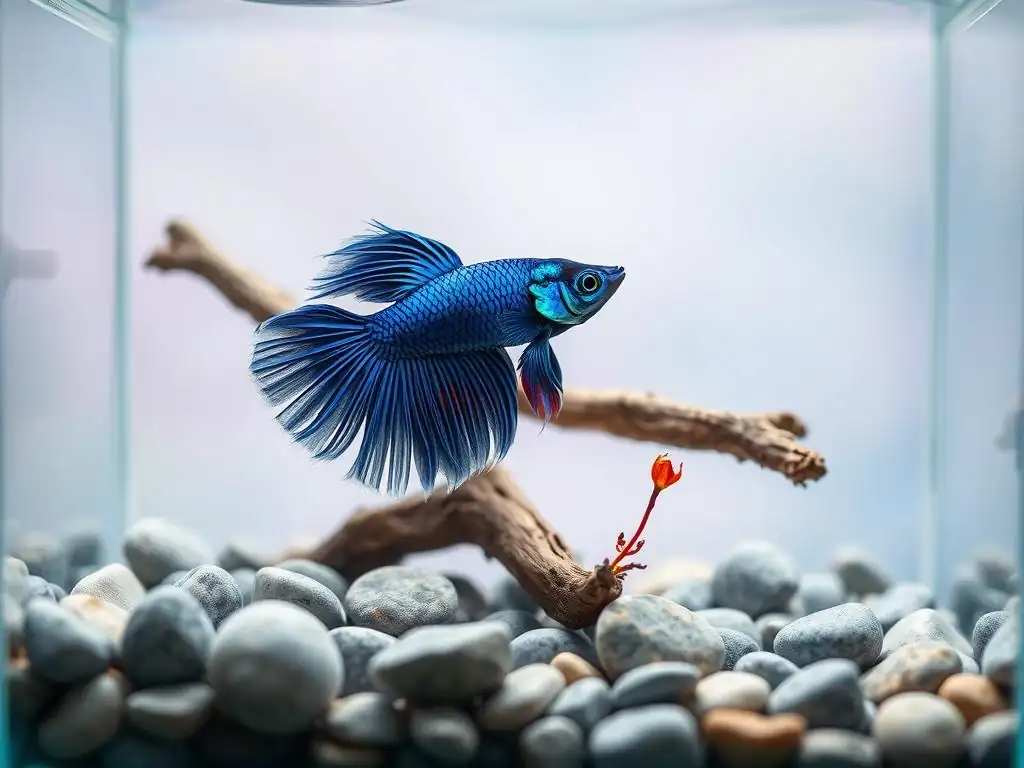
Selecting the appropriate aquarium heater is fundamental for maintaining the ideal Betta fish tank temperature. Submersible heaters are generally recommended for Betta tanks due to their efficiency and ability to be fully submerged for even heating. The wattage of the heater should be matched to the tank's volume, as an undersized heater will struggle to warm the water adequately, while an oversized one can cause rapid temperature spikes.
A general guideline for heater wattage is approximately 5 watts per gallon for tanks in a typical room temperature environment (around 70°F or 21°C). For instance, a 5-gallon Betta tank, a popular size for these fish, typically requires a 25-watt heater to maintain the precise 78-80°F Betta fish tank temperature. A 10-gallon tank would benefit from a 50-watt to 75-watt heater, and a 20-gallon tank would likely need a 75-watt to 100-watt unit. Always choose a heater with an adjustable thermostat to set and fine-tune the desired temperature.
Heater Placement and Water Circulation for Even Heating
Proper heater placement and adequate water circulation are critical to ensure uniform heating throughout the Betta tank, preventing localized hot or cold spots. The most effective placement for a submersible heater is typically near the filter's outflow or in an area with good water flow. This allows the warmed water to be quickly dispersed throughout the entire aquarium, maintaining a consistent Betta fish tank temperature.
In smaller Betta tanks, which often have minimal filtration, ensuring proper circulation can be a challenge. A gentle air stone or a small sponge filter can provide the necessary water movement without creating excessive current, which Betta fish dislike. Without adequate circulation, the water directly surrounding the heater can become significantly warmer than the rest of the tank, creating thermal stratification and potential stress for your fish.
The Importance of an Accurate Aquarium Thermometer: Digital vs. Analog
Even with a thermostat-controlled heater, an accurate aquarium thermometer is an indispensable tool for verifying and monitoring the Betta fish tank temperature. Heater thermostats can sometimes malfunction or be inaccurate, making a separate thermometer your primary check for the actual water temperature. Relying solely on the heater's dial can lead to dangerous temperature deviations.
There are several types of thermometers available:
- Stick-on LCD thermometers: These adhere to the outside of the tank. While convenient, they measure the glass temperature, not the actual water temperature, and can be less accurate.
- Floating glass thermometers: These are placed directly in the water. They are generally more accurate than stick-on types but can be fragile.
- Submersible digital thermometers: Often considered the most accurate and easiest to read, these feature a digital display and are fully submerged in the water, providing real-time measurements of the Betta fish tank temperature.
Investing in a reliable submersible digital thermometer is highly recommended for precise monitoring and peace of mind.
Monitoring Your Betta Fish Tank Temperature
How to Read and Interpret Your Aquarium Thermometer
Regularly reading and interpreting your aquarium thermometer is a fundamental part of maintaining the ideal Betta fish tank temperature. For floating or submersible thermometers, ensure the thermometer is fully submerged and stable before taking a reading. With digital thermometers, the temperature is displayed numerically, making it straightforward to read. For analog thermometers, locate the liquid column and read the temperature at the top of the column against the scale.
It is advisable to check the Betta fish tank temperature at least once daily, preferably at the same time each day, to identify any consistent patterns or sudden changes. If the reading consistently falls outside the 78-80°F (25.5-26.7°C) ideal range, or if you notice significant fluctuations, it signals that adjustments to your heating setup or environment are necessary. For instance, a reading of 75°F indicates underheating, while 82°F suggests overheating, both requiring prompt action.
Recognizing Signs of Temperature Stress in Betta Fish: Listlessness, Clamped Fins, Loss of Appetite
Your Betta fish will often display clear signs if the Betta fish tank temperature is not to their liking. Recognizing these symptoms early allows for timely intervention, preventing more serious health issues.
- Too Cold (below 75°F / 24°C):
- Lethargy and Listlessness: The fish will be noticeably less active, often resting at the bottom of the tank or remaining still for extended periods.
- Clamped Fins: Fins will be held close to the body, appearing stiff and not fanned out as usual.
- Reduced Appetite: The Betta may refuse food or show little interest in feeding.
- Dull Coloration: Colors may appear faded or muted.
- Increased Susceptibility to Ich: Cold stress significantly weakens their immune system, making them prone to parasitic infections.
- Too Hot (above 82°F / 28°C):
- Rapid Gill Movement/Gasping at Surface: Indicating a lack of dissolved oxygen in the water.
- Erratic or Frantic Swimming: The fish may dart around or appear agitated.
- Faded Color: Similar to cold stress, but often accompanied by other "hot" symptoms.
- Increased Mucus Production: A stress response.
- Loss of Appetite: Due to metabolic overdrive and discomfort.
Observing any of these signs warrants an immediate check of the Betta fish tank temperature and appropriate corrective action.
Troubleshooting Temperature Issues in Betta Fish Tanks
Dealing with Overheating: Cooling Down Your Betta Tank with Fans or Ice Packs
If your Betta fish tank temperature rises above the ideal 80°F (26.7°C) mark, especially during warm weather or due to an overpowered heater, immediate cooling measures are necessary. Rapid cooling can shock your fish, so gradual reduction is key.
- Evaporative Cooling with Fans: A small clip-on fan positioned to blow across the water surface is an effective and safe method. The evaporation process naturally dissipates heat, often lowering the Betta fish tank temperature by a few degrees.
- Floating Ice Packs: Place sealed bags of ice (ensure they are clean and made with RO water or dechlorinated tap water to prevent contamination) into the tank. Do not let the ice directly contact the fish or plants. Remove the bags once the temperature stabilizes.
- Small, Cooler Water Changes: Perform a small water change (e.g., 10-15%) using dechlorinated water that is a few degrees cooler than the tank water. Do this incrementally, monitoring the temperature carefully to avoid sudden drops.
Addressing Underheating: Warming Up Your Betta Tank with a Higher Wattage Heater
When the Betta fish tank temperature consistently falls below the recommended 78°F (25.5°C), your fish is at risk. The primary solution is to ensure your heater is appropriately sized and functioning correctly.
- Check Existing Heater: Verify that your current heater is plugged in, set correctly, and visibly working (e.g., indicator light on). Sometimes, a simple adjustment to the thermostat is all that's needed.
- Upgrade Heater Wattage: If your tank is consistently cold despite a functioning heater, it likely means the heater is undersized for your tank volume or ambient room temperature. Refer to the wattage guidelines (5 watts per gallon) and consider upgrading to a higher wattage heater to effectively raise and maintain the Betta fish tank temperature.
- Insulation: Add insulation to the tank (see below) to minimize heat loss to the environment.
- Relocate Tank: Move the tank away from cold drafts, windows, or exterior walls if possible.
Gradual warming is crucial; avoid sudden temperature spikes.
Common Causes of Temperature Swings and How to Prevent Them: Drafts, Direct Sunlight, Faulty Equipment
Understanding the root causes of temperature fluctuations is essential for maintaining a stable Betta fish tank temperature.
- Drafts: Cold air currents from open windows, doors, or air conditioning vents can rapidly cool the tank water.
- Prevention: Relocate the tank away from drafty areas, or use foam board insulation on the exposed sides of the tank to create a barrier.
- Direct Sunlight: Even indirect sunlight can significantly heat a small tank, especially in summer.
- Prevention: Place the tank away from direct sunlight, or use blinds/curtains to block intense sun during peak hours.
- Faulty Equipment: A malfunctioning heater or an inaccurate thermometer can lead to incorrect temperature readings and control.
- Prevention: Regularly test your heater and thermometer. Consider having a backup thermometer for cross-checking. Replace faulty equipment immediately.
- Room Temperature Fluctuations: If your home's ambient temperature varies widely throughout the day or night, it can impact the tank.
- Prevention: Use a reliable heater with a strong thermostat, and consider insulating the tank to buffer against external temperature changes, ensuring the Betta fish tank temperature remains consistent.
Maintaining Consistent Betta Tank Temperature Year-Round
Seasonal Temperature Adjustments for Betta Fish
The ambient temperature of your home can fluctuate significantly with the changing seasons, directly impacting the Betta fish tank temperature. While the ideal range of 78-80°F (25.5-26.7°C) should remain constant, your approach to maintaining it might need subtle adjustments. During colder months, your heater will work harder to maintain the set temperature. You might notice the heater's indicator light being on for longer periods. It's crucial to ensure your heater is adequately sized for these colder conditions.
Conversely, in warmer months, especially if your home is not air-conditioned, the tank might be prone to overheating. During these times, you might need to lower your heater's thermostat setting slightly or even unplug it if the room temperature consistently keeps the tank within the ideal range. However, always monitor the Betta fish tank temperature with a reliable thermometer, as even warm rooms can experience nighttime dips that require the heater to kick in. The goal is consistent warmth, not just a high average.
Insulating Your Aquarium for Temperature Stability: Using Foam or Tank Wraps
Insulating your aquarium is an effective, low-cost method to enhance temperature stability and reduce the workload on your heater, thus maintaining a more consistent Betta fish tank temperature. Insulation minimizes heat loss through the glass, especially in tanks placed against external walls or in cooler rooms.
- Under the Tank: Placing a foam mat or a piece of Styrofoam board directly under the aquarium provides a thermal barrier, preventing heat from escaping into the stand or floor. This is particularly important if your tank stand is open or made of materials that conduct heat away easily.
- Behind the Tank: Attaching a piece of foam insulation board (e.g., craft foam, Styrofoam, or even a sheet of reflective insulation) to the back of the tank can significantly reduce heat loss through the largest glass panel. You can easily cut this to size and secure it with tape or by placing the tank against a wall.
- Side Panels: For added insulation, especially in very cold environments, you can also apply foam or thin insulation panels to the sides of the tank that are not used for viewing.
These insulation methods help to buffer the Betta fish tank temperature against external environmental fluctuations, ensuring a more stable and energy-efficient setup.
Beyond Temperature: Other Important Water Parameters for Betta Fish
The Role of pH, Ammonia, Nitrite, and Nitrate
While ideal Betta fish tank temperature is paramount, it is only one component of a healthy aquatic environment. Other water parameters play equally vital roles in your Betta's well-being, and they are interconnected.
- pH: The measure of acidity or alkalinity. Bettas thrive in a slightly acidic to neutral pH range, typically between 6.5 and 7.5. Extreme pH levels can stress fish and inhibit their ability to process ammonia and nitrite.
- Ammonia (NH3/NH4+): A highly toxic compound produced by fish waste and decaying food. Even small amounts are lethal. Levels should always be 0 ppm (parts per million).
- Nitrite (NO2-): Also highly toxic, nitrite is produced during the first stage of the nitrogen cycle as beneficial bacteria convert ammonia. Levels should always be 0 ppm.
- Nitrate (NO3-): The final product of the nitrogen cycle, nitrate is less toxic than ammonia and nitrite but can still be harmful in high concentrations. Levels should ideally be kept below 20 ppm, preferably under 10 ppm.
Regular testing of these parameters using a reliable freshwater test kit is crucial. Maintaining stable Betta fish tank temperature alongside optimal water chemistry creates a truly thriving habitat.
Maintaining Water Quality Through Regular Water Changes: 25% Weekly
Regular water changes are the most effective method for maintaining pristine water quality and ensuring the health of your Betta fish. They remove accumulated nitrates, phosphates, and other dissolved organic compounds that can build up over time, and they replenish essential minerals. For a typical Betta tank, a 25% water change weekly is highly recommended.
When performing a water change, it is absolutely crucial to use dechlorinated water that is temperature-matched to the existing Betta fish tank temperature. Adding water that is significantly colder or warmer than the tank water can cause thermal shock, which is highly stressful and potentially fatal for your Betta. Use a dedicated bucket for aquarium water, and a siphon to remove water and clean the substrate. Always treat new water with a quality water conditioner to neutralize chlorine and chloramines before adding it to the tank.
Improper Betta fish tank temperature, particularly sudden fluctuations or sustained cold, can significantly weaken a Betta's immune system, making them highly susceptible to various diseases. Two common ailments often linked to temperature stress are Ich and Fin Rot.
- Ich (Ichthyophthirius multifiliis): Often referred to as "white spot disease," Ich is a highly contagious parasitic infection characterized by the appearance of small, white, salt-like spots scattered across the fish's body and fins. It is almost invariably triggered by sudden drops in Betta fish tank temperature, poor water quality, or general stress that compromises the fish's natural defenses. The parasite thrives in cooler water, and cold stress allows it to proliferate rapidly. Treatment often involves gradually raising the Betta fish tank temperature to 82-84°F (28-29°C) over a few days (if the fish can tolerate it, as this speeds up the parasite's life cycle) combined with specific medications.
- Fin Rot: This bacterial infection manifests as frayed, ragged, or disintegrating fins, sometimes accompanied by redness or white edges. While primarily caused by poor water quality (high ammonia or nitrite), a fluctuating or consistently low Betta fish tank temperature can severely stress the fish, making them vulnerable to secondary bacterial infections like fin rot. A weakened immune system due to thermal stress allows opportunistic bacteria to attack the fish's delicate fin tissue. Consistent, ideal Betta fish tank temperature and impeccable water quality are the best preventative measures against this and many other bacterial issues.
Frequently Asked Questions
How important is the Betta fish tank temperature for my Betta's health?
Maintaining the correct Betta fish tank temperature is crucial. Incorrect temperatures can lead to stress, weakened immune systems, and increased susceptibility to diseases.
What is the ideal Betta fish tank temperature range?
The ideal Betta fish tank temperature range is typically between 78-82°F (25.5-28°C). This range ensures that your Betta fish's metabolism functions optimally.
What happens if the Betta fish tank temperature is too low?
If the Betta fish tank temperature is too low, your Betta will become lethargic and prone to diseases like Ich. They may also exhibit reduced appetite and activity levels.
How can I accurately monitor the Betta fish tank temperature?
Use a reliable aquarium thermometer to monitor the Betta fish tank temperature. Place the thermometer in a location away from the heater for an accurate reading.
What type of heater is recommended for maintaining the correct Betta fish tank temperature?
An adjustable aquarium heater is highly recommended for maintaining the correct Betta fish tank temperature. This allows you to precisely control and maintain the desired temperature range.
Okay, here's a final reflection tailored for your article "Ideal Betta Tank Temperature: Keeping Your Fish Cozy," designed to resonate with readers and encourage further engagement:
Final Reflection: The Warmth of Well-Being
The intricacies of maintaining the correct betta fish tank temperature, as we've explored, aren't merely about numbers; they're about fostering an environment where these vibrant creatures can truly thrive. Understanding and diligently managing this crucial aspect of their care directly translates to their health, happiness, and longevity. Neglecting this fundamental need can have devastating consequences, highlighting the profound responsibility we undertake when welcoming a betta into our lives.
This journey into the ideal betta fish tank temperature has underscored the importance of informed and compassionate pet ownership. It's a reminder that even seemingly small details, like a few degrees of temperature difference, can have a significant impact on the well-being of another living being. The greatness of a nation and its moral progress can be judged by the way its animals are treated.
- Mahatma Gandhi. This quote, while broad, resonates deeply when considering the care we provide to our bettas; their comfort and health are a direct reflection of our commitment to their well-being.
Now, armed with this knowledge, I encourage you to reflect on your own betta's environment. Are you providing the optimal conditions for them to flourish? Take the time to double-check your thermometer, adjust your heater if needed, and ensure your betta is living in the warm, comfortable haven they deserve. Your dedication to their well-being will be rewarded with their vibrant colors, playful personalities, and the enduring joy they bring to your life.
Secure Your Betta's Health: Optimize Their Tank Today!
Thanks for exploring the ideal temperature range for your betta! Now that you understand the importance of a warm and stable environment, let's ensure your fish thrives. Here are a few actionable steps to take:
- Invest in a reliable aquarium heater and thermometer to maintain a consistent water temperature between 78-80°F (25.5-26.5°C) – this is crucial for their health and happiness!
- Share this article with other betta enthusiasts on social media to help them create optimal environments for their finned friends.
- Observe your betta closely for signs of temperature-related stress, such as clamped fins or lethargy, and adjust accordingly.
What innovative method are you using to maintain a consistent and comfortable temperature for your betta?