
The Importance of Substrate for Oscars and Severums: Is Digging Allowed or Destructive?

Welcome to Aquarium Mastery!
Ever wondered if your Oscars and Severums are really happy with their home's decor? Dive into our in-depth guide on Oscar and severum substrate and discover how the right bottom layer can make all the difference. Are you setting the stage for thriving fish, or accidentally creating a dig-site disaster? Let's uncover the secrets together and ensure a healthy and vibrant aquarium for your beloved fish. Keep reading to unlock the key to a perfectly balanced aquatic environment!
- The Importance of Substrate for Oscars and Severums: Managing Digging Behavior
- Understanding Oscar and Severum Substrate Needs
- Oscar and Severum Substrate Options: A Detailed Comparison
- Digging Behavior in Oscars and Severums: Impact on Substrate
- Maintaining Optimal Substrate Conditions for Oscars and Severums
- Substrate and the Overall Aquarium Ecosystem for Oscars and Severums
- Choosing the Right Substrate Depth for Oscars and Severums
- Live Plants and Substrate Choices for Oscar and Severum Tanks
- Substrate Alternatives for Oscars and Severums
- Substrate and Oscar and Severum Health: A Direct Link
- Conclusion: Optimizing Substrate for Happy and Healthy Oscars and Severums
-
Frequently Asked Questions
- How does substrate choice impact the health of Oscars and Severums?
- What type of substrate is generally recommended for Oscars and Severums?
- Is digging behavior a problem when keeping Oscars and Severums?
- How can I prevent Oscars and Severums from constantly digging up the substrate?
- What are the consequences of using a substrate that's too fine for Oscars and Severums?
- Final Reflection: Cultivating Harmony in the Aquarium
- Unleash Your Oscar & Severum's Natural Habitat!
The Importance of Substrate for Oscars and Severums: Managing Digging Behavior
Understanding Oscar and Severum Substrate Needs
Why Substrate Matters for New World Cichlids
Substrate plays a crucial role in mimicking the natural environment of New World Cichlids like Oscars ( Astronotus ocellatus) and Severums ( Heros severus). These large, active fish are inherently programmed to interact with their surroundings, and substrate provides the medium for many of their instinctive behaviors. In their native Amazonian and Orinoco basins, they frequently sift through riverbeds for food, establish territories by moving sediment, and prepare spawning sites by digging pits. A suitable Oscar and severum substrate allows them to express these natural tendencies, contributing significantly to their psychological well-being and reducing stress.
Beyond behavior, substrate also serves a vital function in the aquarium's ecosystem. It offers an expansive surface area for the colonization of beneficial nitrifying bacteria, which are indispensable for breaking down toxic ammonia and nitrite into less harmful nitrates. While external filters provide the primary biological filtration for large cichlids, a well-maintained Oscar and severum substrate adds to this capacity, supporting overall water quality. Furthermore, the aesthetic contribution of substrate cannot be overstated; it creates a more natural and visually appealing environment that enhances the viewing experience for the aquarist.
Key Considerations When Choosing Substrate for Oscars and Severums
When selecting an Oscar and severum substrate, several key factors must be carefully weighed to ensure the health and safety of these robust fish. Firstly, durability and texture are paramount. Oscars can grow to 12-14 inches (30-35 cm) and Severums to 8-10 inches (20-25 cm), making them powerful diggers capable of rearranging significant amounts of substrate. The chosen material should be smooth to prevent injury to their delicate barbels and fins, and heavy enough to not be easily ingested, which could lead to impaction. Sharp-edged gravel or abrasive materials should be strictly avoided.
Secondly, the impact on water chemistry and ease of maintenance are critical considerations. Ideal Oscar and severum substrate should be inert, meaning it will not alter the water's pH or hardness, as these fish generally prefer slightly acidic to neutral water (pH 6.5-7.5). Materials like crushed coral or aragonite, which elevate pH and hardness, are unsuitable. Additionally, the substrate's size and texture will influence how easily detritus and uneaten food can be removed during routine cleaning. A substrate that traps too much waste can lead to poor water quality and the formation of dangerous anaerobic pockets.
Oscar and Severum Substrate Options: A Detailed Comparison
Gravel Substrate for Oscars and Severums: Pros and Cons
Gravel is a widely available and popular choice for many aquariums, including those housing New World Cichlids. Its primary advantages for an Oscar and severum substrate include its variety in color and size, allowing for diverse aesthetic choices.
Gravel provides ample surface area for beneficial bacteria to colonize, contributing to biological filtration. Larger, smoother gravel (e.g., 3-5 mm diameter) is often preferred, as it is less likely to be ingested by adult Oscars and Severums compared to very fine grades, and detritus tends to settle on top rather than becoming deeply embedded, making it relatively easier to vacuum during water changes.
However, gravel also presents several drawbacks for these active diggers. If the gravel is too small, Oscars and Severums may attempt to ingest it, risking impaction. Larger pieces, while safer from ingestion, can still be sharp if not specifically chosen for smoothness, potentially causing abrasions to the fish's skin or fins during vigorous digging. The constant rearrangement by these cichlids can also create uneven patches, leading to areas where waste accumulates and potentially forms anaerobic pockets if not regularly disturbed or thoroughly cleaned. Maintaining a consistent depth and cleanliness can be challenging with their enthusiastic digging.
Sand is an increasingly popular Oscar and severum substrate due to its natural appearance and the behavioral benefits it offers. Its fine texture is gentle on the fish's barbels and fins, making it an excellent choice for species that enjoy sifting through the substrate, such as Severums.
Sand allows Oscars and Severums to engage in natural foraging and digging behaviors without the risk of injury from sharp edges. Furthermore, detritus tends to rest on the surface of sand, rather than sinking deep into it, which can make it easier to vacuum out during maintenance, often requiring just a light hover with the gravel vacuum.
Despite its benefits, sand has its own set of challenges. Very fine sand can become compacted over time, leading to the formation of anaerobic pockets if not regularly disturbed. While Oscars and Severums do a good job of sifting, aquarists may still need to periodically stir the sand in areas their fish don't frequently disturb.
Another common concern is the potential for sand to be stirred up by vigorous digging or strong water flow, leading to cloudy water. While most fine sand will settle quickly, persistent cloudiness can be an issue. Some aquarists also report instances of fish ingesting sand, though this is less common with larger cichlids if the sand is either fine enough to pass through their digestive system easily or coarse enough not to be mistaken for food.
Bare Bottom Tanks for Oscars and Severums: Benefits and Drawbacks
A bare bottom tank, as the name suggests, involves no substrate at all, leaving the bottom of the aquarium exposed. This option offers significant advantages in terms of hygiene and ease of maintenance. Without substrate, waste products, uneaten food, and detritus have nowhere to hide, making them incredibly easy to siphon out during routine water changes.
This drastically reduces the risk of harmful anaerobic pockets and ensures optimal water quality, which is particularly beneficial for messy eaters like Oscars and Severums. Bare bottom tanks are also ideal for quarantine or hospital setups, where cleanliness is paramount to prevent the spread of disease.
However, the aesthetic and behavioral drawbacks of a bare bottom tank can be substantial. The lack of substrate creates an unnatural appearance that some aquarists find unappealing. More importantly, it deprives Oscars and Severums of the opportunity to engage in their natural digging, sifting, and territory-marking behaviors, which can lead to increased stress and boredom.
The reflective nature of a bare glass bottom can also cause stress to fish, as it intensifies light and can make them feel exposed. While it simplifies cleaning, it requires greater reliance on external filtration for biological surface area, as the substrate's contribution is entirely absent.
Planted Tank Substrate for Oscars and Severums: A Balancing Act
Integrating a planted tank substrate with Oscars and Severums presents a significant challenge due to their inherent digging behaviors. Specialized planted tank substrates are often nutrient-rich and designed to promote robust plant growth, but their composition can be easily disturbed by the powerful movements of these large cichlids. The constant uprooting of plants and rearrangement of the substrate can lead to cloudy water, nutrient leaching, and ultimately, the demise of the aquatic flora. This makes maintaining a lush, well-planted environment alongside these fish a true balancing act.
For aquarists determined to have live plants with their Oscars and Severums, the choice of substrate often leans towards inert materials like sand or fine gravel, supplemented with root tabs or liquid fertilizers, rather than dedicated planted tank substrates. The focus shifts to hardy, robust plants that can withstand disturbance, such as Anubias, Java Fern, or Bucephalandra, which can be attached to driftwood or rocks rather than planted directly into the substrate.
Deep planting, using pots buried within the substrate, or creating barriers with heavy rocks can also offer some protection, but consistent success with a heavily planted Oscar and severum substrate remains difficult.
Digging Behavior in Oscars and Severums: Impact on Substrate
Is Digging Normal for Oscars and Severums?
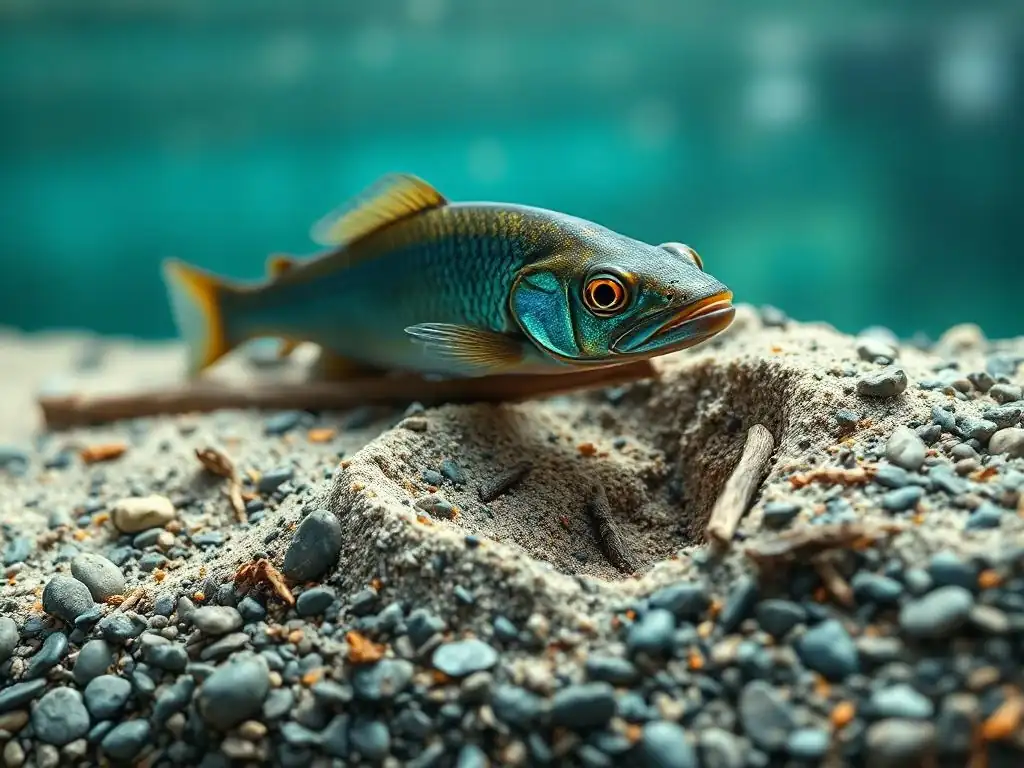
Yes, digging is an absolutely normal and instinctive behavior for both Oscars and Severums. As New World Cichlids, these fish exhibit complex behaviors rooted in their natural habitats. They use digging for various purposes: foraging for food, establishing and defending territories, creating hiding spots, and, most notably, preparing spawning pits during breeding. This behavior is deeply ingrained in their genetics and serves as a vital outlet for their natural instincts. Attempting to completely suppress this behavior can lead to stress and a diminished quality of life for the fish.
Observing an Oscar or Severum meticulously sifting through the Oscar and severum substrate or rearranging pebbles is a clear sign of a healthy, engaged fish. They often use their mouths and fins to move substrate, creating depressions or mounds to their liking. For example, a male Oscar might spend hours excavating a large pit in preparation for spawning, even in a single-sex tank. Recognizing that this is not destructive behavior but rather a natural expression is crucial for aquarists aiming to provide an enriching environment for their cichlids.
Potential Problems Caused by Oscar and Severum Digging
While digging is natural, it can lead to several practical problems within the aquarium, particularly concerning the Oscar and severum substrate. One common issue is the uprooting of live plants, even those that are well-established. Oscars and Severums can quickly devastate a planted tank, leaving plants floating at the surface or buried under mounds of gravel. They can also dislodge or bury tank decorations, potentially causing them to fall and injure fish or even crack the aquarium glass if large, heavy objects are involved.
Beyond aesthetic and structural disruptions, digging can also impact water quality and tank maintenance. Constant substrate disturbance can lead to cloudy water, especially with finer sand, reducing visibility and potentially stressing the fish.
More critically, deep digging can release trapped detritus and gases from anaerobic pockets within the Oscar and severum substrate, leading to sudden spikes in ammonia or hydrogen sulfide, which are highly toxic. Furthermore, some aquarists report that very aggressive digging can lead to the fish scratching the bottom of an acrylic tank or, in rare cases, damaging filter intakes or heaters if they are buried in the substrate.
Strategies to Minimize Digging and its Impact
While completely stopping digging in Oscars and Severums is neither possible nor advisable, several strategies can minimize its negative impact on the Oscar and severum substrate and the tank environment. Providing alternative enrichment is key: offer large, smooth, heavy rocks that are difficult for them to move, or PVC pipes and ceramic caves that serve as secure hiding spots and territorial markers.
These can satisfy their need to interact with their environment without constantly disrupting the substrate. Ensuring the tank is adequately sized (e.g., a minimum of 75 gallons for a single Oscar, 125+ for a pair) also helps by providing ample space for their activities.
Choosing the right Oscar and severum substrate is paramount. Opt for larger, smooth gravel or fine sand that is less likely to be ingested or cause injury. Securing decor by burying it deeply into the substrate, or even siliconing it to a heavy base rock or the tank bottom, can prevent it from being toppled.
For planted tanks, select robust, rhizome-based plants like Anubias or Java Fern that can be attached to driftwood or rocks, rather than planted directly. Additionally, some aquarists find that feeding methods that don't involve food sinking to the bottom can slightly reduce the incentive for foraging-related digging.
Maintaining Optimal Substrate Conditions for Oscars and Severums
Regular Substrate Cleaning for Oscar and Severum Tanks
Given the large size and relatively messy eating habits of Oscars and Severums, regular and thorough substrate cleaning is paramount for maintaining optimal water quality. These fish produce a significant bio-load, and uneaten food can quickly decompose if left to accumulate in the Oscar and severum substrate. It is highly recommended to perform substrate vacuuming weekly or bi-weekly during routine water changes. Targeting approximately 25-30% of the substrate area during each cleaning session, rather than disturbing the entire tank at once, helps preserve beneficial bacterial colonies.
A wide-mouth gravel vacuum is an essential tool for this task. For gravel, plunge the vacuum directly into the substrate to draw out trapped detritus. For sand, hover the vacuum just above the surface to siphon off accumulated waste without sucking up excessive amounts of sand. It's crucial not to over-clean the substrate, especially if it's a primary site for biological filtration, as this can remove too many beneficial bacteria. The goal is to remove decaying organic matter, not sterilize the Oscar and severum substrate.
Preventing Anaerobic Pockets in Substrate
Anaerobic pockets are areas within the substrate that lack oxygen, where harmful anaerobic bacteria can thrive. These bacteria produce toxic hydrogen sulfide gas, which smells like rotten eggs and is lethal to fish even in small concentrations. The risk of anaerobic pockets increases with deep, undisturbed substrate, particularly finer sand or very dense gravel. For Oscars and Severums, whose digging behavior often aerates the substrate, the risk can be mitigated, but it's still a concern, especially in less active areas of the tank.
To prevent these dangerous pockets, several strategies are effective. Maintaining a shallower Oscar and severum substrate depth, typically 1-2 inches (2.5-5 cm) for sand and 2-3 inches (5-7.5 cm) for gravel, is crucial. This limits the volume of substrate that can become oxygen-deprived. Regular, light stirring of the sand (if applicable) during cleaning can also help. Ensuring good water circulation throughout the tank, including near the substrate surface, promotes oxygen exchange and discourages the formation of anaerobic zones. While Oscars and Severums do help by sifting, targeted efforts during maintenance are still necessary.
Water Parameter Monitoring and Substrate Health
The health of the Oscar and severum substrate is directly intertwined with overall water quality, which in turn dictates the health of your fish. As organic waste accumulates and decomposes within the substrate, it releases ammonia, nitrite, and eventually nitrate into the water column. Regular testing of these key water parameters is therefore non-negotiable for Oscar and Severum keepers. Ammonia and nitrite should always read 0 parts per million (ppm), while nitrates should be kept below 20 ppm through consistent water changes and substrate maintenance.
A neglected or poorly maintained substrate can quickly lead to elevated ammonia and nitrite levels, stressing your fish and making them highly susceptible to diseases. For instance, if you observe cloudy water, a foul odor, or signs of fish distress like rapid breathing or lethargy, your substrate might be a contributing factor. Conversely, a clean, healthy Oscar and severum substrate supports the beneficial bacteria necessary for the nitrogen cycle, contributing to stable water chemistry and a robust, disease-resistant environment for your large cichlids.
Substrate and the Overall Aquarium Ecosystem for Oscars and Severums
How Substrate Affects Water Quality in Oscar and Severum Tanks
The Oscar and severum substrate serves as a significant component of the aquarium's overall ecosystem, directly influencing water quality. As fish waste, uneaten food, and decaying plant matter settle into the substrate, they begin to decompose. This decomposition process releases ammonia, a highly toxic compound, into the water. If not properly managed, this can lead to dangerous spikes in ammonia and subsequent nitrite, which are detrimental to fish health. The substrate acts as a "sink" for these organic pollutants, meaning its cleanliness is paramount to preventing water quality degradation.
Furthermore, the type of substrate can also impact water chemistry. While inert substrates like most sands and gravels generally do not alter pH or hardness, some materials, such as crushed coral, aragonite, or certain types of decorative rocks, can buffer the water to a higher pH and increase its hardness. This is generally undesirable for Oscars and Severums, which thrive in slightly acidic to neutral water (pH 6.5-7.5) with moderate hardness. Therefore, choosing an inert Oscar and severum substrate is crucial to maintaining stable and appropriate water parameters.
Substrate and Biological Filtration for Large Cichlids
While external filtration systems (like canister filters or sumps) are typically the powerhouse of biological filtration for large cichlids due to their massive bio-load, the Oscar and severum substrate still plays a vital role. The vast surface area provided by the substrate's individual grains offers an ideal environment for the colonization of nitrifying bacteria. These beneficial bacteria are responsible for the critical steps of the nitrogen cycle: converting toxic ammonia into less harmful nitrite, and then converting nitrite into nitrate.
A healthy, well-maintained substrate contributes significantly to the overall biological filtration capacity of the aquarium. Even if it's not the primary filter, the presence of a robust bacterial colony within the substrate acts as a crucial backup and supplement, helping to process waste and maintain stable water parameters. Conversely, a poorly maintained or excessively dirty Oscar and severum substrate can become a source of pollution rather than a filter, hindering the biological process and negatively impacting the tank's water quality.
Substrate and Plant Growth (If Applicable) in Oscar and Severum Aquariums
For aquarists attempting to incorporate live plants into an Oscar and Severum tank, the substrate's role in plant growth becomes a complex consideration. While many aquatic plants absorb nutrients primarily through their roots, requiring a nutrient-rich substrate, the digging habits of Oscars and Severums make maintaining such a substrate challenging. Nutrient-rich substrates are often fine-grained and easily disturbed, leading to nutrient leaching into the water column and constant uprooting of plants. This constant disruption makes it difficult for plants to establish a healthy root system and absorb nutrients efficiently.
Therefore, for Oscar and Severum aquariums, if plants are desired, the focus often shifts from a substrate optimized purely for plant growth to one that can coexist with the fish's behavior. Inert substrates like sand or fine gravel are generally preferred, with plant nutrition supplemented through root tabs inserted deep into the Oscar and severum substrate (where less likely to be disturbed) or liquid fertilizers dosed into the water column.
The selection of plants also becomes critical, favoring hardy, rhizome-based species like Anubias or Java Fern that can be attached to hardscape, or robust stem plants that can withstand some uprooting.
Choosing the Right Substrate Depth for Oscars and Severums
Ideal Substrate Depth for Different Substrate Types
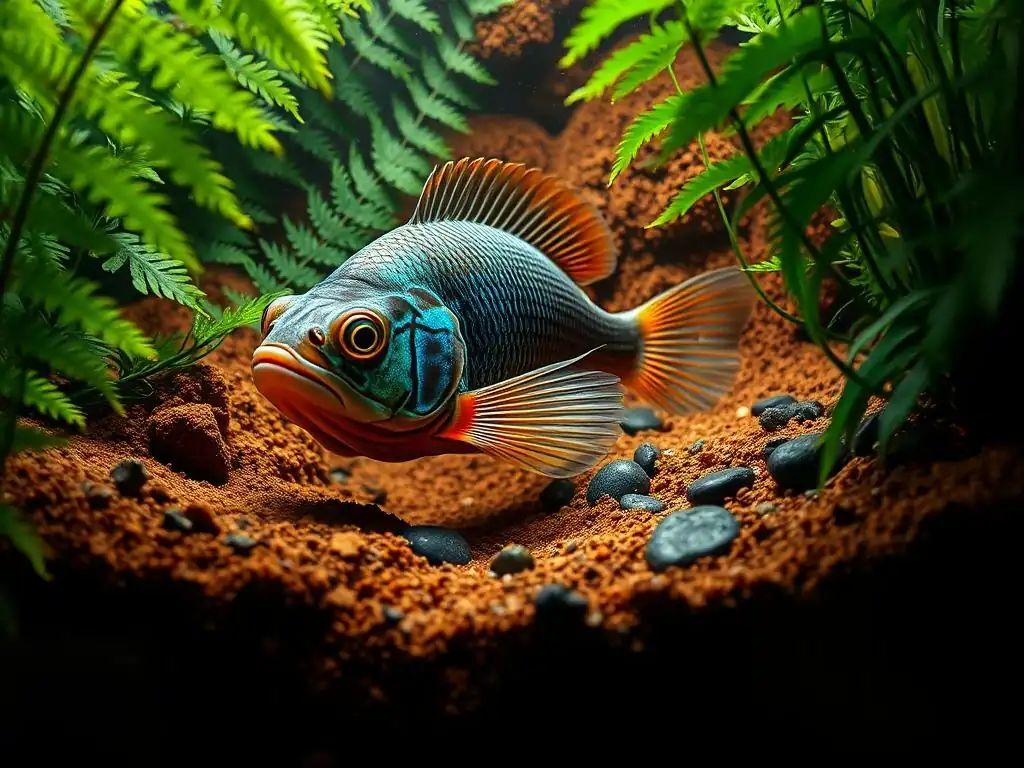
The ideal depth of Oscar and severum substrate is a critical factor that balances aesthetic appeal, biological filtration, and the prevention of harmful conditions. For gravel, a depth of approximately 2 to 3 inches (5-7.5 cm) is generally recommended. This depth provides sufficient surface area for beneficial bacteria to colonize without becoming excessively deep. It also allows for relatively easy cleaning with a gravel vacuum, ensuring that detritus does not accumulate too deeply and compromise water quality. Deeper gravel can be harder to clean thoroughly and increases the risk of anaerobic pockets.
For sand, a shallower depth of 1 to 2 inches (2.5-5 cm) is often preferred. Sand, particularly finer grades, can compact more easily than gravel, increasing the likelihood of oxygen-deprived zones if it's too deep. A shallower sand bed still allows Oscars and Severums to engage in their natural sifting and digging behaviors without creating widespread anaerobic conditions. This depth also simplifies the process of siphoning off detritus, which tends to sit on the surface of sand rather than sinking into it. Choosing the correct Oscar and severum substrate depth is a proactive measure against common tank problems.
Avoiding Deep Substrate Problems with Oscars and Severums
Deep substrate, typically anything exceeding 3-4 inches (7.5-10 cm) without active circulation or specialized design, poses significant risks in any aquarium, but particularly for Oscar and Severum tanks. The primary concern is the formation of anaerobic pockets. In these oxygen-deprived zones, harmful anaerobic bacteria thrive, producing toxic hydrogen sulfide gas. If these pockets are disturbed by digging or cleaning, the gas can be released into the water column, causing immediate and severe harm, even death, to fish.
Oscars and Severums, with their enthusiastic digging, can inadvertently exacerbate these problems by creating new deep pockets or disturbing existing ones, leading to the sudden release of trapped gases. Beyond the toxicity, excessively deep substrate also makes thorough cleaning more challenging, leading to greater accumulation of organic waste. This increased organic load can contribute to higher nitrate levels, persistent algae issues, and overall poor water quality. Therefore, for an Oscar and severum substrate, prioritizing a shallower depth is a key preventative measure for long-term tank health and fish safety.
Live Plants and Substrate Choices for Oscar and Severum Tanks
Selecting Plant-Safe Substrates
When considering live plants in an Oscar and Severum aquarium, the primary concern for substrate choice shifts from optimal plant growth to compatibility with the fish's digging habits. While specialized planted tank substrates offer rich nutrients, their fine texture and often light weight make them highly susceptible to being disturbed and uprooted by large cichlids. Therefore, for an Oscar and severum substrate intended to host plants, inert options that are heavy and less prone to being moved are generally safer bets.
Fine, smooth sand or medium-to-large sized, smooth gravel (e.g., 3-5mm) are often the most practical choices. These substrates are less likely to injure the fish and can still support plants if supplemented with root tabs. The key is to select a substrate that can provide some anchorage for plant roots without being constantly displaced. Focus on materials that are inert and won't alter water chemistry, as maintaining stable parameters is more critical for the fish than optimizing for plant-specific substrate.
Protecting Plant Roots from Oscar and Severum Digging
Protecting plant roots from the incessant digging of Oscars and Severums is one of the biggest hurdles in maintaining a planted cichlid tank. Even deeply planted species can be uprooted within hours. One effective strategy is to use plants that do not require planting in the substrate at all, such as Anubias species, Java Fern ( Microsorum pteropus), or Bucephalandra. These plants can be attached to driftwood or rocks using fishing line or super glue, allowing them to derive nutrients from the water column and remain undisturbed by the fish.
For plants that do require substrate planting, creative solutions are necessary. Burying plants in small, heavy pots filled with a suitable substrate and then covering the pots with larger, immovable rocks can offer some protection. Another method involves surrounding the base of planted stems with a perimeter of heavy, smooth river stones to deter digging directly around the roots. While no method is foolproof against determined Oscars and Severums, these approaches increase the chances of plants surviving and thriving in a shared environment.
Plant Nutrition and Substrate Enrichment
Providing adequate nutrition for plants in an Oscar and Severum tank, especially with their disruptive digging, requires a thoughtful approach to substrate enrichment. For plants that are heavy root feeders, such as Swords ( Echinodorus) or Cryptocorynes, a nutrient-rich substrate is ideal. However, as discussed, these substrates are often easily disturbed. A workaround involves using inert Oscar and severum substrate (like sand or gravel) and supplementing it with root tabs. These tabs can be carefully inserted deep into the substrate near the plant roots, providing localized nutrients without the entire substrate being nutrient-enriched and prone to leaching if disturbed.
Alternatively, for plants that primarily absorb nutrients from the water column (e.g., stem plants, Anubias), liquid fertilizers can be dosed directly into the water. This method bypasses the substrate entirely for nutrient delivery, making it less susceptible to the fish's digging. However, careful monitoring of water parameters is necessary to ensure that adding fertilizers does not negatively impact the fish. Ultimately, balancing the nutritional needs of plants with the behavioral patterns of Oscars and Severums means a more nuanced approach to substrate enrichment than in a typical heavily planted tank.
Substrate Alternatives for Oscars and Severums
Using Rocks and Decorations Instead of Substrate
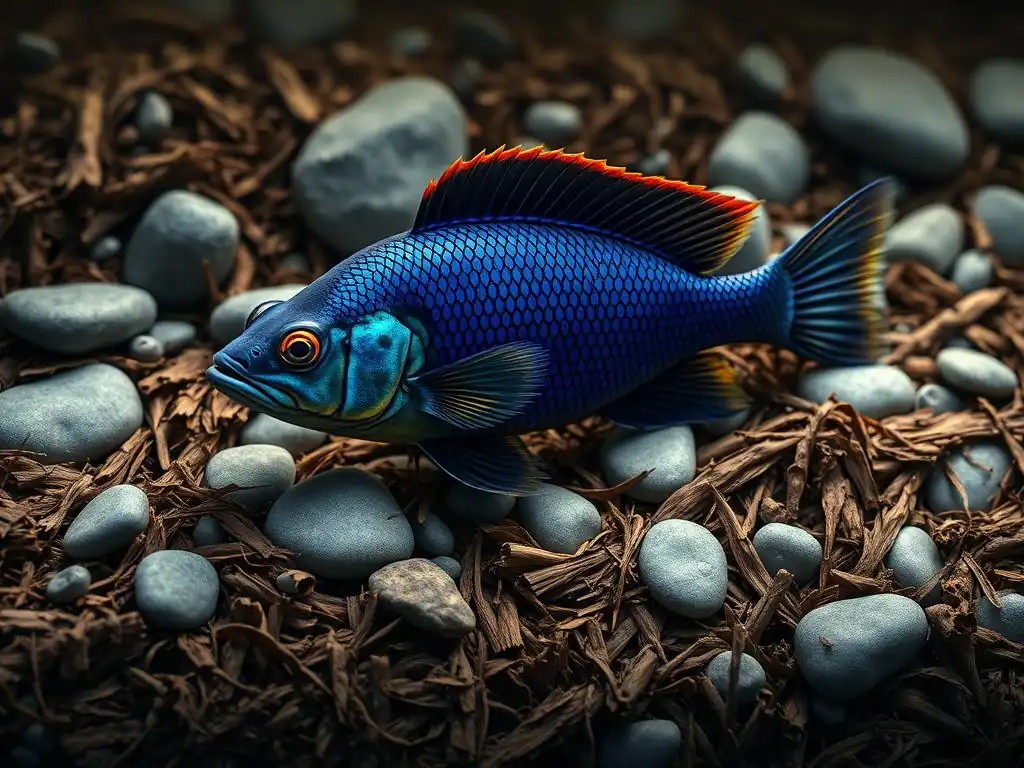
For aquarists who find the challenges of traditional Oscar and severum substrate too daunting, or who prioritize extreme ease of maintenance, using large, smooth rocks and decorations as the primary aquascape elements is a viable and increasingly popular alternative. Instead of a layer of gravel or sand, the tank bottom remains bare, and the visual interest and functional aspects (like hiding spots and territorial markers) are provided entirely by hardscape. Large pieces of driftwood, ceramic caves, and heavy, smooth river stones can be strategically placed to create a natural-looking and stimulating environment for the fish.
This approach offers several significant benefits. Firstly, it eliminates all the problems associated with substrate, such as anaerobic pockets, trapped detritus, and the difficulty of cleaning. Waste is immediately visible on the bare bottom and can be siphoned out with minimal effort, ensuring superior water quality. Secondly, it caters to the Oscar and Severum's natural instinct to interact with their environment by providing immovable objects for them to explore and claim as territory, without the constant mess of digging up substrate. It also allows for easier observation of fish health and waste production.
Creating a Natural Look Without Substrate
While a bare bottom tank might initially sound unappealing, it is entirely possible to create a highly natural and aesthetically pleasing environment for Oscars and Severums without traditional Oscar and severum substrate. The key lies in the careful selection and arrangement of hardscape materials. Large, natural-looking pieces of driftwood can be positioned to mimic fallen trees or root systems, providing complex structures for the fish to navigate and hide within. Smooth river rocks, varying in size and shape, can be artfully arranged to simulate a natural riverbed or rocky outcrop.
The absence of substrate allows the focus to shift entirely to the form and texture of these hardscape elements, creating a minimalist yet impactful display. Lighting can be used to highlight the contours of the driftwood and rocks, enhancing the natural feel. This setup not only offers a visually striking alternative but also provides a highly hygienic environment that is easy to maintain, making it an excellent choice for species that produce a significant bio-load like Oscars and Severums. It effectively caters to their needs while simplifying aquarium husbandry.
Substrate and Oscar and Severum Health: A Direct Link
How Poor Substrate Can Affect Fish Health
The condition of the Oscar and severum substrate has a direct and profound impact on the health of your fish. A poorly maintained or inappropriate substrate can become a breeding ground for harmful bacteria and parasites, contributing to a decline in overall water quality. When detritus, uneaten food, and fish waste accumulate and decompose in the substrate, they release toxic compounds such as ammonia and nitrite. Prolonged exposure to these toxins causes gill damage, suppresses the fish's immune system, and leads to chronic stress, making them highly susceptible to common aquarium diseases like fin rot, Ich, or bacterial infections.
Even more critically, deep, uncleaned substrate can develop anaerobic pockets, which produce lethal hydrogen sulfide gas. If these pockets are disturbed, the sudden release of this gas can be fatal to fish within minutes. Furthermore, the wrong type of substrate can cause direct physical harm. Sharp-edged gravel can cause abrasions to the fish's delicate skin, fins, or barbels, leading to secondary infections. Ingesting unsuitable substrate can lead to internal injuries or impaction, a potentially fatal blockage of the digestive tract. Therefore, a clean and appropriate Oscar and severum substrate is fundamental to preventing illness.
Recognizing the signs of substrate-related health issues is crucial for prompt intervention and preventing further harm to your Oscars and Severums. One of the most immediate indicators is a noticeable deterioration in water quality, such as persistent cloudy water, a foul odor emanating from the tank (often a rotten egg smell indicating hydrogen sulfide), or an unexplained increase in ammonia or nitrite levels despite regular water changes. These are strong signals that the Oscar and severum substrate is accumulating too much waste or developing anaerobic zones.
Behavioral changes in your fish can also point to substrate problems. Lethargy, clamped fins, rapid gilling, loss of appetite, or abnormal swimming patterns (e.g., gasping at the surface) are all signs of stress or poisoning, often linked to poor water quality originating from the substrate. Physical symptoms might include dull coloration, visible lesions, or fin erosion.
If these symptoms appear, the first step should always be to test your water parameters. Following this, a thorough substrate vacuum and a significant water change are often necessary to alleviate the immediate danger and begin the process of restoring a healthy Oscar and severum substrate environment.
Conclusion: Optimizing Substrate for Happy and Healthy Oscars and Severums
The choice and maintenance of Oscar and severum substrate are far more than mere aesthetic considerations; they are foundational to the health, well-being, and natural expression of these magnificent New World Cichlids. While Oscars and Severums are renowned for their robust nature, their digging behavior and significant bio-load necessitate a thoughtful approach to their substrate environment. Whether opting for the natural look and behavioral benefits of sand, the classic appeal of smooth gravel, or the unparalleled hygiene of a bare bottom tank, each option presents its own set of advantages and challenges.
Ultimately, optimizing the Oscar and severum substrate boils down to a balanced approach: facilitating their natural instincts while proactively managing the potential pitfalls. Prioritizing inert, smooth materials, maintaining appropriate depth, and implementing rigorous cleaning routines are paramount. By understanding the direct link between substrate health and fish vitality, aquarists can create a thriving, dynamic, and safe habitat that allows their Oscars and Severums to display their full range of fascinating behaviors for years to come.
Frequently Asked Questions
How does substrate choice impact the health of Oscars and Severums?
The substrate significantly affects water quality. Poor substrate choice can lead to a buildup of harmful bacteria, impacting the fish's health and overall tank stability.
What type of substrate is generally recommended for Oscars and Severums?
Generally, a smooth, larger-sized gravel or sand is recommended. This prevents the fish from ingesting the substrate while foraging and minimizes potential injury during digging.
Is digging behavior a problem when keeping Oscars and Severums?
Yes, both Oscars and Severums are known for digging. This behavior can uproot plants and cloud the water, requiring more frequent maintenance and careful substrate selection.
How can I prevent Oscars and Severums from constantly digging up the substrate?
While you can't completely eliminate digging, you can use larger, heavier rocks and decorations to anchor the substrate and create less accessible areas for digging. A thicker substrate layer may also deter excessive digging.
What are the consequences of using a substrate that's too fine for Oscars and Severums?
Fine substrates can be easily stirred up, leading to perpetually cloudy water. They can also be ingested, potentially causing digestive issues or blockages in Oscars and Severums.
Final Reflection: Cultivating Harmony in the Aquarium
The insights shared throughout this article underscore the critical role substrate plays in the health and well-being of Oscars and Severums. Understanding their natural behaviors, particularly their propensity for digging, is not merely an academic exercise; it's a fundamental aspect of responsible fishkeeping that directly impacts the long-term success of our aquariums and the happiness of our finned companions.
This exploration into substrate choices has profoundly influenced how we perceive the delicate balance within our aquatic ecosystems. It reminds us that responsible aquascaping is not just about aesthetics, but about creating an environment that respects and caters to the inherent needs of our fish. In nature, there is no such thing as a perfect substrate; there is only the substrate that works for the ecosystem.
This quote encapsulates the essence of our discussion: finding the substrate that best accommodates the natural behaviors of Oscars and Severums, fostering a thriving and harmonious environment.
Now, as you consider the information presented, I invite you to reflect on your own aquariums. Are you truly providing the optimal substrate for your Oscars and Severums? Take the time to observe their behaviors, assess the current conditions, and make informed decisions that prioritize their well-being. By embracing a mindful approach to substrate selection, you can cultivate a thriving aquatic world where both beauty and natural instincts flourish.
Unleash Your Oscar & Severum's Natural Habitat!
Thank you for diving into the world of Oscar and Severum substrate! We hope this exploration has shed light on creating the perfect environment for your aquatic companions. Now, let's put that knowledge into action!
Here are some ways to elevate your Oscar and Severum's tank today:
- Experiment with a sand substrate: Transform your tank by switching to a fine sand substrate, observing your fish's natural digging behaviors and overall well-being. This is the most impactful action you can take based on this article.
- Explore adding large, smooth river rocks and sturdy, anchored plants. Creating a diverse underwater landscape will enrich their environment.
- Share your experiences and questions about Oscar and Severum substrates in the comments below – let's learn from each other!
What substrate experiments are you eager to try in your Oscar or Severum tank this weekend?