
The Intricate Social Hierarchy of a Shell Dweller Colony

Welcome to Aquarium Mastery!
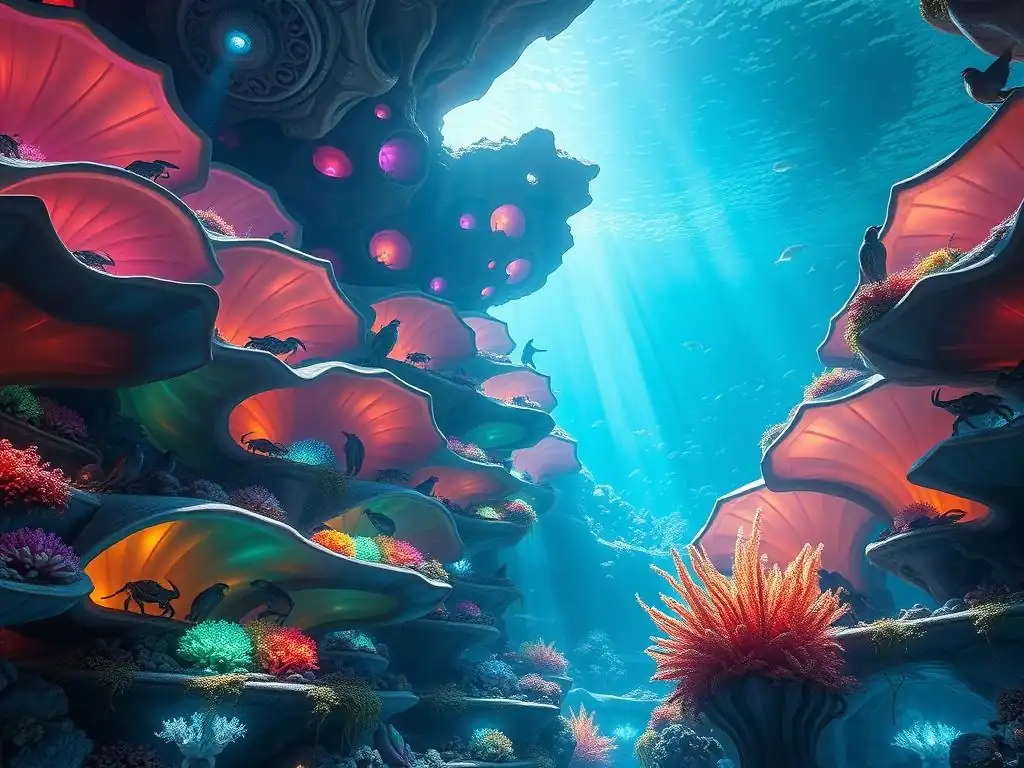
Intrigued by the complex societies thriving beneath the surface? Dive into the fascinating world of shell dwellers, where tiny fish establish surprisingly intricate social hierarchies. Ever wondered how these miniature marvels organize their communities? Explore our deep dive into shell dweller social hierarchy behavior and unlock the secrets of their captivating underwater world. Get ready to be amazed!
- The Intricate Social Hierarchy of Neolamprologus multifasciatus: Understanding Behavior in Your Aquarium
- Introduction to Neolamprologus multifasciatus and Their Social Dynamics
- Defining Neolamprologus multifasciatus Social Hierarchy Behavior
- The Roles Within a Neolamprologus multifasciatus Colony
- Understanding Shell Territory and Resource Control
- Visual Cues and Communication in Neolamprologus multifasciatus Interactions
- Aggression and Conflict Resolution in Neolamprologus multifasciatus Communities
- Breeding Behavior and Social Structure Interplay
- Social Hierarchy and Tank Setup: Creating a Balanced Aquarium
- Common Behavioral Problems Related to Social Hierarchy
- Observing and Interpreting Neolamprologus multifasciatus Behavior in Your Aquarium
- Conclusion: Creating a Thriving Neolamprologus multifasciatus Community
-
Frequently Asked Questions
- What are shell dwellers and why are they fascinating for aquarium enthusiasts?
- How does the social hierarchy in a shell dweller colony typically work?
- What role does shell ownership play in establishing social status among shell dwellers?
- What types of behaviors might one observe that indicate social hierarchy within a shell dweller aquarium?
- How can I best manage the social dynamics within my shell dweller aquarium to ensure a healthy colony?
- Final Reflection: Unveiling the Microcosm of Society
- Dive Deeper: Foster Harmony in Your Own Aquarium!
Exploring the Fascinating World of Tanganyikan Shell Dwellers
Neolamprologus multifasciatus, often affectionately known as "Multies," are one of the most captivating dwarf cichlids originating from the vast depths of Lake Tanganyika in East Africa. These diminutive fish, typically reaching an adult size of about 1.5 to 2 inches (3.8 to 5 cm) for males and slightly smaller for females, are renowned for their unique adaptation: they live in and around discarded snail shells. This shell-dwelling lifestyle dictates much of their behavior, including their complex social structures and intricate shell dweller social hierarchy behavior.
Their natural habitat in Lake Tanganyika involves sandy substrates littered with empty snail shells, primarily from Neothauma tanganyicense. These shells serve as homes, breeding sites, and crucial refuges from predators. The fascinating aspect of Neolamprologus multifasciatus is their tendency to form large, bustling colonies in the aquarium, mimicking their wild counterparts. Observing their interactions, from territorial disputes to meticulous parental care, provides a window into the sophisticated social dynamics that govern their lives.
Understanding the inherent shell dweller social hierarchy behavior of Neolamprologus multifasciatus is not merely an academic exercise; it is fundamental to their successful keeping in a home aquarium. Without proper consideration for their social needs, these otherwise hardy fish can suffer from chronic stress, aggression, stunted growth, and even premature death. A well-designed aquarium that caters to their social structure will lead to a thriving, active, and breeding colony.
Knowledge of their social hierarchy allows aquarists to create an environment that minimizes stress and aggression, promotes natural behaviors, and maximizes breeding success. It guides decisions on tank size, substrate choice, shell quantity and placement, and stocking density. By providing the right conditions, you can observe the full spectrum of their fascinating social interactions, turning your aquarium into a dynamic, living ecosystem that truly reflects their natural world.
Dominance and Subordination: The Core of Neolamprologus multifasciatus Interactions
The social structure of a Neolamprologus multifasciatus colony is built upon a clear, albeit dynamic, system of dominance and subordination. Typically, one or more dominant males will preside over a specific area, often encompassing multiple females and their respective shells, as well as subordinate males and juveniles. This hierarchy is established through a series of ritualized displays, chases, and occasional physical confrontations, which usually involve nipping or mouth-locking.
Dominant individuals gain preferential access to resources such as prime breeding shells, the best feeding spots, and mating opportunities. Subordinate individuals, on the other hand, must navigate this hierarchy carefully. They often exhibit paler coloration, spend more time hiding, and may experience chronic stress due to constant harassment from dominant fish. This fundamental shell dweller social hierarchy behavior ensures that the strongest and most resilient genes are passed on, contributing to the species' survival.
Several factors contribute to an individual Neolamprologus multifasciatus's social rank within the colony. Size is a primary determinant; larger and more robust individuals, particularly males, tend to be more dominant. Age also plays a role, with older, more experienced fish often holding higher positions. However, past victories in skirmishes can also solidify an individual's status, even if they are not the largest.
Access to and defense of high-quality shells are paramount. A male who successfully controls a cluster of desirable shells, offering safety and breeding opportunities, will likely ascend in rank. Individual temperament and aggressiveness also factor in; some fish are naturally more assertive, while others are more timid. Even the overall health and nutritional status of the fish can influence their ability to compete and maintain a dominant position in the shell dweller social hierarchy behavior.
The Roles Within a Neolamprologus multifasciatus Colony
The Alpha Male: Dominance Displays and Territory Control
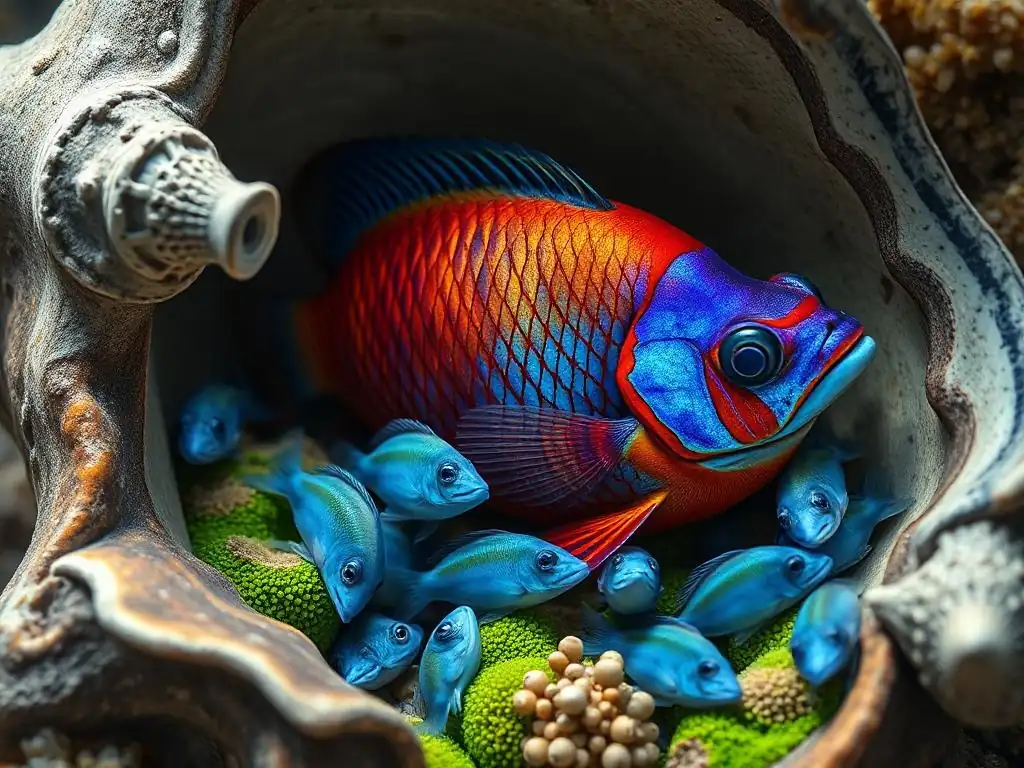
At the apex of the Neolamprologus multifasciatus social pyramid often stands the alpha male. This individual is typically the largest and most vibrant male in the colony, consistently exhibiting strong coloration and active patrolling behavior. His primary role is to defend the overall colony territory, which includes the prime breeding shells occupied by his females, from perceived threats such as other dominant males, larger tank mates, or even the aquarist's hand during maintenance.
The alpha male engages in frequent dominance displays, flaring his dorsal and anal fins, quivering his body, and making short, aggressive dashes towards subordinates or intruders. He ensures that the social order is maintained, often tolerating subordinate males only if they keep a respectful distance or remain on the periphery of his established territory. His reproductive success is directly tied to his ability to maintain this dominant position, as females are drawn to males who can secure and defend the best breeding grounds.
Breeding Females: Protecting the Shell and Fry
Within the shell dweller social hierarchy, breeding females play a crucial and highly protective role. Each female typically claims a single shell as her personal territory, meticulously digging it into the substrate to create a secure burrow. Once she has selected her shell and successfully mated with a male, she will lay her eggs inside, often numbering between 10 to 30, depending on her size and age.
Her devotion to her shell and offspring is absolute. She will fiercely guard her shell against any perceived threat, including other fish, and will remain inside for extended periods during the incubation and early fry-rearing stages. The female's ability to successfully raise fry contributes significantly to the overall stability and growth of the Neolamprologus multifasciatus colony, reinforcing the alpha male's position and ensuring the continuation of the lineage within the shell dweller social hierarchy behavior.
Subordinate Males: Strategies for Survival and Reproduction
Subordinate males exist on the fringes of the dominant male's territory, constantly navigating the delicate balance between survival and the slim chance of reproduction. They are typically smaller, less colorful, and exhibit more timid behavior, often darting into hiding spots at the slightest sign of aggression from the alpha. These males may attempt to claim less desirable shells, or they might simply exist without a fixed home, relying on quick reflexes to evade their dominant counterpart.
Despite their subordinate status, these males may still attempt to reproduce through "sneak" fertilizations. This involves quickly darting into a female's shell to fertilize eggs when the dominant male is preoccupied or away. While their direct reproductive success is lower, their presence can help diffuse aggression from the alpha male by providing alternative targets, contributing to the overall stability of the shell dweller social hierarchy behavior.
Juvenile Neolamprologus multifasciatus emerge from their shells as tiny, vulnerable replicas of their parents, typically after 7-10 days of incubation. Initially, they remain close to their mother's shell, venturing out only cautiously to forage for microscopic food particles. As they grow, they gradually become more independent, exploring the immediate surroundings of the colony.
During this developmental stage, juveniles observe and learn the complex cues of the shell dweller social hierarchy behavior. They witness dominance displays, territorial disputes, and the intricate dance of social interactions. As they mature, they begin to establish their own mini-territories, often claiming smaller, less desirable shells or sharing shells until they are large enough to compete for their own. Their survival and integration into the adult colony depend on the overall health and stability of the established social structure.
Understanding Shell Territory and Resource Control
Shell Ownership: The Foundation of Neolamprologus multifasciatus Society
For Neolamprologus multifasciatus, shells are not merely shelters; they are the absolute cornerstone of their entire social structure and survival. Each shell represents a critical resource: a secure home, a protected breeding chamber, and a safe refuge from predators. The quantity and quality of available shells directly dictate the dynamics of the shell dweller social hierarchy behavior, influencing territorial boundaries, breeding opportunities, and overall colony stability.
A dominant male will often control an area rich in shells, attracting multiple females to establish their individual shell territories within his larger domain. Females, in turn, meticulously select and guard their chosen shell, digging it into the substrate for optimal security. A scarcity of shells can lead to intense aggression, as individuals fight for this vital resource, disrupting the natural social order and causing significant stress throughout the colony.
Defense of Territory: How Neolamprologus multifasciatus Protect Their Homes
The defense of territory is an innate and continuous behavior in Neolamprologus multifasciatus. While the shell itself is the focal point, the territory extends to the immediate sandy area surrounding it, which the fish will diligently patrol and defend. This defense mechanism is crucial for protecting offspring, food sources, and individual safety from both conspecifics and other tank inhabitants.
Defense tactics range from subtle warning displays, such as flaring fins and quick dashes, to more direct physical engagement. If an intruder persists, the shell dweller may resort to chasing, nipping, or even mouth-locking, pushing the invader away from its established boundary. This constant vigilance and territorial defense are essential components of their shell dweller social hierarchy behavior, ensuring that each individual, especially breeding females, can maintain a secure environment.
Resource Competition: Food and Mates in the Neolamprologus multifasciatus World
Within a Neolamprologus multifasciatus colony, competition for resources extends beyond just shells to encompass food and mates. Dominant individuals, particularly the alpha male, typically have first access to food that enters the colony's territory. They may actively chase away subordinate fish from feeding areas, ensuring they receive the lion's share of available nutrients, which in turn fuels their larger size and continued dominance.
Mating opportunities are another highly contested resource, directly tied to the established shell dweller social hierarchy behavior. The most dominant males, by virtue of their size, strength, and control over prime shell territories, attract the majority of breeding females. Subordinate males must often resort to opportunistic "sneak" matings, attempting to fertilize eggs when the dominant male is preoccupied. This intense competition for food and mates reinforces the hierarchical structure, driving natural selection within the colony.
Visual Cues and Communication in Neolamprologus multifasciatus Interactions
Body Language: Deciphering Neolamprologus multifasciatus Signals
Neolamprologus multifasciatus communicate extensively through a nuanced repertoire of body language, which is essential for maintaining their complex shell dweller social hierarchy behavior. Dominant individuals often display their authority by flaring their dorsal, anal, and caudal fins, making their bodies appear larger and more imposing. This is frequently accompanied by a head-down posture or a rapid, quivering swim, signaling readiness to defend territory or challenge a rival.
Subordinate fish, conversely, exhibit body language indicative of submission or fear. They may clamp their fins close to their bodies, adopt a paler coloration, or rapidly retreat into a shell or hiding spot when confronted by a dominant individual. Observing these subtle yet distinct body cues allows aquarists to accurately interpret the social dynamics within their Neolamprologus multifasciatus colony and assess the overall well-being of their fish.
Coloration: Indicators of Status and Breeding Condition
Coloration plays a significant role in the visual communication of Neolamprologus multifasciatus, acting as a clear indicator of an individual's social status and breeding condition. Healthy, dominant males typically exhibit vibrant, crisp black stripes against a light, often yellowish or cream background, especially when displaying or actively defending territory. Their colors intensify during courtship or confrontation, making them appear more formidable.
In contrast, subordinate or stressed fish often appear duller, with their stripes becoming faded or less distinct. This paling is a physiological response to stress, signaling their lower status or fear. Breeding females, particularly when guarding eggs or fry, may also display specific coloration patterns, sometimes appearing darker or more mottled, signifying their protective role and reproductive state within the shell dweller social hierarchy behavior.
While not as overtly observable as body language or coloration, chemical signals, or pheromones, undoubtedly play a role in the intricate social communication of Neolamprologus multifasciatus. These chemical messengers are released into the water and can convey a range of information, including an individual's reproductive status, alarm signals, and even individual identity. For instance, females may release pheromones to signal their readiness to spawn, attracting dominant males.
Similarly, the presence of certain pheromones can indicate stress or alarm within the colony, prompting other fish to seek cover. Although the precise mechanisms and specific pheromones involved are complex and often require specialized scientific study, their contribution to the overall shell dweller social hierarchy behavior is significant. They provide an unseen layer of communication that helps regulate social interactions and maintain the delicate balance within the colony.
Aggression and Conflict Resolution in Neolamprologus multifasciatus Communities
Types of Aggression: From Subtle Displays to Open Combat
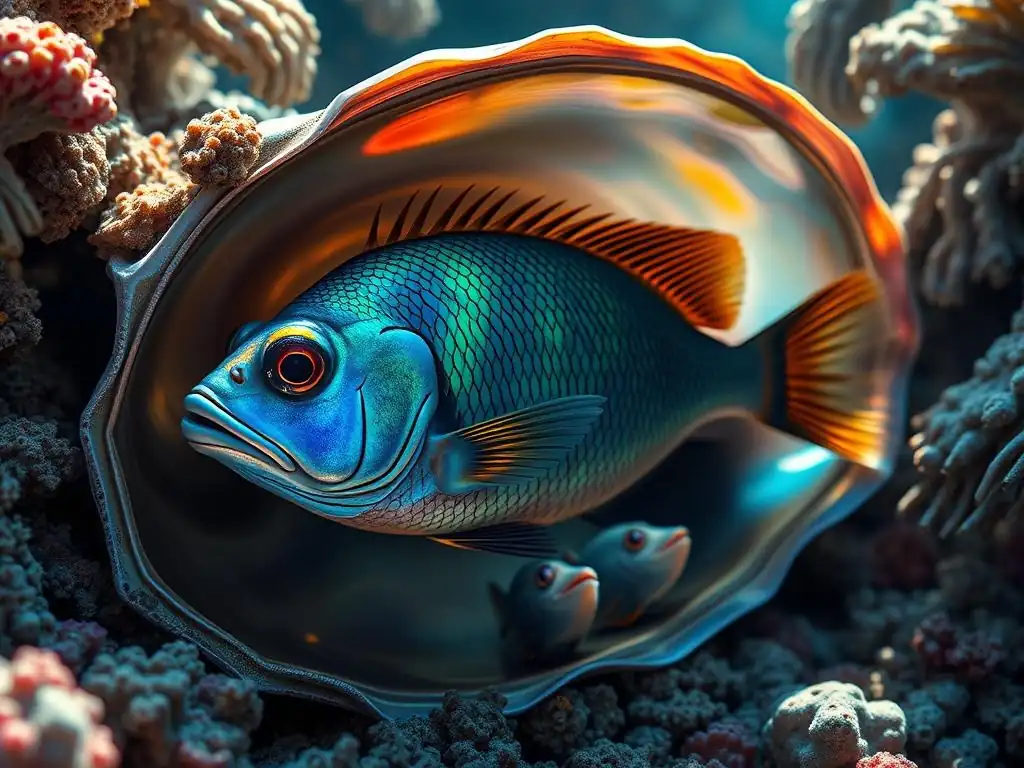
Aggression within a Neolamprologus multifasciatus colony typically manifests in various forms, ranging from subtle, ritualized displays to direct physical combat. Most daily interactions involve ritualized aggression, where fish engage in fin-flaring, rapid chases, or brief mouth-locking without causing significant injury. These displays serve to establish and reinforce the shell dweller social hierarchy behavior without escalating into harmful conflicts.
However, if these displays fail to resolve a dispute, or if resources are severely limited, aggression can escalate to open combat. This may involve prolonged chasing, vigorous nipping, or sustained mouth-locking that can result in torn fins, scale damage, or even more severe injuries. Such intense conflicts are usually reserved for disputes over prime shells, mating opportunities, or challenges to a dominant individual's territory, highlighting the importance of proper tank management to prevent excessive aggression.
Factors Triggering Aggression: Overcrowding, Breeding Season, and Territory Disputes
Several key factors can trigger heightened aggression in a Neolamprologus multifasciatus colony, disrupting their otherwise stable shell dweller social hierarchy behavior. Overcrowding is a primary culprit; insufficient space or a lack of adequate shells forces fish into constant proximity, leading to chronic stress and increased territorial disputes. A tank that is too small for the number of individuals can quickly devolve into a war zone.
The breeding season also naturally elevates aggression levels, particularly among males vying for female attention and prime spawning shells. Hormonal changes make fish more territorial and assertive. Lastly, direct territory disputes, often over the most desirable shells or feeding spots, are a common source of conflict. If a subordinate attempts to encroach on a dominant individual's established area, aggressive confrontations are almost inevitable.
Minimizing Aggression in Your Aquarium: Tank Size, Decor, and Stocking Levels
To minimize aggression and foster a healthy shell dweller social hierarchy behavior, careful planning of tank size, decor, and stocking levels is crucial. For a thriving colony, a minimum tank size of 20 gallons (approximately 75 liters) is recommended for a small group of 6-8 individuals, with larger tanks (e.g., 30-40 gallons or 115-150 liters) being ideal for larger, more stable colonies. The longer the tank, the more horizontal swimming space and distinct territories can be established.
Providing an abundance of shells is paramount; aim for at least 2-3 shells per fish, and ensure they are scattered throughout the substrate rather than clumped together. This allows each individual to claim a personal territory and provides ample options for subordinates to retreat. Incorporating visual barriers with rockwork, small caves, or dense plant groupings (if using plants) can break up lines of sight, further diffusing aggression. Lastly, avoid stocking too many males in a smaller tank, or ensure a very large tank with numerous shells to spread out the aggression if multiple dominant males are desired.
Mate Selection: The Role of Dominance and Shell Quality
In Neolamprologus multifasciatus, mate selection is intricately linked to the established shell dweller social hierarchy behavior. Dominant males, by virtue of their size, vibrant coloration, and ability to control prime shell-rich territories, are typically the most attractive to females. Females will actively seek out the territories of these strong males, assessing the quality and security of the available shells within their domain.
The male's display of strength and his success in defending his territory signal his genetic fitness and ability to provide a safe environment for offspring. While a female ultimately chooses her specific shell for spawning, the male's overall dominance and the safety he provides to the cluster of shells are key factors in her decision. This ensures that the most robust genes are passed on, reinforcing the hierarchical structure through successful reproduction.
Parental Care: Protecting Eggs and Fry Within the Shell
Parental care in Neolamprologus multifasciatus is primarily the responsibility of the female, who exhibits remarkable dedication to her offspring within the confines of her chosen shell. After spawning, she meticulously guards the eggs, fanning them to ensure proper oxygenation and removing any unfertilized or fungused eggs. Once the eggs hatch, typically within 2-3 days at 78-80°F (25-27°C), she continues to protect the tiny fry, which remain inside the shell for several more days, feeding on their yolk sacs.
The male's role in parental care is less direct but still crucial. He typically guards the broader territory surrounding the female's shell, deterring potential threats and ensuring the safety of his breeding females and their developing fry. As the fry grow and begin to venture out of the shell, the female continues to watch over them, often herding them back into the safety of the shell at the first sign of danger, a testament to their strong parental instincts within the shell dweller social hierarchy behavior.
Successful breeding has a significant positive impact on an individual's social status within the Neolamprologus multifasciatus colony. For a male, successfully siring numerous offspring and attracting multiple breeding females to his territory reinforces his dominance and solidifies his position at the top of the shell dweller social hierarchy behavior. A male who consistently produces healthy fry demonstrates his genetic fitness and ability to provide a secure environment, further attracting other females.
For females, successfully raising clutches of fry enhances their standing within the colony, though perhaps less overtly than for males. A female who consistently produces healthy offspring contributes directly to the colony's growth and vitality. Her ability to defend her shell and nurture her fry underscores her resilience, which can lead to continued access to prime breeding opportunities and recognition within the social fabric of the shell dweller community.
Shell Placement: Providing Adequate Territories for All Individuals
The strategic placement of shells is the single most critical factor in creating a balanced aquarium for Neolamprologus multifasciatus and fostering a healthy shell dweller social hierarchy behavior. It is essential to provide an abundance of shells – ideally 2-3 times the number of fish in the tank. These shells should be scattered across the entire substrate, not just clumped in one corner. This allows each fish to claim its own distinct territory and provides ample options for subordinate individuals to find refuge or establish their own, less prominent, homes.
Consider using a variety of shell types and sizes, such as escargot shells, turbo snail shells, or even small whelk shells, to cater to different preferences and stages of growth. Burying some shells partially in the sand, leaving only the opening exposed, mimics their natural digging behavior and provides a more secure feel for the fish. Proper shell distribution ensures that aggression is diffused across multiple territories rather than concentrated on a few, preventing bullying and chronic stress.
Substrate and Decor: Encouraging Natural Behaviors
The choice of substrate and additional decor plays a vital role in encouraging natural shell dweller social hierarchy behavior and overall well-being. A fine sand substrate, with a grain size of 0.5-2mm, is absolutely essential. Neolamprologus multifasciatus are natural diggers; they will actively bury their shells, excavate sand, and rearrange their immediate surroundings. A sand bed of at least 2-3 inches (5-7.5 cm) deep allows them to engage in these vital behaviors, which are integral to their territorial defense and breeding rituals.
Beyond shells, incorporating other decor elements can significantly enhance the tank environment. Rockwork, such as lava rock or Texas holey rock, can be used to create visual barriers and small caves. These structures provide additional hiding spots and break up lines of sight, which is crucial for diffusing aggression within a colony. While not strictly necessary, some hardy, low-light plants like Anubias or Java Fern, anchored to rocks or driftwood, can also add to the complexity of the environment and provide further cover, contributing to a more stable shell dweller social hierarchy behavior.
Stocking Density: Finding the Right Balance to Minimize Stress
Finding the optimal stocking density is crucial for minimizing stress and promoting a stable shell dweller social hierarchy behavior in your Neolamprologus multifasciatus aquarium. While these fish are colonial, overstocking can quickly lead to chronic aggression and health issues. For a 20-gallon long tank, a colony of 6-8 individuals (e.g., 2-3 males and 4-5 females) is a good starting point, assuming ample shells and visual breaks are provided. In larger tanks, such as a 40-gallon breeder, a colony of 15-20 individuals can thrive, as the increased footprint allows for more territories and better dispersion of aggression.
A general guideline is to allow approximately 1-2 gallons of water volume per adult fish, especially in longer tanks. It is often preferable to start with a larger group of juveniles (10-12 individuals in a 20-gallon tank) and allow them to establish their own hierarchy naturally. As they mature, any overly aggressive or bullied individuals can be removed if necessary. Maintaining a slight excess of females over males can also help distribute male aggression and increase breeding opportunities, contributing to a more balanced and active colony.

Bullying and Harassment: Identifying and Addressing the Issue
Bullying and harassment are common behavioral problems directly stemming from an imbalanced shell dweller social hierarchy behavior within an aquarium. Signs that an individual is being bullied include constant hiding, clamped fins, pale or dull coloration, reluctance to feed, and visible physical injuries such as torn fins or missing scales. The aggressor, typically a dominant male, will relentlessly chase and nip at the subordinate, preventing it from accessing food or safe spaces.
Addressing this issue is critical for the well-being of the bullied fish. First, assess if the tank is adequately sized and if there are enough shells and visual barriers. If conditions are insufficient, improving them (e.g., adding more shells, rearranging decor, or even upgrading tank size) can often alleviate the problem. In severe cases, it may be necessary to temporarily remove the aggressor or the bullied fish to a separate tank to allow recovery and re-evaluation of the main tank's setup.
Stunted Growth: The Impact of Stress on Subordinate Individuals
One of the most insidious consequences of chronic stress due to an unstable shell dweller social hierarchy behavior is stunted growth in subordinate individuals. Fish that are constantly harassed or unable to access sufficient food due to dominant tank mates will divert their energy from growth and development towards coping with stress. This results in individuals that remain significantly smaller than their peers, even if they are of the same age.
Stunted fish often exhibit poor coloration, a generally frail appearance, and a lack of vitality. This condition is usually irreversible once it becomes severe, as the prolonged stress permanently impacts their physiological development. Early intervention by improving tank conditions, ensuring ample resources, and managing aggression is crucial to prevent stunted growth and ensure all fish have an opportunity to reach their full potential.
Prevention and Intervention Strategies for Behavioral Issues
Prevention is always the best strategy for avoiding behavioral problems related to the shell dweller social hierarchy behavior. This includes providing a generously sized tank with a fine sand substrate, an abundance of shells (at least 2-3 per fish), and ample visual breaks using rocks or other decor. Stocking with a suitable number of fish, avoiding too many aggressive males in smaller setups, also helps to diffuse potential conflicts.
If behavioral issues arise, several intervention strategies can be employed.
- Add more shells and rearrange decor: This can create new territories and break up existing ones, often diffusing aggression.
- Increase feeding frequency: Providing food in multiple spots can ensure subordinates get enough to eat.
- Remove the aggressor: In extreme cases, the dominant fish can be temporarily placed in a separate tank for a few days. When reintroduced, its social standing may be reset, or it may be less aggressive.
- Add more fish: Counter-intuitively, sometimes adding more individuals (if tank size allows) can spread out aggression, making it less concentrated on one target.
- Rehome: As a last resort, if a fish is consistently bullied and no other strategies work, rehoming it to a different tank or a new owner may be necessary for its well-being.
Observing and Interpreting Neolamprologus multifasciatus Behavior in Your Aquarium
Observing the shell dweller social hierarchy behavior in your Neolamprologus multifasciatus aquarium is key to ensuring a thriving colony. Key indicators of a healthy social structure include vibrant coloration in most individuals, particularly the dominant male, and active, engaged behavior throughout the tank. Fish should be seen foraging, digging, and interacting with their shells, with minimal constant chasing or prolonged aggression.
Brief, ritualized displays of dominance are normal, but they should not result in physical injury or sustained harassment. You should observe females diligently guarding their shells, and periodically, the emergence of tiny fry, indicating successful breeding. A healthy colony will exhibit a dynamic yet stable social order, where each fish has its place, and stress is minimized, allowing for natural behaviors to flourish.
To accurately interpret the shell dweller social hierarchy behavior in your Neolamprologus multifasciatus colony, it can be incredibly beneficial to document and track social interactions. Keep a simple log or journal where you note observations such as:
- Which fish (if identifiable) are dominant or subordinate.
- Frequency and type of aggressive interactions (e.g., chasing, fin-flaring, nipping).
- Which shells are most actively defended or used for breeding.
- Any signs of stress (pale coloration, clamped fins, hiding).
- Breeding events and the emergence of fry.
This systematic approach allows you to identify patterns, pinpoint potential problems early, and understand how changes in tank setup or stocking might be impacting the fish. Over time, your documented observations will provide invaluable insight into the unique social dynamics of your specific Neolamprologus multifasciatus community.
Adjusting Your Approach Based on Observed Behavior
The beauty of keeping Neolamprologus multifasciatus lies in their highly observable social interactions, which also means you can actively adjust your approach based on their behavior. If you notice signs of excessive aggression, such as one fish constantly harassing another, or if individuals appear stressed and withdrawn, it's a clear signal that something needs to change within the shell dweller social hierarchy behavior.
This might involve adding more shells to create additional territories, rearranging existing decor to break up lines of sight, or even increasing the depth of the sand bed to encourage more digging and burrowing. In some cases, adjusting stocking levels by removing an overly aggressive individual or adding more fish (if tank size allows) to diffuse aggression can be necessary. Being proactive and responsive to the observed behavior of your Neolamprologus multifasciatus is essential for maintaining a balanced, healthy, and thriving colony.
Conclusion: Creating a Thriving Neolamprologus multifasciatus Community
Understanding the intricate shell dweller social hierarchy behavior of Neolamprologus multifasciatus is not just a fascinating aspect of their care; it is the cornerstone of successfully keeping these captivating cichlids. By recognizing the roles of dominance and subordination, the critical importance of shell territory, and their unique communication methods, aquarists can move beyond basic husbandry to truly cultivate a thriving, naturalistic environment. This deep understanding enables you to proactively prevent common issues like aggression and stress, ensuring your fish live long, healthy lives.
A well-managed Neolamprologus multifasciatus colony, where the social dynamics are respected and catered to, offers an incredibly rewarding aquarium experience. You will witness their vibrant colors, industrious digging, meticulous parental care, and complex interactions unfold daily. Ultimately, embracing the nuances of their social hierarchy transforms your aquarium into a dynamic microcosm of Lake Tanganyika, providing not just a home for your fish, but a captivating educational display that truly showcases the wonders of the Neolamprologus multifasciatus community.
Frequently Asked Questions
What are shell dwellers and why are they fascinating for aquarium enthusiasts?
Shell dwellers are small cichlids from Lake Tanganyika that live in empty snail shells. Their unique social behaviors and shell-dependent lifestyle make them captivating aquarium inhabitants.
The hierarchy is generally based on size and dominance. The largest males often control the best shells and territories, while smaller individuals occupy less desirable shells or remain subordinate. This can lead to complex social interactions.
Shell ownership is critical for social status. The quality and location of a shell directly impact a shell dweller's ability to breed and defend its territory, influencing its position in the social pecking order.
You might observe behaviors such as shell defending, chasing rivals, and size-dependent positioning. Dominant individuals will often display more assertive behaviors around their shells.
Provide plenty of shells, varying sizes and locations to reduce aggression. Monitoring for bullying and ensuring adequate space are essential for maintaining a balanced and healthy colony.
Final Reflection: Unveiling the Microcosm of Society
The detailed exploration of shell dweller social hierarchy behavior, as we've seen, isn't just an academic exercise in observing tiny creatures; it's a powerful lens through which to examine the fundamental dynamics of social structures across all scales. The intricate power plays, resource allocation, and cooperative behaviors within these colonies mirror, in surprising ways, the complexities of human societies, forcing us to confront the underlying principles that govern our own interactions.
This deep dive into the shell dweller world has profoundly influenced my understanding of social dynamics, highlighting the ubiquitous nature of hierarchy and its impact on individual and collective well-being. It underscores the importance of studying even the smallest ecosystems to glean insights into the larger world. The measure of intelligence is the ability to change.
- Albert Einstein. This quote resonates deeply, reminding us that understanding these intricate systems allows us to adapt and evolve our own social structures for the better.
Now, consider the lessons learned from these miniature societies. How can the principles of cooperation, resource management, and conflict resolution observed in shell dweller colonies inform your own interactions and contributions to the larger human community? Let us all strive to build more equitable and sustainable social structures, inspired by the resilience and adaptability of even the smallest inhabitants of our planet.
Dive Deeper: Foster Harmony in Your Own Aquarium!
Thanks for exploring the complex world of shell dwellers! Now that you understand their intricate social dance, it's time to translate that knowledge into creating a thriving environment for your own aquatic companions. Let's turn theory into action!
Here's how you can contribute to a balanced and enriching shell dweller aquarium:
- Prioritize shell placement: Carefully arrange shells to create distinct territories and sightlines. Think about providing more shells than needed to let the fish select their own place to live in.
- Explore: Document your observation during a week and share your finding in a dedicated aquarium forum.
- Challenge: Share your aquascape strategy on Instagram, tagging @AquariumMastery with #ShellDwellerSetup.
What unique strategies will you employ to encourage a harmonious social structure within your shell dweller community?