
Electric Yellow Lab (Labidochromis caeruleus): The Sunshine Cichlid of Lake Malawi

Welcome to Aquarium Mastery, your ultimate guide to thriving aquatic ecosystems!
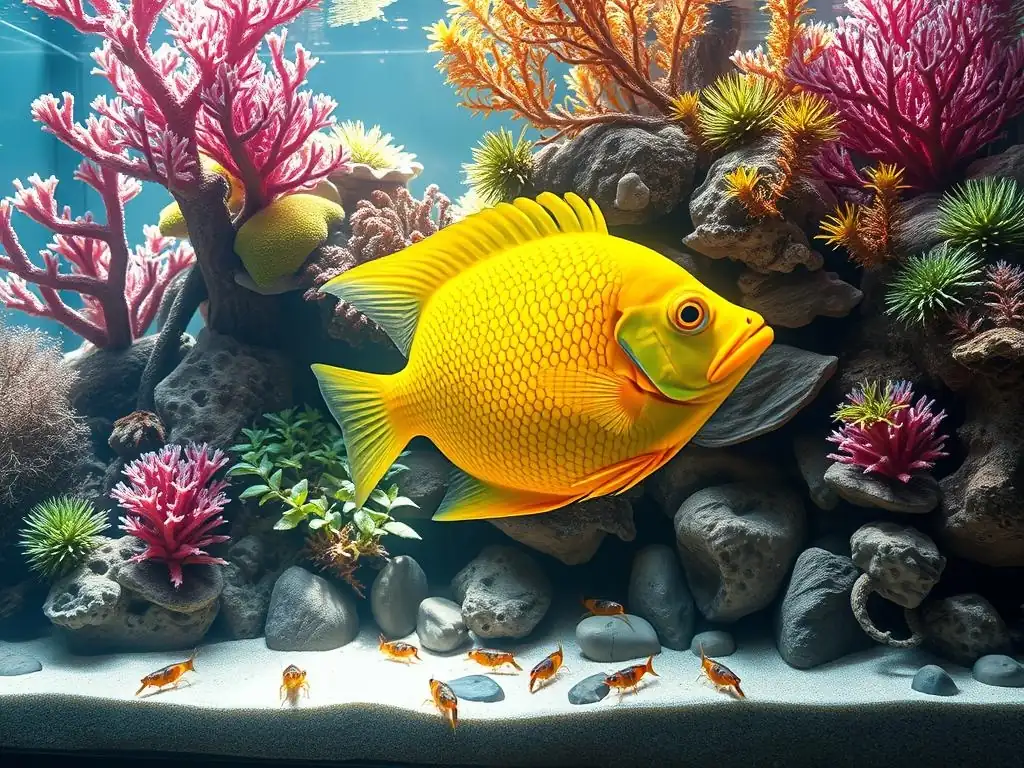
Intrigued by the vibrant flash of sunshine in your aquarium? Dive in and discover everything you need to know about Electric Yellow Lab care tips! This popular cichlid, also known as the Labidochromis caeruleus, is a stunning addition to any freshwater tank, but proper care is essential for their well-being. Ready to unlock the secrets to keeping your Electric Yellow Labs happy and healthy? Let's explore!
- Electric Yellow Lab (Labidochromis caeruleus): The Sunshine Cichlid of Lake Malawi - AquariumMastery.com
- Introduction to the Electric Yellow Lab: A Vibrant Addition to Your Aquarium
- Understanding Labidochromis caeruleus: Species Overview
- Electric Yellow Lab Care Tips: Creating the Ideal Aquarium Environment
- Diet and Feeding Habits of Electric Yellow Labs
- Electric Yellow Lab Tank Mates: Compatibility and Community Tanks
- Electric Yellow Lab Breeding: A Guide to Successful Reproduction
- Common Health Issues in Electric Yellow Labs and Prevention
- Purchasing Electric Yellow Labs: Selecting Healthy Specimens
- Troubleshooting Common Problems with Electric Yellow Labs
- Electric Yellow Lab: Pros and Cons of Keeping This Cichlid
- Conclusion: Enjoying the Beauty of Electric Yellow Labs in Your Home Aquarium
- Frequently Asked Questions
- Final Reflection: Illuminating the Aquarium World
- Unleash the Sunshine: Start Your Electric Yellow Lab Journey!
Electric Yellow Lab (Labidochromis caeruleus): The Sunshine Cichlid of Lake Malawi - AquariumMastery.com
Introduction to the Electric Yellow Lab: A Vibrant Addition to Your Aquarium
The Electric Yellow Lab, scientifically known as Labidochromis caeruleus, stands out as one of the most popular and visually striking freshwater fish in the aquarium hobby. Hailing from the rocky shores of Lake Malawi in East Africa, this vibrant cichlid brings a splash of brilliant yellow to any African cichlid setup. Its relatively peaceful temperament, coupled with its captivating coloration, makes it an excellent choice for both novice and experienced aquarists looking to add dynamic life to their tanks.
Often called the "Sunshine Cichlid" or "Electric Yellow Cichlid," Labidochromis caeruleus is renowned for its intense, almost neon yellow body, often contrasted with black markings on its dorsal, anal, and pelvic fins. Beyond its aesthetic appeal, this species is known for its engaging behavior and hardiness when kept under appropriate conditions. Understanding the specific Electric Yellow Lab care tips is essential to ensure these magnificent fish thrive and display their full potential in a home aquarium.
Understanding Labidochromis caeruleus: Species Overview
The Electric Yellow Lab is endemic to the vast, ancient waters of Lake Malawi, one of the African Great Lakes, located in the Great Rift Valley. This colossal lake is renowned for its incredible biodiversity, particularly its cichlid population, which boasts over 850 described species. Labidochromis caeruleus specifically inhabits the rocky, clear water zones of the lake, particularly around Nkhata Bay and Lion's Cove, where they are found in depths ranging from 10 to 40 meters.
In their natural habitat, these cichlids are primarily found navigating complex rock formations, crevices, and caves. They are often observed foraging for aufwuchs – a biological film of algae and the small invertebrates living within it – which they scrape from the rocky surfaces. This natural environment dictates much of their behavior and dietary needs in captivity, emphasizing the importance of replicating these conditions for successful Electric Yellow Lab care tips.
Physical Characteristics: Identifying the Electric Yellow Cichlid
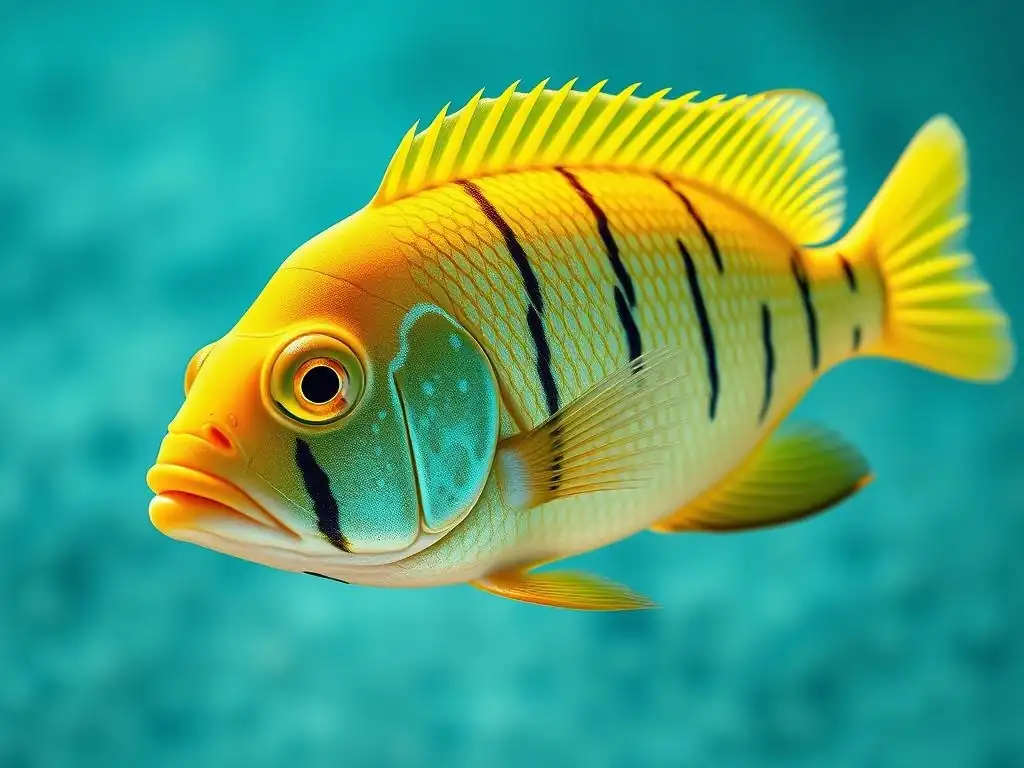
The most defining feature of the Electric Yellow Cichlid is its vivid, almost fluorescent yellow body, which gives it its common name. This brilliant hue is consistent across the entire body, providing a stark contrast to the prominent black stripe that runs along the dorsal fin. In many specimens, touches of black can also be seen on the anal and pelvic fins, further enhancing their visual appeal.
Adult Labidochromis caeruleus typically reach an average size of 4 to 5 inches (approximately 10-13 cm) in captivity, with males often growing slightly larger and sometimes exhibiting more intense coloration, especially during breeding periods. Their body shape is elongated and somewhat compressed laterally, a common trait among Mbuna cichlids adapted for navigating rocky environments. Their mouth is designed for grazing, featuring small, conical teeth ideal for picking at surfaces.
Lifespan and Size: What to Expect from Your Yellow Lab
With proper Electric Yellow Lab care tips and a well-maintained environment, these cichlids can enjoy a relatively long and healthy life in a home aquarium. On average, an Electric Yellow Lab can live for 6 to 10 years, and some individuals have been known to live even longer under optimal conditions. Factors such as consistent water quality, a balanced diet, and minimal stress significantly contribute to their longevity.
As mentioned, adult Electric Yellow Labs typically attain a size of 4 to 5 inches (10-13 cm). Males tend to be on the upper end of this range, while females might be slightly smaller. Their growth rate is influenced by diet, tank size, and water parameters; adequate space and nutritious food will promote healthy development. Providing ample swimming room and a stable ecosystem are crucial Electric Yellow Lab care tips for ensuring they reach their full size and lifespan potential.
Electric Yellow Lab Care Tips: Creating the Ideal Aquarium Environment
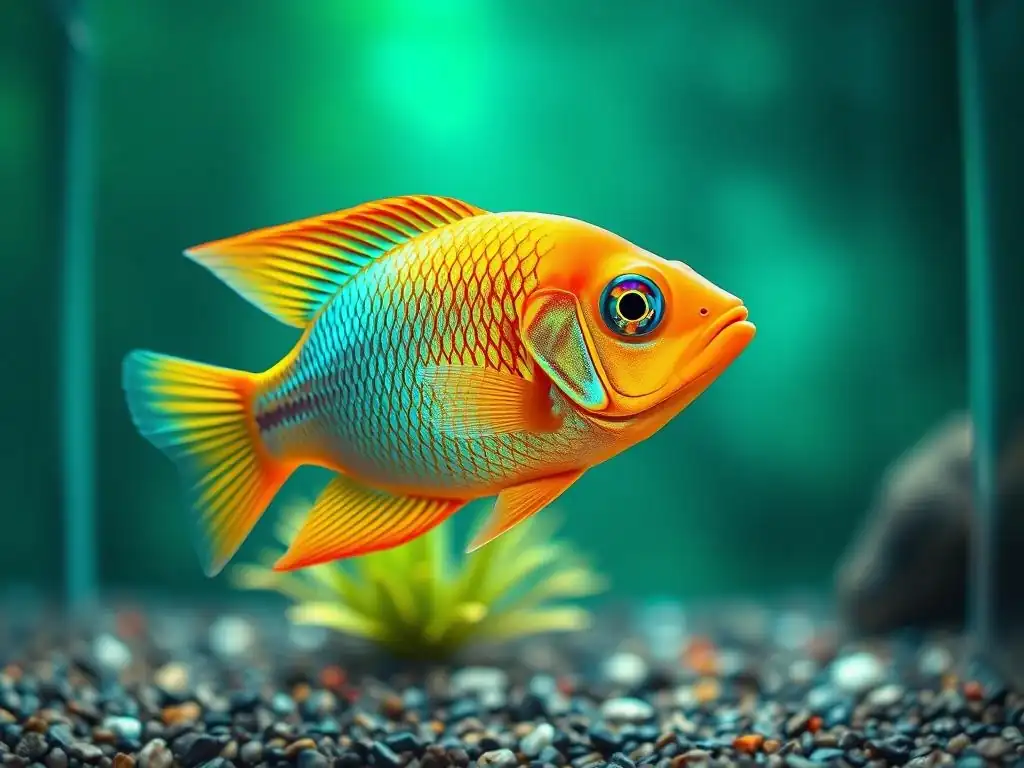
Providing an appropriately sized aquarium is fundamental for the well-being and proper behavior of Electric Yellow Labs. For a small group of 3-5 individuals, a minimum tank size of 40 gallons (approximately 150 liters), particularly a "40-gallon breeder" style with a larger footprint, is recommended. The elongated shape of these tanks offers more horizontal swimming space and territory for these active fish, which is often more beneficial than vertical height.
However, for a thriving community of Electric Yellow Labs alongside other compatible Mbuna cichlids, a 75-gallon (approximately 280 liters) or larger aquarium is highly advisable. Larger tanks significantly help in diluting aggression and establishing distinct territories, reducing stress among the inhabitants. A tank measuring at least 48 inches (120 cm) in length is ideal for allowing multiple individuals to establish their own spaces and for reducing the likelihood of territorial disputes. Adhering to these tank size recommendations is a critical aspect of effective Electric Yellow Lab care tips.
Water Parameters: Maintaining Optimal Water Quality for Labidochromis caeruleus
Temperature, pH, and Hardness: Fine-Tuning Water Chemistry
Maintaining precise and stable water parameters is paramount for the health of Labidochromis caeruleus, as they are highly sensitive to fluctuations. Their natural habitat in Lake Malawi is characterized by warm, alkaline, and hard water. To replicate this, the ideal temperature range for Electric Yellow Labs is 76-82°F (24-28°C). Consistency within this range is more important than hitting an exact number, so avoiding sudden temperature swings is key.
The pH level should be maintained between 7.8 and 8.6, reflecting the naturally high alkalinity of Lake Malawi. Water hardness (GH) should be in the range of 10-20 dGH (180-360 ppm). Aquarists often use crushed coral, aragonite sand, or specialized African cichlid salts to buffer the water and maintain these elevated pH and hardness levels. Regular testing with a reliable aquarium test kit, at least weekly, is an indispensable part of Electric Yellow Lab care tips to ensure these parameters remain within the optimal range.
Importance of Regular Water Changes for Yellow Lab Cichlids
Regular water changes are arguably the single most important Electric Yellow Lab care tip for maintaining a healthy aquarium environment. Cichlids, especially Mbuna like the Electric Yellow Lab, produce a significant amount of waste, which can quickly lead to an accumulation of nitrates, phosphates, and other harmful toxins in the water. High levels of these pollutants can stress fish, suppress their immune systems, and make them highly susceptible to diseases such as Malawi Bloat.
It is generally recommended to perform weekly water changes of 25-30% of the tank's volume. For heavily stocked Mbuna tanks, some aquarists opt for even larger or more frequent changes. Always use a high-quality dechlorinator to neutralize chlorine and chloramines in tap water, and ensure the replacement water is temperature-matched to the aquarium to prevent shock. Consistent water changes are not just about cleanliness; they are about maintaining the stable, pristine water quality that these fish require to thrive.
Substrate and Decor: Replicating the Natural Habitat
Rockwork and Caves: Providing Shelter and Territory
Replicating the rocky, crevice-filled environment of Lake Malawi is crucial for the well-being and behavioral expression of Electric Yellow Labs. These cichlids require an abundance of rockwork to create numerous caves, tunnels, and visual barriers. This setup serves multiple purposes: it provides essential hiding spots for less dominant fish, helps to break up lines of sight to reduce aggression, and allows males to establish and defend territories.
Inert rocks such as lava rock, Texas Holey Rock, slate, or various types of river rock are excellent choices. Arrange them carefully to create stable, secure structures that won't collapse. Aim for multiple caves and crevices, ideally more than the number of fish, to ensure all individuals have a place to retreat. This extensive rockwork is not only aesthetically pleasing but is also a vital Electric Yellow Lab care tip for managing their natural territorial instincts and promoting a peaceful community tank.
Choosing the Right Substrate for Your Electric Yellow Lab Tank
The choice of substrate plays a significant role in both the aesthetics and the chemistry of an Electric Yellow Lab aquarium. In their natural habitat, these cichlids are often found near sandy bottoms adjacent to rocky areas. Therefore, a fine sand substrate is highly recommended. Sand allows Electric Yellow Labs to exhibit their natural digging and sifting behaviors without damaging their mouths, unlike coarser gravel which can be abrasive.
Furthermore, certain types of sand can contribute to maintaining the desired water parameters. Aragonite sand or crushed coral, for instance, naturally buffer the water, helping to keep the pH high and the water hard, which aligns perfectly with the requirements of Lake Malawi cichlids. A layer of 1-2 inches (2.5-5 cm) of sand is typically sufficient, though some aquarists prefer deeper beds in specific setups. Avoiding large, sharp gravel is a key Electric Yellow Lab care tip to prevent potential injury and impaction issues.
Diet and Feeding Habits of Electric Yellow Labs
Natural Diet vs. Aquarium Diet: Meeting Nutritional Needs
In their native Lake Malawi, Labidochromis caeruleus are primarily micro-predators and detritivores, often described as omnivores with a strong preference for vegetable matter. Their natural diet consists mainly of aufwuchs, which is the algae and the small crustaceans, insect larvae, and other invertebrates living within it, scraped from rocky surfaces. This means their digestive systems are adapted to a diet rich in plant material and relatively low in animal protein.
When translating this to an aquarium diet, it is crucial to prioritize vegetable-based foods. Feeding high-protein, fatty foods commonly given to carnivorous fish can lead to serious health issues, most notably Malawi Bloat, a potentially fatal digestive disorder common in Mbuna cichlids. Therefore, a well-planned diet that mimics their natural intake is a fundamental Electric Yellow Lab care tip for their long-term health.
Recommended Food Options for Yellow Lab Cichlids
To meet the specific nutritional needs of Electric Yellow Labs, a high-quality spirulina-based flake or pellet should form the staple of their diet. Brands that specialize in African cichlid foods often offer excellent formulations, such as those with a high percentage of spirulina algae. Supplementing this with blanched vegetables like zucchini, spinach, or shelled peas provides additional fiber and essential vitamins.
While they do consume some protein in the wild, it should be offered sparingly in captivity. Occasional treats of very small amounts of high-quality, low-fat protein sources like brine shrimp or Mysis shrimp are acceptable, perhaps once or twice a week. However, strictly avoid foods like bloodworms, beef heart, or overly fatty live foods, as these are significant contributors to Malawi Bloat. A varied yet appropriate diet is a cornerstone of Electric Yellow Lab care tips.
Feeding Schedule and Portion Control: Preventing Overfeeding
Overfeeding is a common mistake in aquarium keeping and can have detrimental effects on Electric Yellow Labs. Not only does uneaten food quickly degrade water quality, leading to spikes in ammonia and nitrates, but it also contributes directly to health problems like Malawi Bloat. A proper feeding schedule and strict portion control are therefore vital Electric Yellow Lab care tips.
It is recommended to feed Electric Yellow Labs small amounts 2-3 times per day. The key principle is to provide only what they can consume entirely within 1-2 minutes. Any food remaining after this time should be promptly removed to prevent water pollution. This approach ensures they receive adequate nutrition without the risks associated with excess food. Observing their behavior and body condition will help you fine-tune the exact portion sizes for your specific fish.
Electric Yellow Lab Tank Mates: Compatibility and Community Tanks
Suitable Tank Mates for Labidochromis caeruleus
Electric Yellow Labs are generally considered one of the more peaceful Mbuna cichlids, making them an excellent choice for a mixed African cichlid aquarium. Ideal tank mates include other Mbuna species that share similar water parameter requirements and dietary needs, and are not overly aggressive or similarly colored to avoid excessive territorial disputes. Selecting fish with different color patterns can also help reduce aggression based on mistaken identity.
Good candidates for tank mates include:
- Iodotropheus sprengerae (Rusty Cichlid): Known for their relatively calm demeanor and orange-brown coloration.
- Cynotilapia afra (Dogtooth Cichlid): Specific locality forms like "Jalo Reef" or "Hara" are often suitable, offering blue and black patterns.
- Pseudotropheus saulosi (Saulosi Cichlid): Males are blue with black bars, females are yellow, providing a nice contrast.
- Melanochromis cyaneorhabdos (Maingano or Electric Blue Johanni): While somewhat more assertive, their distinct blue and black stripes can work in a well-stocked, large tank.
When introducing tank mates, ensure adequate rockwork and hiding spots are available for all inhabitants to establish territories and reduce stress. This thoughtful approach to stocking is a crucial aspect of successful Electric Yellow Lab care tips.
Fish to Avoid: Preventing Aggression and Predation
While Electric Yellow Labs are relatively peaceful for Mbuna, they are still cichlids and can be territorial. Therefore, careful consideration of tank mates is essential to prevent aggression, stress, and potential harm. Certain types of fish should generally be avoided in a Labidochromis caeruleus community tank.
Firstly, highly aggressive Mbuna species such as Maylandia estherae (Red Zebra), Metriaclima callainos (Cobalt Blue), or Melanochromis auratus (Auratus Cichlid) should be avoided. Their intense territoriality and bullying behavior can quickly overwhelm the more docile Yellow Labs, leading to constant stress, fin nipping, and even death. Secondly, Peacock Cichlids ( Aulonocara species) are generally not ideal tank mates.
While often beautiful, their dietary needs differ (Peacocks are largely insectivores/piscivores), and their more timid nature can lead them to be outcompeted for food or stressed by the more active Mbuna. Similarly, large Haplochromine cichlids (Haps) can grow significantly larger and may view Yellow Labs as prey. Finally, any non-cichlid fish that are too small, too delicate, or have vastly different water parameter requirements should not be housed with Electric Yellow Labs.
Stocking Density: Maintaining a Balanced Aquarium Ecosystem
Maintaining an appropriate stocking density is a nuanced but critical Electric Yellow Lab care tip for managing aggression in an Mbuna cichlid tank. While it might seem counterintuitive, a slightly "overstocked" Mbuna tank can sometimes help distribute aggression among multiple fish, preventing one individual from being singled out and relentlessly bullied. This strategy works by reducing the ability of any single fish to establish and defend a large territory, as there are too many potential rivals.
For a 75-gallon tank, a suitable stocking level might involve 15-20 adult Mbuna, carefully selected for compatibility and with an emphasis on appropriate male-to-female ratios (e.g., 1 male to 3-4 females for each species). However, this approach comes with a significant caveat: high stocking density necessitates robust filtration and diligent maintenance. Excellent mechanical and biological filtration (e.g., multiple large canister filters) and frequent, substantial water changes (25-50% weekly) are absolutely essential to manage the increased bioload and maintain pristine water quality. Without these measures, overstocking will lead to rapid water degradation and health issues.
Electric Yellow Lab Breeding: A Guide to Successful Reproduction
Setting Up a Breeding Tank for Labidochromis caeruleus
Electric Yellow Labs are relatively easy to breed in captivity and are prolific mouthbrooders. While they can and often do breed in a community tank, setting up a dedicated breeding tank significantly increases the survival rate of the fry. A 20-30 gallon (75-110 liter) tank is typically sufficient for a single breeding pair or a trio (one male, two females).
The breeding tank should mimic the main tank's water parameters, with a temperature around 80°F (27°C) to encourage spawning. Provide plenty of flat rocks, caves, and even flowerpots turned on their side, as these offer ideal spawning sites and crucial hiding spots for the female after spawning.
Minimal substrate (a thin layer of sand) or a bare bottom can make cleaning easier and prevent fry from getting lost. A sponge filter is an excellent choice for filtration in a breeding tank, as it provides gentle current and won't suck up tiny fry, further enhancing successful Electric Yellow Lab care tips for reproduction.
Identifying Male and Female Electric Yellow Labs
Sexual dimorphism in Labidochromis caeruleus is subtle, making it challenging to definitively distinguish males from females, especially when they are young. Generally, adult males tend to be slightly larger and may exhibit more intense, vibrant yellow coloration, particularly when they are mature and ready to breed. They may also develop more pronounced and brighter egg spots on their anal fins, which are used during the spawning ritual.
The most reliable method for sexing Electric Yellow Labs is venting, which involves examining the fish's genital papilla. This requires carefully holding the fish and observing the vent area. Males typically have two small, similarly sized pores, while females will have a larger, more rounded pore for egg laying, alongside a smaller one for waste.
However, venting requires experience and can be stressful for the fish, so it should only be attempted by knowledgeable aquarists. Observing behavior, such as a male chasing a female or a female holding eggs in her mouth, is often the easiest way to identify a breeding pair.
Spawning Process and Fry Care: Nurturing the Next Generation
The spawning process of Electric Yellow Labs is a fascinating display of mouthbrooding behavior. The male will initiate courtship by displaying to the female, often quivering and shaking his body to entice her to a chosen spawning site, typically a flat rock or a depression in the substrate. The female will then lay a small batch of eggs, which she immediately gathers into her mouth.
As she does this, the male will display his egg spots on his anal fin. The female, mistaking these spots for more eggs, attempts to pick them up, at which point the male releases milt, fertilizing the eggs already in her mouth. This process is repeated until all eggs are laid and fertilized.
Once the eggs are fertilized, the female becomes a "mouthbrooder," holding the eggs and later the developing fry in her buccal cavity for approximately 21-28 days (3-4 weeks), depending on the water temperature. During this period, she will not eat and will often appear reclusive, seeking out hiding spots. It is crucial to minimize disturbance to the female during this time, as stress can cause her to spit out or even swallow the eggs or fry prematurely. Observing this natural parenting is a rewarding aspect of following Electric Yellow Lab care tips.
Raising Electric Yellow Lab Fry: From Hatching to Independence
After the mouthbrooding period, the female will release fully formed, free-swimming fry. If she is in a community tank, it is highly recommended to "strip" the female (gently encourage her to release the fry) into a separate grow-out tank just before she is due to release them naturally. This dedicated grow-out tank, typically 10-20 gallons, should have clean, warm water and gentle filtration, such as a sponge filter, to prevent accidental suction of the delicate fry.
Initially, the fry will feed on their remaining yolk sacs for a few days. Once free-swimming, they can be fed finely crushed spirulina flakes, newly hatched brine shrimp, or specialized fry food. Feeding should occur 3-5 times a day in very small amounts to support their rapid growth.
Frequent small water changes (10-20% daily or every other day) are essential in the fry tank to maintain pristine water quality, which is critical for their development and health. With proper feeding and care, Electric Yellow Lab fry grow relatively quickly, reaching about 1 inch in size within 2-3 months, at which point they can be introduced to larger tanks or sold. These detailed steps are vital Electric Yellow Lab care tips for successful fry rearing.
Common Health Issues in Electric Yellow Labs and Prevention
Recognizing Symptoms of Disease in Labidochromis caeruleus
Early detection of disease is crucial for effective treatment and preventing spread within your aquarium. Electric Yellow Labs, like all fish, can be susceptible to various ailments if their environment is not optimal. Common symptoms of illness include:
- Behavioral changes: Lethargy, loss of appetite, refusing to eat, hiding excessively, gasping at the surface, rapid breathing, rubbing or "flashing" against tank decor.
- Physical signs: Dull or faded coloration (loss of vibrant yellow), clamped fins (fins held close to the body), frayed or ragged fins, white spots on the body or fins (Ich), cottony growths (fungus), bloating (especially a distended abdomen, potentially indicative of Malawi Bloat), sunken belly, cloudy eyes, or visible lesions.
Regular observation during feeding times and general tank maintenance allows aquarists to quickly notice any deviations from normal behavior or appearance. Prompt identification of these symptoms is the first step in addressing health issues, highlighting the importance of vigilant Electric Yellow Lab care tips.
Preventing Common Ailments: Maintaining a Healthy Environment
Prevention is always better than cure when it comes to fish health. The vast majority of diseases in Electric Yellow Labs, particularly Malawi Bloat, are directly linked to poor husbandry and stress. Implementing consistent Electric Yellow Lab care tips is the most effective way to prevent common ailments.
Key preventive measures include:
- Consistent Water Quality: Perform regular, frequent water changes (25-30% weekly) to keep nitrate levels low and remove accumulated toxins. Ensure robust filtration (mechanical, biological, and chemical) is always running efficiently.
- Appropriate Diet: Feed a high-quality, spirulina-based diet low in animal protein. Avoid overfeeding at all costs, as this is a primary trigger for Malawi Bloat.
- Stable Water Parameters: Maintain consistent temperature, pH, and hardness within the recommended ranges for Lake Malawi cichlids. Avoid sudden fluctuations.
- Stress Reduction: Provide ample tank size, appropriate stocking levels (including proper male-to-female ratios), and abundant rockwork/hiding spots to minimize aggression and territorial stress.
- Quarantine New Fish: Always quarantine new fish in a separate tank for 2-4 weeks before introducing them to the main aquarium. This prevents the introduction of diseases and parasites.
Treating Sick Electric Yellow Labs: Effective Medications and Techniques
If an Electric Yellow Lab does fall ill, prompt and accurate treatment is essential. The first step is to isolate the sick fish in a hospital or quarantine tank, if possible. This prevents the spread of disease to other tank inhabitants and allows for targeted medication without affecting the main tank's beneficial bacteria or invertebrates.
Accurate diagnosis is critical before administering any medication. Treating the wrong disease can be ineffective or even harmful. For common ailments:
- Ich (White Spot Disease): Characterized by small white spots resembling salt grains. Treatment often involves slowly raising the water temperature (if safe for your fish and within their tolerance) and using an Ich-specific medication containing ingredients like malachite green or copper sulfate, following the manufacturer's instructions carefully.
- Malawi Bloat: Symptoms include a distended abdomen, refusal to eat, white stringy feces, and labored breathing. This is often diet-related. Treatment typically involves metronidazole, administered orally if the fish is still eating, or through water absorption. Prevention through proper diet is significantly more effective than treatment.
- Bacterial Infections (Fin Rot, Body Ulcers): Symptoms like frayed fins, red sores, or cottony growths. Broad-spectrum antibiotics or antibacterial medications can be used, but ensure they are safe for cichlids and follow dosage instructions precisely.
Always remove carbon filtration during medication, as it will absorb the active ingredients. After treatment, perform several large water changes to remove residual medication and consider adding beneficial bacteria supplements to help restore the biological filter. Consulting a fish health guide or an experienced aquarist for diagnosis is advisable.
Purchasing Electric Yellow Labs: Selecting Healthy Specimens
Where to Buy: Reputable Breeders and Aquarium Stores
The source of your Electric Yellow Labs significantly impacts their initial health and long-term well-being. Choosing reputable suppliers is a crucial Electric Yellow Lab care tip for starting your aquarium journey on the right foot.
- Specialized Cichlid Breeders: These are often the best source. Breeders typically have extensive knowledge, maintain excellent husbandry practices, and can provide specific lineage information, ensuring you get healthy, well-bred fish with accurate identification. They often have disease-free facilities.
- Local Fish Stores (LFS): A good LFS will have knowledgeable staff, clean tanks, and healthy-looking fish. Observe the overall condition of their tanks; if other tanks in the store show signs of disease or poor maintenance, it's best to avoid purchasing fish from that establishment.
- Online Retailers: Many reputable online fish retailers exist, offering a wide selection. Look for businesses with strong positive reviews, clear shipping policies, and a live arrival guarantee. Ensure they pack fish properly for transit.
Avoid purchasing fish from stores with dirty, overcrowded tanks, or those with visible sick or deceased fish, as these are strong indicators of potential health problems that could affect your new fish.
What to Look For: Identifying Healthy Electric Yellow Labs
When selecting Electric Yellow Labs for your aquarium, take the time to carefully observe the fish and their immediate environment. Identifying healthy specimens is a vital Electric Yellow Lab care tip that can prevent future heartaches and expenses.
- Vibrant Coloration: Healthy Electric Yellow Labs should display bright, intense yellow coloration. Avoid fish that appear dull, faded, or have unusual dark patches, as these can be signs of stress or illness.
- Active and Alert Behavior: Observe their swimming patterns. Healthy fish will be active, curious, and responsive to their surroundings. Avoid fish that are lethargic, listless, or hiding excessively (unless they are a mouthbrooding female). They should be swimming naturally, not gasping at the surface or rubbing against decor.
- Clear Eyes and Intact Fins: Their eyes should be clear and bright, not cloudy or sunken. Fins should be fully extended, not clamped against the body, and free from tears, nips, or white spots.
- Normal Body Shape: Look for a well-rounded body without any signs of bloating, swelling, or a severely sunken belly. Their gills should not be inflamed or excessively rapid in movement.
- Clean Tank Environment: Even if the specific fish looks healthy, assess the overall cleanliness and health of the tank it's in. If other fish in the same tank appear sick, it's a strong indication that the fish you are considering might also be carrying a disease.
Acclimation Process: Introducing New Fish to Your Aquarium
Proper acclimation is a critical Electric Yellow Lab care tip for minimizing stress and preventing shock when introducing new fish to your established aquarium. A sudden change in water parameters (temperature, pH, hardness) can severely stress fish, making them susceptible to disease.
- Dim Lights: Start by dimming the lights in your aquarium room. This helps reduce stress for the new fish.
- Temperature Acclimation: Float the sealed bag containing the new fish in your aquarium for 15-20 minutes. This allows the water temperature in the bag to gradually equalize with the tank water.
- Water Parameter Acclimation (Drip Acclimation): After temperature equalization, open the bag and roll down the edges to create a floatable ring. Using an airline tubing and a control valve, slowly drip water from your aquarium into the bag. Aim for a drip rate that doubles the volume of water in the bag over 30-60 minutes. This gradual mixing allows the fish to slowly adjust to your tank's pH and hardness.
- Release: Once acclimation is complete, carefully net the fish out of the bag and gently release it into your aquarium. Discard the bag water; never add it to your main tank, as it may contain undesirable pathogens or chemicals from the fish store.
- Observation: Keep the lights off for a few hours after introduction to allow the new fish to explore and settle into its new environment without added stress.
Troubleshooting Common Problems with Electric Yellow Labs
Aggression Issues: Managing Territorial Disputes
While Electric Yellow Labs are considered among the more peaceful Mbuna, they are still cichlids and possess territorial instincts. Aggression can manifest as chasing, nipping, or outright bullying, often leading to stress, injury, or even death for the harassed fish. Common causes include insufficient tank size, improper stocking ratios, incompatible tank mates, or a lack of adequate hiding spots.
To manage aggression:
- Increase Rockwork: Add more rocks, caves, and visual barriers to break up lines of sight and create more territories. Rearranging existing decor can also help reset established territories.
- Review Stocking: Ensure your tank is large enough for the number of fish you have. If aggression persists, consider increasing the number of females per male (e.g., 1 male to 3-4 females) to dilute male aggression. If a specific fish is overly aggressive, it may need to be rehomed.
- Check Compatibility: Ensure all tank mates are suitable for Labidochromis caeruleus and share similar temperaments. Avoid species that are known to be highly aggressive or significantly larger.
- Temporary Removal: For persistent bullies, a temporary "time-out" in a separate tank for a few days, followed by reintroduction after rearranging the main tank, can sometimes help reset their behavior. Implementing these Electric Yellow Lab care tips is key to a harmonious tank.
Poor Coloration: Enhancing the Vibrant Yellow Hue
A dull or faded yellow coloration in your Electric Yellow Labs is often a clear indicator of stress or poor health. While genetics play a role, environmental factors are usually the primary cause.
- Poor Water Quality: High levels of nitrates, ammonia, or nitrites, or incorrect pH/hardness, are significant stressors that can cause fish to lose their vibrant color.
- Inadequate Diet: A diet lacking essential nutrients, particularly spirulina and other carotenoids, can result in faded colors over time.
- Stress from Bullying: Constant harassment from more aggressive tank mates will keep your Yellow Labs stressed and inhibit their natural coloration.
- Lack of Proper Lighting: While less common, insufficient or inappropriate lighting can also affect how colors are perceived and developed.
To enhance their vibrant hue, focus on these Electric Yellow Lab care tips:
- Optimize Water Parameters: Perform immediate water tests and correct any issues with large, frequent water changes. Maintain stable, pristine water quality.
- Upgrade Diet: Ensure you are feeding a high-quality spirulina-based cichlid pellet or flake as the staple, supplemented with occasional blanched vegetables.
- Manage Tank Mates: Address any aggression issues by adding more hiding spots, adjusting stocking, or rehoming incompatible fish.
- Appropriate Lighting: Use full-spectrum LED lighting designed to bring out fish colors, which often includes a balance of blue and red wavelengths.
- Reduce Overall Stress: A healthy, stress-free environment will allow your Electric Yellow Labs to display their most brilliant yellow.
Breeding Difficulties: Identifying and Addressing Obstacles
While Electric Yellow Labs are known for being relatively easy to breed, aquarists may sometimes encounter difficulties if conditions aren't quite right. If your Labidochromis caeruleus are not spawning, consider the following factors:
- Age and Maturity: Ensure your fish are sexually mature, typically around 6-8 months old.
- Sex Ratio: An imbalanced sex ratio, particularly too many males or too few females, can hinder breeding. A ratio of one male to 2-4 females is generally ideal to spread out male attention and reduce stress on individual females.
- Water Parameters: While they can breed in standard parameters, slightly elevated temperatures (e.g., 80°F or 27°C) and stable, pristine water quality can encourage spawning.
- Stress: High stress levels due to overcrowding, aggressive tank mates, or insufficient hiding spots can inhibit breeding behavior.
- Nutrition: A well-fed, healthy fish is more likely to breed. Ensure a high-quality, varied diet, perhaps slightly increasing protein content in the days leading up to desired spawning, while still remaining primarily vegetable-based.
- Spawning Sites: Ensure there are plenty of flat rocks, caves, or other suitable surfaces for the female to lay her eggs.
To encourage breeding, focus on creating an optimal environment: ensure a good sex ratio, provide ample spawning sites, maintain excellent and stable water parameters, and minimize stress. Sometimes, simply waiting patiently while consistently applying these Electric Yellow Lab care tips is all that's needed for them to commence breeding.
Electric Yellow Lab: Pros and Cons of Keeping This Cichlid
Advantages of Keeping Electric Yellow Labs
The Electric Yellow Lab ( Labidochromis caeruleus) is a highly popular choice among aquarists for several compelling reasons, making it a fantastic addition to many freshwater setups.
- Vibrant Coloration: Their most striking feature is their brilliant, almost neon yellow coloration, which stands out vividly in any aquarium and provides a stunning contrast, especially against dark rockwork.
- Relatively Peaceful Temperament: Compared to many other Mbuna cichlids, Electric Yellow Labs are considerably less aggressive. This makes them an excellent "beginner" African cichlid and allows for more flexible community tank setups with other non-aggressive Mbuna.
- Hardy and Resilient: Once established in a properly set up aquarium with consistent Electric Yellow Lab care tips, they are quite robust and tolerant of minor fluctuations, making them forgiving for those new to cichlid keeping.
- Active and Engaging: These fish are constantly exploring their environment, interacting with tank mates, and displaying interesting behaviors, providing continuous entertainment for the observer.
- Easy to Breed: They are prolific mouthbrooders, and their breeding process is fascinating to observe. This makes them a rewarding species for aquarists interested in breeding and raising fry.
- Distinctive Personality: Like many cichlids, individual Electric Yellow Labs can develop unique personalities, adding character to your aquarium.
While Electric Yellow Labs offer many benefits, there are also certain considerations and potential challenges that aquarists should be aware of before committing to keeping them.
- Aggression Potential: Despite being one of the more peaceful Mbuna, they are still cichlids. Males can be territorial, especially towards other males or similarly colored fish, and aggression can become an issue in undersized or improperly stocked tanks. Careful planning of tank mates and decor is crucial.
- Specific Water Parameters: They require high pH (7.8-8.6) and hard water (10-20 dGH) to thrive. This means that aquarists with naturally soft or acidic tap water will need to actively buffer and adjust their water chemistry, which can require consistent effort and monitoring.
- Dietary Sensitivity (Malawi Bloat): Electric Yellow Labs are highly susceptible to Malawi Bloat if fed an improper diet, particularly one that is too high in animal protein or fat. Strict adherence to a spirulina-based, high-vegetable diet is non-negotiable, and overfeeding must be avoided.
- Tank Size Requirements: While not as large as some cichlids, they still require a significant tank size (minimum 40 gallons for a small group, 75+ gallons for a community) to accommodate their size, activity levels, and territorial needs, which can be a barrier for those with limited space.
- Limited Tank Mates: Their specific water parameters, dietary needs, and cichlid temperament mean they cannot be housed with just any freshwater fish. Compatibility must be carefully researched to ensure a harmonious and healthy community.
Conclusion: Enjoying the Beauty of Electric Yellow Labs in Your Home Aquarium
The Electric Yellow Lab ( Labidochromis caeruleus) truly lives up to its moniker as the "Sunshine Cichlid," bringing unparalleled vibrancy and dynamic energy to any freshwater aquarium. Their striking coloration, engaging behaviors, and relatively manageable temperament make them an ideal choice for aquarists eager to explore the fascinating world of African cichlids. From their origins in the rocky depths of Lake Malawi to their active foraging in a home tank, these fish offer a captivating display of natural beauty and intelligence.
Successfully keeping these magnificent cichlids hinges on a dedicated approach to their care. By faithfully applying the key Electric Yellow Lab care tips discussed – providing an appropriately sized aquarium with ample rockwork, maintaining precise and stable water parameters, offering a specialized vegetable-rich diet, and carefully selecting compatible tank mates – you can ensure your Electric Yellow Labs not only survive but truly thrive. With proper husbandry, these hardy and rewarding fish will continue to illuminate your home aquarium for many years, providing endless enjoyment and a brilliant splash of color.
Frequently Asked Questions
What are the ideal water parameters for Electric Yellow Labs?
Electric Yellow Labs thrive in alkaline water with a pH between 7.8 and 8.6. Maintain a temperature between 74°F and 82°F and ensure good water hardness. Regular water changes are essential for their health.
What is the best diet for Electric Yellow Labs?
These cichlids are primarily herbivores, so their diet should consist mainly of high-quality cichlid flakes or pellets with vegetable matter. Supplement with occasional treats like spirulina flakes or blanched vegetables to ensure balanced nutrition.
How large of a tank do Electric Yellow Labs need?
A minimum of a 30-gallon tank is recommended for a small group of Electric Yellow Labs. Larger tanks, such as 55 gallons or more, are better for larger groups or to accommodate tank mates.
What are some compatible tank mates for Electric Yellow Labs?
Electric Yellow Labs are relatively peaceful cichlids. Compatible tank mates include other peaceful Malawi cichlids of similar size and temperament. Avoid housing them with overly aggressive species.
What are some common health issues to watch out for in Electric Yellow Labs?
Like other cichlids, Electric Yellow Labs can be susceptible to diseases like ich (white spot disease) and Malawi bloat. Maintaining good water quality and observing your fish for signs of illness are crucial for preventative care.
Final Reflection: Illuminating the Aquarium World
The journey through understanding the Electric Yellow Lab's vibrant life and specific needs underscores a broader commitment to responsible fishkeeping. These dazzling cichlids, more than just splashes of color in our tanks, represent a microcosm of the delicate ecosystems we must strive to understand and protect. Their popularity demands that we, as aquarists, move beyond mere aesthetics and embrace the responsibility of providing optimal care.
The enduring allure of the Electric Yellow Lab highlights how our fascination with the natural world can drive us to learn and adapt. This tiny, radiant fish has sparked countless conversations and inspired a deeper appreciation for the biodiversity of Lake Malawi. In the end, we will conserve only what we love; we will love only what we understand; and we will understand only what we are taught.
- Baba Dioum's words resonate deeply, reminding us that education is the cornerstone of conservation, even within the confines of our aquariums.
Now, armed with these insights into Electric Yellow Lab care, I invite you to reflect on your own role in the aquarium hobby. Consider how you can contribute to a more sustainable and ethical practice. Let the vibrant energy of these sunshine cichlids inspire you to continuously learn, share your knowledge, and champion the well-being of all aquatic life. The future of our aquariums, and indeed, the future of these incredible species, rests in our hands.
Unleash the Sunshine: Start Your Electric Yellow Lab Journey!
Thank you for diving into the fascinating world of the Electric Yellow Lab! We hope you've gained valuable insights into keeping these vibrant cichlids happy and healthy. Ready to bring some sunshine into your aquarium?
Here's how you can get started:
- Dive in and begin planning your tank setup! Research compatible tank mates and ensure you have the ideal environment for your new Electric Yellow Labs to thrive.
- Share your newfound knowledge! Spread the word about the Electric Yellow Lab with fellow aquarium enthusiasts on social media.
- Challenge yourself! Try breeding your Electric Yellow Labs - it's a rewarding experience that will deepen your understanding of these amazing fish.
What unique aquascaping idea are you most excited to implement for your Electric Yellow Lab setup?