
Line Breeding Swordtails: Crafting Your Dream Strain StepbyStep

Welcome to Aquarium Mastery!
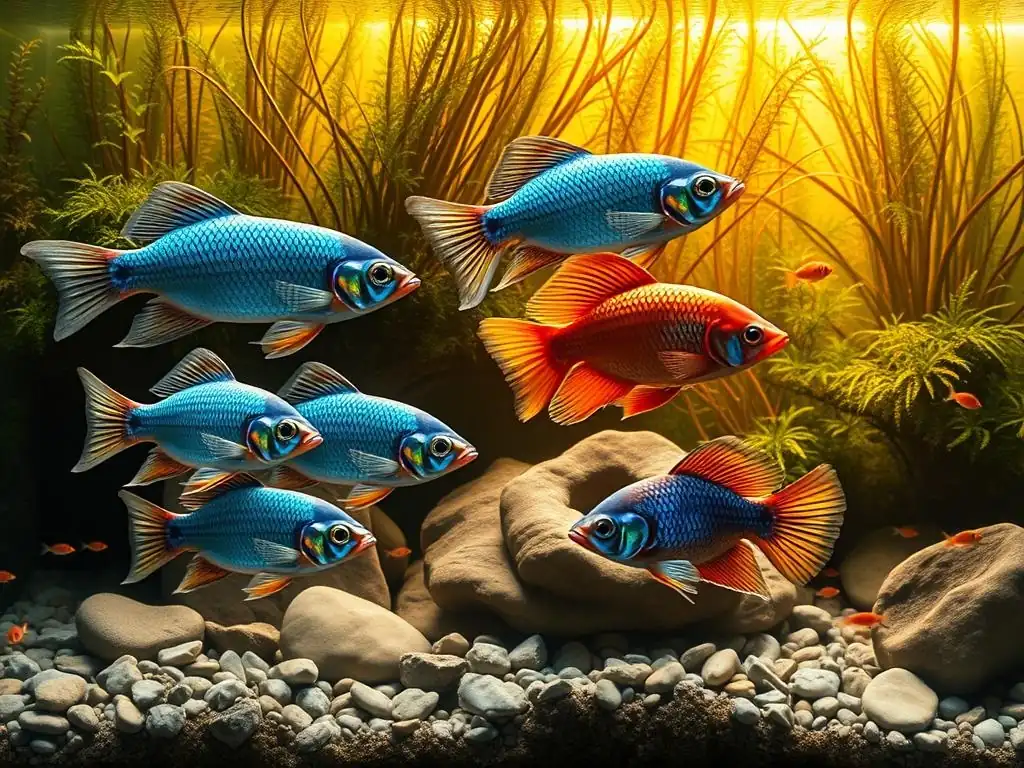
Ever dreamed of crafting the perfect Swordtail, a living masterpiece swimming in your tank? Dive into our Swordtail breeding line genetics guide and unlock the secrets to refining your fish's lineage. Curious about how to select for specific traits and avoid common pitfalls? Let's embark on this fascinating journey together and transform your breeding aspirations into vibrant reality!
- Understanding Swordtail Genetics for Selective Breeding
-
Frequently Asked Questions
- What is line breeding in the context of Swordtails, and why would I want to do it?
- How do I select which Swordtails to include in my breeding line?
- What are the potential risks of line breeding Swordtails?
- How often should I introduce new genetics into my Swordtail breeding line?
- Where can I find unrelated Swordtails to introduce into my breeding line?
- Final Reflection: Sculpting Aquatic Art Through Line Breeding
- Unleash Your Inner Fish Geneticist!
Understanding Swordtail Genetics for Selective Breeding
Introduction to Swordtail Line Breeding: A Definition
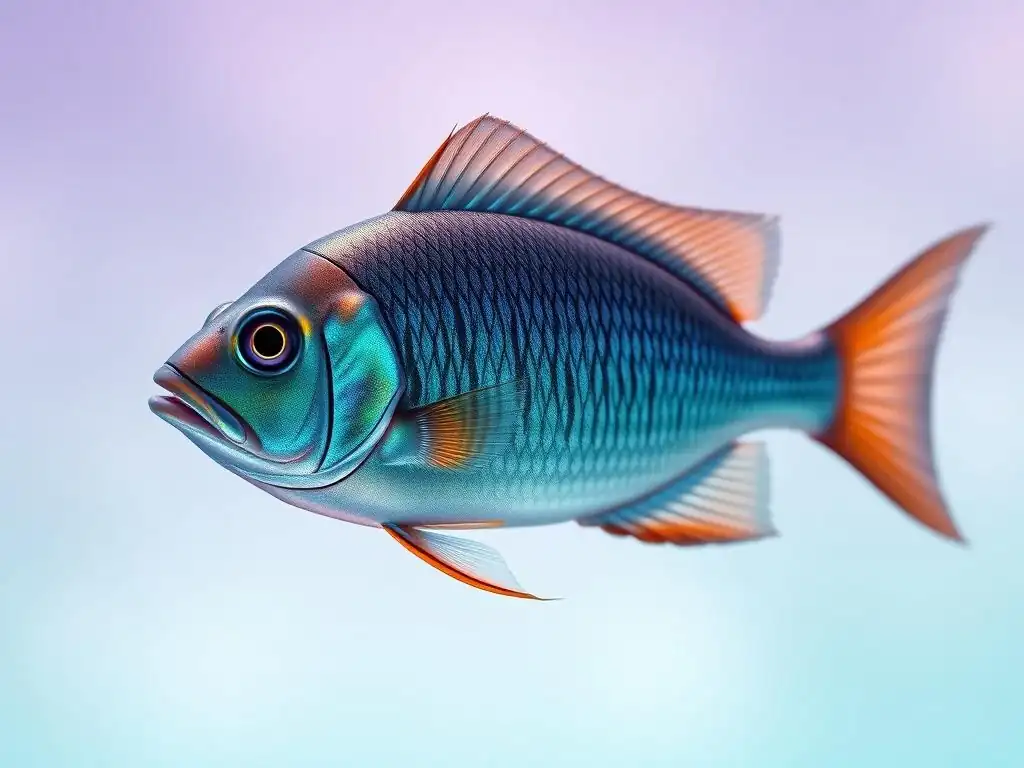
Line breeding in swordtails is a systematic approach to selective breeding, where an aquarist focuses on propagating specific desirable traits within a closed population over multiple generations. This method involves carefully choosing parent fish that exhibit the target characteristics, such as vibrant coloration, unique fin shapes, or enhanced hardiness, and then breeding their offspring to further concentrate these genetic traits. The ultimate goal is to establish a stable, predictable strain of swordtails that consistently expresses the desired attributes, making it a cornerstone for any serious Swordtail breeding line genetics guide.
This meticulous process differs from random breeding by its intentionality and rigorous record-keeping. It’s about building a genetic lineage, refining the gene pool with each successive generation to eliminate undesirable traits and amplify the sought-after ones. Through careful selection, breeders can transform a diverse group of swordtails into a uniform line, such as a pure "Pineapple Swordtail" strain with consistent yellow and red markings, or a "Lyretail Swordtail" with exaggerated finnage that breeds true.
Why Choose Line Breeding for Swordtails? Advantages and Limitations
Choosing line breeding for swordtails offers several significant advantages for the dedicated aquarist. Primarily, it allows for the stabilization and enhancement of specific aesthetic traits, enabling the creation of unique and highly prized strains that are not commonly found in general pet store stock. For instance, a breeder might develop a line of "Red Velvet Swordtails" with an exceptionally deep, uniform red hue across their bodies and fins, or improve the sword extension on males to a remarkable length.
Furthermore, line breeding can be used to improve desirable physiological traits, such as increased disease resistance or a more robust body shape, leading to healthier and more resilient fish. This systematic approach is a key component of any advanced Swordtail breeding line genetics guide.
However, line breeding also comes with inherent limitations. The most significant challenge is the increased risk of inbreeding depression, which can manifest as reduced fertility, slower growth rates, increased susceptibility to disease, or even genetic deformities if not carefully managed. This occurs when the gene pool becomes too narrow, leading to an accumulation of deleterious recessive genes.
Another limitation is the considerable time and space commitment required; maintaining multiple breeding tanks and tracking pedigrees over several generations demands significant resources. Additionally, the initial selection of foundation stock is critical, as poor starting genetics can severely hamper progress and make it difficult to achieve desired outcomes.
Essential Genetic Principles for Swordtail Breeders
Understanding fundamental genetic principles is paramount for any successful Swordtail breeding line genetics guide. The interplay of genes dictates how traits are passed from parents to offspring, influencing everything from color patterns to fin development and even disease resistance. A solid grasp of these concepts allows breeders to make informed decisions, predict outcomes, and effectively manage their breeding lines to achieve specific goals.
Successful swordtail line breeding relies on the application of Mendelian genetics, observing how dominant and recessive alleles express themselves in the phenotype. For example, the presence of the "wagtail" gene, which results in black fins, is often dominant over normal fin coloration in some swordtail strains. Breeders must also consider polygenic traits, where multiple genes contribute to a single characteristic, such as overall body size or the intensity of a particular color, making selection more complex but equally rewarding.
Understanding Heritability in Swordtails
Heritability refers to the proportion of phenotypic variation (observable traits) in a population that is attributable to genetic variation among individuals. In simpler terms, it tells breeders how much of a specific trait's expression is due to genetics rather than environmental factors. For swordtails, traits like base body color (e.g., red, green), fin shape (e.g., lyretail, high-fin), and the presence of specific patterns (e.g., wagtail, pineapple) tend to have high heritability, meaning that offspring are likely to resemble their parents for these traits.
Conversely, traits like overall growth rate or disease resistance can have lower heritability, as they are often significantly influenced by environmental factors such as diet, water quality, and tank conditions. A breeder aiming to enhance a highly heritable trait like red coloration will see faster, more predictable results compared to trying to improve growth rate solely through genetic selection. Understanding heritability helps in setting realistic breeding goals and optimizing selection strategies within a Swordtail breeding line genetics guide.
Recognizing Phenotypes and Genotypes in Swordtail Populations
For effective line breeding, it is crucial for swordtail enthusiasts to differentiate between phenotype and genotype. The phenotype is the observable characteristic of an individual, such as a "Red Swordtail" with a vibrant red body and fins, or a "Lyretail Swordtail" distinguished by its elongated, flowing fins. These are the traits that breeders can visually assess and select for in their breeding programs.
The genotype, on the other hand, refers to the specific genetic makeup of an individual, the set of genes it carries, which may or may not be expressed in its phenotype. For example, a red swordtail might be homozygous dominant (RR) for the red gene, or heterozygous (Rr) if red is dominant and green is recessive, still presenting as red.
Understanding this distinction is vital because individuals with the same phenotype might have different genotypes, impacting how traits are passed on to future generations. A breeder aiming to create a true-breeding red strain must identify and select individuals that are homozygous for the red trait, which often requires test breeding.
The Role of Mutations in Swordtail Line Development
Genetic mutations are spontaneous, random changes in an organism's DNA sequence, and they play a significant role in the development of new and unique swordtail strains. While many mutations are neutral or even harmful, a small percentage can introduce beneficial or aesthetically desirable traits that were not previously present in the population. For instance, the "high-fin" characteristic, resulting in an elongated dorsal fin, likely originated as a mutation that breeders then identified and selectively propagated.
When a beneficial mutation occurs, a discerning breeder can identify the individual fish exhibiting the new trait and strategically breed it to establish a new line. This process involves isolating the mutated fish and breeding it with normal individuals or siblings to determine if the trait is heritable and how it is expressed (e.g., dominant or recessive). Over several generations, through careful selection and controlled breeding, the new trait can be stabilized and integrated into a distinct swordtail strain, significantly contributing to the diversity and appeal of the species within any comprehensive Swordtail breeding line genetics guide.
Frequently Asked Questions
What is line breeding in the context of Swordtails, and why would I want to do it?
Line breeding is a form of selective breeding where you mate Swordtails that are more closely related than the average population. This helps concentrate desired traits and establish a consistent breeding line over time.
How do I select which Swordtails to include in my breeding line?
Focus on individuals that consistently display the characteristics you desire in your future generations, such as specific colors, fin shapes, or sizes. Keep detailed records of each fish's phenotype and pedigree to track your progress.
What are the potential risks of line breeding Swordtails?
Line breeding can lead to inbreeding depression, which can result in reduced fertility, weakened immune systems, and increased susceptibility to genetic defects. Careful planning and selective outcrossing are crucial to mitigate these risks.
How often should I introduce new genetics into my Swordtail breeding line?
The frequency of introducing new genetics depends on the line's health and stability. A general guideline is to introduce unrelated individuals every few generations to prevent excessive inbreeding and maintain genetic diversity.
Look for reputable breeders or hobbyists who maintain different lines of Swordtails. Aim to introduce individuals with desirable traits that complement your existing line while minimizing the risk of introducing unwanted characteristics.
Final Reflection: Sculpting Aquatic Art Through Line Breeding
The journey through line breeding swordtails, as we've explored, isn't merely about creating fish; it's about understanding and manipulating the very blueprint of life. The principles of genetics, meticulously applied, allow us to shape these aquatic creatures into living works of art, a testament to the power of selective breeding and patient observation. This process, while demanding, offers a profound connection to the natural world and a unique opportunity to express creativity through living organisms.
This dedication to line breeding has profoundly impacted the hobby, pushing the boundaries of what's possible in swordtail morphology and coloration. The ability to isolate and amplify desired traits, while simultaneously mitigating undesirable ones, has transformed the landscape of ornamental fish keeping. The beauty of genetics lies in its potential to reveal the hidden possibilities within a species, allowing us to unlock forms and colors previously unseen.
This pursuit not only enhances the aesthetic appeal of our aquariums but also deepens our appreciation for the intricate mechanisms that govern heredity.
Now, as you embark on your own swordtail breeding journey, remember that patience and meticulous record-keeping are your greatest allies. Embrace the challenges, celebrate the successes, and never lose sight of the artistry inherent in this endeavor. Let the knowledge gained here inspire you to not only create your dream strain, but also to contribute to the ongoing evolution and appreciation of these magnificent fish.
Unleash Your Inner Fish Geneticist!
Thank you for diving into the fascinating world of swordtail line breeding! We hope you've gained a solid understanding of the process and are feeling inspired to create your own unique strain. Now, let's turn that knowledge into action!
Here are some steps you can take right now:
- Start your first line breeding project! Choose a desirable trait in your swordtails and begin isolating that characteristic through selective breeding.
- Document your progress. Keep a detailed journal of your breeding experiments, including parentage, fry counts, and observed traits to refine your breeding strategy.
- Share your journey! Connect with other swordtail enthusiasts online or at local aquarium clubs to exchange tips, insights, and maybe even trade fish!
What's the first, most exciting trait you're planning to focus on in your swordtail line breeding experiment?