
Tank Mates to AVOID for Danios, Rasboras & White Clouds: Ensuring Peace

Welcome to Aquarium Mastery!
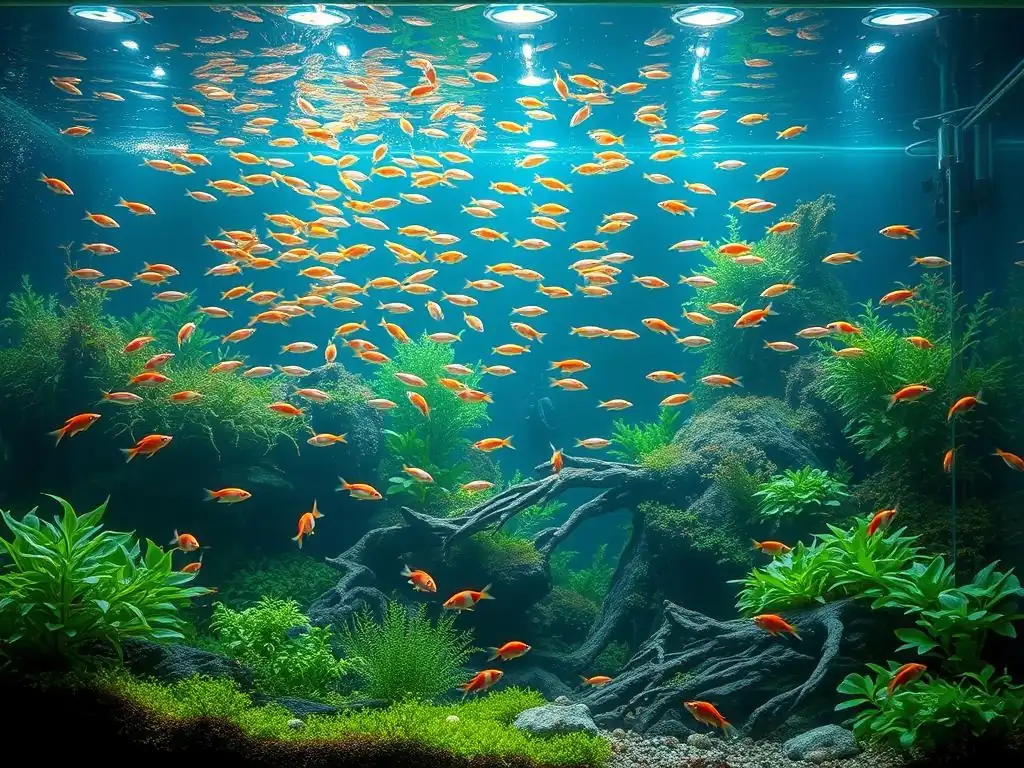
Ever wondered if your Danios, Rasboras, and White Clouds are truly living in harmony? Ensuring a peaceful aquarium isn't just about aesthetics; it's about the well-being of your finned friends. Dive into our latest article where we explore tank mate compatibility for these popular freshwater fish, revealing surprising choices you should definitely avoid. Curious to discover the secrets to a stress-free aquatic environment? Let's get started!
- Understanding Danio, Rasbora & White Cloud Compatibility for a Peaceful Aquarium
- Aggressive Fish to Avoid with Danios, Rasboras and White Clouds
- Fish with Competing Needs: Unsuitable Tank Mates for Danios, Rasboras & White Clouds
- Size Matters: Overly Large Fish to Avoid in a Danio, Rasbora, and White Cloud Tank
- Invertebrates That Pose a Threat to Danios, Rasboras & White Clouds
- Recognizing Warning Signs of Incompatible Tank Mates
- Creating a Harmonious Aquarium: Choosing Suitable Tank Mates
- Ensuring a Thriving Community: Conclusion on Danio, Rasbora & White Cloud Tank Mate Selection
-
Frequently Asked Questions
- What types of fish should I absolutely avoid keeping with Danios, Rasboras, and White Clouds?
- Are there any size considerations when choosing tank mates for these small fish?
- Can I keep slow-moving or long-finned fish with Danios, Rasboras, and White Clouds?
- What about invertebrates like shrimp or snails? Are they compatible?
- How can I tell if a potential tank mate is a good fit before adding it to my aquarium?
- Final Reflection: Cultivating Harmony in the Aquarium
- Ignite Your Peaceful Aquarium: Cultivate Harmony!
Understanding Danio, Rasbora & White Cloud Compatibility for a Peaceful Aquarium
Why Tank Mate Selection is Crucial for Small Schooling Cyprinids
Selecting appropriate tank mates is paramount for the health and well-being of small schooling cyprinids like Danios, Rasboras, and White Cloud Mountain Minnows. These species, renowned for their active schooling behavior and generally peaceful disposition, thrive in environments where they feel secure and unthreatened. Poor compatibility choices can lead to chronic stress, fin nipping, disease outbreaks, and even death, significantly diminishing the joy and success of your aquarium keeping efforts. Understanding the specific needs and vulnerabilities of these fish is the first step towards ensuring a harmonious aquatic community.
Moreover, the long-term viability of your aquarium ecosystem heavily relies on responsible tank mate selection. When Danios, Rasboras, and White Clouds are constantly subjected to stress from incompatible tank mates, their immune systems weaken, making them highly susceptible to common freshwater ailments like Ichthyophthirius multifiliis (Ich) or fungal infections. Studies suggest that chronic stress can reduce a fish's lifespan by up to 30%, highlighting the critical impact of a well-chosen community on the longevity and vibrancy of your Danos, Rasboras, White Clouds Compatibility.
The Importance of Temperament and Size Compatibility in a Community Tank
Temperament and size are two of the most critical factors when assessing Danos, Rasboras, White Clouds Compatibility. Danios, Rasboras, and White Clouds are generally peaceful, fast-moving, and small, typically reaching adult sizes of 1 to 2.5 inches (2.5 to 6 cm). Introducing fish that are significantly larger or possess an aggressive temperament can quickly turn a peaceful community tank into a stressful battleground. Large fish may perceive smaller species as food, while aggressive fish may harass, nip fins, or outcompete them for resources.
Considering the natural behavior of these schooling fish is also vital. Danios, for instance, are known for their lively and sometimes boisterous nature, while Rasboras tend to be calmer, and White Clouds are particularly tolerant of cooler temperatures. Mismatching these subtle behavioral traits with overly aggressive or territorial species can disrupt the natural schooling patterns and lead to isolated, stressed individuals. A careful assessment of potential tank mates' adult size, feeding habits, and aggression levels is essential to maintain the delicate balance required for optimal Danos, Rasboras, White Clouds Compatibility.
Aggressive Fish to Avoid with Danios, Rasboras and White Clouds
Predatory Fish that Threaten Small Cyprinids
Identifying Fish with a Predatory Nature
Identifying fish with a predatory nature involves understanding their natural diet, mouth structure, and typical hunting behaviors. Predatory fish often possess large mouths relative to their body size, designed for engulfing smaller prey. They may exhibit ambush hunting tactics, sudden bursts of speed, or a territorial demeanor that extends to aggressively defending their space from perceived threats, including smaller tank inhabitants. For Danios, Rasboras, and White Clouds, any fish that could potentially fit them in their mouth, or that displays overt aggression towards smaller species, should be considered a significant threat.
The risk isn't always immediate; even a seemingly docile large fish can become opportunistic if a smaller fish is injured or appears vulnerable. This inherent predatory instinct means that size difference alone is a major red flag for Danos, Rasboras, White Clouds Compatibility. A good rule of thumb is to avoid any fish whose adult size is more than twice the length of your largest Danio, Rasbora, or White Cloud, as this significantly increases the risk of predation.
Examples of Predatory Fish Unsuitable for Danios, Rasboras & White Clouds: Oscars, Jack Dempseys
Oscars ( Astronotus ocellatus) and Jack Dempseys ( Rocio octofasciata) are classic examples of predatory cichlids completely unsuitable as tank mates for small schooling cyprinids. Oscars can grow to an impressive 12-14 inches (30-35 cm) in length, and their broad mouths are perfectly capable of swallowing an entire Danio or Rasbora in a single gulp.
They are highly carnivorous, with a natural diet consisting of smaller fish, insects, and crustaceans, making any small fish in their tank a potential meal. Their territorial nature and rapid growth rate further compound the incompatibility issue, as they require very large tanks (100+ gallons) that are vastly different from the typical setups for Danios.
Similarly, Jack Dempseys, while slightly smaller than Oscars at 8-10 inches (20-25 cm), are equally aggressive and predatory. Known for their strong territorial instincts and powerful jaws, they will readily attack and consume smaller fish that intrude upon their perceived territory.
Even if they don't immediately eat a Danio or White Cloud, their constant harassment and aggressive chases would inflict severe stress, leading to injury, disease, or death for the smaller, more delicate fish. Their robust nature and aggressive feeding habits make them a clear danger to the peaceful and diminutive Danios, Rasboras, and White Clouds, rendering any Danos, Rasboras, White Clouds Compatibility with them impossible.
Fin-Nipping Fish That Stress Danios, Rasboras, and White Clouds
Understanding Fin-Nipping Behavior and Its Impact
Fin-nipping behavior is a common problem in community aquariums where aggressive species are mixed with fish possessing long, flowing fins or those that are slow-moving. Fish that nip fins typically target the caudal (tail) fin, dorsal fin, and anal fin, often tearing or shredding them. This behavior isn't always driven by predation but rather by aggression, boredom, or a perceived challenge. For active, schooling fish like Danios, Rasboras, and White Clouds, while not having particularly long fins, their constant movement and schooling formation can make them targets for persistent nippers.
The impact of fin nipping extends far beyond cosmetic damage. Torn fins are open wounds, highly susceptible to bacterial and fungal infections, which can quickly spread and become fatal if left untreated. Chronic fin nipping also causes immense stress, leading to a weakened immune system, loss of appetite, and a general decline in health. This persistent harassment disrupts natural behaviors, prevents proper feeding, and can lead to the bullied fish hiding constantly, further deteriorating their well-being and reducing their lifespan.
Examples of Fin-Nipping Fish to Avoid: Tiger Barbs, Serpae Tetras
Tiger Barbs ( Puntigrus tetrazona) are notorious for their fin-nipping tendencies, making them highly unsuitable tank mates for Danios, Rasboras, and White Clouds. While Tiger Barbs are also cyprinids and share some general characteristics, their aggressive and boisterous nature often manifests as relentless nipping, especially towards slower-moving or long-finned fish.
Even though Danios are fast, the continuous harassment from a school of Tiger Barbs can quickly overwhelm and stress them. Tiger Barbs are best kept in species-specific tanks or with other robust, fast-moving, and similarly sized fish that can stand up to their bullying, not with the more delicate Danios, Rasboras, or White Clouds.
Similarly, Serpae Tetras ( Hyphessobrycon eques) are another common aquarium fish known for their semi-aggressive and fin-nipping behavior. While often sold as peaceful community fish, they can be surprisingly persistent nippers, especially if not kept in a sufficiently large school (at least 6-8 individuals) or in tanks that are too small.
Their tendency to harass and nip at the fins of smaller, more vulnerable fish makes them a poor choice for Danos, Rasboras, White Clouds Compatibility. The constant stress and potential for injury inflicted by Serpae Tetras would severely compromise the health and happiness of your small schooling cyprinids, making a peaceful cohabitation virtually impossible.
Fish with Competing Needs: Unsuitable Tank Mates for Danios, Rasboras & White Clouds
Avoiding Fish That Create Stressful Environments
Fish That Require Very Different Water Parameters
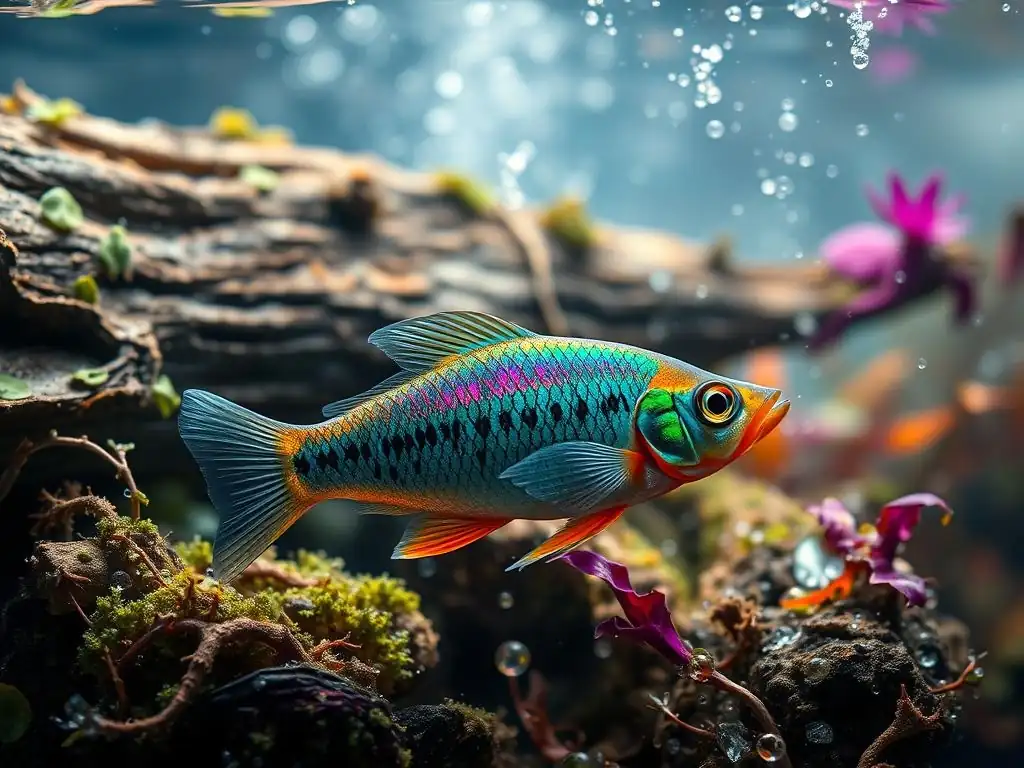
Maintaining stable and appropriate water parameters is fundamental for the health of any aquarium inhabitants. Danios, Rasboras, and White Cloud Mountain Minnows generally thrive in slightly acidic to neutral water (pH 6.5-7.5) with moderate hardness (GH 5-15 dGH) and temperatures typically ranging from 68-78°F (20-25.5°C), although White Clouds prefer cooler temperatures down to 60°F (15°C). Introducing fish that require significantly different conditions, such as very hard, alkaline water (e.g., African Cichlids) or extremely soft, acidic water (e.g., Discus), will inevitably lead to chronic stress and health issues for at least one group of fish.
Attempting to compromise on water parameters often results in neither species truly thriving, leading to compromised immune systems, dull coloration, and a reduced lifespan. For example, keeping Danios with Rift Lake Cichlids would force Danios into high pH (8.0-9.0) and high hardness waters that are outside their optimal range, causing organ stress and susceptibility to disease. Similarly, the warmer temperatures preferred by many tropical fish might stress the cooler-water loving White Cloud Mountain Minnows. Ensuring that all inhabitants share a similar range of ideal water parameters is a cornerstone of successful Danos, Rasboras, White Clouds Compatibility.
Fish That Outcompete Danios, Rasboras & White Clouds for Food
Competition for food is a silent but significant stressor in a community tank. Danios, Rasboras, and White Clouds are generally active mid-water feeders that respond well to small flakes, micro-pellets, and finely crushed foods. However, they can be easily outcompeted by larger, faster, or more aggressive feeders that consume food before the smaller, sometimes shyer, cyprinids have a chance to eat. This can lead to malnourishment, stunted growth, and a weakened immune system over time, even if food is seemingly abundant.
Bottom feeders that rapidly consume sinking foods or surface feeders that gulp down everything quickly can also pose a problem. For instance, fast-eating cichlids or large gouramis might consume all the available food, leaving insufficient amounts for the smaller, less dominant Danios, Rasboras, or White Clouds. Even if you feed generously, the constant struggle for food creates a stressful environment. Ensuring that all fish in the tank can access adequate nutrition without undue competition is crucial for their well-being and is a key aspect of successful Danos, Rasboras, White Clouds Compatibility.
Size Matters: Overly Large Fish to Avoid in a Danio, Rasbora, and White Cloud Tank
The Dangers of Large, Boisterous Tank Mates
Fish That Intimidate Smaller, Peaceful Species
Even if a large fish isn't overtly predatory, its sheer size and active movements can be incredibly intimidating to smaller, more delicate species like Danios, Rasboras, and White Clouds. A fish that grows to 6 inches (15 cm) or more, even if generally peaceful, can cause stress simply by its presence and rapid swimming. The smaller fish may perceive the larger tank mate as a threat, leading them to hide constantly, refuse to feed, or exhibit erratic swimming patterns. This chronic fear response is a form of stress that can significantly impact their health and lifespan.
Moreover, large fish, especially those that are active swimmers, can inadvertently injure smaller tank mates. A sudden dart or turn in a confined space might accidentally collide with a Danio or Rasbora, causing physical trauma or internal injuries. The constant motion and displacement of water by large fish can also disrupt the schooling behavior of smaller cyprinids, breaking up their protective formations and making them feel more vulnerable. For optimal Danos, Rasboras, White Clouds Compatibility, it's best to stick with tank mates that are similarly sized or only moderately larger, avoiding any species that could unintentionally dominate the tank.
Examples of Overly Large Fish to Avoid: Common Plecos, Silver Dollars
Common Plecos ( Hypostomus plecostomus), while often sold as small algae eaters, can grow to an astonishing 18-24 inches (45-60 cm) in length in a home aquarium. Their massive size makes them completely unsuitable for tanks housing Danios, Rasboras, or White Clouds. Beyond their potential to inadvertently crush or injure smaller fish with their bulk, Common Plecos produce an enormous bioload, quickly overwhelming the filtration in tanks typically sized for small schooling fish (e.g., 20-30 gallons). This leads to rapid deterioration of water quality, causing stress and disease for all inhabitants, especially the sensitive Danios.
Silver Dollars ( Metynnis argenteus) are another example of a fish that starts small but grows large, reaching up to 6 inches (15 cm) or more, and are incredibly active and fast swimmers. Their boisterous nature and schooling behavior can easily overwhelm a tank designed for peaceful, smaller species. While not predatory on fish their own size, their rapid movements and large size can intimidate and stress Danios, Rasboras, and White Clouds.
They are also primarily herbivorous and will devour live plants, which are often a desirable part of a Danio, Rasbora, or White Cloud aquarium setup. Their energetic presence and large adult size make them unsuitable for ensuring calm Danos, Rasboras, White Clouds Compatibility.
Invertebrates That Pose a Threat to Danios, Rasboras & White Clouds
Understanding Potential Threats from Invertebrates
Large Crabs and Crayfish: A Danger to Small Fish
While many aquarists enjoy the diversity invertebrates bring, certain species of crabs and crayfish pose a significant threat to small, active fish like Danios, Rasboras, and White Clouds. Many freshwater crabs and crayfish are opportunistic omnivores and scavengers, but they are also capable of predatory behavior. Their strong claws are designed for grasping and crushing, and a small fish that ventures too close, especially when resting at night or if sick, can easily become a meal. Even if not actively hunting, an accidental grab can lead to severe injury or death.
Species like the Electric Blue Crayfish ( Procambarus alleni) or various freshwater crab species can grow quite large, sometimes exceeding 4-6 inches (10-15 cm) in body length, excluding claws. Their territorial nature means they will defend their chosen hiding spots aggressively, and any fish that strays into their personal space is at risk. Given the active swimming nature of Danios and Rasboras, the likelihood of them encountering a crayfish's or crab's territory, and potentially being ambushed, is considerable. For optimal Danos, Rasboras, White Clouds Compatibility, these large, clawed invertebrates should be avoided.
Aggressive Shrimp Species to Avoid
While the vast majority of commonly available aquarium shrimp (like Cherry Shrimp or Amano Shrimp) are peaceful and excellent tank mates for Danios, Rasboras, and White Clouds, there are a few exceptions or situations where shrimp might pose an indirect threat. Large, more aggressive shrimp species, though less common in the general hobby, exist.
More practically, any shrimp that is significantly larger and more robust than the fish, or those exhibiting territorial behavior, might cause stress. For instance, some larger Macrobrachium species, often sold as "Ghost Shrimp" variants, can grow quite large and may develop predatory tendencies towards very small or vulnerable fish.
Even if not overtly aggressive, a very large or robust shrimp species can outcompete smaller fish for food, especially if the fish are shy or slow feeders. If you notice your Danios, Rasboras, or White Clouds constantly retreating from a particular shrimp during feeding times, it's a sign of potential competition or intimidation. While rare, it's prudent to research specific shrimp species' adult size and temperament to ensure they align with the peaceful nature and small stature of your cyprinids, safeguarding Danos, Rasboras, White Clouds Compatibility.
Recognizing Warning Signs of Incompatible Tank Mates
Identifying Stress in Danios, Rasboras, and White Clouds
Common Signs of Stress in Small Schooling Fish
Recognizing the signs of stress early is crucial for intervening before health issues become severe. For small schooling fish like Danios, Rasboras, and White Clouds, stress can manifest in several ways, often starting subtly and escalating over time. One of the most apparent signs is a change in schooling behavior; instead of swimming together cohesively, stressed fish might scatter, swim erratically, or become unusually reclusive. Their vibrant colors may also fade, appearing dull or washed out, as stress inhibits their natural pigmentation.
Other common indicators include a loss of appetite or a reluctance to feed, even when food is presented. Stressed fish may also exhibit rapid gill movement, indicating labored breathing, or develop a shimmying motion, where they shake their bodies side to side without moving forward. Observing your fish regularly during feeding and general activity will help you notice these deviations from their normal behavior, signaling that something in their environment, potentially an incompatible tank mate, is causing distress.
Hiding, Clamped Fins, Rapid Gill Movement
Specific physical and behavioral cues are strong indicators of stress in Danios, Rasboras, and White Clouds. Hiding persistently, especially during times when they would normally be active (like feeding), is a clear sign that they feel threatened or insecure. They might retreat to dense plant cover, behind decorations, or even spend excessive time near the filter intake, seeking refuge from perceived threats. This lack of engagement is detrimental to their well-being.
Clamped fins are another common symptom, where the fish holds its fins tightly against its body instead of fanning them out naturally. This posture indicates discomfort, illness, or stress. Coupled with rapid gill movement, which signifies increased respiration due to poor water quality, fear, or disease, these signs collectively paint a picture of a fish under significant duress. If you observe your Danios, Rasboras, or White Clouds exhibiting these behaviors, immediate investigation into potential stressors, including reviewing your Danos, Rasboras, White Clouds Compatibility, is necessary to prevent further decline in their health.
Creating a Harmonious Aquarium: Choosing Suitable Tank Mates
Prioritizing Peaceful and Compatible Species
Researching Fish Temperaments Before Introducing Them
The cornerstone of a harmonious aquarium is thorough research into the temperament and needs of any fish before it's introduced. Never rely solely on the advice of a pet store employee without doing your own verification. Investigate the species' adult size, typical aggression levels, preferred water parameters, and dietary requirements. For Danios, Rasboras, and White Clouds, prioritize species that are explicitly listed as peaceful, non-aggressive, and do not grow large enough to pose a predatory threat. Look for fish that share similar environmental needs to avoid compromising water quality or temperature for one group over another.
Consider the natural schooling or shoaling behavior of potential tank mates. Species that prefer to live in groups of 6 or more often exhibit less aggression and feel more secure. For example, other peaceful small tetras (like Neon or Cardinal Tetras), small Corydoras catfish, and Otocinclus catfish are often excellent choices that complement the peaceful nature of Danios, Rasboras, and White Clouds. This proactive research is vital for ensuring long-term Danos, Rasboras, White Clouds Compatibility and a thriving community.
Considering Tank Size and Stocking Levels
Tank size plays a crucial role in determining what fish can cohabitate successfully. Even naturally peaceful fish can become aggressive or stressed if their environment is too small or overcrowded. For Danios, Rasboras, and White Clouds, a minimum tank size of 10-20 gallons is often recommended for a small school, but larger tanks (30+ gallons) offer more stability and space for additional compatible tank mates. Overstocking leads to increased waste production, poor water quality, and heightened stress levels, making all fish more susceptible to disease.
When planning your stocking levels, adhere to the "one inch of fish per gallon" rule as a very rough guideline, but always prioritize the adult size of the fish and their activity levels. Active fish like Danios require more swimming space than sedentary ones. Adequate filtration, proper aeration, and regular water changes are also critical to manage the bioload of a well-stocked tank. Carefully considering tank size and stocking density is fundamental to achieving successful Danos, Rasboras, White Clouds Compatibility and ensuring all inhabitants have ample room to thrive without stress.
Ensuring a Thriving Community: Conclusion on Danio, Rasbora & White Cloud Tank Mate Selection
The Key to a Peaceful and Healthy Aquarium
Ensuring a peaceful and healthy aquarium for your Danios, Rasboras, and White Cloud Mountain Minnows hinges entirely on thoughtful and informed tank mate selection. These small, active, and generally peaceful schooling cyprinids thrive in environments free from intimidation, aggression, and competition for resources. Avoiding large predatory fish, fin-nipping species, and those with vastly different environmental requirements is paramount to their well-being. The consistent stress caused by incompatible tank mates can lead to chronic health problems, reduced lifespans, and a diminished quality of life for your fish.
By prioritizing species known for their peaceful temperament, similar size, and compatible water parameters, you create a balanced ecosystem where all inhabitants can flourish. This proactive approach minimizes stress, reduces the likelihood of disease, and allows the vibrant colors and natural schooling behaviors of your Danios, Rasboras, and White Clouds to truly shine. A truly successful aquarium is one where every fish not only survives but thrives, a testament to careful planning and a deep understanding of Danos, Rasboras, White Clouds Compatibility.
Resources for Further Research on Fish Compatibility
For aquarists committed to ensuring optimal Danos, Rasboras, White Clouds Compatibility, continuous learning is key. Reliable online forums, comprehensive aquarium encyclopedias, and detailed species-specific care sheets are invaluable resources. Websites like Aquarium Mastery often provide extensive profiles on various fish, detailing their temperament, size, water parameter requirements, and known compatibility issues. Consulting multiple sources can help cross-reference information and provide a more holistic understanding of a fish's needs.
Additionally, connecting with local aquarium clubs or experienced hobbyists can offer practical insights and real-world examples of successful community tank setups. These communities often share lessons learned from their own experiences, offering nuanced advice on specific fish pairings. By leveraging these resources, aquarists can make well-informed decisions, fostering a truly harmonious and long-lasting aquatic environment for their beloved Danios, Rasboras, and White Cloud Mountain Minnows.
Frequently Asked Questions
What types of fish should I absolutely avoid keeping with Danios, Rasboras, and White Clouds?
Avoid aggressive or fin-nipping fish like Tiger Barbs or larger cichlids. These species will stress your peaceful community and potentially cause harm.
Are there any size considerations when choosing tank mates for these small fish?
Yes, avoid fish that are significantly larger than your Danios, Rasboras, and White Clouds. Larger fish could bully or even eat the smaller ones.
Can I keep slow-moving or long-finned fish with Danios, Rasboras, and White Clouds?
It's generally not recommended. Danios, Rasboras, and White Clouds are active swimmers and can outcompete slower fish for food. Their activity can also stress long-finned fish.
What about invertebrates like shrimp or snails? Are they compatible?
Generally, yes, most peaceful invertebrates are compatible. However, be cautious with larger shrimp species that might prey on very small fry.
How can I tell if a potential tank mate is a good fit before adding it to my aquarium?
Research the fish's temperament, size, and care requirements beforehand. Observe the fish at the store for signs of aggression or illness.
Final Reflection: Cultivating Harmony in the Aquarium
The delicate balance of a thriving aquarium ecosystem hinges on informed choices, and understanding the critical importance of compatibility is paramount for the well-being of Danios, Rasboras, and White Clouds. Avoiding unsuitable tank mates isn't just about preventing aggression; it's about fostering an environment where these peaceful fish can truly flourish, exhibiting their natural behaviors and vibrant colors.
This topic has profoundly influenced how we approach fishkeeping, moving beyond mere aesthetics to prioritize the ethical responsibility we have to the creatures in our care. It reminds us that a beautiful aquarium is only truly successful when its inhabitants are thriving, not just surviving. The greatness of a nation and its moral progress can be judged by the way its animals are treated.
- Mahatma Gandhi. This quote, though not specifically about fish, underscores the broader principle of compassion and respect that should guide our interactions with all living beings, including those in our aquariums.
Now, consider the lessons learned about compatibility and apply them beyond the glass walls of your aquarium. Are there areas in your own life where you can foster greater harmony by carefully considering the interactions and relationships around you? Just as choosing the right tank mates creates a peaceful underwater world, thoughtfully curating your own environment can lead to a more balanced and fulfilling life. Let the principles of compatibility guide you towards creating a space where everyone, including yourself, can thrive.
Ignite Your Peaceful Aquarium: Cultivate Harmony!
Thanks for diving deep into the world of compatible tank mates! We hope you now have a clearer picture of how to create a tranquil environment for your Danios, Rasboras, and White Clouds. Now, let's put that knowledge into action:
- Prioritize your aquarium's long-term harmony by meticulously researching any new fish before introducing them. Consider their temperament, size, and preferred water parameters to avoid future conflicts.
- Share this guide with fellow aquarists who might be struggling with aggression or compatibility issues in their community tanks. Help spread the knowledge and promote peaceful aquariums!
- Observe your tank for a full week and keep notes on behaviors. If you see aggression, rearrange the tank's decor to break up territories and observe the new dynamic.
What specific research methods do you use to ensure the compatibility of tank mates, and what has been your most surprising success story?