
Lighting Your Angelfish Tank: Balancing Aesthetics & Fish Wellbeing

Welcome to Aquarium Mastery!
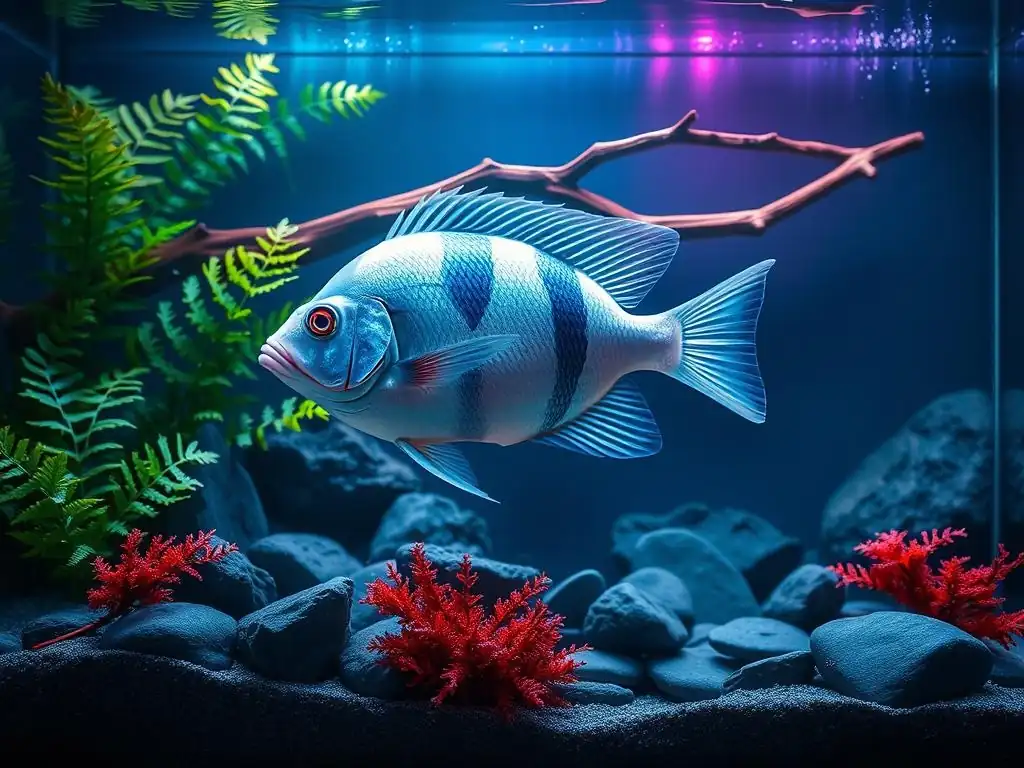
Ever wondered if your Angelfish tank lighting is truly benefiting your finned friends, or just making it look pretty? Dive into our expert guide and discover the secrets to balancing aesthetics with your Angelfish's wellbeing. Could the wrong lighting be stressing your fish? Keep reading to find out!
- Understanding Angelfish Lighting Needs: A Comprehensive Guide
- Angelfish Tank Lighting Options: Choosing the Right Setup
- Angelfish Tank Lighting Spectrum: Optimizing Color and Growth
- Setting Up Your Angelfish Tank Lighting System: A Step-by-Step Approach
- Angelfish Tank Lighting and Algae Control: Maintaining a Balanced Ecosystem
- Lighting for Planted Angelfish Tanks: Promoting Plant Growth
- Troubleshooting Angelfish Tank Lighting Issues
- Angelfish Tank Lighting Maintenance: Ensuring Long-Term Performance
- Case Study: Optimizing Lighting for Angelfish Health and Plant Growth
- Frequently Asked Questions
- Final Reflection: Illuminating the Path to Angelfish Harmony
- Illuminate Your Angelfish's World: Take the Next Step!
Understanding Angelfish Lighting Needs: A Comprehensive Guide
Why Proper Lighting is Crucial for Angelfish Health
Proper lighting is not merely an aesthetic choice for an angelfish tank; it is a fundamental component of their overall health and well-being. Light plays a critical role in regulating the circadian rhythms of angelfish, influencing their sleep-wake cycles, feeding patterns, and even reproductive behaviors. Inadequate or excessive lighting can disrupt these natural cycles, leading to chronic stress that weakens their immune system, making them more susceptible to common aquarium ailments such as fin rot or ich. For instance, angelfish subjected to constant, bright illumination may exhibit faded colors and lethargy, clear indicators of distress.
Furthermore, light directly impacts the hormonal balance within angelfish. Just as sunlight influences vitamin D production in humans, appropriate spectrum and intensity of light in an aquarium contribute to the proper functioning of their endocrine system. Without this crucial environmental cue, angelfish may experience stunted growth, poor appetite, and a general decline in vitality. A well-designed angelfish tank lighting guide emphasizes mimicking their natural habitat's light conditions to ensure a robust and healthy life for these elegant cichlids.
The Impact of Light on Angelfish Behavior and Growth
The intensity and duration of light profoundly shape the behavior and growth of angelfish. In their natural Amazonian habitats, angelfish often inhabit areas with filtered sunlight, preferring subdued lighting conditions over harsh, direct illumination. Consequently, in an aquarium, overly bright or prolonged lighting can cause angelfish to become timid, spending most of their time hiding behind decor or plants. This shyness can hinder their feeding habits, as they may be reluctant to come out during feeding times, ultimately impacting their growth rate and overall development.
Conversely, a consistent photoperiod, typically between 10 to 12 hours of light per day, is essential for promoting natural behaviors like schooling, exploring, and even breeding. A stable angelfish tank lighting guide helps establish a predictable environment, reducing stress and encouraging confident behavior. For example, in breeding pairs, consistent light cycles can trigger spawning behavior, whereas erratic lighting might inhibit it. Maintaining an appropriate light cycle is therefore not just about visibility, but about fostering a thriving, naturalistic environment where angelfish can flourish and exhibit their full range of captivating behaviors.
Angelfish Tank Lighting Options: Choosing the Right Setup
LED Lighting for Angelfish Aquariums: Advantages and Considerations
LED (Light Emitting Diode) lighting has become the preferred choice for many aquarists due to its numerous advantages. A significant benefit is their exceptional energy efficiency, consuming up to 70% less power than traditional fluorescent bulbs, which translates to lower electricity bills over time.
LEDs also boast an impressive lifespan, often exceeding 50,000 operational hours, drastically reducing the frequency and cost of bulb replacements. Modern LED fixtures offer unparalleled control over light spectrum and intensity, allowing aquarists to dim the lights or adjust color temperatures to perfectly suit the angelfish's preference for moderate, diffused light and enhance the tank's aesthetic appeal.
However, there are considerations when selecting LED lighting for an angelfish tank. While the long-term operational costs are lower, the initial investment for a high-quality LED fixture can be substantially higher than other options.
Some cheaper LED units may lack the full spectrum necessary for optimal plant growth or may not offer adequate dimming capabilities, leading to overly bright conditions that can stress angelfish. When choosing an angelfish tank lighting guide compliant LED system, it's crucial to select one that provides a broad spectrum (e.g., 6500K) and allows for precise intensity control to avoid creating "hot spots" that might cause discomfort for your fish.
Fluorescent Lighting for Angelfish: A Budget-Friendly Option?
Fluorescent lighting, particularly T5 and T8 tubes, has historically been a popular choice for aquariums and can still be a viable, budget-friendly option for angelfish tanks. T8 bulbs are older, less efficient, but very inexpensive. T5 High Output (HO) bulbs, on the other hand, offer brighter light and better efficiency than T8s, making them suitable for moderate plant growth and providing good overall illumination.
The primary advantage of fluorescent lighting is its lower initial purchase cost compared to many LED systems, making it accessible for beginners or those with tighter budgets. They are also widely available in various spectrums, allowing some customization.
Despite their affordability, fluorescent lights come with several considerations. Their lifespan is significantly shorter than LEDs, typically requiring replacement every 6 to 12 months as their intensity diminishes and spectrum shifts, even if they still appear to be working. This leads to recurring replacement costs that can add up over time.
Fluorescent fixtures also generate more heat than LEDs, which can slightly increase tank water temperature, especially in enclosed hoods. While they can provide adequate illumination for an angelfish tank, they generally offer less control over intensity and spectrum compared to advanced LED units, which is a key factor when following a detailed angelfish tank lighting guide focused on precision.
Natural Light vs. Artificial Light: What's Best for Angelfish?
The debate between natural and artificial light in an aquarium setting is crucial, especially for sensitive species like angelfish. While natural sunlight provides a full spectrum of light that artificial sources strive to replicate, relying solely on it for an angelfish tank presents significant challenges. Direct sunlight, even for a few hours, can lead to uncontrolled and excessive light intensity, causing severe stress to angelfish who prefer more subdued conditions. Furthermore, uncontrolled natural light is a primary catalyst for explosive algae blooms, turning the tank into an unsightly mess and competing with desirable plants for nutrients.
Artificial lighting, conversely, offers unparalleled control over the light environment, which is paramount for the health and stability of an angelfish aquarium. With artificial lights, aquarists can precisely manage the duration, intensity, and spectrum of light, creating a stable photoperiod (e.g., 10-12 hours daily) that mimics the angelfish's natural environment without the risks of overheating or rampant algae. This controlled environment reduces stress on the fish, supports the growth of specific plants, and makes long-term maintenance significantly easier. Therefore, a comprehensive angelfish tank lighting guide will invariably recommend artificial lighting systems to ensure optimal conditions.
Angelfish Tank Lighting Spectrum: Optimizing Color and Growth
The Importance of Kelvin (K) Rating for Angelfish Tanks
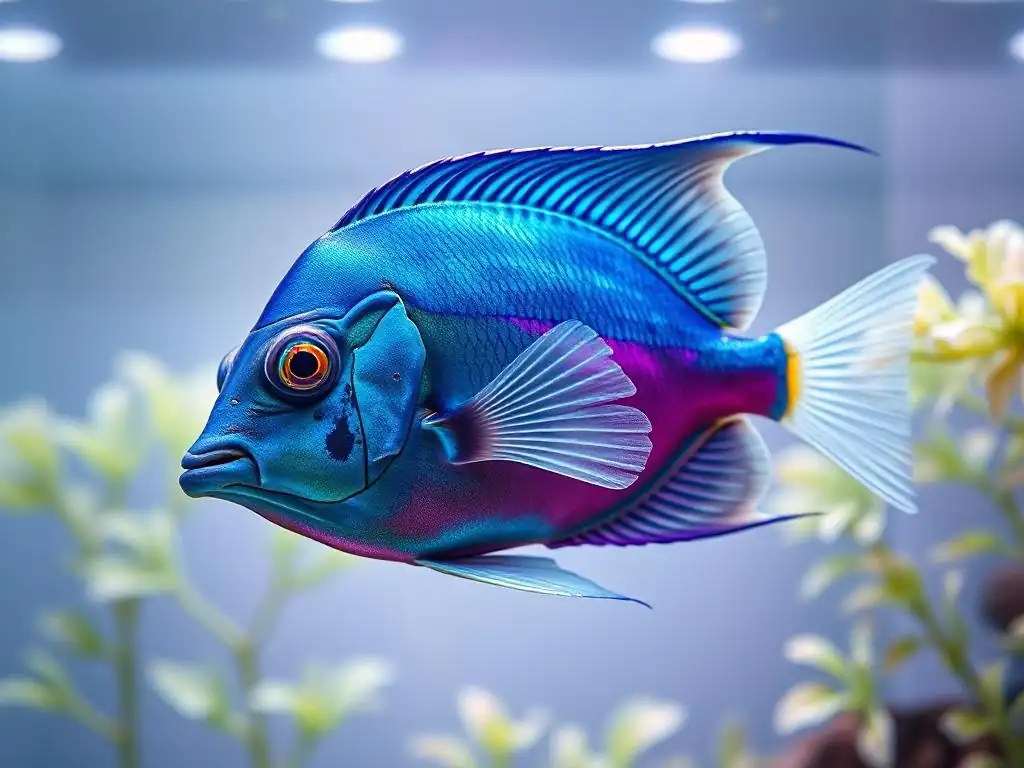
The Kelvin (K) rating of a light source refers to its color temperature, indicating how warm (reddish) or cool (bluish) the light appears. For angelfish tanks, selecting the correct Kelvin rating is vital for both aesthetic appeal and the biological well-being of your fish and plants.
Lights with lower Kelvin ratings, such as 2,700K to 4,000K, produce a warmer, more yellowish light, which can enhance red and orange tones in fish but might give the tank a somewhat dim or unnatural appearance. Conversely, higher Kelvin ratings, like 10,000K or more, emit a very blue light often associated with marine aquariums, which can wash out the natural colors of freshwater fish and plants.
For a balanced angelfish tank, an ideal Kelvin range is generally between 6,500K and 8,000K. A 6,500K light closely mimics natural daylight, providing a crisp, clean white light that brings out the true colors of angelfish, such as the distinct black stripes on a Marble Angelfish or the iridescent sheen of a Platinum Angelfish, without any unnatural tint.
This spectrum is also highly beneficial for the photosynthesis of most freshwater aquarium plants, promoting healthy growth. An angelfish tank lighting guide often recommends this range as it strikes a perfect balance, creating a visually appealing environment while also supporting the biological needs of both fish and flora.
Understanding PAR (Photosynthetically Active Radiation) for Planted Angelfish Tanks
PAR, or Photosynthetically Active Radiation, measures the amount of light within the visible spectrum (400-700 nanometers) that is actually usable by plants for photosynthesis. Unlike lumens or watts, which indicate overall light output or power consumption, PAR specifically quantifies the light energy that fuels plant growth. For a planted angelfish tank, understanding PAR is crucial because it ensures that plants receive adequate light to thrive without overwhelming the angelfish, who prefer moderate light conditions.
Most common aquarium plants suitable for angelfish tanks, such as Anubias, Java Fern, and various Cryptocorynes, are considered low to moderate light plants. These species typically require a PAR level ranging from 15 to 30 µmol/m²/s at the substrate level to grow well.
Providing too high a PAR can not only stress the angelfish but also lead to aggressive algae growth. Therefore, when choosing an angelfish tank lighting guide, it's important to select a fixture that can deliver appropriate PAR levels for your chosen plants, often with dimming capabilities to fine-tune the intensity and maintain harmony between your fish and flora.
Color Rendering Index (CRI): Enhancing the Visual Appeal of Your Angelfish
The Color Rendering Index (CRI) is a quantitative measure of a light source's ability to reveal the true colors of objects compared to a natural light source (like sunlight). Rated on a scale from 0 to 100, where 100 represents perfect color rendering, a high CRI is paramount for enhancing the visual appeal of your angelfish and their aquatic environment.
A light with a low CRI (e.g., below 70) can make angelfish appear dull or washed out, distorting their natural patterns and vibrant hues, such as the deep red eyes of an Albino Angelfish or the intricate marbling of a Koi Angelfish.
For an angelfish tank, aiming for a CRI of 80 or higher is highly recommended. Lights with a high CRI accurately render the subtle nuances in angelfish coloration, making them appear more vivid and lifelike. This also extends to aquarium plants and decor, ensuring that the entire tank looks vibrant and aesthetically pleasing. While Kelvin rating determines the color temperature, CRI dictates how faithfully those colors are displayed. Therefore, when selecting an angelfish tank lighting guide, prioritizing a high CRI alongside an appropriate Kelvin rating will ensure both a beautiful display and a comfortable environment for your prized angelfish.
Setting Up Your Angelfish Tank Lighting System: A Step-by-Step Approach
Determining the Correct Wattage for Your Angelfish Tank
Determining the "correct wattage" for your angelfish tank lighting has evolved with technology. For older fluorescent systems, a general rule of thumb might have been 1-2 watts per gallon for moderate light. However, with the advent of efficient LED technology, wattage alone is no longer the primary indicator of light intensity or suitability. A 30-watt LED fixture, for example, can provide significantly more usable light (PAR) than a 30-watt fluorescent bulb. Instead, focus on the manufacturer's specifications regarding PAR values at various depths and the fixture's overall light output, often measured in lumens, which indicate perceived brightness.
For a typical 55-gallon angelfish tank with low to moderate light plants, an LED fixture designed for planted aquariums, offering dimmable control, is ideal. You might start with a fixture rated for tanks up to 60 gallons and then adjust the intensity downwards to suit the angelfish's preference for subdued lighting.
Deeper tanks, such as a 75-gallon or 90-gallon setup, will naturally require more powerful lighting to ensure adequate light penetration to the substrate, even for low-light plants. Always remember that angelfish thrive in moderate light, so erring on the side of slightly less intensity, with the option to increase, is safer than starting with an overpoweringly bright light.
Positioning Your Aquarium Lights for Optimal Coverage
Proper positioning of your aquarium lights is crucial for ensuring uniform light distribution and preventing undesirable shadows or overly bright spots that can stress angelfish. The most effective placement for most aquarium light fixtures is directly centered over the tank, spanning its entire length. This ensures that light penetrates evenly across the water column, reaching all areas of the tank from front to back and side to side. For larger or wider tanks, or those with dense planting, sometimes two smaller fixtures positioned side-by-side or strategically can provide better overall coverage than a single, larger unit.
Avoid positioning lights too far forward or backward, as this can create significant shadowed areas where fish might hide excessively or where plants struggle to grow. Ensure the light fixture is securely mounted and positioned at a consistent height above the water surface, typically 2-6 inches, depending on the fixture type and intensity. Some fixtures come with adjustable legs or hanging kits, allowing you to fine-tune the height for optimal light spread and intensity. A well-positioned angelfish tank lighting guide setup will result in a harmonious environment where both fish and plants receive adequate, evenly distributed light.
Using Timers for Consistent Angelfish Lighting Schedules
The importance of using a timer for your angelfish tank lighting cannot be overstated. Consistency in the photoperiod (the duration of light exposure) is absolutely critical for the health and well-being of angelfish and for maintaining a balanced aquarium ecosystem. Erratic lighting schedules, such as turning lights on and off at random times, can severely disrupt the angelfish's natural circadian rhythms, leading to increased stress, poor appetite, and suppressed immune function. For example, a routine of 10-12 hours of light per day, consistently from 8 AM to 6 PM, provides the predictability angelfish need.
Beyond fish health, a consistent lighting schedule managed by a timer is a powerful tool in algae control. Algae thrive on excess light and nutrients, and inconsistent lighting can exacerbate their growth. By providing a stable photoperiod, you limit the time algae have to photosynthesize while still allowing sufficient light for your plants.
Digital timers offer precise control, allowing for exact on/off times down to the minute, and some even offer features like gradual sunrise/sunset simulations, which further mimic natural conditions and ease the transition for angelfish. This is a fundamental, non-negotiable step in any effective angelfish tank lighting guide.
Angelfish Tank Lighting and Algae Control: Maintaining a Balanced Ecosystem
How Light Intensity Affects Algae Growth
Light intensity is one of the most critical factors influencing algae growth in an angelfish tank. Algae are opportunistic organisms that thrive on excess light and available nutrients. When an aquarium is over-lit, either through excessive intensity or prolonged duration, algae can quickly outcompete desirable plants for nutrients, leading to rapid and unsightly blooms. For example, leaving lights on for 14 hours or more daily, especially with a powerful fixture, almost guarantees an outbreak of green spot algae on glass or stringy hair algae on plants.
Angelfish prefer moderate lighting, which conveniently aligns with strategies for algae control. High-powered lights designed for demanding planted tanks often provide far more light than a typical angelfish setup requires, leading to an imbalance. This excess light, combined with the inevitable presence of nitrates and phosphates from fish waste and food, creates the perfect breeding ground for various types of algae. Understanding this relationship is crucial for any angelfish tank lighting guide, as it highlights that less can often be more when it comes to light intensity in a balanced ecosystem.
Choosing Lights That Minimize Algae Problems in Angelfish Tanks
Selecting the right light fixture can significantly help in minimizing algae problems in an angelfish tank. The key is to choose a light that provides adequate, but not excessive, intensity for your specific tank size and plant selection, while also offering control. Dimmable LED fixtures are highly recommended for this purpose.
They allow aquarists to precisely adjust the light output, enabling them to dial down the intensity to a level that benefits plants without promoting rampant algae growth. For instance, if you notice green dust algae spreading rapidly, reducing the light intensity by 10-20% can often make a noticeable difference.
Avoid purchasing lights marketed as "super bright" or "high-power" if you are not running a high-tech planted tank with CO2 injection and daily fertilization, as these are almost guaranteed to lead to algae issues in a standard angelfish setup. Furthermore, lights with a balanced spectrum, typically in the 6,500K to 8,000K range, are generally good for both plants and fish without specifically favoring algae. The best angelfish tank lighting guide will always prioritize control and moderation in light selection to keep algae at bay and maintain a clean, healthy environment.
Strategies for Controlling Algae with Lighting Adjustments
Beyond selecting the right light, actively adjusting your lighting schedule and intensity is a primary strategy for controlling algae in an angelfish tank. The first and most effective step is to ensure your photoperiod is not excessively long; a consistent 10-12 hours of light per day is generally sufficient for most angelfish setups and plants. If algae persists, consider reducing the duration by an hour or two, for example, from 12 hours to 10 hours.
Many aquarists also employ a "siesta" period, where the lights are on for 4-5 hours, then off for 2-3 hours, and then on again for another 4-5 hours. This brief dark period can disrupt the photosynthesis process of algae more effectively than it impacts established aquatic plants.
If your light fixture is dimmable, gradually reducing its intensity is another powerful tool. Even a 10-15% reduction in output can make a significant difference in algae proliferation without negatively affecting your angelfish or low-to-moderate light plants. Additionally, regularly cleaning the light fixture and its cover can ensure maximum light penetration, meaning you can use a lower intensity setting while still achieving desired brightness. Implementing these lighting adjustments, in conjunction with good tank husbandry like regular water changes and proper nutrient management, forms a holistic approach to algae control, as advocated by any comprehensive angelfish tank lighting guide.
Lighting for Planted Angelfish Tanks: Promoting Plant Growth
Selecting Plants Suitable for Angelfish Tanks and Their Lighting Requirements
When designing a planted angelfish tank, selecting the right plants is crucial, as angelfish prefer tanks with some natural cover and subdued areas. The good news is that many beautiful and relatively easy-to-care-for aquatic plants thrive under the moderate lighting conditions that angelfish prefer. Excellent choices include Anubias species (e.g., Anubias barteri, Anubias nana), which are very low-light plants that can be attached to driftwood or rocks. Java Fern (Microsorum pteropus) is another resilient option, also thriving when attached to decor.
Other suitable plants include various Cryptocoryne species (e.g., Cryptocoryne wendtii, Cryptocoryne beckettii), which come in a range of colors and sizes and prefer moderate light. Amazon Swords (Echinodorus amazonicus) and Ozelot Swords are also popular, providing large leaves for angelfish to hide among, though they may require slightly more light and root tabs for optimal growth.
These plants generally require a PAR level between 15-40 µmol/m²/s at the substrate, which can typically be achieved with a good quality, dimmable LED fixture set to a moderate intensity. Choosing these types of plants ensures that your angelfish tank lighting guide can be followed without requiring excessively powerful or complex lighting setups.
Meeting the Lighting Needs of Specific Aquarium Plants in Your Angelfish Setup
While angelfish prefer moderate light, the specific plants chosen for their tank will dictate the precise lighting intensity and duration required. For very low-light plants like Anubias and Java Fern, a PAR of 10-20 µmol/m²/s at the substrate is often sufficient. These plants are highly adaptable and will generally do well even under indirect light from a moderate fixture. For Cryptocorynes and most Sword plants, a slightly higher PAR range of 20-40 µmol/m²/s is more beneficial for robust growth and vibrant coloration.
To achieve these specific PAR levels, especially with an LED fixture, understanding the light's specifications and potentially using a PAR meter (or relying on manufacturer-provided PAR charts) is helpful. For example, if your fixture produces 60 PAR at 12 inches depth, and your tank is 20 inches deep, you might need to increase intensity or select a more powerful fixture to ensure enough light reaches the bottom for demanding plants. However, always prioritize the angelfish's comfort.
If plants are struggling slightly, consider adding liquid fertilizers or root tabs before increasing light intensity to avoid stressing your fish. A balanced angelfish tank lighting guide emphasizes this delicate trade-off.
Balancing Plant Growth and Angelfish Wellbeing with Proper Lighting
The ultimate goal in a planted angelfish tank is to achieve a harmonious balance where plants flourish without causing undue stress to the fish. This balance is primarily achieved through careful selection of both plants and lighting. Since angelfish thrive in moderate, diffused light and appreciate areas of shade, choosing light fixtures with dimming capabilities is paramount. This allows you to provide enough light for your chosen low-to-moderate light plants (e.g., Anubias, Java Fern, Cryptocorynes) while ensuring the overall intensity remains comfortable for your angelfish.
For example, a high-quality 6500K LED fixture designed for planted tanks can be dimmed to a level where the PAR at the substrate is around 25-30 µmol/m²/s, which is ideal for many common aquarium plants without being overly bright for the angelfish. Additionally, incorporating floating plants like Water Lettuce or Frogbit can create natural shaded areas at the water surface, providing retreats for angelfish even under moderate lighting.
This layered approach, combining appropriate light intensity with physical shade, is key to a successful angelfish tank lighting guide that prioritizes both lush plant growth and the peaceful existence of your beautiful fish.
Troubleshooting Angelfish Tank Lighting Issues
Dealing with Excessive Algae Growth Due to Incorrect Lighting
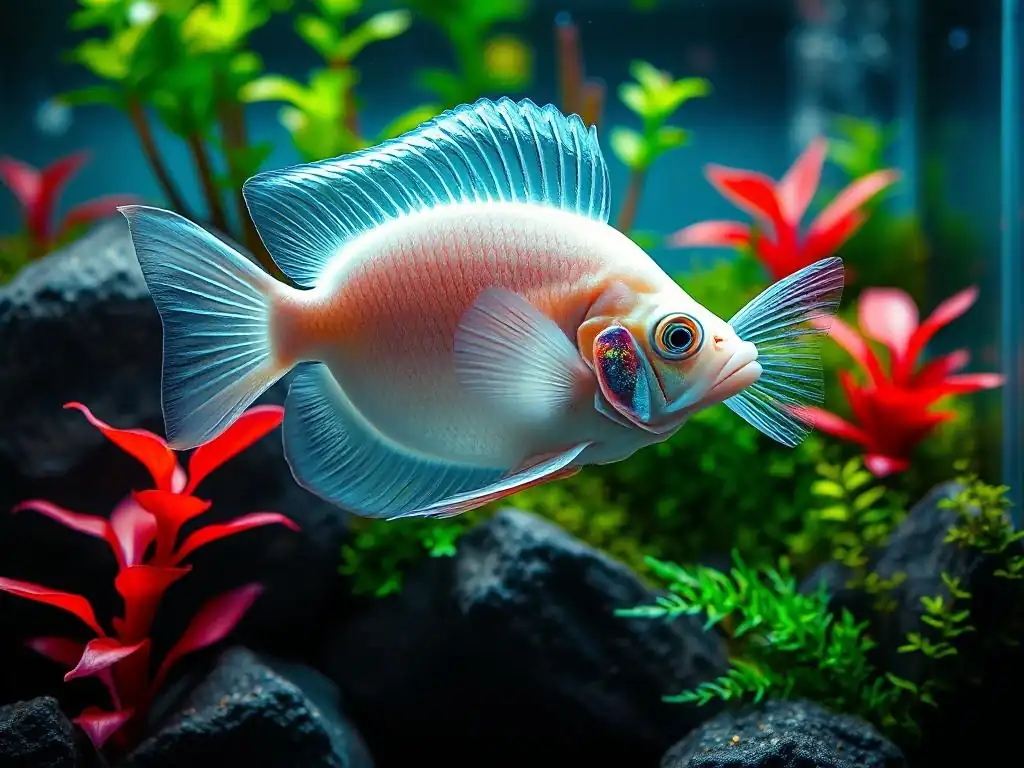
Excessive algae growth is one of the most common issues arising from incorrect lighting in an angelfish tank. If your tank is suddenly besieged by green film on the glass, stringy hair algae on plants, or stubborn black brush algae, your lighting is likely a primary culprit. The first step in troubleshooting is to confirm your photoperiod: ensure your lights are not on for more than 10-12 hours a day, consistently. Many hobbyists unknowingly leave lights on for 14+ hours, providing ample opportunity for algae to proliferate.
Next, assess your light intensity. If you have a dimmable LED fixture, try gradually reducing the intensity by 10-20% over a few days. For non-dimmable fixtures, consider raising the light further above the water surface if possible, or even adding a layer of mesh screen under the light to diffuse it.
While lighting is a major factor, remember that algae also thrive on excess nutrients. Therefore, always combine lighting adjustments with regular water changes (e.g., 25% weekly) and proper feeding practices to avoid nutrient buildup. A holistic angelfish tank lighting guide addresses both light and nutrient management for effective algae control.
Addressing Stress in Angelfish Caused by Overly Bright Lighting
Angelfish are known for their preference for subdued lighting, and overly bright conditions can lead to significant stress. Symptoms of stressed angelfish due to lighting often include excessive hiding, clamped fins, rapid breathing, faded coloration, and reluctance to swim freely in the open. They might dart suddenly when the lights come on or constantly seek refuge behind filters, heaters, or dense plant cover. If you observe these behaviors, your angelfish tank lighting guide needs immediate adjustment.
The primary solution is to reduce the light intensity. If your light is dimmable, gradually lower its output over a few days until the angelfish appear more comfortable. If dimming isn't an option, consider reducing the photoperiod to the lower end of the recommended range (e.g., 9-10 hours).
Adding floating plants like Hornwort, Water Lettuce, or Frogbit can provide immediate, natural shade at the water surface, offering the angelfish a safe retreat. Also, ensure your tank has ample tall plants, driftwood, or rock formations that create shaded zones. These measures help create a more comfortable environment, allowing your angelfish to relax and display their natural beauty.
Identifying and Resolving Lighting System Malfunctions
Even the best angelfish tank lighting guide won't prevent occasional equipment malfunctions. Identifying and resolving lighting system issues promptly is crucial for maintaining a stable environment. Common problems include lights not turning on, flickering, or individual LEDs failing. If your lights don't turn on, first check the power connection at the outlet and the fixture itself. Ensure the timer is correctly set and functioning; a faulty timer is a frequent culprit. If using a power strip, test it with another appliance.
Flickering lights, especially with fluorescent bulbs, often indicate they are nearing the end of their lifespan and need replacement. For LED fixtures, flickering might point to a failing power supply (driver) or loose connections within the unit. If individual LED diodes stop working, it usually means that specific diode has failed, and depending on the fixture, it might necessitate replacing the entire unit or a specific module.
Always unplug the fixture before inspecting or attempting any repairs. Regularly inspecting your lighting system as part of your angelfish tank maintenance routine can help catch these issues before they become major problems.
Angelfish Tank Lighting Maintenance: Ensuring Long-Term Performance
Cleaning Your Aquarium Lights for Optimal Light Output
Regular cleaning of your aquarium lights is a simple yet vital maintenance task that significantly contributes to optimal light output and efficiency. Over time, dust, mineral deposits from splashing water, and even algae can accumulate on the light fixture, its cover, and the light-emitting surfaces. This accumulation acts as a physical barrier, blocking light from entering the tank and effectively reducing the intensity and spectrum reaching your angelfish and plants. A dirty light can diminish its output by as much as 20-30%, forcing you to potentially run it at a higher setting, which can then contribute to algae issues.
To clean your lights, always ensure the fixture is unplugged and cool to the touch. Gently wipe down the light housing, reflective surfaces, and any clear plastic or glass covers with a soft, damp cloth. For stubborn mineral deposits (like water spots), a solution of white vinegar diluted with water can be effective, but be extremely careful to avoid getting any liquid into the electrical components. Regular weekly or bi-weekly cleaning, depending on how much splashing occurs, will ensure your angelfish tank lighting guide's recommendations for intensity are met consistently, maintaining a bright and healthy environment.
Replacing Bulbs and LEDs When Needed
Even with proper cleaning, light sources have a finite lifespan and will eventually need replacement to maintain optimal performance. For fluorescent bulbs (T5, T8), this is particularly important. While they may still illuminate, their intensity significantly diminishes, and their spectrum shifts over 6 to 12 months of continuous use. This degradation can negatively impact plant growth and even affect the health and coloration of your angelfish. Therefore, it's crucial to replace fluorescent bulbs annually, even if they haven't completely burned out, to ensure consistent light quality.
LEDs boast a much longer lifespan, often rated for 50,000 hours or more, meaning they can last for many years. However, individual diodes can fail over time, or the overall light output may gradually diminish. Monitor your LED fixture for any noticeable dimming, color shifts, or flickering.
If a significant number of diodes fail or the overall brightness drops, it's time to consider replacing the fixture or specific LED modules if they are replaceable. Adhering to these replacement schedules is a fundamental aspect of any long-term angelfish tank lighting guide, ensuring your aquatic environment consistently provides the necessary light for thriving angelfish and plants.
Case Study: Optimizing Lighting for Angelfish Health and Plant Growth
Scenario: A hobbyist with a 75-gallon angelfish tank, measuring 48 inches long by 18 inches wide by 21 inches high, was experiencing significant issues. The tank housed a group of healthy angelfish along with various low-to-moderate light plants, including Amazon Swords, Anubias barteri, and Java Fern. The owner had initially installed a high-power LED light fixture designed for high-tech planted tanks, running it for 14 hours a day.
Initial Problems: The angelfish were exhibiting signs of severe stress, including constant hiding, clamped fins, and faded colors. They rarely swam freely in the open areas of the tank. Concurrently, the tank was plagued by rampant green hair algae and green spot algae, covering the glass, plants, and decor, requiring daily scraping. Despite regular water changes, the algae persisted, indicating a fundamental imbalance in the angelfish tank lighting guide's principles.
Solution: Based on expert advice, the hobbyist implemented a multi-faceted lighting optimization strategy:
- Light Fixture Adjustment: The high-power LED was replaced with a dimmable 6500K LED fixture specifically designed for moderate-light planted aquariums. This new fixture offered a full spectrum ideal for plants while providing the crucial ability to control intensity.
- Photoperiod Reduction: The lighting schedule was immediately reduced from 14 hours to a consistent 10 hours per day, running from 9 AM to 7 PM, managed by a reliable digital timer. This reduction aimed to curb algae growth and establish a natural circadian rhythm for the fish.
- Intensity Adjustment: The new dimmable LED was initially set to approximately 60% of its maximum output. This provided an estimated PAR of 25-30 µmol/m²/s at the substrate level, which is optimal for the existing low-to-moderate light plants without being overly intense for the angelfish.
- Shade Provision: A small cluster of floating Water Lettuce (Pistia stratiotes) was introduced to the tank. These plants provided additional natural shaded areas at the water surface, offering immediate retreats for the angelfish and further diffusing the light.
Outcome: Within two weeks of implementing these changes, the transformation was remarkable. The angelfish exhibited significantly less stress; they began swimming confidently throughout the tank, their fins were no longer clamped, and their natural vibrant colors returned. The pervasive green hair algae began to recede, and the need for daily glass scraping decreased dramatically, with only minor maintenance required weekly.
The Amazon Swords and other plants continued to thrive, showing healthy new growth without being overtaken by algae. This case study powerfully demonstrated that a balanced, controlled approach to angelfish tank lighting guide principles is essential for creating a thriving and aesthetically pleasing aquatic environment for angelfish.
Frequently Asked Questions
How much light do angelfish need in their aquarium?
Angelfish generally prefer moderate lighting. Avoid excessively bright light, which can stress them. Aim for a lighting schedule of around 8-10 hours per day.
What type of lighting is best for an angelfish tank?
LED lighting is often recommended for angelfish tanks due to its energy efficiency and ability to mimic natural sunlight. Choose a light with adjustable intensity to control the brightness.
Can too much light harm my angelfish?
Yes, excessive lighting can be harmful. It can cause stress and algae blooms, impacting water quality and potentially leading to health problems for your angelfish.
Does the color of the light affect angelfish?
While angelfish aren't particularly sensitive to light color, a natural color spectrum (around 6500K) is generally preferred. This promotes plant growth and creates a visually appealing aquarium.
How can I tell if my angelfish are getting too much light?
Signs of stress from too much light include hiding frequently, reduced appetite, and faded coloration. Consider dimming the lights or adding more floating plants to provide shade.
Final Reflection: Illuminating the Path to Angelfish Harmony
The journey of crafting the perfect angelfish tank environment, as we've explored, is far more than just an aesthetic pursuit; it's a commitment to their wellbeing. Understanding the nuances of angelfish tank lighting is crucial, not just for showcasing their beauty, but for replicating the natural conditions that allow them to thrive. This knowledge, when applied thoughtfully, transforms a simple aquarium into a vibrant, healthy ecosystem.
The impact of proper lighting extends beyond the immediate health of our angelfish. It influences the entire aquarium ecosystem, from algae growth to plant health, creating a delicate balance that reflects our understanding and respect for these magnificent creatures. My own experience observing the subtle changes in angelfish behavior under different lighting conditions has solidified my belief in the profound impact of this often-overlooked aspect of aquarium keeping. In the right light, at the right time, everything is extraordinary.
- Aaron Rose. This quote perfectly encapsulates the transformative power of appropriate lighting in revealing the true beauty and vitality of our angelfish.
Now, armed with this angelfish tank lighting guide, I invite you to reflect on your own aquarium practices. Are you truly providing the optimal environment for your angelfish to flourish? Consider the information presented, experiment with different lighting options, and observe the subtle cues your fish provide. By prioritizing their wellbeing, you not only enhance their lives but also deepen your connection with the captivating world beneath the surface. Let's all strive to create aquariums that are not just visually stunning, but also havens of health and happiness for our angelfish.
Illuminate Your Angelfish's World: Take the Next Step!
Thank you for diving into the world of Angelfish lighting! We hope this article shed light on how to create the perfect aquatic environment for your finned friends. Now it's time to transform that knowledge into action.
Here's how you can brighten your Angelfish's life:
- Prioritize their Wellbeing: Re-evaluate your tank's current lighting setup and adjust the intensity and spectrum to mimic their natural habitat.: This is the most crucial step for their health and happiness.
- Share the Light: Spread the joy and knowledge by sharing this article with other Angelfish enthusiasts. Let's build a community of informed keepers!
- Get Creative: Experiment with adding floating plants to create natural shade and observe your Angelfish's behavior to fine-tune the lighting further.
Ready to see your Angelfish thrive under the perfect light? What small lighting adjustment will you make this week to create a more enriching environment for them?