
Lighting Your Large Cichlid Tank: Balancing Aesthetics with Fish Comfort & Health

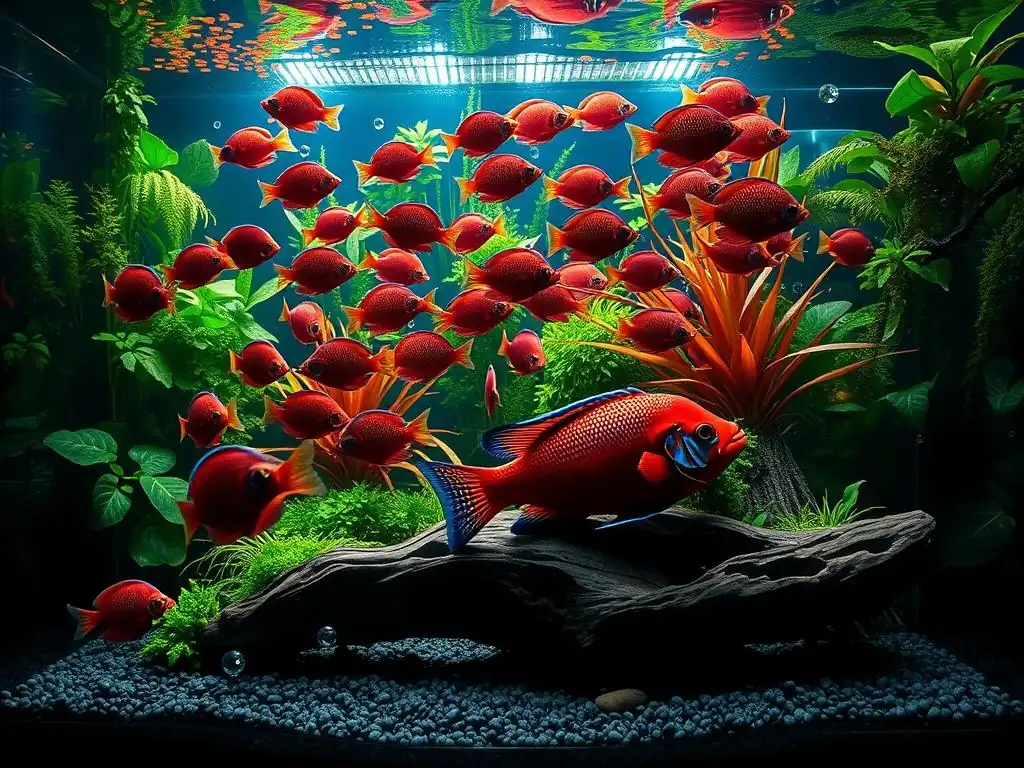
Welcome to Aquarium Mastery!
Ever wondered how to unlock the vibrant colors of your Cichlids while ensuring their well-being? Lighting your Cichlid tank is more than just flipping a switch; it's about creating a thriving ecosystem. Dive in to discover the secrets of optimal lighting, balancing aesthetics with the health and comfort of your beloved fish. Ready to illuminate your Cichlid's world? Let's get started!
- Understanding Cichlid Tank Lighting Requirements for Optimal Health
- Types of Aquarium Lighting Suitable for Large Cichlid Tanks
- Replicating Natural Light Conditions for New World Cichlids
- Choosing the Right Light Spectrum for Your Cichlid Species
- Managing Algae Growth with Controlled Aquarium Lighting
- Installing and Maintaining Your Cichlid Tank Lighting System
- Troubleshooting Common Cichlid Tank Lighting Issues
- Balancing Aesthetics and Functionality in Cichlid Tank Lighting
-
Frequently Asked Questions
- What are the basic lighting requirements for a Cichlid tank, considering their well-being?
- How does the size of my Cichlid tank impact the lighting I should choose?
- Can I use plant-specific lighting in a Cichlid tank?
- What type of lighting is best for highlighting the colors of my Cichlids?
- How can I troubleshoot issues related to lighting in my Cichlid tank?
- Final Reflection: Illuminating the Depths
- Ignite Your Cichlid Tank's Potential!
Understanding Cichlid Tank Lighting Requirements for Optimal Health
Why Proper Lighting Matters for Your Cichlids
Proper lighting is not merely an aesthetic choice for your large cichlid tank; it is a fundamental component of your fish's overall health and well-being. A well-designed lighting system directly influences their circadian rhythms, impacting everything from stress levels and immune function to natural behaviors like feeding, schooling, and even breeding. Without adequate and appropriate light, cichlids can become stressed, their colors may dull, and their natural activity patterns can be disrupted, leading to a compromised immune system and increased susceptibility to disease.
Furthermore, consistent and appropriate cichlid tank lighting requirements help mimic the natural environment from which these fish originate. For instance, many New World cichlids, such as Oscars and Severums, come from environments with distinct day-night cycles, and replicating this through a consistent photoperiod of typically 10 to 12 hours of light followed by 12 to 14 hours of darkness is crucial. This routine helps regulate their metabolism and ensures they experience periods of rest, which is vital for their long-term health.
The Impact of Light Spectrum on Cichlid Behavior
The spectrum, or color, of light used in a cichlid aquarium plays a significant role in influencing fish behavior and appearance. Different wavelengths penetrate water at varying depths and are perceived differently by fish. For example, blue light penetrates deeper into the water column and can enhance the iridescent blues and purples often seen in cichlids like Electric Blue Acaras or certain Peacock Cichlids. Red and green wavelengths, on the other hand, are excellent for bringing out the vibrant reds, oranges, and yellows in species such as Blood Parrot Cichlids or Firemouths.
Beyond aesthetics, the light spectrum can also influence cichlid interactions and breeding. Certain spectrums, particularly those mimicking natural daylight (around 6500K), are known to encourage natural behaviors and can even trigger spawning in some species by signaling appropriate environmental conditions. Conversely, an unnatural or monochromatic spectrum might suppress natural behaviors or heighten aggression by creating an environment that feels alien or stressful to the fish.
Light Intensity and Algae Growth in Cichlid Aquariums
The intensity of light in a cichlid tank is a critical factor that directly impacts both fish comfort and the proliferation of algae. Light intensity is often measured in PAR (Photosynthetically Active Radiation) or LUX. For most cichlid tanks that typically do not house demanding live plants, an intensity ranging from 15 to 30 PAR at the substrate level is generally sufficient. Excessive light intensity or duration can be a primary catalyst for rampant algae growth, turning an otherwise pristine tank into an unsightly green mess.
Algae, being photosynthetic organisms, thrive on light and nutrients. When light is too intense or left on for too long (e.g., more than 12 hours daily), it provides an ideal environment for various types of algae, including green spot algae, hair algae, and even unsightly black beard algae, to flourish. Balancing the cichlid tank lighting requirements for your fish with the need to control algae involves finding that sweet spot where your cichlids are comfortable and their colors pop, without over-feeding the unwanted photosynthetic organisms in your aquarium.
Types of Aquarium Lighting Suitable for Large Cichlid Tanks
LED Lighting for Cichlid Tanks: Efficiency and Customization
LED (Light Emitting Diode) lighting has become the gold standard for many aquarists, and for good reason. These fixtures are incredibly energy-efficient, often consuming 50-70% less power than traditional fluorescent or metal halide lights, which can lead to significant savings on electricity bills over time. A typical high-quality LED fixture can last upwards of 50,000 hours, meaning years of use without needing bulb replacements, a stark contrast to fluorescents that require annual changes.
Beyond efficiency, LED systems offer unparalleled customization for cichlid tank lighting requirements. Many modern LED fixtures come with integrated controllers that allow users to adjust light intensity, spectrum (color temperature), and even program dawn/dusk cycles to simulate natural sunrise and sunset effects. This gradual transition helps reduce stress on cichlids, preventing "light shock" when lights suddenly turn on or off. The ability to fine-tune the spectrum also allows aquarists to enhance the vibrant colors of their specific cichlid species, making their tank a more visually stunning display.
Fluorescent Lighting (T5 & T8) for Cichlid Aquariums: A Budget-Friendly Option
Fluorescent lighting, particularly T5 High Output (HO) and T8 bulbs, remains a popular and cost-effective choice for many large cichlid tanks. T8 bulbs are the older, thicker standard, offering decent light output and a wide range of spectrum options, making them a budget-friendly entry point into aquarium lighting. T5 HO bulbs, while thinner, provide significantly more light output per watt, making them suitable for deeper tanks or those requiring brighter illumination without the heat of metal halides.
The primary advantages of fluorescent lighting are their lower initial cost compared to high-end LEDs and their proven track record in the hobby. They provide a relatively even spread of light across the tank. However, they do have drawbacks: fluorescent bulbs typically need to be replaced every 6 to 12 months, even if they still light up, because their spectrum degrades over time, reducing their effectiveness and potentially impacting fish health. They also generate more heat than LEDs, which can be a consideration in warmer climates.
Metal Halide Lighting for Deep Cichlid Tanks: High Intensity Considerations
Metal halide lighting offers the highest intensity and deepest light penetration among common aquarium lighting types, making it a powerful option for very deep cichlid tanks, typically those 30 inches or deeper. These fixtures can effectively illuminate the entire water column, reaching the substrate even in exceptionally large setups where other lights might fall short. The intense, shimmering effect they create can also be visually appealing, mimicking natural sunlight.
However, metal halide lights come with significant considerations. They generate a substantial amount of heat, which can raise the water temperature in the aquarium and often requires additional cooling solutions, such as chillers or fans. Their energy consumption is also considerably higher than LEDs or fluorescents. Due to their intensity and heat output, metal halides are less commonly used in standard large cichlid tanks unless extreme depth or specific high-intensity requirements are present, as they can easily cause excessive algae growth and stress fish if not properly managed.
Replicating Natural Light Conditions for New World Cichlids
Simulating Daylight Cycles for Cichlid Well-being
Replicating natural daylight cycles is paramount for the long-term well-being of New World cichlids. These fish have evolved over millennia with consistent patterns of light and darkness, which regulate their internal biological clocks, or circadian rhythms. A stable photoperiod, typically ranging from 10 to 12 hours of light followed by 12 to 14 hours of darkness, helps reduce stress, promotes natural behaviors, and strengthens their immune system. Erratic or inconsistent lighting can lead to chronic stress, making cichlids more susceptible to diseases like Ich or bacterial infections.
The use of a reliable timer is crucial for establishing and maintaining this consistent cycle. Simply turning lights on and off manually often results in irregular schedules, which can disrupt the fish's natural rhythm. Automated timers ensure that your cichlid tank lighting requirements are met precisely every day, creating a predictable and stable environment that encourages your cichlids to thrive, display their best colors, and engage in their natural activity patterns.
The Role of Photoperiod in Cichlid Breeding and Behavior
The specific photoperiod can act as a significant environmental cue for cichlid breeding and can profoundly influence their overall behavior. For many cichlid species, a consistent and appropriate light cycle signals favorable conditions for reproduction. For instance, a stable 12-hour photoperiod, combined with other optimal water parameters, can encourage a pair of Firemouth cichlids to establish a territory, dig spawning pits, and lay eggs. Conversely, an irregular or excessively long photoperiod can suppress breeding instincts and lead to increased aggression or lethargy.
Beyond breeding, the photoperiod also affects daily behaviors such as feeding, social interactions, and territorial displays. Cichlids that experience a natural day-night cycle tend to be more active and engaged during the "daylight" hours, exhibiting their full range of natural behaviors. Lack of a proper dark period can prevent fish from resting adequately, leading to chronic stress, dull coloration, and a general decline in vitality. Maintaining appropriate cichlid tank lighting requirements is therefore essential for both reproductive success and overall behavioral health.
Avoiding Light Shock: Gradual Lighting Adjustments
"Light shock" refers to the sudden stress cichlids can experience when aquarium lights abruptly switch on or off, especially after a prolonged period of darkness or intense light. This sudden change can startle fish, causing them to dart erratically, hide, or even injure themselves by crashing into tank decorations. For nocturnal or shy cichlids, a sudden blast of bright light can be particularly disorienting and stressful, leading to long-term anxiety and reduced activity.
To mitigate light shock, gradual lighting adjustments are highly recommended. This can be achieved through several methods:
- Dimmable LED fixtures: Many modern LED lights offer programmable ramp-up and ramp-down features, simulating a natural sunrise and sunset over 30-60 minutes.
- Staggered lighting: If using multiple fixtures, turn them on/off in sequence over a few minutes.
- Ambient room lighting: Before the main tank lights come on, allow some ambient room light to gradually brighten the room. Similarly, let ambient light fade after tank lights turn off.
Implementing these gradual transitions ensures that the cichlid tank lighting requirements are met in a way that prioritizes the comfort and well-being of your fish, allowing them to adjust smoothly to changes in their environment.
Choosing the Right Light Spectrum for Your Cichlid Species
Lighting Recommendations for South American Cichlids (e.g., Oscars, Severums)
South American cichlids, such as Oscars, Severums, and Angelfish, often originate from environments characterized by moderate to subdued lighting, frequently filtered by dense vegetation or stained with tannins from decaying leaves and wood. For these species, overly intense or bright lighting can cause stress, leading to faded colors and reclusive behavior. Therefore, the cichlid tank lighting requirements for these species lean towards lower to moderate intensity.
A light fixture with a color temperature around 6500K (daylight white) is generally suitable, as it closely mimics natural sunlight. However, consider fixtures with adjustable intensity or those that allow for the inclusion of red and blue spectrum enhancements to bring out their natural coloration. If using very bright lights, incorporating floating plants or strategically placed driftwood and rockwork can help create shaded areas, providing refuges where these cichlids can retreat from direct light, mimicking their natural habitat.
Lighting Needs of Central American Cichlids (e.g., Convicts, Firemouths)
Central American cichlids, including popular species like Convicts, Firemouths, and Jack Dempseys, typically inhabit clearer, rockier waters that may experience brighter light conditions than their South American counterparts. While they can tolerate brighter illumination, it is still crucial to ensure that the lighting does not become excessively intense, which can still induce stress and promote aggressive tendencies or dull coloration.
For these species, a full-spectrum light with a color temperature between 6500K and 10000K can be appropriate. The goal is to provide ample light without creating a harsh, unshaded environment. Ensuring plenty of rock caves, PVC pipe structures, or other decor that provides shaded retreats is important, as these cichlids are highly territorial and appreciate having their own dark spots. Meeting their specific cichlid tank lighting requirements helps maintain their vibrant colors and encourages natural behaviors without over-stressing them.
Enhancing Cichlid Colors with Specific Light Spectra
Beyond merely providing adequate light, strategic use of specific light spectra can significantly enhance the vibrant colors of your cichlids, making your aquarium a more visually stunning display. Many modern LED fixtures offer adjustable red, green, and blue (RGB) channels, allowing aquarists to fine-tune the spectrum to highlight particular hues in their fish. For instance, increasing the red and blue components can make the reds of a Blood Parrot Cichlid or the blues of an Electric Blue Acara intensely vivid.
A balanced full-spectrum light (around 6500K) with a slight emphasis on red and blue wavelengths is often ideal for general color enhancement. Too much of any single color can look unnatural or even stress fish. For example, excessive blue light might make fish appear washed out over time, while too much red can create an overly warm and artificial look. Experimenting with your fixture's settings, while keeping the cichlid tank lighting requirements for fish health in mind, can help you discover the perfect balance to showcase your fish's natural beauty.
Managing Algae Growth with Controlled Aquarium Lighting
Understanding the Relationship Between Light and Algae in Cichlid Tanks
Algae are photosynthetic organisms, meaning they utilize light as their primary energy source for growth, much like plants. In an aquarium, algae growth is a direct response to a combination of available light and nutrients. In cichlid tanks, which often have higher bioloads due to the size and feeding habits of the fish, excess nutrients (primarily nitrates and phosphates from fish waste and uneaten food) are frequently present. When these nutrients combine with excessive light, an algae bloom becomes almost inevitable.
Common types of algae encountered in cichlid tanks include green spot algae on glass and rocks, hair algae, and sometimes even the more stubborn black beard algae. While a minimal amount of algae is natural and harmless, an uncontrolled bloom can quickly become an aesthetic nuisance, cover decorations, and potentially even impact water quality by consuming oxygen at night. Understanding this fundamental relationship between light, nutrients, and algae is the first step in effective management of cichlid tank lighting requirements.
Strategies for Reducing Algae Bloom Through Lighting Adjustment
Controlling light is one of the most effective ways to manage and reduce algae blooms in a cichlid tank. The primary strategies involve adjusting the duration and intensity of the light.
- Reduce Photoperiod: For most cichlid tanks, a photoperiod of 8 to 10 hours per day is sufficient. If you are experiencing persistent algae issues, try reducing the light duration to 8 hours for a few weeks. This still provides adequate light for your fish's circadian rhythm but limits the time available for algae photosynthesis.
- Lower Light Intensity: If your light fixture is dimmable or adjustable, try reducing its intensity. Many LED lights are powerful, and running them at 100% might be overkill for a cichlid-only tank, especially if it doesn't contain demanding live plants.
- Raise the Light Fixture: If your light is not dimmable, physically raising the fixture further above the water surface can effectively reduce the light intensity reaching the tank.
Consistent adherence to these cichlid tank lighting requirements, combined with regular tank maintenance (water changes, gravel vacuuming), will significantly curb algae growth.
Using Algae Eaters in Conjunction with Proper Lighting
While proper lighting management is crucial for preventing algae, incorporating suitable algae-eating tank mates can provide an additional layer of control, especially for large cichlid tanks where a certain level of algae might still accumulate. However, careful consideration is needed, as many large cichlids are predatory and can be aggressive towards smaller, slower algae eaters.
Appropriate choices for larger cichlid tanks might include larger species of Plecostomus (e.g., Common Pleco, Sailfin Pleco), although their large adult size and significant waste production must be factored in. For smaller to medium-sized cichlids, some species of bristlenose plecos or certain types of snails (e.g., Nerite snails) can be effective.
It is vital to remember that algae eaters are a supplementary measure and not a substitute for addressing the root causes of algae, such as excessive light or nutrients. They help clean up what's already there, but proper cichlid tank lighting requirements and nutrient control prevent it from getting out of hand in the first place.
Installing and Maintaining Your Cichlid Tank Lighting System
Selecting the Correct Size and Wattage for Your Aquarium
Selecting the correct size and wattage for your cichlid tank lighting system is crucial for ensuring uniform illumination and meeting the specific needs of your fish. The length of the light fixture should ideally match the length of your aquarium to provide even coverage across the entire tank, minimizing dark spots or overly bright areas. For very long tanks (e.g., 6-foot or 8-foot tanks), multiple smaller fixtures might be necessary to achieve this uniform spread.
Regarding wattage, while it provides a general idea of light output, it's less precise than PAR (Photosynthetically Active Radiation) for measuring light intensity. However, as a rough guide for cichlid tank lighting requirements without demanding plants, aim for fixtures that provide moderate intensity. For example, a 4-foot tank might use a 48-watt LED or a dual T5 HO fixture. Always consider the tank's depth; deeper tanks require more powerful lights to ensure sufficient light penetrates to the bottom.
Proper Placement of Lights for Uniform Illumination
Proper placement of your aquarium lights is key to achieving uniform illumination throughout your cichlid tank. The light fixture should typically be centered over the length and width of the tank. This ensures that light rays are distributed evenly, preventing harsh shadows or overly bright spots that can stress fish. For tanks wider than 18-24 inches, or those with extensive rockwork, you might consider using two narrower fixtures placed parallel to each other to improve coverage and reduce shadowing.
The height of the light fixture above the water surface also plays a significant role in intensity. Placing the light closer to the water increases intensity, while raising it reduces it. For cichlid tank lighting requirements, a height of 4-8 inches above the water is common for most fixtures, but this can be adjusted based on the specific light's power and your cichlids' comfort. Always ensure there's adequate ventilation around the fixture to prevent overheating, especially with more powerful lighting types.
Lighting Timer Setup: Automating Day/Night Cycles
Setting up a reliable lighting timer is arguably one of the most important steps in managing your cichlid tank lighting requirements. Automation ensures a consistent and predictable day/night cycle, which is fundamental for your cichlids' health, stress reduction, and natural behaviors. Manual operation often leads to inconsistent photoperiods, causing stress and potentially contributing to algae issues.
There are two main types of timers:
- Mechanical Timers: These are simple, inexpensive, and reliable. They use pins to set on/off times, typically in 15- or 30-minute increments.
- Digital Timers: These offer greater precision, multiple programming options (e.g., different schedules for weekdays/weekends), and often battery backup during power outages. Many modern LED fixtures also come with integrated digital timers and advanced features like dawn/dusk simulation.
A typical schedule for cichlids is 10-12 hours of light followed by 12-14 hours of darkness. Once set, avoid altering the schedule frequently to maintain stability for your fish.
Regular Maintenance and Bulb Replacement for Optimal Performance
Even the most advanced cichlid tank lighting system requires regular maintenance to ensure optimal performance and longevity. Over time, dust, water splashes, and mineral deposits can accumulate on the light fixture and its cover, significantly reducing light output. Wiping down the fixture and any splash guards or acrylic covers weekly or bi-weekly with a damp cloth (unplugged, of course) will maintain maximum light penetration.
For fluorescent bulbs, regular replacement is crucial. While a fluorescent bulb might still illuminate after 12 months, its spectrum and intensity degrade significantly, often losing up to 50% of its PAR output within that timeframe. Replacing T5 and T8 bulbs every 6 to 12 months ensures your cichlids continue to receive the appropriate cichlid tank lighting requirements for health and color. LED fixtures have a much longer lifespan (tens of thousands of hours) and typically do not require bulb replacement, but keeping their lenses clean is still important for consistent light output.
Troubleshooting Common Cichlid Tank Lighting Issues
Dealing with Overheating Lights
Overheating lights can be a significant issue for cichlid tanks, potentially raising water temperature to dangerous levels and shortening the lifespan of the lighting fixture itself. Common causes include inadequate ventilation around the fixture, placing powerful lights too close to the water's surface, or using fixtures not designed for enclosed canopies. For instance, a metal halide fixture generates significant heat and requires ample airflow.
To address overheating:
- Improve Ventilation: Ensure there is sufficient airflow around and above the light fixture. If using a tank canopy, consider adding small cooling fans to dissipate heat.
- Raise the Fixture: Increasing the distance between the light and the water surface can reduce heat transfer to the tank.
- Switch to Cooler Options: If overheating is persistent, transitioning to a more energy-efficient and cooler-running LED light fixture is often the best long-term solution, as LEDs produce significantly less heat.
Monitoring your tank's water temperature daily will help you quickly identify if your cichlid tank lighting requirements are inadvertently causing thermal stress for your fish.
Addressing Flickering or Dimming Lights
Flickering or dimming lights are common problems that can disrupt the stable environment crucial for cichlids and indicate a potential issue with your lighting system.
- Fluorescent Lights: For T5 or T8 bulbs, flickering or dimming often signals an aging bulb that needs replacement. Fluorescent bulbs lose their efficiency and stable output over time, typically after 6-12 months of use. Another common cause is a faulty ballast, which powers the bulb. If a new bulb doesn't resolve the issue, the ballast likely needs replacement.
- LED Lights: With LEDs, flickering or dimming usually points to a failing power supply (driver), loose electrical connections, or, less commonly, individual LED diodes burning out. Check all connections securely. If the problem persists, replacing the power supply is often the solution.
Promptly addressing these issues is important for maintaining consistent cichlid tank lighting requirements and preventing stress for your fish.
Identifying and Resolving Algae Bloom Causes
Algae blooms are a common frustration for aquarists, and while light is a key factor, it's rarely the sole cause. A holistic approach is necessary to identify and resolve the underlying issues.
- Excessive Light: As discussed, too much light intensity or duration (e.g., over 12 hours) is a primary culprit. Reduce the photoperiod to 8-10 hours and consider lowering light intensity.
- Excess Nutrients: High levels of nitrates and phosphates in the water provide fuel for algae. This is often due to overfeeding, infrequent water changes, or insufficient filtration.
- Action: Reduce feeding amounts, perform larger and more frequent water changes (e.g., 25-30% weekly), and ensure your filtration system is adequately sized and maintained.
- Lack of Competition: In planted tanks, healthy plants compete with algae for nutrients. While large cichlid tanks often have minimal live plants, ensuring good water quality becomes even more critical.
Successfully managing algae requires a balanced approach to cichlid tank lighting requirements, nutrient control, and regular maintenance.
Balancing Aesthetics and Functionality in Cichlid Tank Lighting
Showcasing Your Cichlids with Strategic Lighting
Strategic lighting can dramatically enhance the visual appeal of your cichlid tank, transforming it into a captivating display while simultaneously prioritizing the well-being of your fish. The goal is to make your cichlids' colors pop without over-stressing them with harsh, direct light. Many aquarists achieve this balance by using full-spectrum LED fixtures that offer adjustable color channels. For instance, slightly boosting the red and blue wavelengths can intensify the reds of a Red Zebra Cichlid or the blues of an Electric Blue Hap, making their natural pigmentation more vibrant.
Consider how light interacts with your tank's aquascape. Strategic placement of a single, powerful light source can create dramatic shadows and highlights, emphasizing rock formations or driftwood. However, ensure that these artistic choices do not create overly dark or intensely bright spots that might stress your cichlids. The best aesthetic lighting is that which enhances the beauty of your fish and their environment while adhering to their natural cichlid tank lighting requirements for comfort and health.
Incorporating Plants with Cichlids: Lighting Considerations
Incorporating live plants into a large cichlid tank presents unique lighting challenges, primarily due to the cichlids' tendency to dig, uproot, and sometimes consume vegetation. While many large cichlid setups are bare-bottom or minimalist with only rocks and driftwood, some aquarists successfully keep hardy, low-light plants that are less appealing to cichlids, such as Anubias species, Java Fern, or certain types of Cryptocoryne attached to decor.
If you choose to include plants, your cichlid tank lighting requirements will need to accommodate both the fish and the plants. Low-light plants generally require less intense illumination (e.g., 15-25 PAR) and a spectrum rich in red and blue wavelengths for photosynthesis. However, always prioritize the cichlids' needs first. Ensure the light intensity and duration are not excessive for the fish, even if it means opting for less demanding plant species. The lighting should support the plants without causing stress to your cichlids or promoting rampant algae growth.
Designing a Visually Appealing and Healthy Cichlid Environment
Designing a cichlid environment that is both visually appealing and promotes the health of your fish requires a thoughtful integration of aquascaping and lighting. The ultimate aim is to create a dynamic and natural-looking habitat that showcases the cichlids' vibrant colors and engaging behaviors, while ensuring their specific cichlid tank lighting requirements are met. This means finding a harmony between the light's aesthetic qualities (color rendition, shimmer) and its functional role (supporting circadian rhythms, preventing stress, controlling algae).
A well-lit cichlid tank, mimicking natural light cycles and intensity, allows your fish to display their full spectrum of colors and natural behaviors, such as patrolling territories, interacting with tank mates, and even breeding. By carefully selecting the right type of lighting, maintaining a consistent photoperiod with a reliable timer, and managing light intensity to control algae, you can create an aquarium that is not only a stunning centerpiece in your home but also a thriving, healthy ecosystem for your magnificent cichlids.
Frequently Asked Questions
What are the basic lighting requirements for a Cichlid tank, considering their well-being?
Cichlids generally prefer moderate lighting. Avoid overly bright lights that can cause stress and hiding. Aim for lighting that mimics their natural habitat.
How does the size of my Cichlid tank impact the lighting I should choose?
Larger tanks may require more powerful lighting to adequately illuminate the entire space. However, consider the depth of the tank and the intensity of the light reaching the bottom.
Can I use plant-specific lighting in a Cichlid tank?
It's generally not recommended unless you have specific plant species that thrive in Cichlid tank conditions. Many Cichlids will uproot or eat aquarium plants, so plant-specific lighting may be unnecessary.
What type of lighting is best for highlighting the colors of my Cichlids?
LED lighting is often preferred for its ability to enhance the colors of Cichlids. Choose LEDs with a color temperature that complements the fish's natural hues.
Algae blooms may indicate excessive lighting. If your Cichlids are constantly hiding, the light may be too bright or intense. Adjust the duration or intensity of the lighting accordingly.
Final Reflection: Illuminating the Depths
The journey of understanding Cichlid tank lighting requirements extends far beyond simply illuminating an aquarium. It's about creating a thriving ecosystem, a delicate dance between aesthetic appeal and the fundamental needs of these magnificent creatures. The information presented here underscores the importance of informed decisions, moving beyond superficial choices to prioritize the health and well-being of our aquatic companions.
This exploration of Cichlid tank lighting has profoundly influenced my perspective on responsible fishkeeping. It's a constant reminder that our role as caretakers demands a deep understanding of the environments we create. In the end, we will conserve only what we love; we will love only what we understand; and we will understand only what we are taught.
- Baba Dioum. This quote resonates deeply, highlighting the interconnectedness of knowledge, appreciation, and conservation, not just in the wild, but within the confines of our own aquariums.
Now, I invite you to reflect on the lighting in your own Cichlid tank. Are you truly meeting their needs, or are you prioritizing aesthetics above all else? Take the time to reassess, to adjust, and to create a truly harmonious environment where your Cichlids can thrive. Let's illuminate their world, not just with light, but with understanding and care.
Ignite Your Cichlid Tank's Potential!
Thanks for diving into the world of cichlid lighting! We hope this guide has illuminated the path to creating a vibrant and healthy environment for your underwater companions. Now, let's take that knowledge and turn it into action.
Here are a few ways to continue your cichlid lighting journey:
- Commit to a Weekly Light Check: Observe your cichlids' behavior and algae growth under your current lighting. Are they thriving, or showing signs of stress? Adjust your lighting schedule or intensity accordingly!
- Explore specialized cichlid lighting. Look for bulbs that enhance their natural colors without promoting excessive algae growth.
- Share your cichlid tank's "before and after" lighting transformation on social media with the hashtag #CichlidMastery – inspire other aquarists!
What's one small lighting tweak you're excited to try this week to enhance your cichlids' lives?