
Creating the Ideal Blackwater Setup for Your Harlequin and Espei Rasboras

Welcome to Aquarium Mastery!
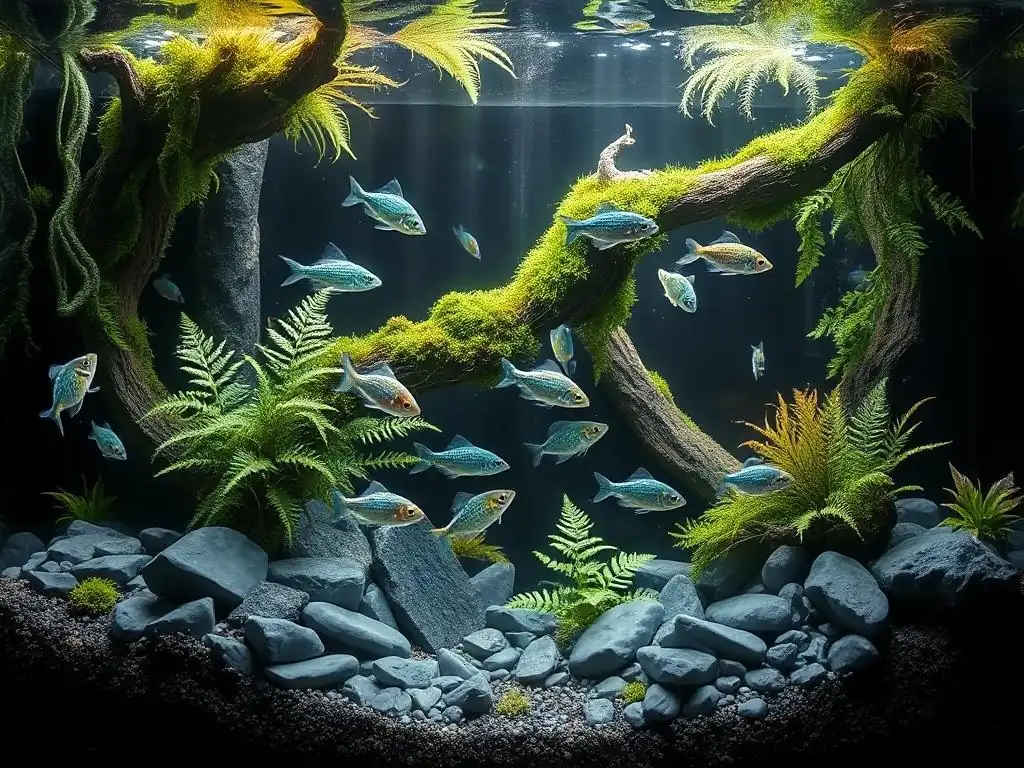
Ever wondered how to recreate the captivating, tannin-rich waters of Southeast Asia in your own home aquarium? This guide dives deep into blackwater rasbora aquarium setup, revealing the secrets to creating a thriving environment for your Harlequin and Espei Rasboras. Uncover the key elements of a perfect blackwater biotope and watch your colorful rasboras flourish like never before. Ready to unlock the mysteries of blackwater? Let's get started!
- Creating an Optimal Blackwater Aquarium for Harlequin and Espei Rasboras
- Understanding Blackwater Environments for Rasboras
- Essential Components of a Blackwater Rasbora Aquarium
- Achieving the Blackwater Effect: Natural Methods
- Water Chemistry for Blackwater Rasbora Aquariums
- Selecting Plants for a Blackwater Rasbora Habitat
- Choosing Tank Mates for Harlequin and Espei Rasboras in Blackwater
- Maintaining Your Blackwater Rasbora Aquarium
- Feeding Harlequin and Espei Rasboras in a Blackwater Tank
- Breeding Harlequin and Espei Rasboras in Blackwater Conditions
- Troubleshooting Common Issues in Blackwater Rasbora Aquariums
- Blackwater Rasbora Aquarium Setup: Step-by-Step Guide
-
Frequently Asked Questions
- How is a blackwater aquarium different from a typical freshwater aquarium?
- What are the benefits of a blackwater setup for Harlequin and Espei Rasboras?
- What materials are used to create a blackwater environment in an aquarium?
- How often should I perform water changes in a blackwater rasbora aquarium?
- What are some common problems to watch out for in a blackwater aquarium?
- Final Reflection: Embracing the Blackwater's Embrace
- Dive Deeper: Unleash the Blackwater Paradise in Your Tank!
Creating an Optimal Blackwater Aquarium for Harlequin and Espei Rasboras
Understanding Blackwater Environments for Rasboras
What is a Blackwater Aquarium? Replicating the Natural Habitat
A blackwater aquarium is a specialized setup designed to mimic the natural aquatic environments found in regions like the Amazon Basin or Southeast Asia, where Harlequin Rasboras ( Trigonostigma heteromorpha) and Espei Rasboras ( Trigonostigma espei) originate. These environments are characterized by water stained amber or tea-colored due to the presence of humic substances and tannins leached from decaying organic matter such as leaves, wood, and peat. The water in these habitats is typically soft and acidic, often with a pH ranging from 4.0 to 6.5.
Replicating this natural habitat involves intentionally adding botanicals like dried leaves and various types of driftwood to the aquarium. These materials slowly release the desired compounds, lowering the pH and GH (General Hardness) while imparting the distinctive coloration. This creates a stable, low-stress environment that closely resembles the rasboras' native streams and peat swamps, making them feel secure and encouraging natural behaviors.
Why Blackwater is Beneficial for Harlequin and Espei Rasboras
Blackwater conditions offer numerous advantages for Harlequin and Espei Rasboras, directly addressing their physiological and behavioral needs. The soft, acidic water environment reduces stress on these fish, which are naturally adapted to such parameters, leading to stronger immune systems and increased longevity. The subdued lighting caused by the tannins also mimics their shaded natural habitats, enhancing their vibrant coloration, particularly the striking copper-orange and black markings on their bodies.
Beyond the aesthetic and stress-reducing benefits, tannins and humic acids possess mild antiseptic and antifungal properties. These natural compounds can help inhibit the growth of harmful bacteria and parasites, contributing to a healthier environment for your rasboras. Furthermore, the stable, low pH and soft water are crucial for successful breeding, as many blackwater fish species, including Harlequin and Espei Rasboras, require these specific conditions to spawn and for their eggs to hatch.
Differences Between Blackwater and Clear Water Aquariums
The primary distinction between a blackwater and a clear water aquarium lies in their water chemistry and visual appearance. A clear water tank, often favored for species from rocky streams or open lakes, prioritizes crystal-clear visibility, typically maintaining a neutral to alkaline pH (7.0-8.0) and varied hardness levels. The focus is on pristine clarity, often achieved through strong filtration and minimal organic decomposition.
In contrast, a blackwater rasbora aquarium setup intentionally embraces the amber or tea-colored tint, which is a hallmark of the humic substances and tannins. This setup targets a lower pH (typically 5.0-6.5) and very low hardness (GH 1-5 dGH, KH 0-3 dKH). The presence of decaying organic matter, such as catappa leaves and driftwood, is not just tolerated but actively encouraged to provide the desired chemical profile and visual aesthetic.
Essential Components of a Blackwater Rasbora Aquarium
Choosing the Right Aquarium Size for Harlequin and Espei Rasboras
Harlequin and Espei Rasboras are schooling fish, meaning they thrive and exhibit their most natural behaviors when kept in groups of at least 6-8 individuals. While a 10-gallon (approximately 38 liters) tank might be considered a minimum for a very small school, a 20-gallon long (75 liters) or 29-gallon (110 liters) aquarium is significantly more suitable. Larger tanks provide ample swimming space, reduce territorial disputes, and promote more stable water parameters, which is crucial for a sensitive blackwater rasbora aquarium setup.
For a thriving school of 10-15 Harlequin or Espei Rasboras, a 20-gallon long tank offers an ideal footprint, allowing them to school horizontally. A 29-gallon tank provides even more vertical and horizontal space, accommodating a larger school or allowing for more diverse aquascaping. Opting for a larger tank also offers greater dilution of waste products, contributing to healthier and more consistent water quality over time.
Substrate Selection: Creating a Natural Blackwater Bed
For a blackwater rasbora aquarium setup, the ideal substrate is dark and inert. Fine sand, such as play sand or specialized aquarium sand, is an excellent choice as it closely mimics the silty bottoms of their natural habitats. Dark gravel can also be used, but fine sand is generally preferred as it prevents food particles from falling into inaccessible crevices and is gentler on the delicate barbels of any bottom-dwelling tank mates like Corydoras catfish.
It is crucial to avoid substrates that contain calcium or other buffering agents, such as crushed coral or aragonite, as these will counteract the efforts to lower and maintain an acidic pH. A layer of 1-2 inches (2.5-5 cm) of substrate is typically sufficient. Over time, decaying leaf litter from botanicals will settle on the substrate, further contributing to the natural appearance and chemical profile of the blackwater environment.
Lighting Considerations for a Blackwater Rasbora Tank
The natural habitats of Harlequin and Espei Rasboras are often characterized by dense overhead tree canopies, resulting in dim, diffused light reaching the water surface. Replicating this subdued lighting in your blackwater rasbora aquarium setup is essential for the fish's comfort and to encourage their vibrant coloration. Bright, intense lighting can stress these shy fish and cause their colors to fade.
Opt for low to moderate intensity LED lighting, and consider running it for a shorter duration, typically 6-8 hours per day. The tannins in the water will naturally absorb some of the light, further dimming the tank and creating a soft, ambient glow. This also benefits the types of plants commonly used in blackwater setups, which are typically low-light species like Anubias and Java Fern.
Filtration for Blackwater Aquariums: Maintaining Water Quality
Effective filtration is critical for maintaining pristine water quality in any aquarium, and a blackwater rasbora aquarium setup is no exception. A hang-on-back (HOB) filter or a small canister filter provides excellent mechanical, biological, and chemical filtration. Biological filtration, facilitated by beneficial bacteria colonizing the filter media, is paramount for converting toxic ammonia and nitrite into less harmful nitrate.
While chemical filtration media like activated carbon can remove tannins (which are desired in a blackwater tank), it can be used sparingly for short periods if excessive dissolved organic compounds become an issue. Focus on robust mechanical filtration (sponges) and biological filtration (ceramic rings, bio-balls). Ensure the filter provides a gentle flow, as Harlequin and Espei Rasboras prefer calm waters. A filter rated to turn over the tank volume 3-5 times per hour is a good general guideline.
Heating and Temperature Control in a Blackwater Setup
Harlequin and Espei Rasboras are tropical fish that require stable and warm water temperatures to thrive. An ideal temperature range for these species in a blackwater rasbora aquarium setup is between 75-80°F (24-27°C). Maintaining consistency within this range is vital, as sudden temperature fluctuations can cause significant stress and make the fish susceptible to diseases.
A reliable submersible aquarium heater, correctly sized for your tank volume, is an essential piece of equipment. For example, a 50-watt heater is generally sufficient for a 10-20 gallon tank, while a 100-watt heater would be appropriate for a 20-40 gallon tank. Always use an accurate aquarium thermometer to monitor the water temperature regularly, ensuring it remains within the optimal range for your rasboras.
Achieving the Blackwater Effect: Natural Methods
Using Catappa Leaves (Indian Almond Leaves) for Blackwater
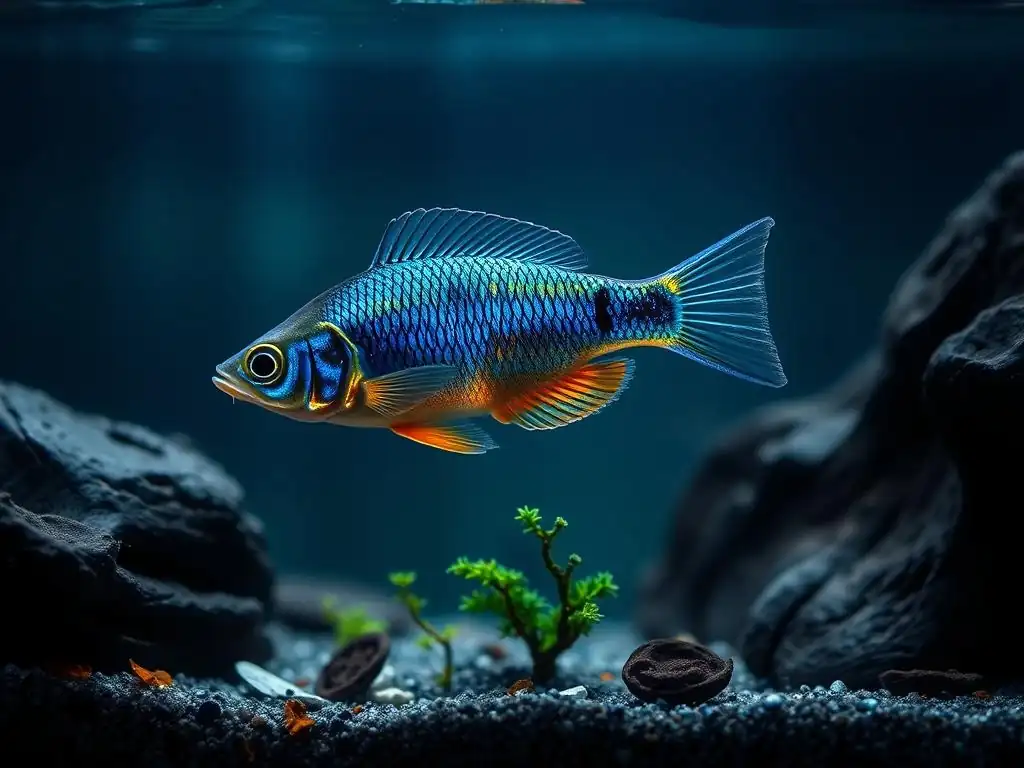
Catappa leaves, also known as Indian Almond leaves ( Terminalia catappa), are one of the most popular and effective natural methods for creating a blackwater rasbora aquarium setup. When submerged, these leaves slowly release tannins, humic acids, and other beneficial compounds into the water. These compounds naturally lower the pH, soften the water, and impart the characteristic amber or tea-colored tint desired in a blackwater tank.
For a typical 20-gallon blackwater rasbora aquarium setup, starting with 2-3 medium-sized catappa leaves (approximately 6-8 inches or 15-20 cm) is a good initial quantity. The leaves will gradually decompose over 2-4 weeks, at which point new leaves can be added to maintain the desired effect. Beyond their chemical contribution, catappa leaves also provide natural hiding spots, foraging surfaces, and a source of biofilm for fish and fry.
Alder Cones: Another Source of Tannins for Rasboras
Alder cones are small, woody seed pods from alder trees that are another excellent natural source of tannins and humic substances for a blackwater aquarium. They are particularly potent for their size and release their compounds relatively quickly, making them useful for fine-tuning the water's tint and chemistry. Their compact size makes them suitable for smaller tanks or for adding specific focal points.
Typically, 5-10 alder cones per 10 gallons (38 liters) of water can create a noticeable blackwater effect. It's advisable to boil them briefly before adding them to the tank; this helps them sink immediately and sterilizes them, though it will also release some initial tannins. Like catappa leaves, alder cones will slowly decompose and should be replaced every 1-2 months to maintain consistent tannin levels in your blackwater rasbora aquarium setup.
Driftwood: Adding Structure and Releasing Tannins
Driftwood is a cornerstone of most blackwater rasbora aquarium setups, serving multiple purposes. Beyond providing aesthetic appeal and creating a naturalistic aquascape, many types of driftwood, such as Malaysian, Manzanita, or Cholla wood, will slowly leach tannins into the water. This continuous release contributes to the desired amber coloration and soft, acidic water chemistry over the long term.
New driftwood can initially leach a significant amount of tannins, potentially turning the water very dark. To mitigate this, it's recommended to pre-soak new driftwood in a separate bucket for several days or weeks, changing the water daily until the leaching significantly reduces. Even after pre-soaking, driftwood will continue to release tannins for years, making it a stable and long-lasting contributor to the blackwater effect, while also providing essential hiding spots and territories for your rasboras.
Blackwater Extracts: A Convenient Option
For aquarists who prefer a more controlled approach or need to achieve the blackwater effect quickly, commercial blackwater extracts offer a convenient solution. These liquid formulations contain concentrated humic and fulvic acids, along with trace elements, designed to mimic the beneficial properties of natural blackwater environments without introducing decaying organic matter. They are particularly useful for maintaining consistent water parameters.
Blackwater extracts allow for precise dosing, enabling aquarists to achieve a specific level of tint and water chemistry. While they don't provide the physical structure or foraging opportunities of leaves and wood, they are an effective way to supplement or maintain the desired blackwater conditions. Always follow the manufacturer's dosing instructions, as concentrations can vary significantly between brands, to ensure the optimal blackwater rasbora aquarium setup.
Water Chemistry for Blackwater Rasbora Aquariums
pH Level: Maintaining Optimal Acidity for Rasboras
Maintaining the correct pH level is paramount for the health and well-being of Harlequin and Espei Rasboras in a blackwater setup. These fish originate from highly acidic waters, and an ideal pH range for them is typically between 5.0 and 6.5. A stable, low pH is crucial for their long-term health, stress reduction, vibrant coloration, and successful breeding.
Regular monitoring of your aquarium's pH with a reliable liquid test kit is essential. Fluctuations outside the ideal range can be highly stressful and detrimental to your fish. While tannins from botanicals naturally lower pH, using inert substrates and performing regular, small water changes with dechlorinated reverse osmosis (RO) or distilled water, remineralized to target parameters, will help maintain the desired acidity for your blackwater rasbora aquarium setup.
KH and GH: Water Hardness Considerations
Blackwater environments are characterized by very soft water, meaning they have low General Hardness (GH) and particularly low Carbonate Hardness (KH). For Harlequin and Espei Rasboras, a GH of 1-5 dGH (degrees of General Hardness) and a KH of 0-3 dKH (degrees of Carbonate Hardness) are considered ideal. These parameters directly reflect their natural habitat and are crucial for their osmotic regulation.
Low KH is especially important in blackwater setups as it allows the pH to drop and remain acidic. However, it also means the water has very little buffering capacity, making it susceptible to rapid pH swings if not managed carefully. Using RO or distilled water, then remineralizing it with specific products to achieve the desired GH and KH, is often the most reliable way to create and maintain the soft water necessary for a successful blackwater rasbora aquarium setup.
Ammonia, Nitrite, and Nitrate Levels: The Nitrogen Cycle in Blackwater
The nitrogen cycle is a fundamental process in any aquarium, ensuring the breakdown of harmful waste products. In a blackwater rasbora aquarium setup, it's just as critical. Ammonia (NH3/NH4+) and nitrite (NO2-) are highly toxic to fish and should always be at 0 ppm (parts per million). Nitrate (NO3-), while less toxic, should be kept below 20 ppm, ideally much lower for sensitive species.
Even in acidic conditions, the beneficial bacteria responsible for nitrification (converting ammonia to nitrite, then to nitrate) will thrive, though their efficiency can be slightly reduced at very low pH levels (below 6.0). Therefore, robust biological filtration and careful feeding to prevent overfeeding are even more important. Regular water testing for ammonia, nitrite, and nitrate is crucial to ensure the stability and health of your blackwater rasbora aquarium setup. If ammonia or nitrite are detected, immediate corrective actions like water changes are necessary.
Selecting Plants for a Blackwater Rasbora Habitat
Low-Light Plants Suitable for Blackwater Aquariums
Given the subdued lighting conditions created by tannins in a blackwater rasbora aquarium setup, selecting plants that thrive in low-light environments is essential. High-light demanding plants will struggle to grow and may melt away, leading to water quality issues. Fortunately, many beautiful and hardy aquarium plants are well-suited for these conditions.
Excellent choices include various Anubias species (e.g., Anubias barteri, Anubias nana), which are extremely hardy and can be attached to driftwood or rocks rather than planted in the substrate. Java Fern ( Microsorum pteropus) is another robust option that can be similarly attached. Both Anubias and Java Fern are slow-growing but provide excellent natural cover and contribute to the aquascape without requiring intense lighting.
Plants that Thrive in Acidic Water Conditions
While general low-light tolerance is important, some plants also specifically prefer or thrive in the soft, acidic water conditions characteristic of a blackwater rasbora aquarium setup. These plants often originate from similar environments in nature, making them perfectly suited for your tank.
Cryptocoryne species, often referred to as "Crypts," are an excellent example. Varieties like Cryptocoryne wendtii or Cryptocoryne undulata are known for their adaptability to soft, acidic water and their ability to grow well in low light. Various types of aquatic mosses, such as Java Moss ( Taxiphyllum barbieri) or Christmas Moss ( Vesicularia montagnei), also flourish in these conditions and provide excellent hiding spots for rasboras and their potential fry.
Creating a Natural Planted Blackwater Aquascape
The goal of aquascaping a blackwater rasbora aquarium setup is to recreate the natural, often cluttered and shaded, environment that Harlequin and Espei Rasboras inhabit. This involves a strategic arrangement of driftwood, leaves, and plants to provide security, visual interest, and areas of subdued light.
Start with larger pieces of driftwood to form the main structure, positioning them to create caves and overhangs. Attach Anubias or Java Fern to the driftwood. Scatter a generous layer of catappa leaves and alder cones on the substrate to mimic the natural leaf litter of a forest floor. Intersperse Cryptocorynes in the substrate to add depth and texture. The overall effect should be one of serene, slightly wild beauty, providing a comfortable and enriching habitat for your fish.
Choosing Tank Mates for Harlequin and Espei Rasboras in Blackwater
Compatible Fish Species for a Blackwater Community Tank
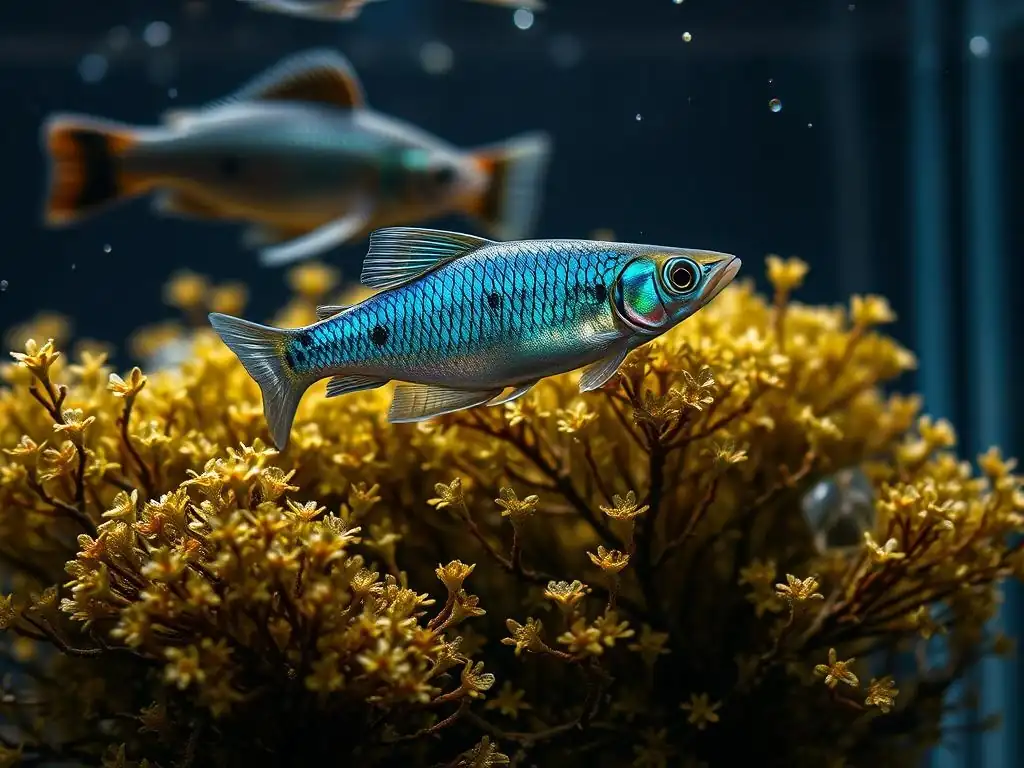
When selecting tank mates for your Harlequin and Espei Rasboras in a blackwater setup, the primary considerations are shared water parameter requirements (soft, acidic water, warm temperatures) and a peaceful temperament. This ensures the well-being of all inhabitants and prevents stress-related issues.
Excellent choices include other small, peaceful fish from similar blackwater environments. Dwarf Cichlids such as Apistogramma species (e.g., Apistogramma cacatuoides, Apistogramma agassizii) are often ideal, as are many small schooling tetras like Neon Tetras ( Paracheirodon innesi), Ember Tetras ( Hyphessobrycon amandae), or Cardinal Tetras ( Paracheirodon axelrodi). Peaceful bottom dwellers like Corydoras catfish (e.g., Corydoras panda, Corydoras pygmaeus) also make great additions, as they complement the rasboras without competing for the same water column space.
Invertebrates that Complement a Blackwater Setup
Certain invertebrates can be excellent and beneficial additions to a blackwater rasbora aquarium, acting as scavengers and contributing to the overall ecosystem. They generally tolerate the soft, acidic water conditions well and can help with algae control or consume leftover food.
Popular choices include various species of freshwater shrimp, such as Amano Shrimp ( Caridina multidentata), which are excellent algae eaters, or Neocaridina shrimp (e.g., Cherry Shrimp), though their vibrant colors might be less noticeable in the darker water. Nerite Snails ( Neritina natalensis) are also highly recommended for their efficiency in consuming algae without overpopulating the tank. Ensure any chosen invertebrates are not so small that they become a meal for larger tank mates.
Avoiding Aggressive Tank Mates
To maintain a peaceful and stress-free environment for the relatively shy Harlequin and Espei Rasboras, it is crucial to avoid any fish species known for aggression, fin-nipping, or overly boisterous behavior. Such tank mates can cause significant stress, leading to health issues, faded coloration, and a reduced lifespan for your rasboras.
Steer clear of larger, more aggressive cichlids (e.g., Oscars, Jack Dempseys), most types of barbs (with some exceptions like Cherry Barbs, which might be suitable in larger tanks), and some territorial Gourami species. The key is to select tank mates that are docile, similar in size or smaller, and will not outcompete the rasboras for food or space. This careful selection ensures the tranquility and success of your blackwater rasbora aquarium setup.
Maintaining Your Blackwater Rasbora Aquarium
Water Changes in a Blackwater Environment
Regular water changes are essential for maintaining stable water quality and removing accumulated nitrates and other dissolved organic compounds, even in a blackwater rasbora aquarium setup. However, the approach to water changes might differ slightly due to the specific water chemistry requirements.
Perform weekly or bi-weekly water changes of 10-20% of the tank volume. If you are using RO (reverse osmosis) or distilled water, ensure it is properly remineralized to your target GH/KH parameters before adding it to the tank. This helps maintain stable pH and hardness while refreshing the water. If the blackwater tint fades too much after a water change, you can add new botanicals or a blackwater extract to restore the desired coloration. Consistent water changes are vital for the long-term health of your rasboras.
Monitoring Water Parameters: Regular Testing
Consistent monitoring of key water parameters is paramount for the health and stability of Harlequin and Espei Rasboras in a blackwater environment. Due to the low buffering capacity (low KH), pH can be more prone to fluctuations, making regular testing even more critical than in a typical community tank.
Test pH, GH, KH, ammonia, nitrite, and nitrate levels weekly or at least bi-weekly. A liquid test kit is recommended over test strips for greater accuracy and reliability. Keep a detailed log of your readings to identify any trends or potential issues before they become severe. This proactive approach allows you to make timely adjustments and ensures the stability and success of your blackwater rasbora aquarium setup.
Addressing Common Problems in Blackwater Aquariums
While blackwater setups offer many benefits, they can present unique challenges. One common issue is maintaining consistent pH due to the inherently low KH, which can sometimes lead to a sudden and dangerous pH crash if not carefully managed. Another challenge can be the accumulation of excess dissolved organic compounds from decomposing botanicals.
To address potential pH swings, ensure stable GH/KH through consistent water changes with appropriately remineralized water. If organic buildup becomes excessive, manifested as murky water despite the tint, consider increasing the frequency or volume of water changes. Alternatively, a small amount of activated carbon can be used in a separate media bag for a short period (e.g., 24-48 hours) to absorb excess dissolved organic compounds, then removed to preserve the beneficial tannins. Regular substrate vacuuming also helps remove decaying matter.
Feeding Harlequin and Espei Rasboras in a Blackwater Tank
Optimal Diet for Rasboras: Ensuring Nutritional Needs
Harlequin and Espei Rasboras are omnivorous, with a natural preference for small, meaty foods such as insect larvae and zooplankton in their wild diets. To ensure their optimal health, vibrant coloration, and overall well-being in a blackwater rasbora aquarium setup, a varied and high-quality diet is crucial.
Offer a staple diet of high-quality micro-pellets or flakes specifically formulated for small tropical fish. Brands like Hikari Micro Pellets or Omega One flakes are often recommended. Supplement this staple with a variety of live, frozen, and freeze-dried foods to provide a complete nutritional profile. This varied diet helps meet all their dietary requirements and keeps them in peak condition.
Feeding Frequency and Amount
Due to their small size and active metabolism, Harlequin and Espei Rasboras benefit from being fed small amounts multiple times a day rather than one large meal. This approach ensures they receive consistent nutrition and helps prevent overfeeding, which can lead to uneaten food decaying and negatively impacting water quality.
Feed your rasboras 2-3 times daily, offering only what they can consume within 2-3 minutes. Observe their feeding behavior closely; if food remains after this short period, reduce the amount for the next feeding. Overfeeding is a common cause of poor water quality, elevated nitrate levels, and potential health issues for your fish, making careful feeding practices vital for a healthy blackwater rasbora aquarium setup.
Live and Frozen Foods for Rasboras
Incorporating live and frozen foods into the rasboras' diet provides essential proteins, fats, and micronutrients that enhance their vitality, intensify their coloration, and can even stimulate breeding behaviors. These foods closely mimic their natural diet, providing a more enriching feeding experience.
Excellent frozen options include bloodworms, daphnia, brine shrimp, and cyclops. For live foods, newly hatched brine shrimp, micro-worms, or vinegar eels are particularly beneficial, especially for conditioning breeding pairs and feeding very small fry. Offer these supplements 2-3 times per week to ensure a well-rounded and nutritious diet for your Harlequin and Espei Rasboras in their blackwater environment.
Breeding Harlequin and Espei Rasboras in Blackwater Conditions
Creating Breeding Conditions in a Blackwater Tank
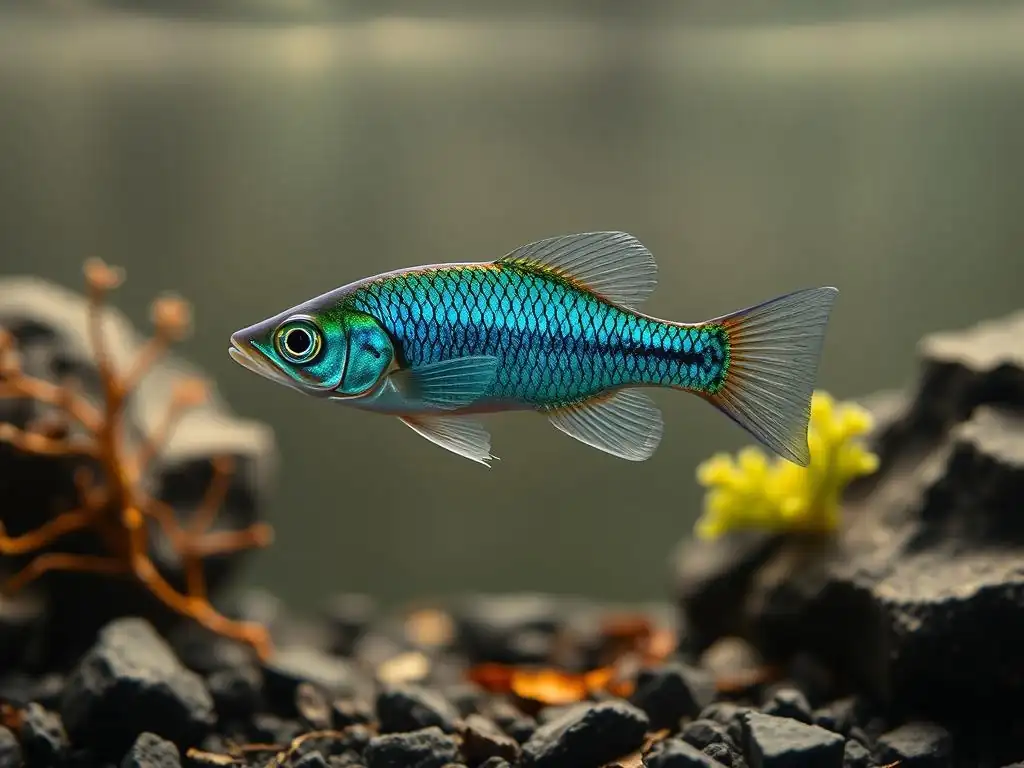
Harlequin and Espei Rasboras are egg-scattering species and can be successfully bred in a blackwater rasbora aquarium setup, as these conditions closely mimic their natural spawning grounds. To encourage breeding, ensure the water parameters are pristine and within their optimal range: pH 5.0-6.0, GH 1-3 dGH, and a temperature of around 78-80°F (25-27°C).
Provide plenty of broad-leaved plants, such as Cryptocorynes or Anubias, or artificial spawning mops, as these fish prefer to lay their adhesive eggs on the underside of leaves or other suitable surfaces. A slightly lower water level (e.g., 8-10 inches or 20-25 cm) and a gentle air stone for circulation can also stimulate spawning. Conditioning the breeding pair with high-quality live and frozen foods for several days prior is also recommended.
Identifying and Caring for Rasbora Eggs
Harlequin and Espei Rasboras typically lay their tiny, clear to light amber, adhesive eggs on the underside of broad leaves or within spawning mops, usually during the morning hours. Spawning can occur over several hours, with a single female laying dozens to hundreds of eggs.
Once eggs are observed, it is generally recommended to remove the parent fish to a separate tank, as they may consume their own eggs. Alternatively, you can carefully remove the eggs themselves, along with the leaf or mop they are attached to, and transfer them to a dedicated fry-rearing tank. This tank should be filled with water from the main blackwater rasbora aquarium setup to maintain consistent parameters. Maintain stable water conditions, and consider adding a few drops of methylene blue to prevent fungal growth. Eggs typically hatch within 24-48 hours.
Raising Rasbora Fry in a Blackwater Environment
Rasbora fry are extremely small and require microscopic food during their initial stages of life. The blackwater environment, with its humic substances, can be beneficial for fry development, potentially reducing bacterial issues and providing a sense of security.
For the first few days after hatching, infusoria or commercially available liquid fry food is essential, as the fry are too small to consume newly hatched brine shrimp. After about 5-7 days, they can graduate to newly hatched brine shrimp or micro-worms. Perform very small, frequent water changes (e.g., 5-10% daily) using aged, remineralized RO water to maintain pristine conditions. A gentle sponge filter is crucial in the fry tank to prevent accidental suction of the delicate fry.
Troubleshooting Common Issues in Blackwater Rasbora Aquariums
Algae Control in Blackwater Tanks
While the dim lighting and tannins in a blackwater rasbora aquarium setup naturally inhibit some types of algae, it is not entirely immune to algal growth. Common causes of algae outbreaks include excessive light duration (over 8 hours per day), nutrient imbalances (e.g., high nitrates or phosphates), or overfeeding, which contributes to excess nutrients.
To control algae, first review your lighting schedule and reduce it to 6-8 hours if necessary. Ensure regular water changes are performed to manage nutrient levels. Consider adding more fast-growing, low-light plants to outcompete algae for nutrients. Algae-eating invertebrates like Nerite Snails or Amano shrimp can also help with minor outbreaks. Avoid harsh chemical treatments, as they can disrupt the delicate balance of your blackwater environment.
Dealing with pH Swings
pH swings are a critical concern in blackwater rasbora aquarium setups due to their inherently low KH (buffering capacity). A sudden and drastic drop in pH, often referred to as a pH crash, can be fatal to fish. This usually occurs when the KH drops to zero, and acidic compounds from decomposition or the nitrogen cycle accumulate without any buffering capacity.
The best prevention is consistent monitoring of both KH and pH. If KH is consistently at 0-1 dKH, consider performing very small, frequent water changes with water remineralized to a slightly higher KH (e.g., 2-3 dKH). Using inert substrates and avoiding overfeeding also helps. In an emergency pH crash, a very slow, drip-by-drip addition of a very dilute solution of baking soda (sodium bicarbonate) can raise KH and pH, but extreme caution is advised to prevent further shock to the fish.
Identifying and Treating Rasbora Diseases in Blackwater
While the mild antiseptic properties of tannins can reduce the incidence of some bacterial and fungal issues, Harlequin and Espei Rasboras can still fall ill. Common signs of disease include clamped fins, lethargy, loss of appetite, white spots (Ich), fin rot, or fungal growths.
If disease is suspected, the first step is always to immediately check all water parameters, as poor water quality is frequently the underlying cause. Isolate affected fish in a hospital tank if possible to prevent spread and facilitate treatment. For parasitic infections like Ich, a gradual temperature increase (to 82-84°F / 28-29°C) combined with aquarium salt treatment (if compatible with other tank mates) can be effective.
Bacterial or fungal infections often respond to appropriate aquarium medications. Always use medications specifically designed for aquarium fish and follow instructions carefully, being mindful of their potential impact on the delicate blackwater chemistry and beneficial bacteria.
Blackwater Rasbora Aquarium Setup: Step-by-Step Guide
Step 1: Setting Up the Aquarium and Substrate
Begin your blackwater rasbora aquarium setup by placing your chosen aquarium on a sturdy, level stand in a location away from direct sunlight and drafts. Thoroughly rinse your dark, inert substrate (such as fine sand or dark gravel) with clean water until the runoff is completely clear. Add a thin layer of substrate, approximately 1-2 inches (2.5-5 cm) deep, to the bottom of the tank.
Ensure all your equipment, including the heater and filter, is clean and ready for installation. Position the heater in an area with good water flow for even heat distribution. Set up your filter, ensuring that all media compartments are correctly loaded with mechanical and biological filtration media. This foundational step is crucial for establishing a stable environment for your rasboras.
Step 2: Adding Driftwood and Catappa Leaves
Carefully arrange your pre-soaked driftwood pieces within the tank to create visual interest, naturalistic structures, and essential hiding spots for your fish. Ensure the driftwood is stable and won't shift or fall over. Allow for open swimming areas, particularly in the mid-water column, where Harlequin and Espei Rasboras prefer to school.
Next, scatter dried catappa leaves and/or alder cones over the substrate. For a 20-gallon tank, a good starting point is 2-3 medium-sized catappa leaves or 5-10 alder cones. These botanicals will gradually release tannins, initiating the blackwater effect and conditioning the water to the soft, acidic parameters ideal for your Harlequin and Espei Rasboras.
Step 3: Planting and Aquascaping
Introduce your chosen low-light and acid-tolerant plants to enhance the natural feel and biological balance of your blackwater rasbora aquarium setup. Attach epiphytic plants like Anubias and Java Fern to driftwood or rocks using fishing line or super glue gel; avoid burying their rhizomes in the substrate. If using Cryptocorynes, gently plant their roots into the thin substrate layer.
Aim for a natural, slightly overgrown appearance that provides ample cover and security for your fish. Consider the adult size of the plants and ensure they do not completely block open swimming areas. The strategic placement of plants contributes significantly to the aesthetic appeal and overall health of your blackwater environment.
Step 4: Filling the Aquarium and Cycling the Water
Carefully fill the aquarium with dechlorinated water. If using reverse osmosis (RO) or distilled water, remineralize it to your target GH (1-5 dGH) and KH (0-3 dKH) parameters before adding it. Place a clean plate or plastic bag on the substrate to prevent disturbance as you pour the water.
Once filled, begin the nitrogen cycle. Add a reputable bacterial starter product or a small amount of established filter media from a healthy, cycled tank to introduce beneficial bacteria and accelerate the process. Monitor ammonia, nitrite, and nitrate levels daily using a liquid test kit. The aquarium is fully cycled when ammonia and nitrite consistently read 0 ppm and nitrates are present. This crucial cycling process typically takes 2-6 weeks and is non-negotiable for a healthy and thriving blackwater rasbora aquarium setup.
Step 5: Introducing Your Harlequin and Espei Rasboras.
Once your blackwater rasbora aquarium is fully cycled and all water parameters (pH 5.0-6.5, GH 1-5 dGH, temperature 75-80°F) are stable and ideal, you can finally introduce your Harlequin and Espei Rasboras. Acclimate them slowly to the new water chemistry using the drip acclimation method over at least 30-60 minutes to minimize stress from parameter changes.
Add the fish in small groups, if possible, over a few days rather than all at once, to allow your biological filter to gradually adjust to the increased bioload. Observe their behavior closely for the first few days, ensuring they are active, eating well, and displaying vibrant coloration. A successfully established blackwater rasbora aquarium setup will provide a natural, stress-free, and beautiful home for these captivating fish.
Frequently Asked Questions
How is a blackwater aquarium different from a typical freshwater aquarium?
A blackwater aquarium replicates the acidic and tannin-rich waters found in certain tropical regions. This differs from typical freshwater aquariums, which often aim for neutral to slightly alkaline water parameters. The key difference is the introduction of tannins, creating a dark, tea-colored water.
What are the benefits of a blackwater setup for Harlequin and Espei Rasboras?
Blackwater conditions mimic the natural habitat of Harlequin and Espei Rasboras, promoting better health, vibrant coloration, and more natural breeding behaviors. The softer, acidic water is also more comfortable for them.
What materials are used to create a blackwater environment in an aquarium?
Common materials include driftwood, leaf litter (like Indian Almond Leaves), and peat moss. These release tannins and humic substances, lowering the pH and creating the characteristic dark water color.
How often should I perform water changes in a blackwater rasbora aquarium?
Water changes should be performed regularly, typically 10-20% weekly, to maintain water quality. It's important to replace the removed water with water that has been pre-treated to match the blackwater parameters.
What are some common problems to watch out for in a blackwater aquarium?
Maintaining stable water parameters is crucial. Rapid pH fluctuations or over-accumulation of organic waste can be problematic. Regular testing and careful monitoring of water chemistry are essential to avoid issues.
Final Reflection: Embracing the Blackwater's Embrace
The journey to crafting the ideal blackwater rasbora aquarium setup is more than just a technical exercise; it's an act of recreating a slice of the natural world within our homes. By understanding the specific needs of Harlequin and Espei Rasboras, we not only enhance their well-being but also connect with the delicate ecosystems they inhabit, highlighting the importance of responsible aquarium keeping in a world increasingly disconnected from nature.
This exploration into blackwater environments has profoundly influenced my understanding of aquarium keeping, shifting it from mere decoration to a deeper appreciation of ecological balance. Witnessing the vibrant colors of Rasboras thrive in a carefully crafted blackwater setup underscores the power of mimicking nature's design. In nature, nothing is perfect and everything is perfect. Trees can be contorted, bent in weird ways, and they're still beautiful.
- Alice Walker. This quote perfectly captures the beauty and resilience found even in the seemingly "imperfect" blackwater environments, reminding us to embrace the natural variations and complexities within our aquariums.
Now, I invite you to reflect on your own connection to the natural world. Consider how you can apply the principles of creating a balanced ecosystem, whether in your aquarium or beyond. Let the dedication to crafting the perfect blackwater rasbora aquarium setup inspire you to cultivate a deeper understanding and respect for the delicate balance of nature in all its forms.
Dive Deeper: Unleash the Blackwater Paradise in Your Tank!
Thanks for exploring the secrets to creating a thriving blackwater environment for your Harlequin and Espei Rasboras! We hope you've gained valuable insights into replicating their natural habitat and unlocking their full potential. Now, let's put that knowledge into action and elevate your aquarium keeping to the next level.
Here are a few things you can do now:
- Start Small: Begin acclimating your Rasboras to blackwater conditions.: Introduce tannins gradually using botanicals or extracts and carefully monitor your water parameters.
- Explore Unique Botanicals:Discover uncommon leaves, seed pods, or cones from your local environment (ensure they are safe and suitable for aquarium use) to enrich your blackwater setup and provide natural hiding places.
- Share Your Journey: Connect with other blackwater enthusiasts online and share your experiences, ask questions, and inspire others to create their own stunning blackwater biotopes.
Ready to transform your aquarium into a vibrant blackwater haven?