
Live Plants for Betta Tanks: Benefits and Easy Choices

Welcome to Aquarium Mastery!
Ever wondered how to transform your Betta tank into a thriving, vibrant ecosystem? Unlock the secrets to a happier, healthier Betta with our guide to Betta tank live plants. Discover the surprising benefits and easy-to-care-for options that will not only beautify your aquarium but also create a perfect environment for your finned friend. Intrigued? Dive in and let's get planting!
- Why Add Live Plants to Your Betta Fish Tank? The Benefits Explained
-
Top Live Plant Choices for Betta Fish Tanks: Beginner-Friendly Options
- Java Fern: A Hardy and Low-Maintenance Plant for Betta Tanks
- Anubias: Slow-Growing and Shade-Loving Plant for Betta Fish
- Amazon Sword: A Larger Plant Providing Ample Cover for Bettas
- Marimo Moss Balls: Unique and Easy-to-Care-For Algae Balls for Betta Tanks
- Water Sprite: A Fast-Growing Floating Plant for Betta Aquariums
- Planting and Caring for Live Plants in Your Betta Tank: A Simple Guide
- Potential Problems and Solutions with Live Plants in Betta Aquariums
- Setting Up a Thriving Planted Betta Tank: Tips and Tricks
-
Frequently Asked Questions
- What are the primary benefits of using live plants in a Betta tank?
- What are some easy-to-care-for live plant options suitable for a Betta tank?
- How do live plants help with water quality in a Betta tank?
- Are there any specific live plants that Bettas particularly enjoy or benefit from?
- How do I properly prepare and introduce live plants into my Betta tank?
- Final Reflection: Cultivating Harmony in the Betta's World
- Cultivate Your Betta's Paradise!
Why Add Live Plants to Your Betta Fish Tank? The Benefits Explained
Creating a Natural Habitat for Betta Fish with Live Aquarium Plants
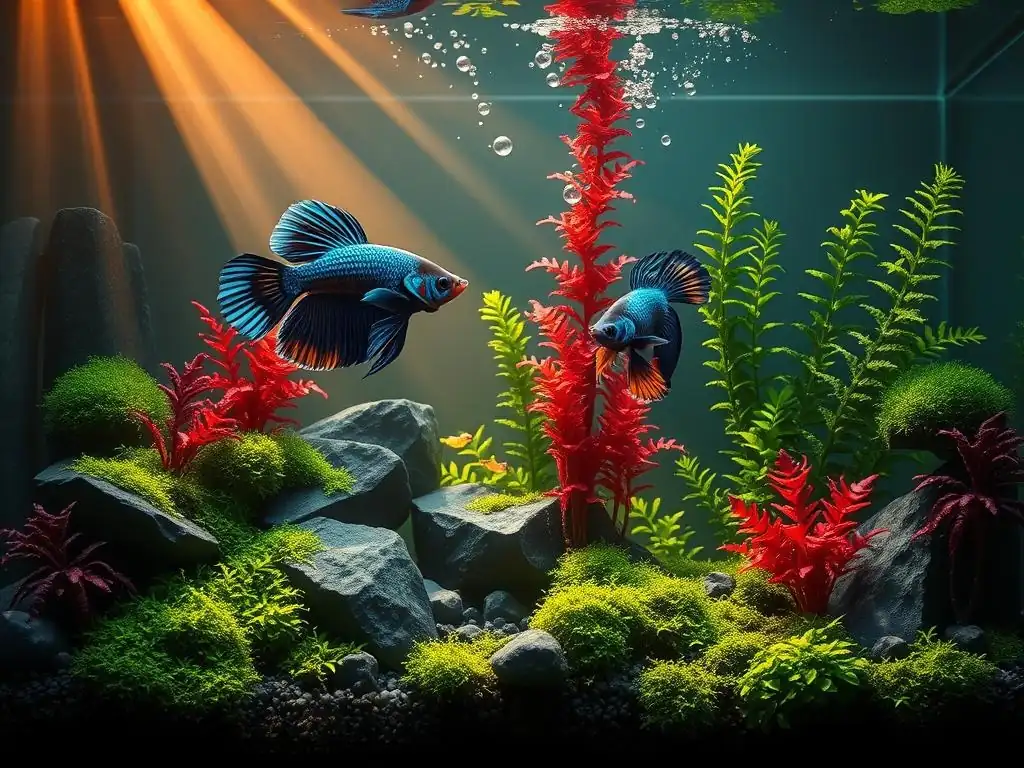
Adding live plants to a Betta fish tank significantly enhances the environment, transforming it into a natural habitat that closely mimics their native shallow, densely vegetated waters of Southeast Asia, such as rice paddies and slow-moving streams. This natural setting provides immense psychological benefits for Betta fish, reducing stress and encouraging their natural behaviors like exploring, resting among foliage, and even building bubble nests. The visual appeal for the aquarist is also undeniable, creating a lush, vibrant display.
A more natural environment directly contributes to a Betta's overall health and longevity. Reduced stress levels bolster their immune system, making them less susceptible to common aquarium ailments like fin rot, ich, or velvet disease. Bettas in well-planted tanks often exhibit more vibrant coloration and engage in more active, curious behaviors compared to those in barren setups. Studies suggest that Bettas in enriched environments can live longer, potentially extending their lifespan from an average of 2-3 years to 3-5 years or even more when optimal conditions are consistently maintained.
Improved Water Quality: How Aquatic Plants Help Betta Tanks
Live aquatic plants act as highly efficient natural filters within a Betta tank, playing a crucial role in maintaining pristine water quality. They actively absorb harmful compounds such as nitrates, phosphates, and other nitrogenous waste products generated by fish waste, decaying food, and decomposing organic matter.
This nutrient absorption helps prevent unsightly and potentially harmful algae blooms, which compete with plants for resources, and ensures stable water parameters, which are paramount for the delicate health of Betta fish. For instance, a moderately planted 10-gallon Betta tank can often maintain nitrate levels consistently below 10 ppm, a stark contrast to unplanted tanks where nitrate levels might quickly rise to 20-40 ppm or higher with similar bioloads.
Furthermore, these Betta tank live plants are integral to the nitrogen cycle. While beneficial bacteria convert ammonia to nitrite and then to nitrate, plants readily consume these nitrates as a primary nutrient source. This natural consumption effectively completes the nitrogen cycle within the aquarium, significantly reducing the accumulation of toxic compounds. Consequently, the need for frequent, large water changes can be somewhat lessened (though not eliminated), creating a more stable, less stressful, and healthier aquatic environment for your Betta.
Oxygen Production and CO2 Reduction in Betta Aquariums
During daylight hours, live plants perform photosynthesis, a vital process where they absorb carbon dioxide (CO2) from the water and release oxygen (O2) as a byproduct. This dissolved oxygen is crucial for the respiration of Betta fish, even though they possess a labyrinth organ allowing them to breathe atmospheric air. Sufficient dissolved oxygen supports overall gill function, boosts metabolism, and contributes to the Betta's vitality, especially in smaller tanks where surface agitation for gas exchange might be limited.
Beyond oxygen production, Betta tank live plants also play a critical role in reducing carbon dioxide levels. Excess CO2 can lead to a drop in pH, which, if fluctuating rapidly, can cause significant stress to Betta fish. By consuming CO2, plants help to stabilize the water's pH, creating a more consistent and favorable chemical environment. In a well-planted 5-gallon Betta tank, for example, CO2 levels might naturally fluctuate within an ideal range of 2-8 ppm, promoting both plant growth and fish well-being, whereas unplanted tanks might experience higher CO2 buildup solely from fish respiration.
Natural Hiding Places and Enrichment for Betta Fish
Live plants offer essential natural hiding places and visual barriers, which are crucial for the well-being of Betta fish. As territorial creatures, Bettas benefit greatly from having secure spots to retreat to, reducing stress and promoting a sense of security, especially if they are housed with very carefully selected, peaceful tank mates (though Bettas are often best kept alone). The dense foliage of Betta tank live plants provides excellent cover, allowing the fish to feel safe and preventing potential aggression or anxiety.
Beyond providing security, live plants offer significant behavioral enrichment. Bettas are intelligent and curious fish that thrive on exploring their environment. A planted tank provides a complex and stimulating landscape with various structures for them to swim through, rest upon, and patrol.
This mental stimulation is vital for preventing boredom and lethargy, encouraging natural behaviors like flaring, hunting for micro-organisms, or even constructing intricate bubble nests in a sheltered corner. A Betta in a richly planted tank might spend an estimated 30-40% of its active time exploring the plant foliage, contrasting with a mere 10-15% in a sparsely decorated or barren tank.
Top Live Plant Choices for Betta Fish Tanks: Beginner-Friendly Options
Java Fern: A Hardy and Low-Maintenance Plant for Betta Tanks
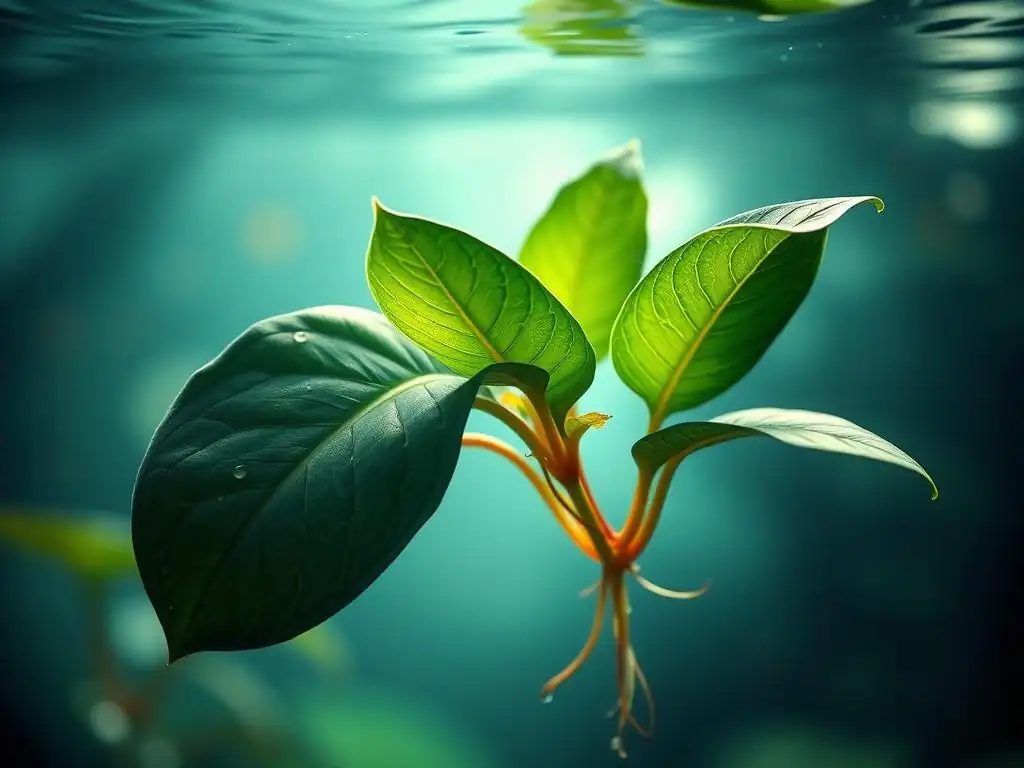
Java Fern (Microsorum pteropus) stands out as an exceptional choice for Betta tank live plants due to its remarkable hardiness and minimal maintenance requirements. This versatile plant thrives in a wide range of lighting conditions, from very low to moderate, making it suitable for almost any Betta setup. Its unique growth habit involves attaching itself to hardscapes like driftwood or rocks rather than being planted in the substrate, which prevents its delicate rhizome from rotting. Under good conditions, a Java Fern can typically produce 1-2 new leaves per month.
For optimal care, Java Fern prefers water temperatures between 68-82°F (20-28°C), aligning perfectly with the ideal range for Betta fish. It is crucial never to bury the rhizome (the thick horizontal stem from which leaves and roots grow) in the substrate, as this will lead to its decay. Propagation is straightforward: simply split the rhizome into smaller sections, each with a few leaves, or allow new plantlets to form on older leaves, which can then be gently detached and reattached elsewhere.
Anubias: Slow-Growing and Shade-Loving Plant for Betta Fish
Anubias, particularly popular varieties like Anubias barteri var. nana, is another incredibly robust and widely favored option for Betta tank live plants. Characterized by its thick, dark green, and leathery leaves, Anubias is renowned for its very slow growth rate, often producing just one new leaf every 2-4 weeks. This slow growth, coupled with its ability to thrive in low light conditions, makes it an excellent choice for beginner aquarists and Betta tanks where intense lighting might not be desirable. Like Java Fern, it is an epiphyte and should be attached to driftwood or rocks.
Caring for Anubias is remarkably forgiving. It tolerates a broad spectrum of water parameters and is highly resistant to damage from fish, including curious Bettas, thanks to its sturdy leaf structure. The most critical care tip is to ensure that its rhizome remains exposed to the water column and is never buried in the substrate, as this will cause it to rot. Its slow growth also means less frequent pruning, making it a truly low-maintenance addition to any Betta aquarium.
Amazon Sword: A Larger Plant Providing Ample Cover for Bettas
The Amazon Sword (Echinodorus amazonicus or similar species) is a magnificent, larger plant that provides substantial cover and a dramatic focal point in Betta tanks, especially those 10 gallons or larger. With its broad, vibrant green leaves, it can grow quite tall, often reaching 12-20 inches in height, creating a lush, jungle-like feel. Unlike epiphytes, Amazon Swords are heavy root feeders and thrive best in tanks with moderate lighting and a nutrient-rich substrate.
To ensure a thriving Amazon Sword, it requires specific care. It significantly benefits from the use of nutrient-rich aquarium soil or the regular placement of root tabs directly into the substrate near its base, as it primarily absorbs nutrients through its root system. Ideal water temperatures for Amazon Swords range from 72-82°F (22-28°C), which is perfectly suited for Betta fish. Regular trimming of older, outer leaves can encourage new, healthier growth from the plant's crown.
Marimo Moss Balls: Unique and Easy-to-Care-For Algae Balls for Betta Tanks
Marimo Moss Balls (Aegagropila linnaei) are a truly unique and virtually maintenance-free addition to any Betta tank. Despite their common name, they are not true mosses but rather spherical colonies of a specific type of filamentous green algae. They provide a soft, velvety texture and a natural, intriguing element to the aquascape. Their growth rate is incredibly slow, typically increasing in diameter by only about 5mm per year under optimal conditions.
These fascinating "algae balls" are incredibly easy to care for, requiring very low light and able to be placed anywhere within the tank. They contribute to water quality by absorbing nitrates and provide a large surface area for beneficial nitrifying bacteria to colonize. To maintain their spherical shape and prevent any dead spots, it's recommended to gently squeeze them and roll them between your palms during weekly water changes. Bettas often show curiosity towards Marimo Moss Balls, sometimes nudging them around or even resting comfortably on their soft surface.
Water Sprite: A Fast-Growing Floating Plant for Betta Aquariums
Water Sprite (Ceratopteris thalictroides) is a remarkably versatile and fast-growing plant that can be either planted in the substrate or, more commonly and beneficially for Bettas, allowed to float freely on the water's surface. Its delicate, feathery leaves create an immediate sense of lushness and provide excellent shade and cover. When floating, Water Sprite often forms natural "beds" or shaded areas near the surface, which Bettas particularly enjoy for resting and feeling secure.
As a floating plant, Water Sprite is an exceptionally powerful natural filter, readily absorbing nitrates and other waste products directly from the water column, contributing significantly to cleaner water. Its dense, trailing root system offers excellent hiding spots, especially beneficial for any potential fry if breeding is occurring, and its surface coverage helps to diffuse bright lighting, which can reduce stress for Bettas that prefer dimmer environments. It thrives in moderate lighting and temperatures ranging from 68-82°F (20-28°C), making it a perfect match for a Betta tank.
Planting and Caring for Live Plants in Your Betta Tank: A Simple Guide
Substrate Selection for Betta Tank Plants: Aquarium Soil vs. Gravel
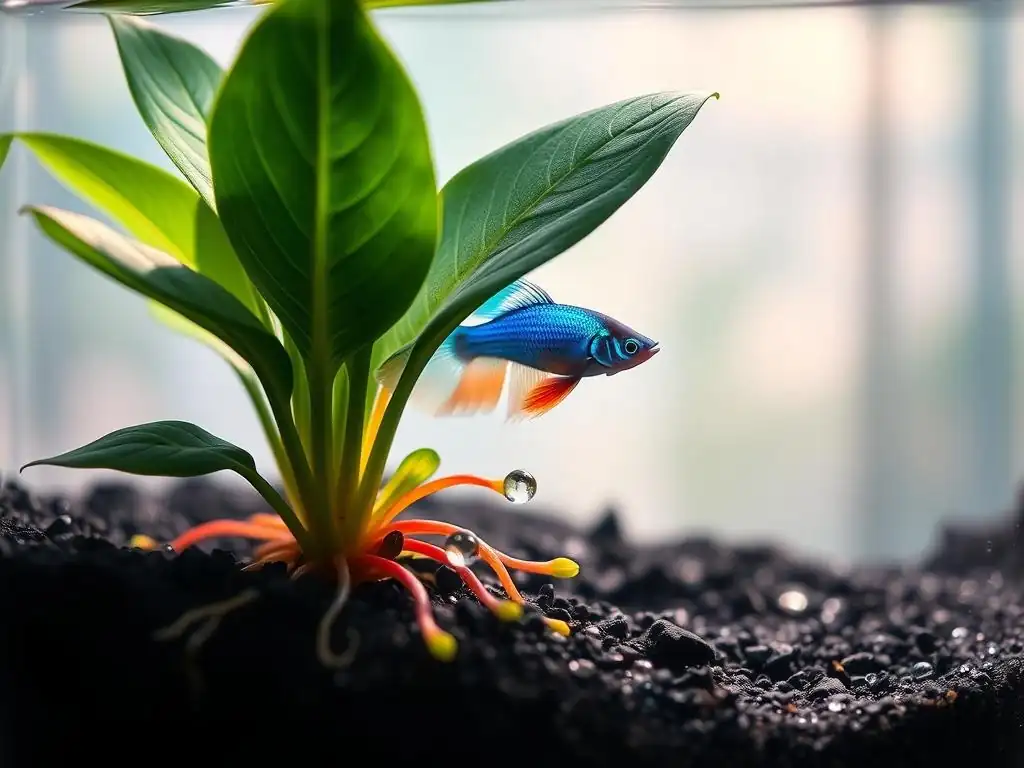
The choice of substrate is a critical factor for the successful growth of rooted Betta tank live plants. Aquarium-specific soil, such as ADA Aquasoil or Fluval Stratum, is highly recommended for plants that absorb nutrients primarily through their roots (e.g., Amazon Swords). These specialized soils are rich in essential nutrients and often have a granular structure that allows for excellent root penetration and aeration. Additionally, many aquarium soils can help buffer the water's pH to a slightly acidic range, which is generally suitable for both Betta fish and a wide variety of aquatic plants.
While inert gravel, such as standard aquarium gravel, can be used, it provides no inherent nutrients for plants. If opting for gravel, it is absolutely essential to supplement with root tabs inserted directly into the substrate near the base of rooted plants. When selecting gravel, fine gravel or sand is generally preferred over coarse varieties for Betta tanks to protect their delicate fins from potential damage. Regardless of the type, a substrate depth of at least 2-3 inches (5-7.5 cm) is recommended to provide sufficient anchorage and growing space for plant roots.
Lighting Requirements for Live Plants in Betta Fish Aquariums: LED vs. Fluorescent
Appropriate lighting is fundamental for the photosynthesis and healthy growth of Betta tank live plants. For most low-light plants commonly recommended for Betta tanks, such as Java Fern and Anubias, a photoperiod of 8-10 hours per day is ideal. A low-wattage LED light fixture (e.g., 5-10 watts for a 5-10 gallon tank) is often sufficient. Modern LED lights are energy-efficient, produce minimal heat, and many offer customizable spectrums, allowing for fine-tuning to promote plant growth and enhance fish coloration.
Older fluorescent T5 or T8 bulbs can also provide adequate light, though they are less commonly used for small Betta tanks today due to their size and energy consumption. It's important to understand that the duration of light is as crucial as its intensity; too much light can trigger undesirable algae growth, which competes with your Betta tank live plants for nutrients. Utilizing an automatic timer is highly recommended to maintain a consistent lighting schedule, which is vital for the long-term health of your plants and for preventing stress in your Betta.
Fertilizing Live Plants in Your Betta Tank: Liquid vs. Root Tabs
While some Betta tank live plants, particularly epiphytes like Java Fern and Anubias, can absorb a significant amount of their nutrients directly from the water column, rooted plants require additional fertilization to thrive. Liquid fertilizers provide a comprehensive blend of macro-nutrients (Nitrogen, Phosphorus, Potassium) and micro-nutrients (such as iron, manganese, and boron) that are absorbed by all plant types. These are typically dosed into the water column once or twice weekly, following the specific instructions on the product label, with common dosages being 1-2 ml per 10 gallons of water.
For heavy root-feeding plants like Amazon Swords, or when using an inert substrate such as gravel or sand, root tabs are an indispensable form of fertilization. These solid capsules or tablets are inserted directly into the substrate near the plant roots, slowly releasing nutrients over several months, typically requiring replacement every 3-4 months. Root tabs can significantly boost the growth and vitality of rooted plants. It is crucial to always use aquarium-safe fertilizers and adhere strictly to dosing instructions to prevent any harm to your Betta fish.
Preventing Algae Growth in Planted Betta Tanks: Algae Eaters and Light Control
Algae growth is a common challenge in planted aquariums, often signaling an imbalance in the tank's ecosystem. The primary culprits for excessive algae are typically too much light (either too intense or too long a duration, exceeding 10-12 hours per day) and/or an abundance of nutrients (especially phosphates and nitrates) that the Betta tank live plants are not consuming quickly enough. A balanced approach that addresses these factors is key to prevention.
Several strategies can help mitigate algae. Firstly, reduce the duration of your lighting period to 8-10 hours daily. Secondly, ensure your plants are healthy and growing robustly, as they will naturally outcompete algae for available nutrients. Regular partial water changes (e.g., 25% weekly) help export excess nutrients. Introducing small, Betta-safe algae eaters can also be effective; Nerite snails are excellent, consuming various types of algae without overpopulating, with 1-2 snails typically sufficient for a 10-gallon tank. Otocinclus catfish, while effective, require groups of 3+ and a minimum 10-gallon tank with a peaceful Betta.
Potential Problems and Solutions with Live Plants in Betta Aquariums
Plant Melt: Understanding and Addressing Plant Die-Off in Betta Tanks
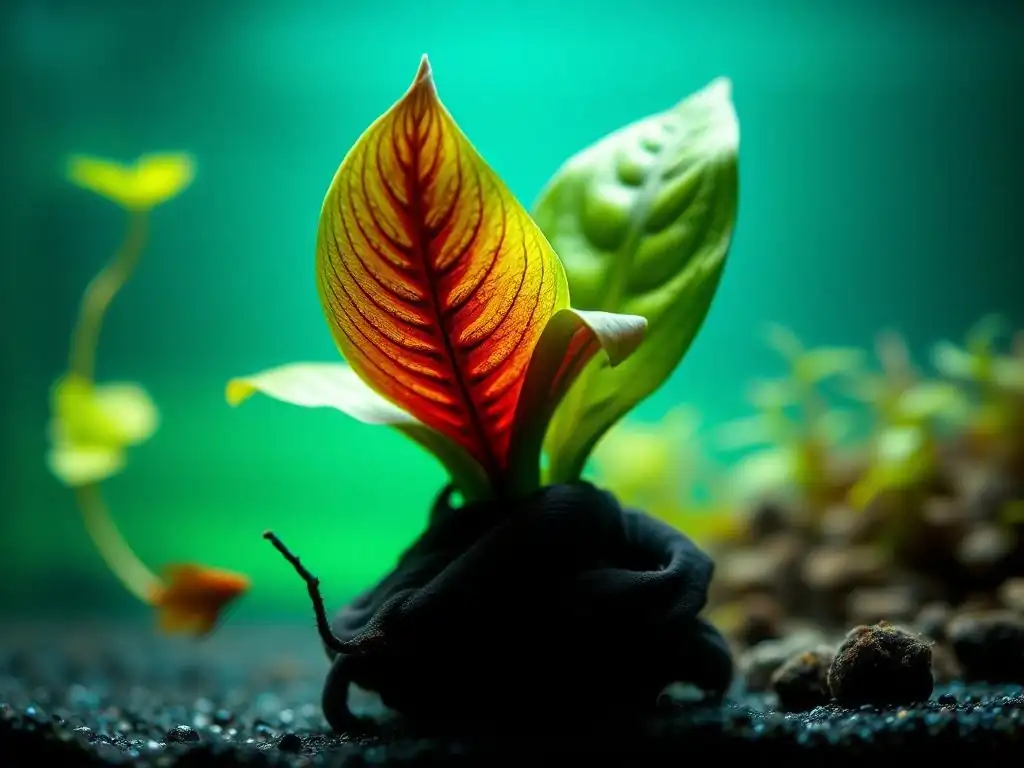
Plant melt is a common phenomenon observed when new Betta tank live plants are introduced into an aquarium, particularly if they were grown emersed (out of water) at the nursery and are now transitioning to submersed (underwater) growth. During this adaptation phase, older leaves may turn translucent, brown, or mushy and appear to "melt" away. While some degree of melt is normal as plants shed emersed growth and develop new submersed leaves, significant or prolonged melt indicates underlying issues.
To address excessive plant melt, it's crucial to ensure stable water parameters, provide adequate nutrients, and confirm correct lighting conditions. Promptly remove any melted or decaying leaves to prevent them from rotting and contributing to ammonia spikes in the water. If melt persists beyond 2-3 weeks, re-evaluate your tank's lighting intensity and duration, assess the availability of CO2 (if supplementing), and check for any nutrient deficiencies. For example, a newly introduced Amazon Sword might lose up to 50% of its existing leaves in the first two weeks before new, submersed-adapted growth begins to emerge.
Betta Fish Damaging Live Plants: Preventing Betta Fish from Eating or Uprooting Plants
While Bettas are not typically herbivorous and generally do not eat plants, some individual fish, especially younger or more curious ones, might occasionally nip at or attempt to uproot Betta tank live plants. This behavior is more common with soft-leaved plant species and can sometimes be a sign of boredom or insufficient stimulation in their environment. In most cases, significant damage from Bettas is rare.
To prevent your Betta from damaging plants, select hardy, broad-leaved species like Anubias or Java Fern, which are less appealing for nipping and more resistant to playful nudging. Ensure your Betta is well-fed with a high-quality diet and has ample space and environmental enrichment in their tank, such as varied decor and swimming areas, to keep them engaged.
If uprooting becomes an issue, secure plants firmly with plant weights, attach epiphytes securely to driftwood or rocks, or use a heavier substrate to provide better anchorage for rooted plants. A Betta might occasionally sample a thin-leaved Water Sprite but will rarely cause lasting damage to a robust Anubias.
Identifying and Treating Plant Diseases in Betta Tanks
What are often perceived as "plant diseases" in Betta tanks are, in most cases, not true pathogenic infections but rather symptoms of nutrient deficiencies or unfavorable environmental conditions. For example, yellowing leaves, particularly in older foliage, often indicate a nitrogen or iron deficiency. Stunted growth or pale new leaves might point to a lack of nitrates or phosphates. Holes in leaves, especially on older growth, are frequently a sign of potassium deficiency.
Treating these "diseases" involves identifying the specific deficiency and rectifying the environmental imbalance. Regularly observe your Betta tank live plants for any changes in color, growth pattern, or leaf integrity. Utilize a comprehensive liquid fertilizer that contains both macro and micro-nutrients, or strategically place root tabs for heavy root feeders, to address any deficiencies.
Ensuring consistent lighting, appropriate water parameters (pH, temperature), and sufficient CO2 (if applicable) are also crucial for overall plant health. For instance, if the leaves of your Anubias develop yellow veins while the rest of the leaf remains green, it is a classic symptom of iron deficiency, which can be quickly remedied by adding an iron-rich liquid supplement to the water column. True plant pathogens are exceedingly rare in well-maintained Betta aquariums.
Setting Up a Thriving Planted Betta Tank: Tips and Tricks
Choosing the Right Plants for Your Betta's Personality and Tank Size
Selecting the appropriate Betta tank live plants is crucial for creating a harmonious and thriving environment. For smaller tanks, such as 2.5 to 5 gallons, prioritize compact, low-light, and slow-growing species like Anubias nana, Java Fern, or Marimo Moss Balls, as they won't quickly overwhelm the limited space. For more active Bettas, ensure a balance between dense foliage for exploration and ample open swimming space, leaving at least 30-40% of the tank clear.
Consider your Betta's fin length and personality. Long-finned varieties (e.g., Halfmoons, Veiltails) benefit from broad, soft-leaved plants like Anubias or large Amazon Swords, which provide comfortable resting spots without snagging delicate fins. Short-finned Bettas (e.g., Plakats) are more agile and might enjoy denser, more intricate plant arrangements for active exploration. Always ensure that plants do not completely block surface access, as Bettas need to reach the surface to breathe atmospheric air.
Aquascaping Ideas for Planted Betta Tanks: Creating Depth and Visual Appeal
Effective aquascaping with Betta tank live plants can transform your aquarium into a visually stunning display while providing an enriching habitat for your fish. Employing basic design principles, such as the "rule of thirds," can help create a balanced and aesthetically pleasing layout. Place taller plants like Amazon Swords in the background, medium-height plants in the midground, and shorter foreground plants or moss balls to create a sense of depth and perspective within the tank.
Incorporating hardscape elements like rocks and driftwood not only adds to the natural aesthetic but also serves practical purposes. These can be used as attachment points for epiphytic Betta tank live plants such as Java Fern and Anubias, allowing for vertical growth and varied textures. Arrange plants to create natural pathways, distinct zones, and strategic hiding spots. This thoughtful arrangement provides both open areas for your Betta to swim freely and dense pockets for security and exploration, making the tank more engaging for both the fish and the observer.
Maintaining a Healthy Balance in Your Planted Betta Aquarium: Water Changes and Monitoring
Even with the significant benefits provided by Betta tank live plants in nutrient absorption and oxygenation, routine maintenance remains indispensable for a healthy and balanced planted Betta aquarium. Regular partial water changes, typically 25% weekly for a 5-10 gallon tank, are still necessary to remove accumulated organic waste that plants may not fully process and to replenish essential trace minerals consumed by plants and fish.
Consistent monitoring is key to long-term success. Regularly observe your Betta for any signs of stress, illness, or changes in behavior. Simultaneously, inspect your Betta tank live plants for any symptoms of nutrient deficiencies (e.g., yellowing leaves, stunted growth) or the onset of algae.
Periodically test key water parameters such as ammonia, nitrite, nitrate, and pH to ensure stability and address any fluctuations promptly. Prune your plants as needed to maintain their desired shape, prevent overcrowding, and ensure adequate light penetration and water circulation throughout the tank. A well-maintained planted Betta tank is a dynamic, living ecosystem that flourishes with ongoing attention and care.
Frequently Asked Questions
What are the primary benefits of using live plants in a Betta tank?
Live plants provide a more natural and enriching environment for Bettas. They help maintain water quality by absorbing nitrates and also offer hiding places to reduce stress.
What are some easy-to-care-for live plant options suitable for a Betta tank?
Beginner-friendly options include Anubias, Java Fern, and Amazon Sword. These plants are low-maintenance and can tolerate a range of water conditions suitable for Bettas.
How do live plants help with water quality in a Betta tank?
Live plants consume harmful nitrates produced by fish waste, effectively acting as a natural filter. This contributes to a healthier and more stable aquarium environment.
Are there any specific live plants that Bettas particularly enjoy or benefit from?
Bettas often appreciate plants with broad leaves, like Anubias, as they provide resting spots near the surface. Floating plants also offer shade and security.
How do I properly prepare and introduce live plants into my Betta tank?
Rinse plants thoroughly to remove any pesticides or snails. You may need to quarantine new plants before adding them to your main tank to prevent introducing diseases or pests.
Final Reflection: Cultivating Harmony in the Betta's World
The journey of understanding the symbiotic relationship between bettas and live plants, as explored throughout this article, highlights the enduring power of natural ecosystems within even the smallest of aquariums. The principles of balance and enrichment we've discussed are not merely aesthetic choices, but fundamental to the health and well-being of these captivating creatures, offering a glimpse into the intricate beauty of the natural world we strive to replicate.
The integration of live plants into betta tanks has profoundly influenced the aquascaping community, shifting the focus from sterile environments to thriving, dynamic ecosystems. Witnessing the vibrant colors of a betta fish nestled amongst lush greenery underscores the importance of creating habitats that mimic their natural surroundings. In nature, nothing is perfect and everything is perfect. Trees can be contorted, bent in weird ways, and they're still beautiful.
- Alice Walker. This quote reminds us that even the imperfections of a natural environment contribute to its overall beauty and functionality, a principle equally applicable to our betta tanks.
As you consider the information presented, I encourage you to embrace the transformative potential of live plants in your own betta tank. Let the principles of natural balance and mindful aquascaping guide your choices, creating not just a visually stunning environment, but a thriving ecosystem that enriches the life of your betta and deepens your connection to the natural world.
Cultivate Your Betta's Paradise!
Thank you for diving into the world of live plants for betta tanks! We hope you've discovered how these natural wonders can enrich your betta's life and transform your aquarium. Now, it's time to put that knowledge into action.
- Introduce one of the recommended easy-care plants like Anubias or Java Fern into your betta's tank this week. Observe how your betta interacts with its new leafy companion!
- Share this newfound knowledge! Tell at least one other fishkeeping friend about the benefits of live plants for betta tanks and help them create a thriving ecosystem.
- For a unique twist, consider creating a floating plant island using cork bark and attaching Java Moss. Your betta will thank you for the shaded retreat!
What unique plant combination will you choose to make your betta's home a true aquatic masterpiece?